From Surf Wiki (app.surf) — the open knowledge base
Mat Salleh
Malay term for white people
Malay term for white people
the colloquial Malay expression for white people
Mat Salleh is a Malay term used as a colloquial expression to refer to white people. The exact origins of the expression are difficult to ascertain, due to there being several versions of the term's origin being passed down via word of mouth, with little or no official documentation to support such oral claims. The term arose during the colonial period of Malaysian history and is still commonly used.
Etymology
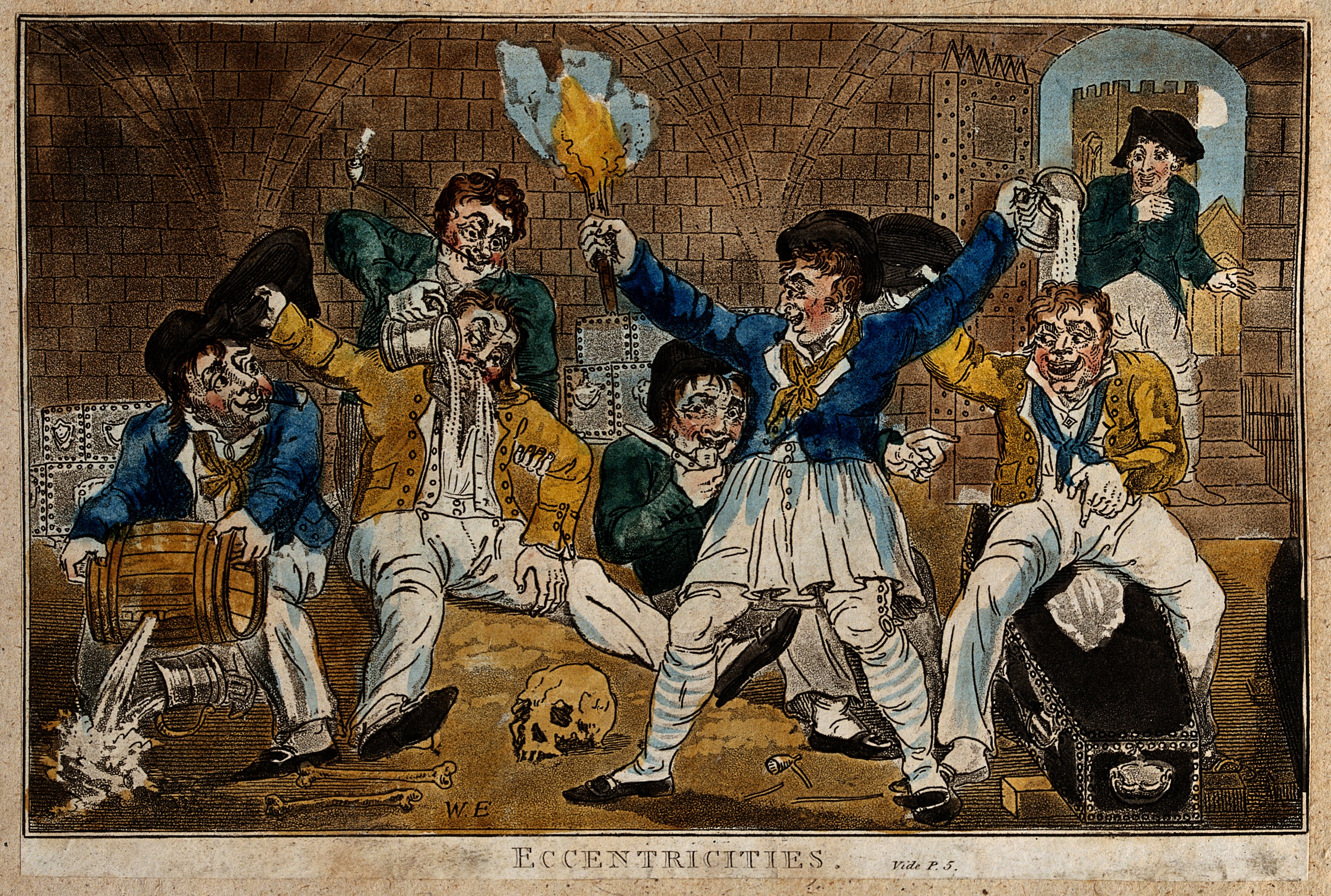
One etymological story claims the word might have been derived from the colloquial expression "mad sailor". The first encounter many Malays had with white foreigners were dignified and upper-class colonial officials, leading the Malays to both admire these foreigners and assume all white people behaved as such. When warships began to put into Malayan ports to collect supplies, sailors were given leave to disembark their ships and spend time in port. These were typically working-class men who enjoyed getting drunk and brawling amongst themselves. These behaviours shocked the Malays, who swiftly inquired to the colonial officials concerning the puzzling behaviour of the sailors. The colonial officials, not wishing the Malay image of them to dissipate, dismissed them as mere "mad sailors".
Another etymological story claims the term derives from another term which was applied to shipwrecked sailors who became stranded on Malayan shores. Upon encountering the native Malays, the story claims that many of these sailors ran away, assuming the Malays to be cannibals, with their erratic actions being deemed as "mad sailors" by other Europeans the Malays encountered.
It could also be from the words 'mat salih', which meant 'weird person'.
In the Malaysian state of Sabah, the term Mat Salleh was an utterance of defiance by Sabahans to remind the Orang Puteh (White People) of the Mat Salleh Rebellion against the military forces of the British North Borneo Chartered Company from 1895 to circa 1905. The enigmatic led the 1897 attack on the Company's fort on Gaya island burning it to the ground. After 6 years of insurrection, his fort at Tambunan was shelled by artillery and destroyed in 1900 and he died by machine-gun fire. About 1,000 rebels died in that battle.
According to Hoogervorst (2015), it is more likely that the term is a reference to a Perak aristocrat of the same name who lived in the late 19th century. The Mat Salleh in question was one of the first Malay rulers to embrace and work for the British regime at the time.
References
References
- Arope, Ani. (December 29, 1992). "Possible Origin of Mat Salleh term". [[New Straits Times]].
- (January 2009). ""Reading the Postcolonial Allegory in Beth Yahp's The Crocodile Fury: Censored Subjects, Ambivalent Spaces, and Transformative Bodies."". Nebula.
- "Carian Umum".
- "Carian Umum".
- Singh, Ranjit D. S.. (2003). "The making of Sabah 1865–1941: The dynamics of indigenous society (2nd ed.)". University of Malaya Press.
- Ooi, Keat Gin. (2004). "Mat Salleh Rebellion (1894–1905): Resisting foreign intrusion". ABC-CLIO.
- Hoogervorst, Tom. (2015). "Malay youth language in West Malaysia". NUSA.
This article was imported from Wikipedia and is available under the Creative Commons Attribution-ShareAlike 4.0 License. Content has been adapted to SurfDoc format. Original contributors can be found on the article history page.
Ask Mako anything about Mat Salleh — get instant answers, deeper analysis, and related topics.
Research with MakoFree with your Surf account
Create a free account to save articles, ask Mako questions, and organize your research.
Sign up freeThis content may have been generated or modified by AI. CloudSurf Software LLC is not responsible for the accuracy, completeness, or reliability of AI-generated content. Always verify important information from primary sources.
Report