From Surf Wiki (app.surf) — the open knowledge base
Marine mammal
Mammals that rely on marine environments for feeding
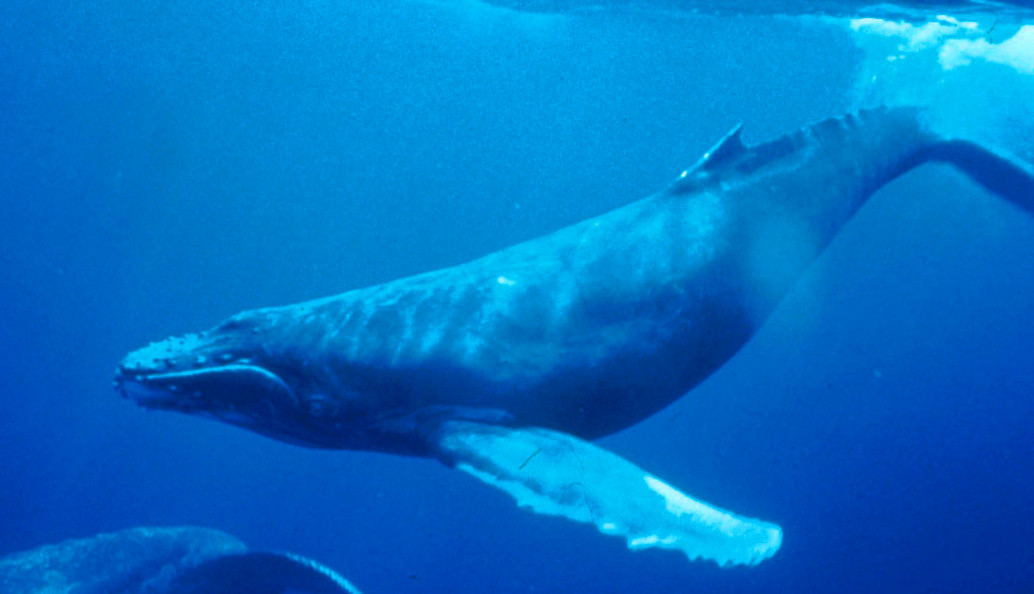
Mammals that rely on marine environments for feeding
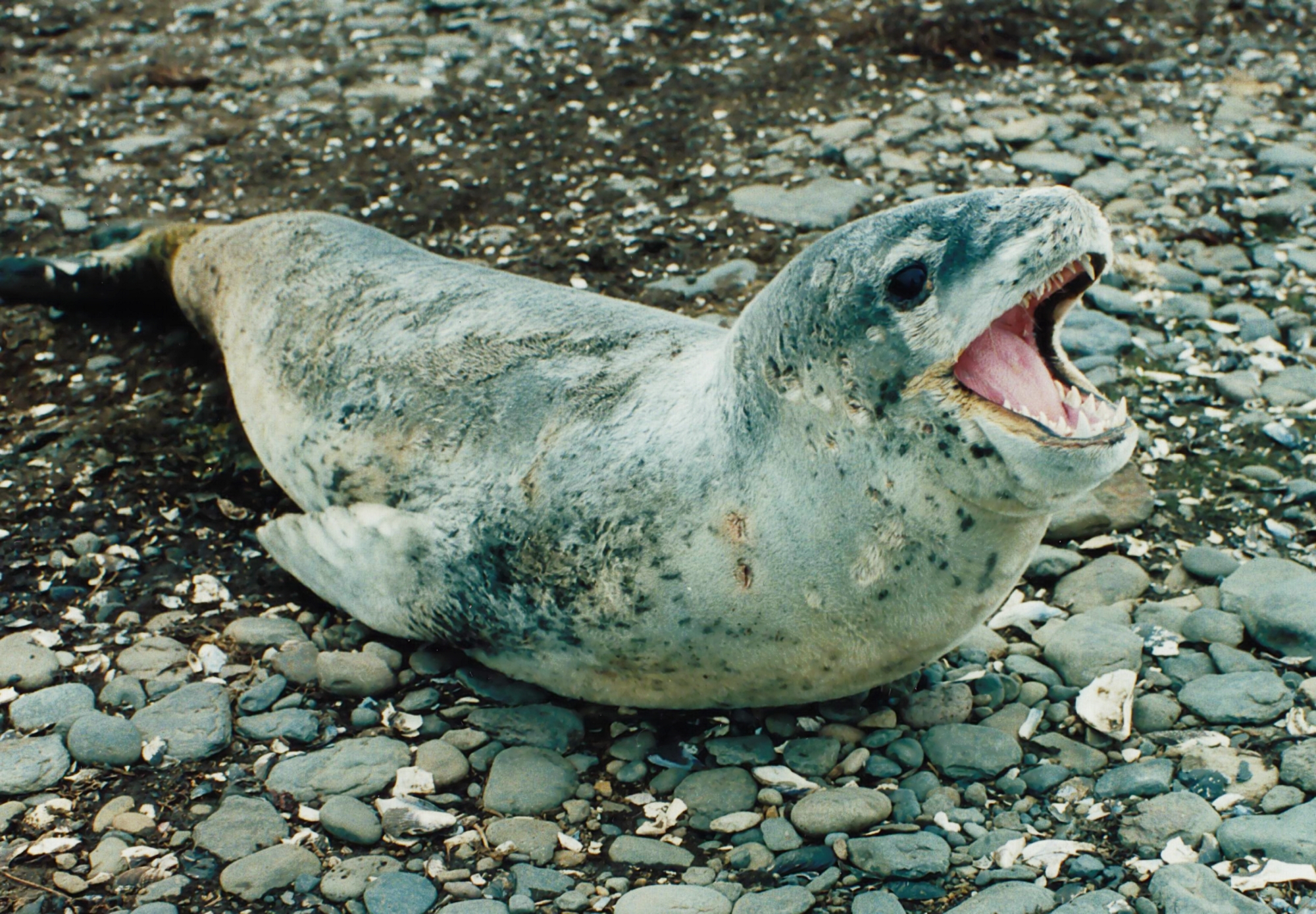
Marine mammals are mammals that rely on marine ecosystems for their existence. They include animals such as cetaceans, pinnipeds, sirenians, marine otters, sea otters and polar bears. They are an informal group, unified only by their reliance on marine environments for feeding and survival.
Marine mammal adaptation to an aquatic lifestyle varies considerably between species. Both cetaceans and sirenians are fully aquatic and therefore are obligate water dwellers. Pinnipeds are semiaquatic; they spend the majority of their time in the water but need to return to land for important activities such as mating, breeding and molting. Sea otters tend to live in kelp forests and estuaries. In contrast, the polar bear is mostly terrestrial and only go into the water on occasions of necessity, and are thus much less adapted to aquatic living. The diets of marine mammals vary considerably as well; some eat zooplankton, others eat fish, squid, shellfish, or seagrass, and a few eat other mammals. While the number of marine mammals is small compared to those found on land, their roles in various ecosystems are large, especially concerning the maintenance of marine ecosystems, through processes including the regulation of prey populations. This role in maintaining ecosystems makes them of particular concern as 23% of marine mammal species are currently threatened.
Marine mammals were first hunted by aboriginal peoples for food and other resources. Many were also the target for commercial industry, leading to a sharp decline in all populations of exploited species, such as whales and seals. Commercial hunting led to the extinction of the Steller's sea cow, sea mink, Japanese sea lion and Caribbean monk seal. After commercial hunting ended, some species, such as the gray whale and northern elephant seal, have rebounded in numbers; conversely, other species, such as the North Atlantic right whale, are critically endangered. Other than being hunted, marine mammals can be killed as bycatch from fisheries, where for example they can become entangled in nets and drown or starve. Increased ocean traffic causes collisions between fast ocean vessels and large marine mammals. Habitat degradation also threatens marine mammals and their ability to find and catch food. Noise pollution, for example, may adversely affect echolocating mammals, and the ongoing effects of global warming degrade Arctic environments.
Taxonomy
Classification of extant species
Main article: List of marine mammal species
- Order Cetartiodactyla
- Suborder Whippomorpha
- Family Balaenidae (right and bowhead whales), two genera and four species
- Family Cetotheriidae (pygmy right whale), one species
- Family Balaenopteridae (rorquals), two genera and eight species
- Family Eschrichtiidae (gray whale), one species
- Family Physeteridae (sperm whale), one species
- Family Kogiidae (pygmy and dwarf sperm whales), one genus and two species
- Family Monodontidae (narwhal and beluga), two genera and two species
- Family Ziphiidae (beaked whales), six genera and 21 species
- Family Delphinidae (oceanic dolphins), 17 genera and 38 species
- Family Phocoenidae (porpoises), two genera and seven species
- Suborder Whippomorpha
- Order Sirenia (sea cows)
- Family Trichechidae (manatees), three species
- Family Dugongidae (dugongs), one species
- Order Carnivora (carnivorans)
- Suborder Caniformia
- Family Mustelidae, two species
- Family Ursidae (bears), one species
- Infraorder Pinnipedia (sealions, walruses, seals)
- Family Otariidae (eared seals), seven genera and 15 species
- Family Odobenidae (walrus), one species
- Family Phocidae (earless seals), 14 genera and 18 species
- Suborder Caniformia
The term "marine mammal" encompasses all mammals whose survival depends entirely or almost entirely on the oceans, which have also evolved several specialized aquatic traits. In addition to the above, several other mammals have a great dependency on the sea without having become so anatomically specialized, otherwise known as "quasi-marine mammals". This term can include: the greater bulldog bat (Noctilio leporinus), the fish-eating bat (Myotis vivesi), the arctic fox (Vulpes lagopus) which often scavenges polar bear kills, coastal gray wolf (Canis lupus) populations which predominantly eat salmon and marine carcasses, the North Ronaldsay sheep (Ovis aries) which normally eats seaweed outside the lambing season, the Eurasian otter (Lutra lutra) which is usually found in freshwater but can be found along coastal Scotland, and others.
Evolution
Marine mammals form a diverse group of 129 species that rely on the ocean for their existence. They are an informal group unified only by their reliance on marine environments for feeding. Despite the diversity in anatomy seen between groups, improved foraging efficiency has been the main driver in their evolution. The level of dependence on the marine environment varies considerably with species. For example, dolphins and whales are completely dependent on the marine environment for all stages of their life; seals feed in the ocean but breed on land; and polar bears must feed on land.
The cetaceans became aquatic around 50 million years ago (mya). Based on molecular and morphological research, the cetaceans genetically and morphologically fall firmly within the Artiodactyla (even-toed ungulates). The term "Cetartiodactyla" reflects the idea that whales evolved within the ungulates. The term was coined by merging the name for the two orders, Cetacea and Artiodactyla, into a single word. Under this definition, the closest living land relative of the whales and dolphins is thought to be the hippopotamuses.
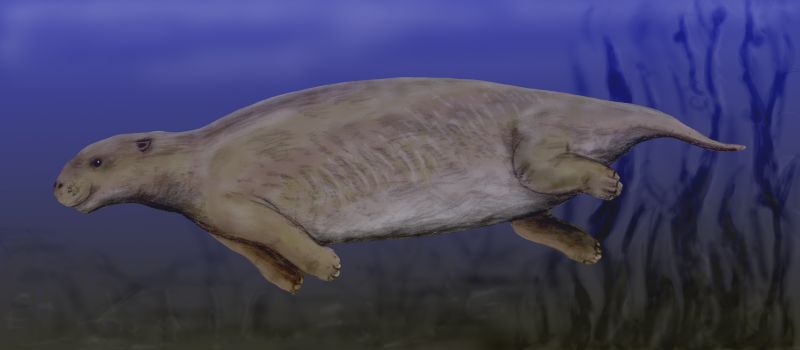
Sirenians, the sea cows, became aquatic around 40 million years ago. The first appearance of sirenians in the fossil record was during the early Eocene, and by the late Eocene, sirenians had significantly diversified. Inhabitants of rivers, estuaries, and nearshore marine waters, they were able to spread rapidly. The most primitive sirenian, †Prorastomus, was found in Jamaica, unlike other marine mammals which originated from the Old World (such as cetaceans). The first known quadrupedal sirenian was †Pezosiren from the early middle Eocene. The earliest known sea cows, of the families †Prorastomidae and †Protosirenidae, were both confined to the Eocene, and were pig-sized, four-legged, amphibious creatures. The first members of Dugongidae appeared by the middle Eocene. At this point, sea cows were fully aquatic.
Pinnipeds split from other caniforms 50 mya during the Eocene. Their evolutionary link to terrestrial mammals was unknown until the 2007 discovery of †Puijila darwini in early Miocene deposits in Nunavut, Canada. Like a modern otter, †Puijila had a long tail, short limbs and webbed feet instead of flippers. The lineages of Otariidae (eared seals) and Odobenidae (walrus) split almost 28 mya. Phocids (earless seals) are known to have existed for at least 15 mya, and molecular evidence supports a divergence of the Monachinae (monk seals) and Phocinae lineages 22 mya.
Fossil evidence indicates the sea otter (Enhydra) lineage became isolated in the North Pacific approximately two mya, giving rise to the now-extinct †Enhydra macrodonta and the modern sea otter, Enhydra lutris. The sea otter evolved initially in northern Hokkaidō and Russia, and then spread east to the Aleutian Islands, mainland Alaska, and down the North American coast. In comparison to cetaceans, sirenians, and pinnipeds, which entered the water approximately 50, 40, and 20 mya, respectively, the sea otter is a relative newcomer to marine life. In some respects though, the sea otter is more fully adapted to water than pinnipeds, which must haul out on land or ice to give birth.
Polar bears are thought to have diverged from a population of brown bears, Ursus arctos, that became isolated during a period of glaciation in the Pleistocene or from the eastern part of Siberia, (from Kamchatka and the Kolym Peninsula). The oldest known polar bear fossil is a 130,000-to-110,000-year-old jaw bone, found on Prince Charles Foreland in 2004. The mitochondrial DNA (mtDNA) of the polar bear diverged from the brown bear roughly 150,000 years ago. Further, some clades of brown bear, as assessed by their mtDNA, are more closely related to polar bears than to other brown bears, meaning that the polar bear might not be considered a species under some species concepts.
In general, terrestrial amniote invasions of the sea have become more frequent in the Cenozoic than they were in the Mesozoic. Factors contributing to this trend include the increasing productivity of near-shore marine environments, and the role of endothermy in facilitating this transition.
Distribution and habitat
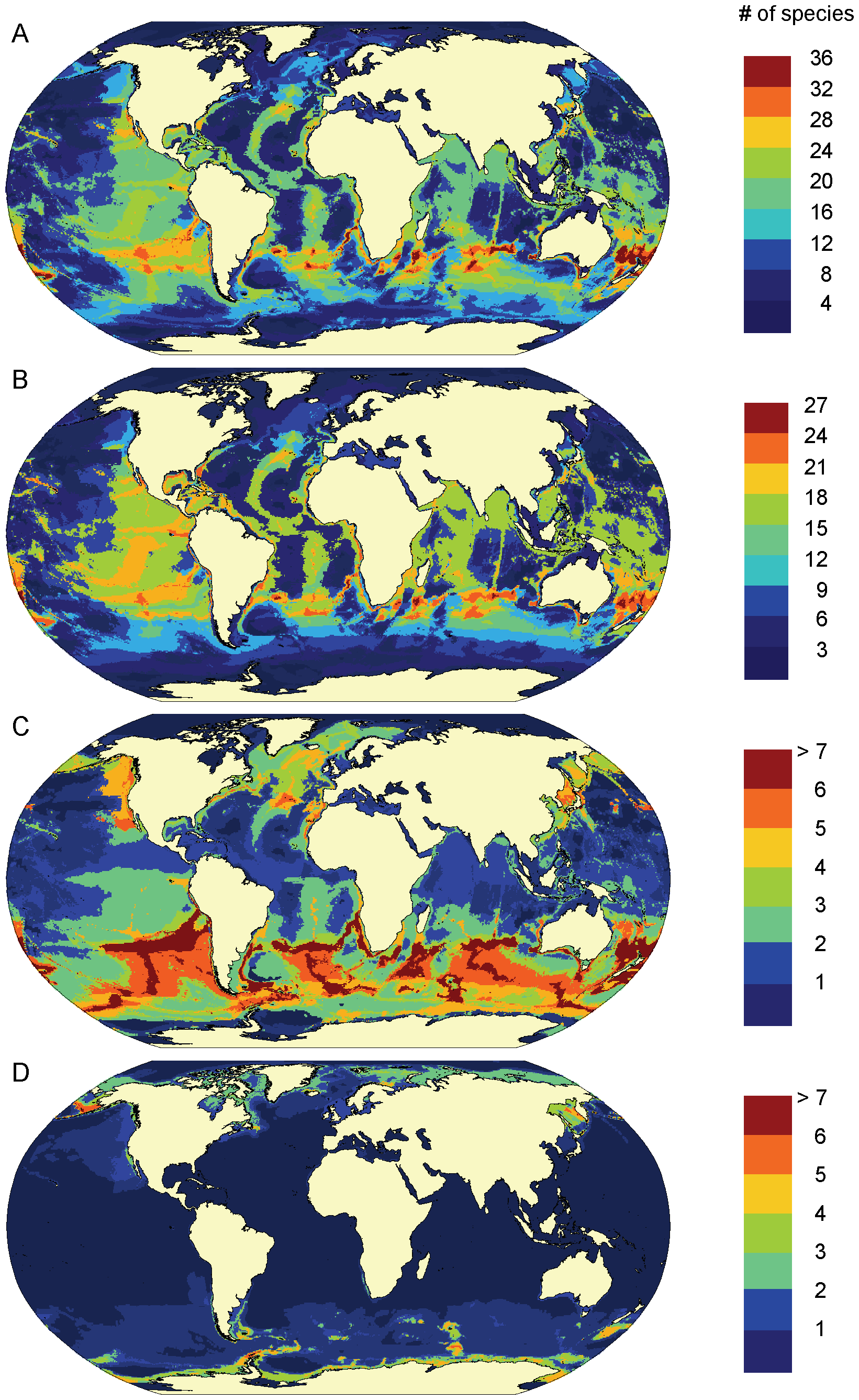
Marine mammals are widely distributed throughout the globe, but their distribution is patchy and coincides with the productivity of the oceans. Species richness peaks at around 40° latitude, both north and south. This corresponds to the highest levels of primary production around North and South America, Africa, Asia and Australia. Total species range is highly variable for marine mammal species. On average most marine mammals have ranges which are equivalent or smaller than one-fifth of the Indian Ocean. The variation observed in range size is a result of the different ecological requirements of each species and their ability to cope with a broad range of environmental conditions. The high degree of overlap between marine mammal species richness and areas of human impact on the environment is of concern.
Most marine mammals, such as seals and sea otters, inhabit the coast. Seals, however, also use a number of terrestrial habitats, both continental and island. In temperate and tropical areas, they haul-out on to sandy and pebble beaches, rocky shores, shoals, mud flats, tide pools and in sea caves. Some species also rest on man-made structures, like piers, jetties, buoys and oil platforms. Seals may move further inland and rest in sand dunes or vegetation, and may even climb cliffs. Most cetaceans live in the open ocean, and species like the sperm whale may dive to depths of -1000 to in search of food. Sirenians live in shallow coastal waters, usually living 30 ft below sea level. However, they have been known to dive to -120 ft to forage deep-water seagrasses. Sea otters live in protected areas, such as rocky shores, kelp forests, and barrier reefs, although they may reside among drift ice or in sandy, muddy, or silty areas.
Many marine mammals seasonally migrate. Annual ice contains areas of water that appear and disappear throughout the year as the weather changes, and seals migrate in response to these changes. In turn, polar bears must follow their prey. In Hudson Bay, James Bay, and some other areas, the ice melts completely each summer (an event often referred to as "ice-floe breakup"), forcing polar bears to go onto land and wait through the months until the next freeze-up. In the Chukchi and Beaufort seas, polar bears retreat each summer to the ice further north that remains frozen year-round. Seals may also migrate to other environmental changes, such as El Niño, and traveling seals may use various features of their environment to reach their destination including geomagnetic fields, water and wind currents, the position of the sun and moon and the taste and temperature of the water. possibly to prevent predation by killer whales. The gray whale has the longest recorded migration of any mammal, with one traveling 14000 mi from the Sea of Okhotsk to the Baja Peninsula. During the winter, manatees living at the northern end of their range migrate to warmer waters.
Adaptations

Marine mammals have a number of physiological and anatomical features to overcome the unique challenges associated with aquatic living. Some of these features are very species-specific. Marine mammals have developed a number of features for efficient locomotion such as torpedo-shaped bodies to reduce drag; modified limbs for propulsion and steering; tail flukes and dorsal fins for propulsion and balance. Marine mammals are adept at thermoregulation using dense fur or blubber, circulatory adjustments (counter-current heat exchange); and reduced appendages, and large size to prevent heat loss.
Marine mammals are able to dive for long periods. Both pinnipeds and cetaceans have large and complex blood vessel systems pushing large volumes of blood rich in myoglobin and hemoglobin, which serve to store greater quantities of oxygen. Other important reservoirs include muscles and the spleen which all have the capacity to hold a high concentration of oxygen. They are also capable of bradycardia (reduced heart rate), and vasoconstriction (shunting most of the oxygen to vital organs such as the brain and heart) to allow extended diving times and cope with oxygen deprivation.
Sound travels differently through water, and therefore marine mammals have developed adaptations to ensure effective communication, prey capture, and predator detection. These sounds are reflected by the dense concave bone of the cranium and an air sac at its base. The focused beam is modulated by a large fatty organ known as the 'melon'. This acts like an acoustic lens because it is composed of lipids of differing densities.
Marine mammals have evolved a wide variety of features for feeding, which are mainly seen in their dentition. For example, the cheek teeth of pinnipeds and odontocetes are specifically adapted to capture fish and squid. In contrast, baleen whales have evolved baleen plates to filter feed plankton and small fish from the water.
Polar bears, otters, and fur seals have long, oily, and waterproof fur in order to trap air to provide insulation. In contrast, other marine mammals—such as whales, dolphins, porpoises, manatees, dugongs, and walruses—have lost long fur in favor of a thick, dense epidermis and a thickened fat layer (blubber) to prevent drag. Wading and bottom-feeding animals (such as manatees) need to be heavier than water in order to keep contact with the floor or to stay submerged. Surface-living animals (such as sea otters) need the opposite, and free-swimming animals living in open waters (such as dolphins) need to be neutrally buoyant in order to be able to swim up and down the water column. Typically, thick and dense bone is found in bottom feeders and low bone density is associated with mammals living in deep water. Some marine mammals, such as polar bears and otters, have retained four weight-bearing limbs and can walk on land like fully terrestrial animals.
Ecology
Dietary
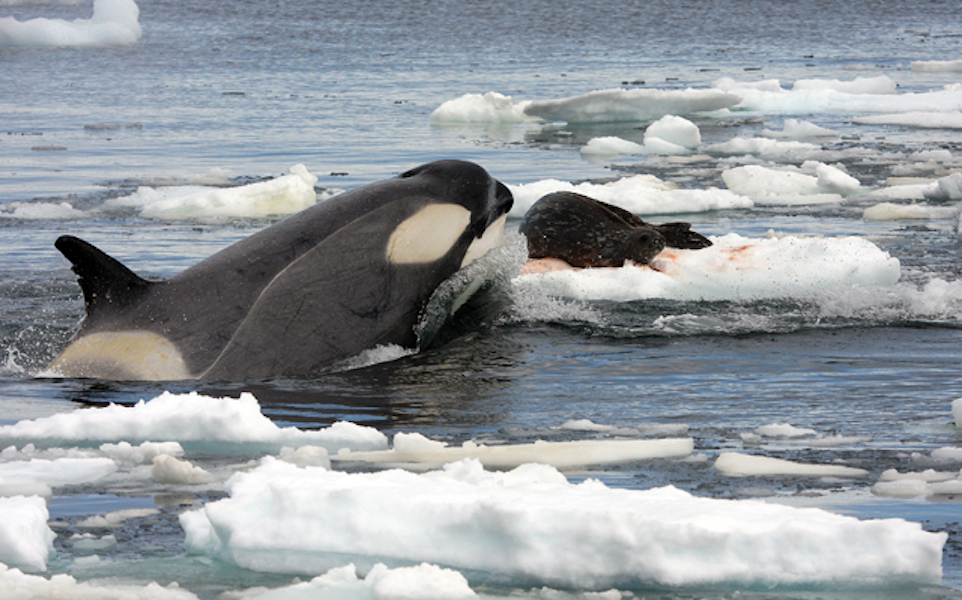
All cetaceans are carnivorous and predatory. Toothed whales mostly feed on fish and cephalopods, followed by crustaceans and bivalves. Some may forage with other kinds of animals, such as other species of whales or certain species of pinnipeds. One common feeding method is herding, where a pod squeezes a school of fish into a small volume, known as a bait ball. Individual members then take turns plowing through the ball, feeding on the stunned fish. Coralling is a method where dolphins chase fish into shallow water to catch them more easily. Orcas and bottlenose dolphins have also been known to drive their prey onto a beach to feed on it. Killer whales have been known to paralyze great white sharks and other sharks and rays by flipping them upside down. Other whales with a blunt snout and reduced dentition rely on suction feeding. Though carnivorous, they house gut flora similar to that of terrestrial herbivores, probably a remnant of their herbivorous ancestry.
Baleen whales use their baleen plates to sieve plankton, among others, out of the water; there are two types of methods: lunge-feeding and gulp-feeding. Lunge-feeders expand the volume of their jaw to a volume bigger than the original volume of the whale itself by inflating their mouth. This causes grooves on their throat to expand, increasing the amount of water the mouth can store. They ram a baitball at high speeds in order to feed, but this is only energy-effective when used against a large baitball. Gulp-feeders swim with an open mouth, filling it with water and prey. Prey must occur in sufficient numbers to trigger the whale's interest, be within a certain size range so that the baleen plates can filter it, and be slow enough so that it cannot escape.

Otters are the only marine animals that are capable of lifting and turning over rocks, which they often do with their front paws when searching for prey. The sea otter may pluck snails and other organisms from kelp and dig deep into underwater mud for clams. Under each foreleg, sea otters have a loose pouch of skin that extends across the chest which they use to store collected food to bring to the surface. This pouch also holds a rock that is used to break open shellfish and clams, an example of tool use. The sea otters eat while floating on their backs, using their forepaws to tear food apart and bring to their mouths. Marine otters mainly feed on crustaceans and fish.
Pinnipeds mostly feed on fish and cephalopods, followed by crustaceans and bivalves, and then zooplankton and warm-blooded prey (like sea birds). They typically hunt non-schooling fish, slow-moving or immobile invertebrates or endothermic prey when in groups. Solitary foraging species usually exploit coastal waters, bays and rivers. When large schools of fish or squid are available, pinnipeds hunt cooperatively in large groups, locating and herding their prey. Some species, such as California and South American sea lions, may forage with cetaceans and sea birds.
The polar bear is the most carnivorous species of bear, and its diet primarily consists of ringed (Pusa hispida) and bearded (Erignathus barbatus) seals. Polar bears hunt primarily at the interface between ice, water, and air; they only rarely catch seals on land or in open water. The polar bear's most common hunting method is still-hunting: The bear locates a seal breathing hole using its sense of smell, and crouches nearby for a seal to appear. When the seal exhales, the bear smells its breath, reaches into the hole with a forepaw, and drags it out onto the ice. The polar bear also hunts by stalking seals resting on the ice. Upon spotting a seal, it walks to within 100 yd, and then crouches. If the seal does not notice, the bear creeps to within 30 to of the seal and then suddenly rushes to attack. A third hunting method is to raid the birth lairs that female seals create in the snow. They may also feed on fish.

Sirenians are referred to as "sea cows" because their diet consists mainly of seagrass. When eating, they ingest the whole plant, including the roots, although when this is impossible they feed on just the leaves. A wide variety of seagrass has been found in dugong stomach contents, and evidence exists they will eat algae when seagrass is scarce. West Indian manatees eat up to 60 different species of plants, as well as fish and small invertebrates to a lesser extent.
Keystone species
Sea otters are a classic example of a keystone species; their presence affects the ecosystem more profoundly than their size and numbers would suggest. They keep the population of certain benthic (sea floor) herbivores, particularly sea urchins, in check. Sea urchins graze on the lower stems of kelp, causing the kelp to drift away and die. Loss of the habitat and nutrients provided by kelp forests leads to profound cascade effects on the marine ecosystem. North Pacific areas that do not have sea otters often turn into urchin barrens, with abundant sea urchins and no kelp forest. Reintroduction of sea otters to British Columbia has led to a dramatic improvement in the health of coastal ecosystems, and similar changes have been observed as sea otter populations recovered in the Aleutian and Commander Islands and the Big Sur coast of California. However, some kelp forest ecosystems in California have also thrived without sea otters, with sea urchin populations apparently controlled by other factors. The role of sea otters in maintaining kelp forests has been observed to be more important in areas of open coast than in more protected bays and estuaries.
An apex predator affects prey population dynamics and defense tactics (such as camouflage). The polar bear is the apex predator within its range. The evolutionary pressure of polar bear predation on seals probably accounts for some significant differences between Arctic and Antarctic seals. Compared to the Antarctic, where there is no major surface predator, Arctic seals use more breathing holes per individual, appear more restless when hauled out on the ice, and rarely defecate on the ice. The fur of Arctic pups is white, presumably to provide camouflage from predators, whereas Antarctic pups all have dark fur.
Killer whales are apex predators throughout their global distribution, and can have a profound effect on the behavior and population of prey species. Their diet is very broad and they can feed on many vertebrates in the ocean including salmon, rays, sharks (even white sharks), large baleen whales, and nearly 20 species of pinniped. The predation of whale calves may be responsible for annual whale migrations to calving grounds in more tropical waters, where the population of killer whales is much lower than in polar waters. Prior to whaling, it is thought that great whales were a major food source; however, after their sharp decline, killer whales have since expanded their diet, leading to the decline of smaller marine mammals. A decline in Aleutian Islands sea otter populations in the 1990s was controversially attributed by some scientists to killer whale predation, although with no direct evidence. The decline of sea otters followed a decline in harbor seal and Steller sea lion populations, the killer whale's preferred prey, which in turn may be substitutes for their original prey, now reduced by industrial whaling.
Whale pump
Main article: Whale pump, Whale fall
A 2010 study considered whales to be a positive influence to the productivity of ocean fisheries, in what has been termed a "whale pump". Whales carry nutrients such as nitrogen from the depths back to the surface. This functions as an upward biological pump, reversing an earlier presumption that whales accelerate the loss of nutrients to the bottom. This nitrogen input in the Gulf of Maine is more than the input of all rivers combined emptying into the gulf, some 23000 MT each year. Whales defecate at the ocean's surface; their excrement is important for fisheries because it is rich in iron and nitrogen. The whale feces are liquid and instead of sinking, they stay at the surface where phytoplankton feed off it.
Upon death, whale carcasses fall to the deep ocean and provide a substantial habitat for marine life. Evidence of whale falls in present-day and fossil records shows that deep-sea whale falls support a rich assemblage of creatures, with a global diversity of 407 species, comparable to other neritic biodiversity hotspots, such as cold seeps and hydrothermal vents. Deterioration of whale carcasses happens through a series of three stages. Initially, moving organisms, such as sharks and hagfish, scavenge soft tissue at a rapid rate over a period of months to as long as two years. This is followed by the colonization of bones and surrounding sediments (which contain organic matter) by enrichment opportunists, such as crustaceans and polychaetes, throughout a period of years. Finally, sulfophilic bacteria reduce the bones releasing hydrogen sulphide enabling the growth of chemoautotrophic organisms, which in turn, support other organisms such as mussels, clams, limpets, and sea snails. This stage may last for decades and supports a rich assemblage of species, averaging 185 species per site.
Interactions with humans
Threats
Due to the difficulty to survey populations, 38% of marine mammals are data deficient, especially around the Antarctic Polar Front. In particular, declines in the populations of completely marine mammals tend to go unnoticed 70% of the time.
Exploitation

Marine mammals were hunted by coastal aboriginal humans historically for food and other resources. These subsistence hunts still occur in Canada, Greenland, Indonesia, Russia, the United States, and several nations in the Caribbean. The effects of these are only localized, as hunting efforts were on a relatively small scale. Because whales generally have slow growth rates, are slow to reach sexual maturity, and have a low reproductive output, population recovery has been very slow.
A number of whales are still subject to direct hunting, despite the 1986 moratorium on commercial whaling set under the terms of the International Whaling Commission (IWC). There are only two nations remaining which sanction commercial whaling: Norway, where several hundred common minke whales are harvested each year; and Iceland, where quotas of 150 fin whales and 100 minke whales per year are set. Japan also harvests several hundred Antarctic and North Pacific minke whales each year, ostensibly for scientific research in accordance with the moratorium.

The most profitable furs in the fur trade were those of sea otters, especially the northern sea otter which inhabited the coastal waters between the Columbia River to the south and Cook Inlet to the north. The fur of the Californian southern sea otter was less highly prized and thus less profitable. After the northern sea otter was hunted to local extinction, maritime fur traders shifted to California until the southern sea otter was likewise nearly extinct. The British and American maritime fur traders took their furs to the Chinese port of Guangzhou (Canton), where they worked within the established Canton System. Furs from Russian America were mostly sold to China via the Mongolian trading town of Kyakhta, which had been opened to Russian trade by the 1727 Treaty of Kyakhta.
Commercial sealing was historically just as important as the whaling industry. Exploited species included harp seals, hooded seals, Caspian seals, elephant seals, walruses and all species of fur seal. The scale of seal harvesting decreased substantially after the 1960s, after the Canadian government reduced the length of the hunting season and implemented measures to protect adult females. Several species that were commercially exploited have rebounded in numbers; for example, Antarctic fur seals may be as numerous as they were prior to harvesting. The northern elephant seal was hunted to near extinction in the late 19th century, with only a small population remaining on Guadalupe Island. It has since recolonized much of its historic range, but has a population bottleneck.
Polar bears can be hunted for sport in Canada with a special permit and accompaniment by a local guide. This can be an important source of income for small communities, as guided hunts bring in more income than selling the polar bear hide on markets. The United States, Russia, Norway, Greenland, and Canada allow subsistence hunting, and Canada distributes hunting permits to indigenous communities. The selling of these permits is a main source of income for many of these communities. Their hides can be used for subsistence purposes, kept as hunting trophies, or can be bought in markets.
Ocean traffic and fisheries

By-catch is the incidental capture of non-target species in fisheries. Fixed and drift gill nets cause the highest mortality levels for both cetaceans and pinnipeds, however, entanglements in long lines, mid-water trawls, and both trap and pot lines are also common. Tuna seines are particularly problematic for entanglement by dolphins. By-catch affects all cetaceans, both small and big, in all habitat types. However, smaller cetaceans and pinnipeds are most vulnerable as their size means that escape once they are entangled is highly unlikely and they frequently drown. Marine mammals also get entangled in aquaculture nets, however, these are rare events and not prevalent enough to impact populations.
Vessel strikes cause death for a number of marine mammals, especially whales. Tourism boats designed for whale and dolphin watching can also negatively impact on marine mammals by interfering with their natural behavior.
The fishery industry not only threatens marine mammals through by-catch, but also through competition for food. Large-scale fisheries have led to the depletion of fish stocks that are important prey species for marine mammals. Pinnipeds have been especially affected by the direct loss of food supplies and in some cases the harvesting of fish has led to food shortages or dietary deficiencies, starvation of young, and reduced recruitment into the population. As the fish stocks have been depleted, the competition between marine mammals and fisheries has sometimes led to conflict. Large-scale culling of populations of marine mammals by commercial fishers has been initiated in a number of areas in order to protect fish stocks for human consumption.
Shellfish aquaculture takes up space so in effect creates competition for space. However, there is little direct competition for aquaculture shellfish harvest. On the other hand, marine mammals regularly take finfish from farms, which creates significant problems for marine farmers. While there are usually legal mechanisms designed to deter marine mammals, such as anti-predator nets or harassment devices, individuals are often illegally shot.
Habitat loss and degradation

Habitat degradation is caused by a number of human activities. Marine mammals that live in coastal environments are the most likely to be affected by habitat degradation and loss. Developments such as sewage marine outfalls, moorings, dredging, blasting, dumping, port construction, hydroelectric projects, and aquaculture both degrade the environment and take up valuable habitat. For example, extensive shellfish aquaculture takes up valuable space used by coastal marine mammals for important activities such as breeding, foraging and resting.
Contaminants that are discharged into the marine environment accumulate in the bodies of marine mammals when they are stored unintentionally in their blubber along with energy.
Noise pollution from anthropogenic activities is another major concern for marine mammals. This is a problem because underwater noise pollution interferes with the abilities of some marine mammals to communicate, and locate both predators and prey. Underwater explosions are used for a variety of purposes including military activities, construction and oceanographic or geophysical research. They can cause injuries such as hemorrhaging of the lungs, and contusion and ulceration of the gastrointestinal tract. Underwater noise is generated from shipping, the oil and gas industry, research, and military use of sonar and oceanographic acoustic experimentation. Acoustic harassment devices and acoustic deterrent devices used by aquaculture facilities to scare away marine mammals emit loud and noxious underwater sounds.
Two changes to the global atmosphere due to anthropogenic activity threaten marine mammals. The first is increases in ultraviolet radiation due to ozone depletion, and this mainly affects the Antarctic and other areas of the Southern Hemisphere. The second effect of global climate change is global warming due to increased carbon dioxide levels in the atmosphere. Raised sea levels, rising sea temperatures and changed currents are expected to affect marine mammals by altering the distribution of important prey species, and changing the suitability of breeding sites and migratory routes. The Arctic food chain would be disrupted by the near extinction or migration of polar bears. Arctic sea ice is the polar bear's habitat. It has been declining at a rate of 13% per decade because the temperature is rising at twice the rate of the rest of the world. By the year 2050, up to two-thirds of the world's polar bears may vanish if the sea ice continues to melt at its current rate.
A study by evolutionary biologists at the University of Pittsburgh showed that the ancestors of many marine mammals stopped producing a certain enzyme that today protects against some neurotoxic chemicals called organophosphates, including those found in the widely used pesticides chlorpyrifos and diazinon. Marine mammals may be increasingly exposed to these compounds due to agricultural runoff reaching the world's oceans.
Protection
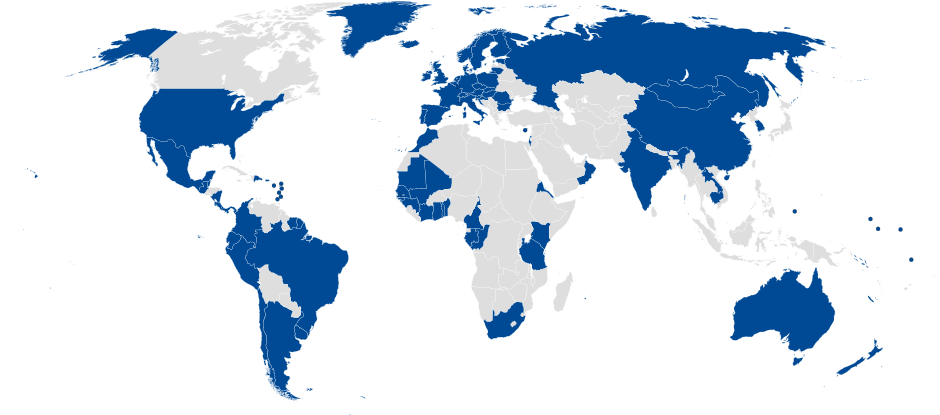
The Marine Mammal Protection Act of 1972 (MMPA) was passed on October 21, 1972, under president Richard Nixon to prevent the further depletion and possible extinction of marine mammal stocks.
The Act was updated on 1 January 2016 with a clause banning "the import of fish from fisheries that cannot prove they meet US standards for protecting marine mammals". The requirement to show that protection standards are met is hoped to compel countries exporting fish to the US to more strictly control their fisheries that no protected marine mammals are adversely affected by fishing.
The 1979 Convention on the Conservation of Migratory Species of Wild Animals (CMS) is the only global organization that conserves a broad range of animals, which includes marine mammals. Of the agreements made, three of them deal with the conservation of marine mammals: ACCOBAMS, ASCOBANS and the Wadden Sea Agreement. In 1982, the United Nations Convention on the Law of the Sea (UNCLOS) adopted a pollution prevention approach to conservation, which many other conventions at the time also adopted.

The Agreement on the Conservation of Cetaceans in the Black Sea, Mediterranean Sea and contiguous Atlantic area (ACCOBAMS), founded in 1996, specifically protects cetaceans in the Mediterranean area, and "maintains a favorable status", a direct action against whaling. There are 23 member states. The Agreement on the Conservation of Small Cetaceans of the Baltic and North Seas (ASCOBANS) was adopted alongside ACCOBAMS to establish a special protection area for Europe's increasingly threatened cetaceans. and an environmental agreement (a type of international law) the International Convention for the Regulation of Whaling which controlled commercial, scientific and subsistence whaling.
The Agreement on the Conservation of Seals in the Wadden Sea, enforced in 1991, prohibits the killing or harassment of seals in the Wadden Sea, specifically targeting the harbor seal population.
The 1973 Agreement on the Conservation of Polar Bears between Canada, Denmark (Greenland), Norway (Svalbard), the United States and the Soviet Union outlawed the unregulated hunting of polar bears from aircraft and icebreakers, as well as protecting migration, feeding and hibernation sites.
Various non-governmental organizations participate in marine conservation activism, wherein they draw attention to and aid in various problems in marine conservation, such as pollution, whaling, bycatch, and so forth. Notable organizations include the Greenpeace who focus on overfishing and whaling among other things, and Sea Shepherd Conservation Society who are known for taking direct-action tactics to expose illegal activity.
As food
Main article: Marine mammals as food, Whale meat, Seal meat
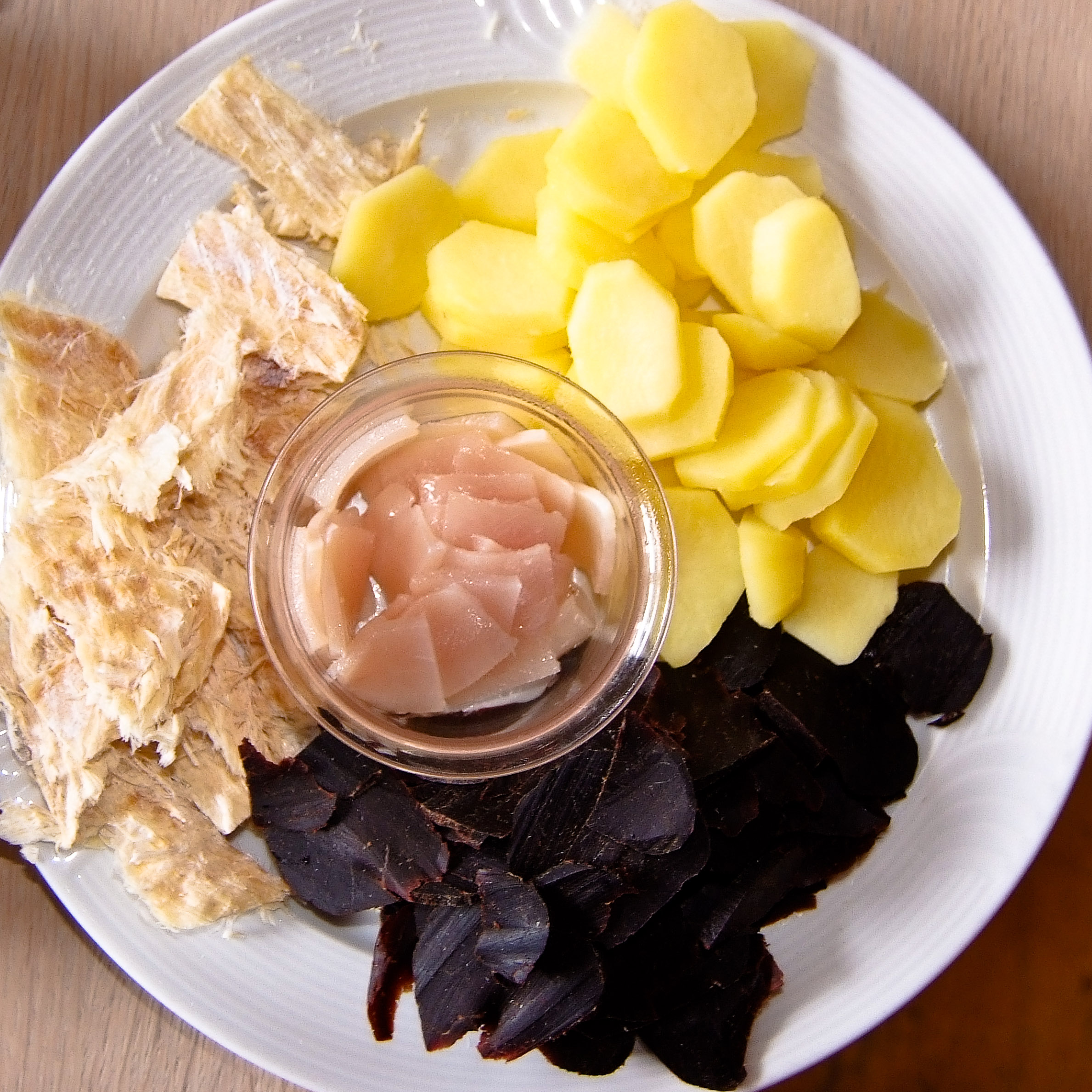
For thousands of years, indigenous peoples of the Arctic have depended on whale meat and seal meat. The meat is harvested from legal, non-commercial hunts that occur twice a year in the spring and autumn. The meat is stored and eaten throughout the winter. The skin and blubber (muktuk) taken from the bowhead, beluga, or narwhal is also valued, and is eaten raw or cooked. Whaling has also been practiced in the Faroe Islands in the North Atlantic since about the time of the first Norse settlements on the islands. Around 1,000 long-finned pilot whales are still killed annually, mainly during the summer. Today, dolphin meat is consumed in a small number of countries worldwide, which include Japan and Peru (where it is referred to as chancho marino, or "sea pork"). In some parts of the world, such as Taiji (in Japan) and the Faroe Islands, dolphins are traditionally considered food, and are killed in harpoon or drive hunts.
There have been human health concerns associated with the consumption of dolphin meat in Japan after tests showed that dolphin meat contained high levels of methylmercury. Similar concerns exist with the consumption of dolphin meat in the Faroe Islands, where prenatal exposure to methylmercury and PCBs primarily from the consumption of pilot whale meat has resulted in neuropsychological deficits amongst children.
Ringed seals were once the main food staple for the Inuit. They are still an important food source for the people of Nunavut and are also hunted and eaten in Alaska. Seal meat is an important source of food for residents of small coastal communities. The seal blubber is used to make seal oil, which is marketed as a fish oil supplement. In 2001, two percent of Canada's raw seal oil was processed and sold in Canadian health stores.
In captivity
Main article: Marine mammal park
Aquariums
Cetaceans

Various species of dolphins are kept in captivity. These small cetaceans are more often than not kept in theme parks and dolphinariums, such as SeaWorld. Bottlenose dolphins are the most common species of dolphin kept in dolphinariums as they are relatively easy to train and have a long lifespan in captivity. Hundreds of bottlenose dolphins live in captivity across the world, though exact numbers are hard to determine. The dolphin "smile" makes them popular attractions, as this is a welcoming facial expression in humans; however, the smile is due to a lack of facial muscles and subsequent lack of facial expressions.
Organizations such as World Animal Protection and the Whale and Dolphin Conservation campaign against the practice of keeping cetaceans, particularly killer whales, in captivity. In captivity, they often develop pathologies, such as the dorsal fin collapse seen in 60–90% of male killer whales. Captives have vastly reduced life expectancies, on average only living into their twenties. In the wild, females who survive infancy live 46 years on average, and up to 70–80 years in rare cases. Wild males who survive infancy live 31 years on average, and up to 50–60 years. Captivity usually bears little resemblance to wild habitat, and captive whales' social groups are foreign to those found in the wild. Captive life is also stressful due to the requirement to perform circus tricks that are not part of wild killer whale behavior, as well as restricting pool size. Wild killer whales may travel up to 100 mi in a day, and critics say the animals are too big and intelligent to be suitable for captivity. Captives occasionally act aggressively towards themselves, their tankmates, or humans, which critics say is a result of stress. Dolphins are often trained to do several anthropomorphic behaviors, including waving and kissing—behaviors wild dolphins would rarely do.
Pinnipeds

The large size and playfulness of pinnipeds make them popular attractions. Some exhibits have rocky backgrounds with artificial haul-out sites and a pool, while others have pens with small rocky, elevated shelters where the animals can dive into their pools. More elaborate exhibits contain deep pools that can be viewed underwater with rock-mimicking cement as haul-out areas. The most common pinniped species kept in captivity is the California sea lion as it is abundant and easy to train. Other species popularly kept in captivity include the grey seal and harbor seal. Larger animals like walruses and Steller sea lions are much less common. Pinnipeds are popular attractions because they are "disneyfied", and consequently, people often anthropomorphize them with a curious, funny, or playful nature.
Some organizations, such as the Humane Society of the United States and World Animal Protection, object to keeping pinnipeds and other marine mammals in captivity. They state that the exhibits could not be large enough to house animals that have evolved to be migratory, and a pool could never replace the size and biodiversity of the ocean. They also oppose using sea lions for entertainment, claiming the tricks performed are "exaggerated variations of their natural behaviors" and distract the audience from the animal's unnatural environment.
Sea otter
Sea otters can do well in captivity, and are featured in over 40 public aquariums and zoos. In 2007, a YouTube video of two cute sea otters holding paws drew 1.5 million viewers in two weeks, and had over 20 million views . Filmed five years previously at the Vancouver Aquarium, it was YouTube's most popular animal video at the time, although it has since been surpassed. Otters are often viewed as having a "happy family life", but this is an anthropomorphism.
Sirenians
The oldest manatee in captivity was Snooty, at the South Florida Museum's Parker Manatee Aquarium in Bradenton, Florida. Born at the Miami Aquarium and Tackle Company on July 21, 1948, Snooty was one of the first recorded captive manatee births. He was raised entirely in captivity, and died at the age of 69. Manatees can also be viewed in a number of European zoos, such as the Tierpark in Berlin, the Nuremberg Zoo, in ZooParc de Beauval in France, and in the Aquarium of Genoa in Italy. The River Safari at Singapore features seven of them.
Military
Main article: United States Navy Marine Mammal Program, Military dolphin

Bottlenose dolphins and California sea lions are used in the United States Navy Marine Mammal Program (NMMP) to detect mines, protect ships from enemy soldiers, and recover objects. The Navy has never trained attack dolphins, as they would not be able to discern allied soldiers from enemy soldiers. There were five marine mammal teams, each purposed for one of the three tasks: MK4 (dolphins), MK5 (sea lions), MK6 (dolphins and sea lions), MK7 (dolphins) and MK8 (dolphins); MK is short for mark. The dolphin teams were trained to detect and mark mines either attached to the seafloor or floating in the water column, because dolphins can use their echolocative abilities to detect mines. The sea lion team retrieved test equipment such as fake mines or bombs dropped from planes usually out of reach of divers who would have to make multiple dives. MK6 protects harbors and ships from enemy divers, and was operational in the Gulf War and Vietnam War. The dolphins would swim up behind enemy divers and attach a buoy to their air tank, so that they would float to the surface and alert nearby Navy personnel. Sea lions would hand-cuff the enemy, and try to outmaneuver their counter-attacks.
The use of marine mammals by the Navy, even in accordance with the Navy's policy, continues to meet opposition. The Navy's policy says that only positive reinforcement is to be used while training the military dolphins, and that they be cared for in accordance with accepted standards in animal care. The inevitable stresses involved in training are topics of controversy, as their treatment is unlike the animals' natural lifestyle, especially towards their confined spaces when not training. There is also controversy over the use of muzzles and other inhibitors, which prevent the dolphins from foraging for food while working. The Navy states that this is to prevent them from ingesting harmful objects, but conservation activists say this is done to reinforce the trainers' control over the dolphins, who hand out food rewards. The means of transportation is also an issue for conservation activists, since they are hauled in dry carriers, and switching tanks and introducing the dolphin to new dolphins is potentially dangerous as they are territorial.
References
References
- "Sea otter".
- (1994). ["Marine Mammals of the World"]({{Google books). Food and Agriculture Department of the United Nations.
- (2014). "The Society for Marine Mammalogy's Taxonomy Committee List of Species and subspecies".
- Parsons, E. C. M.. (2013). "An Introduction to Marine Mammal Biology and Conservation". Jones and Bartlett Publishing.
- (2011). "Current and Future Patterns of Global Marine Mammal Biodiversity". PLOS ONE.
- (2011-08-16). "Global distribution and conservation of marine mammals". Proceedings of the National Academy of Sciences.
- (2009). "Marine Mammals of the World A Comprehensive Guide to their Identification". Academic Press.
- (2007). "Evolution of marine mammals: Back to the sea after 300 million years". The Anatomical Record.
- (2007). "Marine Biology". McGraw-Hill.
- (2005). "Phylogenetic Relationships of Extinct Cetartiodactyls: Results of Simultaneous Analyses of Molecular, Morphological, and Stratigraphic Data". Journal of Mammalian Evolution.
- (1994). "Molecular evidence for the inclusion of cetaceans within the order Artiodactyla". Molecular Biology and Evolution.
- (2008). "The phylogeny of Cetartiodactyla: the importance of dense taxon sampling, missing data, and the remarkable promise of cytochrome b to provide reliable species-level phylogenies". Molecular Phylogenetics and Evolution.
- (2005). "A complete phylogeny of the whales, dolphins and even-toed hoofed mammals – Cetartiodactyla". Biological Reviews of the Cambridge Philosophical Society.
- (1997). "Phylogenetic relationships of artiodactyls and cetaceans as deduced from the comparison of cytochrome b and 12S RNA mitochondrial sequences". Molecular Biology and Evolution.
- (2009). "Relationships of Cetacea -Artiodactyla- Among Mammals: Increased Taxon Sampling Alters Interpretations of Key Fossils and Character Evolution". PLOS ONE.
- (1994). "Fossil Sirenia of the West Atlantic and Caribbean Region. V. the Most Primitive Known Sirenian, ''Prorastomus sirenoides'' Owen, 1855". Journal of Vertebrate Paleontology.
- (2001). "Whale Origins as a Poster Child for Macroevolution". BioScience.
- Domning DP. (2001). "The Earliest Known Fully Quadrupedal Sirenian". Nature.
- (2014). "Invasion Biology and Ecological Theory". Cambridge University Press.
- Samonds, K. E.. (2009). "''Eotheroides lambondrano'', new Middle Eocene seacow (Mammalia, Sirenia) from the Mahajanga Basin, Northwestern Madagascar". Journal of Vertebrate Paleontology.
- (2009). "A semi-aquatic Arctic mammalian carnivore from the Miocene epoch and origin of Pinnipedia". Nature.
- (2006). "Pinniped phylogeny and a new hypothesis for their origin and dispersal". Molecular Phylogenetics and Evolution.
- (2009). ["Encyclopedia of Marine Mammals"]({{Google books). Academic Press.
- Love, John A.. (1992). "Sea Otters". Fulcrum Publishing.
- (8 May 1981). "Ursus Maritimus". Mammalian Species.
- (1964). "The evolution of the polar bear, ''Ursus maritimus'' Phipps". Acta Zoologica Fennica.
- (2010). "Complete mitochondrial genome of a Pleistocene jawbone unveils the origin of polar bear". Proceedings of the National Academy of Sciences.
- (2008). "Mitochondrial DNA Phylogeography of the North American Brown Bear and Implications for Conservation". Conservation Biology.
- Marris, E.. (2007). "Linnaeus at 300: The species and the specious". Nature.
- (2018). "Land to sea transitions in vertebrates: the dynamics of colonization". Paleobiology.
- (2011). "Current and future patterns of global marine mammal biodiversity". PLOS ONE.
- (1999). "Marine Mammals: Evolutionary Biology". Academic Press.
- Riedman, M.. (1990). "The Pinnipeds: Seals, Sea Lions, and Walruses". University of California Press.
- Whitehead, H.. (2003). "Sperm Whales: Social Evolution in the Ocean". University of Chicago Press.
- (2002). "Dugong: status reports and action plans for countries and territories". International Union for Conservation of Nature.
- (1995). "The Sea Otter". The Millbrook Press, Inc..
- (1975). "The Sea Otter in the Eastern Pacific Ocean". Dover Publications.
- Stirling, Ian. (1988). "Polar Bears". University of Michigan Press.
- (1981). "Animal Migration". CUP Archive.
- Lee, Jane J.. (2015). "A Gray Whale Breaks The Record For Longest Mammal Migration".
- Deutsch, C.J.. (2008). "''Trichechus manatus''".
- Pfeiffer, Carl J.. (1997). "Renal cellular and tissue specializations in the bottlenose dolphin (''Tursiops truncatus'') and beluga whale (''Delphinapterus leucas'')". Aquatic Mammals.
- Lockyer, Christina. (1991). "Body composition of the sperm whale, ''Physeter cation'', with special reference to the possible functions of fat depots". Journal of the Marine Research Institute.
- (1975). "Metabolic consequences of diving in animals and man". Science.
- Cranford, T. W.. (2000). "Hearing by Whales and Dolphins". Springer-Verlag.
- Nummela, Sirpa. (2007). "Sound transmission in archaic and modern whales: Anatomical adaptations for underwater hearing". The Anatomical Record.
- Reidenberg, Joy S.. (2007). "Anatomical Adaptations of Aquatic Mammals". The Anatomical Record.
- ((U.S. Department of Commerce, National Oceanic and Atmospheric Administration, National Marine Fisheries Service)). "Coastal Stock(s) of Atlantic Bottlenose Dolphin: Status Review and Management Proceedings and Recommendations from a Workshop held in Beaufort, North Carolina, 13 September 1993 – 14 September 1993".
- Gregory K. Silber, Dagmar Fertl (1995) – ''Intentional beaching by bottlenose dolphins (Tursiops truncatus) in the Colorado River Delta, Mexico.''
- Berta, A.. (2015). "Marine Mammals: Evolutionary Biology". Academic Press.
- (2015). "Baleen whales host a unique gut microbiome with similarities to both carnivores and herbivores". Nature Communications.
- (2015). "Stretchy nerves are an essential component of the extreme feeding mechanism of rorqual whales". Current Biology.
- Goldbogen, Jeremy A.. (2010). "The Ultimate Mouthful: Lunge Feeding in Rorqual Whales". American Scientist.
- (2011). "Mechanics, hydrodynamics and energetics of blue whale lunge feeding: efficiency dependence on krill density". Journal of Experimental Biology.
- (1993). "Waddlers and Paddlers: A Sea Otter Story–Warm Hearts & Cold Water". [[Public Broadcasting Service.
- It is the only marine mammal that catches fish with its forepaws rather than with its teeth.Nickerson, p. 21
- (1986). "Marine Mammals of Eastern North Pacific and Arctic Waters". Pacific Search Press.
- "Sea otter". BBC.
- VanBlaricom, Glenn R.. (2001). "Sea Otters". Voyageur Press Inc..
- (2010). "Latitudinal variation in diet and patterns of human interaction in the marine otter". Marine Mammal Science.
- "Arctic Bears".
- (2007). "Forecasting the range-wide status of polar bears at selected times in the 21st Century". U.S. Geological Survey.
- Hemstock, Annie. (1999). "The Polar Bear". Capstone Press.
- Matthews, Downs. (1993). "Polar Bear". Chronicle Books.
- (2007). "Observations of a wild polar bear (''Ursus maritimus'') successfully fishing Arctic charr (''Salvelinus alpinus'') and Fourhorn sculpin (''Myoxocephalus quadricornis'')". Polar Biology.
- (2012). ["Ecology and Conservation of the Sirenia: Dugongs and Manatees"]({{Google books). Cambridge University Press.
- Marsh, Helene. (1989). "Fauna of Australia". Australian Government Public Service.
- (2015). "Using the West Indian Manatee (''Trichechus manatus'') as a Mechanism for Invasive Aquatic Plant Management in Florida". Journal of Aquatic Plant Management.
- (1998). "Killer Whale Predation on Sea Otters Linking Oceanic and Nearshore Ecosystems". Science.
- "Aquatic Species at Risk – Species Profile – Sea Otter". Fisheries and Oceans Canada.
- Lepak, Jesse M.; Kraft, Clifford E., Weidel, Brian C. (March 2006). [https://www2.dnr.cornell.edu/cek7/Publications/Lepak_et_al_2006.pdf "Rapid food web recovery in response to removal of an introduced apex predator"] (PDF). ''Canadian Journal of Fisheries and Aquatic Sciences'' '''63''' (3): 569–575. {{ISSN. 0706-652X. {{open access
- (2007). "Forecasting the range-wide status of polar bears at selected times in the 21st Century". U.S. Geological Survey.
- (1988). ["Polar Bears"]({{Google books). University of Michigan Press.
- (2005). "Conservation Plan for Southern Resident Killer Whales (''Orcinus orca'')". National Marine Fisheries Service (NMFS) Northwest Regional Office.
- (1999). "Predation on a white shark (''Carcharodon carcharias'') by a killer whale (''Orcinus orca'') and a possible case of competitive displacement". Marine Mammal Science.
- Visser, Ingrid N.. (2005). "First Observations of Feeding on Thresher (''Alopias vulpinus'') and Hammerhead (''Sphyrna zygaena'') Sharks by Killer Whales (''Orcinus orca'') Specialising on Elasmobranch Prey". Aquatic Mammals.
- (2008). "Fight or flight: antipredator strategies of baleen whales". Mammal Review.
- (2001). "Killer Whales". Voyageur Press.
- (2003). "Sequential megafaunal collapse in the North Pacific Ocean: An ongoing legacy of industrial whaling?". Proceedings of the National Academy of Sciences.
- (2006). "The sequential megafaunal collapse hypothesis: Testing with existing data". Progress in Oceanography.
- (2009). "Causes and consequences of marine mammal population declines in southwest Alaska: a food-web perspective". Philosophical Transactions of the Royal Society B: Biological Sciences.
- (2010). "The Whale Pump: Marine Mammals Enhance Primary Productivity in a Coastal Basin". PLOS ONE.
- (2014). "Whales as marine ecosystem engineers". Frontiers in Ecology and the Environment.
- (2003). "Ecology of Whale Falls at the Deep-Sea Floor". Oceanography and Marine Biology: An Annual Review.
- (2007). "Three-year investigations into sperm whale-fall ecosystems in Japan". Marine Ecology.
- (2008). "The Status of the World's Land and Marine Mammals: Diversity, Threat, and Knowledge". Science.
- (2000). "Cetacean societies: field studies of dolphins and whales". University of Chicago Press.
- "History of Whaling". The Húsavík Whale Museum.
- "Modern Whaling". The Húsavík Whale Museum.
- (1996). "Molecular genetic identification of whale and dolphin products from commercial markets in Korea and Japan". Molecular Ecology.
- Harrison, John. (2008). "Fur trade". Northwest Power & Conservation Council.
- Haycox, Stephen W.. (2002). ["Alaska: An American Colony"]({{Google books). University of Washington Press.
- Riedman, M.. (1990). "The Pinnipeds: Seals, Sea Lions, and Walruses". University of California Press.
- Beckman, D. W.. (2012). ["Marine Environmental Biology and Conservation"]({{Google books). Jones & Bartlett Publishers.
- "Monk Seal Fact Files". monachus-guardian.org.
- Wiig, Ø.. (2015). "''Ursus maritimus''".
- "Overharvest". Polar Bears International.
- Perrin, W. F. (1994) "Status of species" in Randall R. Reeves and Stephen Leatherwood (eds.) ''Dolphins, porpoises, and whales: 1994–1998 action plan for the conservation''. Gland, Switzerland: International Union for Conservation of Nature and Natural Resources
- (1998). "An ecological view of the tuna—dolphin problem: impacts and trade-offs". Reviews in Fish Biology and Fisheries.
- (2002). "Responsible marine aquaculture". CABI.
- (2004). "Dolphin-watching tour boats change bottlenose dolphin (''Tursiops truncatus'') behaviour". Biological Conservation.
- (2000). "Pollock and the decline of Steller sea lions: Testing the junk-food hypothesis". Canadian Journal of Zoology.
- (1999). "Increase in Extralimital Occurrences of Ice-Breeding Seals in the Northern Gulf of Maine Region: More Seals or Fewer Fish?". Marine Mammal Science.
- Hutchins, J.. (1996). "Spatial and temporal variation in the density of northern cod and a review of hypotheses for the stock's collapse". Canadian Journal of Fisheries and Aquatic Sciences.
- Harwood, J.. (2001). "Marine Mammals and their Environment in the Twenty-First Century". Journal of Mammalogy.
- (2007). "The impacts of climate change on marine mammals: Early signs of significant problems". Oryx.
- (2016). "Demography of an apex predator at the edge of its range – impacts of changing sea ice on polar bears in Hudson Bay". Ecological Applications.
- (September 1999). "Long-term trends in the population ecology of polar bears in Western Hudson Bay in relation to climatic change". Arctic.
- (2008). "Arctic Sea Ice Decline: Observations, Projections, Mechanisms, and Implications".
- (9 August 2018). "Marine Mammals Have Lost a Gene That Now They May Desperately Need". The New York Times.
- (2018-08-10). "Ancient convergent losses of Paraoxonase 1 yield potential risks for modern marine mammals". Science.
- Benson, Etienne. (2010). ["Wired Wilderness: Technologies of Tracking and the Making of Modern Wildlife"]({{Google books). Johns Hopkins University Press.
- (2007). "Marine Mammal Protection Act of 1972".
- "A new law will try to save the planet's whales and dolphins through America's seafood purchasing power". Quartz.
- (1979). "Convention on the Conservation of Migratory Species of Wild Animals".
- "CMS". Convention on the Conservation of Migratory Species of Wild Animals.
- "Agreements". Convention on the Conservation of Migratory Species of Wild Animals.
- Ora, Nilufer. (2013). ["Regional Co-operation and Protection of the Marine Environment Under International Law"]({{Google books). Koninklijke Brill.
- (2011). "List of Contracting Parties and Signatories". ACCOBAMS.
- "Catch Limits and Catches Taken". International Whaling Commission.
- (1946). "International Convention for the Regulation of Whaling".
- Braathen, Jonette N.. (1998). ["International Co-operation on Fisheries and Environment"]({{Google books). Nordic Council of Ministers.
- (1973). "Agreement on the Conservation of Polar Bears". IUCN/ Polar Bear Specialist Group.
- (December 2024). "Marine Conservation Organizations". MarineBio.
- (July 2010). "Native Alaskans say oil drilling threatens way of life". BBC News.
- Nguyen, Vi. (26 November 2010). "Warning over contaminated whale meat as Faroe Islands' killing continues". The Ecologist.
- Lee, Jane J.. (September 2014). "Faroe Island Whaling, a 1,000-Year Tradition, Comes Under Renewed Fire".
- Harnell, Boyd. (2007). "Taiji officials: Dolphin meat 'toxic waste'". The Japan Times.
- Hall, Kevin G.. (January 2017). "Dolphin meat widely available in Peruvian stores: Despite protected status, 'sea pork' is popular fare". The Seattle Times.
- Matsutani, Minoru. (September 23, 2009). "Details on how Japan's dolphin catches work". Japan Times.
- Ministry of Health, Labour and Welfare. "平成15年6月3日に公表した「水銀を含有する魚介類等の 摂食に関する注意事項」について".
- World Health Organization. (2008). "Guidance for identifying populations at risk from mercury exposure".
- "Eskimo Art, Inuit Art, Canadian Native Artwork, Canadian Aboriginal Artwork". Inuitarteskimoart.com.
- Kets de Vries, F. R.. (February 2020). ["Talking to the Shaman Within Musings on Hunting"]({{Google books). iUniverse Inc..
- "5 Forslag til tiltak". Government of Norway.
- "The Case Against Marine Mammals in Captivity". Humane Society of the United States.
- White, Thomas. (2007). ["In Defense of Dolphins: The New Moral Frontier"]({{Google books). Blackwell Publishing.
- Rose, N. A.. (2011). "Killer Controversy: Why Orcas Should No Longer Be Kept in Captivity". Humane Society International and the Humane Society of the United States.
- (March 1, 2010). "Whale Attack Renews Captive Animal Debate". CBS News.
- Armstrong, Susan Jean. (2003). "Animal Ethics Reader". Psychology Press.
- (2007). "Swimming with captive dolphins: current debates and post-experience dissonance". International Journal of Tourism Research.
- Nowak, R. M.. (2003). "Walker's Marine Mammals of the World". Johns Hopkins University Press.
- Larson, S.. (2001). "Encyclopedia of the World's Zoos". Taylor & Francis.
- Sigvaldadóttir, Sigurrós Björg. (2012). "Seals as Humans—Ideas of Anthropomorphism and Disneyfication". Selasetur Working Paper.
- "The Case Against Marine Mammals in Captivity". [[Humane Society of the United States]] and [[World Animal Protection]].
- (April 19, 2000). "Seattle Aquarium's Youngest Sea Otter Lootas Becomes a Mom". Business Wire.
- cynthiaholmes. (19 March 2007). "Otters holding hands". YouTube.
- (2011). ["Social Media for Business: 101 Ways to Grow Your Business Without Wasting Your Time"]({{Google books). Maximum Press.
- (3 April 2007). "Vancouver sea otters a hit on YouTube". CBC News.
- Kruuk, Hans. (2006). ["Otters: Ecology, Behaviour and Conservation"]({{Google books). Oxford University Press.
- "Guinness World Records names Snooty of Bradenton as 'Oldest Manatee in Captivity'". Bradenton Herald.
- Caldwell, Alicia. (October 2001). "He's a captive of affection". St. Petersburg Times.
- Pitman, Craig. (July 2008). "A manatee milestone: Snooty turning 60". [[Tampa Bay Times]].
- Meller, Katie. (2017). "Snooty the famous manatee dies in 'heartbreaking accident' days after his 69th birthday". Washington Post.
- (1995). "Die Seekuhanlage im Tierpark Berlin-Friedrichsfelde". Zoologischer Garten.
- Mühling, P.. (1985). "Zum ersten Mal: Drei Seekuhgeburten in einem Zoo. Erfolgreiche Haltung und Zucht von Rundschwanz-Seekühen (''Trichechus manatus'')". Tiergarten Aktuell (Nuremberg).
- "Extraordinary Animals: Manatees". Zooparc de Beauval.
- (2012). ["Eyewitness Travel Family Guide Italy: Milan & the Northwest Italy"]({{Google books). DK Publishing.
- "Manatees move into world's largest freshwater aquarium at River Safari". The Straits Times.
- Eglan, Jared. (February 2020). ["Beasts of War: The Militarization of Animals"]({{Google books). Lulu.com.
- Kistler, John M.. (2011). ["Animals in the Military: From Hannibal's Elephants to the Dolphins of the U.S. Navy"]({{Google books). ABC-CLIO.
This article was imported from Wikipedia and is available under the Creative Commons Attribution-ShareAlike 4.0 License. Content has been adapted to SurfDoc format. Original contributors can be found on the article history page.
Ask Mako anything about Marine mammal — get instant answers, deeper analysis, and related topics.
Research with MakoFree with your Surf account
Create a free account to save articles, ask Mako questions, and organize your research.
Sign up freeThis content may have been generated or modified by AI. CloudSurf Software LLC is not responsible for the accuracy, completeness, or reliability of AI-generated content. Always verify important information from primary sources.
Report