From Surf Wiki (app.surf) — the open knowledge base
Mandaluyong
Highly urbanized city in Metro Manila, Philippines
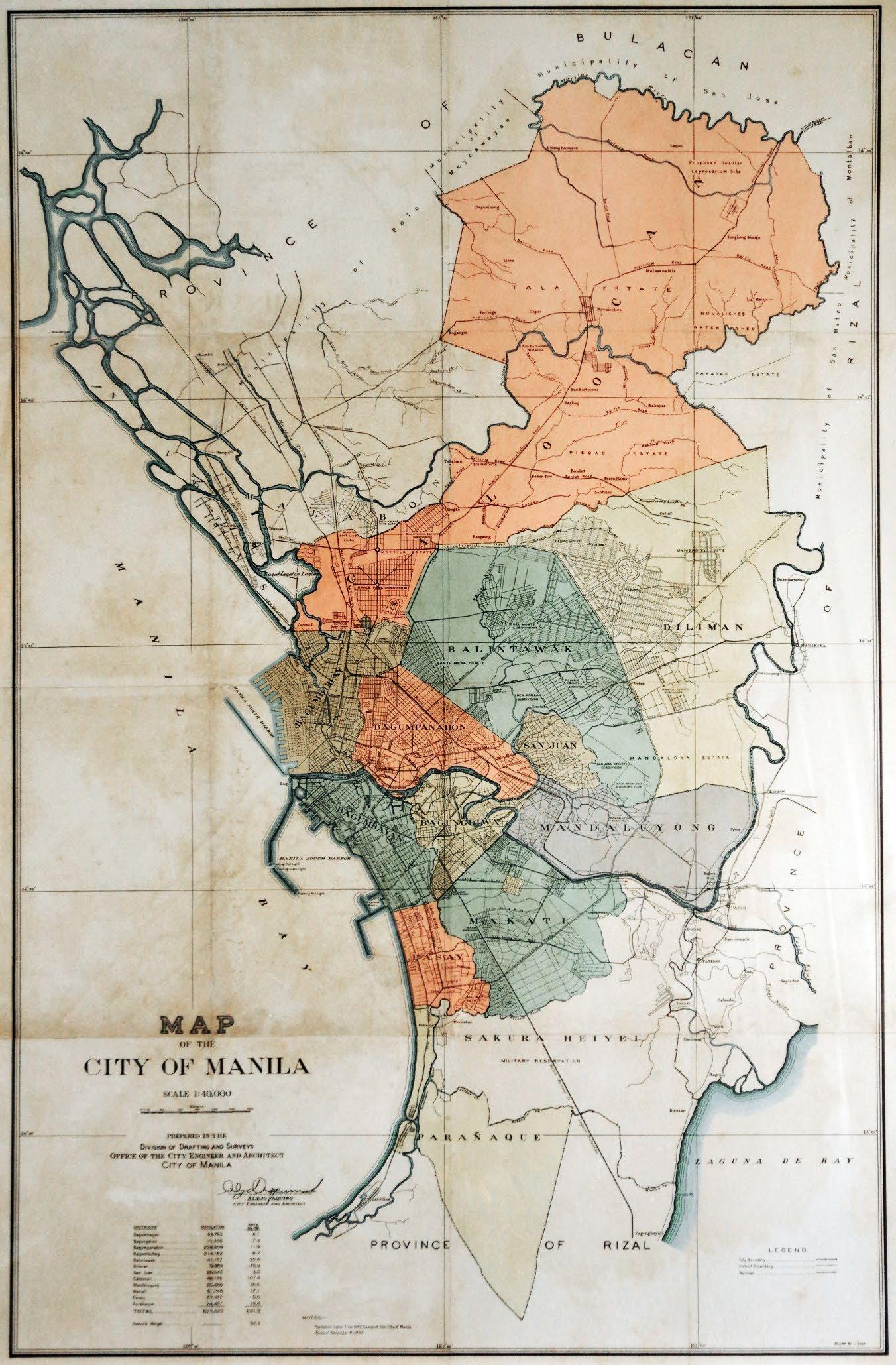
Highly urbanized city in Metro Manila, Philippines
| Field | Value | |
|---|---|---|
| name | ||
| image_skyline | {{multiple image | |
| total_width | 280 | |
| border | infobox | |
| perrow | 1/2/2/2/2 | |
| caption_align | center | |
| caption1 | EDSA Northbound | |
| image2 | Mayflower St, Greenfield, Mandaluyong, Feb 2025.jpg | |
| caption2 | Greenfield District | |
| image3 | Mandaluyong City Hall (Maysilo, Mandaluyong; 06-20-2021).jpg | |
| caption3 | Mandaluyong City Hall | |
| image4 | San Felipe Neri Church, Mandaluyong, Dec 2023.jpg | |
| caption4 | San Felipe Neri Parish Church | |
| image5 | 05732jfNational Center for Mental Health Mauway Pleasant Hills Mandaluyong Cityfvf 15.jpg | |
| caption5 | National Center for Mental Health | |
| image6 | 2023-San Miguel Brewery Inc.-Marker-Surroundings.jpg | |
| caption6 | SMC Headquarters | |
| caption7 | SM Megamall | |
| image8 | BDOCorporateOrtigas.jpg | |
| caption8 | BDO Corporate Center | |
| image9 | Wack Wack Golf and Country Club clubhouse.jpg | |
| caption9 | Wack Wack Golf and Country Club | |
| image_flag | Flag of Mandaluyong.png | |
| flag_size | 120x80px | |
| image_seal | Mandaluyong seal.svg | |
| seal_size | 100x80px | |
| nicknames | Tiger City of the Philippines, Shopping Capital of the Philippines | |
| motto | Gawa, hindi salita! | |
| English: "Action, not words!" | ||
| image_map | ||
| map_caption | ||
| mapframe | yes | |
| pushpin_map | Philippines | |
| pushpin_label_position | left | |
| pushpin_map_caption | Location within the | |
| coordinates | ||
| other_name | ||
| settlement_type | ||
| anthem | Martsa ng Mandaluyong | |
| English: Mandaluyong March | ||
| subdivision_type | Country | |
| subdivision_name | Philippines | |
| subdivision_type1 | Region | |
| subdivision_name1 | National Capital Region | |
| subdivision_type3 | District | |
| subdivision_name3 | ||
| established_title | Founded | |
| established_date | 1841 | |
| established_title1 | Chartered | |
| established_date1 | March 27, 1907 | |
| established_title2 | Renamed | |
| established_date2 | November 6, 1931 (as Mandaluyong) | |
| established_title3 | Cityhood and HUC | |
| established_date3 | February 9, 1994 | |
| established_title4 | Former Old Name | |
| established_date4 | San Felipe Neri | |
| parts_type | Barangays | |
| parts_style | para | |
| p1 | (see Barangays) | |
| leader_title | Mayor | |
| leader_name | Carmelita Abalos (PFP) | |
| leader_title1 | Vice Mayor | |
| leader_name1 | Antonio D. Suva Jr. (PFP) | |
| leader_title2 | Representative | |
| leader_name2 | Alexandria P. Gonzales (NUP) | |
| leader_title3 | Councilors | |
| leader_name3 | {{Collapsible list | |
| title | List | |
| frame_style | border:none; padding: 0; | |
| list_style | text-align:left;display:none; | |
| 1 | 1st District | |
| 2 | Charisse Marie A. Aguilar-Vargas | |
| 3 | Anjelo Elton P. Yap | |
| 4 | Danilo L. De Guzman | |
| 5 | Carissa Mariz S. Manalo | |
| 6 | Grace Marie V. Antonio | |
| 7 | Estanislao V. Alim III | |
| 8 | 2nd District | |
| 9 | Benjamin A. Abalos III | |
| 10 | Alexander C. Sta. Maria | |
| 11 | Michael Eric G. Cuejilo | |
| 12 | Fernando S. Ocampo | |
| 13 | Reginald S. Antiojo | |
| 14 | Leslie F. Cruz | |
| 15 | ABC President | |
| 16 | Darwin Fernandez | |
| 17 | SK Federation President | |
| 18 | Aeron Sedrick Mangaliag | |
| leader_title4 | Electorate | |
| leader_name4 | voters (electorate_point_in_time}} | ) |
| government_type | ||
| government_footnotes | ||
| elevation_m | ||
| elevation_max_m | 592 | |
| elevation_min_m | -2 | |
| elevation_footnotes | ||
| area_footnotes | ||
| area_total_km2 | 11.26 | |
| population_footnotes | ||
| population_total | ||
| population_as_of | ||
| population_blank1_title | Households | |
| population_blank1 | ||
| population_density_km2 | auto | |
| population_demonym | Mandaleño | |
| timezone | PST | |
| utc_offset | +8 | |
| postal_code_type | ZIP code | |
| postal_code | ||
| postal2_code_type | ||
| postal2_code | ||
| area_code_type | ||
| area_code | ||
| website | ||
| demographics_type1 | Economy | |
| demographics1_title1 | ||
| demographics1_info1 | ||
| demographics1_title2 | Poverty incidence | |
| demographics1_info2 | % () | |
| demographics1_title3 | Revenue | |
| demographics1_info3 | ||
| demographics1_title4 | Revenue rank | |
| demographics1_title5 | Assets | |
| demographics1_info5 | ||
| demographics1_title6 | Assets rank | |
| demographics1_title7 | IRA | |
| demographics1_title8 | IRA rank | |
| demographics1_title9 | Expenditure | |
| demographics1_info9 | ||
| demographics1_title10 | Liabilities | |
| demographics_type2 | Service provider | |
| demographics2_title1 | Electricity | |
| demographics2_info1 | ||
| demographics2_title2 | Water | |
| demographics2_title3 | Telecommunications | |
| demographics2_title4 | Cable TV | |
| blank_name_sec1 | ||
| blank_info_sec1 | ||
| blank1_name_sec1 | Native languages | |
| blank1_info_sec1 | Filipino | |
| blank2_name_sec1 | Crime index | |
| blank1_name_sec2 | Major religions | |
| blank1_info_sec2 | Roman Catholic | |
| blank2_name_sec2 | Feast date | |
| blank2_info_sec2 | May 26 | |
| blank3_name_sec2 | Catholic diocese | |
| blank3_info_sec2 | Roman Catholic Archdiocese of Manila | |
| blank4_name_sec2 | Patron saint | |
| blank4_info_sec2 | Saint Philip Neri Immaculate Conception |
EDSA (Northbound), Mandaluyong, Feb 2025.jpg SM Megamall, Ortigas Center, Apr 2025.jpg English: "Action, not words!" English: Mandaluyong March Mandaluyong ( ; ), officially the City of Mandaluyong (, ), is a highly-urbanized city in the National Capital Region of the Philippines. According to the 2024 census, it has a population of 465,902 people.
Located directly east of Manila, Mandaluyong was originally a barrio of Santa Ana de Sapa (now a district of Manila) called San Felipe Neri. It separated and became its own town in 1841, and later acquired the name Mandaluyong in 1931 during the American occupation. In 1994, it became the first municipality of Metro Manila to become a city since the metropolis' establishment in 1975.
At present, it is known for the Ortigas Center, a commercial and business center that it also shares with the city of Pasig. Notable institutions and establishments in the city include the Asian Development Bank, the headquarters of Banco de Oro and San Miguel Corporation and shopping malls like Shangri-La Plaza and SM Megamall.
The city is bordered by Manila to the west, San Juan to the north, Quezon City to the northeast, Pasig to the east, Taguig to the southeast, and Makati to the south. It is also the 4th-smallest city in the Philippines with a land area of 11.26 sqkm.
Etymology
There are different stories on the origin of the name Mandaluyong.
One tells of how the place was abundant with a kind of tree called luyong, now more commonly known as anahaw (Saribus rotundifolius), from which canes and furniture were made.
Another claims that the Spaniards named the place based on the report of a navigator named Acapulco, who saw the rolling hills frequently being lashed at by daluyong (“big waves from the sea”). This seems to confirm traditional pre-Hispanic stories that giant waves from the sea would meet the adjoining hills of the vast lowland, referred to as salpukan ng alon. Felix dela Huerta, a Franciscan historian, observed that the rolling topography of this land resembled giant waves of the sea.
As with the etymological legends of many Philippine places, when the foreigners asked what the place was called, the locals answered with the description "madaluyong" ("undulating"), later transcribed by Spanish writers as "Mandaluyong," with the addition of an “n”.
Another version of the name is based on a legend that a Maharlika named Luyong fell in love with Manda, the lovely daughter of a barangay chieftain. The chieftain did not like Luyong and forbade him Manda's hand. Luyong overcame this objection by winning a series of tribal contests, as was the custom at the time. The couple settled thereafter in a place which was later called “Mandaluyong" – a term made up of joining their names.
History
Early history
Natives of Mandaluyong trace their roots to Emperor Soledan (also known as "Anka Widyaya" of the Great Majapahit Empire) and Empress Sasaban of the Kingdom of Sapa, whose son Prince Balagtas ruled as sovereign of the kingdom in about the year 1300.
More than a century later, in about the year 1470, it expanded and was called the "Kingdom of Namayan" with "Lakan Takhan" as sovereign. The vast Kingdom comprised what are now Quiapo, San Miguel, Sta, Mesa, Paco, Pandacan, Malate and Santa Ana in Manila, and Mandaluyong, San Juan, Makati, Pasay, Pateros, Taguig and Parañaque.
Spanish colonial era
Foundation
Mandaluyong was first known as a barrio of Santa Ana de Sapa, which was part of the District of Paco, Province of Tondo (later known as the Province of Manila). It was named San Felipe Neri by the Spaniards in honor of the patron saint of Rome. It was separated civilly from Santa Ana de Sapa in 1841.
On September 15, 1863, San Felipe Neri established its own parish. Under the administration of the Congregation “Dulcísimo Nombre de Jesús” (), it constructed its own church, convent and school. The Parish of San Felipe Neri played a significant role as a relay station for propagating the Katipunan during the 1896–1898 Revolution.
Original barrios
In 1829, the then-barrio of Mandaloyon had 10 barangays, each named after saints: San Pedro Bautista, San Roque, San Pascual, San Antonio, San Francisco, San Pedro Apostol, San Miguel, San Rafael, San Pedro Alcantara, and San Isidro. By 1840, there were a total of 14 barangays, and in 1845, when Mandaluyong became a separate pueblo, there were 17 barangays. This would increase to 28 barangays in 1864, until the early 1880s where the practice of naming barangays after saints were dropped and the number of barangays (which was changed to barrios) was reduced to ten: Poblacion, Buhangin, Licod Hacienda, Hagdanbato, Pasobancal, Barranca, Jolo, Punta, Santo Nino, and Zaniga.
During the American colonial era, the first recorded census in 1903 listed five barrios: Poblacion, Barangka, Hagdang Bato, Namayan, and Hulo. From these five evolved 22 sub-barrios.
The Philippine revolution
Mandaluyong was significant in the Philippine Revolution of 1896 as the baluarte (territory) of the Katipunan or "Makabuhay" group, with seventeen branches.
On August 29, 1896, Andres Bonifacio, together with Emilio Jacinto and other members of the Katipunan went into the house of Romualdo Vicencio at Sitio Balakbak (now Villa San Miguel) to prepare for the upcoming revolution against Spanish authority. In this site, Bonifacio read the last manifestation of the Katipunan before they transferred in Hagdan Bato, in the house of Felix Sanchez. This event is also known as the "29 De Agosto" and "Pinagtipunan" in which it is already named in two streets near the historic Barangay Hagdan Bato Itaas. It was in Barangay Hagdang Bato on August 28, 1896, where Andres Bonifacio issued a proclamation setting Saturday, August 29, 1896, as the date of the attack on Manila.
On August 30, 1896, after the successfully revolution in San Felipe Neri, the Katipuneros went to San Juan del Monte and attacked the El Polvorin (gunpowder depot) in order to amass more weapons to use against the Spaniards. This event is popularly known as the Battle of San Juan del Monte. It was also in this town that the revolutionary paper, La Republika, was established on September 15, 1896.
American colonial era
On June 11, 1901, San Felipe Neri was incorporated into the newly established province of Rizal. During the American Occupation, it was raised to a first-class municipality with five barrios, namely: Poblacion, Barangka, Hagdang Bato, Namayan and Hulo. By virtue of Act No. 942 dated November 6, 1903, it was consolidated with the municipality of San Juan del Monte and became the seat of the municipal government. For several months in 1904, San Felipe Neri became the capital of Rizal. San Juan del Monte was later separated from San Felipe Neri to regain its independent municipality status on March 27, 1907.
San Felipe Neri was renamed to its present name of Mandaluyong on November 6, 1931, by virtue of Act No. 3836. Many government infrastructures are established during the American Period, including the Correctional Institute for Women, Welfareville Compound, The Boy's Town, and the National Center for Mental Health.
Japanese occupation era
From 1942 to 1945, during World War II, Mandaluyong formed part of the City of Greater Manila, along with Manila, Quezon City, and other nearby towns of Rizal. Also during the war, Mandaluyong lost many of her people; among them were Catholic priests and civilians. Destruction was felt all over, but with the timely arrival of the American Liberation Forces and the Philippine Commonwealth troops on February 9, 1945, the municipality was saved from further damages. That day became a red calendar day for Mandaluyong marking its liberation from the Japanese Imperial forces by the Allies.
Philippine independence


After World War II, Mandaluyong began to become progressive and dramatically increase the economy. Many infrastructures, companies, and other businesses were developed in 1950s–1960s and as the result, making Mandaluyong recognized as the most developed municipality in the province of Rizal.
In 1967, actor and Mandaluyong native Pancho Magalona ran for governor of Rizal under the Liberal Party, but was defeated by incumbent Nacionalista governor Isidro Rodriguez from Montalban (now Rodriguez).
The Martial Law era
Main article: Martial Law under Ferdinand Marcos
Ambush of Juan Ponce Enrile
Main article: 1972 ambush of Juan Ponce Enrile
Mandaluyong played a small part in Ferdinand Marcos' efforts to rationalize his declaration of Martial law because the alleged 1972 ambush of Juan Ponce Enrile took place in Wack Wack Village, an exclusive neighborhood in Mandaluyong, in the hours immediately preceding its implementation. Because the alleged ambush took place in an exclusive subdivision, no independent eyewitnesses of the event have come forward, and witnesses of the immediate aftermath are few. This has lent credence to accounts which say that the ambush was faked, and that the site was selected specifically because it was easy to stage the incident there. The 14-year period which followed that night is remembered for the Marcos administration's record of human rights abuses, particularly targeting political opponents, student activists, journalists, religious workers, farmers, and others who fought against the Marcos dictatorship.
Industrial growth and government takeover efforts
A prominent figure in Philippine business before Martial Law was Mandaluyong-based industrialist Domingo M. Guevara Sr., whose success began when he created Radiowealth, a brand of affordable Philippine-made appliances including radios and televisions. This eventually became the Mandaluyong-based Guevara Enterprises which dominated the fields of electronics, communications, agriculture and industrial development, transportation, and manufacturing in the Philippines, whose headquarters was on Libertad (now D.M. Guevarra). National Artist Nick Joaquin noted that Guevara's projects - which included the manufacturing the "Sakbayan," which was the ever first Philippine-made car - brought the Philippine economy to the verge of Newly Industrialized Country status in the years before Martial Law. However, the growth of Guevara's businesses stopped when he refused to surrender control of his businesses to President Ferdinand Marcos during Martial Law, and Marcos retaliated by making it difficult for Guevarra to do business.
Separation from Rizal province
Main article: Metro Manila
On November 7, 1975, Mandaluyong was formally included in newly established Metropolitan Manila by virtue of Presidential Decree No. 824 signed by President Ferdinand Marcos.
Cityhood
Main article: Cities of the Philippines
By virtue of the 1987 Constitution, Mandaluyong and the then-municipality of San Juan were represented in Congress by a single congressman.
San Juan–Mandaluyong Representative Ronaldo Zamora sponsored a House Bill which eventually became Republic Act No. 7675 otherwise known as "An Act Converting the Municipality of Mandaluyong into a Highly Urbanized City to be known as the City of Mandaluyong." President Fidel V. Ramos signed R.A. No. 7675 into law on February 9, 1994 (the 49th anniversary of its liberation from the Japanese), which was ratified through a plebiscite on April 10, 1994, making Mandaluyong the fifth city in Metro Manila. Mandaluyong became a lone district with its own representative in Congress. Prior to the enactment of the assailed statute, the municipalities of Mandaluyong and San Juan belonged to only one legislative district.
Contemporary
Mandaluyong today is composed of 27 barangays divided into two political districts mainly by Boni Avenue and G. Aglipay Street.
In 2002, Mandaluyong was recognized as "The Tiger City of the Philippines" because of the dramatic improvement in the city's economy.
Geography
Mandaluyong lies on a heart-shaped 21.26 km2 of land, 7 km southeast of Manila and 8 km west of Pasig. To the south lies Makati across Pasig River, To the southeast lies Taguig also across Pasig River, to the northwest, San Juan, and to the northeast, Quezon City. Thus, Mandaluyong is located at the center of Metro Manila.
Barangays
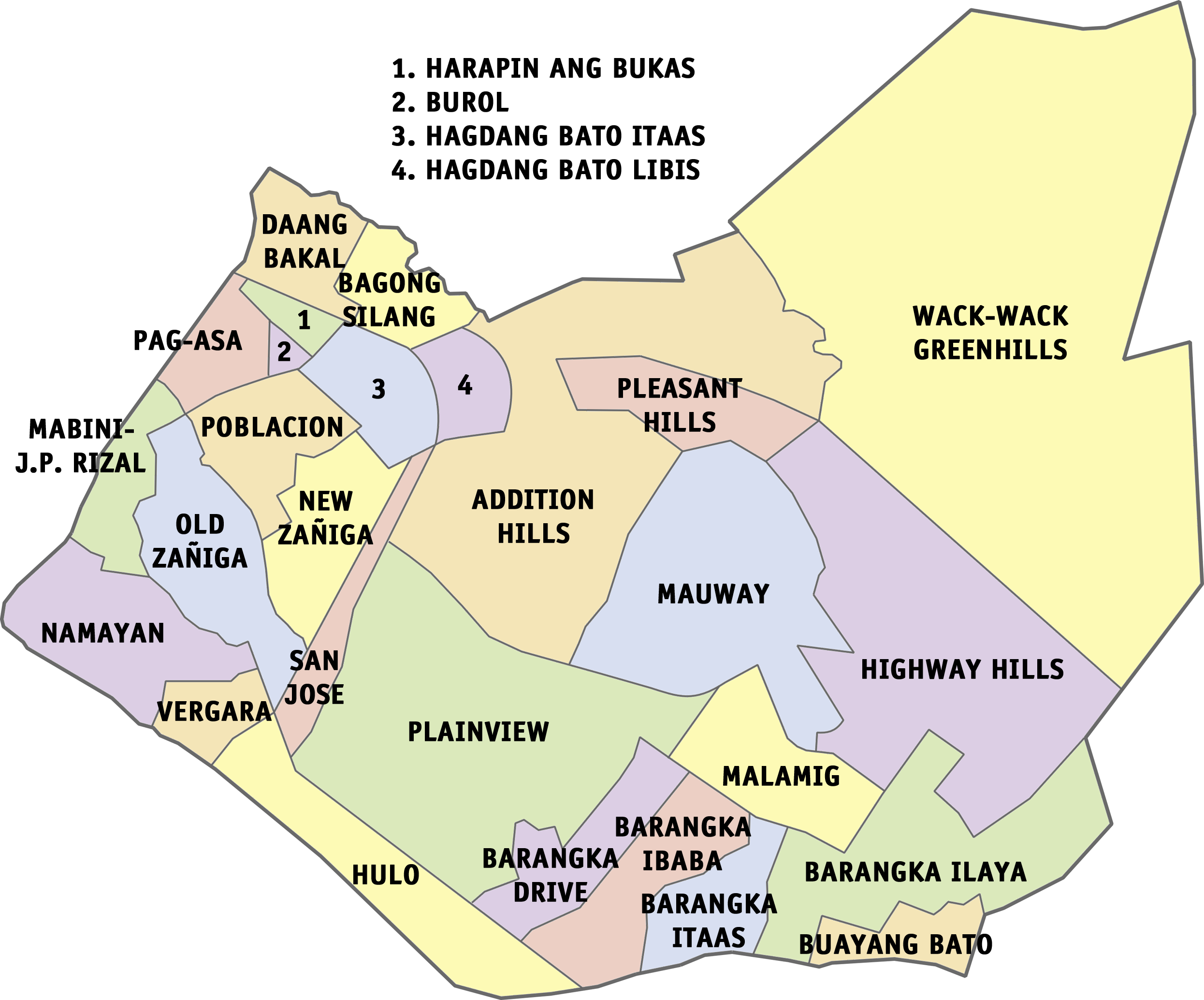
Mandaluyong is politically subdivided into 27 barangays.
| District | Barangay | Barangay | ||||||||||||||
|---|---|---|---|---|---|---|---|---|---|---|---|---|---|---|---|---|
| Chairman | Land Area | |||||||||||||||
| (has.) | url=https://www.census.gov.ph/data/census2007/index.html | title=Final Results – 2007 Census of Population | publisher=Census.gov.ph | access-date=October 17, 2011 | url-status=dead | archive-url=https://web.archive.org/web/20081120024509/http://www.census.gov.ph/data/census2007/index.html | archive-date=November 20, 2008 }} | url=https://www.census.gov.ph/sites/default/files/attachments/hsd/pressrelease/National%20Capital%20Region.pdf | title=Total Population by Province, City, Municipality and Barangay: as of May 1, 2010 | work=2010 Census of Population and Housing | publisher=Philippine Statistics Authority | access-date=November 30, 2012 | url-status=dead | archive-url=https://web.archive.org/web/20121115103152/http://www.census.gov.ph/sites/default/files/attachments/hsd/pressrelease/National%20Capital%20Region.pdf | archive-date=November 15, 2012 }} | Population |
| (2015) | Population | |||||||||||||||
| (2020) | ||||||||||||||||
| 1 | Addition Hills, Mandaluyong | Addition Hills | Carlito Cernal | 162.00 | 81,221 | 86,731 | 99,058 | 108,896 | ||||||||
| 1 | Bagong Silang, Mandaluyong | Bagong Silang | Kristofer Dominguez | 14.26 | 3,747 | 4,652 | 5,572 | 4,939 | ||||||||
| 2 | Barangka Drive | Darwin Fernandez | 24.54 | 12,134 | 12,227 | 13,310 | 15,474 | |||||||||
| 2 | Barangka Ibaba | Edwin Santa Maria | 16.92 | 9,372 | 9,241 | 9,540 | 9,040 | |||||||||
| 2 | Barangka Ilaya | Joselito Pangilinan | 47.45 | 4,185 | 5,049 | 17,896 | 22,334 | |||||||||
| 2 | Barangka Itaas | Ronaldo Camacho | 17.21 | 11,212 | 11,061 | 11,252 | 11,242 | |||||||||
| 2 | Buayang Bato | Reynaldo Nobela | 7.26 | 999 | 1,340 | 1,782 | 2,913 | |||||||||
| 1 | Burol, Mandaluyong | Burol | Dan Carl De Guzman | 2.78 | 2,322 | 2,606 | 2,740 | 2,650 | ||||||||
| 1 | Daang Bakal | Richard Bassig | 17.34 | 2,980 | 3,931 | 3,660 | 4,529 | |||||||||
| 1 | Hagdan Bato Itaas | Merlyn Espiritu | 18.36 | 9,431 | 10,102 | 10,314 | 10,267 | |||||||||
| 1 | Hagdan Bato Libis | Danilo Torres | 15.48 | 6,241 | 6,716 | 6,962 | 6,715 | |||||||||
| 1 | Harapin Ang Bukas | Federico Ogbac | 4.89 | 4,069 | 4,073 | 4,496 | 4,244 | |||||||||
| 1 | Highway Hills | Maria Corazon Abalos | 105.12 | 18,682 | 22,684 | 28,703 | 43,267 | |||||||||
| 2 | Hulo | Joseph Jose | 29.30 | 20,850 | 21,107 | 27,515 | 31,335 | |||||||||
| 2 | Mabini–J.Rizal | Antonio Castañeda | 11.88 | 4,826 | 6,773 | 7,628 | 7,882 | |||||||||
| 2 | Malamig | Cynthia Caluya | 29.52 | 6,898 | 7,007 | 12,667 | 12,054 | |||||||||
| 1 | Mauway | Froilo Achilles Evangelista | 19.25 | 21,700 | 25,129 | 29,103 | 25,800 | |||||||||
| 2 | Namayan, Mandaluyong | Namayan | Victor Francisco | 30.60 | 4,846 | 5,706 | 6,123 | 7,670 | ||||||||
| 1 | New Zañiga | Elizabeth Cruz | 21.96 | 5,413 | 6,354 | 7,534 | 8,444 | |||||||||
| 2 | Old Zañiga | Alex Lacson | 42.48 | 6,674 | 7,712 | 7,013 | 6,636 | |||||||||
| 1 | Pag-Asa, Mandaluyong | Pag-Asa | Conrado Angga Jr. | 12.60 | 3,112 | 3,688 | 4,053 | 4,195 | ||||||||
| 2 | Plainview | Nerissa Garcia | 115.92 | 24,706 | 24,396 | 26,575 | 29,378 | |||||||||
| 1 | Pleasant Hills, Mandaluyong | Pleasant Hills | Marc Renniel Evangelista | 20.33 | 6,495 | 5,648 | 5,910 | 6,003 | ||||||||
| 1 | Poblacion, Mandaluyong | Poblacion | Elmer Jose Malabanan | 24.12 | 14,778 | 15,191 | 14,733 | 16,333 | ||||||||
| 2 | San Jose, Mandaluyong | San Jose | Joan Batan | 3.80 | 7,629 | 7,041 | 7,262 | 8,483 | ||||||||
| 2 | Vergara, Mandaluyong | Vergara | Ernesto Mendiola | 15.12 | 4,928 | 4,645 | 5,910 | 4,357 | ||||||||
| 1 | Wack-Wack Greenhills | Margarita Climaco | 294.48 | 6,126 | 7,889 | 8,965 | 10,678 |
Climate
Mandaluyong's climate is classified as tropical. In winter, there is much less rainfall in Mandaluyong than in summer. This climate is considered to be Aw according to the Köppen-Geiger climate classification. The temperature here averages 27.2 C. In a year, the average rainfall is 2093 mm. Precipitation is the lowest in February, with an average of 8 mm. With an average of 448 mm, the most precipitation falls in August. At an average temperature of 29.2 C, May is the hottest month of the year. January has the lowest average temperature of the year. It is 25.5 C. Between the driest and wettest months, the difference in precipitation is 440 mm. During the year, the average temperatures vary by 3.7 C.
| access-date=September 22, 2015}} | access-date=September 22, 2015}}
Demographics
As of the 2020 census, Mandaluyong has a population of 425,758 residents and a population density of approximately 45,830 PD/km2. Residents of Mandaluyong are referred to as "Mandaleños," with almost all being Filipinos of various ethnicities.
Mandaluyong is predominantly Roman Catholic, with a minority distributed among religious denominations including the Iglesia ni Cristo, Evangelical Christianity, Protestantism, Jehovah’s Witness, and Philippine Independent Church.
Economy
,_Nov_2025.jpg)
The city is home to a number of shopping centers, entertainment hubs, commercial establishments, high-rise offices, residential condominiums and hotels. The city is one of the important business and financial areas in the metropolis.
Commercial activities
Like other cities in Metro Manila, Mandaluyong has its own share of commercial strips and a central business district. The former commercial area, consisting mostly of banks, offices and service establishments, stretch along public transport routes thereby serving both local consumers and passers-by from the neighboring localities. Major commercial strips of the city include the stretch of Boni Avenue, Shaw Boulevard, Libertad-Sierra Madre area, Kalentong, San Francisco, part of Felix Martinez Lorenzo or F. Martinez Ave, Sgt. Bumatay towards Barangka Drive and Pinatubo towards EDSA. Mandaluyong's central business district is concentrated on the EDSA-Shaw-Pioneer area; it includes the Greenfield District development.
Industrial activities
.jpg)
Industrial activities are mostly concentrated within the Shaw Boulevard-Pioneer area and along the Pasig River. Although prominent in the manufacture of foods, medicines and laboratory equipment, these industries are gradually declining in number, opting to relocate in newly developed industrial zones outside Metropolitan Manila. In the Pasig River area, particularly in Barangays Namayan and Mabini–J. Rizal, areas formerly industrial are now the sites for residential subdivisions and townhouses. In the EDSA-Shaw-Pioneer area, the transformation is toward a more economically profitable and globally competitive commercial activity. And since December 2013, Mandaluyong is the home of one of the largest television networks in the country TV5 and one of the largest pay TV operator Cignal TV (both owned by the PLDT-backed firm MediaQuest Holdings located at the TV5 Media Center which also serving as the master playout facility of CNN Philippines' successor RPTV), along with both the master playout facility of Solar Entertainment Corporation and the relay playout facility of RPTV (located at the Worldwide Corporate Center which also housed the main offices of companies owned by real estate magnate, former Senator, and All TV's owner Manny Villar and formerly the Nine Media Corporation-owned news channel CNN Philippines), and several radio stations associated to the Vera Group (Mellow 94.7, Magic 89.9, 99.5 Play FM, All Radio 103.5, DWBL and the now-defunct DWSS, all are located at the Paragon Plaza).
Shopping centers

These super-regional supermalls each have over a hundred local and international stores and are anchored by at least one department store and supermarket or hypermarket. They are the largest malls in Metro Manila which feature not just stores but also such attractions as movie theaters, rides, skating rinks, bowling alleys and other recreational facilities. Each provides thousands of automobile parking spaces and are located mostly near rail stations and established business districts within the metropolis. These malls serve not only the Metro Manila and Greater Manila Area residents, but also local and foreign tourists. Among the malls in the city are Shangri-La Plaza, SM Megamall, The Podium, St. Francis Square, Starmall EDSA-Shaw, SM Cherry Shaw, The Marketplace Shopping Mall (the site of the Mandaluyong Public Market), Shaw Center Mall, four strip malls at the Greenfield District, and pocket malls at residential condominiums.
The city is also home to Puregold Shaw, the supermarket chain's inaugural branch that opened in 1998.
Government
Main article: Sangguniang Panglungsod
.jpg)

Incumbent city officials
| Position | Candidate | Party |
|---|---|---|
| Representative | ||
| Lone Legislative District | Alexandria P. Gonzales | |
| Mayor | Carmelita Abalos | |
| Vice Mayor | Antonio D. Suva Jr. | |
| City Councilors | ||
| 1st Councilor District | ||
| Charisse Marie A. Abalos-Vargas | ||
| Anjelo Elton P. Yap | ||
| Danilo L. De Guzman | ||
| Carissa Mariz S. Manalo | ||
| Grace Marie V. Antonio | ||
| Estanislao V. Alim III | ||
| 2nd Councilor District | ||
| Benjamin A. Abalos III | ||
| Alexander C. Sta. Maria | ||
| Michael Eric G. Cuejilo | ||
| Fernando S. Ocampo | ||
| Reginald S. Antiojo | ||
| Leslie F. Cruz | ||
| ABC President | Darwin Fernandez | |
| SK President | Aeron Sedrick Mangaliag |
Mayors of Mandaluyong
Main article: Mayor of Mandaluyong
History of the Seal of Mandaluyong
File:Seal of the Municipal of San Felipe Neri (1623 - 1901).png|Seal of the Municipal of San Felipe Neri (1623 -1901) File:Seal of the Municipal Government of Mandaluyong (1901 - 1934).png|Seal of the Municipal Government of Mandaluyong (1901 - 1934) File:Seal of the Municipal Government of Mandaluyong (1935 - 1945).png|Seal of the Municipal Government of Mandaluyong (1935 - 1945) File:Seal of the Municipal of Mandaluyong (1946 - 1986).png|Seal of the Municipal of Mandaluyong (1946 - 1986) File:Seal of Municipal of Mandaluyong (1946 - 1975).png|Seal of the Municipal of Mandaluyong (1986 - 1989) File:Seal of Municipal of Mandaluyong (1986 - 1994).png|Seal of the Municipal of Mandaluyong (1990 - 1994) File:Seal of City of Mandaluyong (1994 - 1997).png|Seal of the City of Mandaluyong (1994 - 1997) File:Seal of City of Mandaluyong (1997 - 2004).png|Seal of the City of Mandaluyong (1997 - 2004) File:Seal of City of Mandaluyong (2015 Present).png|Seal of the City of Mandaluyong (2004 Present)
Transportation
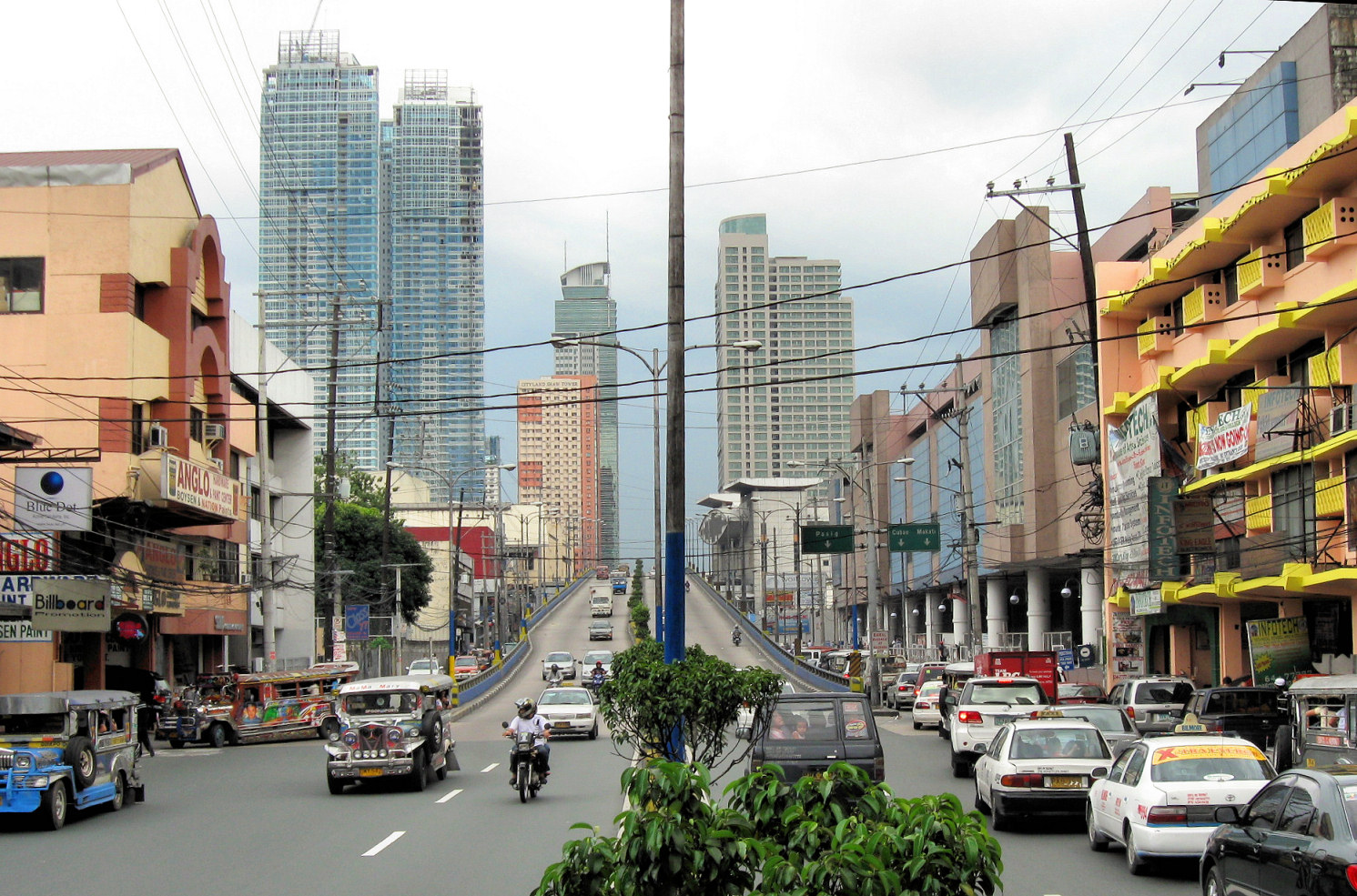
The city is provided with good access roads to and from adjacent cities in Metro Manila through main roads such as the Epifanio de los Santos Avenue (EDSA), Ortigas Avenue and Shaw Boulevard.
Land
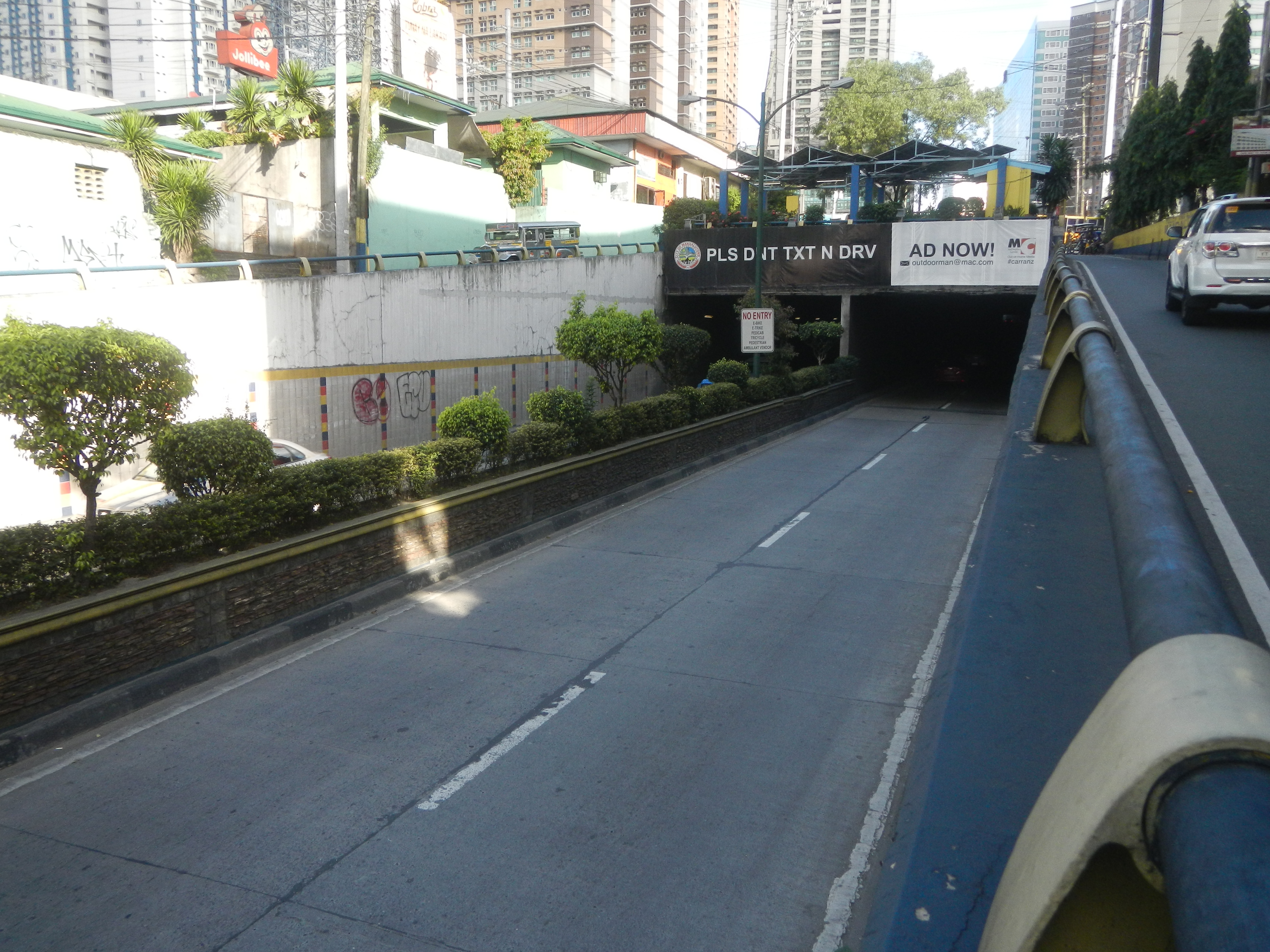
Mandaluyong is primarily served by a public road network consisting of 80.93 km concrete and asphalt roads. With a total road density of 7.19 km per 1 ha of land, the city is considered to be over-served with roads.
The city is mainly served by EDSA, Metro Manila's main thoroughfare. Considered as the heart of the metropolis, main roads such as Ortigas Avenue and Shaw Boulevard provide inter-city linkages, while Boni Avenue and F. Martinez Street serve as alternate routes in the city. Other major roads in Mandaluyong include the Boni-Pioneer Underpass, a 280 m tunnel underneath EDSA connecting Boni Avenue on its western-end and Pioneer Street on the east. and Julia Vargas Avenue in Ortigas Center. Jeepneys are one of the most common modes of public transportation for commuters in the city. Aside from jeepneys, tricycles and pedicabs are also one of the important modes of public transportation in Mandaluyong, especially on alleys around the city.
Water

The presence of the Pasig River stretching along the south border of Mandaluyong provides an alternative route and mode of public transportation mainly for cargo freight of industries along the river, and for commuters seeking for a faster and more direct route to and from the cities of Pasig and Manila. The Pasig River Ferry Service has one station in the city, located at Hulo.
Railway
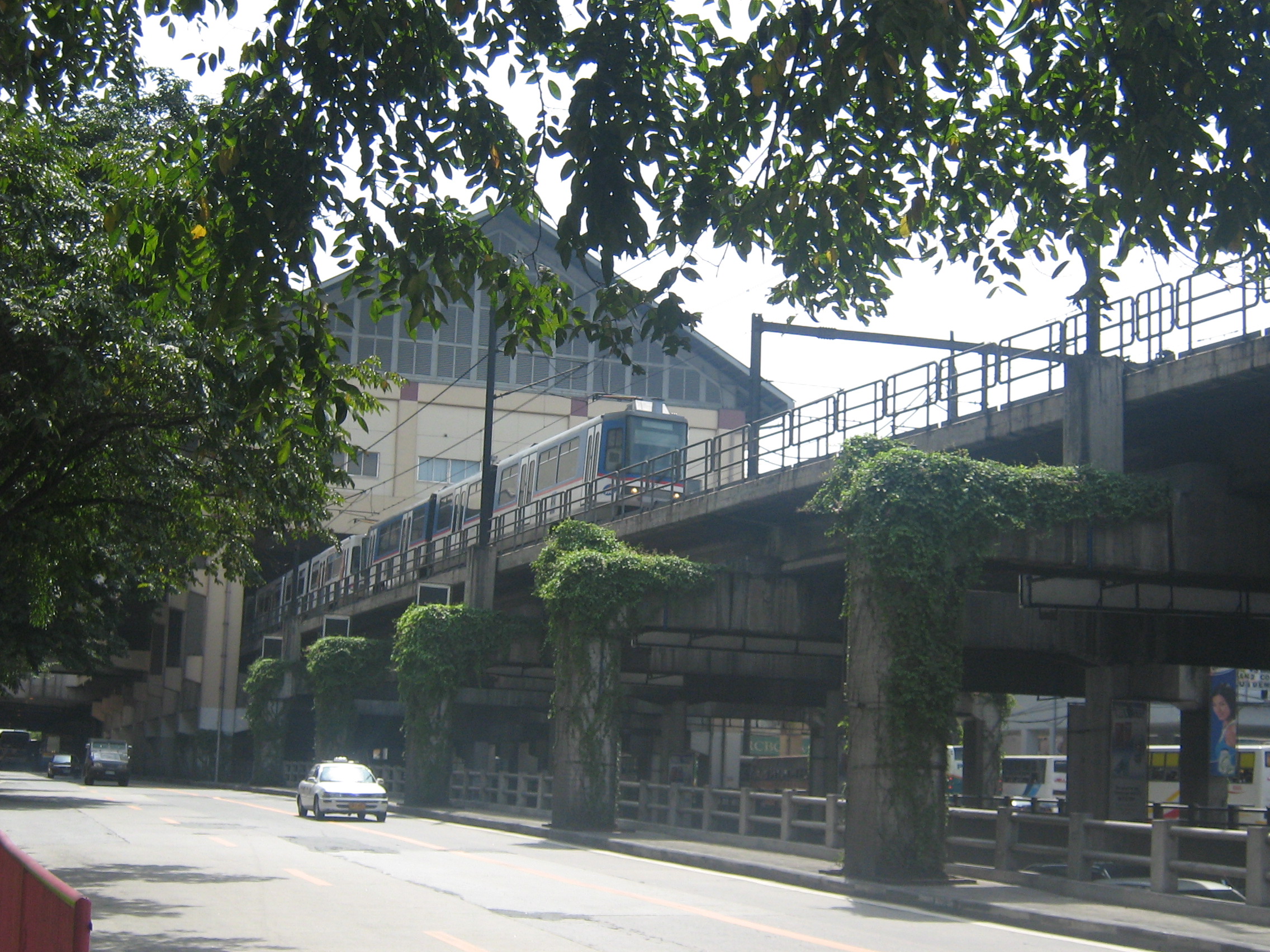
The city is also served by rail via the Manila Metro Rail Transit System Line 3 (MRT-3), located along EDSA. The city is served by the three MRT-3 stations of Ortigas, Shaw Boulevard, and Boni.
Philippine National Railways once served Mandaluyong through its defunct Santa Mesa–Antipolo branch until the bridge that carried it across the San Juan River collapsed in 1982.
Bridges
Mandaluyong is accessed by the Pasig River, the San Juan River, and the Maytunas Creek:
| Crossing | Carries | Image | Location | Built | Coordinates | Pasig River | |||||
|---|---|---|---|---|---|---|---|---|---|---|---|
| Makati – Mandaluyong | San Juan River | ||||||||||
| Manila – Mandaluyong | Maytunas Creek | ||||||||||
| San Juan – Mandaluyong | |||||||||||
| Makati–Mandaluyong Bridge | Makati Avenue to Coronado Street | [[File:Pasig River Algae.jpg | 70px]] | Barangay Poblacion and Barangay Hulo | 1986 | ||||||
| Estrella–Pantaleon Bridge | |||||||||||
| Rockwell Bridge | Estrella Street to Pantaleon Street | Barangay Poblacion and Barangay Hulo | 2011 (closed as of 2019) | ||||||||
| Guadalupe Bridge | C-4 | ||||||||||
| Epifanio de los Santos Avenue | [[File:FvfGuadalupePasigRiver0074 35.JPG | 70px]] | Brgys. Guadalupe Nuevo/Viejo and Barangay Barangka Ilaya | 1966 | |||||||
| Line 3 Bridge | Manila Metro Rail Transit System Line 3 (Line 3) | [[File:MRT-3 Tracks Guadalupe 6.jpg | 70px]] | Brgys. Guadalupe Nuevo/Viejo and Barangay Barangka Ilaya | 1998 | ||||||
| Sevilla Bridge | P. Sanchez Street to Shaw Boulevard | Santa Mesa and Barangay Daang Bakal | url=https://dpwh.maps.arcgis.com/apps/webappviewer/index.html?id=4bc4f2dc3a5644088c57de02108a8fd3 | title=Road and Bridge Inventory | website=Department of Public Works and Highways | access-date=July 26, 2023}} | |||||
| Kalentong Bridge | F. Blumentritt Street to Gen. Kalentong Street | Barangay Kabayanan and Barangay Daang Bakal | 1976 | ||||||||
| Maytunas Bridge | P. Guevarra Street | Barangays Maytunas/Addition Hills and Barangay Bagong Silang | |||||||||
| J.B. Vargas Bridge | Argonne Street to J.B. Vargas Street | Barangay Addition Hills and Barangay Bagong Silang |
Healthcare

Mandaluyong has several private and public hospitals & health center, namely the privately owned Dr. Victor R. Potenciano Medical Center along EDSA and Unciano General Hospital, and the government hospital Mandaluyong City Medical Center. The city is also home to the National Center for Mental Health. Many residents, specifically the middle-to-upper class medical clientele, visit the nearby The Medical City in Ortigas Center, Pasig.
In 2007, the Mandaluyong city government, together with non-governmental organization Rehabilitation and Empowerment of Adults and Children (REACH) Foundation, established a community-based rehabilitation program called Project Therapy, Education, and Assimilation of Children with Handicap (TEACH), that caters to children with special needs coming from indigent families. Services given by Project TEACH include free occupational therapy, physical therapy, speech therapy and special education classes.
Education
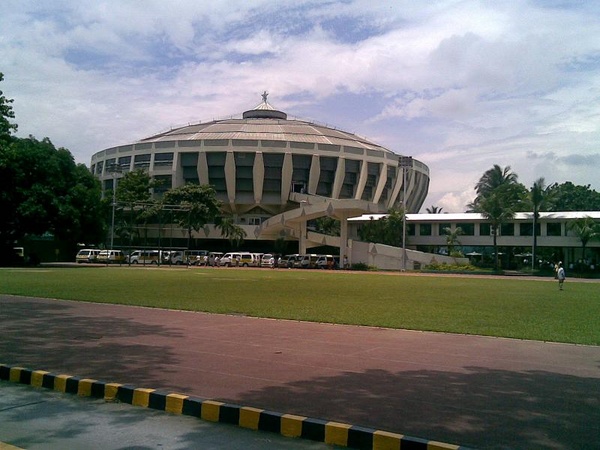
Four well-known educational institutions in the city are the Arellano University – Plaridel Campus, Don Bosco Technical College, José Rizal University and Rizal Technological University.
A good number of city officials of Mandaluyong are alumni of Don Bosco, including incumbent Mayor, Benjamin Abalos Jr. (HS '79); former Vice Mayor, Renato Santa Maria (HS '65); City Councilors Edward Bartolome (HS '96), Noel Bernardo (HS '79), and Jonathan Abalos (HS '85). Other notable alumni include rapper Francis Magalona (HS '81); and actor Ricky Davao (HS '78). Meanwhile, the alumni of JRU that includes President Ramon Magsaysay, Roderick Paulate, and Armand Fabella. Other colleges in the city include the Our Lady of Guadalupe Colleges (specializing in Medicine and Nursing), STI and AMA (both specializing in Computer Technology education, both located on Shaw Boulevard), NAMEI Polytechnic Institute (specializing in Marine Sciences), and the International Baptist College.
The city is also home to Lourdes School of Mandaluyong (est. 1911), a Franciscan-Marian all-boys school, located in the Ortigas Center district managed by the OFM Capuchins; La Salle Green Hills (est. 1959), a private co-educational school, managed by the De La Salle Brothers, located along Ortigas Avenue; and Saint Pedro Poveda College (est. 1960), another all-girls institution, offering pre-school, grade school, high school, and college education. Although the official school address is Quezon City, part of the lot Poveda's campus stands on is under Mandaluyong.
Mandaluyong High School (est. 1977) is the oldest public high school in the city. City of Mandaluyong Science High School (est. 1996) is a public science high school on E. Pantaleon Street. The city has 18 public schools, including primary and secondary schools, all under the supervision of Department of Education's Schools Division Office (SDO) of Mandaluyong. The Mataas Na Paaralang Neptali A. Gonzales, named after Mandaluyong native and former Senator Neptali Gonzales, is the largest school in Mandaluyong and the only school in the city with the STEM high school program.
International relations
Diplomatic missions
Countries that have set up permanent missions or embassies in the city include:
Sister cities
| National |
|---|
Notable personalities
- Aljon Mariano (b. 1992) - basketball player
- Alan Peter Cayetano (b. 1970) - senator, 26th Secretary of Foreign Affairs
- Anicka Castañeda (b. 1999) - footballer
- Antonio Cabangon-Chua (b. 1934, d. 2016) - Philippine Ambassador to Laos, entrepreneur, and businessman
- Benjamin Abalos (b. 1934) - 16th and 23rd mayor of Mandaluyong, former Chairperson of the Metropolitan Manila Development Authority, and former chairman of the Commission on Elections
- Benjamin Abalos Jr. (b. 1962) - 15th mayor of Mandaluyong, former Chairperson of the Metropolitan Manila Development Authority, and current Secretary of the Interior and Local Government
- Jonathan Clement "JC" Abalos II (b. 1994) politician
- Brigiding (b. 1992) – drag performer, Drag Race Philippines (Season 1) contestant
- Carmela Tunay (b. 1995) - former volleyball player, actress, and TV host
- Carmelita Abalos (b. 1962) - 22nd and 24th mayor of Mandaluyong
- Coleen Garcia (b. 1992) - actress, host, and model
- Dante Jimenez (b. 1952, d. 2021) - chairman of the Presidential Anti-Corruption Commission, founder of Volunteers Against Crime and Corruption, and educator
- Elmer Borlongan (b. 1967) - painter
- Francis Magalona (b. 1964, d. 2009) - rapper, singer, and songwriter
- Freddy Gonzalez (b. 1978) - former football player
- Fyang Smith (b. 2006) - social media influencer and model
- Gio Alvarez (b. 1976) - actor
- Imee Marcos (b. 1955) - current Senator, politician, sister of current Philippine president Bongbong Marcos
- Javi Gómez de Liaño (b. 1998) - basketball player
- John Raspado (b. 1981) - businessman, titleholder of Mr. Gay World Philippines 2016 and Mr Gay World 2017
- Johnedel Cardel (b. 1970) - head coach of Terrafirma Dyip, former basketball player
- Juami Tiongson (b. 1991) - basketball player
- Kevin Racal (b. 1991) - basketball player
- Lance Serrano (b. 1992) - actor, model, and basketball player
- Lei Ponce (b. 1984) - make-up artist and titleholder of Mr. Fahrenheit 2016
- Louie Mar Gangcuangco (b. 1987) - physician, HIV researcher, and professor
- Manny Victorino (b. 1958) - retired basketball player
- Maico Buncio (b. 1988, d. 2011) - motorcycle racer
- Mark Cardona (b. 1981) - basketball player
- Marlon Manalo (b. 1975) - former pool player
- Michele Bumgarner (b. 1989) - racing driver
- Mikey Bustos (b. 1981) - YouTuber, vlogger, singer, and comedian
- Neptali Gonzales (b. 1923, d. 2001) - 13th Senate president, former congressman of the first district of Rizal and San Juan–Mandaluyong
- Neptali Gonzales II (b. 1954) - 14th mayor of Mandaluyong and current representative of the Lone District of Mandaluyong
- Paul Zamar (b. 1987) - basketball player
- Renz Ongkiko (b. 1988) - newscaster, media personality, and model
- Ria Atayde (b. 1992) - actress
- Rico Yan (b. 1975, d. 2002) - actor and entrepreneur
- Shehyee (b. 1992) - rapper, songwriter, and Internet personality
- Sophie Albert (b. 1990) - actress
- Camille Villar (b. 1985) - politician and former TV host
- Troy Rosario (b. 1992) - basketball player
Notes
References
References
- {{DILG detail
- (2020). "Metro Manila Government Data".
- (17 July 2025). "2024 Census of Population (POPCEN) Population Counts Declared Official by the President". Philippine Statistics Authority.
- (January–April 2010). "Anahaw". Ecosystems Research and Development Bureau of the Philippine Department of Environment and Natural Resources.
- Duldulao, Manuel D.. (2008-09-10). "Pasig City: Portrait of a New Metropolis". Japuzinni Publication Division.
- "Murals of folklore lovers 'Manda', 'Luyong' brighten Shaw Blvd flyover". Manila Bulletin.
- (2019-10-21). "A Short History Behind the Name of Every Metro Manila City". [[Summit Media]].
- Joaquin, Nick. (1999). "Manila, My Manila". Bookmark.
- "City of Mandaluyong : Brief History: Political History". Mandaluyong.gov.ph.
- Vicencio, Leonardo. (1987). "Mandaluyong (1470-1950)".
- Patricio, Pedo. (1976). "Mandaluyong (1837-1975)".
- "City of Mandaluyong : Brief History : Political History". Mandaluyong.gov.ph.
- (November 6, 1903). "An Act Amending Acy Numbered Nine Hundred and Forty-Two, Entitled "An Act Reducing the Thirty-Two Municipalities of the Province of Rizal to Fifteen," by Reducing the Thirty-Two Municipalities of the Said Province to Sixteen". Lawyerly.
- (June 28, 2002). "The President's Day: June 28, 2002".
- (March 27, 1907). "An Act Increasing The Number Of Municipalities In The Province Of Rizal From Seventeen To Nineteen, By Separating From San Felipe Neri The Former Municipality Of San Juan Del Monte And From Parañaque The Former Municipality Of Las Piñas, Giving To Each The Territory Which It Comprised Prior To The Passage Of Act Numbered Nine Hundred And Forty-two, And Providing For The Distribution Of Funds In The Municipal Treasuries Of Said Municipalities". Lawyerly.
- (November 6, 1931). "Act Changing the Name of Municipality of San Felipe Neri, in the Province of Rizal, to Mandaluyong".
- (January 1, 1942). "Creating the City of Greater Manila". [[Official Gazette (Philippines).
- (July 26, 1945). "Reducing the Territory of the City of Greater Manila". [[Official Gazette (Philippines).
- (November 18, 1967). "Suburban Polls". [[Manila Bulletin]].
- (August 2025). "The Night of the Declaration". Martial Law Museum.
- Rodrigo, Raul. (2000). "Phoenix : the saga of the Lopez family". Eugenio Lopez Foundation.
- Mijares, Primitivo. (2016). "The Conjugal Dictatorship of Ferdinand and Imelda Marcos". CreateSpace Independent Publishing Platform.
- (October 8, 2012). "True or false: Was 1972 Enrile ambush faked?".
- Manila, Quijano de. (1986). "The quartet of the tiger moon : scenes from the people-power apocalypse". Book Stop.
- (September 20, 1999). "Alfred McCoy, Dark Legacy: Human rights under the Marcos regime". [[Ateneo de Manila University]].
- (2005). "State and society in the Philippines". Rowman & Littlefield Publishers.
- "Gone too soon: 7 youth leaders killed under Martial Law". Rappler.
- "Remembering DMG: Self-Made Entrepreneur".
- Joaquin, Nick. (1993). "The D.M. Guevara story". D.M. Guevara Foundation.
- Pelaez-Marfori, Berry. "Domingo Guevara: The road to industrialization".
- (November 7, 1975). "Creating The Metropolitan Manila And The Metropolitan Manila Commission And For Other Purposes". [[Official Gazette (Philippines).
- (1995-02-09). "Charter of the City of Mandaluyong". [[House of Representatives of the Philippines.
- (May 8, 2002). "Mandaluyong is new 'tiger city'".
- "City of Mandaluyong : Introduction : Land Area". City of Mandaluyong.
- (November 14, 2013). "An Update on the Earthquake Hazards and Risk Assessment of Greater Metropolitan Manila Area". [[Philippine Institute of Volcanology and Seismology]].
- "Enhancing Risk Analysis Capacities for Flood, Tropical Cyclone Severe Wind and Earthquake for the Greater Metro Manila Area Component 5 – Earthquake Risk Analysis". [[Philippine Institute of Volcanology and Seismology]] and [[Geoscience Australia]].
- "City of Mandaluyong : Introduction : Table 1.01 Land Area Distribution". City of Mandaluyong.
- "Final Results – 2007 Census of Population". Census.gov.ph.
- "Total Population by Province, City, Municipality and Barangay: as of May 1, 2010". Philippine Statistics Authority.
- "Total Population by Province, City, Municipality and Barangay as of 2 May 2015". [[Philippine Statistics Authority]].
- "Total Population by Province, City, Municipality and Barangay as of 1 May 2020". [[Philippine Statistics Authority]].
- Jenny Herrera. (February 12, 2013). "Ulirang Mandaleño Awardees".
- (March 18, 2020). "Social Composition and Characteristics".
- "Mandaluyong City Profile". City Government of Mandaluyong.
- "Commercial Activities". City Government of Mandaluyong.
- "Industrial Activities". City Government of Mandaluyong.
- (April 27, 2017). "Stories of Filipino Success: Lucio and Susan Co". Philippine Primer.
- (July 8, 2020). "Physical and Spatial Characteristics". City Government of Mandaluyong.
- "New bridge connecting Makati, Mandaluyong opened". GMA News.
- "Road and Bridge Inventory".
- (May 17, 2015). "Free school, therapy for poor kids with special needs wins UN award". Philippine Daily Inquirer.
- (January 3, 2011). "City of Mandaluyong : News Updates". Mandaluyong.gov.ph.
- "Don Bosco High School". Bosco.arttickles.com.
- "Don Bosco Technical College".
- (November 4, 1979). "Mandaluyong City Council : Edward Gabriel Bartolome". Mandaluyong.gov.ph.
- "Mandaluyong City Council". Mandaluyong.gov.ph.
- "www.donboscoforum.com". donboscoforum.com.
- "Francis Magalona Succumbs to Cancer | A Filipina Mom Blogger". Aboutmyrecovery.com.
- "Don Bosco Mandaluyong Batch 72 Photo Gallery by Jojo Vicencio – DU1VHY at". Pbase.com.
- Feria, Monica. (March 13, 2016). "Humble resting place for Antonio Cabangon Chua". [[Philippine Daily Inquirer]].
- (December 24, 2016). "Coleen Garcia, Billy Crawford fly to Spain after engagement". ABS-CBN News.
- (2014). "Elmer Borlongan: In City and Country (1992-2012)". Ayala Museum.
- (June 24, 2019). "How Mikey Bustos and BF RJ Garcia met".
This article was imported from Wikipedia and is available under the Creative Commons Attribution-ShareAlike 4.0 License. Content has been adapted to SurfDoc format. Original contributors can be found on the article history page.
Ask Mako anything about Mandaluyong — get instant answers, deeper analysis, and related topics.
Research with MakoFree with your Surf account
Create a free account to save articles, ask Mako questions, and organize your research.
Sign up freeThis content may have been generated or modified by AI. CloudSurf Software LLC is not responsible for the accuracy, completeness, or reliability of AI-generated content. Always verify important information from primary sources.
Report