From Surf Wiki (app.surf) — the open knowledge base
M. T. Vasudevan Nair
Indian author, screenplay writer and film director (1933–2024)

Indian author, screenplay writer and film director (1933–2024)
| Field | Value | |
|---|---|---|
| name | M. T. Vasudevan Nair | |
| image | MT VASUDEVAN NAIR.jpg | |
| birth_name | Madath Thekkepaattu Vasudevan Nair | |
| birth_date | ||
| birth_place | Kudallur, British Malabar, Madras Presidency, India | |
| death_date | ||
| death_place | Kozhikode, Kerala, India | |
| occupation | Novelist, short story writer, screenplay writer, film director | |
| language | Malayalam, English | |
| alma_mater | Victoria College, Palakkad | |
| genre | Novel, short story, children's literature, travelogue, essays | |
| subject | Social aspects, Oriented on the basic Kerala family and cultures | |
| notableworks | {{bulleted list | |
| spouse | {{Unbulleted list | |
| awards | ||
| signature | M. T. Vasudevan Nair signature.jpg | |
| signature_alt | The signature of M. T. Vasudevan Nair | |
| caption | M.T. in 2015 |
| Naalukettu | Randamoozham | Manju | Kaalam | Asuravithu | Iruttinte Athmavu }} | }}
Madath Thekkepaattu Vasudevan Narayanan Nair (15 July 1933 – 25 December 2024) was an Indian author, lecturer, screenplay writer, filmmaker and literary statesman. He was a prolific and versatile writer in modern Malayalam literature, and was one of the masters of post-Independence Indian literature. Randamoozham, which retells the story of the Mahabharata from the point of view of Bhimasena, is widely credited as his masterpiece.
At the age of 20, as a chemistry undergraduate, he won the prize for the best short story in Malayalam for Valarthumrigangal at World Short Story Competition jointly conducted by New York Herald Tribune, Hindustan Times, and Mathrubhumi. His first major novel, Naalukettu (The Legacy), written at the age of 23, won the Kerala Sahitya Akademi Award in 1958. His other novels include Manju (Mist), Kaalam (Time), Asuravithu (The Demon Seed), and Randamoozham (The Second Turn). The emotional experiences of his early days went into his novels, and most of his works are oriented towards the basic Malayalam family structure and culture. His three novels set in traditional tharavads in Kerala are Naalukettu, Asuravithu, and Kaalam.
MT was a screenwriter and director of Malayalam films. He directed seven films and wrote the screenplay for around 54 films. He won the National Film Award for Best Screenplay four times, for: Oru Vadakkan Veeragatha (1989), Kadavu (1991), Sadayam (1992), and Parinayam (1994), which is the most by anyone in the screenplay category. In 1995 he was awarded the highest literary award in India, Jnanpith, for his overall contribution to Malayalam literature. In 2005, India's third-highest civilian honour, Padma Bhushan, was awarded to him. He died in Kozhikode on 25 December 2024. In 2025, he received Padma Vibhushan, India's second-highest civilian honour, posthumously.
Early life and education
Madath Thekkepaattu Vasudevan Narayanan Nair was born on 15 July 1933 in the village of Kudallur, then in Ponnani Taluk (now in Pattambi Taluk, Palakkad District). His birthplace fell under Malabar District in erstwhile Madras Presidency of the British Raj. He was the youngest of four children born to T. Narayanan Nair and Ammalu Amma. His father was in Ceylon, and he spent his early days in Kudallur and in his father's house in Punnayurkulam, a village in the present-day Thrissur district. Although his family did not nurture an interest in reading, Nair started writing at an early age and had his work published in magazines.
MT attended Malamakkavu Elementary School and then Kumaranelloor High School. He had to break education after high school, and when he joined college in 1949, he was advised to opt for the science stream as it was felt that a degree in science secured a job faster than any other degree. He obtained a degree in chemistry from Victoria College, Palakkad in 1953.
MT taught mathematics in Pattambi Board High School and Chavakkad Board High School for over a year and worked in M.B. Tutorial College, Palakkad during 1955–56. He also worked as a gramasevakan at a block development office in Taliparamba, Kannur for a few weeks before joining Mathrubhumi Weekly as subeditor in 1957.
Literary career
Short stories

MT began writing at a very young age, inspired by his elder brothers who wrote time and again in several literary journals and poet Akkitham Achuthan Namboothiri who was his senior at high school. His first book, Raktham Puranda Manaltharikal was published in 1952.
MT's first literary prize came to him while he was a student at Victoria College, Palakkad – his short story "Valarthumrigangal" (Pet Animals) won first prize in the World Short Story Competition conducted by The New York Herald Tribune, Hindustan Times, and Mathrubhumi in 1954. It was a short story delineating the pathetic plight of circus artistes. The numerous stories that followed dealt with themes culled from widely different milieus and contexts but were uniformly successful and popular.
The noted collections of his stories are Iruttinte Athmavu, Olavum Theeravum, Bandhanam, Varikkuzhi, Dare-e-Salam, Swargam Thurakkunna Samayam, Vaanaprastham and Sherlock. "Iruttinte Athmavu" ("Soul of Darkness"), one of the most celebrated among his short stories, is the heart wrenching story of a 21-year-old man, regarded as a lunatic by everyone and treated abominably. The story reveals the insanity behind the civilised and supposedly sane world. The story "Sherlock" moves between the rural milieu familiar to MT's readers and the sophisticated world of Indian immigrants in the US, highlighting the contrast between them with subtle irony. Nair wrote passionately of the cruelty hidden at the heart of a seemingly idyllic rural life ("Kurukkante Kalyanam" or "The Jackal's Wedding" and "Shilalikhithangal" or "Stone Inscriptions") and of the privations endured by those dependent on the agricultural cycle ("Karkitakom" and "Pallivalum Kalchilambum" or "Sacred Sword and Anklets"). In the story "Vanaprastham", he studies the delicately balanced relationship between a teacher and a student that has miraculously survived the years.
MT was of the opinion that short story is a genre in which a writer can achieve near perfection. He, along with T. Padmanabhan, served as bridges between the early modern short story writers in Malayalam, of the so-called renaissance, and the new short story of the late fifties and sixties.
''Naalukettu'' and ''Asuravithu''
Main article: Naalukettu (novel), Asuravithu (novel)
MT's debut novel Pathiravum Pakalvelichavum (Midnight and Daylight) was serialised in Mathrubhumi Weekly in 1957. It was given the Kerala Sahitya Akademi Award in 1959. It has had 23 reprints and was translated into 14 languages and had a record sale of a half a million copies (as of 2008) and still features in the best-seller lists. MT himself adapted the novel into a television film for Doordarshan in 1995. It won the Kerala State Television Award for the year 1996.
Asuravithu (The Demon Seed; 1972) which is set in a fictional Valluvanadan village named Kizhakkemuri can be considered almost as a sequel to Naalukettu. It has the same geophysical and socio-cultural setting. The novel describes the plight of the protagonist Govindankutty, the youngest son of a proud Nair tharavadu, as he is trapped between the social scenario, social injustice and his own inner consciousness. In Asuravithu there are clear indications of the damaging impact of an alien culture in the pollution of the indigenous culture and the disintegration of the family and the community. These two early novels—Naalukettu and Asuravithu—depict a phase in which the economic and cultural scenario of Kerala manifested symptoms which were to develop into dangerous ecocidal tendencies at a later stage.
''Manju'' and ''Kaalam''
Main article: Manju (novel), Kaalam (novel)
His later novels, such as Manju (Mist; 1964) and Kaalam (Time; 1969), are characterised by profuse lyricism which cannot be found in Naalukettu or Asuravithu. The eco-feminist theme of patriarchal domination and exploitation gained more prominence in Manju, MT's only novel with a female protagonist (Vimala). Set in the splendid landscape of Nainital, it stands apart as set in a milieu different from the usual one, the Valluvanadan village. The plot of the novel is allegedly similar to a Hindi story Parinde (Birds, 1956), by Nirmal Verma. However, both MT and Verma had rejected these claims.
In the novel Kaalam, MT returned to his favourite milieu, the dilapidated joint-family Nair tarwad set against the wider backdrop of the Valluvanadan village in the backdrop of the crumbling matrilineal order of Kerala in a newly independent India. Sethu, the protagonist, is toppled over by the eddies of social, cultural and economic transformation. Kaalam, though not strictly autobiographical, has a strong autobiographical element in it. Manju had a film adaptation in 1983, written and directed by MT himself. The novel also had a Hindi-language film adaptation titled Sharad Sandhya.
''Randamoozham''
Main article: Randamoozham
Randamoozham (The Second Turn; 1984), retells the story of the Mahabharatha from the point of view of Bhimasena, supposed to be the son of Vayu; this is demystified or demythified in the novel. In this novel, Bhima gains, through the author's ironic undertones, a new psychological depth. "I have not changed the framework of the story by the first Vyasa, Krishna-Dwaipayana. I have read between his lines and expanded on his pregnant silences," says the author.
''Varanasi''
MT's novel Varanasi (2002) is based around a journey to Varanasi, a pilgrim centre in North India. With no intricate plot, the novel is an experiment. It was well received in the literary circles but received criticism from critic and painter M. V. Devan.
Other works
MT wrote the novel Arabi Ponnu (The Gold of Arabia) along with N. P. Mohammed. Nair and Mohamed stayed in a rented house in Karuvarakkundu village, Malappuram for a period of two weeks to complete this work.
MT authored two books on the craft of writing—Kaathikante Panippura and Kaathikante Kala—and his anecdotal columns articles on various topics and speeches on different occasions have been compiled under the titles Kilivaathililude, Kannanthalippookkalude Kaalam, Vakkukalude Vismayam and Eekakikalude Sabdam. Manushyar Nizhalukal and Aalkkoottathil Thaniye are his travelogues.
Other activities
MT occupied many important positions in various literary bodies, including the presidency of Kerala Sahitya Akademi and the chairmanship of Tunchan Memorial Trust.
MT joined the Mathrubhumi Group of Publications in 1956. He served as editor of periodicals and chief editor of Mathrubhumi Illustrated Weekly.
He espoused and promoted secularism through his literature, cinema, and public life. Nair created secular intellectual movement in Kerala in the 1990s for peace with many intellectuals.
Film career
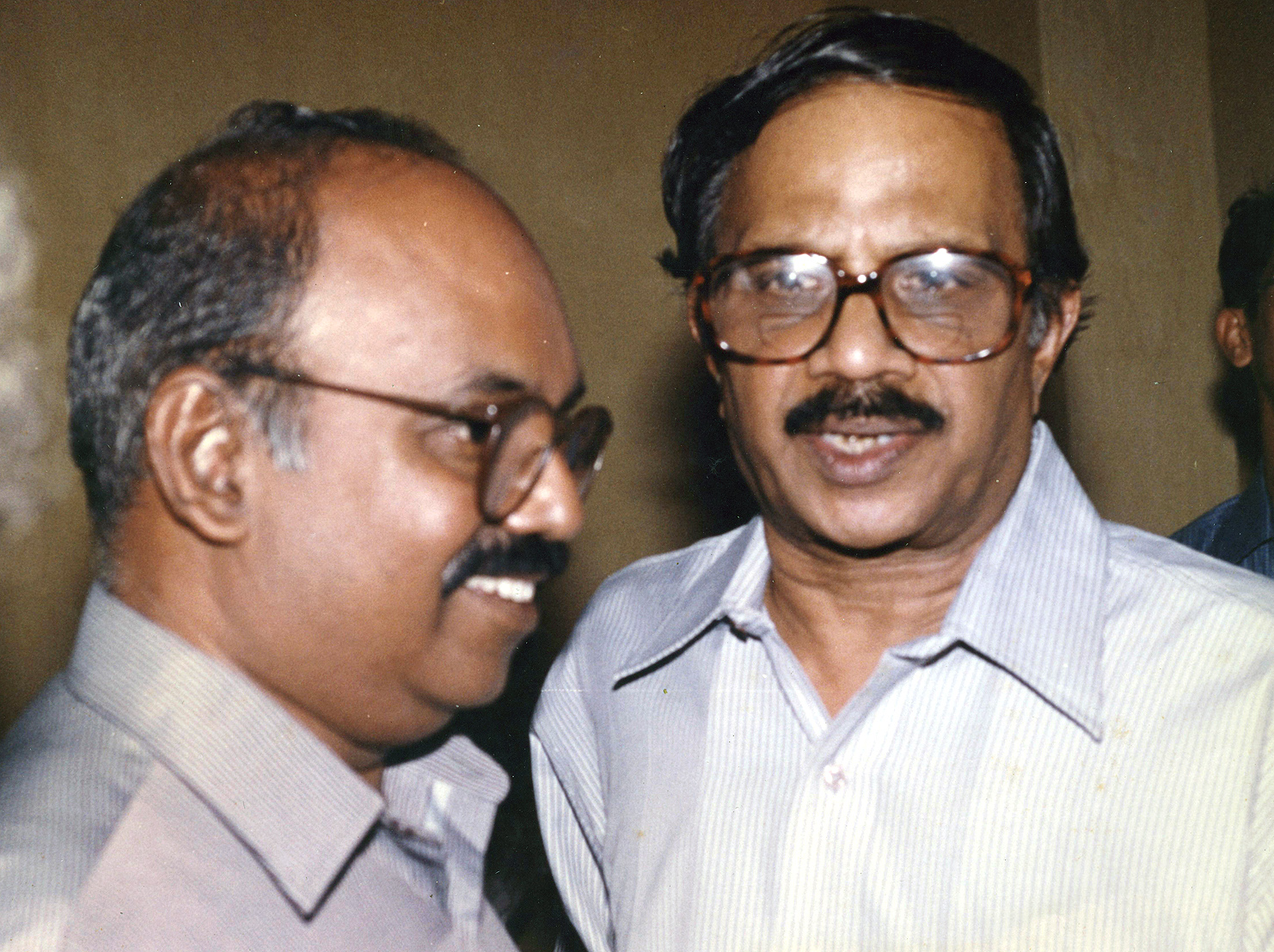
MT is one of the most distinguished and well accepted script writers and directors in Malayalam cinema. He has directed seven films and written the screenplay for around 54 films. He won the National Film Award for Best Screenplay four times for: Oru Vadakkan Veeragatha (1989), Kadavu (1991), Sadayam (1992), and Parinayam (1994), which is the most by anyone in the screenplay category.
MT wrote his first screenplay in 1965 for Murappennu, at the behest of producer Shobhana Parameswaran Nair. The film was an adaptation of his story "Snehathinte Mukhangal". The Hindu described it as "a well-made film with a compelling plot" and as "one of the most significant films in the history of Malayalam cinema".
MT was the first and foremost script writer in Malayalam who wrote screenplays after having learnt cinema as a distinctive visual art which has its own language, grammar and structure. It was only after he began writing screenplays the Malayali viewers began to consider film script as a distinctive genre which has its own genuine features. Also, it was M.T who elevated this medium of writing as a literary form.
MT's screenplays have won social attention for the portrayal of the social and cultural crisis in the contemporary life of Kerala. The disintegration of human values and relationship which creates identity crisis, sense of loss, dehumanisation, alienation from one's own surroundings, etc. have been presented in its depth by Nair more than any other writers. The best examples are Kanyakumari, Varikkuzhi, Vilkkanundu Swapnangal, Sadayam, Asuravithu, Edavazhiyile Poocha Mindappoocha, Akshrangal, Aalkkoottathil Thaniye, Aaroodam etc. According to the folklore Vadakkanpattu (Northern Ballads), Chandu is said to have betrayed his cousin because he was jealous of Aaromal's popularity and abilities. But Nair's Oru Vadakkan Veeragatha, set in 16th-century Kerala, presents an alternative version of the same legend, as it presents the incident from Chandu's perspective, suggesting that grave injustice has been done to Chandu by wrongly accusing him of replacing the rivets.
In 1973, MT made his directorial debut with Nirmalyam which won the National Film Award for Best Feature Film. The film is about a village oracle whose services are no longer needed by the community and whose family begins to fall apart. Nair scripted and directed many more films including the award-winning Bandhanam, Kadavu and Oru Cheru Punchiri. Kadavu won awards at the Singapore International Film Festival and Tokyo International Film Festival. His cinema work also includes three documentaries and one TV series. He has written songs for the 1981 film Valarthumrugangal which were set to tune by M. B. Sreenivasan.
MT was the chairman of Indian Panorama of the 46th National Film Awards (1998). He has also been a member of Film Finance Corporation, National Film Development Corporation and Film Censoring Committee. He has also served as a faculty in the Film and Television Institute, Pune.
Literary style and themes
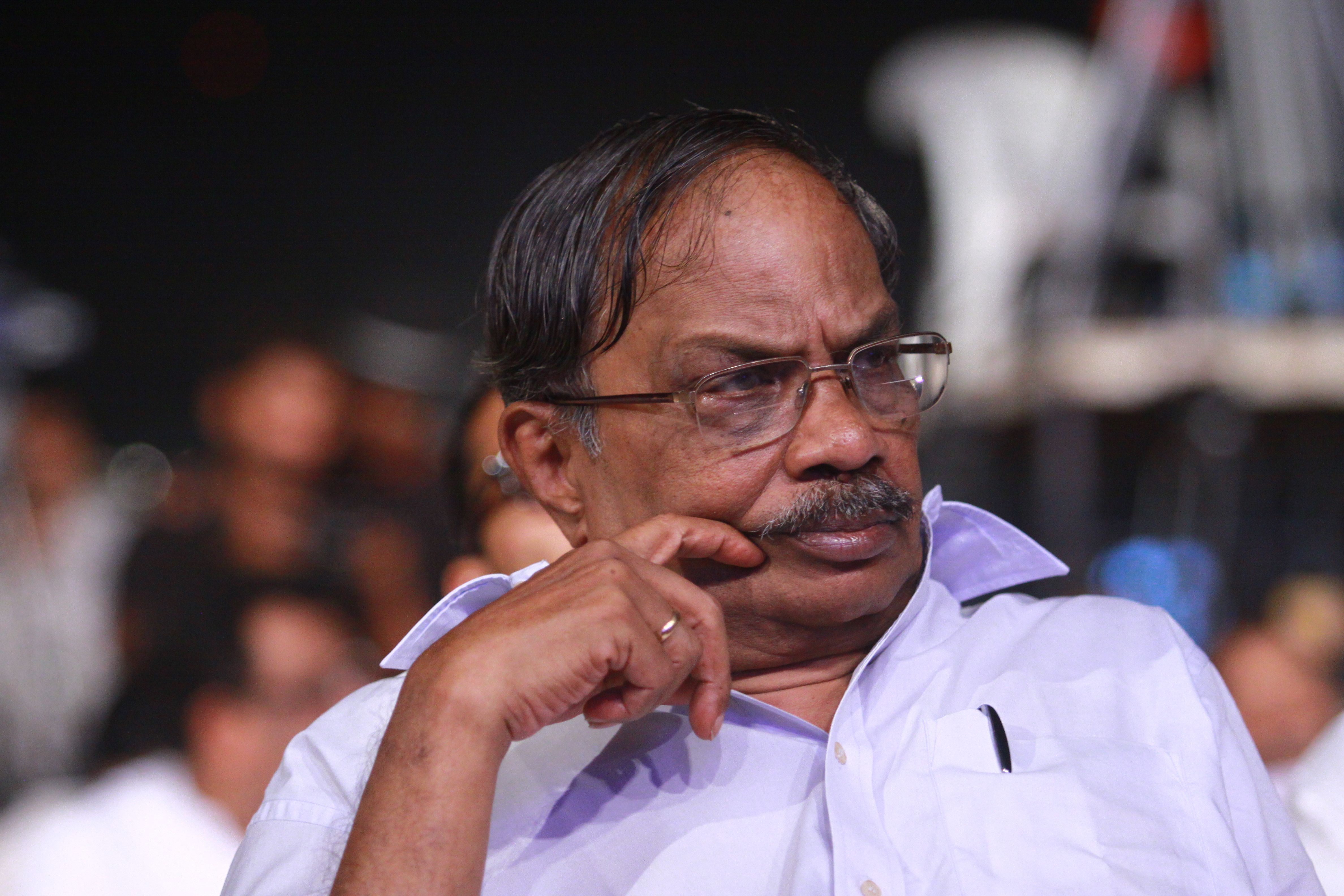
MT was born and brought up in a sylvan village on the banks of Nila. The writer has so often acknowledged his indebtedness to the ethos of his village and to Nila which has ever been the mainspring of his creative inspiration. Nila occurs and re-occurs in Nair's fiction, as a presence and as a symbol, endorsing this view. The staple locale of his fiction is the Valluvanadan village. The landscape and ethos of the Valluvanad region and the transformations undergone by them in the course of the century, involving relics of the tarawad and the communal tensions provide a challenging theme for the highly evocative style of Vasudevan MT's narrative art. The temporal milieu of MT's fiction stretches over the second half of the twentieth century, a period of tremendous social, cultural and economic changes.{{Cite book | author-link=K. Ayyappa Panicker
It was in the sixties that MT rose to prominence as a writer. The phase of social realism had come to an end. In his opinion, class-war the ideal which had inspired the writers belonging to the preceding generation had almost lost its relevance by the time he entered the literary career. The prominent Malayalam writers of the pre-independence phase—Thakazhi, Vallathol and Kesavadev—were all stimulated by the progressive leftist ideals. They focussed their attention on social conflict as the theme for their writings—Conflict between capital and labour, between the landlord and the tenant, between the oppressor and the oppressed. MT felt that this theme of conflict was an outdated phenomenon in the context of present Kerala. The protagonists of MT are men out of society and at war with themselves, a sharp contrast to the heroes of Kesavadev or Thakazhi who fight a losing war against the hostile forces in the society. MT, in spite of his broad and deep sympathy for the marginalised, doesn't identify himself with any particular political ideology or movement.
Personal life and death
MT married twice. He first married writer and translator Prameela in 1961. They separated after 15 years of marriage.{{cite news |trans-title=Life sketch: M.T. Vasudevan Nair |access-date=15 July 2015 |url-status=dead |archive-url=https://web.archive.org/web/20150721073119/http://www.mathrubhumi.com/books/special/index.php?id=228385&cat=824 |archive-date=21 July 2015 }} He had a daughter from this marriage, Sithara, who works as a business executive in the United States.
In 1977 he married dance artist Kalamandalam Saraswathi, with whom he had a daughter, dancer Aswathy Nair.
MT resided in Sithara, Kottaram Road, Kozhikode, named after his eldest daughter.
He died on 25 December 2024, at the age of 91. He had been admitted to Baby Memorial Hospital in Kozhikode on 15 December due to breathing difficulties. Despite medical intervention, his condition worsened, and he suffered a cardiac arrest, leading to his death.
Recognition, awards, and honours
Nair is regarded as one of the masters of post-Independence Indian literature.
He was bestowed with honorary D.Litt. degree by the Calicut University and Mahatma Gandhi University.
As of 2016 the Library of Congress in Washington, D.C., United States, had a collection of 62 books authored by Nair (including some English translations) or about him.
Honours
- 1996: Honorary doctorate (D.Litt.) from University of Calicut
- 1996: Honorary doctorate from Mahatma Gandhi University
- 2005: Padma Bhushan, India's third highest civilian award
- 2008: Honorary doctorate from Netaji Subhas Open University
- 2022: Kerala Awards, instituted by the Government of Kerala
- 2025: Padma Vibhushan (posthumously), India's second-highest civilian award
Literary awards
- 1958: Kerala Sahitya Akademi Award for Novel – Naalukettu
- 1970: Kendra Sahitya Academy Award – Kaalam
- 1982: Kerala Sahitya Akademi Award for Drama – Gopura Nadayil
- 1985: Vayalar Award for Randamoozham
- 1986: Kerala Sahitya Akademi Award for Story – Swargam Thurakkunna Samayam
- 1993: Odakkuzhal Award – Vanaprastham
- 1994: Muttathu Varkey Award
- 1995: Jnanpith Award for his contributions to Malayalam literature
- 1998: Padmarajan Award – Kaazhcha
- 2001: Bahrain Keraleeya Samajam Sahithya Award
- 2003: Lalithambika Antharjanam Smaraka Sahitya Award
- 2005: Kerala Sahitya Akademi Fellowship
- 2005: Vallathol Award
- 2005: Mathrubhumi Literary Award
- 2011: Ezhuthachan Award
- 2011: T. K. Puraskaram
- 2011: Suvarnamudra Award
- 2011: Mayilpeeli Award
- 2013: Sahitya Akademi Fellowship
- 2013: Sree Chithira Thirunal Award
- 2013: K. P. S. Menon Award
- 2014: Nalappadan Award 2014 for his Holistic Contributions to Malayalam Literature (Nalappadan Memorial Cultural Society-NMCS)
- 2014: Suvarnamudra Award by Guruvayur Naadha Brahmolsavam
- 2014: A. R. Raja Raja Varma Award
- 2014: Kakkanadan Award
- 2014: Balamani Amma Award
- 2014: Tata-Landmark Literature Live! Lifetime Achievement Award
- 2015: O.M.C. Narayanan Namboodiripad Memorial Devi Prasadam Trust's Award for Literature
- 2015: Thakazhi Award
- 2016: Deshabhimani Award
- 2018: O. N. V. Literary Award
- 2024: Amar Ujala Aakashdeep Award
Film awards
National Film Awards
Nair won the following National Film Awards:
- 1973: Best Film – Nirmalyam
- 1989: Best Screenplay – Oru Vadakkan Veeragatha
- 1991: Best Screenplay – Kadavu
- 1991: Best Feature Film in Malayalam – Kadavu
- 1992: Best Screenplay – Sadayam
- 1994: Best Screenplay – Parinayam
- 2000: Best Film on Environment Conservation/Preservation – Oru Cheru Punchiri
Kerala State Film Awards
He won the following Kerala State Film Awards:
- 1970: Best Screenplay – Olavum Theeravum
- 1973: Best Film – Nirmalayam
- 1973: Best Director – Nirmalayam
- 1973: Best Screenplay – Nirmalayam
- 1978: Best Film – Bandhanam
- 1980: Best Story – Oppol
- 1981: Best Screenplay – Thrishna, Valarthu Mrigangal
- 1983: Best Story – Aaroodam
- 1985: Best Story – Anubandham
- 1986: Best Screenplay – Panchagni, Nakhakshathangal
- 1987: Best Screenplay – Amrutham Gamaya
- 1989: Best Screenplay – Oru Vadakkan Veeragadha
- 1990: Best Screenplay – Perumthachan
- 1991: Best Film – Kadavu
- 1991: Best Director – Kadavu
- 1991: Best Screenplay – Kadavu
- 1994: Best Story – Sukrutham
- 1994: Best Screenplay – Parinayam
- 1998: Best Screenplay – Daya
- 2000: Best Director – Oru Cheru Punchiri
- 2009: Best Screenplay – Pazhassi Raja
Kerala Film Critics Association Awards
He also won Kerala Film Critics Association Awards:
- 1978: Best Screenplay – Bandhanam
- 1980: Best Screenplay – Vilkkanundu Swapnangal
- 1981: Best Story – Valarthumrugangal
- 1982: Best Story – Vaarikuzhi
- 1984: Best Screenplay – Aalkkoottathil Thaniye
- 1985: Best Screenplay – Anubandham
- 1985: Best Story – Anubandham
- 1994: Best Screenplay – Sukrutham
- 1997: Best Screenplay – Ennu Swantham Janakikutty
Other film awards
Other film awards won by Nair include:
- 1991: Filmfare Special Award – South
- 1992: Singapore International Film Festival – Special Jury Award – Kadavu
- 1992: Tokyo International Film Festival – Asia Future Prize – Kadavu
- 1996: Kerala State Television Award – Naalukettu
- 2003: Asianet Film Awards – Lifetime Achievement Award
- 2016: Asianet Film Awards – Lifetime Achievement Award
- 2013: J. C. Daniel Award by the Government of Kerala
Bibliography
Novels
Short story collections
- (Collection of 5 stories)
- (Collection of 6 stories)
- (Collection of 6 stories)
- (Collection of 5 stories)
- (Collection of 5 stories)
- (Collection of 5 stories)
- (Collection of 5 stories)
- (Collection of 4 stories)
- (Collection of 5 stories)
- (Collection of 34 stories)
- (Collection of 5 stories)
- (Collection of four stories)
- (Collection of 3 stories)
- (Collection of 4 stories)
- (Collection of 4 stories)
Children's literature
- With illustrations by N. P. Hafiz Mohamad
- With illustrations by Madanan
Essays
- (Collection of essays)
- (Collection of essays and an interview with Toni Morrison)
- (Collection of 34 essays in five parts)
Memoirs
- (Collection of 27 essays)
- (Collection of memoirs about 19 persons and the screenplay for the documentary Thakazhi)
Plays
Speeches
- (Collection of 32 speeches)
- (Collection of speeches)
Studies
- (Collection of 7 essays)
Translations
- (New edition of Jeevithathinte Granthathil Ezhuthiyath. Also includes conversations between N. P. Mohammed and M. T. Vasudevan Nair)
Travelogues
- (Travelogue about the journeys through Eastern Europe)
- (Travelogue about the journeys through China)
Screenplays
Most of Nair's screenplays are published as books. Some of the published works include:
- (Screenplays for the films Oppol, Vaarikuzhi, Aaroodam, Neelathamara and Idavazhiyile Poocha Minda Poocha)
- (Screenplays for the films Kadavu, Sadayam and Parinayam)
Filmography
| Year | Film | Direction | Notes | |||
|---|---|---|---|---|---|---|
| 2024 | Manorathangal | title=List of Malayalam Movies by Story MT Vasudevan Nair | url=https://ml.msidb.org/movies.php?tag=Search&story=MT%20Vasudevan%20Nair&sl=0&limit=60&alimit=17&sortorder=4&sorttype=1 | access-date=25 December 2024 | website=ml.msidb.org}} | |
| 2013 | Kadhaveedu | Portmanteau film based on four stories written by himself, Vaikkom Muhammad Basheer and Madhavikutty | ||||
| 2013 | Ezhamathe Varavu | Adaptation/Remake of his earlier unreleased film Evideyo Oru Shathru | ||||
| 2009 | Kerala Varma Pazhassi Raja | |||||
| 2009 | Neelathamara (Blue Lotus) | Remake of the 1979 film of the same name with revised screenplay | ||||
| 2001 | Theerthadanam (Pilgrimage) | Based on the story "Vanaprastham" | ||||
| 2000 | Oru Cheru Punchiri (A Slender Smile) | Based on the story "Mithunam" by Telugu writer Sriramana | ||||
| 1998 | Daya (Compassion) | Based on a story from One Thousand and One Nights | ||||
| 1998 | Ennu Swantham Janakikutty | Based on the story "Cheriya Cheriya Bhookampangal" | ||||
| 1998 | Thakazhi | Documentary on renowned Malayalam writer Thakazhi Sivasankara Pillai | ||||
| 1995 | Naalukettu | Tele-Serial based on the novel of the same name | ||||
| 1994 | Sukrutham | |||||
| 1994 | Parinayam (Wedding) | |||||
| 1992 | Sadayam (With Compassion) | |||||
| 1991 | Kadavu ( The Ferry) | Based on the story "Kadathuthoni" by S. K. Pottekkatt | ||||
| 1991 | Venal Kinavukal (Summer Dreams) | |||||
| 1990 | Midhya | |||||
| 1990 | Perumthachan | |||||
| 1990 | Thazhvaram (The Valley) | |||||
| 1989 | Utharam (Answer) | Based on the story "No Motive" by Daphne du Maurier | ||||
| 1989 | Oru Vadakkan Veeragatha (A Northern Story of Valor) | |||||
| 1988 | Aranyakam | |||||
| 1988 | Vaishali | |||||
| 1988 | Athirthikal | Based on MT's short story Dar-Es-Salaam | ||||
| 1987 | Amrutham Gamaya | |||||
| 1986 | Kochu Themmadi (The Little Rascal) | |||||
| 1986 | Abhayam Thedi (In Search of a Shelter) | |||||
| 1986 | Rithubhedam | |||||
| 1986 | Nakhakshathangal | |||||
| 1986 | Panchagni (Five Fires) | |||||
| 1985 | Rangam | |||||
| 1985 | Idanilangal | |||||
| 1985 | Anubandham | |||||
| 1984 | Aalkkoottathil Thaniye (Alone in a Crowd) | |||||
| 1984 | Adiyozhukkukal | |||||
| 1984 | Aksharangal (Alphabets) | |||||
| 1984 | Uyarangalil (At the Top) | |||||
| 1984 | Vellam (Water) | |||||
| 1983 | Aaroodam | |||||
| 1983 | Manju (Mist) | Based on the novel of the same name | ||||
| 1982 | Varikuzhi (The Trap) | Based on the story of the same name | ||||
| 1981 | Trishna (Thirst) | |||||
| 1981 | Valarthu Mrugangal | |||||
| 1980 | Vilkkanundu Swapnangal | |||||
| 1980 | Oppol (The Elder Sister) | |||||
| 1979 | Edavazhiyile Poocha Minda Poocha | |||||
| 1979 | Neelathamara (Blue Lotus) | |||||
| 1978 | Bandhanam (Bond) | Based on the story of the same name | ||||
| 1978 | Ekakini | Based on the story "Karutha Chandran"; Screenplay by P. Raman Nair | ||||
| 1977 | Mohiniyattam | Documentary film about the Indian art form Mohiniyattam | ||||
| 1974 | Kanyakumari | |||||
| 1974 | Paathiravum Pakalvelichavum | |||||
| 1973 | Nirmalayam (The Offering) | Based on the story "Pallivalum Kalchilambum" | ||||
| Also produced the film under the banner of Novel Films | ||||||
| 1971 | Kuttiyedathi | |||||
| 1971 | Mappusakshi | |||||
| 1971 | Vithukal (Seeds) | |||||
| 1970 | Nizhalattam (Shadow Play) | |||||
| 1969 | Olavum Theeravum | Based on the story of the same name | ||||
| 1968 | Asuravithu | Based on the novel of the same name | ||||
| 1967 | Nagarame Nandi | Partially based on the films The Conquerors of the Golden City (1965) and Birds of Exile (1964) | ||||
| 1966 | Iruttinte Athmavu | Based on the story of the same name | ||||
| 1966 | Pakalkkinavu | |||||
| 1965 | Murappennu | |||||
| — | Evideyo Oru Shathru | An incomplete feature film starring Sukumaran and Venu Nagavalli. The screenplay was published in Chilla magazine and later released as a book by Mathrubhumi Books. This book has some stills from the movie. |
References
References
- (25 December 2024). "End of an era: Malayalam's beloved writer MT Vasudevan Nair passes away".
- (15 July 2024). "Celebrating MT Vasudevan Nair's 91st birthday: A tribute to Kerala's literary icon".
- (25 December 2024). "MT Vasudevan Nair, doyen of lyrical nostalgia, passes away".
- (29 August 2010). "എം.ടി .വാസുദേവന്നായര്". Mathrubhumi.
- (17 April 2005). "Man with the Midas touch". [[The Tribune (Chandigarh).
- (25 December 2024). "MT Vasudevan Nair: Celebrated Indian author dies at 91".
- Kala Krishnan Ramesh. (9 October 2013). "Why Kerala Loves MT Vasudevan Nair". [[Yahoo!]].
- (15 July 2013). "എണ്പതിന്റെ നിറവില് എംടി വാസുദേവന് നായര്". Malayalee.com.au.
- (12 July 2023). "മലയാളിക്കു മറക്കാനാവാത്ത ഇരുട്ടിന്റെ ആത്മാവിന്റെ രോദനം". [[Manorama Online]].
- (26 June 1999). "Encyclopaedia of Indian cinema". [[British Film Institute]].
- K. Kunhikrishnan (6 January 2008). [https://web.archive.org/web/20080107014821/http://www.hindu.com/lr/2008/01/06/stories/2008010650100300.htm "Caught in the cusp of change"]. ''[[The Hindu]]''. Retrieved 30 May 2014.
- [https://archive.today/20130706034558/http://www.hindu.com/br/2003/01/21/stories/2003012100070301.htm "'Nalukettu' a landmark work, says Baby"]. ''[[The Hindu]]''. 14 January 2008. Retrieved 30 May 2014.
- [http://www.dcbooks.com/publishing-screenplay-of-m-t-vasudevan-nairs-nalukett.html "നാലുകെട്ടിന്റെ തിരക്കഥ വരുന്നു"] {{webarchive. link. (18 May 2014 . (in Malayalam). [[DC Books]]. 8 December 2012. Retrieved 30 May 2014.)
- link. (8 May 2012)
- M. G. Radhakrishnan. (10 September 2001). "The two literary stars of Malayalam stand accused of plagiarism. Or, is envy is the motive?". [[India Today]].
- "M. T. Vasudevan Nair: Manju". Cinemaofmalayalam.net.
- "Sharad Sandhya". IMDB.
- "M. T. Vasudevan Nair". Literaturfestival.com.
- Gopikrishnan Kottoor (1 March 2014). [http://www.thehindu.com/books/books-reviews/transience-of-human-love/article5740413.ece "Transience of human love"]. ''The Hindu''. Retrieved 9 March 2014.
- [http://timesofindia.indiatimes.com/city/thiruvananthapuram/Vasudevan-Nair-sues-critic/articleshow/13691144.cms "Vasudevan Nair sues critic"]. ''The Times of India''. 21 June 2002. Retrieved 9 March 2014.
- "'അറബിപ്പൊന്നി'ന് 60 വയസ്സ്.". Manorama.
- "M.T. Vasudevan Nair: A life that touched Malayalam literature and cinema".
- (15 March 2022). "MT Vasudevan Nair opens up about his early days at Mathrubhumi".
- (6 July 2023). "Mathrubhumi to honour MT Vasudevan Nair as he turns 90".
- "'MT the writer was not MT the editor".
- (2024-12-26). "A river runs through it: The world of MT Vasudevan Nair".
- (2024-12-31). "M.T. took an uncompromising stand against communal forces: Chief Minister Pinarayi Vijayan". The Hindu.
- (2023-04-05). "Class, Caste And Communism: An Interview With J. Reghu{{!}} Countercurrents".
- Anand Kavalam. (April–September 2010). "The poetic radiance in Malayalam screenplays: A study of the film-scripts of M.T. Vasudevan Nair". [[Kerala Sahitya Akademi]].
- P. K. Ajith Kumar (2 June 2016). [http://www.thehindu.com/news/cities/kozhikode/murappennu-mts-first-screenplay-turns-50/article8679756.ece "Murappennu, MT's first screenplay, turns 50"]. ''The Hindu''. Retrieved 30 June 2016.
- his screenplay]], based on his own assessment of Perumthachan's character.Nimi Kurian (5 November 2005). [https://web.archive.org/web/20051130033140/http://www.hindu.com/lr/2005/11/06/stories/2005110600180400.htm "Powerful story of love"]. ''The Hindu''. Retrieved 30 May 2014.
- (15 March 2005). "P.J. Antony remembered". [[The Hindu]].
- Brian Whitener. "Nirmalyam (1973)". [[The New York Times]].
- M. G. Radhakrishnan (15 February 1996). [https://www.indiatoday.in/magazine/indiascope/story/19960215-madathu-thekkeppattu-vasudevan-nair-a-masters-of-post-independence-indian-literature-834831-1996-02-14 "Winner all the way"]. ''[[India Today]]''. Retrieved 30 May 2014.
- (1 February 2015). "Valarthumrugangal (1981)". The Hindu.
- "46th National Film Awards". [[International Film Festival of India]].
- (1 February 2015). "M T Vasudevan Nair Bags J C Daniel Award". Filmibeat.
- [http://www.keralatourism.org/malabar/nila-kerala-culture.php "Nila and its Cultural influence"]. Keralatourism.org. Retrieved 18 May 2014.
- [https://www.keralatourism.org/leadinglights/m-t-vasudevan-nair/20 "M .T. Vasudevan Nair"]{{Dead link. (July 2025)
- (1996). "Deep Focus, Volumes 6–7". Motion pictures.
- "Kalamandalam Saraswathy, Founder of Nrityalaya". nrityalaya.
- "Aswathy and Srikanth, the Torch Bearers of Nrityalaya". nrityalaya.
- P. K. Ajith Kumar. (15 July 2013). "Daughter's tribute". The Hindu.
- Team Cinema Express. (20 December 2024). "Noted writer MT Vasudevan Nair hospitalised, in critical condition".
- (25 December 2024). "എം ടി വാസുദേവൻ നായർ അന്തരിച്ചു".
- "PM Narendra Modi and LoP Rahul Gandhi express condolences on MT Vasudevan Nair's passing". Asianet Newsable.
- (26 December 2024). "M.T. Vasudevan Nair, Revered Indian Screenwriter and Literary Icon, Dies at 91". Variety.
- ((Google Mughal Tent)). "MT: Chronicles of a Culture". [[Jaipur Literature Festival]].
- "At 80, MT Vasudevan Nair wants to do more". The New Indian Express.
- "Jnanpith MT Vasudevan Nair passes away".
- (11 January 2016). "M. T. Vasudevan Nair – Malayalam writer".
- "Honorary degree by Calicut University". [[University of Calicut]].
- [https://archive.today/20141005131914/http://www.kerala.gov.in/index.php?option=com_content&view=article&id=3408 "Mahatma Gandhi University"]. [[Government of Kerala]]. Retrieved 18 May 2014.
- "Padma Awards Directory (1954–2009)". [[Ministry of Home Affairs (India).
- "Padma Bhushan Awardees". India.gov.in.
- [http://www.thehindu.com/todays-paper/tp-national/tp-kerala/honorary-doctorate-for-mt/article1231951.ece "Honorary doctorate for MT"]. ''The Hindu''. 3 April 2008. Retrieved 18 May 2014.
- "First 'Kerala Puraskarangal' declared: Kerala Jyothi for MT, Mammootty gets Kerala Prabha". [[Onmanorama]].
- (2025-01-25). "MT Vasudevan Nair awarded Padma Vibhushan, PR Sreejesh to receive Padma Bhushan".
- (25 January 2025). "MT Vasudevan Nair awarded Padma Vibhushan posthumously".
- [http://www.keralasahityaakademi.org/sp/Writers/ksa/Awards/novel.htm "Kerala Sahitya Akademi Award for Novel"] {{Webarchive. link. (9 November 2013 . [[Kerala Sahitya Akademi]]. Retrieved 18 May 2014.)
- "Kendra Sahitya Academy Awards (Malayalam)". Public Relations Department, [[Government of Kerala]].
- [http://www.keralasahityaakademi.org/sp/Writers/ksa/Awards/Play.htm "Kerala Sahitya Akademi Award for Drama"] {{Webarchive. link. (16 May 2018 . [[Kerala Sahitya Akademi]]. Retrieved 18 May 2014.)
- [http://www.keralasahityaakademi.org/ml_aw27.htm "Vayalar Award"]. [[Kerala Sahitya Akademi]]. Retrieved 18 May 2014.
- [http://www.keralasahityaakademi.org/sp/Writers/ksa/Awards/Stories.htm "Kerala Sahitya Akademi Award for Story"] {{Webarchive. link. (5 July 2017 . [[Kerala Sahitya Akademi]]. Retrieved 18 May 2014.)
- [http://www.mathrubhumi.com/books/article/awards/173/ "ഓടക്കുഴല് അവാര്ഡ്"] {{webarchive. link. (19 May 2014 . ''Mathrubhumi''. 2 September 2010. Retrieved 18 May 2014.)
- [http://www.muttathuvarkey.com/ "Muttahthu Varkey"]. Muttathuvarkey.com. Retrieved 18 May 2014.
- "Jnanpith Laureates". Bharatiya Jnanpith.
- [http://www.keralasahityaakademi.org/ml_aw36.htm "Padmarajan Award"]. [[Kerala Sahitya Akademi]]. Retrieved 18 May 2014.
- link. (18 May 2014 . ''Khaleej Times''. Retrieved 18 May 2014.)
- [http://www.keralasahityaakademi.org/ml_aw33.htm "Lalithambika Antharjanam Smaraka Sahitya Award"]. [[Kerala Sahitya Akademi]]. Retrieved 18 May 2014.
- [https://web.archive.org/web/20060924134134/http://www.hindu.com/2005/07/24/stories/2005072406830300.htm "MT receives akademi fellowship"]. ''The Hindu''. 24 July 2005. Retrieved 18 May 2014.
- [http://www.keralasahityaakademi.org/ml_aw26.htm "Vallathol Award"]. [[Kerala Sahitya Akademi]]. Retrieved 18 May 2014.
- [http://www.mathrubhumi.com/books/article/awards/176/ "മാതൃഭൂമി സാഹിത്യ പുരസ്കാരം"] {{webarchive. link. (19 May 2014 . ''Mathrubhumi''. 2 September 2010. Retrieved 18 May 2014.)
- [http://www.thehindu.com/news/states/kerala/article2608958.ece "M.T. Vasudevan Nair chosen for Ezhuthachan Award"]. ''Mathrubhumi''. Retrieved 18 May 2014.
- link. (8 June 2012 . ''Mathrubhumi''. Retrieved 18 May 2014.)
- link. (25 June 2012 . ''Mathrubhumi''. Retrieved 18 May 2014.)
- link. (30 October 2012 . ''Mathrubhumi''. Retrieved 18 May 2014.)
- [http://www.thehindu.com/todays-paper/tp-national/tp-kerala/mt-gets-akademi-fellowship/article5641669.ece "MT gets Akademi fellowship"]. ''The Hindu''. 1 February 2014. Retrieved 18 May 2014.
- [http://www.dcbooks.com/sree-chitra-tirunal-award-for-m-t-vasudevan-nair.html "എംടിക്ക് ശ്രീചിത്തിരതിരുനാള് പുരസ്കാരം"] {{webarchive. link. (18 May 2014 . DC Books. Retrieved 18 May 2014.)
- [http://www.dcbooks.com/m-t-vasudevan-nair-bags-k-p-s-menon-award.html "എം.ടിയ്ക്ക് കെ.പി.എസ് മേനോന് പുരസ്കാരം"] {{webarchive. link. (4 December 2013 . DC Books. Retrieved 18 May 2014.)
- "NMCS 2014 – നാലപ്പാടൻ അവാർഡ് – എം.ടി വാസുദേവൻ നായർ Saritha Asokan Nalapat". Nalapadan Memorial Cultural Society.
- [http://www.dcbooks.com/naadha-brahmotsavam-award-for-m-t-vasudevan-nair.html "നാദബ്രഹ്മോത്സവം പുരസ്കാരം എംടിയ്ക്ക്"] {{webarchive. link. (18 May 2014 . DC Books. Retrieved 18 May 2014.)
- [http://www.dcbooks.com/a-r-award-for-m-t-vasudevan-nair.html "പ്രഥമ എആര് പുരസ്കാരം എംടി വാസുദേവന് നായര്ക്ക്"] {{webarchive. link. (25 February 2014 . DC Books. Retrieved 18 May 2014.)
- [http://www.dcbooks.com/kakkanadan-award-to-m-t-vasudevan-nair.html "കാക്കനാടന് പുരസ്കാരം എം.ടിയ്ക്ക്"] {{webarchive. link. (18 May 2014 . DC Books. Retrieved 18 May 2014.)
- [http://www.thehindu.com/todays-paper/tp-national/tp-kerala/balamani-amma-award-for-mt/article6532267.ece "Balamani Amma award for MT"]. ''The Hindu''. 25 October 2014. Retrieved 25 October 2014.
- "Fifth edition of Tata Literature Live! The Mumbai LitFest culminates with the felicitation of 2014 award winners". [[Tata Group.
- "ടാറ്റ ലാന്ഡ്മാര്ക്ക് പുരസ്കാരം എംടിക്ക്". [[DC Books]].
- [http://www.thehindu.com/news/national/kerala/award-for-writer/article6877071.ece/ "Award for writer"]. ''The Hindu''. 10 February 2015. Retrieved 13 February 2015.
- "എം.ടി.വാസുദേവന് നായര്ക്ക് തകഴി പുരസ്കാരം". [[DC Books]].
- "M T Vasudevan Nair gets Deshabhimani award".
- (4 May 2018). "M.T Vasudevan Nair Wins ONV Literary Prize For Overall Contribution To Malayalam Literature". [[Outlook (Indian magazine).
- [https://www.aninews.in/news/entertainment/out-of-box/authors-m-t-vasudevan-nair-vinod-kumar-shukla-to-be-honoured-with-lifetime-achievement-award-aakashdeep20240206201847/ "Authors M. T. Vasudevan Nair, Vinod Kumar Shukla to be honoured with lifetime achievement award 'Aakashdeep'"]. [[Asian News International. ANI]]. 6 February 2024. Retrieved 15 March 2024.
- "21st National Film Awards". [[Directorate of Film Festivals]].
- "37th National Film Awards". [[Directorate of Film Festivals]].
- "39th National Film Awards". [[Directorate of Film Festivals]].
- "40th National Film Awards". [[Directorate of Film Festivals]].
- "42nd National Film Awards". [[Directorate of Film Festivals]].
- "48th National Film Awards". [[Directorate of Film Festivals]].
- [http://www.prd.kerala.gov.in/stateawares.htm "Kerala State Film Award Winners (1969–1980)"] {{webarchive. link. (3 March 2016 . Public Relations Department, [[Government of Kerala]]. Retrieved 18 May 2014.)
- [http://www.prd.kerala.gov.in/stateawards2.htm "Kerala State Film Award Winners (1981–1990)"] {{webarchive. link. (3 March 2016 . Public Relations Department, [[Government of Kerala]]. Retrieved 18 May 2014.)
- [http://www.prd.kerala.gov.in/stateawards3.htm "Kerala State Film Award Winners (1991–1999)"] {{webarchive. link. (3 March 2016 . Public Relations Department, [[Government of Kerala]]. Retrieved 18 May 2014.)
- (2002). "Mass Media in India". Publications Division, Ministry of Information and Broadcasting, Government of India.
- [http://www.thehindu.com/arts/cinema/article391756.ece "'Pazhassi Raja' reigns supreme"]. ''The Hindu''. Retrieved 18 May 2014.
- [https://www.keralafilmcritics.com/2020/10/film-critics-awards-complete-list-from.html "കേരള ഫിലിം ക്രിട്ടിക്സ് അവാര്ഡ് 1977 – 2012"]. [[Kerala Film Critics Association]]. Retrieved 28 January 2023.
- "Lifetime Achievement Award (South) winners down the years... | filmfare.com". filmfare.com.
- M.T. Vasudevan Nair. (2012). "Kadavu". MaluBen.
- "Asianet Film Awards 2003 Exclusive". [[Asianet (TV channel).
- [[Asianet Film Awards#Lifetime Achievement Award]]
- (24 September 2014). "J.C. Daniel award for MT". The Hindu.
- "cinemaofmalayalam.net".
- Rajan, P. K.. (1989). "The Growth of the novel in India, 1950–1980". Abhinav Publications.
- (31 December 2024). "Details for: Veyilum nilavum /".
- (31 December 2024). "Vedanayude pookkal".
- B. Vijayakumar. (8 April 2013). "Iruttinte Athmavu 1967".
- "Nashtappetta Dinangal {{!}} നഷ്ടപ്പെട്ട ദിനങ്ങൾ".
- "Kaliveedu/".
- "Varikkuzhi (1982)".
- "M.T. yude Theranjedutha Kathakal/ by M.T.Vasudevan Nair".
- (31 December 2024). "Abhayam thedi veendum / by M. T. Vasudevan Nair".
- "വാക്കുകളുടെ വിസ്മയം".
- "Kathikante panippura / by M. T. Vasudevan Nair".
- (1963). "Manushyar nizhalukal / by M. T. Vasudevan Nair".
- Hariharan Balakrishnan. (1 June 2008). "Sense and sensitivity". [[The Hindu]].
- "Vaarikkuzhi (1982)".
- (3 October 2015). "Directorate of Film Festival".
- (2 July 2016). "Mollywood's small-budget films that did big wonders at the box office". The Times of India.
- "Idavazhiyile Poocha Mindappoocha (1979)".
- (8 April 2020). "From 'Oru Vadakkan Veeragatha' to 'Urumi': Five Malayalam period dramas to binge-watch during the lockdown". The Times of India.
- "30 years of Vaishali: a look back at the cult classic".
- (26 December 2024). "Movie Reviews". The New York Times.
- (10 May 2017). "അങ്ങനെ നസറുദ്ദീന്ഷായ്ക്ക് പകരക്കാരനായി മോഹന്ലാല് എത്തി -ഹരിഹരന് {{!}} Malayalam film news {{!}} top stories {{!}} latest film news – Nana weekly".
- Jose, Anna. (27 December 2024). "MT Vasudevan Nair: Crisp plots and sharp characters".
- "Nakhakshathangal [1986] {{!}} നഖക്ഷതങ്ങള് [1986]".
- Jayaprakash, Ashita. (18 July 2020). "Another of Kerala's gifts to the world: The powerful and timeless words of MT Vasudevan Nair".
- "Rediff On The Net, Movies: An interview with cinematographer turned director Venu".
- "List of Malayalam Movies by Story MT Vasudevan Nair".
- [http://search.library.wisc.edu/catalog/ocn619988657 " Thakazhi – Sahitya Akademi, National Academy of Letters, India presents; produced by Devasri Films; script, narration, and direction, M.T. Vasudevan Nair."]. [[University of Wisconsin–Madison Libraries]]. Retrieved 27 May 2013.
- (21 May 1978). "Ekakini". Malayalanadu.
- B. Vijayakumar (22 February 2010). [https://web.archive.org/web/20110704173608/http://www.hindu.com/mp/2010/02/22/stories/2010022250860400.htm "NAGARAME NANNI 1967"]. ''The Hindu''. Retrieved 27 May 2013.
This article was imported from Wikipedia and is available under the Creative Commons Attribution-ShareAlike 4.0 License. Content has been adapted to SurfDoc format. Original contributors can be found on the article history page.
Ask Mako anything about M. T. Vasudevan Nair — get instant answers, deeper analysis, and related topics.
Research with MakoFree with your Surf account
Create a free account to save articles, ask Mako questions, and organize your research.
Sign up freeThis content may have been generated or modified by AI. CloudSurf Software LLC is not responsible for the accuracy, completeness, or reliability of AI-generated content. Always verify important information from primary sources.
Report