From Surf Wiki (app.surf) — the open knowledge base
Low-force helix
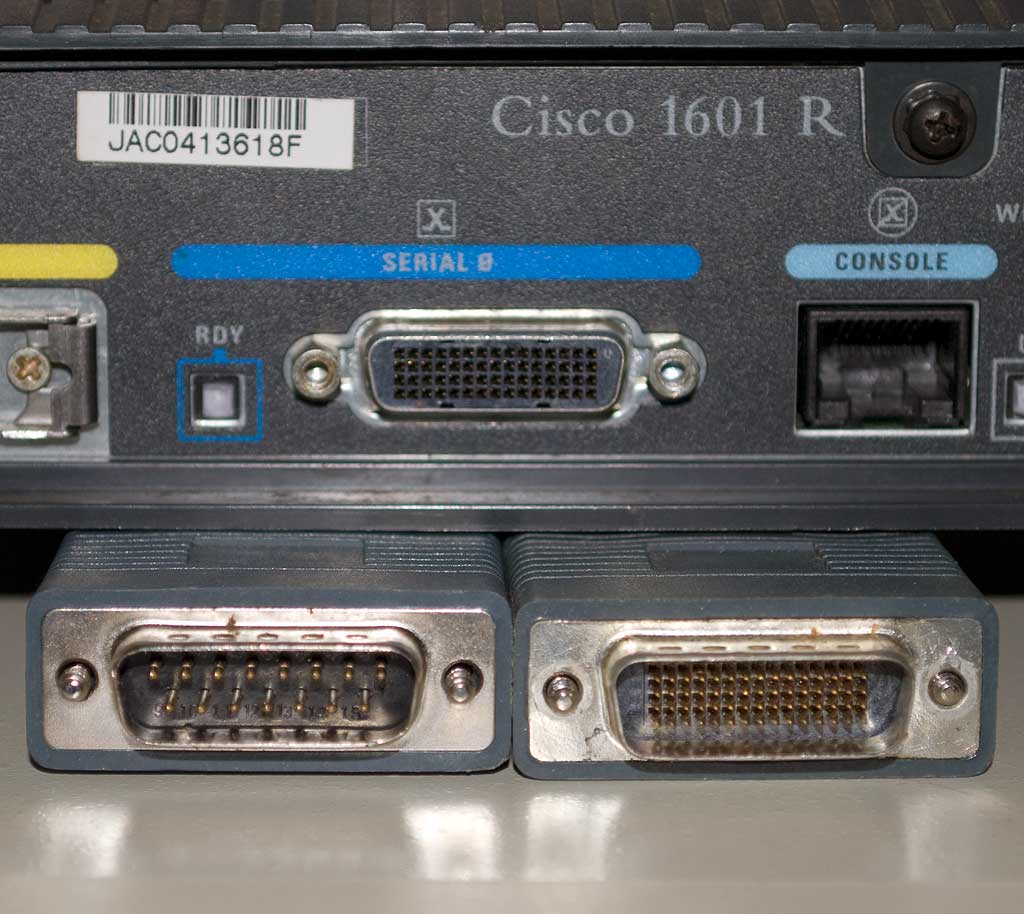
A low-force helix (LFH-60) is a 60-pin electrical connector (four rows of 15 pins) with signals for two digital and analog connectors. Each of the pins is twisted approximately 45 degrees between the tip and the plastic frame which holds the pins in place. Hence "helix" in the name.
The DMS-59 is a derivative of the LFH60.


The LFH connector is typically used with workstations, because it can connect a single computer graphics source to up to four different monitors. The standard interface is a 60-pin LFH connector with two breakout VGA or DVI cables. This system provides users with flexibility for a variety of display configurations, though forsakes standard DVI or VGA connectors. This renders the LFH connector unusable without an adapter.
It's also used in HDCI (High Definition Camera Interface) used in Polycom HDX video conferencing systems.
Using the LFH interface requires a graphics card with multi-monitor capabilities and an LFH port. Nvidia and Matrox used to manufacture such cards.
The LFH connector is used in some Cisco routers and WAN Interface Cards.
References
General
References
This article was imported from Wikipedia and is available under the Creative Commons Attribution-ShareAlike 4.0 License. Content has been adapted to SurfDoc format. Original contributors can be found on the article history page.
Ask Mako anything about Low-force helix — get instant answers, deeper analysis, and related topics.
Research with MakoFree with your Surf account
Create a free account to save articles, ask Mako questions, and organize your research.
Sign up freeThis content may have been generated or modified by AI. CloudSurf Software LLC is not responsible for the accuracy, completeness, or reliability of AI-generated content. Always verify important information from primary sources.
Report