From Surf Wiki (app.surf) — the open knowledge base
Lobbying in the United States
none
none
Lobbying is paid activity in which advocacy groups hire well-connected professional advocates, often lawyers, to argue for specific legislation in decision-making bodies such as the United States Congress. It is often perceived negatively by journalists and the American public; critics consider it to be a form of bribery, influence peddling, or extortion and lobbying was illegal in the United States in the eighteenth and much of the nineteenth centuries. Lobbying is subject to complex rules which, if not followed, can lead to penalties including jail. Lobbying has been interpreted by court rulings as free speech protected by the First Amendment to the U.S. Constitution. Since the 1970s, the numbers of lobbyists and the size of lobbying budgets has grown and become the focus of criticism of American governance.
Lobbying takes place at every level of government: federal, state, county, municipal, and local governments. In Washington, D.C., lobbyists usually target members of Congress, although there have been efforts to influence executive agency officials as well as Supreme Court appointees. Lobbying can have a strong influence on the political system; for example, a study in 2014 suggested that special interest lobbying enhanced the power of elite groups and was a factor shifting the nation's political structure toward an oligarchy in which average citizens have "little or no independent influence".
The number of lobbyists in Washington is estimated to be over 12,000, but most lobbying (in terms of expenditures), is handled by fewer than 300 firms. Analyst James A. Thurber estimated that the actual number of working lobbyists was close to 100,000 and that the industry brings in $9 billion annually, mostly from corporations.
Overview
Political scientist Thomas R. Dye said that politics is about battling over scarce governmental resources: who gets them, where, when, why and how. Since government makes the rules in a complex economy such as the United States, various organizations, businesses, individuals, nonprofits, trade groups, religions, charities and others—which are affected by these rules—will exert as much influence as they can to have rulings favorable to their cause.
.jpg)
The term lobby has etymological roots in the physical structure of the British Parliament, in which there was an intermediary covered room outside the main hall. People pushing an agenda would try to meet with members of Parliament in this room, and they came to be known, by metonymy, as lobbyists, although one account in 1890 suggested that the application of the word "lobby" is American and that the term is not used as much in Britain. The Willard Hotel, 2 blocks from the White House at 1401 Pennsylvania Avenue, claims the term originated there: "It was in the Willard lobby that Ulysses S. Grant popularized the term “lobbyist.” Often bothered by self-promoters as he sat in the lobby and enjoyed his cigar and brandy, he referred to these individuals as "lobbyists."
The term lobbying suggests advocacy, advertising, or promoting a cause. A person who writes a letter to a congressperson, or even questions a candidate at a political meeting, could be construed as being a lobbyist.{{cite news |access-date= January 12, 2012
The term "lobbying" generally means a paid activity with the purpose of attempting to "influence or sway" a public official – including bureaucrats and elected officials – towards a desired specific action often relating to specific legislation. If advocacy is disseminating information, then lobbying is when this activity becomes focused on specific legislation, either in support or in opposition.
Lobbyists are intermediaries between client organizations and lawmakers: they explain to legislators what their organizations want, and they explain to their clients what obstacles elected officials face. Some lobbyists work for advocacy groups, trade associations, companies, and state and local governments.{{cite news |author = Donald H. Haider |access-date = January 12, 2012 |url-access = registration
Most federal lobbyists are based in Washington, DC;{{cite book |title=Washington Representatives
It is possible for foreign nations to influence the foreign policy of the United States through lobbying or by supporting lobbying organizations directly or indirectly.
Different types of lobbying
The focus of lobbying efforts

Generally, lobbyists focus on trying to persuade decision-makers: Congress, executive branch agencies such as the Treasury Department and the Securities and Exchange Commission, Many executive branch agencies have the power to write specific rules and are a target of lobbying. Federal agencies such as the State Department make rules such as giving aid money to countries such as Egypt, and in one example, an Egyptian-American businessman named Kais Menoufy organized a lobby to try to halt U.S. aid to Egypt.{{cite news
Lobbyists represent their clients' or organizations' interests in state capitols. An example is a former school superintendent who has been lobbying state legislatures in California, Michigan and Nevada to overhaul teacher evaluations, and trying to end the "Last In, First Out" teacher hiring process.{{cite news |access-date= January 13, 2012 |access-date= January 13, 2012 |archive-url = https://archive.today/20130131113313/http://oldnortheast.patch.com/blog_posts/floridas-lobbying-powerhouses-vie-for-city-of-st-pete-contract |url-status = dead |archive-date = January 31, 2013 |access-date = January 14, 2012 |access-date= January 14, 2012 |access-date= January 14, 2012
Paid versus free lobbying
While the bulk of lobbying happens by business and professional interests who hire paid professionals, some lobbyists represent non-profits pro-bono for issues in which they are personally interested. Pro bono publico clients offer activities to meet and socialize with local legislators at events like fundraisers and awards ceremonies.
Single issue versus multiple issue lobbying
Lobbies which push for a single issue have grown in importance during the past twenty years. Corporations generally would be considered as single issue lobbies. If a corporation wishes to change public policy, or to influence legislation which impacts its success as a business, it may use lobbying as a "primary avenue" for this purpose.{{cite news |access-date= January 13, 2012
Inside versus outside lobbying
- Inside lobbying, or sometimes called direct lobbying, describes efforts by lobbyists to influence legislation or rule-making directly by contacting legislators and their assistants, sometimes called staffers or aides.
- Outside lobbying, sometimes called indirect lobbying or grassroots lobbying, includes attempts by interest group leaders to mobilize citizens outside the policymaking community, perhaps by public relations methods or advertising, to prompt them to pressure public officials within the policymaking community. One example of an outside lobbying effort is a film entitled InJustice, made by a group promoting lawsuit reform.{{cite news |name-list-style=amp |title= The Influence Industry: Coming soon to a screen near you — a lobbying campaign |access-date= January 13, 2012
Taxpayer-funded lobbying
Main article: Taxpayer-funded lobbying
Taxpayer-funded lobbying is when one taxpayer-funded entity lobbies another taxpayer-funded entity, usually for more taxpayer-funds. In the United States this typically takes place in the form of State-level agencies or municipalities devoting part of their budget to lobby the State government for a larger budget.
History of lobbying
Main article: History of lobbying in the United States
.jpg)
The Constitution was crafted in part to solve the problem of special interests, today usually represented by lobbies, by having these factions compete. James Madison identified a faction as "a number of citizens, whether amounting to a minority or majority of the whole, who are united and actuated by some common impulse of passion, or of interest, adverse to the rights of other citizens, or to the permanent and aggregate interests of the community", and Madison argued in Federalist No. 10 that there was less risk of injury by a narrowly focused faction in a large republic if any negative influence was counteracted by other factions. In addition, the Constitution protected free speech, including the right to petition the government, and these rights have been used by lobbying interests throughout the nation's history. There has been lobbying at every level of government, particularly in state governments{{cite news |access-date= December 3, 2011
Lobbying as a business
Key players
Lobbyists
The number of registered Washington lobbyists is substantial. In 2009, The Washington Post estimated that there were 13,700 registered lobbyists, describing the nation's Capitol as "teeming with lobbyists.".{{cite news |access-date= January 13, 2012
- Law firms: Several law firms, including Patton Boggs, Akin Gump and Holland & Knight, had sizable departments devoted to so-called "government relations". One account suggested that the lobbying arms of these law firms were not held as separate subsidiaries, but that the law practices involved in government lobbying were integrated into the overall framework of the law firm. A benefit to an integrated arrangement was that the law firm and the lobbying department could "share and refer clients back and forth". Holland & Knight earned $13.9 million from lobbying revenue in 2011.{{cite news |access-date= January 12, 2012 |access-date= January 12, 2012

Corporations
Corporations which lobby actively tend to be few in number, large, and often sell to the government. Most corporations do not hire lobbyists. When an issue regarding a change in immigration policy arose, large corporations currently lobbying switched focus somewhat to take account of the new regulatory world, but new corporations—even ones likely to be affected by any possible rulings on immigration—stayed out of the lobbying fray, according to the study.
Still, of all the entities doing lobbying in Washington, the biggest overall spenders are, in fact, corporations. In the first decade of the 2000s, the most lucrative clients for Gerald Cassidy's lobbying firm were corporations, displacing fees from the appropriations business. Wall Street lobbyists and the financial industry spent upwards of $100 million in one year to "court regulators and lawmakers", particularly since they were "finalizing new regulations for lending, trading and debit card fees."{{cite news |access-date= January 13, 2012 |access-date= January 14, 2012 |archive-url = https://archive.today/20130118130056/http://articles.boston.com/2011-12-16/business/30525729_1_online-sales-tax-main-street-fairness-act-online-retailers |url-status = live |archive-date = January 18, 2013 |access-date = January 13, 2012 |access-date = January 13, 2012 |url-status = dead |archive-url = https://web.archive.org/web/20120518103650/http://blogs.suntimes.com/sweet/2011/11/chicago_based_boeing_political.html |archive-date = May 18, 2012
In the spring of 2017, there was a fierce lobbying effort by Internet service providers (ISPs) such as Comcast and AT&T, and tech firms such as Google and Facebook, to undo regulations protecting consumer privacy. In 2017, credit reporting agency Equifax lobbied Congress extensively, spending $1.1 million in 2016 and $500,000 in 2017, seeking rules to limit damage from lawsuits and less regulatory oversight; in August 2017, Equifax's databases were breached and the confidential data of millions of Americans was stolen by hackers and identity thieves, potentially opening up the firm to numerous class action lawsuits.
Major American corporations spent $345 million lobbying for just three pro-immigration bills between 2006 and 2008. Internet service providers in the United States have spent more than $1.2 billion on lobbying since 1998, and 2018 was the biggest year so far with a total spend of more than $80 million.
From a review in 2020, major food and beverage corporations spent $38.2 million on lobbying to strengthen and maintain big food influence in Washington, D.C.
Unions
One report suggested the United Food & Commercial Workers International Union spent $80,000 lobbying the federal government on issues relating to "the tax code, food safety, immigration reform and other issues."{{cite news |access-date= January 13, 2012
Other players
Other possible players in the lobbying arena are those who might influence legislation: House & Senate colleagues, public opinion in the district, the White House, party leaders, union leaders, and other influential persons and groups. Interest groups are often thought of as "nonparty organizations" which regularly try to change or influence government decision-making.
Lobbying methods and techniques
Lobbying has much in common with highly people-intensive businesses such as management consulting and public relations, but with a political and legal sensibility. Like lawmakers, many lobbyists are lawyers, and the persons they are trying to influence have the duty of writing laws. That the disciplines of law and lobbying are intertwined could be seen in the case of a Texas lawyer who had been seeking compensation for his unfairly imprisoned client; since his exonerated-prisoner client had trouble paying the legal expenses, the lawyer lobbied the Texas state legislature to raise the state's payment for unfairly imprisoned prisoners from $50,000 per year to $80,000 per year; it succeeded, making it possible for his newly freed client to pay the lawyer's fees.{{cite news |access-date= January 13, 2012

Well-connected lobbyists work in Washington for years, know the issues, are highly skilled advocates, and have cultivated close connections with members of Congress, regulators, specialists, and others. They understand strategy and have excellent communication skills; many are well suited to be able to choose which clients they would like to represent. Lobbyists patiently cultivate networks of powerful people, over many years, trying to build trust and maintain confidence and friendships. When a client hires them to push a specific issue or agenda, they usually form coalitions to exert political pressure. Lobbying, as a result, depends on trying to be flexible to new opportunities, but at the same time, to act as an agent for a client. As one lobbyist put it:
:
Access is important and often means a one-on-one meeting with a legislator.{{cite news |access-date= January 12, 2012
::
When getting access is difficult, there are ways to wear down the walls surrounding a legislator. Jack Abramoff explained:
::
Lobbyists often assist congresspersons with campaign finance by arranging fundraisers, assembling PACs, and seeking donations from other clients. Many lobbyists become campaign treasurers and fundraisers for congresspersons. This helps incumbent members cope with the substantial amounts of time required to raise money for reelection bids; one estimate was that congresspersons had to spend a third of their working hours on fundraising activity. PACs are fairly easy to set up; it requires a lawyer and about $300, roughly. An even steeper possible reward which can be used in exchange for favors is the lure of a high-paying job as a lobbyist; according to Jack Abramoff, one of the best ways to "get what he wanted" was to offer a high-ranking congressional aide a high-paying job after they decided to leave public office. When such a promise of future employment was accepted, according to Abramoff, "we owned them". This helped the lobbying firm exert influence on that particular congressperson by going through the staff member or aide. At the same time, it is hard for outside observers to argue that a particular decision, such as hiring a former staffer into a lobbying position, was purely as a reward for some past political decision, since staffers often have valuable connections and policy experience needed by lobbying firms. Research economist Mirko Draca suggested that hiring a staffer was an ideal way for a lobbying firm to try to sway their old bosses—a congressperson—in the future.
In a one-on-one meeting with a lobbyist, it helps to understand precisely what goal is wanted. A lobbyist wants action on a bill; a legislator wants to be re-elected. The idea is to persuade a legislator that what the lobbyist wants is good public policy. Lobbyists often urge lawmakers to try to persuade other lawmakers to approve a bill.
Still, persuasion is a subtle business.
Since it often takes a long time to build the network of relationships within the lobbying industry, ethical interpersonal dealings are important. A maxim in the industry is for lobbyists to be truthful with people they are trying to persuade; one lobbyist described it this way: "what you've basically got is your word and reputation". An untruth, a lie is too risky to the successful development of a long-term relationship and the potential gain is not worth the risk. One report suggested that below-the-belt tactics generally do not work. One account suggest that groping for "personal dirt" on opponents was counterproductive since it would undermine respect for the lobbyist and their clients. And, by reverse logic, if an untruth is told by an opponent or opposing lobby, then it makes sense to publicize it. But the general code among lobbyists is that unsubstantiated claims are bad business. Even worse is planting an informant in an opponent's camp, since if this subterfuge is ever discovered, it will boomerang negatively in a hundred ways, and credibility will drop to zero. The importance of personal relationships in lobbying can be seen in the state of Illinois, in which father-son ties helped push a smart-grid energy bill, although there were accusations of favoritism.{{cite news |access-date= January 12, 2012
Strategic considerations for lobbyists, trying to influence legislation, include "locating a power base" or a constituency logically predisposed to support a given policy. Timing, as well, is usually important, in the sense of knowing when to propose a certain action and having a big-picture view of the possible sequence of desired actions. Strategic lobbying tries to estimate the possible responses of different groups to a possible lobby approach; one study suggested that the "expectations of opposition from other interests" was a key factor helping to determine how a lobby should operate.{{cite news |access-date= January 12, 2012
Increasingly, lobbyists seek to put together coalitions and use outside lobbying by swaying public opinion. Bigger, more diverse and deep pocketed coalitions tend to be more effective in outside lobbying, and the "strength in numbers" principle often applies.{{cite news |access-date = January 13, 2012 |access-date= January 12, 2012
It is important for lobbyists to follow rules governing lobbying behavior. These can be difficult and complex, take time to learn, require full disclosure, and mistakes can land a lobbyist in serious legal trouble.
Gifts for congresspersons and staffers can be problematic, since anything of sizeable value must be disclosed and generally such gifts are illegal. Failure to observe gift restrictions was one factor which caused lobbyist Jack Abramoff to eventually plead guilty to a "raft of federal corruption charges" and led to convictions for 20 lobbyists and public officials, including congressperson Bob Ney and Bush deputy interior secretary Stephen Griles. Generally gifts to congresspersons or their staffs or federal officials are not allowed, but with a few exceptions: books are permitted, provided that the inside cover is inscribed with the congressperson's name and the name of one's organization. Gifts under $5 are allowed. Another exception is awards, so it is permitted to give a congressperson a plaque thanking him or her for support on a given issue. Cash gifts payable by check can only be made to campaign committees, not to a candidate personally or to staff; it is not permitted to give cash or stock.
Wealthy lobbyists often encourage other lobbying clients to donate to a particular cause, in the hope that favors will be returned at a later date. Lobbyist Gerald Cassidy encouraged other clients to give for causes dear to a particular client engaged in a current lobbying effort. Some lobbyists give their own money: Cassidy reportedly donated a million dollars on one project, according to one report, which noted that Cassidy's firm received "many times that much in fees from their clients" paid in monthly retainers. And their clients, in turn, had received "hundreds of millions in earmarked appropriations" and benefits worth "hundreds of millions more".

The dynamics of the lobbying world make it fairly easy for a semi-skilled operator to defraud a client. This is essentially what happened in the Jack Abramoff Indian lobbying scandal. There was a concerned client—in this case, an Indian casino—worried about possible ill-effects of legislation on its gambling business; and there were lobbyists such as Jack Abramoff who knew how to exploit these fears. The lobbyists actively lobbied against their own casino-client as a way to ratchet up their fears of adverse legislation as well as stoke possible future contributions; the lobbyists committed other violations such as grossly overbilling their clients as well as violating rules about giving gifts to congresspersons. Numerous persons went to jail after the scandal. The following are factors which can make fraud a fairly easy-to-do activity: that lobbyists are paid only to try to influence decision-makers, and may or may not succeed, making it hard to tell if a lobbyist did actual work; that much of what happens regarding interpersonal relations is obscure despite rather strict disclosure and transparency requirements; that there are sizable monies involved—factors such as these almost guarantee that there will be future scandals involving fraudulent lobbying activity, according to one assessment. A fraud similar to Abramoff's was perpetrated in Maryland by lobbyist Gerard E. Evans, who was convicted of mail and wire fraud in 2000 in a case involving falsely creating a "fictitious legislative threat" against a client, and then billing the client to work against this supposed threat.{{cite news |access-date= January 12, 2012
Lobbyists routinely monitor how congressional officials vote, sometimes checking the past voting records of congresspersons. One report suggested that reforms requiring "publicly recorded committee votes" led to more information about how congresspersons voted, but instead of becoming a valuable resource for the news media or voters, the information helped lobbyists monitor congressional voting patterns. As a general rule, lawmakers must vote as a particular interest group wishes them to vote, or risk losing support.
Strategy usually dictates targeting specific office holders. On the state level, one study suggested that much of the lobbying activity targeted the offices of governors as well as state-level executive bureaucrats; state lobbying was an "intensely personal game" with face-to-face contact being required for important decisions.{{cite news |access-date= January 12, 2012
Lobbying can be a counteractive response to the lobbying efforts of others. One study suggested this was particularly true for battles surrounding possible decisions by the Supreme Court which is considered as a "battleground for public policy" in which differing groups try to "etch their policy preferences into law".{{cite journal |access-date= January 14, 2012
An example may illustrate. The company Tyco had learned that there had been discussion about a possible new tax provision that might have cost it $4 billion overall. So the firm hired Jack Abramoff and paid him a retainer of $100,000 a month. He assembled dozens of lobbyists with connections to key congressional committees with the ultimate objective being to influence powerful Senator Charles Grassley.{{cite news |access-date= January 13, 2012
:
Lobbyists as educators and advisors
"Government has grown so complex that it is a virtual certainty that more than one agency would be affected by any piece of legislation," according to one view. Some lobbyists become specialists with expertise in a particular set of issues, although one study suggested that of two competing criteria for lobbyists—expertise or access—that access was far more important.
Lobby groups and their members sometimes also write legislation and whip bills, and in these instances, it is helpful to have lawyers skilled in writing legislation to assist with these efforts. Lobbyists may write the actual text of the proposed law, and hire lawyers to "get the language down pat"—an omission in wording or an unclear phrase may open up a loophole for opponents to wrangle over for years. Lobbyists can often advise a lawmaker on how to navigate the approval process.
Lobbying firms can serve as mentors and guides. For example, after months of protesting by the Occupy Wall Street, one lobbying firm prepared a memo to its clients warning that Republicans may "turn on big banks, at least in public" which may have the effect of "altering the political ground for years to come."{{cite news |access-date= January 12, 2012
A growing billion dollar business
| Client | Amount Spent | % | 1 | 2 | 3 | 4 | 5 | 6 | 7 | 8 | 9 | 10 | 11 | 12 | 13 |
|---|---|---|---|---|---|---|---|---|---|---|---|---|---|---|---|
| Finance, Insurance & Real Estate | $4,274,060,331 | 15% | |||||||||||||
| Health | $4,222,427,808 | 15% | |||||||||||||
| Misc Business | $4,149,842,571 | 14% | |||||||||||||
| Communications/Electronics | $3,497,881,399 | 12% | |||||||||||||
| Energy & Natural Resources | $3,104,104,518 | 11% | |||||||||||||
| Transportation | $2,245,118,222 | 8% | |||||||||||||
| Other | $2,207,772,363 | 7% | |||||||||||||
| Ideological/Single-Issue | $1,477,294,241 | 5% | |||||||||||||
| Agribusiness | $1,280,824,983 | 4% | |||||||||||||
| Defense | $1,216,469,173 | 4% | |||||||||||||
| Construction | $480,363,108 | 2% | |||||||||||||
| Labor | $427,355,408 | 1% | |||||||||||||
| Lawyers & Lobbyists themselves | $336,170,306 | 1% | |||||||||||||
| Total | $28,919,684,431 | 99% | |||||||||||||
| Note: Amounts do not include | |||||||||||||||
| campaign contributions. |
Since the 1970s, there has been explosive growth in the lobbying industry, particularly in Washington D.C. By 2011, one estimate of overall lobbying spending nationally was $30+ billion dollars. An estimate of lobbying expenses in the federal arena was $3.5 billion in 2010, while it had been only $1.4 billion in 1998. And there is prodigious data since firms are required to disclose lobbying expenditures on a quarterly basis.
The industry, however, is not immune to economic downturns. If Congress is gridlocked, such as during the summer and early fall of 2011, lobbying activity dipped considerably, according to The Washington Post.{{cite news |access-date= January 13, 2012
A sea-change in government, such as a shift in control of the legislature from one political party to the other, can affect the lobbying business profoundly. For example, the primarily Democratic-serving lobbying firm Cassidy & Associates learned that control of Congress would change hands from Democrats to Republicans in 1994, and the firm acquired Republican lobbyists before the congressional handover of power, and the move helped the lobbying firm stay on top of the new political realities.
Examples of lobbying
There are numerous examples of lobbying activity reported by the media. One report chronicled a somewhat unusual alliance of consumer advocates and industry groups to boost funding for the Food and Drug Administration; the general pattern of lobbying efforts had been to try to reduce the regulatory oversight of such an agency. In this case, however, lobbying groups wanted the federal watchdog agency to have tougher policing authority to avert expensive problems when oversight was lax; in this case, industry and consumer groups were in harmony, and lobbyists were able to persuade officials that higher FDA budgets were in the public interest.{{cite news |access-date= January 13, 2012 |archive-url= https://web.archive.org/web/20111124223719/http://religion.blogs.cnn.com/2011/11/22/report-tracks-explosion-of-religious-lobbying-in-washington/ |url-status= dead |archive-date= November 24, 2011 |access-date= January 13, 2012
Lobbying as a career
While national-level lobbyists working in Washington have the highest salaries, many lobbyists operating at the state level can earn substantial salaries. The table shows the top lobbyists in one state—Maryland—in 2011.
| Lobbyist | Income |
|---|---|
| Gerard E. Evans | $ |
| Timothy A. Perry | $ |
| Joel D. Rozner | $ |
| Robin F. Shaivitz | $ |
| Gregory S. Proctor Jr. | $ |
| John R. Stierhoff | $ |
| Michael V. Johansen | $ |
| Nicholas G. Manis | $ |
| D. Robert Enten | $ |
| Lisa Harris Jones | $ |
| Source: | |
| State Ethics | |
| Commission{{cite news |
Top power-brokers such as Gerald Cassidy have made fortunes from lobbying:
Effectiveness of lobbying
The consensus is that lobbying generally works overall in achieving sought-after results for clients, particularly since it has become so prevalent with substantial and growing budgets, although there are dissenting views. A study by the investment-research firm Strategas which was cited in The Economist and The Washington Post compared the 50 firms that spent the most on lobbying relative to their assets, and compared their financial performance against that of the S&P 500 in the stock market; the study concluded that spending on lobbying was a "spectacular investment" yielding "blistering" returns comparable to a high-flying hedge fund, even despite the financial downturn of the past few years.{{cite news |access-date= January 13, 2012 |access-date= November 26, 2012 | access-date= June 14, 2016 | access-date= June 14, 2016 | url-access= subscription | access-date= June 14, 2016
There is widespread agreement that a key ingredient in effective lobbying is money.{{cite news |access-date= January 23, 2012
|access-date= January 12, 2012
Still, effectiveness can vary depending on the situational context. One view is that large multiple-issue lobbies tend to be effective in getting results for their clients if they are sophisticated, managed by a legislative director familiar with the art of compromise, and play "political hardball". But if such lobbies became too big, such as large industrial trade organizations, they became harder to control, often leading to lackluster results. A study in 2001 which compared lobbying activity in US-style congressional against European-style parliamentary systems, found that in congressional systems there was an advantage favoring the "agenda-setters", but that in both systems, "lobbying has a marked effect on policies".{{cite news |access-date = January 12, 2012 |url-status = dead |archive-url = https://web.archive.org/web/20101002145916/http://www.bepress.com/bejeap/advances/vol1/iss1/art3/ |archive-date = October 2, 2010 |access-date= January 13, 2012
Studies of lobbying by academics in previous decades painted a picture of lobbying being an ineffectual activity, although many of these studies were done before lobbying became prevalent in American politics. A study in 1963 by Bauer, Pool, & Dexter suggested lobbyists were mostly "impotent" in exerting influence. Studies in the early 1990s suggested that lobbying exerted influence only "marginally", although it suggested that when lobbying activity did achieve political impacts, that the results of the political choices were sufficient to justify the expenditure on lobbying. A fairly recent study in 2009 is that Washington lobbies are "far less influential than political rhetoric suggests", and that most lobbying campaigns do not change any views and that there was a strong entrenchment of the status quo.{{cite news |access-date= January 12, 2012
There is anecdotal evidence from numerous newspaper accounts of different groups battling that lobbying activity usually achieves results. For example, the Obama administration pledged to stop for-profit colleges from "luring students with false promises", but with this threat, the lobbying industry sprang into action with a $16 million campaign, and their efforts succeeded in watering down the proposed restrictions.{{cite news |access-date= January 13, 2012 ::#spent $16 million ::#hired "all-star list" of prominent players including Democrats and Republicans with White House ties ::#plotted strategy ::#worked with "fund-raising bundler" Jamie Rubin, a former Obama communications director ::#won support from influential people including congressperson-turned-lobbyist Dick Gephardt, senator-turned-lobbyist John Breaux, lobbyist Tony Podesta, Washington Post CEO Donald E. Graham, education entrepreneur and University of Phoenix founder John Sperling, others ::#key leaders made "impassioned appeals" ::#mobilization effort produced 90,000 public documents to the Education department advocating against changes
And sometimes merely keeping the status quo could be seen as a victory. When gridlock led to the supposed supercommittee solution, numerous lobbyists from all parts of the political spectrum worked hard, and a stalemate resulted, but with each side defended their own special interests.{{cite magazine |access-date= January 13, 2012 |access-date= January 13, 2012
Lobbying is a practical necessity for firms that "live and die" by government decisions, such as large government contractors such as Boeing. A study done in 2006 by Bloomberg News suggested that lobbying was a "sound money-making strategy" for the 20 largest federal contractors. The largest contractor, Lockheed Martin Corporation, received almost $40 billion in federal contracts in 2003–4, and spent $16 million on lobbying expenses and campaign donations. For each dollar of lobbying investment, the firm received $2,517 in revenues, according to the report. When the lobbying firm Cassidy & Associates began achieving results with earmarks for colleges and universities and medical centers, new lobbying firms rose to compete with them to win "earmarks of their own", a clear sign that the lobbying was exceedingly effective.
Lobbying controversies
Lobbying has been the subject of much debate and discussion. There is general consensus that lobbying has been a significant corrupting influence in American politics, although criticism is not universal, and there have been arguments put forward to suggest that the system is working properly.
Unfavorable image
Main article: Corruption in the United States

Generally the image of lobbyists and lobbying in the public sphere is not a positive one, although this is not a universal sentiment. Lobbyists have been described as a "hired gun" without principles or positions. Negative publicity can sully lobbying's image to a great extent: high-profile cases of lobbying fraud such as Abramoff's; dubious father-son exchange-of-favors ties; public officials such as Newt Gingrich being accused and then denying accusations of having done lobbying and earning $1.6 million from "strategic advice".{{cite news |access-date= January 12, 2012
Revolving door
Main article: Revolving door (politics)
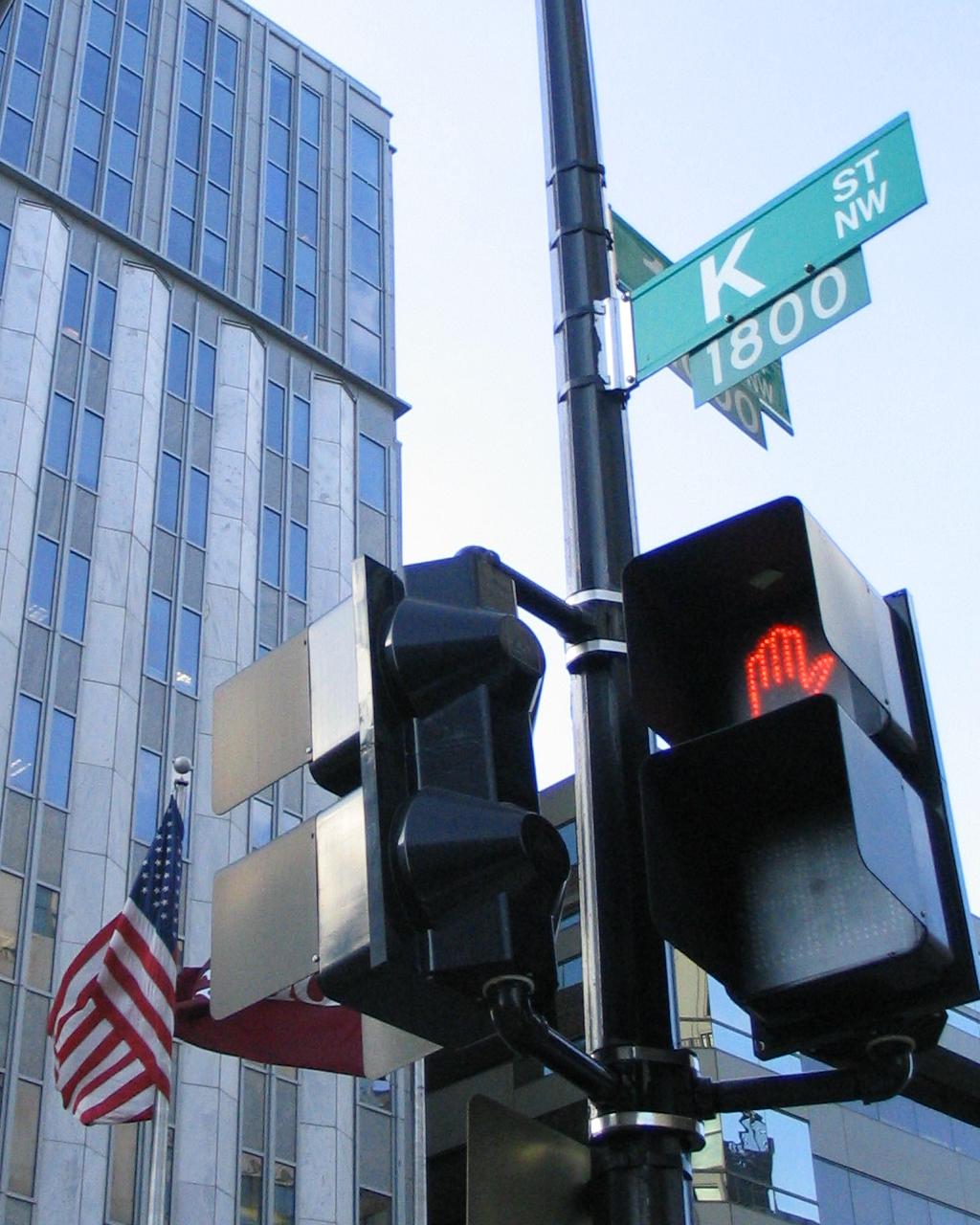
Since the 1980s, congresspersons and staffers have been "going downtown"—becoming lobbyists—and the big draw is money. The "lucrative world of K Street" means that former congresspersons with even "modest seniority" can move into jobs paying $1 million or more annually, without including bonuses for bringing in new clients.{{cite news |access-date= January 14, 2012
In July 2005, Public Citizen published a report entitled "The Journey from Congress to K Street": the report analyzed hundreds of lobbyist registration documents filed in compliance with the Lobbying Disclosure Act and the Foreign Agents Registration Act among other sources. It found that since 1998, 43 percent of the 198 members of Congress who left government to join private life have registered to lobby. A similar report from OpenSecrets found 370 former members were in the "influence-peddling business", with 285 officially registered as federal lobbyists, and 85 others who were described as providing "strategic advice" or "public relations" to corporate clients.
Numerous reports chronicle the revolving door phenomenon. A 2011 estimate suggested that nearly 5,400 former congressional staffers had become federal lobbyists over a ten-year period, and 400 lawmakers made a similar jump.{{cite news |access-date= January 13, 2012
And it is not just staffers, but lawmakers as well, including high-profile ones such as congressperson Richard Gephardt. He represented a "working-class" district in Missouri for many years but after leaving Congress, he became a lobbyist. In 2007, he began his own lobbying firm called "Gephardt Government Affairs Group" and in 2010 it was earning close to $7 million in revenues with clients including Goldman Sachs, Boeing, Visa Inc., Ameren Corporation, and Waste Management Inc. Senators Robert Bennett and Byron Dorgan became lobbyists too.{{cite news |access-date= January 14, 2012 |access-date= January 13, 2012 Medicare was prevented from negotiating lower costs for prescription drugs (2) the reimportation of drugs from first world countries was not allowed (3) Medicare D was undermined by a policy of Medigap D. After the bill passed a few months later, Tauzin retired from Congress and took an executive position at PhRMA to earn an annual salary of $2 million. Many former representatives earned over $1 million in one year, including James Greenwood and Daniel Glickman.
Insider's game

A similar concern voiced by critics of lobbying is that Washington politics has become dominated by elites, and that it is an "insider's game" excluding regular citizens and which favors entrenched firms.{{cite news |access-date= January 14, 2012 |access-date= January 12, 2012 |access-date= January 13, 2012
A related but slightly different criticism is that the problem with lobbying as it exists today is that it creates an "inequity of access to the decision-making process". As a result, important needs get left out of the political evaluation, such that there are no anti-hunger lobbies or lobbies seeking serious solutions to the problem of poverty. Nonprofit advocacy has been "conspicuously absent" from lobbying efforts, according to one view. Critics suggest that when a powerful coalition battles a less powerful one, or one which is poorly connected or underfunded, the result may be seen as unfair and potentially harmful for the entire society. The increasing number of former lawmakers becoming lobbyists has led Senator Russ Feingold (D-WI) to propose paring back the many Capitol Hill privileges enjoyed by former senators and representatives. His plan would deprive lawmakers-turned-lobbyists of privileges such as unfettered access to otherwise "members only" areas such as the House and Senate floors and the House gym.
Choice-making problems
A concern among many critics is that influence peddling hurts overall decision making. According to this criticism, proposals with merit are dropped in favor of proposals backed by political expediency. An example cited in the media is a 2011 battling between food industry lobbyists and healthcare lobbyists regarding school lunches. A group supported by the United States Department of Agriculture proposed healthier lunches as a way to combat childhood obesity by limiting the number of potatoes served, limiting salty foods, and adding more fresh vegetables, but this group was countered by a strong food lobby backed by Coca-Cola, Del Monte, and makers of frozen pizza.{{cite magazine |access-date= January 13, 2012 |access-date= January 17, 2012 |access-date= January 14, 2012 |access-date= January 23, 2012
Governmental focus
Critics have contended that when lawmakers are drawn into battles to determine issues such as the composition over school lunches or how much an ATM fee should be,{{cite news |access-date= January 13, 2012 |access-date= January 23, 2012 |access-date= January 23, 2012 |archive-date= June 9, 2016 |archive-url= https://web.archive.org/web/20160609121559/http://onpoint.wbur.org/2012/01/02/lawrence-lessig-on-money-corruption-and-politics |url-status= dead
Methodological problems
In this line of reasoning, critics contend that lobbying, in and of itself, is not the sole problem, but only one aspect of a larger problem with American governance. Critics point to an interplay of factors: citizens being uninvolved politically; congresspersons needing huge sums of money for expensive television advertising campaigns; increased complexity in terms of technologies; congresspersons spending three days of every week raising money;{{cite news |access-date= January 23, 2012
A lobbyist can identify a client's needs. But it is hard for a single individual to say what is best for the whole group. The intent of the Constitution's Framers was to have built-in constitutional protections to protect the common good, but according to these critics, these protections do not seem to be working well:
|access-date= January 12, 2012
Lawrence Lessig, a professor at Harvard Law School and author of Republic, Lost, suggested that the moneyed persuasive power of special interests has insinuated itself between the people and the lawmakers.{{cite news |access-date= December 13, 2011 |access-date= December 14, 2011 |access-date= December 13, 2011
Scholars such as Richard Labunski, Sanford Levinson, Glenn Reynolds,{{cite news |access-date= December 14, 2011 |archive-date= July 28, 2020 |archive-url= https://web.archive.org/web/20200728141842/https://old.post-gazette.com/pg/11346/1196301-84-0.stm |url-status= dead |access-date= December 23, 2011 |access-date= December 23, 2011
Expansion of lobbying
Law in the United States is generally made by Congress, but as the federal government has expanded during much of the twentieth century, there are a sizeable number of federal agencies, generally under the control of the president. These agencies write often industry-specific rules and regulations regarding such things as automobile safety and air quality. Unlike elected congresspersons who are constantly seeking campaign funds, these appointed officials are harder to influence, generally. However, there are indications that lobbyists seek to expand their influence from the halls of Congress deeper into the federal bureaucracy.{{cite news |access-date= January 14, 2012
President Obama pledged during the election campaign to rein in lobbying. As president in January 2009, he signed two executive orders and three presidential memoranda to help ensure his administration would be more open, transparent, and accountable. These documents attempted to bring increased accountability to federal spending and limit the influence of special interests, and included a lobbyist gift ban and a revolving door ban. In May 2009, the Recovery Act Lobbying Rules. The Executive Branch Reform Act, H.R. 985, was a bill which would have required over 8,000 Executive Branch officials to report into a public database nearly any "significant contact" from any "private party." The purpose was to identify lobbying activity.{{cite news |access-date= January 13, 2012
But the proposals ran into serious opposition from various groups including the lobbying industry itself. Opposition groups suggested that although the proposed rules were promoted as a way to regulate "lobbyists," persons described as a "private party" could be practically anybody, and that anybody contacting a federal official might be deemed to be a "lobbyist". The U.S. Department of Justice raised constitutional and other objections to the bill. Opponents mobilized over 450 groups including the U.S. Chamber of Commerce and National Association of Realtors with letter writing campaigns against the proposed restrictions. Lobbyist Howard Marlowe argued in a "stern letter"{{cite news |access-date= January 14, 2012
In 2011, there were efforts to "shift regulatory power from the executive branch to Congress" by requiring that any "major rule" which may cost the economy more than $100 million must be decided by Congress with an up-or-down vote.{{cite news |access-date= January 12, 2012
Potential for reform
Critics suggest that Congress has the power to fix itself, but is reluctant to sacrifice money and power. One report suggested that those in control had an "unbroken record of finding ways to navigate around reform laws or turn regulatory standards to their own advantage."
Arguments for lobbying
According to the Madisonian view of politics—in which factions were supposed to compete with other factions—the system is working exactly as it should. Sometimes powerful financial interests lose the battle.
Since lobbyists often become highly knowledgeable about a specific issue by studying it in depth over years, they can bring considerable expertise to help legislators avoid errors as well as grasp the nuances of complex issues. It has been argued that lobbyists can help Congress by possibly raising "red flags" about proposed rulings.
Another argument in support of lobbying is that different interest groups and lobbyists, while trying to build coalitions and win support, often amend or soften or change their positions in this process, and that interest groups and lobbyists regulate each other, in a sense.
But a more general sentiment supporting the lobbying arrangement is that every citizen can be construed as being "represented" by dozens of special interests:

If powerful groups such as the oil industry succeed in winning a battle in government, consumers who drive gas-powered cars can benefit a bit, according to this view. Even readers of Wikipedia could be conceived as being a special interest and represented by various lobbies. For example, opponents of the Stop Online Piracy Act believed that the act might restrict sites such as Wikipedia; on January 18, 2012, as a form of protest and as a way to encourage readers and contributors of English Wikipedia to write their congresspersons, the online encyclopedia was "blacked out for a day as part of an effort to lobby the government.{{cite news |name-list-style=amp |title= Websites go dark to protest SOPA, PIPA bills: Thousands of popular websites including Wikipedia, Reddit and Boing Boing have shut down for as long as 24 hours to protest congressional antipiracy bills they say amount to censorship. |access-date= January 19, 2012
Another view in support of lobbying is that it serves a helpful purpose as helping guard against extremism. According to this view, lobbying adds "built-in delays" and permits and encourages opposing lobbies to battle. In the battling, possibly damaging decrees and incorrect decisions are stymied by seemingly unhelpful delays and waits.
A slightly different view is that lobbying is no different from other professions:
The regulatory environment
Disclosure and domestic regulations
Generally, the United States requires systematic disclosure of lobbying, and it may be one of the few countries to have such extensive requirements. Disclosure in one sense allows lobbyists and public officials to justify their actions under the banner of openness and with full compliance of the law. The rules often specify how much a lobbyist can spend on specific activities, and how to report expenses; many of the laws and guidelines are specified in the Lobbying Disclosure Act of 1995. Transparency and disclosure requirements mean that there are volumes of statistics available for all kinds of analyses—by journalists, by the public, by rival lobbying efforts. Researchers can subdivide lobbying expenditures by numerous breakdowns, such as by contributions from energy companies.{{cite news |access-date= January 14, 2012
Sometimes defining clearly who is a "lobbyist" and what precisely are lobbying activities can be difficult. According to the Lobbying Disclosure Act, several authorized definitions include:
- Lobbying activities means "lobbying contacts and efforts in support of such contacts, including preparation and planning activities, research and other background work that is intended, at the time it is performed, for use in contacts, and coordination with the lobbying activities of others."
- Lobbying contact means "any oral or written communication (including an electronic communication) to a covered executive branch official or a covered legislative branch official".
Still, distinguishing lobbyists from a strategic adviser can be difficult, since the duties of each can often overlap and are hard to define precisely. There have been issues raised about what constitutes the difference between a lobbyist and a bundler; one report described bundlers as "supporters who contribute their own money to his campaign and solicit it from others", and there was a question whether such persons were really lobbyists involved with raising campaign monies for the election of Barack Obama, and whether Obama had broken his own pledge not to receive money from lobbyists.{{cite news |access-date= January 13, 2012
There are numerous regulations governing the practice of lobbying, often ones requiring transparency and disclosure. People paid to lobby must register with the secretary of the Senate and the clerk of the House of Representatives within 45 days of contacting a legislator for the first time, or 45 days after being employed. An exception is that lobbyists who earn less than $3,000 per client for each fiscal quarter, or whose total lobbying expenses are less than $11,500 each quarter, do not need to register. Part-time lobbyists are exempt from registering unless they spend more than 20% of their working hours doing lobbying activities in any quarter. If lobbyists have two or more contacts with a legislator as a lobbyist, then they must register. Generally, nonprofit organizations, other than churches, are exempt from registering if they hire an outside lobbying firm.
States are moving in the direction of greater disclosure and transparency regarding lobbying activities. California has an online database called Cal-Access although there were reports that it has been underfunded.{{cite news |access-date= January 13, 2012 |access-date= January 13, 2012 |access-date= January 13, 2012 |name-list-style=amp |title= Disclosure Often Spotty or Inaccurate |access-date= January 12, 2012
Laws requiring disclosure have been more prevalent in the twentieth century. In 1946, there was a so-called "sunshine law" requiring lobbyists to disclose what they were doing, on whose behalf, and how much they received in payment. The resulting Federal Regulation of Lobbying Act of 1946 governed lobbying rules up until 1995 when the Lobbying Disclosure Act replaced it.
Lobbying law is a constantly evolving field; the American Bar Association published a book of guidelines in 2009 with over 800 pages. The laws are often rather specific, and when not observed, can lead to serious trouble. Failing to file a quarterly report, or knowingly filing an incorrect report, or failing to correct an incorrect report, can lead to fines up to $200,000 and imprisonment up to five years. Penalties can apply to lobbyists who fail to list gifts made to a legislator. In other situations, the punishment can be light: for example, Congressional aide-turned-lobbyist Fraser Verrusio spent a few hours in jail after pleading guilty to taking a client to a World Series baseball game and failing to report it.{{cite news |access-date= January 13, 2012 |access-date= January 14, 2012
Lobbyists sometimes support rules requiring greater transparency and disclosure:
: Scandals can spur impetus towards greater regulation as well. The Jack Abramoff Indian lobbying scandal, which started in the 1990s and led to a guilty plea in 2006, inspired the Legislative Transparency and Accountability Act of 2006 (). According to Time Magazine the Senate bill:
- barred lobbyists themselves from buying gifts and meals for legislators, but left a loophole in which firms and organizations represented by those lobbyists could still dole out gifts and perks;
- allowed privately funded trips if lawmakers got prior approval from a commissioned ethics committee;
- required lobbyists to file frequent and detailed activity reports and have them posted publicly. The bill was approved in 2006 by a 90–8 vote.
In 1995, the 104th Congress tried to reform Lobbying by passing the Lobbying Disclosure Act of 1995 which defines and requires lobbyists who are compensated for their actions to register with congressional officials. The legislation was later amended by the Lobbying Disclosure Technical Amendments Act of 1998. There were subsequent modifications leading to the Honest Leadership and Open Government Act of 2007. The Honest Leadership and Open Government Act of 2007 was a comprehensive ethics and lobbying reform bill, (), which passed in 2007 in the House and Congress by a large majority.{{cite web |access-date=August 2, 2007}} A parallel Senate version of the legislation, (), passed in 2007 by a nearly unanimous vote.{{cite news |access-date=August 2, 2007 }} After the House & Senate resolved their differences and passed an amended revision, President Bush signed the enrolled bill into law ().
Some states have considered banning government employees permanently from lobbying on issues they had worked on. For example, there was a proposal along these lines to prevent county employees in Maryland from ever lobbying on issues they had worked on. The proposal insisted that county officials post financial disclosures as well as prohibit gifts from contractors.
Jack Abramoff, emerging from prison, has spoken publicly about lobbying. In his view, regulations designed to rein in the excesses of lobbying have not been effective, and reforms and regulations have not cleaned up the system "at all". Abramoff said lobbyists could "find a way around just about any reform Congress enacted", and gave an example:
|access-date = January 13, 2012 |url-status = dead |archive-url = https://web.archive.org/web/20111110032233/http://articles.cnn.com/2011-11-06/politics/politics_abramoff-ethics_1_neil-volz-high-rolling-lobbyist-lobbyists-and-public-officials?_s=PM:POLITICS |archive-date = November 10, 2011
A similar view suggested that lobbying reform efforts have been "fought tooth and nail to prevent its passage" since the people with the power to reform would curtail their own powers and income flows.
Foreign lobbying
Since commerce worldwide is becoming more integrated, with firms headquartered in one country increasingly doing business in many other countries, it is logical to expect that lobbying efforts will reflect the increasing globalization. Sometimes foreign-owned corporations will want to lobby the United States government, and in such instances, new rules can apply, since it can be particularly thorny resolving whether national security interests are at stake and how they might be affected.
In 1938, the Foreign Agents Registration Act required an explicit listing of all political activities undertaken by a lobbyist on behalf of any foreign principal. through the efforts of public-relations specialist Ivy Lee's proxy firm "German Dye Trust". As a result, in 1938, the Foreign Agents Registration Act or FARA was passed by Congress, and this law required foreign lobbyists to share information about their contracts with the Justice Department. FARA's mandate was to disclose to policymakers the sources of information that influenced public opinions, policies, and law. However, the goal was not to restrict the speech of the lobbyist or the content of the lobbying. Nonetheless, it was estimated that less than half of foreign lobbyists who should have registered under FARA actually did so.
By the 1960s, perceived failures in FARA's enforcement led to public outcry against lobbying excesses, while revelations of foreign bribery circulated regularly well into the early 1970s. This prompted legislation proposed to reduce the autonomy of foreign firms, most of which was not ratified for concerns over a lack of constitutionality. While the House of Representatives passed a rule to increase public scrutiny of foreign lobbying, one estimate was that about 75% of lobbyists were exempt from a registration requirement, including individuals representing foreign interests.

A general trend is that the number of lobbyists representing foreign companies is rising. The case of Washington's APCO Worldwide, a firm which represented the dictatorship of General Sani Abacha of Nigeria in 1995 whose regime had hanged nine pro-democracy activists, attracted negative publicity. While current law forbids foreign nations from contributing to federal, state, or local elections, loopholes allow American subsidiaries of foreign corporations to establish so-called separated segregated funds or SSFs to raise money. According to one view, the definition of which firms are defined as "foreign" was unclear, and the lack of clarity undermines the ability to regulate their activity. Foreign-funded lobbying efforts include those of Israel, Saudi Arabia, Turkey, Egypt, Greece, Pakistan, Libya, and China lobbies. In 2010, foreign governments spent approximately $460 million on lobbying Congress and the U.S. Government. Between 2015 and 2017, the Saudi Arabia paid $18 million to 145 registered lobbyists to influence the U.S. government.
While Congress has tried to quell criticisms against the leverage of domestic lobbying firms by updating domestic lobbying legislation – such as the revision of the Lobbyist Disclosure Act in 1997)—there was a report that its inaction in rectifying loopholes in foreign lobbying regulation has led to scandals. In 2008 Chinese diplomats lobbied the California legislature against a pro-Tibet resolution. There was a report of an upsurge of lobbying by foreign-owned U.S. subsidiaries against Democratic efforts to limit campaign spending in early 2010. The proposed was to restrict lobbying by U.S. subsidiaries of foreign firms. In 2011, the Chinese firm Alibaba hired a lobbying firm in Washington when it began contemplating a purchase of the U.S. firm Yahoo!.{{cite news |access-date= January 12, 2012 |access-date= January 13, 2012 |access-date= January 13, 2012 |access-date= January 13, 2012
Notes
- Federalist No. 10. p. 56 of the Dawson edition at Wikisource.
- Federalist No. 10. p. 58 of the Dawson edition at Wikisource.
- Federalist No. 10. p. 60 of the Dawson edition at Wikisource.
References
References
- Robert Reich, June 9, 2015, Salon magazine, [http://www.salon.com/2015/06/09/robert_reich_lobbyists_are_snuffing_our_democracy_one_legal_bribe_at_a_time_partner/ Robert Reich: Lobbyists are snuffing our democracy, one legal bribe at a time], Retrieved May 30, 2017, "...This second scandal is perfectly legal but it's a growing menace ... the financial rewards from lobbying have mushroomed, as big corporations and giant Wall Street banks have sunk fortunes into rigging the game to their advantage...."
- Mike Masnick, April 12, 2012, Tech Dirt, [https://www.techdirt.com/articles/20120406/18051618415/is-lobbying-closer-to-bribery-extortion.shtml Is Lobbying Closer To Bribery... Or Extortion?], Retrieved May 30, 2017,
- Alex Mayyasi, April 15, 2016, Priceonomics [https://priceonomics.com/when-lobbying-was-illegal/ When Lobbying Was Illegal], Retrieved July 8, 2025,
- (September 1, 2014). "Testing Theories of American Politics: Elites, Interest Groups, and Average Citizens". Perspectives on Politics.
- A report in ''[[The Nation]]'' in 2014 suggested that while the number of registered lobbyists in 2013 (12,281) decreased compared to 2002, lobbying activity was increasing and "going underground" as lobbyists use "increasingly sophisticated strategies" to obscure their activity.[[Lee Fang]], March 10, 2014, ''The Nation'', [http://www.thenation.com/article/178460/shadow-lobbying-complex Where Have All the Lobbyists Gone? On paper, the influence-peddling business is drying up. But lobbying money is flooding into Washington, DC, like never before. What's going on?], Accessed March 21, 2014
- (March 8, 2017). "Wall Street spends record $2bn on US election lobbying". Financial Times.
- (March 8, 2017). "Wall Street Spent $2 Billion Trying to Influence the 2016 Election". Fortune.
- Lalor. (1890). "Cyclopaedia of political science, political economy...". Charles E. Merrill & Co..
- "History".
- "Lobbying Data Summary". [[OpenSecrets]].
- Ben Pershing. (April 16, 2011). "As frustrations mount, does D.C. need new lobbying strategy?". [[The Washington Post]].
- (October 24, 2024). "A New Washington Influence Industry is Making Millions From Sanctions". The Washington Post.
- Kia Kokalitcheva, July 13, 2016, Fortune magazine, [http://fortune.com/2016/07/13/government-lobbyists-social-media/ Government Lobbyists Are More Nimble Than Ever], Retrieved August 21, 2016
- "Taxpayer-funded lobbying".
- (March 9, 2015). "Taxpayer-Funded Lobbying Drives the Earmark Problem".
- (March 2010). "State-Level Lobbying and Taxpayers: How Much Do We Really Know?".
- "The Right to Petition". Illinois First Amendment Center.
- Kaiser. (2007). "How lobbying became Washington's biggest business – Big money creates a new capital city. As lobbying booms, Washington and politics are transformed.". [[The Washington Post]].
- Masters, Marick F, and Gerald D Keim (1985), "Determinants of PAC Participation Among Large Corporations," Journal of Politics 47.
- [[Matilde Bombardini. Bombardini, Matilde]] (2008), "Firm Heterogeneity and Lobby Participation," Journal of International Economics 75
- Rules passed by the [[Presidency of Barack Obama
- Renae Merle and Hamza Shaban, September 19, 2017, Washington Post, [https://www.washingtonpost.com/business/economy/before-the-breach-equifax-sought-to-limit-exposure-to-lawsuits/2017/09/19/8e6c8020-9d47-11e7-9083-fbfddf6804c2_story.html?undefined=&wpisrc=nl_headlines&wpmm=1 Before the breach, Equifax sought to limit exposure to lawsuits], Retrieved September 20, 2017, "...Equifax ... the company lobbied Congress on legislation to limit how much it could be forced to pay if sued by consumers ... it pressed lawmakers to roll back the powers of its regulators.... Republican Rep. Barry Loudermilk said at a Sept. 7 hearing on the proposal... "
- (2016-02-11). "How did opening borders to mass immigration become a 'Left-wing' idea?".
- (May 29, 2019). "How much does your ISP spend on lobbying?".
- "Where the dollars go: Lobbying a big business for large food and beverage CPGs". Food Dive.
- Kaiser. (2007). "How lobbying became Washington's biggest business — Big money creates a new capital city. As lobbying booms, Washington and politics are transformed.". [[The Washington Post]].
- Bertrand, Marianne, Matilde Bombardini, and Francesco Trebbi (2011), "Is It Whom You Know or What You Know? An Empirical Assessment of the Lobbying Process," University of British Columbia Working Paper.
- Blanes i Vidal, Jordi, Mirko Dracaz, and Christian Fons-Rosen (2011), "Revolving Door Lobbyists," London School of Economics Working Paper.
- "Lobbying Database". [[OpenSecrets.
- "Ranked Sectors". [[OpenSecrets.
- Note: numbers do not add to 100% because of rounding error.
- "Lobbying". [[OpenSecrets]].
- Sachs, Jeffrey. (2011). "''The Price of Civilization''". Random House.
- Raquel Meyer Alexander, Stephen W. Mazza, Susan Scholz. "[https://ssrn.com/abstract=1375082 Measuring Rates of Return for Lobbying Expenditures: An Empirical Case Study of Tax Breaks for Multinational Corporations]", April 8, 2009. Retrieved March 7, 2013.
- [[Joseph Ferdinand Keppler. Joseph Keppler]], ''[[Puck (magazine). Puck]]'' (January 23, 1889)
- Scandals involving lobbying have helped taint the image of the profession, such as ones involving lobbyist [[Jack Abramoff]], and congressmen [[Duke Cunningham
- (2005). "Managing Conflict of Interest in the Public Service - OECD".
- ''[[The Washington Post]]'' described these results as reflecting the "sea change that has occurred in lawmakers' attitudes toward lobbying in recent years." The report included a [[case study]] of one particularly successful lobbyist, [[Bob Livingston]], who stepped down as [[Speaker of the United States House of Representatives. Speaker-elect]] and resigned his seat in 1999. In the six years since his resignation, [[The Livingston Group]] grew into the 12th largest non-law lobbying firm, earning nearly $40 million by the end of 2004. During roughly the same time period, Livingston, his wife, and his two [[political action committee]]s (PACs) contributed over $500,000 to the campaign funds of various candidates. The percentage of former members of Congress who become lobbyists has continued to increase. A 2019 study found that 59% of representatives who leave Congress to work in the private sector are working for lobbying or political consulting firms, trade groups or business groups tasked with influencing federal government policy.Public Citizen, 30 May 2019 [https://www.citizen.org/article/revolving-congress/ "Revolving Congress: The Revolving Door Class of 2019 Flocks to K Street--Nearly Two Thirds of Former Members of 115th Congress Working Outside Politics and Government Have Lobbying or Strategic Consulting Jobs"]
- [https://sunlightfoundation.com/2010/02/12/the-legacy-of-billy-tauzin-the-white-house-phrma-deal/ The Legacy of Billy Tauzin -- The White House PhRMA-Deal], Sunlight Foundation, 2010
- (2012). "A Fistful of Dollars: Lobbying and the Financial Crisis". NBER Macroeconomics Annual.
- Lessig, Lawrence. (June 19, 2007). "Required Reading: the next 10 years (Lessig Blog)". Lessig.org.
- Lessig, L. (2011) [http://www.twelvebooks.com/books/republic_lost.asp ''Republic, Lost: How Money Corrupts Congress – and a Plan to Stop It''] {{webarchive. link. (April 10, 2014 (New York City: Hachette/Twelve) [https://web.archive.org/web/20111007040423/http://www.rollingstone.com/politics/blogs/national-affairs/lawrence-lessig-on-how-we-lost-our-democracy-20111005 excerpt])
- Lessig suggested the possibility that it was not corporations deciding to take up lobbying, but Congress choosing to debate less-than-important issues to bring well-heeled corporations into the political fray as lobbyists. As a result of his concerns, Lessig has called on state governments to summon a [[Second Constitutional Convention of the United States
- "Archived copy".
- Jesse Lee. (May 29, 2009). "Update on Recovery Act Lobbying Rules: New Limits on Special Interest Influence". [[whitehouse.gov]].
- Opponents argued that the proposed reporting rules would have infringed on the right to petition, making it difficult not just for lobbyists, but for regular citizens to communicate their views on controversial issues without having their names and viewpoints entered into a [[government database]].[http://www.nrlc.org/FreeSpeech/WaxmanDavisHR984.pdf Memorandum] {{webarchive. link. (April 1, 2007 : "Congressman Waxman advances grave new threat to citizens' 'right to petition' government officials," by Douglas Johnson and Susan Muskett, J.D., National Right to Life Committee, February 20, 2007.)
- [http://www.nrlc.org/FreeSpeech/DoJletteronHR984.pdf Letter from Richard D. Hertling] {{webarchive. link. (June 14, 2007 , Acting Assistant Attorney General, Office of Legislative Affairs, U.S. Department of Justice, to the Honorable Henry A. Waxman, Chairman, Committee on Oversight and Government Reform, U.S. House of Representatives, March 8, 2007.)
- Epstein, David. (October 1995). "A Theory of Strategic Oversight: Congress, Lobbyists, and the Bureaucracy". Journal of Law, Economics, & Organization.
- Magid, Larry. "What Are SOPA and PIPA And Why All The Fuss?".
- Luneburg. (2009). "The Lobbying Manual: A Complete Guide to Federal Lobbying Law and Practice – Fourth Edition". American Bar Association.
- (52 Stat. 631) of June 8, 1938
- Silverstein, Ken. (2007-07-01). "Their Men in Washington: The Clintons' so-called charitable enterprise has served as a vehicle to launder money and to enrich family friends.".
- Zhang, Juyan. "[http://www.allacademic.com/meta/p112875_index.html World system and its agents: An analysis of the registrants of Foreign Agent Registration Act (FARA)]" Paper presented at the annual meeting of the International Communication Association, New Orleans Sheraton, New Orleans, LA, May 27, 2004
- Atieh, Jahad. "Foreign Agents: Updating FARA to Protect American Democracy." University of Pennsylvania Journal of International Law. pp. 1051–1088, Fall 2009: 1052
- Keffer, Jone M. and Hill, Roland Paul. "Ethical Approach to Lobbying Activities of Businesses in the United States", Journal of Business Ethics, 16.12/13 (1997): 1371–1379
- Bill S. 349 in 1994 by a vote of 315–110
- Dunham, R. S.: 1994, 'Why Lobbying Reform Could Get Lobbied to Death', Business Week, 57
- (April 25, 2018). "Saudi Arabia Reboots Its Washington Lobbying Blitz". Bloomberg.
- Zhang, Juyan. "[http://www.allacademic.com/meta/p112875_index.html World system and its agents: An analysis of the registrants of Foreign Agent Registration Act (FARA)]" Paper presented at the annual meeting of the International Communication Association, New Orleans Sheraton, New Orleans, LA, May 27, 2004. 2009-05-26
- The Harvard Law Reviews Association. "Foreign" Campaign Contributions and the First Amendment. Harvard Law Review, 110.8 (1986): 1886–1903
- (2011-09-14). "Lobbying by Foreign Countries Decreases".
- Fang, Lee. (May 19, 2017). "As Trump Travels to Saudi Arabia, the Kingdom's D.C. Lobbying Surge Is Paying Off".
- Atieh, Jahad. "Foreign Agents: Updating FARA to Protect American Democracy." University of Pennsylvania Journal of International Law. 1052 (Fall 2009): 1051–1088
- "China and California: The Anatomy of a PRC Subnational Lobbying Campaign".
- Bravin, Jess and Mullins, Brody. [https://www.wsj.com/articles/SB10001424052748704194504575031584009869108 "Foreign Spending on Politics Fought"]. ''[[The Wall Street Journal]]''. January 9, 2010.
This article was imported from Wikipedia and is available under the Creative Commons Attribution-ShareAlike 4.0 License. Content has been adapted to SurfDoc format. Original contributors can be found on the article history page.
Ask Mako anything about Lobbying in the United States — get instant answers, deeper analysis, and related topics.
Research with MakoFree with your Surf account
Create a free account to save articles, ask Mako questions, and organize your research.
Sign up freeThis content may have been generated or modified by AI. CloudSurf Software LLC is not responsible for the accuracy, completeness, or reliability of AI-generated content. Always verify important information from primary sources.
Report