From Surf Wiki (app.surf) — the open knowledge base
List of traditional territories of the Indigenous peoples of North America
None
None
A traditional territory comprises all of the lands which an Indigenous nation ever claimed, not just the present-day reservation. This article is about the name for the traditional territory (the land or country) itself, rather than the name of the nation/tribe/people. The distinction between nation and land is like the French people versus the modern nation-state of France, the Saami people versus their land of Sápmi (sometimes rendered as "Saamiland"), or the Māori people versus their country: Aotearoa. For example, Mi'kma'ki is the traditional territory or country of the Mi'kmaw Nation.
In English, the land of an indigenous nation was historically, and sometimes still is, referred to as a "country," such as "(the) Micmac country" (compare "Country" in an Australian context). Some Latinate forms exist in English such as "Iroquoia", "Huronia", "Apachería", and "Comanchería".
List of traditional territories
| Autonym(s) for the traditional territoryWhen the name of a traditional territory has several possible etymologies, only one or a few English translations are given here (for example Ojibwewaki = "Land of the Record Keepers" is only one of several possibilities). For more, see the Wikipedia article for each nation and the various folk etymologies and proposed etymologies for their national name. | Conventional or historic English monikers for the traditional territory, with various attested spellingsThough the column of conventional and historic English monikers is not meant to be a comprehensive list, and though some of the references are ephemeral, this column does give a snapshot of how the traditional territories have been spoken of in everyday English. | The people affiliated with that territory | Further information |
|---|---|---|---|
| A AAA | A AAA | A AAA | A AAA |
| ? The Aa'ku (Acoma Pueblo) traditional territory—autonym unknown. | Athe Acoma country, the Acoma homeland | AAa'ku (Acoma) | |
| ? The A'aninin (Gros Ventre) traditional territory—autonym unknown. | AGros Ventre country, the Gros Ventre country, the Gros Ventre homeland | AA'aninin (Gros Ventre) | |
| ÁLEṈENEȻ ("Homeland"), ÁLEṈENEȻ TŦE W̱SÁNEĆ ("Homeland of the Salt Water People"), Á,LEṈENEȻ ȽTE ("Our homeland") | AW̱SÁNEĆ territory, Saanich Territorial Homelands, Saanich Country | AW̱SÁNEĆ (Saanich) | |
| ? The Andastoerrhonon (Susquehannock/Conestoga) traditional territory—autonym is Conestoga Homeland | Athe Susquehannock country, the Susquehannock homeland, the Andaste country, Andaste, the Conestoga country, the Minquas country, the Minquas' Land, the Minquas land | AAndastoerrhonon (Susquehannock/Conestoga) | |
| Anishinaabewaki, Anishinaabe Ahiki, Anishinaabe-aki, Anishinaabeg Akiing | AAnishinaabe Country, Anishinaabe country, the Anishinaabe Aki | AAnishinaabe are a supra-national identity which encompasses the three nations of the Three Fires Confederacy: the Ojibwe, the Odawa, and the Potawatomi, plus the culturally related Algonquin, Mississauga, and Nipissing. | |
| Apsáalooke Issawua, Absarog-Issawua ("Land of the Children of the Large Beaked Bird") | ACrow country, the Crow country, the Land of the Crow Indians | AApsáalooke (Crow) | |
| '''Atna Nenn'''' ("Land of the Ice People") | AAhtna Country, the Ahtna country | AAhtna (Copper River) | |
| ? The Attawandaron (Neutral) traditional territory—autonym unknown. | Athe Neutral country, the country of the Neutrals, the Neutrals' territory | AAttawandaron (Neutral) Nation | |
| Báxoje Máyan ("Land of the Gray Snow People") | AIoway country, the Iowa country | ABáxoje (Iowa/Ioway) | |
| Bodéwadmiakiwen, Bodewadmi kik ("Land of the Keepers of the Fire") | Athe Potawatomi country, Potawatomi land | ABodéwadmi (Potawatomi) | |
| Chahta Yakni ("Land of Chahta") | AChoctaw country, the Choctaw country | AChahta (Choctaw) | |
| Chicora | Athe land of Chicora | AChicora | |
| Chikashsha Yakni, Chikasha yakni ("Land of Chicksa") | AChickasaw Country, the Chickasaw country | AChikashsha (Chickasaw) | |
| Dákéyi ("Our land"), Dän Keyi ("Our people's land") | Southern Tutchone Territory | Southern Tutchone | |
| Dän Kezhi ("Land of the people") | Northern Tutchone Territory | Northern Tutchone | |
| Dane-z̲aa nanéʔ ("Land of the real people") | Dane-z̲aa territory; Beaver territory | Dane-z̲aa people | |
| Denaʼina Ełnena | Dena'ina territory; the Dena'ina homeland | Dena'ina people | |
| Denendeh ("Land of the People") | Athe Dene country | AThe Dene name has two primary meanings: | |
| Diné Bikéyah ("Land of the People"), Naabeehó Bikéyah, Dinétah ("Among the People") | ANavajoland, the Navajo country | ADiné (Navajo) | |
| Dule Nega, Dulenega, Tulenega ("House of the People"), Guna Yala ("Land of the Guna") | Athe Guna homeland, the Guna country, Guna country, the Dule homeland | ADule (Guna) | |
| Dusgaowehonoga, Dus-gaˊ-o-weh-o-noˊ-ga | ATuscarora country, the Tuscarora country | ASka-Ruh-Reh (Tuscarora) | |
| Eeyou Istchee ("People's land"); coastal northern: Iiyiyiu Aschii (ᐄᔨᔨᐤ ᐊᔅᒌ), coastal southern: Iiyiyuu Aschii (ᐄᔨᔫ ᐊᔅᒌ), inland: Iinuu Aschii (ᐄᓅ ᐊᔅᒌ) | East Cree Territory, James Bay Cree Territory | East Cree | |
| Gawi Wachi ("The Place of Nurturing") | Athe Tarahumara country, Tarahumara country, the Rarámuri country, Rarámuri country, | ARarámuri (Tarahumara) | |
| Gweugwehonoga, Gwe-uˊ-gweh-o-noˊ-ga ("Land of the People of the Great Swamp") | ACayuga Country, Cayuga country, the Cayuga country | AGuyohkohnyoh (Cayuga) | |
| Haudenosauneega, Ho-de-no-sau-nee-ga ("Land of the People who are Building a Long House"), Aquanishuonigy | AIroquoia, the Iroquois Country, the Country of the Confederate Indians, the Country of the Five Nations, the Country of the Six Nations. | AThe Haudenosaunee (Iroquois) Confederacy. The confederated identity encompasses the Mohawk, Oneida, Cayuga, Seneca, and Onondaga. Other nations, such as the Tuscarora, were adopted by the Haudenosaunee in historic times. | |
| Hiakim | Athe Yaqui country, the Yaqui homeland, the Yaqui Homelands | AYoeme (Yaqui) | |
| '''Hinono'eino' Biito'owu'''' | AArapaho country, the Arapaho country, the Arapaho homeland, Arapahoe country, the Arapahoe homeland | AHinono'eino (Arapaho) | |
| Hopitutskwa, Hopi Tutskwa ("Land of the Peaceful Ones") | AHopiland, Hopi Land, Hopi lands, the Hopi Tutskwa, the Hopi country, Hopi country | AHopi | |
| ililîwaskiy (ᐃᓕᓕᐗᔅᑭᔾ) ("Land of the human beings") | Moose Cree Territory | Moose Cree | |
| ininîwaskiy (ᐃᓂᓂᐗᔅᑭᔾ) ("Land of the human beings") | Eastern Swampy Cree territory | Swampy Cree | |
| Inokinki, Inokinghi ("Place of the Inoca") | Athe Illinois Country, the Illinois country, the country of the Inoca, the Inoca homeland | AThe Inoca (Illinois/Illini) Confederacy traditionally includes these five principal nations: Cahokia, Kaskaskia, Michigamea, Peoria, and Tamaroa. There were several other, more obscure member nations in the early historic period. | |
| Inuit Nunaat, Inuit Nunangat ("Land of the People") | Athe Inuit homeland, the Inuit country, the Eskimo country | AInuit | |
| Īthiniwaskiy (ᐁᖨᓂᐗᐢᑭᐩ) ("Land of the human beings") | Rocky Cree territory | Rocky Cree | |
| Jiwére Máyan, Wadodana Máyan ("Land of the Otoes") | AOtoe country, the Otoe country, the country of the Otoe Indians | AJíwere (Otoe) Nation | |
| Ǥáuidàumgya | AKiowa country, the Kiowa country, the Kiowa homeland | AKa'igwu (Kiowa) Nation | |
| Kanién:ke, Kanienkeh, Kanyę̂·ke ("Land of Flint"), Ganeagaonoga, Gä-neă-ga-o-noˊ-ga | AMohawk country, the Mohawk country, Mohawk territory, the Mohawk homeland, the Mohawk homelands, the Mohawk Territory | AKanienʼkehá꞉ka (Mohawk) Nation | |
| Karúk Veezívzaaneen ("Land of the Upriver People") | AKaruk Country, Karuk country, Karuk territory | AKaruk | |
| Kaska Dena Kayeh, Kaska Kayeh, Kaska Dene Kʼéh Kayeh | Kaska territory, Kaska Dena territory, Kaska Dene Kʼéh territory | Kaska Dena | |
| Kootzagwae | Mono Lake Tribe; Mono Lake Paiute; Kucadikadi | The Kootzaduka’a (Kucadikadi) People | The name "Kootzaduka’a" is used by the band itself to refer to themselves as a people. They consider themselves a band of the Northern Paiute people. Therefore, the Kootzaduka'a homeland is Kootzagwae, which is part of the Northern Paiute homeland of Numu Tubewa. |
| Ktunaxa ʔamakʔis | Ktunaxa territory | Ktunaxa people | |
| Kulhulmcilh ("Our Land") | |||
| Nuxalkulmc ("Nuxalk Country") | ANuxalk country, Bella Coola country, the Bella Coola country | ANuxálk (Bella Coola) | |
| Lakhota Makhoche ("Land of the Allies") | ALakota Country, the Lakota Country, the Lakota country, the Lakota homeland, the Teton country, the Teton Sioux homeland | ALakhota (Teton Sioux) | |
| Lënapehòkink, Lenapehoking, Lenape Hoking ("In the People's Land"), Scheyischbi ("The Place Bordering the Ocean") | ADelaware Indian country, the Delaware Indian country, Lenape country, the Lenape country | ALenape (Delaware) | |
| Lingít Aaní, Lingit Aani ("Land of the People of the Tides") | ATlingit country, the Tlingit country, the Tlingit Country, Traditional Tlingit Country, the Tlingit homeland | ALingít (Tlingit) | |
| Mánu: Yį Įsuwą ("Land of the River People") | ACatawba Country, the Catawba country, the Catawba homeland | AIswa (Catawba) | |
| Massa-adchu-es-et ("Region of the Great Hills", "The Great-Hill Country") | AMassachussett country | AMassa-adchu-es-et (Massachusett) | |
| Mayach ("The First Land, the Land Just Sprouted") | Athe Maya Homeland, the Mayan homeland | AUinicob (Maya) | |
| Métis Homeland, Mitchif Piyii | The Homeland of the Métis is in the three Prairie Provinces (Manitoba, Saskatchewan, Alberta), as well as parts of Ontario, British Columbia, the Northwest Territories, and the Northern United States | Métis | |
| Mēxihco ("Place of the Mexica") | Athe Mexica homeland, the land of the Mexica, the land of the Mexica Indians | AMēxihcah (Aztec) | |
| Mi'kma'ki, Migmagi ("Land of the Allies") | AMi'kmaq country, the Mi'kmaq homeland, Micmac country, the Micmac country, the Micmac homeland | AMi'kmaw (Micmac) | |
| Môhikaniks, Monheganick ("Land of the Wolf People") | AMohegan country, the Mohegan country, the Mohegan Homeland, the Mohegan homeland | AMohegan | |
| ? Mozhóⁿ Kaáⁿze, ? Kaáⁿze Mozhóⁿ, ? Makaáⁿze | AKaw Country, Kaw country, the Kaw country, Kansa country, the Kansa country, the Kaw homeland | AKanza (Kaw) | |
| Myaamionki ("Place of the Downstream People") | Athe Myaamiaki homeland, Miami country, the Miami country, the Miami Country, Miami Indian country, the Miami Indian country, the Miami homeland, homeland of the Miami Confederacy | AMyaamiaki (Miami) and Confederacy. The Miami Confederacy traditionally includes the Miami Nation proper (the "Great Miami"), the Eel River, the Piankeshaw, and the Wea. | |
| Nanticoke Ahkee, Nantaquak Ahkee, Nentego Ahkee ("Land of the Tidewater People"), Nanticoke Pamtuckquah ("River of the Tidewater People") | ANanticoke country, the Nanticoke country, Nanticoke territory, the Nanticoke homeland | ANentego (Nanticoke) | |
| Na:tinixw ("Where the Trails Return" = Hupa Valley) | AHupa country, the Hupa country, the Hupa homeland, Hoopa country the Hoopa country | AHupa | |
| Nayantaquit, Nayantakick, Nianticut, Nehantick, Naïantukq-ut, Naantucke, Naihantick Niantic, Nehântick, ("At a point of land on a tidal river, estuary", "Of long-necked waters") | ANiantic country, the Niantic country, the Niantic territory | ANehântick (Niantic) | |
| N'DahAhKiNaNa ("Our Ancient Heartland") | Athe Mohican country, the Mohican homeland | AMuh-he-ka-neew (Mohican) | |
| Ndakinna, N'dakina ("Our Land") | AAbenaki country, the Abenaki country, the Abenaki homeland | AAlnôbak (Abenaki) | |
| nêhinawaskiy (ᓀᐦᐃᓇᐘᐢᑭᐩ) ("Land of the [W. Swampy] Cree") | Western Swampy Cree territory | Swampy Cree | |
| nēhiýaw-askiy (ᓀᐦᐃᔭᐘᐢᑭᐩ) ("Land of the [Plains] Cree"), nēhiýānāhk (ᓀᐦᐃᔮᓈᕽ) ("In the Land of the [Plains] Cree"), Paskwāwiýinīnāhk (ᐸᐢᒁᐏᔨᓃᓈᕽ) ("In the Land of the Plains Cree") | Plains Cree territory, nêhiyaw territory, traditional Cree territory, the Cree country | Plains Cree | |
| Nīhithawīaskiy (ᓃᐦᐃᖬᐍᐊᐢᑭᐩ) ("Land of the [Woodland] Cree") | Woods Cree Territory, Woodland Cree Territory | Woodland Cree | |
| Newe Segobia ("The People's Earth Mother") | AWestern Shoshone country, the Western Shoshone homeland, Newe Country, the Newe Country | AThe Newe (Western Shoshone) People | |
| Niitsitpiis-stahkoii ("Land of the Original People"), Nitawahsin-nanni ("Our Land") | ABlackfoot country, the Blackfoot country, Blackfeet Country, the Blackfoot homeland | AThe Niitsitapi (Blackfoot) Confederacy traditionally includes the Káínaa (Blood), Piikani (Piegan), Siksika (Blackfoot), Tsu T'ina (Sarcee), and the Haaninin (Gros Ventre). | |
| Nionwentsïo ("Magnificent Territory"), Wendake ("The Land Apart") | AHuronia, the Huron country, the Wyandot country, Wyandotte country, the Wyandotte country, the Wendat country, the Huron-Wendat country, Old Huronia (=Wendake Ehen) | AWendat (Wyandot/Huron) | |
| Nippenit, Nipnet, Neepnet, Neipnett ("In a Place of Water", "Watering Place") Nipamaug, Nipmuck, Nipmug ("Freshwater Fishing-Place") | ANipmuc Country, Nipmuc country, the Nipmuck Country, the Nipmuck country, the Nipmuc country the Nipmuc homeland | ANipamaug (Nipmuc) | |
| Nitaskinan ("Our Land") | AAtikamekw country, traditional homeland of the Tête-de-Boule Indians | AAtikamekw (Têtes-de-Boules) | |
| Nitassinan, Ntesinan ("Our Land") | AInnu country, the Innu country, Montagnais country, the Montagnais country, the Innu homeland | AInnu (Montagnais) | |
| No-wa-mu ("Mother Earth") | AJemez country, the Jemez country, the Jemez homeland, the Jemez World | AWalatowa (Jemez) | |
| Nʉmʉnʉʉ Sookobitʉ ("Comanche Earth") | AComanche country, the Comanche country, the Comanche homeland, the Comancheria, Comancheria | ANʉmʉnʉʉ (Comanche) | |
| Nundawaonoga, Nun-daˊ-wä-o-noˊ-ga ("Land of the People of the Great Hill") | ASeneca country, the Seneca country | AOnondowahgah (Seneca) | |
| Ñút^achi Máyan ("Land of the People of the River Mouth") | Athe Missouria homeland, the Missouria country | AÑút^achi (Missouria) | |
| Nutshimiu-aschiiy, Nuchimiiyu-chhiiy ("Land in the Country", "Land of the Interior"); St'aschinuw (ᒋᑦ ᐊᔅᒋᓄᐤ) (our [inclusive] land) | ANaskapi country, the Naskapi country | AIyuw (Naskapi) | |
| Núuchi Tuvupu, Núuchi-tüvü-pü̱, Núu-agha-tʉvʉ-pʉ̱ ("Land of the People"; "People's Country") | AUte Country, Uteland | AUte | |
| ? The Ogáxpa (Quapaw) traditional territory—autonym unknown. | AQuapaw country, the Quapaw country, the Quapaw homeland | AOgáxpa (Quapaw) | |
| Ojibwewaki ("Land of the Record Keepers") | Athe Chippewa country, the Ojibway country, Ojibwe country, Ojibwe Country, the Ojibwa country | AOjibwe (Ojibwa/Chippewa) | |
| ? The Olekwo'l (Yurok) traditional territory—autonym unknown. | Athe Yurok country, Yurok country | AOlekwo'l (Yurok) | |
| Omaeqnomenew-ahkew ("Land of the Wild Rice People") | AMenominee country, the Menominee country, the Menominee homeland | AKiash Matchitiwuk (Menominee) | |
| ? The Omàmiwininiwak (Algonquin) traditional territory—autonym unknown. | AAlgonquia, the Algonquin country, the Algonquin homeland | AOmàmiwininiwak (Algonquin) | |
| Onayotekaonoga, O-naˊ-yote-kä-o-noˊ-ga ("Land of the People of the Upright Stone") Onyota'a:ka'''', Onʌyoteʼa·ka·'''' ("People and Homelands of the Standing Stone") | AOneida country, the Oneida country, the Country of the Oneidas, the Oneida Territory, the Oneida homeland | AOnayotekaono (Oneida) | |
| Onundagaonoga, O-nunˊdä-ga-o-noˊ-ga ("Land of the People of the Hills") | AOnondaga Country, Onondaga country, the Onondaga country, the original country of Onondaga | AOnundagaono (Onondaga) | |
| O'odham Jeweḍ ("Land of the People") | AO'odham country, Papago and Pima country | AO'odham (Papago and Pima) | |
| Paariru ("Among the Pawnee; Pawnee country") | APawnee country, the Pawnee country, the traditional Pawnee homeland | APaari (Pawnee) | |
| Panaôbskaiiak ("Land of the Penobscots") | Athe Penobscot country, the Penobscot homeland | APanawahpskek (Penobscot) | |
| Páⁿka Mazhóⁿ | APonca country, the Ponca country, the Ponca homeland | APaⁿka (Ponca) | |
| Peskotomuhkatihkuk ("[in the] Land of the people at the place where pollock are plentiful"), Peskotomuhkatik ("in Peskotomuhkati territory") | Passamaquoddy territory, Passamaquoddy country | Passamaquoddy | |
| Pequatit ("At the Destroyers") | APequod, Pequot country, the Pequot country, the old Pequot homeland, the Pequt countrey | APequttôog (Pequot) | |
| Peskotomuhkatik, peskotomuhkatihkuk ("In the Land of the Polluck-Spearers") | APassamaquoddy country, Passamaquoddy territory the Traditional Ancestral Homeland Territory of the Passamaquoddy Tribe, traditional Passamaquoddy territory, Passamaquoddy Territory, the Passamaquoddy Territory, Passamaquoddy Ancestral Territory, Passamaquoddy Homeland Territory | APeskotomuhkati (Passamaquoddy) | |
| Pokanoket ("Land of the Bitter Water Bays and Coves"), Nutahkeemun ("Our [exclusive] land") | AWampanoag Country, Wampanoag country, the Wampanoag Homeland, the Wampanoag homeland, Wampanoag territory, the Wampanoag territory | AWôpanâak (Wampanoag) | |
| ? The Sahnish (Arikara) traditional territory—autonym unknown. | AArikara country, the Arikara country, the Sahnish homeland | ASahnish (Arikara) | |
| S'atsoyaha ("Land of the Sun-fire People"), S'atsole yudjiha ("Yuchi Homeland") | AYuchi country, the Yuchi country, Euchee country, the Yuchi homeland, the Uchee country, | ATsoyaha (Yuchi) | |
| Shawandasse Tula ("Southwind Earth") | AShawnee country, the Shawnee country, the Shawnee homeland | AShaawanwaki (Shawnee) | |
| Shiwinnaqin ("At the Flesh People"), Halona Idiwan’a ("Middle Place") | AZuniland, Zuni Country, Zuni's aboriginal territories, the A'shiwi country | AA:shiwi (Zuni) | |
| S’ólh Téméxw ("Our Land") | AStó:lō traditional territory, Sto:lo country, the Sto:lo country, Stolo country | ASto:lo (Fraser River) | |
| Sq'ʷayáiɬaqtmš | AChehalis Indian Country, the Chehalis country | AQ'ʷay'áy'iɬq' (Chehalis) | |
| ? The Téenek traditional territory—autonym unknown. | AThe Huasteca, Wasteka, the La Huasteca, the Huastec homeland | ATéenek (Huastec) | |
| Thâkînâwe, Sâkînâwe ("Land of the Yellow Earth People") | Athe Sac country, the Sauk country, the Sauk homeland | AOthâkîwaki (Sauk/Sac) | |
| ? The Tickanwa•tic (Tonkawa) traditional territory—autonym unknown. | ATonkawa country, the Tonkawa country | ATickanwa•tic (Tonkawa) | |
| Tin-ta-mayuhk ("My Country"), Sḵwx̱wú7mesh-ulh ("Relating to the People of the Sacred Water"), Sḵwx̱wú7meshulh Temíx̱w (Land related to the People of the Sacred Water), Sko-mish-oath | Athe Squamish Country, the Squamish country, Squamish territory | AThe Skwxwú7mesh (Squamish) Nation | |
| Tłı̨chǫ Ndè,We know and love Tłįchǫ Nde: comments and concerns from the Dechilaot'i Elders. A report for the | Athe Dogrib country | ATłı̨chǫ (Dogrib) | |
| Továngar ("The World") | ATongva country, the Tongva homeland, Tongva-Gabrielino country, Gabrielino country, the Gabrielino country, the Gabrieleno homeland | ATongva (Gabrielino) | |
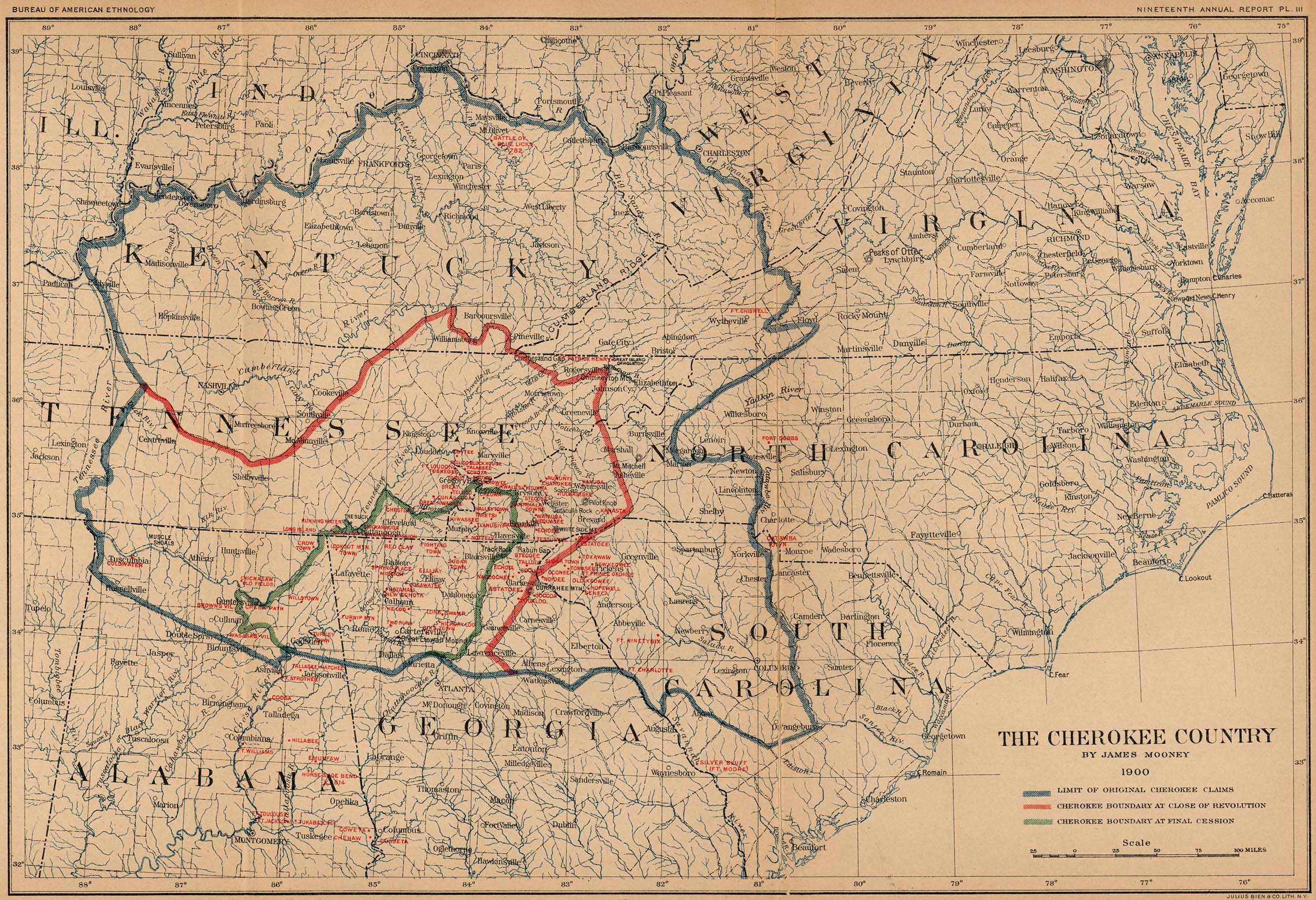
| Tsalagihi Hawiniditlv Gesvi (ᏣᎳᎩᎯ ᎭᏫᏂᏗᏢ ᎨᏒᎢ; "Cherokee country", lit. "Cherokee within it-was"), Tsalaguwetiyi (ᏣᎳᎫᏪᏘᏱ ; "the old Cherokee lands"; uweti = 'old'; this name appears to specifically refer to the original traditional territory in the east) | ACherokee Country, Cherokee country, the Cherokee country, the Cherokee homeland | AAniyvwiya (Cherokee) | |
| Tsenacommacah, Tsenacomoco, Tenakomakah, Attanoughkomouck, Attan-Akamik ("Land of Much Events") | Athe Powhatan country, Powhatan country, the Powhatan homeland, Powhatan's territory | APoHaTan (Powhatan) Confederacy | |
| Tséstho'e, Zesthoe ("Land of Our People") | ACheyenne country, the Cheyenne country, the Cheyenne homeland | ATsitsistas and So'taeo'o (Cheyenne) | |
| Tupippuh Nummu ("Our Homeland") | Athe Timbisha Homeland, Timbisha country, the Panamint country | ATimbisha | |
| ? The Tutunucu (Totonac) traditional territory—autonym unknown. | ATotonac country, the Totonac country, the Totonac homeland, | ATutunucu (Totonac) | |
| Unangam Tanangin ("Lands of the original people," "Lands of the Unangan / Unangas / Aleuts") | Aleutian Islands | Aleuts | |
| Waayaahtanonki ("Place of the Whirlpool") | Athe Wea country, the Wea lands | AWaayaahtanwa (Wea) | |
| Wapna'ki (in Mi'kmawi'simk), Waponahkik (in the Wolastoqey-Passamaquoddy language), Wôbanakik or W8banaki (in the Abenaki language). These all mean "Land of Dawn, Land of the First Light". | Athe Dawnland, Wabanaki country, the Wabanaki country, Wabanaki Country, the land of the Wabanaki, Wabanakia | AThe Wabanaki Confederacy includes the Mi'kmaq, Maliseet, Passamaquoddy, Penobscot, and Abenaki. | |
| 𐓏𐓘𐓻𐓘𐓻𐓟 𐓀𐓘͘𐓻𐓘͘ (Wažaže Mązhą), 𐓏𐓘𐓻𐓘𐓻𐓟 𐓀𐓘𐓩𐓻𐓘𐓩 (Wazhazhe Maⁿzhaⁿ) ("Osage Country") | AOsage country, the Osage country, the great Osage homeland, the Osage homelands, the Osage ancestral territory | AWah-Zha-Zhi (Osage) | |
| Wašišiw Ɂítdeʔ Wa She Shu E Deh ("The People from Here") | AWašiw lands, Washoe country, the Washoe country | AWašiw (Washoe) | |
| Wazija Haci ("Those who dwell in the pines"), Wazija, Wazidja, Waazija ("The Grand Pinery") | Athe Wazija, the Wazidja, the Hočąk Wazija, the land of the Hočągara, Ho-Chunk country, Winnebago country, the Winnebago country, the Winnebago homeland | AHo-Chunk | |
| Wintʰu· Po·m ("Land of the People") | AWintu country | AWintu | |
| Wolastokuk ("Land of the Beautiful River") | AMaliseet country, the Malecite country | AWolastoqiyik (Maliseet) | |
| X̱aaydag̱a Gwaay.yaay, Xhaaidlagha Gwaayaai, Xaadala Gwayee ("Islands at the Edge of the World"), X̱aayda gwaay, Haida Gwaii ("Islands of the People"), Xaadas tlagáa ("Haida Country, Haida village, Haida lands") | AHaida country, the Haida homeland | AThe X̱aadas (Haida) Nation | |
| Yagaocanahagary ("Land Between the Two Points") | APiscataway Country | APiscataway (Conoy) | |
| ? The Yokot'anob (Chontal) traditional territory—autonym unknown. | Athe Chontalpa, the Chontal homeland | AYokot'anob (Chontal) | |
| ZZZZ | ZZZZ | ZZZZ | ZZZZ |
Criteria for inclusion
For the purpose of this list, "nation" refers to the historic, whole national identities, rather than to the fragmented "reservation nations" or "bands". The whole nations are what John Beaucage, Grand Council Chief of the Anishinabek Nation, refers to as "true nations" in contrast with the fragmented "First Nations":
Or what the Government of Quebec calls "the 11 aboriginal nations of Québec" in contrast with their component "55 aboriginal communities". And so the criteria for inclusion is not the same as what are named "Indian tribes" by the U.S. Federal Register and the National Congress of American Indians (NCAI), or what are called "First Nations" by the Canadian government and Assembly of First Nations (AFN). It would be interesting to compile the names for the "band territories" of the 633 fragmented First Nations of the AFN, or the names of the "reservation territories" of the 632 fragmented Indian Nations of the NCAI, but that is beyond the scope of this article, except as side notes in the "further information" column.
So this list does not include the names for reservations or reserves, but only of the entire national homeland (or the homeland of a confederated identity such as the Haudenosaunee Confederacy or Colville tribes). For example, this list wouldn't give the Cherokee name for the Qualla Boundary reservation, but only the name for "the Cherokee country" as a whole. Ideally a single name could conceivably encompass not only the Contact-era ancestral territory, but also any area which at some time or another was conceived to be part of the national domain, such as post-Removal lands.
The names do not have to be from olden days. The names could be recently coined and still be included in this list.
Compiling a list such as this can be a difficult and controversial process, as it requires some discernment as to what are the "whole nations" — the "true nations" in Beaucage's words.
Notes
References
References
- Hodge, F.W.. (May 1898). "Ascent of the Enchanted Mesa". [[The Century Magazine]].
- (2008). "Acoma Pueblo". Encyclopedia.com.
- Fowler, Loretta. (1994). "The Civilization Strategy: Gros Ventre, Northern and Southern Arapahos Compared". VNR AG.
- Hungry Wolf, Adolf. (2006). "Memories of James Boy". Good Medicine Foundation.
- "Facts On File History Database Center". Fofweb.com.
- (30 November 2018). "Knowing Home: Braiding Indigenous Science with Western Science, Book 2". ePublishing Services, University of Victoria Libraries.
- "SENĆOŦEN Survival School". W̱SÁNEĆ Nation.
- "Á,LEṈENEȻ ȽTE – Our Homeland". W̱SÁNEĆ Nation.
- (2000). "Making Native Space: Colonialism, Resistance, and Reserves in British Columbia". UBC Press.
-
- Conestoga Language Living Dictionary. Living Tongues Institute for Endangered Languages. https://livingdictionaries.app/conestoga_language
- Eshleman, Henry Frank. (1909). "Lancaster County Indians: Annals of the Susquehannocks and Other Indian Tribes of the Susquehanna Territory from about the Year 1500 to 1763". Express Print Company.
- Jennings, Francis. (1988). "Dutch and Swedish Indian Policies". Smithsonian Institution.
- Parkman, Francis. (1899). "The Jesuits in North America in the Seventeenth Century". Little, Brown.
- {{harvp. Eshleman. 1909
- (October 1, 1902). "The Paxton Boys". Seen & Heard.
- O'Callaghan, E.B.. (1868). "Laws and Ordinances of New Netherland, 1638-1674". Weed, Parsons and Company, printers.
- Hanna, Charles Augusta. (1911). "The Wilderness Trail". G.P. Putnam's Sons.
- Ferris, Benjamin. (1846). "A History of the Original Settlements on the Delaware: From Its Discovery by Hudson to the Colonization Under William Penn". Wilson & Heald.
- {{harvp. Eshleman. 1909
- (1901). "The Jesuit Relations and Allied Documents: Travels and Explorations of the Jesuit Missionaries in New France, 1610-1791". Burrows Brothers.
- (2012). "Deep Routes: The Midwest in All Directions". White wire.
- "Trouwringen | platina, palladium en witgouden trouwringen". Unieketrouwringen.com.
- (April 5, 2013). "Anishinaabe-aki: An Introduction to Unceded and Unsurrendered Algonquin Territory". Allevents.in.
- (August 28, 2000). "Ojibwe Singers: Hymns, Grief, and a Native Culture in Motion: Hymns, Grief ... - Michael D. McNally Assistant Professor of History Eastern Michigan University". Oxford University Press.
- "Anishinaabe Perspectives - Blog". Anishinaabeperspectives.weebly.com.
- (March 9, 2014). "Happy International Women's Day | anishinaabewiziwin". Giizismoon.wordpress.com.
- [http://champlain.graeworks.net/] {{webarchive. link. (December 8, 2013)
- "Nishnawbe Aski Nation - About Us". Nan.on.ca.
- "Traditional Territiores". Webcitation.org.
- "Foods | Library @ Little Big Horn College". Lib.lbhc.edu.
- (1986). "Arapahoe Politics, 1851-1978: Symbols in Crises of Authority - Loretta Fowler". U of Nebraska Press.
- "Crow Chief Meadows is a south central Montana rural subdivision and real estate opportunity in the foothills of the Beartooth Mountains near Absarokee, MT". Crowchief.com.
- [[Ahtna]]
- "Ahtna Noun Dictionary". Johnsmelcer.com.
- (1978). "Handbook of North American Indians: Subarctic - William C. Sturtevant". Smithsonian.
- "Tatl'ahwt'aenn nenn' = The headwaters people's country: narratives of the Upper Ahtna Athabaskans". Jlc-web.uaa.alaska.edu.
- (1895). "Full text of "The country of the Neutrals"". St. Thomas, Ont., Times print..
- "Neutrals". Dickshovel.com.
- (June 2009). "At the Font of the Marvelous: Exploring Oral Narrative and Mythic Imagery of ... - Anthony Wayne Wonderley". Syracuse University Press.
- (1994). "The Kakouagoga or Kahkwas: An Iroquoian Nation Destroyed in the Niagara Region". Proceedings of the American Philosophical Society.
- (June 2009). "At the Font of the Marvelous: Exploring Oral Narrative and Mythic Imagery of ... - Anthony Wayne Wonderley". Syracuse University Press.
- (2008). "A Dictionary of Skiri Pawnee - Douglas Richard Parks, Lula Nora Pratt". U of Nebraska Press.
- "The Old Iowa Village (1880-1893), near Fallis, Oklahoma". Ioway.nativeweb.org.
- (2008). "A Dictionary of Skiri Pawnee - Douglas Richard Parks, Lula Nora Pratt". U of Nebraska Press.
- (1975). ["The Constitution and laws of the Choctaw Nation = Chahta yakni, nan vlhpisa nishkoboka, micha anumpa vlhpisa aiena / compiled and edited by] Jonathan Cogswell. - Version details - Trove". Trove.nla.gov.au.
- "Choctaw and Buffalo - School of Choctaw Language". Choctawschool.com.
- "Choctaw Nation". Choctawnation.com.
- "History". Choctawnation.com.
- (2008). "Planters, Pirates, & Patriots: Historical Tales from the South Carolina ... - Rod Gragg". Pelican.
- Larry P. Jordan. (July 1, 2004). "The Land of Chicora: Century saw once-thriving tribes decimated by multiple struggles: 300years". Thetandd.com.
- (1922). "Historia general de las Indias - Francisco Lypez de Gуmara".
- "Chikasha Okla i Kvnstitushvn Micha i Nan Vlhpisa".
- "Things To Do In Oklahoma: Visit the Chickasaw Nation". Chickasawcountry.com.
- "Map of the Chickasaw country: and contiguous portions of the Indian Territory / | Library of Congress". Loc.gov.
- "The Official Site of the Chickasaw Nation | Prehistoric". Chickasaw.net.
- "Territory".
- (2019). "Dän Keyi (Our people's land) – Kluane National Park and Reserve". Parks Canada.
- Mease, Anne Marie. (2008). "Once the Land is for Certain: The Selkirk First Nation Approach to Land Management, 1997-2007". University of Saskatchewan.
- Bénézet, Paul. (2013). "« It's our home » Expressions de la relation au territoire des Dane-zaa de Doig River (Colombie-Britannique, Canada)". Université Laval.
- (March 18, 2012). "Dene Hand Games…". Sarahontheroad.com.
- [http://www.denenation.com/dene_declaration.html] {{webarchive. link. (September 6, 2013)
- [[Navajo Nation#Terminology]]
- "Home". Discovernavajo.com.
- "Military Campaigns Navajo Country Northwestern New Mexico 1800 1846". AbeBooks.
- (July 5, 2010). "Plants and Animals in the Life of the Kuna - Jorge Ventocilla, Heraclio Herrera, Valerio Núńez". University of Texas Press.
- Emilio del Valle Escalante. (May 20, 2014). "Self-Determination: A Perspective from Abya Yala". E-ir.info.
- (1994). "Aboriginal Peoples: Toward Self-government - Marie Léger". Black Rose Books.
- (2005). "Conservation: Linking Ecology, Economics, and Culture - Monique Borgerhoff Mulder, Peter Coppolillo". Princeton University Press.
- (2008). "Scientifiction - A. Hyatt Verrill, Doug Frizzle". Lulu.com.
- (March 19, 2013). "Coastal Waters of the World: Trends, Threats, and Strategies - Don Hinrichsen". Island Press.
- ''League of the Ho-deˊ-no-sau-nee or Iroquois'' by Lewis H. Morgan, 1904.
- Hudson, Marjorie. "Among the Tuscarora: The strange and mysterious death of John Lawson, gentleman, explorer, and writer". Learnnc.org.
- "Indians-Parramore". Ncpublications.com.
- "The Eeyou of Eeyou Istchee".
- (September 2008). "The Earth's Blanket: Traditional Teachings for Sustainable Living - Nancy Turner". D & M Publishers.
- (November 1966). "Boys' Life".
- "Born to Run – Christopher McDougall". Chrismcdougall.com.
- (May 16, 2006). "Aztec Autumn - Gary Jennings". Macmillan.
- (1999). "A People's Ecology: Explorations in Sustainable Living - Gregory Cajete". Book Marketing.
- (1995). "Historic Contact: Indian People and Colonists in Today's Northeastern United ... - Robert Steven Grumet". University of Oklahoma Press.
- (July 3, 2008). "Iroquois Diplomacy on the Early American Frontier - Timothy J. Shannon". Penguin.
- (1893). "The Indian and the Pioneer: An Historical Study - Rose N. Yawger".
- {{harvp. Thwaites. 1901
- "Map of Colonial Virginia". Sonofthesouth.net.
- (December 1, 2004). "The Iroquois Country, 1768". Etc.usf.edu.
- (August 30, 2004). "Getty Images". Getty Images.
- (March 30, 2015). "A History of the Schenectady Patent in the Dutch and English Times - Map of the Country of the Six Nations in 1771". Schenectadyhistory.org.
- Jacques Nicolas Bellin. "Partie occidentale de la nouvelle france ou du canada | 979". Maremagnum.com.
- "A general map of the middle British colonies in America | Library of Congress". Loc.gov.
- (1992). "The Holy Dividing Line: Inscription and Resistance in Yaqui Culture". Journal of the Southwest.
- "A Brief History Of The Yaqui And Their Land By Linda Zoontjens". Sustainedaction.org.
- (August 6, 2009). "Yaqui History". Pascuayaqui-nsn.gov.
- "The Texas Band of Yaqui Indians - About Us". Yaquitribetexas.com.
- (2012). "Dictionary of the Arapaho Language". Northern Arapaho Tribe.
- (2009). "The Arapaho - Loretta Fowler". Infobase.
- (1903). "The Arapaho Sun Dance: The Ceremony of the Offerings Lodge". Field Columbian Museum.
- (October 2012). "Wives and Husbands: Gender and Age in Southern Arapaho History - Loretta Fowler". University of Oklahoma Press.
- (1986). "Arapahoe Politics, 1851-1978: Symbols in Crises of Authority - Loretta Fowler". U of Nebraska Press.
- (2008). "A Dictionary of Skiri Pawnee - Douglas Richard Parks, Lula Nora Pratt". U of Nebraska Press.
- (2011). "Born in the Blood: On Native American Translation". U of Nebraska Press.
- (2012). "Thinking Like a Watershed: Voices from the West - Jack Loeffler, Celestia Loeffler". UNM Press.
- Kraker, Daniel. (May 10, 2007). "Reggae in Hopiland | KNAU Arizona Public Radio". Knau.org.
- (27 February 2015). "In northern Arizona's Hopiland, an ancient culture lives on".
- "Welcome to Hopi Cultural Center.com". Hopiculturalcenter.com.
- (April 21, 2006). "Language, Literacy, and Power in Schooling". Routledge.
- (April 7, 2014). "Timeline Photos - Hopi Leadership Program". Facebook.com.
- "The Changing Physical Environment of the Hopi Indians of Arizona". Cpluhna.nau.edu.
- (March 1, 2014). "Radio on the Reservation | Al Jazeera America". Projects.aljazeera.com.
- "Resource Protection".
- "Some Illinois Words:Places". Museum.state.il.us.
- Lenville J. Stelle, Parkland College. "Inoca (Ilimouec, Illinois, Illini, Peoria) Ethnohistory Project". Virtual.parkland.edu.
- (3 November 2008). "Illinois Place Name of the Day". Illinois Press Blog.
- (November 7, 2008). "Circumpolar Inuit Declaration on Arctic Sovereignty | Inuit Tapiriit Kanatami - Canada's National Inuit Organization". Itk.ca.
- "INUIT CIRCUMPOLAR COUNCIL CHARTER".
- "91.02.07: The Inuit Family: A study of its history, beliefs, and images". Yale.edu.
- (September 20, 1948). "Cinema: Old Master - TIME". [[Time (magazine).
- "ICC's Beginning". Iccalaska.org.
- "A Circumpolar Inuit Declaration on Sovereignty in the Arctic". Iccalaska.org.
- (June 10, 2009). "Maps of Inuit Nunangat (Inuit Regions of Canada) | Inuit Tapiriit Kanatami - Canada's National Inuit Organization". Itk.ca.
- (July 6, 2008). "Inuit Nunangat The People's Land: A Struggle for Survival by John Amagoalik — Reviews, Discussion, Bookclubs, Lists". Goodreads.com.
- [[Inuit languages#Geographic distribution and variants]]
- [[Tunu]]
- "traditional territories - Threefold Now".
- "RootsWeb: NORCAL-L Re: Fw: Story of the Murphy Party - Part I". Archiver.rootsweb.ancestry.com.
- (1843). "Annual Report of the Commissioner of Indian Affairs - United States. Office of Indian Affairs".
- (2021). "Kiowa Ethnogeography". University of Texas Press.
- (2003). "Telling Stories the Kiowa Way - Gus Palmer". University of Arizona Press.
- (1898). "Calendar History of the Kiowa Indians - James Mooney".
- (January 1, 1998). "Encyclopedia of Folklore and Literature". ABC-CLIO.
- (2008). "A Dictionary of Skiri Pawnee - Douglas Richard Parks, Lula Nora Pratt". U of Nebraska Press.
- (January 19, 2012). "Indian Time Homepage". Indiantime.net.
- "Originally referring to the Mohawk country on the Mohawk River and now used for any Mohawk reservation": p.478, Handbook of North American Indians by William Sturtevant, 1978.
- (December 1996). "In Mohawk Country: Early Narratives about a Native People - Dean R. Snow, Charles T. Gehring, William A. Starna". Syracuse University Press.
- Thomas S. Abler. "Mohawk".
- (September 5, 2006). "Journey Into Mohawk Country - Harmen Meyndertsz van den Bogaert, George O'Connor, Hilary Sycamore". Macmillan.
- "Indian Tobacco". Mohawk Nation News.
- "Early Explorations into the Oneida Homeland". Oneidanation.org.
- p.479 of Handbook of North American Indians, Volume 15, 1978.
- {{harvp. Thwaites. 1901
- "meqiyik, meqihik, meqiyok | Passamaquoddy-Maliseet Language Portal". Pmportal.org.
- (October 27, 2009). "GeoNative - Pomo - Karuk - Wintu".
- (December 7, 2004). "Welcome to UCLA's History Department". History.ucla.edu.
- Scott, Grant. "In Karuk". Northcoastjournal.com.
- Kaska Dena National Government. "Kaska National Constitution - Executive Summary". Liard Aboriginal Women's Society.
- (February 27, 2019). "GOLD: Yukon Mint Announces Winners of Coin Design Contest. Canadian Mining Journal".
- (September 29, 2020). "Numu Tubewa".
- (1 July 2022). "What Happens to Indigenous Law in the Museum?". Museum Worlds.
- (2000). "Hunters and Gatherers in the Modern World: Conflict, Resistance, and Self ... - Peter P. Schweitzer, Megan Biesele, Robert K. Hitchcock". Berghahn Books.
- (May 6, 2015). "Bella Coola Man". Harbourpublishing.com.
- (October 2007). "At Home with the Bella Coola Indians - McIlwraith T F Cole Douglas Barker John". UBC Press.
- Message from Siouan List by Clive Bloomfield, January 23, 2008.
- (June 26, 2014). "Rez Ramblings". Lakotacountrytimes.com.
- "Sisseton Photos | Sioux Research-Dakota, Lakota, Nakota". Oyate1.proboards.com.
- (November 2008). "The Lakota Ghost Dance of 1890 - Rani-Henrik Andersson". U of Nebraska Press.
- "Support Lakota Grassroots Resistance!". EverRibbon.com.
- "Facts and Profiles: Indians in North Dakota". Nd.gov.
- (April 2008). "Bad Boys of the Black Hills: And Some Wild Women, Too - Barbara C. Fifer". Farcountry Press.
- "Detailed Entry View". Talk-lenape.org.
- "THE INDIANS OF LENAPEHOKING - Walpack History Bookstore". Walpackhistory.org.
- (2002). "Native New Yorkers: The Legacy of the Algonquin People of New York - Evan T. Pritchard". Council Oak Books.
- (1989). "The Delaware Indians: A History - C. A. Weslager". Rutgers University Press.
- (January 30, 1969). "Conner Prairie Pioneer Settlement and Museum | Sylvester | Indiana Magazine of History". Scholarworks.iu.edu.
- "Facts On File History Database Center". Fofweb.com.
- (1834). "A Gazetteer Of The State Of New Jersey". Daniel Fenton.
- Peter Stanton. (October 2023). "Teaching in Lingít Aaní". Teachinginlingitaani.blogspot.com.
- (2009). "Winter in Lingit Aani Brings Magpies and Ravens". Studies in American Indian Literatures.
- "Tlingit - Early history, First contact with europeans, The land claims period". Everyculture.com.
- (2003). "The Indian Tribes of North America - John Reed Swanton". Genealogical Publishing Com.
- (September 19, 2012). "Is this what sovereignty looks like?". Lingit Latseen.
- (August 16, 2006). "Traditional Tlingit Map and Tribal List". Ankn.uaf.edu.
- (August 6, 2012). "Ethno-ornithology: "Birds, Indigenous Peoples, Culture and Society"". Routledge.
- (August 15, 2005). ["RootsWeb: VAFREDER-L Re: VAFREDER] Re: Indians pre-1785 at Winchester". Newsfeed.rootsweb.com.
- (1894). "The Siouan Tribes of the East - James Mooney". U.S. Government Printing Office.
- (2002). "Stonewall in the Valley: Thomas J. 'Stonewall' Jackson's Shenandoah Valley ... - Robert G. Tanner". Stackpole Books.
- (2001). "New Familiar Abenakis and English Dialogues - Jos Laurent, Sozap Lolo". Applewood Books.
- (1881). "Indian Names of Places, Etc., in and on the Borders of Connecticut: With ... - James Hammond Trumbull".
- (June 2009). "Facing East from Indian Country: A Native History of Early America - Dr Daniel K Richter". Harvard University Press.
- [[Agawam tribe]]
- (1896). "Full text of "Queen M'oo and the Egyptian sphinx"". New York, The Author.
- (1997). "Maya Atlas: The Struggle to Preserve Maya Land in Southern Belize - Toledo Maya Cultural Council, Toledo Alcaldes Association". North Atlantic Books.
- (2002). "Encyclopedia of the Stateless Nations: L-R - James Minahan". Greenwood Publishing.
- Canada, Library and Archives. (October 15, 2013). "Métis Nation".
- "Métis Homeland - Rupertsland Institute".
- (August 31, 1984). "Religion and Empire: The Dynamics of Aztec and Inca Expansionism - Geoffrey W. Conrad, Arthur A. Demarest". Cambridge University Press.
- "Customer Reviews: Mexica".
- (1993). "Mexican Americans/American Mexicans: From Conquistadors to Chicanos - Matt S. Meier, Feliciano Ribera". Macmillan.
- Jasen Sylvester Benwah. "Mi'kma'ki Ktaqamkuk History Calendar". Benoitfirstnation.ca.
- "Kim Nash-McKinley Speech to the Senate Standing Committee on Aboriginal Affairs, November 28, 2012".
- [http://www.unsi.ns.ca/treaty-day/treaty-of-1752/7/] {{webarchive. link. (August 27, 2011)
- (1955). "The Micmac Indians of Eastern Canada". University of Minnesota Press.
- "The Mi'kmaq | Cape Breton University - HAPPEN". Cbu.ca.
- "Mihkomahkik | Passamaquoddy-Maliseet Language Portal". Pmportal.org.
- ''Mohegan Place Names in Connecticut'', from the Mohegan Language Project. https://web.archive.org/web/20130114222024/http://www.moheganlanguage.com/Documents/Mohegan_Place_Names_in_CT.doc
- Linda. (February 10, 2013). "The Tale of Indian Leap at Yantic Falls in Norwich". The Distracted Wanderer.
- "Memorials and pilgrimages in the Mohegan country: Peale, Arthur L".
- (May 13, 2015). "Mohegan Sacred Sites: Moshup's Rock". ConnecticutHistory.org.
- "Mohegan Tribe Books & Videos | Mohegan Resources | Mohegan Tribe". Mohegan.nsn.us.
- (2007). "English to Kanza Dictionary". Kaw Nation Kanza Language Project.
- "Kaw Nation". Kaw Nation.
- "Page 7: Side A - Text". Digital-libraries.ou.edu.
- (1880). "Reports of Committees: 30th Congress, 1st Session - 48th Congress, 2nd Session - United States. Congress. Senate".
- "Native Study - Chapter 3". Nps.gov.
- "Full text of "Indian notes"".
- KSU. "This is normal text". krex.k-state.edu.
- (2008). "A Dictionary of Skiri Pawnee - Douglas Richard Parks, Lula Nora Pratt". U of Nebraska Press.
- Joshua Sutterfield. "ROOTS OF PLACE: EXPERIENCING A MIAMI LANDSCAPE". Etd.ohiolink.edu.
- "Facts On File History Database Center". Fofweb.com.
- Wayne C. Temple. "Indian Villages of the Illinois Country: Historic Tribes". Museum.state.il.us.
- Zimmerman, Fritz. (October 1, 2011). "American Indian's History: Miami Indians of the Wabash and Maumee Rivers". Americanindianshistory.blogspot.com.
- (January 2001). "Remembering the Miami Indian Village Schoolhouse. - the American Indian Quarterly". The American Indian Quarterly.
- "Mississippi River Tragedies - Chapter 1".
- (2007). ["'Eyes on the Wabash': A history of Indiana's Indian people from pre-contact through removal"](https://docs.lib.purdue.edu/dissertations/AAI3296103/ }}{{page needed).
- (2011). "Phantom Past, Indigenous Presence: Native Ghosts in North American Culture and History". U of Nebraska Press.
- (1919). "Archaeological Specimens from New England - Marshall Howard Saville".
- "Full text of "The Nanticoke community of Delaware"".
- (October 31, 2005). "Nations of the Northeast Coast - Molly Aloian, Bobbie Kalman". Crabtree Publishing Company.
- "About Page". Pocahontas.1colony.com.
- Now You're Speaking Hupa by Victor Golla, p.92, 1994.
- "The North American Indian. Volume 13 - The Hupa. The Yurok. The Karok. The ... - Curtis, Edward S.". Classic Books Company.
- (1897). "International Archives of Ethnography: Supplement".
- (June 17, 1978). "Handbook of North American Indians: California - William C. Sturtevant". HarperCollins.
- (June 12, 1974). "The Gallup Independent from Gallup, New Mexico · Page 38". Newspapers.com.
- (1885). "Indian Wars of the Northwest: A California Sketch - Anthony Jennings Bledsoe". Bacon.
- (1881). "Indian Names of Places, Etc., in and on the Borders of Connecticut: With ... - James Hammond Trumbull".
- (1863). "Collections of the Massachusetts Historical Societys".
- [[Niantic people]]
- (1986). "Spirit of the New England Tribes: Indian History and Folklore, 1620-1984 - William Scranton Simmons".
- (1845). "The Book of the Indians, Or, Biography and History of the Indians of North ... - Samuel Gardner Drake".
- (2006). "The History and Future of Narragansett Bay - Capers Jones". Universal-Publishers.
- (August 30, 2005). "N'DahAhki :: N'DahAhKi". Endahkee.nativeweb.org.
- (1903). "American Anthropologist".
- (August 30, 2005). "N'DahAhki :: Mohicans". Endahkee.nativeweb.org.
- "Cowasuck Band of the Pennacook-Abenaki People - Sub- N'dakina - Our Homelands & People". Cowasuck.org.
- "Like the Trails of Ndakinna". Hanksville.org.
- "The Koasek Traditional Band of the Abenaki Nation - N'DAKINNA". Cowasuckabenaki.com.
- "Cowasuck Band of the Pennacook-Abenaki People - Sub- French Jesuit Missions". Cowasuck.org.
- (July 26, 2007). "Biography – MEMBERTOU, Henri, baptized Henri – Volume I (1000-1700) – Dictionary of Canadian Biography". Biographi.ca.
- "Mapping the Abenaki Homeland". Flowofhistory.org.
- "Aponahkik | Passamaquoddy-Maliseet Language Portal". Pmportal.org.
- (2003). "The Indian Tribes of North America - John Reed Swanton". Genealogical Publishing Com.
- "Norumbega Reconsidered: Mawooshen and the Wawenoc Diaspora". Davistownmuseum.org.
- (1871). "House Documents - USA House of Representatives".
- "Acimowinis Niso Ocenasa Ohci". Safewater.org.
- ''nēhiýawēwin'' by Arok Wolvengrey, 2001.
- (2010). "Lips' Inking: Cree and Cree-Métis Authors' Writings of the Oral and What They Might Tell Educators". Canadian Journal of Native Education.
- "Catholic Encyclopedia: Cree". Newadvent.org.
- (January 14, 2004). "Water Follies: Groundwater Pumping and the Fate of America's Fresh Waters - Robert Jerome Glennon". Island Press.
- (September 5, 1991). "How To Kill A Nation". Nativeweb.org.
- "The Western Shoshone fight on - ICTMN.com". Indiancountrytodaymedianetwork.com.
- (August 5, 2010). "The State of Native America: Genocide, Colonization, and Resistance - M. Annette Jaimes". South End Press.
- (December 16, 2003). "Acts of Rebellion: The Ward Churchill Reader - Ward Churchill". Routledge.
- (2011). ""Newe country: Environmental degradation, resource war, irrigation and " by Sterling Ross Johnson". Digitalscholarship.unlv.edu.
- (February 15, 2006). "Ghost Dances and Identity: Prophetic Religion and American Indian ... - Gregory E. Smoak". University of California Press.
- "The Greater Blackfoot Nation of Montana". Blackfoot.org.
- [[Blackfoot Confederacy#History]]
- (2006). "The Blackfoot Papers - Adolf Hungrywolf". Good Medicine Foundation.
- (2006). "The Blackfoot Papers - Adolf Hungrywolf". Good Medicine Foundation.
- "Welcome to Blackfeet Country
Browning MontanaGlacier Park". Blackfeetcountry.com. - (November 21, 2012). "The Blackfeet: Raiders on the Northwestern Plains - John C. Ewers". University of Oklahoma Press.
- "Carte du Nionwentsïo".
- (March 15, 2014). "Wyandot of Anderdon". Wyandot of Anderdon.
- (June 1, 1910). "CATHOLIC ENCYCLOPEDIA: Huron Indians". Newadvent.org.
- "The Wyandot Indians of Kansas - Page 2". Legendsofkansas.com.
- (1888). "Congressional Series of United States Public Documents".
- "John Bland". Wyandotte-nation.org.
- (April 7, 2014). "Hurons and Jesuits Revisited: Joseph Boyden's The Orenda | Fiction and Film for French Historians". H-france.net.
- C.E. Heidenreich. "Wendake (Huronia)". [[The Canadian Encyclopedia]].
- "Full text of ""Wendake Ehen"; or, Old Huronia"".
- [[:fr:Huronie]]
- "History". Wyandotte-nation.org.
- "NIAC Publications ~ Nipmuc Place Names - Territory and Language". Nativetech.org.
- (1881). "Indian Names of Places, Etc., in and on the Borders of Connecticut: With ... - James Hammond Trumbull".
- "Tribal enrollment". Historicalnipmuctribe.com.
- "A Brief Look at Nipmuc History". Nipmucnation.homestead.com.
- (1880). "The Huguenots in the Nipmuck Country Or Oxford Prior to 1713 - George Fisher Daniels".
- (1881). "Indian Names of Places, Etc., in and on the Borders of Connecticut: With ... - James Hammond Trumbull".
- "The Indians". Westbrookfield.org.
- "Nipmuk Nashauonk | New England Grassroots Environment Fund". Grassrootsfund.org.
- (1881). "Indian Names of Places, Etc., in and on the Borders of Connecticut: With ... - James Hammond Trumbull".
- [http://buffalosfire.com/nitaskinan-no-progress-with-quabec-t/] {{webarchive. link. (July 22, 2014)
- (1998). "L'industrie touristique autochtone". Téoros.
- "Réserve faunique du Saint-Maurice - Bonjour Québec.com". Bonjourquebec.com.
- "Harry-Bernard". Harry-Bernard.
- [[Nitassinan: The Innu Struggle to Reclaim Their Homeland]]
- "Innu political history". Facebook.com.
- "Environmental and Health Benefits of Hunting Lifestyles and Diets for the Innu of Labrador". Cst.ed.ac.uk.
- Zoe Nudell. "Colonization Embodied: Diabetes in Sheshatshiu". Library2.smu.ca.
- (1998). "Native Americans". Bloomsbury Academic.
- (December 28, 1917). "Publication of the American Sociological Society - American Sociological Association".
- (January 31, 1987). "Innu Women and NATO: The Occupation of Nitassinan". Cultural Survival.
- (1858). "Relations des Jésuites: contenant ce qui s'est passé de plus remarquable ...".
- "Muhtaniyewihkuk | Passamaquoddy-Maliseet Language Portal". Pmportal.org.
- ''Nee Hemish: A History of Jemez Pueblo'' by Joe S. Sando, 1982.
- (May 17, 2006). "New Mexico Historical Review".
- (December 1, 1990). "Exploring the Jemez country - Roland A. Pettitt, Dorothy Hoard". Los Alamos Historical Society.
- (2002). "Conquest and Catastrophe: Changing Rio Grande Pueblo Settlement Patterns in ... - Elinore M. Barrett". UNM Press.
- [[Jemez Pueblo, New Mexico]]
- Lipscomb, Carol A.. (June 2, 2016). "Comanche Indians".
- (September 27, 2003). "Captain Marcy and the Comanche". Okgenweb.org.
- "The Quanah Parker Trail". Texashighways.com.
- [[Comancheria]]
- [[:es:Comanchería]]
- (2008). "A Dictionary of Skiri Pawnee - Douglas Richard Parks, Lula Nora Pratt". U of Nebraska Press.
- (March 15, 2012). "Capitol Confidential » Skeptics in Seneca country". Blog.timesunion.com.
- (February 1, 1912). "CATHOLIC ENCYCLOPEDIA: Seneca Indians". Newadvent.org.
- (2011). "The People of the River's Mouth: In Search of the Missouria Indians". University of Missouri Press.
- (19 January 1972). "An Index of the Social Indicators of the American Indian in Oklahoma".
- MacKenzie, Marguerite. (1994). "Naskapi Lexicon". Naskapi Development Corp.
- (September 26, 2007). "Abc-Clio Schools". Historyandtheheadlines.abc-clio.com.
- (January 1, 1909). "Science".
- "Ute Ethnographic and Ethnobotanical Research in the Bonita Peak Mining District". Southern Ute Indian Tribe.
- "Núu-agha-tʉvʉ-pʉ̱ (Ute)". Native Land Digital.
- (2010). "Slavery in Indian Country: The Changing Face of Captivity in Early America - Christina Snyder". Harvard University Press.
- (1864). "The statutes at large of the provisional government of the Confederate ... - Confederate States of America".
- (March 9, 2012). "Native America: A State-by-State Historical Encyclopedia". Abc-Clio.
- (2008). "A Dictionary of Skiri Pawnee - Douglas Richard Parks, Lula Nora Pratt". U of Nebraska Press.
- Chick, Rez. (July 14, 2012). "Why I am Just a Rez Chick | Just A Rez Chick". Justarezchick.wordpress.com.
- "1837 Chippewa Treaty".
- J. P. Schell. (February 2008). "In The Ojibway Country: A Story Of Early Missions On The Minnesota Frontier: J. P. Schell". Read Books.
- "Ojibwe Culture - Indian Country Wisconsin". Mpm.edu.
- "The Ojibwe People's Dictionary". Ojibwe.lib.umn.edu.
- (April 27, 2015). "The ojibwa are credited with the development of the essiac tea formula". Bulk-essiac-tea.com.
- (1978). "Yurok Myths - Alfred Louis Kroeber". University of California Press.
- (June 27, 2002). "Surviving Through the Days: Translations of Native California Stories and ... - Herbert W. Luthin". University of California Press.
- (2002). "Siege and Survival: History of the Menominee Indians, 1634-1856 - David Beck". U of Nebraska Press.
- (1908). "History, Winnebago County, Wisconsin: Its Cities, Towns, Resources, People - Publius Virgilius Lawson". C.F. Cooper and Company.
- (October 11, 2006). "The Menominee Clans Story". .uwsp.edu.
- (2002). "Wa-nant-git-che-ang: Canoe Route to Lake Huron through Southern Algonquia". Ontario Archaeology.
- "Handbook to Winnipeg and the Province of Manitoba". Electriccanadian.com.
- "Algonquins of Ontario: Our Proud History". Tanakiwin.com.
- (2004). "Terra incognita des Kotakoutouemis: l'Algonquinie orientale au XVIIe siècle". Presses de l'Université Laval.
- (December 2004). "Oneida Iroquois Folklore, Myth, And History: New York Oral Narrative From ... - Anthony Wayne Wonderley, Hope Emily Allen". Syracuse University Press.
- Oklahoma State University Library. "INDIAN AFFAIRS: LAWS AND TREATIES. Vol. 2, Treaties". Digital.library.okstate.edu.
- "Oneida History - Indian Country Wisconsin". Mpm.edu.
- (1995). "Historic Contact: Indian People and Colonists in Today's Northeastern United ... - Robert Steven Grumet". University of Oklahoma Press.
- (July 3, 2008). "Iroquois Diplomacy on the Early American Frontier - Timothy J. Shannon". Penguin.
- "Pioneer times in the Onondaga country : Smith, Carroll E. (Carroll Earll), 1832- : Free Download & Streaming: Internet Archive".
- Safier, David. (April 22, 2010). "Water Tank Tussle | Currents Feature". Tucsonweekly.com.
- Don Garate. "B - An Annotated Bibliography of the Tohono O'odham (Papago Indians)". Home.nps.gov.
- "Tohono O'odham Nation - History & Culture". Tonation-nsn.gov.
- (September 16, 2005). "Desert Musings: Hang a right @ the tallest cactus". Desertmusingsbytbyrd.blogspot.com.
- (December 1989). "Of Earth and Little Rain: The Papago Indians - Bernard L. Fontana". University of Arizona Press.
- (2003). "Writing on the Edge: A Borderlands Reader". University of Arizona Press.
- (May 14, 2014). "A to Z of American Indian Women - Liz Sonneborn". Infobase.
- (1997). "At the Desert's Green Edge: An Ethnobotany of the Gila River Pima - Amadeo M. Rea". University of Arizona Press.
- (1916). "Basketry of the Papago and Pima - Mary Lois Kissell". The Trustees.
- (1997). "At the Desert's Green Edge: An Ethnobotany of the Gila River Pima - Amadeo M. Rea". University of Arizona Press.
- (2008). "A Dictionary of Skiri Pawnee - Douglas Richard Parks, Lula Nora Pratt". U of Nebraska Press.
- (July 2010). "The Pawnee Mission Letters, 1834-1851". U of Nebraska Press.
- (July 2010). "The Pawnee Mission Letters, 1834-1851". U of Nebraska Press.
- (September 15, 2011). "Saving the Pawnee Mother Corn | Prairie Fire - The Progressive Voice of the Great Plains". Prairiefirenewspaper.com.
- (2008). "A Dictionary of Skiri Pawnee - Douglas Richard Parks, Lula Nora Pratt". U of Nebraska Press.
- (2008). "A Dictionary of Skiri Pawnee - Douglas Richard Parks, Lula Nora Pratt". U of Nebraska Press.
- (2001). "New Familiar Abenakis and English Dialogues - Jos Laurent, Sozap Lolo s". Applewood Books.
- (2001). "Rivers of the World: A Social, Geographical, and Environmental Sourcebook - James R. Penn". ABC-CLIO.
- (2007). "Wabanaki Homeland and the New State of Maine: The 1820 Journal and Plans of ... - Joseph Treat, Micah A. Pawling". University of Massachusetts Press.
- "Wolastokuk | Passamaquoddy-Maliseet Language Portal". Pmportal.org.
- (1981). "The Remembered Earth: An Anthology of Contemporary Native American Literature - Geary Hobson". UNM Press.
- (September 3, 1908). "Sheldon's History and Stories of Nebraska - The Story of the Poncas". Olden-times.com.
- "Chief Standing Bear - Missouri National Recreational River (U.S. National Park Service)". Nps.gov.
- "peskotomuhkatihkuk". Language Keepers / Speaking Place.
- "Peskotomuhkatik". Language Keepers / Speaking Place.
- (January 30, 2019). "The Passamaquoddy Reclaim Their Culture Through Digital Repatriation". Condé Nast.
- (2001). "Native American Place Names of Connecticut - R. A. Douglas-Lithgow". Applewood Books.
- (1881). "Indian Names of Places, Etc., in and on the Borders of Connecticut: With ... - James Hammond Trumbull".
- "Redirecting".
- (1881). "Indian Names of Places, Etc., in and on the Borders of Connecticut: With ... - James Hammond Trumbull".
- (February 8, 2012). "The First Frontier: The Forgotten History of Struggle, Savagery, and ... - Scott Weidensaul". Houghton Mifflin Harcourt.
- (1863). "Collections of the Massachusetts Historical Society".
- (1881). "Indian Names of Places, Etc., in and on the Borders of Connecticut: With ... - James Hammond Trumbull".
- (2001). "No Word for Time: The Way of the Algonquin People - Evan T. Pritchard". Council Oak Books.
- "Peskotomuhkatik | Passamaquoddy-Maliseet Language Portal". Pmportal.org.
- "peskotomuhkatihkuk | Passamaquoddy-Maliseet Language Portal". Pmportal.org.
- (2001). "Historic U.S. Court Cases: An Encyclopedia". Taylor & Francis.
- (April 24, 2014). "Stolen Land". Wabanaki.com.
- (April 24, 2014). "Misleading_Maps". Wabanaki.com.
- ''The Wampanoag Indian Federation'' by Milton A. Travers, 1961.
- Fermino, Jessie Little Doe. (2000). "An Introduction to Wampanoag Grammar". Massachusetts Institute of Technology.
- (April 15, 2009). "Archaeologies Of Placemaking: Monuments, Memories, And Engagement In Native ... - Patricia E Rubertone". Left Coast Press.
- "Harvest Ceremony: Beyond the Thanksgiving Myth". Nmai.si.edu.
- "Who Are the Wampanoag? | Plimoth Plantation". Plimoth.org.
- (April 15, 2009). "Archaeologies Of Placemaking: Monuments, Memories, And Engagement In Native ... - Patricia E Rubertone". Left Coast Press.
- (November 26, 2010). "American Indian Biography: Masasoit, Wampanoag Leader". Native American Netroots.
- (November 29, 2013). "Wampanoag Historian on Surviving Almost 400 Years of Thanksgivings - ICTMN.com". Indiancountrytodaymedianetwork.com.
- (March 11, 2014). "Encounters at the Heart of the World: A History of the Mandan People - Elizabeth A. Fenn - Google Books". Farrar, Straus and Giroux.
- (1913). "The Cahokia and Surrounding Mound Groups - David Ives Bushnell - Google Books".
- "Cultural Overview - Sahnish Culture - Culture Today". Ndstudies.org.
- (2008). "A Dictionary of Skiri Pawnee - Douglas Richard Parks, Lula Nora Pratt". U of Nebraska Press.
- "Yuchi Homeland (S'atsole yudjiha) -- Trade & Trails & Maps". Yuchi.org.
- "Yuchi Indian Histories Before the Removal Era". Nebraskapress.unl.edu.
- (2005). "Yuchi Ceremonial Life: Performance, Meaning, and Tradition in a Contemporary ...". U of Nebraska Press.
- (September 13, 2010). "Southern Studies | Shreds and Patches". Jasonbairdjackson.com.
- (November 2012). "Yuchi Indian Histories Before the Removal Era". U of Nebraska Press.
- (1982). "The Politics of Indian Removal: Creek Government and Society in Crisis - Michael D. Green". U of Nebraska Press.
- (April 28, 1995). "The American Revolution in Indian Country: Crisis and Diversity in Native ... - Colin G. Calloway". Cambridge University Press.
- "INDIAN AFFAIRS: LAWS AND TREATIES. Vol. 2, Treaties". Digital.library.okstate.edu.
- (1977). "The Shawnee - Jerry E. Clark". University Press of Kentucky.
- "The North American Indian. Volume 16 - The Tiwa. The Keres. ~ Paperbound - Curtis, Edward S.". Classic Books Company.
- "Experience Zuni". Zunitourism.com.
- (19 June 1996). "Physicians Find Their Place in Zuniland". JAMA.
- "Zuni Indian Tribe Water Settlement Act". www.gpo.gov.
- (1904). "Bureau Of American Ethnology".
- (August 1, 2007). "A Journey into Time Immemorial - Solh Temexw". Sfu.museum.
- (March 1999). "Brushed by Cedar, Living by the River: Coast Salish Figures of Power - Crisca Bierwert". University of Arizona Press.
- (November 15, 2012). "Sturgeon Reach: Shifting Currents At The Heart of the Fraser - Terry Glavin, Ben Parfitt". New Star Books.
- "BC Society of Transition Houses: 2012 Annual Training Forum & AGM". Bcsth.ca.
- ''Upper Chehalis Dictionary'' by M. Dale Kincaid, 1991.
- "Chehalis Zoning Ordinance". Chehalistribe.org.
- (1953). "Indian Legends of the Pacific Northwest". University of California Press.
- Edgar Martin del Campo. "The Huasteca Lands and People". Shamanscross.com.
- (September 15, 1984). "Archive of Indigenous Languages of Latin America". Ailla.utexas.org.
- [[La Huasteca]]
- (2013). "Ethnic Groups of the Americas: An Encyclopedia - James Minahan". Abc-Clio.
- [[:es:Región Huasteca]]
- "Programa Hidrológico Internacional: Pueblo Nahuas de La Huasteca". Unesco.org.uy.
- [http://digital.library.okstate.edu/encyclopedia/entries/S/SA001.html] {{webarchive. link. (October 27, 2014)
- (1908). "Affairs of the Mexican Kickapoo Indians: Appendix - United States. Congress. Senate. Committee on Indian Affairs".
- (January 1993). "The Indian Journals, 1859-62 - Lewis Henry Morgan, Leslie A. White". Courier Corporation.
- (January 26, 2012). "Illinois in the War of 1812 - Gillum Ferguson". University of Illinois Press.
- (2008). "A Dictionary of Skiri Pawnee - Douglas Richard Parks, Lula Nora Pratt". U of Nebraska Press.
- (1989). "Texas, a Modern History - David G. McComb". University of Texas Press.
- (1920). "The Colonization of North America, 1492-1783 - Herbert Eugene Bolton, Thomas Maitland Marshall". Macmillan.
- (2008). "A Dictionary of Skiri Pawnee - Douglas Richard Parks, Lula Nora Pratt". U of Nebraska Press.
- "Full text of "Early Vancouver, Volume 3"".
- (2024). "Tiná7 Cht Ti Temíxw: We Come from This Land". Page Two Books, Inc..
- Robert bringhurst. "ONE SMALL ISLAND, A CASE STUDY IN THE CONTEST BETWEEN HISTORY AND LITERATURE". Raco.cat.
- ''Tlicho Nde: The Importance of. Knowing''. Report prepared by the Dene Cultural Institute, the Dogrib Treaty 11 Council and BHP Diamonds.
- (2001). "Listening to the language of the land". Americas.
- "Press Release: Gabrielino Tongva Nation". Gabrielino-tongva.com.
- (April 20, 2012). "The Restless Anthropologist: New Fieldsites, New Visions - Alma Gottlieb". University of Chicago Press.
- (December 21, 2013). "A Tongva Calendar Story". Indianvoices.net.
- (March 27, 2007). "Where the Lightning Strikes: The Lives of American Indian Sacred Places - Peter Nabokov". Penguin.
- "Ethnohistorical Background of the Churmash People".
- (April 30, 2001). "The Los Angeles River: Its Life, Death, and Possible Rebirth - Blake Gumprecht". JHU Press.
- Soto. "SJR 47 Senate Joint Resolution - AMENDED". Leginfo.ca.gov.
- "Consortium word list".
- (November 21, 2012 }}{{self-published inline). "Tsalaguwetiyi".
- Penelope Johnson Allen. "Cherokee Collection 1775-1878". Tn.gov.
- Dr. Barbara Duncan. "Cherokee Life Just Before the Removal". Ncdcr.gov.
- "Map of Territories". Lib.utexas.edu.
- (January 26, 2014). "Black: Before the trail of tears: The Cherokee homeland | Opinion - Columns". Times Free Press.
- [[Tsenacommacah]]
- (1848). "Bentley's Miscellany".
- Price, Bill. "Featured Articles about Pocahontas - Page 3 - philly-archives". Articles.philly.com.
- (1995). "The Rise and Fall of the Powhatan Empire: Indians in Seventeenth-century ... - James Axtell". Colonial Williamsburg.
- "The First Anglo-Powhatan War (1609-13)". Virginiaplaces.org.
- (1860). "Archaelogia Americana - American Antiquarian Society".
- "English - Cheyenne Dictionary". Tools.bethelks.edu.
- (January 1991). "Traditional Narratives of the Arikara Indians". U of Nebraska Press.
- (1907). "The Indians' Book: An Offering by the American Indians of Indian Lore ...".
- (2001). "Army Regulars on the Western Frontier, 1848-1861 - Durwood Ball". University of Oklahoma Press.
- (May 4, 2012). "Land and Spirit in Native America - Joy Porter". Abc-Clio.
- [http://www.nps.gov/history/history/online_books/deva/better_nation.pdf] {{webarchive. link. (November 14, 2012)
- Carl T. Hall, Chronicle Science Writer. (July 11, 1999). "Back to Life / In the hot red rock of Death Valley, a tribe of Shoshone Indians is reviving avenerable culture". SFGate.com.
- [http://www.nps.gov/history/history/online_books/deva/section3a14.htm] {{webarchive. link. (November 3, 2013)
- "Ethnoscope Film and Video". Docfilm.com.
- (1907). "Annual Report of the Bureau of American Ethnology to the Secretary of the ... - Smithsonian Institution. Bureau of American Ethnology".
- Mark Sullivan. "The Maya Origin of a Mexican God: The Iconographic Primacy of Tezcatlipoca at Chichén Itzá over Tula, and its Possible Deriva". anthropology.cos.ucf.edu.
- [[Totonacapan]]
- (13 September 2017). "Unangam Tanangin – The Aleutian Islands".
- "John Brown and the Legend of Fifty-Six".
- (1866). "Congressional Serial Set".
- [[Wabanaki Confederacy#In Indigenous languages]]
- "1713 Treaty of Portsmouth". 1713 Treaty of Portsmouth.
- (January 24, 2012). "Molly Mollasses | Maine: An Encyclopedia". Maineanencyclopedia.com.
- (February 8, 1996). "How Glooscap Found Summer". Indigenouspeople.net.
- "Mount Desert Island: Shaped by Nature - In the beginning, there were the Wabanaki…". Mdi.mainememory.net.
- (1 May 2013). "Understanding Ritual in Colonial Wabanakia". French Colonial History.
- "𐓀𐒰͘𐓓𐒰͘". Osage Nation.
- (November 15, 1993). "Daniel Boone: The Life and Legend of an American Pioneer - John Mack Faragher". Henry Holt and Company.
- [https://digital.library.okstate.edu/chronicles/v033/v033p145.pdf] {{webarchive. link. (May 23, 2011)
- "History: Osage Arts Community". Osageac.org.
- "Osage Nation Consultation for Positive Train Control". Apps.fcc.gov.
- "Washoe Tribe - Home". Washoetribe.us.
- ''Wa She Shu: A Washo Tribal History'' by Inter-Tribal Council of Nevada, 1976.
- (2010). "Cave Rock: Climbers, Courts, and a Washoe Indian Sacred Place". University of Nevada Press.
- Edwards, Jerome. (January 18, 2011). "Pyramid Lake War | ONE". Onlinenevada.org.
- "Sunrise Cliffs Cafe: Breakfast Menu". Ho-chunkgaming.com.
- (March 5, 1986). "The Wazidja". Hotcakencyclopedia.com.
- (2006). "History - Kate Morris". Lotus Press.
- (June 2010). "Hocak Teaching Materials, Volume 1: Elements of Grammar/Learner's Dictionary". SUNY Press.
- [http://www.uwalumni.com/weight_words.aspx] {{webarchive. link. (July 20, 2014)
- "Winnebago Teachers Guide". Museum.unl.edu.
- "House Documents, Otherwise Publ. as Executive Documents: 13th Congress, 2d ... - United States. Congress. House".
- (1997). "Always a People: Oral Histories of Contemporary Woodland Indians - Rita T. Kohn, William Lynwood Montell". Indiana University Press.
- (1700). "Notre histoire: Québec-Canada - Jacques Lacoursiere, Claude Bouchard, Richard Howard".
- (June 17, 1978). "Handbook of North American Indians: California - William C. Sturtevant". HarperCollins.
- (February 21, 2008). "Stop Wintu Fraud: Wintu Bands Geography". Stopwintufraud.blogspot.com.
- (June 17, 1978). "Handbook of North American Indians: California - William C. Sturtevant". HarperCollins.
- Karl V. Teeter. (2007). "Tales from Maliseet Country". University of Nebraska Press.
- "The Province of British Columbia - GeoBC". Apps.gov.bc.ca.
- [[Haida Gwaii#Naming]]
- (January 22, 2013). "The Inventor and the Tycoon: A Gilded Age Murder and the Birth of Moving ... - Edward Ball". Knopf Doubleday Publishing.
- [[Haida Gwaii]]
- "Íihlx̱aadas húus x̱íinaangslaang – We Haida's are coming alive again.".
- "Haida People: Spirits of the Sea | The Haida Homeland: The History of the Haida People". Museevirtuel-virtualmuseum.ca.
- ''Handbook of North American Indians'', Volume 13
- (February 1, 2015). "Mary Piscataway (Kittamaqund) (deceased) - Genealogy". Geni.com.
- [[Chontalpa]]
- (June 28, 2010). "Supplement to the Handbook of Middle American Indians, Volume 6: Ethnology". University of Texas Press.
- [[:es:Chontalpa]]
- [https://www.straight.com/news/john-beaucage-vision-new-assembly-first-nations John Beaucage: A vision of a new Assembly of First Nations]. {{webarchive. link. (July 20, 2014)
- [http://www.autochtones.gouv.qc.ca/relations_autochtones/profils_nations/profil_en.htm Profile of the Nations]. {{webarchive. link. (July 26, 2014)
- [http://www.miamination.com/~miamina1/newsite/node/11 Tribal Historic Preservation Office]. {{webarchive. link. (July 12, 2014)

This article was imported from Wikipedia and is available under the Creative Commons Attribution-ShareAlike 4.0 License. Content has been adapted to SurfDoc format. Original contributors can be found on the article history page.
Ask Mako anything about List of traditional territories of the Indigenous peoples of North America — get instant answers, deeper analysis, and related topics.
Research with MakoFree with your Surf account
Create a free account to save articles, ask Mako questions, and organize your research.
Sign up freeThis content may have been generated or modified by AI. CloudSurf Software LLC is not responsible for the accuracy, completeness, or reliability of AI-generated content. Always verify important information from primary sources.
Report