From Surf Wiki (app.surf) — the open knowledge base
List of Roman emperors
none
none
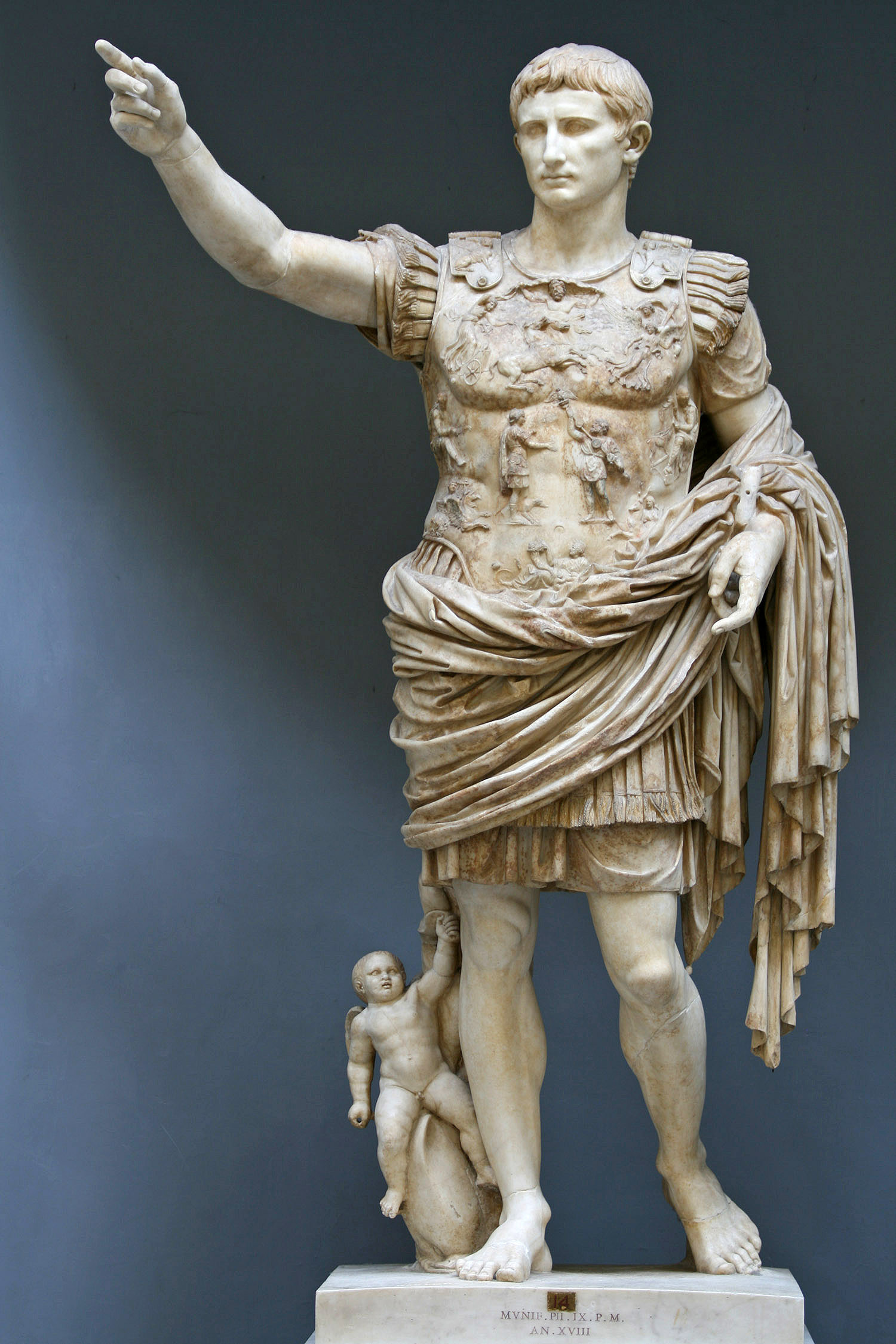
The Roman emperors were the rulers of the Roman Empire from the granting of the name and title Augustus to Octavian by the Roman Senate in 27 BC onward. Augustus maintained a facade of Republican rule, rejecting monarchical titles but calling himself princeps senatus (first man of the Senate) and princeps civitatis (first citizen of the state). The title of Augustus was conferred on his successors to the imperial position, and emperors gradually grew more monarchical and authoritarian.
The style of government instituted by Augustus is called the Principate and continued until the late third or early fourth century. The modern word "emperor" derives from the title imperator, that was granted by an army to a successful general; during the initial phase of the empire, the title was generally used only by the princeps. For example, Augustus's official name was Imperator Caesar Divi Filius Augustus. The territory under command of the emperor had developed under the period of the Roman Republic as it invaded and occupied much of Europe and portions of North Africa and the Middle East. Under the republic, the Senate and People of Rome authorized provincial governors, who answered only to them, to rule regions of the empire. The chief magistrates of the republic were two consuls elected each year; consuls continued to be elected in the imperial period, but their authority was subservient to that of the emperor, who also controlled and determined their election. Often, the emperors themselves, or close family, were selected as consul.
After the Crisis of the Third Century, Diocletian increased the authority of the emperor and adopted the title dominus noster (our lord). The rise of powerful barbarian tribes along the borders of the empire, the challenge they posed to the defense of far-flung borders as well as an unstable imperial succession led Diocletian to divide the administration of the Empire geographically with a co-augustus in 286. In 330, Constantine the Great, the emperor who accepted Christianity, established a second capital in Byzantium, which was renamed Constantinople. Historians consider the Dominate period of the empire to have begun with either Diocletian or Constantine, depending on the author. For most of the period from 286 to 480, there was more than one recognized senior emperor, with the division usually based on geographic regions. This division became permanent after the death of Theodosius I in 395, which historians have traditionally dated as the division between the Western Roman Empire and the Eastern Roman Empire. However, formally the Empire remained a single polity, with separate co-emperors in the separate courts.
The fall of the Western Roman Empire is dated either from the de facto date of 476, when Romulus Augustulus was deposed by the Germanic Herulians led by Odoacer, or the de jure date of 480, on the death of Julius Nepos, when Eastern emperor Zeno ended recognition of a separate Western court. Historians typically refer to the empire in the centuries that followed as the "Byzantine Empire", governed by the Byzantine emperors. Given that "Byzantine" is a later historiographical designation and the inhabitants and emperors of the empire continually maintained Roman identity, this designation is not used universally and continues to be a subject of specialist debate. Under Justinian I, in the sixth century, a large portion of the western empire was retaken, including Italy, Africa, and part of Spain. Over the course of the centuries thereafter, most of the imperial territories were lost, which eventually restricted the empire to Anatolia and the Balkans. The line of emperors continued until the death of Constantine XI Palaiologos at the fall of Constantinople in 1453, when the remaining territories were conquered by the Ottoman Turks led by Sultan Mehmed II. In the aftermath of the conquest, Mehmed II proclaimed himself kayser-i Rûm ("Caesar of the Romans"), thus claiming to be the new emperor, a claim maintained by succeeding sultans. Competing claims of succession to the Roman Empire have also been forwarded by various other states and empires, and by numerous later pretenders.
Legitimacy

While the imperial government of the Roman Empire was rarely called into question during its five centuries in the west and fifteen centuries in the east, individual emperors often faced unending challenges in the form of usurpation and perpetual civil wars. From the rise of Augustus, the first Roman emperor, in 27 BC to the sack of Rome in AD 455, there were over a hundred usurpations or attempted usurpations (an average of one usurpation or attempt about every four years). From the murder of Commodus in 192 until the fifth century, there was scarcely a single decade without succession conflicts and civil war. Very few emperors died of natural causes, with regicide in practical terms having become the expected end of a Roman emperor by late antiquity. The distinction between a usurper and a legitimate emperor is a blurry one, given that a large number of emperors that were commonly considered legitimate began their rule as usurpers, revolting against the previous legitimate emperor.
True legitimizing structures and theories were weak, or wholly absent in the Roman Empire, and there were no true objective legal criteria for being acclaimed emperor beyond acceptance by the Roman army. Dynastic succession was not legally formalized, but also not uncommon, with powerful rulers sometimes succeeding in passing power on to their children or other relatives. While dynastic ties could bring someone to the throne, they were not a guarantee that their rule would not be challenged. With the exception of Titus (79–81; son of Vespasian), no son of an emperor who ruled after the death of his father died a natural death until Constantine I in 337. Control of Rome itself and approval of the Roman Senate held some importance as legitimising factors, but were mostly symbolic. Emperors who began their careers as usurpers had often been deemed public enemies by the senate before they managed to take the city. Emperors did not need to be acclaimed or crowned in Rome itself, as demonstrated in the Year of the Four Emperors (69), when claimants were crowned by armies in the Roman provinces, and the senate's role in legitimising emperors had almost faded into insignificance by the Crisis of the Third Century (235–285). By the end of the third century, Rome's importance was mainly ideological, with several emperors and usurpers even beginning to place their court in other cities in the empire, closer to the imperial frontier.
Common methods used by emperors to assert claims of legitimacy, such as proclamation by the army, blood connections (sometimes fictitious) to past emperors, wearing imperial regalia, distributing one's own coins or statues and claims to pre-eminent virtue through propaganda, were pursued just as well by many usurpers as they were by legitimate emperors. There were no constitutional or legal distinctions that differentiated legitimate emperors and usurpers. In ancient Roman texts, the differences between emperors and "tyrants" (the term typically used for usurpers) is often a moral one (with the tyrants ascribed wicked behaviour) rather than a legal one. Typically, the actual distinction was whether the claimant had been victorious or not. In the Historia Augusta, an ancient Roman collection of imperial biographies, the usurper Pescennius Niger (193–194) is expressly noted to only be a tyrant because he was defeated by Septimius Severus (193–211). This is also followed in modern historiography, where, in the absence of constitutional criteria separating them, the main factor that distinguishes usurpers from legitimate Roman emperors is their degree of success. What makes a figure who began as a usurper into a legitimate emperor is typically either that they managed to gain the recognition from a more senior, legitimate emperor, or that they managed to defeat a more senior, legitimate emperor and seize power from them by force.
List inclusion criteria
Given that a concept of constitutional legitimacy was irrelevant in the Roman Empire, and emperors were only 'legitimate' in so far as they were able to be accepted in the wider empire, this list of emperors operates on a collection of inclusion criteria:
- Imperial claimants whose power across the empire became, or from the beginning was, absolute and who ruled undisputed are treated as legitimate emperors. From 286 onward, when imperial power was usually divided among two colleagues in the east and west, control over the respective half is sufficient even if a claimant was not recognized in the other half, such as was the case for several of the last few emperors in the west.
- Imperial claimants who were proclaimed emperors by another, legitimate, senior emperor, or who were recognized by a legitimate senior emperor, are treated as legitimate emperors. Many emperors ruled alongside one or various joint-emperors. However, and specially from the 4th century onwards, most of these were children who never ruled in their own right. Scholars of the later Empire always omit these rulers, but the same is not always applied during the early Empire. For the purposes of consistency, later senior emperors' tenures as junior co-emperors are not counted as part of their reign. The list also gives all co-emperors their own entry only up to the 4th century.
- Imperial claimants who achieved the recognition of the Roman Senate, especially in times of uncertainty and civil war, are, due to the senate's nominal role as an elective body, treated as legitimate emperors. In later times, especially when emperors ruled from other cities, this criterion defaults to the possession and control of Rome itself. In the later eastern empire, possession of the capital of Constantinople was an essential element of imperial legitimacy. In the case of non-dynastic emperors after or in the middle of the rule of a dynasty, it is customary among historians to group them together with the rulers of said dynasty, an approach that is followed in this list. Dynastic breaks with non-dynastic rulers are indicated with thickened horizontal lines.
Principate (27 BC – AD 284)
Main article: Principate
Julio-Claudian dynasty (27 BC – AD 68)
Main article: Julio-Claudian dynasty
| Portrait | Name | Reign | Succession | Life details | Augustus | |
|---|---|---|---|---|---|---|
| Caesar Augustus | Tiberius | |||||
| Tiberius Caesar Augustus | Caligula | |||||
| Gaius Caesar Augustus Germanicus | Claudius | |||||
| Tiberius Claudius Caesar Augustus Germanicus | Nero | |||||
| Nero Claudius Caesar Augustus Germanicus | ||||||
| [[File:04.2022 Augustus Bevilacqua cropped.jpg | frameless | 100px | alt=bust]] | 16 January 27 BC – 19 August AD 14 | ||
| () | Grandnephew and adopted son of Julius Caesar. Gradually acquired further power through grants from, and constitutional settlements with, the Roman Senate. Continuously head of state since 19 August 43 BC, unopposed after the Battle of Actium in 31 BC. | 23 September 63 BC – 19 August 14 | ||||
| (aged 75)Born as Gaius Octavius. Died probably of natural causes, allegedly poisoned with figs by Livia. | ||||||
| [[File:MSR-Ra342b-DM (1) (cropped2).jpg | frameless | 100px | alt=bust]] | 17 September 14 – 16 March 37 | ||
| () | Stepson, former son-in-law and adopted son of Augustus | 16 November 42 BC – 16 March 37 | ||||
| (aged 77)Died probably of natural causes, allegedly murdered at the instigation of Caligula | ||||||
| [[File:Caligula MET DP337264 (cropped).jpg | frameless | 100px | alt=bust]] | 18 March 37 – 24 January 41 | ||
| () | Grandnephew and adopted heir of Tiberius, great-grandson of Augustus | 31 August 12 – 24 January 41 | ||||
| (aged 28)Murdered in a conspiracy involving the Praetorian Guard and senators | ||||||
| [[File:Claudius_crop_(cropped).jpg | 100px | alt=bust]] | 24 January 41 – 13 October 54 | |||
| () | Uncle of Caligula, nephew of Tiberius, grandnephew of Augustus, proclaimed emperor by the Praetorian Guard and accepted by the Senate | 1 August 10 BC – 13 October 54 | ||||
| (aged 63)Began the Roman conquest of Britain. Probably poisoned by his wife Agrippina, in favor of her son Nero | ||||||
| [[File:Nero Glyptothek Munich 321 (cropped).jpg | frameless | 100px | alt=bust]] | 13 October 54 – 9 June 68 | ||
| () | Grandnephew, stepson, son-in-law and adopted son of Claudius, great-great-grandson of Augustus | 15 December 37 – 9 June 68 | ||||
| (aged 30)Committed suicide after being deserted by the Praetorian Guard and sentenced to death by the Senate |
Year of the Four Emperors (68–69)
Main article: Year of the Four Emperors
| Portrait | Name | Reign | Succession | Life details | Galba |
|---|---|---|---|---|---|
| Servius Galba Caesar Augustus | Otho | ||||
| Marcus Otho Caesar Augustus | Vitellius | ||||
| Aulus Vitellius Germanicus Augustus | |||||
| [[File:Galba, aureus (obverse).jpg | 100px | alt=coin]] | 8 June 68 – 15 January 69 | ||
| () | Governor of Hispania Tarraconensis, revolted against Nero and seized power after his suicide, with support of the Senate and Praetorian Guard | 24 December 3 BC – 15 January 69 | |||
| (aged )Murdered by soldiers of the Praetorian Guard in a coup led by Otho | |||||
| [[File:Gold Aureus of Otho.jpg | 100px | alt=coin]] | 15 January – 16 April 69 | ||
| () | Seized power through a coup against Galba | 28 April 32 – 16 April 69 | |||
| (aged 36)Committed suicide after losing the Battle of Bedriacum to Vitellius | |||||
| [[File:Gold Aureus of Vitellius (MANTIS).jpg | 100px | alt=coin]] | 19 April – 20 December 69 | ||
| () | Governor of Germania Inferior, proclaimed emperor by the Rhine legions on 2 January in opposition to Galba and Otho, later recognized by the Senate | 24 September 15 – 20 December 69 | |||
| (aged 54)Murdered by Vespasian's troops |
Flavian dynasty (69–96)
Main article: Flavian dynasty
| Portrait | Name | Reign | Succession | Life details | Vespasian |
|---|---|---|---|---|---|
| Caesar Vespasianus Augustus | Titus | ||||
| Titus Caesar Vespasianus Augustus | Domitian | ||||
| Caesar Domitianus Augustus | |||||
| [[File:Naples Archaeology Museum (3x4 cropped).jpg | frameless | 100px | alt=bust]] | 1 July 69 – 23 June 79 | |
| () | Proclaimed by the eastern legions in opposition to Vitellius, later recognized by the Senate | 17 November 9 – 23 June 79 | |||
| (aged 69)Began construction of the Colosseum. | |||||
| Died of dysentery | |||||
| [[File:Titus Ny Carlsberg Glyptotek IN3159 (cropped).jpg | frameless | 100px | alt=bust]] | 24 June 79 – 13 September 81 | |
| () | Son of Vespasian | 30 December 39 – 13 September 81 | |||
| (aged 41)Died of natural causes | |||||
| [[File:Domiziano_da_collezione_albani,_fine_del_I_sec._dc._02_cropped_(cropped).jpg | frameless | 100px | alt=statue]] | 14 September 81 – 18 September 96 | |
| () | Brother of Titus and son of Vespasian | 24 October 51 – 18 September 96 | |||
| (aged 44)Assassinated in a conspiracy of court officials, possibly involving Nerva |
Nerva–Antonine dynasty (96–192)
Main article: Nerva–Antonine dynasty
| Portrait | Name | Reign | Succession | Life details | Nerva | |||
|---|---|---|---|---|---|---|---|---|
| Nerva Caesar Augustus | Trajan | |||||||
| Caesar Nerva Traianus Augustus | Hadrian | |||||||
| Caesar Traianus Hadrianus Augustus | Antoninus Pius | |||||||
| Marcus Aurelius | ||||||||
| Marcus Aurelius Antoninus | Lucius Verus | |||||||
| Lucius Aurelius Verus | Commodus | |||||||
| Marcus Aurelius Commodus Antoninus / Lucius Aelius Aurelius Commodus | ||||||||
| [[File:Nerva.JPG | frameless | 100px | alt=bust]] | 18 September 96 – 27 January 98 | ||||
| () | Proclaimed emperor by the Senate after the murder of Domitian | 8 November 30 – 27/28 January 98 | ||||||
| (aged 67)First of the "Five Good Emperors". Died of natural causes | ||||||||
| [[File:Traianus Glyptothek Munich 72 (cropped).jpg | frameless | 100px | alt=bust]] | 28 January 98 – 9 August (?) 117 | ||||
| (19 years, 6 months and 11 days) | Adopted son of Nerva | 18 September 53 – 9 August (?) 117 | ||||||
| (aged 63)First non-Italian emperor. His reign marked the geographical peak of the empire. Died of natural causes | ||||||||
| [[File:Публий Элий Адрианның бьюсты.jpg | frameless | 100px | alt=statue]] | 11 August 117 – 10 July 138 | ||||
| () | Cousin of Trajan, allegedly adopted on his deathbed | 24 January 76 – 10 July 138 | ||||||
| (aged 62)Ended Roman expansionism. Destroyed Judea after a massive revolt. Died of natural causes | ||||||||
| [[File:Marble portrait of the emperor Antoninus Pius (cropped).jpg | frameless | 100px | alt=bust]] | 10 July 138 – 7 March 161 | ||||
| () | Adopted son of Hadrian | 19 September 86 – 7 March 161 | ||||||
| (aged 74)Died of natural causes | ||||||||
| [[File:Metropolitan Marcus Aurelius Roman 2C AD 2.JPG | frameless | 100px | alt=bust]] | 7 March 161 – 17 March 180 | ||||
| () | Son-in-law and adopted son of Antoninus Pius. Until 169 reigned jointly with his adoptive brother, Lucius Verus, the first time multiple emperors shared power. Since 177 reigned jointly with his son Commodus | 26 April 121 – 17 March 180 | ||||||
| (aged 58)Last of the "Five Good Emperors"; also one of the most representative Stoic philosophers. Died of natural causes | ||||||||
| [[File:Lucius Verus bust (crop).png | frameless | 100px | alt=bust]] | 7 March 161 – January/February 169 | ||||
| (7 years and 11 months) | Adopted son of Antoninus Pius, named joint emperor by his adoptive brother Marcus Aurelius | 15 December 130 – early 169 | ||||||
| (aged 38)Died of natural causes | ||||||||
| [[File:Commodus Musei Capitolini MC1120 (cropped enhanced).jpg | frameless | 100px | alt=bust]] | 17 March 180 – 31 December 192 | ||||
| () | Son of Marcus Aurelius. Proclaimed co-emperor in 177, at age 16, becoming the first emperor to be elevated during predecessor's lifetime | 31 August 161 – 31 December 192 | ||||||
| (aged 31)Strangled to death in a conspiracy involving his praetorian prefect, Laetus, and mistress, Marcia |
Year of the Five Emperors (193)
Main article: Year of the Five Emperors
:Note: The other claimants during the Year of the Five Emperors were Pescennius Niger and Clodius Albinus, generally regarded as usurpers.
| Portrait | Name | Reign | Succession | Life details | Pertinax |
|---|---|---|---|---|---|
| Publius Helvius Pertinax | Didius Julianus | ||||
| Marcus Didius Severus Julianus | |||||
| [[File:Galleria degli Uffizi, Florence (cropped).jpg | frameless | 100px | alt=bust]] | 1 January – 28 March 193 | |
| () | City prefect of Rome at Commodus's death, set up as emperor by the praetorian prefect, Laetus, with consent of the Senate | 1 August 126 – 28 March 193 | |||
| (aged 66)Murdered by mutinous soldiers of the Praetorian Guard | |||||
| [[File:Lyon_5e_-_Musée_Lugdunum_-_EnQuête_de_pouvoir_-_Buste_de_Didius_Iulianus_01_(cropped).jpeg | frameless | 100px | alt=bust]] | 28 March – 1 June 193 | |
| () | Won auction held by the Praetorian Guard for the position of emperor | 30 January 133 – 1/2 June 193 | |||
| (aged 60)Killed on order of the Senate, at the behest of Septimius Severus |
Severan dynasty (193–235)
Main article: Severan dynasty
| Portrait | Name | Reign | Succession | Life details | Septimius Severus | |||||
|---|---|---|---|---|---|---|---|---|---|---|
| Lucius Septimius Severus Pertinax | Geta | |||||||||
| Publius Septimius Geta | Caracalla | |||||||||
| Marcus Aurelius Antoninus | Macrinus | |||||||||
| Marcus Opellius Severus Macrinus | Diadumenian (§) | |||||||||
| Marcus Opellius Antoninus Diadumenianus | Elagabalus | |||||||||
| Marcus Aurelius Antoninus | Severus Alexander | |||||||||
| Marcus Aurelius Severus Alexander | ||||||||||
| [[File:Septimius Severus Glyptothek Munich 357 (cropped).jpg | frameless | 100px | alt=bust]] | 9 April 193 – 4 February 211 | ||||||
| () | Governor of Upper Pannonia, acclaimed emperor by the Pannonian legions following the murder of Pertinax | 11 April 145 – 4 February 211 | ||||||||
| (aged 65)First non-European emperor. Died of natural causes | ||||||||||
| [[File:Geta (cropped).jpg | frameless | 100px | alt=bust]] | 4 February 211 – 26 December 211 | ||||||
| (10 months and 22 days) | Son of Septimius Severus, proclaimed co-emperor in October 209, succeeded jointly with his older brother, Caracalla | 7 March 189 – 26 December 211 | ||||||||
| (aged 22)Murdered on order of his brother, Caracalla | ||||||||||
| [[File:Caracalla Musei Capitolini MC2310.jpg | frameless | 100px | alt=bust]] | 4 February 211 – 8 April 217 | ||||||
| () | Son of Septimius Severus, proclaimed co-emperor on 28 January 198, at age 10. Succeeded jointly with his brother, Geta, in 211 | 4 April 188 – 8 April 217 | ||||||||
| (aged 29)First child emperor. Granted Roman citizenship to all free inhabitants of the empire. Murdered by a soldier at the instigation of Macrinus | ||||||||||
| [[File:Bust of Macrinus - Palazzo Nuovo - Musei Capitolini - Rome 2016.jpg | frameless | 100px | alt=bust]] | 11 April 217 – 8 June 218 | ||||||
| () | Praetorian prefect of Caracalla, accepted as emperor by the army and Senate after having arranged his predecessor's death in fear of his own life | c. 165 – June 218 | ||||||||
| (aged approx. 53)First non-senator to become emperor, and first emperor not to visit Rome after acceding. Executed during a revolt of the troops in favor of Elagabalus. | ||||||||||
| [[File:Diadumenian, denarius, 218, RIC 4b 118 (obverse).png | frameless | 100px | alt=coin]] | Late May – June 218 | ||||||
| (less than a month) | Son of Macrinus, named co-emperor by his father after the eruption of a rebellion in favor of Elagabalus | 14 September 208 – June 218 | ||||||||
| (aged 9)Caught in flight and executed in favor of Elagabalus | ||||||||||
| [[File:Bust of Elagabalus - Palazzo Nuovo - Musei Capitolini - Rome 2016 (2) (cropped).jpg | frameless | 100px | alt=bust]] | 16 May 218 – 13 March 222 | ||||||
| () | Cousin and alleged illegitimate son of Caracalla, acclaimed as emperor by rebellious legions in opposition to Macrinus at the instigation of his grandmother, Julia Maesa | 203/204 – 13 March 222 | ||||||||
| (aged 18)Murdered by the Praetorian Guard alongside his mother, probably at the instigation of Julia Maesa | ||||||||||
| [[File:Bust Alexander Severus Louvre Ma1051 n2 (cropped).jpg | 100px | alt=bust]] | 14 March 222 – March 235 | |||||||
| (13 years) | Cousin and adopted heir of Elagabalus | 1 October 208 – early March 235 | ||||||||
| (aged 26)Lynched by mutinous troops, alongside his mother |
Crisis of the Third Century (235–284)
Main article: Crisis of the Third Century, Year of the Six Emperors, Gordian dynasty
| Portrait | Name | Reign | Succession | Life details | Maximinus I "Thrax" | |||||||||||||||||||||||||
|---|---|---|---|---|---|---|---|---|---|---|---|---|---|---|---|---|---|---|---|---|---|---|---|---|---|---|---|---|---|---|
| Gaius Julius Verus Maximinus | Gordian I | |||||||||||||||||||||||||||||
| Marcus Antonius Gordianus Sempronianus Romanus | Gordian II | |||||||||||||||||||||||||||||
| Marcus Antonius Gordianus Sempronianus Romanus | Pupienus | |||||||||||||||||||||||||||||
| Marcus Clodius Pupienus Maximus | Balbinus | |||||||||||||||||||||||||||||
| Decimus Caelius Calvinus Balbinus | Gordian III | |||||||||||||||||||||||||||||
| Marcus Antonius Gordianus | Philip I "the Arab" | |||||||||||||||||||||||||||||
| Marcus Julius Philippus | Philip II "the Younger" (§) | |||||||||||||||||||||||||||||
| Marcus Julius Severus Philippus | Decius | |||||||||||||||||||||||||||||
| Gaius Messius Quintus Traianus Decius | Herennius Etruscus (§) | |||||||||||||||||||||||||||||
| Quintus Herennius Etruscus Messius Decius | Trebonianus Gallus | |||||||||||||||||||||||||||||
| Gaius Vibius Trebonianus Gallus | Hostilian (§) | |||||||||||||||||||||||||||||
| Gaius Valens Hostilianus Messius Quintus | Volusianus (§) | |||||||||||||||||||||||||||||
| Gaius Vibius Afinius Gallus Veldumnianus Volusianus | Aemilianus | |||||||||||||||||||||||||||||
| Marcus Aemilius Aemilianus | Silbannacus () | |||||||||||||||||||||||||||||
| Mar. Silbannacus | Valerian | |||||||||||||||||||||||||||||
| Publius Licinius Valerianus | Gallienus | |||||||||||||||||||||||||||||
| Publius Licinius Egnatius Gallienus | Saloninus (§) | |||||||||||||||||||||||||||||
| Publius Licinius Cornelius Saloninus Valerianus | Claudius II "Gothicus" | |||||||||||||||||||||||||||||
| Marcus Aurelius Claudius | Quintillus | |||||||||||||||||||||||||||||
| Marcus Aurelius Claudius Quintillus | Aurelian | |||||||||||||||||||||||||||||
| Lucius Domitius Aurelianus | Tacitus | |||||||||||||||||||||||||||||
| Marcus Claudius Tacitus | Florianus | |||||||||||||||||||||||||||||
| Marcus Annius Florianus | Probus | |||||||||||||||||||||||||||||
| Marcus Aurelius Probus | Carus | |||||||||||||||||||||||||||||
| Marcus Aurelius Carus | Carinus | |||||||||||||||||||||||||||||
| Marcus Aurelius Carinus | Numerian | |||||||||||||||||||||||||||||
| Marcus Aurelius Numerianus | ||||||||||||||||||||||||||||||
| [[File:Maximinus Thrax Musei Capitolini MC473 (cropped).jpg | 100px | alt=bust]] | March 235 – c. June 238 | |||||||||||||||||||||||||||
| (3 years and 3 months) | Proclaimed emperor by Germanic legions after the murder of Severus Alexander, recognized at Rome on 23 March 235 | c. 172–180 – c. June 238 | ||||||||||||||||||||||||||||
| (aged approx. 58–66)First commoner to become emperor. Murdered by his men during the siege of Aquileia against the Senatorial forces of Pupienus and Balbinus | ||||||||||||||||||||||||||||||
| [[File:Gordian1cng80000719 (obverse).jpg | 100px | alt=coin]] | c. April – May 238 | |||||||||||||||||||||||||||
| (22 days) | Proclaimed emperor alongside his son, Gordian II, while serving as governor of Africa, in a revolt against Maximinus, and recognized by the Senate | c. 158 (?) – c. May 238 | ||||||||||||||||||||||||||||
| (aged approx. 80)Oldest emperor at the time of his elevation. Committed suicide upon hearing of the death of his son | ||||||||||||||||||||||||||||||
| [[File:Gordiano II - ritratto da sesterzio.jpg | 100px | alt=coin]] | c. April – c. May 238 | |||||||||||||||||||||||||||
| (22 days) | Proclaimed emperor alongside his father Gordian I, during revolt in Africa against Maximinus | c. 192 – c. May 238 | ||||||||||||||||||||||||||||
| (aged approx. 46)The shortest-reigning emperor. Killed outside Carthage in battle against an army loyal to Maximinus I | ||||||||||||||||||||||||||||||
| [[File:Pupienus Musei Capitolini MC477 (cropped).jpg | 100px | alt=bust]] | c. May – c. August 238 | |||||||||||||||||||||||||||
| (99 days) | Proclaimed emperor jointly with Balbinus by the Senate after death of Gordian I and II, in opposition to Maximinus | c. 164 – c. August 238 | ||||||||||||||||||||||||||||
| (aged approx. 74)Tortured and murdered by the Praetorian Guard | ||||||||||||||||||||||||||||||
| [[File:Ritratto di balbino, 238 (cropped enhanced).jpg | 100px | alt=bust]] | c. May – c. August 238 | |||||||||||||||||||||||||||
| (99 days) | Proclaimed emperor jointly with Pupienus by the Senate after death of Gordian I and II, in opposition to Maximinus | c. 178 – c. August 238 | ||||||||||||||||||||||||||||
| (aged approx. 60)Tortured and murdered by the Praetorian Guard | ||||||||||||||||||||||||||||||
| [[File:Bust Gordianus III Louvre Ma1063 (cropped).jpg | 100px | alt=bust]] | c. August 238 – c. February 244 | |||||||||||||||||||||||||||
| (c. 5 years and 6 months) | Grandson of Gordian I, appointed as heir by Pupienus and Balbinus, upon whose deaths he succeeded as emperor | 20 January 225 – c. February 244 | ||||||||||||||||||||||||||||
| (aged 19)Died during campaign against Persia, possibly in a murder plot instigated by Philip I | ||||||||||||||||||||||||||||||
| [[File:Portrait of Philip the Arab. Saint-Petersburg (head).jpg | 100px | alt=bust]] | c. February 244 – September/October 249 | |||||||||||||||||||||||||||
| (c. 5 years and 7/8 months) | Praetorian prefect under Gordian III, seized power after his death | c. 204 – September/October 249 | ||||||||||||||||||||||||||||
| (aged approx. 45)Killed at the Battle of Verona, against Decius | ||||||||||||||||||||||||||||||
| [[File:MSR-ra-73-h-1-DM (cropped).jpg | 100px | alt=bust]] | July/August 247 – September/October 249 | |||||||||||||||||||||||||||
| (c. 2 years and 2 months) | Son of Philip I, appointed co-emperor | c. 237 – September/October 249 | ||||||||||||||||||||||||||||
| (aged approx. 12)Murdered by the Praetorian Guard | ||||||||||||||||||||||||||||||
| [[File:Emperor Traianus Decius (Mary Harrsch) enhanced (cropped).jpg | 100px | alt=bust]] | September/October 249 – June 251 | |||||||||||||||||||||||||||
| (c. 1 year and 8/9 months) | Proclaimed emperor by the troops in Moesia, then defeated and killed Philip I in battle | c. 190/200 – June 251 | ||||||||||||||||||||||||||||
| (aged approx. 50/60)Killed at the Battle of Abrittus, against the Goths | ||||||||||||||||||||||||||||||
| [[File:Coin of Herennius Etruscus as augustus (obverse).jpg | 100px | alt=coin]] | May/June – June 251 | |||||||||||||||||||||||||||
| (less than a month) | Son of Decius, appointed co-emperor | Unknown – June 251Killed at the Battle of Abrittus alongside his father | ||||||||||||||||||||||||||||
| [[File:Bronze statue of the emperor Trebonianus Gallus (detail) (cropped).jpg | 100px | alt=statue]] | June 251 – August 253 | |||||||||||||||||||||||||||
| (c. 2 years and 2 months) | Senator and general, proclaimed emperor after the deaths of Decius and Herennius Etruscus | c. 206 – c. August 253 | ||||||||||||||||||||||||||||
| (aged 47)Murdered by his own troops in favor of Aemilian | ||||||||||||||||||||||||||||||
| [[File:Sestertius Hostilian-s2771 (obverse).jpg | 100px | alt=coin]] | c. June – c. July 251 | |||||||||||||||||||||||||||
| (c. 1 month) | Younger son of Decius, named caesar by his father and proclaimed co-emperor by Trebonianus Gallus | Unknown – c. July 251Died of plague or murdered by Trebonianus Gallus | ||||||||||||||||||||||||||||
| [[File:Aureus Volusianus (obverse).jpg | 100px | alt=coin]] | c. August 251 – c. August 253 | |||||||||||||||||||||||||||
| (2 years) | Son of Gallus, appointed co-emperor | c. 230 – c. August 253 | ||||||||||||||||||||||||||||
| (aged approx. 23)Murdered by the soldiers, alongside his father | ||||||||||||||||||||||||||||||
| [[File:Aemilianus RIC IV 20 (obverse).jpg | 100px | alt=coin]] | c. July – c. September 253 | |||||||||||||||||||||||||||
| (2 months?) | Commander in Moesia, proclaimed emperor by his soldiers after defeating barbarians, in opposition to Gallus | c. 207 – c. September 253 | ||||||||||||||||||||||||||||
| (aged approx. 46)Murdered by his own troops in favor of Valerian | ||||||||||||||||||||||||||||||
| [[File:Silbannacus coin (transparent background).png | 100px | alt=coin]] | c. September/October 253 (?) | |||||||||||||||||||||||||||
| (very briefly?) | Obscure figure known only from coinage, may have briefly ruled in Rome between Aemilianus and Valerian | Nothing known | ||||||||||||||||||||||||||||
| [[File:Valerianus Ny Carlsberg Glyptotek IN3387.jpg | 100px | alt=bust]] | c. September 253 – c. June 260 | |||||||||||||||||||||||||||
| (c. 6 years and 9 months) | Army commander in Raetia and Noricum, proclaimed emperor by the legions in opposition to Aemilian | c. 200 – after 262 (?)Captured at Edessa by the Persian king Shapur I, died in captivity possibly forced to swallow molten gold | ||||||||||||||||||||||||||||
| [[File:Ritratto di gallieno dalla casa delle vestali.jpg | 100px | alt=bust]] | c. September 253 – c. September 268 | |||||||||||||||||||||||||||
| (15 years) | Son of Valerian, appointed joint emperor. Sole emperor after Valerian's capture in 260 | 218 – c. September 268 | ||||||||||||||||||||||||||||
| (aged 50)Faced multiple revolts and barbarian invasions. Murdered in a conspiracy of army officers, involving Claudius II and Aurelian | ||||||||||||||||||||||||||||||
| [[File:Saloninus coin (transparent background).png | 100px | alt=coin]] | Autumn 260 | |||||||||||||||||||||||||||
| (c. 1 month) | Son of Gallienus, proclaimed caesar by his father and proclaimed emperor by the praetorian prefect Silvanus while besieged by Postumus | Unknown – Late 260Murdered by troops loyal to Postumus | ||||||||||||||||||||||||||||
| [[File:Claudius Gothicus, Worcester Art Museum (cropped).jpg | 100px | alt=bust]] | c. September 268 – c. August 270 | |||||||||||||||||||||||||||
| (c. 1 year and 11 months) | Army commander in Illyria, proclaimed emperor after Gallienus's death | 10 May 214 – August/September (?) 270 | ||||||||||||||||||||||||||||
| (aged approx. 55)Died of plague | ||||||||||||||||||||||||||||||
| [[File:Aureus Quintillus (obverse).jpg | 100px | alt=coin]] | c. August – c. September 270 | |||||||||||||||||||||||||||
| ( 27 days) | Brother of Claudius II, proclaimed emperor after his death | Unknown – 270Committed suicide or killed at the behest of Aurelian | ||||||||||||||||||||||||||||
| [[File:5305 - Brescia - S. Giulia - Ritratto di Claudio II il Gotico - Foto Giovanni Dall'Orto, 25 Giu 2011 (cropped).jpg | 100px | alt=bust]] | c. August 270 – c. November 275 | |||||||||||||||||||||||||||
| (c. 5 years and 3 months) | Commander of the Roman cavalry, proclaimed emperor by Danube legions after Claudius II's death, in opposition to Quintillus | 9 September 214 – Sept./Dec. 275 | ||||||||||||||||||||||||||||
| (aged 61)Reunified the Roman Empire. Murdered by the Praetorian Guard | ||||||||||||||||||||||||||||||
| [[File:P1150181 Louvre empereur Tacite Ma1018 rwk enhanced (cropped).jpg | 100px | alt=bust]] | c. December 275 – c. June 276 | |||||||||||||||||||||||||||
| (c. 7 months) | Alleged princeps senatus, proclaimed emperor by the Senate or, more likely, by his soldiers in Campania after Aurelian's death | c. 200 (?) – c. June 276 | ||||||||||||||||||||||||||||
| (aged approx. 76)Died of illness or possibly murdered | ||||||||||||||||||||||||||||||
| [[File:Aureus Florianus Ticinum (obverse).jpg | 100px | alt=coin]] | c. June – September 276 | |||||||||||||||||||||||||||
| (88 days) | Maternal half-brother of Tacitus, proclaimed himself emperor after the death of Tacitus | Unknown – September/October 276Murdered by his own troops in favor of Probus | ||||||||||||||||||||||||||||
| [[File:Probus Musei Capitolini MC493 (cropped enhanced).jpg | 100px | alt=bust]] | c. June 276 – c. September 282 | |||||||||||||||||||||||||||
| (c. 6 years and 3 months) | General; proclaimed emperor by the eastern legions, in opposition to Florianus | 19 August 232 – c. September 282 | ||||||||||||||||||||||||||||
| (aged 50)Murdered by his own troops in favor of Carus | ||||||||||||||||||||||||||||||
| [[File:Carusinc2955obverse.png | 100px | alt=coin]] | c. September 282 – c. July/August 283 | |||||||||||||||||||||||||||
| (c. 10 months) | Praetorian prefect under Probus, seized power before or after Probus's murder | c. 224 (?) – c. July/August 283 | ||||||||||||||||||||||||||||
| (aged approx. 60)Died in Persia, either of illness, assassination, or by being hit by lightning | ||||||||||||||||||||||||||||||
| [[File:Montemartini - Carino cropped (cropped).JPG | 100px | alt=bust]] | Spring 283 – August/September 285 | |||||||||||||||||||||||||||
| (2 years) | Son of Carus, appointed joint emperor shortly before his death. Succeeded jointly with Numerian | c. 250 – August/September 285 | ||||||||||||||||||||||||||||
| (aged approx. 35)Probably died in battle against Diocletian, likely betrayed by his own soldiers | ||||||||||||||||||||||||||||||
| [[File:Aureus of Numerian (obverse).jpg | 100px | alt=coin]] | c. July/August 283 – November 284 | |||||||||||||||||||||||||||
| (1 year and 3/4 months) | Son of Carus, succeeded jointly with Carinus | c. 253 – November 284 | ||||||||||||||||||||||||||||
| (aged approx. 31)Died while marching to Europe, probably of disease, possibly assassinated |
Dominate (284–476)
Main article: Dominate
Tetrarchy (293–324)
Main article: Tetrarchy
| Portrait | Name | Reign | Succession | Life details | Diocletian "Jovius" | ||||||||
|---|---|---|---|---|---|---|---|---|---|---|---|---|---|
| Gaius Aurelius Valerius Diocletianus | Maximian "Herculius" | ||||||||||||
| Marcus Aurelius Valerius Maximianus | Galerius | ||||||||||||
| Gaius Galerius Valerius Maximianus | Constantius I "Chlorus" | ||||||||||||
| Marcus Flavius Valerius Constantius | Severus IIFlavius Valerius Severus | Maxentius | |||||||||||
| Marcus Aurelius Valerius Maxentius | Licinius | ||||||||||||
| Valerius Licinianus Licinius | Maximinus II "Daza" | ||||||||||||
| Galerius Valerius Maximinus | Valerius Valens | ||||||||||||
| Aurelius Valerius Valens | Martinian | ||||||||||||
| Mar. Martinianus | |||||||||||||
| [[File:Head of Diocletian, Getty Museum (cropped).jpg | frameless | 100px | alt=bust]] | 20 November 284 – 1 May 305 | |||||||||
| () | |||||||||||||
| Whole; then East | Commander of the imperial bodyguard, acclaimed by the army after death of Numerian, and proceeded to defeat Numerian's brother, Carinus, in battle | 22 December 243 – 3 December 311 | |||||||||||
| (aged approx. 68)Began the last great persecution of Christianity. First emperor to voluntarily abdicate. Died in unclear circumstances, possibly suicide | |||||||||||||
| [[File:Musée Saint-Raymond - 2017-09-02 - Inv. Ra 34b - 4654 (cropped).jpg | 100px | alt=bust]] | 1 April 286 – 1 May 305 | ||||||||||
| (; West) | |||||||||||||
| November 306 – 11 November 308 | |||||||||||||
| (2 years; Italy) | Elevated by Diocletian, ruled the western provinces | c. 250 – c. July 310 | |||||||||||
| (aged approx. 60)Abdicated with Diocletian, later trying to regain power with, and then from, Maxentius, before being probably killed on orders of Constantine I | |||||||||||||
| [[File:Portrait of Galerius, Thessaloniki (head).jpg | 100px]] | 1 May 305 – May 311 | |||||||||||
| (6 years; East) | Elevated to caesar in 293 by Diocletian, succeeded as eastern augustus upon Diocletian's abdication | c. 258 – May 311 | |||||||||||
| (aged approx. 53)Died of natural causes | |||||||||||||
| [[File:Constantius Chlorus Ny Carlsberg Glyptotek IN836 (cropped).jpg | 100px | alt=bust]] | 1 May 305 – 25 July 306 | ||||||||||
| (; West) | Maximian's relation by marriage, elevated to caesar in 293 by Diocletian, succeeded as western augustus upon Maximian's abdication | 31 March 250 – 25 July 306 | |||||||||||
| (aged approx. 56)Died of natural causes | |||||||||||||
| [[File:Severus II Aureus Joanneum.jpg | 100px | alt=coin]] | August 306 – March/April 307 | ||||||||||
| (c. 8 months; West) | Elevated to caesar in 305 by Maximian, promoted to western augustus by Galerius upon Constantius I's death | Unknown – September 307Surrendered to Maximian and Maxentius, later murdered or forced to commit suicide | |||||||||||
| [[File:Follis-Domitius Alexander-carthage RIC 68 (obverse).jpg | 100px | ]] | Alexander (#) Lucius Domitius Alexander | 308 – 310 | |||||||||
| (c. 2 years; Africa) | Usurped power against Maxentius in the Diocese of Africa and Sardinia. Only recognized by Constantine I | Unknown – c. 310Defeated and executed by Maxentius | |||||||||||
| [[File:Portrait of Maxentius (SK Dresden Hm 406) 01 (cropped).jpg | 100px | alt=bust]] | 28 October 306 – 28 October 312 | ||||||||||
| (6 years; Italy) | Son of Maximian and son-in-law of Galerius, seized power in Italy with support of the Praetorian Guard and his father after being passed over in the succession. Not recognized by the other emperors | c. 283 – 28 October 312 | |||||||||||
| (aged approx. 29)Died at the Battle of the Milvian Bridge, against Constantine I | |||||||||||||
| [[File:Bust of Licinius, Kunsthistorisches Museum (cropped).jpg | 100px | alt=bust]] | 11 November 308 – 19 September 324 | ||||||||||
| () | |||||||||||||
| West; then East | Elevated by Galerius to replace Severus, in opposition to Maxentius. Defeated Maximinus Daza in a civil war to become sole emperor of the East in 313 | c. 265 – early 325 | |||||||||||
| (aged approx. 60)Defeated, deposed and put to death by Constantine I | |||||||||||||
| [[File:Aureus of Maximinus II (obverse).jpg | 100px | alt=coin]] | 310 – c. July 313 | ||||||||||
| (3 years; East) | Nephew of Galerius, elevated to caesar by Galerius in 305, and acclaimed as augustus by his troops in 310 | 20 November c. 270 – c. July 313 | |||||||||||
| (aged approx. 42)Defeated in civil war against Licinius, died shortly afterwards | |||||||||||||
| [[File:Valerius Valens coin (transparent background).png | 100px | alt=coin]] | October 316 – c. January 317 | ||||||||||
| (c. 2–3 months; East*) | Frontier commander in Dacia, elevated by Licinius in opposition to Constantine I | Unknown – 317Executed in the lead-up to a peace settlement between Licinius and Constantine | |||||||||||
| [[File:Martinian coin (transparent background).png | 100px | alt=coin]] | July – 19 September 324 | ||||||||||
| (2 months; East*) | A senior bureaucrat, elevated by Licinius in opposition to Constantine I | Unknown – Spring 325Deposed by Constantine and banished to Cappadocia, later executed |
Constantinian dynasty (306–363)
Main article: Constantinian dynasty
| Portrait | Name | Reign | Succession | Life details | Constantine I"the Great" | |||||||||||
|---|---|---|---|---|---|---|---|---|---|---|---|---|---|---|---|---|
| Flavius Valerius Constantinus | Constantine II | |||||||||||||||
| Flavius Claudius Constantinus | Constans I | |||||||||||||||
| Flavius Julius Constans | Constantius II | |||||||||||||||
| Flavius Julius Constantius | Magnentius () | |||||||||||||||
| Magnus Magnentius | Nepotianus () | |||||||||||||||
| Julius Nepotianus | Julian "the Apostate" | |||||||||||||||
| Flavius Claudius Julianus | Jovian | |||||||||||||||
| Jovianus | ||||||||||||||||
| [[File:Constantine Chiaramonti Inv1749 (cropped).jpg | 100px | alt=bust]] | 25 July 306 – 22 May 337 | |||||||||||||
| () | ||||||||||||||||
| West; then whole | Son of Constantius I, acclaimed by his father's troops as augustus. Accepted as caesar by Galerius, promoted to augustus in 307 by Maximian, refused demotion to caesar in 309 | 27 February 272/273 – 22 May 337 | ||||||||||||||
| (aged 64/65)First Christian emperor and founder of Constantinople. Sole ruler of the Empire after defeating Maxentius in 312 and Licinius in 324. Died of natural causes | ||||||||||||||||
| [[File:Campidoglio, Roma - Costantino II cesare dettaglio (cropped).jpg | 100px | alt=statue]] | 9 September 337 – April 340 | |||||||||||||
| (2 years and 7 months; West) | Son of Constantine I | February 316 – April 340 | ||||||||||||||
| (aged 24)Ruled the praetorian prefecture of Gaul. Killed in an ambush during a war against his brother, Constans I | ||||||||||||||||
| [[File:Constant head.jpg | 100px | alt=bust]] | 9 September 337 – January 350 | |||||||||||||
| (12 years and 4 months; Middle then West) | Son of Constantine I | 322/323 – January/February 350 | ||||||||||||||
| (aged 27)Ruled Italy, Illyricum and Africa initially, then the western empire after Constantine II's death. Overthrown and killed by Magnentius | ||||||||||||||||
| [[File:Bust of Constantius II (Mary Harrsch) (cropped).jpg | 100px | alt=bust]] | 9 September 337 – 3 November 361 | |||||||||||||
| () | ||||||||||||||||
| East; then whole | Son of Constantine I | 7 August 317 – 3 November 361 | ||||||||||||||
| (aged 44)Ruled the east initially, then the whole empire after the death of Magnentius. Died of a fever shortly after planning to fight a war against Julian | ||||||||||||||||
| [[File:Medallion of Magnentius.png | 100px | alt=coin]] | 18 January 350 – 10 August 353 | |||||||||||||
| (; West) | Proclaimed emperor by the troops, in opposition to Constans I | c. 303 – 10 August 353 | ||||||||||||||
| (aged approx. 50)Committed suicide after losing the Battle of Mons Seleucus | ||||||||||||||||
| [[File:Vetranio coin (transparent background).png | 100px | alt=coin]] | Vetranio | 1 March – 25 December 350 | ||||||||||||
| (; West) | General of Constans in Illyricum, acclaimed by the Illyrian legions at the expense of Magnentius, briefly recognized by Constantius II | Unknown – c. 356Abdicated in Constantius II's favor, retired, and died 6 years later | ||||||||||||||
| [[File:Coin of Nepotian.png | 100px | alt=coin]] | 3 June – 30 June 350 | |||||||||||||
| (; West) | Son of Eutropia, a daughter of Constantius I. Proclaimed emperor in Rome in opposition to Magnentius | Unknown – 30 June 350Captured and executed by supporters of Magnentius | ||||||||||||||
| [[File:Juliancng8851obverse.jpg | 100px | alt=coin]] | 3 November 361 – 26 June 363 | |||||||||||||
| () | Cousin and heir of Constantius II, acclaimed by the Gallic army around February 360; entered Constantinople on 11 December 361 | 331 – 26 June 363 | ||||||||||||||
| (aged 32)Last non-Christian emperor. Mortally wounded during a campaign against Persia | ||||||||||||||||
| [[File:Solidus of Jovian2 (obverse).jpg | 100px | alt=coin]] | 27 June 363 – 17 February 364 | |||||||||||||
| () | Commander of imperial household guard; acclaimed by the army after Julian's death | 330/331 – 17 February 364 | ||||||||||||||
| (aged 33)Died before reaching the capital, possibly due to inhaling toxic fumes or indigestion. Last emperor to rule the whole Empire during their entire reign |
Valentinianic dynasty (364–392)
Main article: Valentinianic dynasty
| Portrait | Name | Reign | Succession | Life details | Valentinian I "the Great" | ||||||||||
|---|---|---|---|---|---|---|---|---|---|---|---|---|---|---|---|
| Valentinianus | Valens | Procopius () | Gratian | ||||||||||||
| Gratianus | Magnus Maximus | Valentinian II | |||||||||||||
| Valentinianus | Eugenius () | ||||||||||||||
| [[File:Restored head of Valentinian I (cropped).jpg | 100px | alt=coin]] | 25/26 February 364 – 17 November 375 | ||||||||||||
| () | |||||||||||||||
| Whole; then West | General; proclaimed emperor by the army after Jovian's death | 321 – 17 November 375 | |||||||||||||
| (aged 54)Last emperor to cross the Rhine into Germania. Died of a stroke while yelling at envoys | |||||||||||||||
| [[File:INC-1867-a Солид. Валент II. Ок. 375—378 гг. (аверс).png | 100px | alt=coin]] | 28 March 364 – 9 August 378 | ||||||||||||
| (; East) | Brother of Valentinian I, made eastern emperor by his brother (Valentinian retaining the west) | 328 – 9 August 378 | |||||||||||||
| (aged nearly 50)Killed at the Battle of Adrianople | |||||||||||||||
| [[File:INC-1866-a Солид. Прокопий. Ок. 365—366 гг. (аверс).png | 100px | alt=coin]] | 28 September 365 – 27 May 366 | ||||||||||||
| (; East) | Maternal cousin of Julian; revolted against Valens and captured Constantinople, where the people proclaimed him emperor | 326 – 27/28 May 366 | |||||||||||||
| (aged 40)Deposed, captured and executed by Valens | |||||||||||||||
| [[File:Gratian Trier enhanced.jpg | 100px | alt=coin]] | 17 November 375 – 25 August 383 | ||||||||||||
| (; West) | Son of Valentinian I; proclaimed western co-emperor on 24 August 367, at age 8. Emperor in his own right after Valentinian's death | 18 April 359 – 25 August 383 | |||||||||||||
| (aged 24)Killed by Andragathius, an officer of Magnus Maximus | |||||||||||||||
| [[File:Rare aureus of Magnus Maximus (obverse transparent).png | 100px | alt=coin]] | 25 August 383 – 28 August 388 | ||||||||||||
| (5 years and 3 days; West)with [File:Solidus Flavius Victor Trier (obverse).jpg | General, related to Theodosius I; proclaimed emperor by the troops in Britain. Briefly recognized by Theodosius I and Valentinian II | Unknown – 28 August 388Defeated by Theodosius I at the [Battle of Save, executed after surrendering | |||||||||||||
| [[File:Statue of emperor Valentinian II (cropped enhanced).JPG | 100px | alt=statue]] | 28 August 388 – 15 May 392 | ||||||||||||
| (; West) | Son of Valentinian I, proclaimed co-emperor on 22 November 375, at age 4. Sole western ruler after the defeat of Magnus Maximus in 388 | 371 – 15 May 392 | |||||||||||||
| (aged 20/21)Dominated by regents and co-emperors his entire reign. Probably suicide, possibly killed by Arbogast | |||||||||||||||
| [[File:Eugenius coin (transparent).png | 100px | alt=coin]] | 22 August 392 – 6 September 394 | ||||||||||||
| (; West) | Teacher of Latin grammar and rhetoric, secretary of Valentinian II. Proclaimed emperor by Arbogast | Unknown – 6 September 394Defeated by Theodosius I at the Battle of the Frigidus and executed |
Theodosian dynasty (379–457)
Main article: Theodosian dynasty
| Portrait | Name | Reign | Succession | Life details | Theodosius I"the Great" | Arcadius | Honorius | Constantine III | |||||||||||
|---|---|---|---|---|---|---|---|---|---|---|---|---|---|---|---|---|---|---|---|
| Flavius Claudius Constantinus | Theodosius II | ||||||||||||||||||
| "the Calligrapher" | Priscus Attalus () | Constantius III | Joannes () | Valentinian III | |||||||||||||||
| Placidus Valentinianus | Marcian | ||||||||||||||||||
| Marcianus | |||||||||||||||||||
| [[File:Bust of Theodosius I (cropped).jpg | 100px | alt=bust]] | 19 January 379 – 17 January 395 | ||||||||||||||||
| () | |||||||||||||||||||
| East; then whole | Retired general; proclaimed eastern emperor by Gratian after the death of Valens | 11 January 346/347 – 17 January 395 | |||||||||||||||||
| (aged 48/49)Last emperor to briefly rule over the two halves of the Empire after the Battle of the Frigidus. Died of natural causes | |||||||||||||||||||
| [[File:Arcadius Istanbul Museum (cropped).JPG | 100px | alt=bust]] | 17 January 395 – 1 May 408 | ||||||||||||||||
| (; East) | Son of Theodosius I; co-emperor since 16 January 383. Emperor in the east | 377 – 1 May 408 | |||||||||||||||||
| (aged 31)Died of natural causes | |||||||||||||||||||
| [[File:Diptych of Honorius (head).jpg | 100px | alt=carved portrait]] | 17 January 395 – 15 August 423 | ||||||||||||||||
| (; West) | Son of Theodosius I; co-emperor since 23 January 393. Emperor in the west | 9 September 384 – 15 August 423 | |||||||||||||||||
| (aged 38)Reigned under several successive regencies, most notably Stilicho. His reign saw the first sack of Rome in eight centuries. Died of edema | |||||||||||||||||||
| [[File:Solidus of Constantine III (west).png | 100px | alt=coin]] | 407 – 411 | ||||||||||||||||
| (4 years; West)with [File:Siliqua Constans II Arelate (obverse).jpg | Common soldier, proclaimed emperor by the troops in Britain. Recognized by Honorius in 409. Emperor in the west | Unknown – 411 (before 18 September)Surrendered to [Constantius, a general of Honorius, and abdicated. Sent to Italy but murdered on the way | |||||||||||||||||
| [[File:Theodosius II Louvre Ma1036.jpg | 100px | alt=bust]] | 1 May 408 – 28 July 450 | ||||||||||||||||
| (; East) | Son of Arcadius; co-emperor since 10 January 402. Emperor in the east | 10 April 401 – 28 July 450 | |||||||||||||||||
| (aged 49)His reign saw the promulgation of the Theodosian Code and the construction of the Theodosian Walls. Died of a fall from his horse | |||||||||||||||||||
| [[File:Rare solidus of Priscus Attalus (obverse).png | alt=coin | 100x100px]] | Late 409 – summer 410 | ||||||||||||||||
| (less than a year; Italy) | A leading member of the Senate, proclaimed emperor by Alaric after the Sack of Rome. Emperor in the west | Unknown lifespanDeposed by Alaric after reconciling with Honorius. Tried to claim the throne again 414–415 but was defeated and forced into exile; fate unknown | |||||||||||||||||
| [[File:Constantius III diptych (detail).jpg | 100px | alt=coin]] | 8 February – 2 September 421 | ||||||||||||||||
| (; West) | Prominent general under Honorius and husband of Galla Placidia, a daughter of Theodosius I. Made co-emperor by Honorius. Emperor in the west | Unknown – 2 September 421De facto ruler since 411; helped Honorius defeat numerous usurpers & foreign enemies. Died of illness | |||||||||||||||||
| [[File:Solidus of Joannes.png | 100px | alt=coin]] | 20 November 423 – May 425 | ||||||||||||||||
| (1 year and a half; West) | Senior civil servant, seized power in Rome and the west after Theodosius II delayed in nominating a successor of Honorius | Unknown – May 425Captured by the forces of Theodosius II, brought to Constantinople and executed | |||||||||||||||||
| [[File:Bust of Valentinian III, Louvre (head).jpg | 100px | alt=coin]] | 23 October 425 – 16 March 455 | ||||||||||||||||
| (; West) | Son of Constantius III, grandson of Theodosius I and great-grandson of Valentinian I, installed as emperor of the west by Theodosius II | 2 July 419 – 16 March 455 | |||||||||||||||||
| (aged 35)Faced the invasion of the Huns. Murdered by Optelas and Thraustelas, retainers of Aetius | |||||||||||||||||||
| [[File:Solidus of Marcian.png | 100px | alt=coin]] | 25 August 450 – 27 January 457 | ||||||||||||||||
| (; East) | Soldier and official, proclaimed emperor after marrying Pulcheria, a daughter of Arcadius. Emperor in the east | 391/392 – 27 January 457 | |||||||||||||||||
| (aged 65)Died after a prolonged period of illness |
Last western emperors (455–476)
| Portrait | Name | Reign | Succession | Life details | Petronius Maximus | Avitus | ||||||
|---|---|---|---|---|---|---|---|---|---|---|---|---|
| Eparchius Avitus | Majorian | |||||||||||
| Julius Valerius Majorianus | Libius Severus | |||||||||||
| (Severus III) | Anthemius | |||||||||||
| Procopius Anthemius | Olybrius | |||||||||||
| Anicius Olybrius | Glycerius | Julius Nepos | Romulus "Augustulus" | |||||||||
| Romulus Augustus | ||||||||||||
| [[File:Solidus of Petronius Maximus.png | 100px | alt=coin]] | 17 March – 31 May 455 | |||||||||
| () | General and civil official, murdered Valentinian III and married his widow, Licinia Eudoxia | c. 397 – 31 May 455Killed by a mob while fleeing during the Vandalic sack of Rome | ||||||||||
| [[File:Solidus Avitus Arles (obverse).jpg | 100px | alt=coin]] | 9 July 455 – 17 October 456 | |||||||||
| () | General; proclaimed emperor by the Visigoths and Gallo-Romans after the death of Petronius Maximus | Late 4th century – 456/457Defeated and deposed by the magister militum Ricimer, became a bishop. Died shortly after of either natural causes, strangulation, or being starved to death | ||||||||||
| [[File:Solidus Majorian Arles (obverse).jpg | 100px | alt=coin]] | 28 December 457 – 2 August 461 | |||||||||
| () | General; proclaimed by the army, backed by Ricimer | Unknown – 7 August 461Reconquered Gaul, Hispania and Dalmatia. Deposed and executed by Ricimer | ||||||||||
| [[File:Libiusseverus01854obverse.jpg | 100px | alt=coin]] | 19 November 461 – 14 November 465 | |||||||||
| () | Proclaimed emperor by Ricimer | Unknown – 14 November 465Died of natural causes | ||||||||||
| [[File:Solidus of Anthemius.png | 100px | alt=coin]] | 12 April 467 – 11 July 472 | |||||||||
| () | General; great-grandson of Procopius, a cousin of Julian, and husband of Marcia Euphemia, a daughter of Marcian. Proclaimed western emperor by Leo I | Unknown – 11 July 472The last effective emperor of the West. Murdered by Gundobad after a civil war with Ricimer | ||||||||||
| [[File:Tremissis Olybrius (obverse).jpg | 100px | alt=coin]] | April – 2 November 472 | |||||||||
| (c. 7 months) | Husband of Placidia, a daughter of Valentinian III. Proclaimed emperor by Ricimer | Unknown – 2 November 472Died of dropsy | ||||||||||
| [[File:Solidus Glycerius Ravenna (obverse).jpg | 100px | alt=coin]] | 3/5 March 473 – 24 June 474 | |||||||||
| (1 year, 3 months and 19/21 days) | General; proclaimed emperor by Gundobad | Unknown lifespanDeposed by Julius Nepos and made a bishop, subsequent fate unknown | ||||||||||
| [[File:Solidus of Julius Nepos.png | 100px | alt=coin]] | 24 June 474 – 28 August 475 | |||||||||
| () | General; married to a relative of Verina, the wife of the eastern emperor Leo I. Installed as western emperor by Leo | Unknown – 9 May 480Fled to Dalmatia in the face of an attack by his magister militum Orestes. Continued to claim to be emperor in exile. Murdered by his retainers | ||||||||||
| [[File:Romulus Augustulus, RIC X 3419 (obverse).jpg | 100px | alt=coin]] | 31 October 475 – 4 September 476 | |||||||||
| () | Proclaimed emperor by his father, the magister militum Orestes | Roughly 465 – after 507/511?The last western emperor. Deposed by the Germanic general Odoacer and retired. Possibly alive as late as 507 or 511; fate unknown |
Later Eastern emperors (457–1453)
Leonid dynasty (457–518)
Main article: Leonid dynasty, Byzantine Empire under the Leonid dynasty
| Portrait | Name | Reign | Succession | Life details | Leo I "the Thracian" | Leo II "the Younger" | Zeno | Basiliscus | Zeno |
|---|---|---|---|---|---|---|---|---|---|
| (second reign) | Anastasius I "Dicorus" | ||||||||
| [[File:Leo I Louvre Ma1012 n2 (cropped).jpg | 100px | alt=bust]] | 7 February 457 – 18 January 474 | ||||||
| () | Low-ranking army officer; chosen by the magister militum Aspar to succeed Marcian | 400/401 – 18 January 474 | |||||||
| (aged 73)First emperor to be crowned by the Patriarch of Constantinople. Died of dysentery | |||||||||
| [[File:Solidus of Leo II.png | 100px | alt=coin]] | 18 January – November 474 | ||||||
| (10 months) | Grandson of Leo I and son of Zeno; co-emperor since 17 November 473 | 467 – November 474 | |||||||
| (aged 7)Youngest emperor at the time of his death. Died of illness | |||||||||
| [[File:Semissis of Zeno.png | 100px | alt=coin]] | 29 January 474 – 9 January 475 | ||||||
| () | Husband of Ariadne, a daughter of Leo I, and father of Leo II. Crowned senior co-emperor with the approval of the Senate | 425 – 9 April 491 | |||||||
| (aged 65)Fled to Isauria in the face of a Revolt led by his mother-in-law Verina & Basiliscus. | |||||||||
| [[File:Solidus of Basiliscus.png | 100px | alt=coin]] | 9 January 475 – August 476 | ||||||
| (1 year and 7 months)with [File:Basiliscus and Marcus.png | Brother of [Verina, the wife of Leo I. Proclaimed emperor by his sister in opposition to Zeno and seized Constantinople | Unknown – 476/477Deposed by Zeno upon his return to Constantinople; imprisoned in a dried-up reservoir and starved to death | |||||||
| [[File:Semissis of Zeno.png | 100px | alt=coin]] | August 476 – 9 April 491 | ||||||
| (14 years and 8 months) | Retook the throne with the help of general Illus | 425 – 9 April 491 | |||||||
| (aged 65)Saw the end of the Western Roman Empire. Died of dysentery or epilepsy | |||||||||
| [[File:Flavius Anastasius Probus 01c (Anastasius I) (cropped).JPG | 100px | alt=carved portrait]] | 11 April 491 – 9 July 518 | ||||||
| () | Government official; chosen by Ariadne, whom he married, to succeed Zeno | 430/431 – 9 July 518 | |||||||
| (aged 88)Oldest emperor at the time of his death. Died of natural causes |
Justinian dynasty (518–602)
Main article: Byzantine Empire under the Justinian dynasty
| Portrait | Name | Reign | Succession | Life details | Justin I "the Thracian" | |||||
|---|---|---|---|---|---|---|---|---|---|---|
| Justinus | Justinian I "the Great" | |||||||||
| Petrus Sabbatius Justinianus | Justin II | |||||||||
| Justinus | Tiberius II Constantine | |||||||||
| Tiberius Constantinus | Maurice | |||||||||
| Mauricius Tiberius | Phocas | |||||||||
| Focas | ||||||||||
| [[File:Solidus of Justin I (obverse).jpg | 100px | alt=coin]] | 9/10 July 518 – 1 August 527 | |||||||
| () | Soldier; proclaimed emperor by the troops after the death of Anastasius I | 450 – 1 August 527 | ||||||||
| (aged 77)Died of natural causes | ||||||||||
| [[File:Mosaic of Justinianus I (cropped).jpg | 100px | alt=mosaic]] | 1 April 527 – 14 November 565 | |||||||
| () | Nephew and adoptive son of Justin I | 482 – 14 November 565 | ||||||||
| (aged 83)Temporarily reconquered half of the Western Roman Empire, including Rome. Died of natural causes | ||||||||||
| [[File:Solidus of Justin II (obverse).jpg | 100px | alt=coin]] | 14 November 565 – 5 October 578 | |||||||
| () | Son of Vigilantia, sister of Justinian I | Unknown – 5 October 578Lost most of Italy to the Lombards by 570. Suffered an attack of dementia in 574, whereafter the government was run by regents. Died of natural causes | ||||||||
| [[File:Tiberios II (obverse).jpg | 100px | alt=coin]] | 26 September 578 – 14 August 582 | |||||||
| () | Adoptive son of Justin II | Mid-6th century – 14 August 582Died after a sudden illness, supposedly after accidentally eating bad food | ||||||||
| [[File:Solidus of Maurice (transitional issue).png | 100px | alt=coin]] | 13 August 582 – 27 November 602 | |||||||
| ()with [File:Solidus of Theodosius (son of Maurice).png | Husband of [Constantina, a daughter of Tiberius II | 539 – 27 November 602 | ||||||||
| (aged 63)Captured and executed by troops loyal to Phocas | ||||||||||
| [[File:Phocas (cropped3to4).jpg | 100px | alt=statue portrait]] | 23 November 602 – 5 October 610 | |||||||
| () | Centurion in the army; proclaimed emperor by the troops against Maurice | 547 – 5 October 610 | ||||||||
| (aged 63)Deposed and then beheaded on the orders of Heraclius |
Heraclian dynasty (610–695)
Main article: Byzantine Empire under the Heraclian dynasty
| Portrait | Name | Reign | Succession | Life details | HeracliusἩράκλειος | Heraclius Constantine | |||
|---|---|---|---|---|---|---|---|---|---|
| Heraclonas | |||||||||
| Heraclius, Ἡράκλειος | Constans II "the Bearded" | ||||||||
| Constantinus, Κωνσταντῖνος | Constantine IV "the Younger" | ||||||||
| Constantinus, Κωνσταντῖνος | Justinian II "Rhinotmetus" | ||||||||
| Justinianus, Ἰουστινιανός | |||||||||
| [[File:Heraclius as job (cropped).jpg | 100px | alt=miniature portrait]] | 5 October 610 – 11 February 641 | ||||||
| () | Son of Heraclius the Elder, the exarch of Carthage. Led a revolt against Phocas | 574/575 – 11 February 641 | |||||||
| (aged 66)Ended the Persian Wars, but suffered the loss of the Levant to the Muslims. Died of natural causes | |||||||||
| [[File:Solidus Heraclius Constantine Obverse.jpg | 100px | alt=coin]] | 11 February – 25 May 641 | ||||||
| () | Son of Heraclius; co-emperor since 22 January 613 | 3 May 612 – 25 May 641 | |||||||
| (aged 29)Died of tuberculosis | |||||||||
| [[File:Heraclius solidus sb 764 (obverse).png | 100px | alt=coin]] | 25 May – 5 November (?) 641 | ||||||
| ()with his brother Tiberius-David (641) | Son of Heraclius; co-emperor since 4 July 638. Co-ruler with Constantine and then sole emperor under the regency of his mother Martina | 626 – unknownDeposed, mutilated and exiled, subsequent fate unknown | |||||||
| [[File:Solidus Constans II (transparent).png | 100px | alt=coin]] | September 641 – 15 July 668 | ||||||
| (26 years and 10 months) | Son of Heraclius Constantine; proclaimed co-emperor by Heraclonas at age 11 | 7 November 630 – 15 July 668 | |||||||
| (aged 37)Lost Egypt in 641. Murdered in Sicily while bathing by supporters of Mezezius | |||||||||
| [[File:Constantine IV mosaic (cropped) (2).png | 100px | alt=mosaic]] | September 668 – 10 July (?) 685 | ||||||
| (16 years and 10 months)with his brothers | |||||||||
| [File:INC-3023-r Солид. Констант II, Константин IV. Ок. 661—668 гг. (реверс).png | Son of Constans II; co-emperor since 13 April 654 | Roughly 650 – 10 July (?) 685 | |||||||
| (aged about 35)Defeated the [First Arab Siege of Constantinople. Died of dysentery | |||||||||
| [[File:Justinian II mosaic (cropped).png | 100px | alt=mosaic]] | July 685 – 695 | ||||||
| (10 years) | Son of Constantine IV, chosen as successor over Constans' sons | 668/669 – 4 November 711 | |||||||
| (aged 42)Deposed and mutilated (hence his nickname, "Slit-nosed") by Leontius in 695; returned to the throne in 705 |
Twenty Years' Anarchy (695–717)
Main article: Twenty Years' Anarchy
| Portrait | Name | Reign | Succession | Life details | Leontius | ||||
|---|---|---|---|---|---|---|---|---|---|
| Λέων(τιος) | Tiberius IIIΤιβέριος | Justinian II "Rhinotmetus" | |||||||
| Justinianus, Ἰουστινιανός | |||||||||
| (second reign) | Philippicus | ||||||||
| Filepicus, Φιλιππικός | Anastasius II | ||||||||
| Artemius Anastasius | |||||||||
| Ἀρτέμιος Ἀναστάσιος | Theodosius IIIΘεοδόσιος | ||||||||
| [[File:Solidus of Leontius.png | 100px | alt=coin]] | 695 – 698 | ||||||
| (3 years) | General; deposed Justinian II | Unknown – 15 February (?) 706Lost Africa & Carthage to the Muslims. Deposed by Tiberius III in 698 and later executed by Justinian II in 706 | |||||||
| [[File:Solidus of Tiberius III Apsimar.png | 100px | alt=coin]] | 698 – 21 August (?) 705 | ||||||
| (7 years) | General; proclaimed emperor by the troops against Leontius | Unknown – 15 February (?) 706Deposed and later executed by Justinian II alongside Leontius | |||||||
| [[File:Justinian II mosaic (cropped).png | 100px | alt=coin]] | 21 August (?) 705 – 4 November 711 | ||||||
| ()with [File:Solidus of Justinian II and Tiberius (obverse).jpg | Retook the throne with the aid of the [Khazars | 668/669 – 4 November 711 | |||||||
| (aged 42)Killed by supporters of Philippicus after fleeing Constantinople | |||||||||
| [[File:Solidus of Philippicus.png | 100px | alt=coin]] | 4 November 711 – 3 June 713 | ||||||
| () | General; proclaimed emperor by the troops against Justinian II | Unknown – 20 January 714/715Deposed and blinded in favor of Anastasius II, later died of natural causes | |||||||
| [[File:Tremissis of Anastasius II.png | 100px | alt=coin]] | 4 June 713 – fall 715 | ||||||
| (less than 2 years) | Senior court official, proclaimed emperor after the deposition of Philippicus | Unknown – 1 June 719Abdicated to Theodosius III after a six-month civil war, becoming a monk. Beheaded by Leo III after an attempt to retake the throne | |||||||
| [[File:Coin of Theodosius III.png | 100px | alt=coin]] | Fall 715 – 25 March 717 | ||||||
| (less than 2 years) | Tax-collector, possibly son of Tiberius III; proclaimed emperor by the troops against Anastasius II | Unknown lifespanDeposed by Leo III, whereafter he became a monk. His subsequent fate is unknown. |
Isaurian (Syrian) dynasty (717–802)
Main article: Byzantine Empire under the Isaurian dynasty
| Portrait | Name | Reign | Succession | Life details | Leo III "the Isaurian" | ||||
|---|---|---|---|---|---|---|---|---|---|
| Λέων | Constantine V "Copronymus" | ||||||||
| Κωνσταντῖνος | Artabasdos () | ||||||||
| Ἀρτάβασδος | Leo IV "the Khazar" | ||||||||
| Λέων | Constantine VI "the Blind" | ||||||||
| Κωνσταντῖνος | Irene | ||||||||
| Εἰρήνη | |||||||||
| [[File:Solidus of Leo III sb1504.png | 100px | alt=coin]] | 25 March 717 – 18 June 741 | ||||||
| () | General; deposed Theodosius III | 685 – 18 June 741 | |||||||
| (aged approx. 56)Ended Muslim expansion in Anatolia. Died of dropsy | |||||||||
| [[File:Solidus of Constantine V (transparent background).png | 100px | alt=coin]] | 18 June 741 – 14 September 775 | ||||||
| () | Son of Leo III; co-emperor since 31 March 720 | 718 – 14 September 775 | |||||||
| (aged 57)Last emperor to rule over Rome. Vilified by later historians for his religious policies, hence his nickname "Dung-Named". Died of a fever | |||||||||
| [[File:Solidus of Artabasdos.png | 100px | alt=coin]] | June 741 – 2 November 743 | ||||||
| (2 years and 5 months)with [File:Artabasdos-Nikephoros coin.png | Husband of [Anna, a daughter of Leo III. Revolted against Constantine V and briefly ruled at Constantinople | Unknown lifespanDeposed and blinded by Constantine V, relegated to a monastery where he died of natural causes | |||||||
| [[File:Solidus of Leo IV and Constantine VI.png | 100px | alt=coin]] | 14 September 775 – 8 September 780 | ||||||
| () | Son of Constantine V; co-emperor since 6 June 751 | 25 January 750 – 8 September 780 | |||||||
| (aged 30)Died of a fever | |||||||||
| [[File:Solidus of Constantine VI.png | 100px | alt=coin]] | 8 September 780 – 19 August 797 | ||||||
| () | Son of Leo IV; co-emperor since 14 April 776 | 14 January 771 – before 805 | |||||||
| (aged less than 34)Last emperor to be recognized in the West. Deposed, blinded and exiled by Irene | |||||||||
| [[File:Solidus of Irene.png | 100px | alt=coin]] | 19 August 797 – 31 October 802 | ||||||
| () | Widow of Leo IV and former regent of Constantine VI. Became co-ruler in 792. Dethroned and blinded her son Constantine in 797, becoming the first female ruler of the empire | c. 752 – 9 August 803 | |||||||
| (aged approx. 51)Deposed by Nikephoros I and exiled to Lesbos, where she died of natural causes |
Nikephorian dynasty (802–813)
Main article: Byzantine Empire under the Nikephorian dynasty
| Portrait | Name | Reign | Succession | Life details | Nikephoros I"the Logothete" | |
|---|---|---|---|---|---|---|
| Νικηφόρος | Staurakios | |||||
| Σταυράκιος | Michael I Rangabe | |||||
| Μιχαὴλ | Leo V "the Armenian" | |||||
| Λέων | ||||||
| [[File:Nikephoros I Logothetes.jpg | 95px | alt=miniature portrait]] | ||||
| Non-contemporary | 31 October 802 – 26 July 811 | |||||
| () | Court official; proclaimed emperor in opposition to Irene | 760 – 26 July 811 | ||||
| (aged approx. 51)Killed at the Battle of Pliska | ||||||
| [[File:Emperor Staurakios.jpg | alt=coin | 95px]] | ||||
| Non-contemporary | 28 July – 2 October 811 | |||||
| () | Son of Nikephoros I; co-emperor since 25 December 803. Proclaimed emperor after the death of his father | 790s – 11 January 812 | ||||
| (in his late teens)Wounded at Pliska; abdicated in favor of Michael I and became a monk | ||||||
| [[File:Byzantine co-emperor.jpg | 95px | alt=miniature portrait]] | ||||
| Non-contemporary | 2 October 811 – 11 July 813 | |||||
| ()with [File:Theophylact (811-813).png | Husband of [Prokopia, a daughter of Nikephoros I | c. 770 – 11 January 844 | ||||
| (aged approx. 74)Abdicated in 813 in favor of Leo V after suffering a defeat at the Battle of Versinikia and retired as a monk | ||||||
| [[File:Leo V in Madrid Skylitzes.jpg | 95px | alt=miniature portrait]] | ||||
| Non-contemporary | 11 July 813 – 25 December 820 | |||||
| ()with [File:Leo V solidus (reverse).jpg | General; proclaimed emperor after the [Battle of Versinikia | c. 775 – 25 December 820 | ||||
| (aged approx. 45)Murdered while in church by supporters of Michael II |
Amorian dynasty (820–867)
Main article: Byzantine Empire under the Amorian dynasty
| Portrait | Name | Reign | Succession | Life details | Michael II "the Amorian" |
|---|---|---|---|---|---|
| Μιχαὴλ | Theophilos | ||||
| Θεόφιλος | Michael III "the Drunkard" | ||||
| Μιχαὴλ | |||||
| [[File:Michael II in the Madrid Skylitzes (cropped).jpg | 100px | alt=miniature portrait]] | |||
| Non-contemporary | 25 December 820 – 2 October 829 | ||||
| () | General sentenced to execution by Leo V; proclaimed emperor by Leo V's assassins and crowned by Patriarch Theodotus I on the same day | 770 – 2 October 829 | |||
| (aged approx. 59)Saw the beginning of the Muslim conquest of Sicily. Died of kidney failure | |||||
| [[File:Theophilos (cropped2).jpg | 100px | alt=miniature portrait]] | |||
| Non-contemporary | 2 October 829 – 20 January 842 | ||||
| ()with [File:INC-1528-r Солид Феофил (реверс).png | Son of Michael II; co-emperor since 12 May 821 | 812/813 – 20 January 842 | |||
| (aged 30)Died of [dysentery | |||||
| [[File:Michael iii.jpg | 100px | alt=miniature portrait]] | |||
| Non-contemporary | 20 January 842 – 24 September 867 | ||||
| ()with [File:Solidus of Theodora II with Michael III and Thekla (cropped).png | Son of Theophilos; co-emperor since 16 May 840. Ruled under his mother [Theodora's regency until 15 March 856 | 19 January 840 – 24 September 867 | |||
| (aged 27)The youngest emperor. Murdered by Basil I and his supporters |
Macedonian dynasty (867–1056)
Main article: Macedonian dynasty, Lekapenos, Byzantine Empire under the Macedonian dynasty
| Portrait | Name | Reign | Succession | Life details | Basil I "the Macedonian" | ||||||||||||||||||||
|---|---|---|---|---|---|---|---|---|---|---|---|---|---|---|---|---|---|---|---|---|---|---|---|---|---|
| Βασίλειος | Leo VI "the Wise" | ||||||||||||||||||||||||
| Λέων | Alexander | ||||||||||||||||||||||||
| Αλέξανδρος | Constantine VII | ||||||||||||||||||||||||
| Porphyrogenitus | |||||||||||||||||||||||||
| Κωνσταντῖνος | Romanos I Lekapenos | ||||||||||||||||||||||||
| Ῥωμανὸς | Romanos II | ||||||||||||||||||||||||
| Ῥωμανὸς | Nikephoros II Phokas | ||||||||||||||||||||||||
| Νικηφόρος | John I Tzimiskes | ||||||||||||||||||||||||
| Ἰωάννης | Basil II "the Bulgar-Slayer" | ||||||||||||||||||||||||
| Βασίλειος | Constantine VIII | ||||||||||||||||||||||||
| Κωνσταντῖνος | Romanos III Argyros | ||||||||||||||||||||||||
| Ῥωμανὸς | Michael IV "the Paphlagonian" | ||||||||||||||||||||||||
| Μιχαὴλ | Michael V "Kalaphates" | ||||||||||||||||||||||||
| Μιχαὴλ | Zoë Porphyrogenita | ||||||||||||||||||||||||
| Ζωή | Theodora Porphyrogenita | ||||||||||||||||||||||||
| Θεοδώρα | Constantine IX Monomachos | ||||||||||||||||||||||||
| Κωνσταντῖνος Μονομάχος | Theodora Porphyrogenita | ||||||||||||||||||||||||
| Θεοδώρα | |||||||||||||||||||||||||
| (second reign) | Michael VI Bringas "Stratiotikos" | ||||||||||||||||||||||||
| Μιχαήλ | Isaac I Komnenos | ||||||||||||||||||||||||
| Ἰσαάκιος Κομνηνός | |||||||||||||||||||||||||
| [[File:Roman Emperor Basil I (cropped).png | 100px | alt=miniature portrait]] | 24 September 867 – 29 August 886 | ||||||||||||||||||||||
| ()with [File:Solidus-Basil I with Constantine and Eudoxia-sb1703 (reverse).jpg | General; proclaimed co-emperor by Michael III on 26 May 866 and became senior emperor after Michael's murder | 811, 830 or 836 – 29 August 886 | |||||||||||||||||||||||
| (aged approx. 50, 56 or 75)Captured [Bari in 876 & Taranto in 880. Died after a hunting accident | |||||||||||||||||||||||||
| [[File:Emperor Leo VI detail (head).jpg | 100px | alt=mosaic]] | 29 August 886 – 11 May 912 | ||||||||||||||||||||||
| () | Son of Basil I or illegitimate son of Michael III; crowned co-emperor on 6 January 870 | 19 September 866 – 11 May 912 | |||||||||||||||||||||||
| (aged 45)Conquered Southern Italy but lost the remnants of Sicily in 902. Died of an intestinal disease | |||||||||||||||||||||||||
| [[File:Emperor Alexander head.jpg | 100px | alt=mosaic]] | 11 May 912 – 6 June 913 | ||||||||||||||||||||||
| () | Son of Basil I; co-emperor since September or October 879 | 23 November 870 – 6 June 913 | |||||||||||||||||||||||
| (aged 42)Died of illness, possibly testicular cancer | |||||||||||||||||||||||||
| [[File:Constantine VII Porphyrogenitus (cropped).jpg | frameless | 100px | alt=carved portrait]] | 6 June 913 – 9 November 959 | |||||||||||||||||||||
| () | Son of Leo VI; co-emperor since 15 May 908. Successively dominated by regents and co-emperors until 27 January 945, when he deposed Romanos I's sons | 17/18 May 905 – 9 November 959 | |||||||||||||||||||||||
| (aged 54)Saw the beginning of renewed expansion in the East against the Arabs. Remembered for his numerous writings. Died of natural causes | |||||||||||||||||||||||||
| [[File:Seal of Romanos I Lekapenos (detail).jpg | 100px | alt=seal]] | 17 December 920 – 20 December 944 | ||||||||||||||||||||||
| ()with [File:Romanos I & Christopher (reverse).jpg | Overthrew Constantine VII's regency, married him to his daughter [Helena and was made senior co-emperor. Made several sons co-emperors to curb Constantine VII's authority | 870 – 15 June 948 | |||||||||||||||||||||||
| (aged approx. 78)Deposed by his sons Stephen and Constantine. Died of natural causes in exile as a monk | |||||||||||||||||||||||||
| [[File:Romanos (cropped) (cropped).JPG | frameless | 100px | alt=carved portrait]] | 9 November 959 – 15 March 963 | |||||||||||||||||||||
| () | Son of Constantine VII and grandson of Romanos I; co-emperor since 6 April 945 | 938 – 15 March 963 | |||||||||||||||||||||||
| (aged 24/25)Reconquered Crete in 961. Died of exhaustion on a hunting trip | |||||||||||||||||||||||||
| [[File:Nikephoros Phokas (cropped 1).jpg | 95px | alt=miniature portrait]] | |||||||||||||||||||||||
| Non-contemporary | 16 August 963 – 11 December 969 | ||||||||||||||||||||||||
| () | General; proclaimed emperor on 2 July 963 against the unpopular Joseph Bringas (regent for the young sons of Romanos II), entered Constantinople on 16 August 963. Married Theophano, the widow of Romanos II | c. 912 – 11 December 969 | |||||||||||||||||||||||
| (aged approx. 57)Reconquered Cilicia & Antioch. Murdered in a conspiracy involving his former supporters (including John I Tzimiskes) and Theophano | |||||||||||||||||||||||||
| [[File:John I in Madrid Skylitzes2.jpg | 95px | alt=miniature portrait]] | |||||||||||||||||||||||
| Non-contemporary | 11 December 969 – 10 January 976 | ||||||||||||||||||||||||
| () | Nephew of Nikephoros II, took his place as senior co-emperor | c. 925 – 10 January 976 | |||||||||||||||||||||||
| (aged approx. 50)Reconquered Eastern Thrace from the First Bulgarian Empire. Possibly poisoned by Basil Lekapenos | |||||||||||||||||||||||||
| [[File:Basil II crop.png | 100px | alt=miniature portrait]] | 10 January 976 – 15 December 1025 | ||||||||||||||||||||||
| () | Son of Romanos II; co-emperor since 22 April 960, briefly reigned as senior emperor in March–August 963. Succeeded as senior emperor upon the death of John I | 958 – 15 December 1025 | |||||||||||||||||||||||
| (aged 67)The longest-reigning emperor; best known for his reconquest of Bulgaria. Died of natural causes | |||||||||||||||||||||||||
| [[File:Constantine VIII in the Exultet roll (3).jpg | 100px | alt=miniature portrait]] | 15 December 1025 – 12 November 1028 | ||||||||||||||||||||||
| () | Son of Romanos II and brother of Basil II; co-emperor since 30 March 962 | 960 – 12 November 1028 | |||||||||||||||||||||||
| (aged 68)De jure longest-reigning emperor. Died of natural causes | |||||||||||||||||||||||||
| [[File:Romanos III in Madrid Skylitzes.png | 95px | alt=miniature portrait]] | |||||||||||||||||||||||
| Non-contemporary | 12 November 1028 – 11 April 1034 | ||||||||||||||||||||||||
| () | Husband of Zoë, a daughter of Constantine VIII | c. 968 – 11 April 1034 | |||||||||||||||||||||||
| (aged approx. 66)Temporarily reconquered Edessa in 1031. Possibly drowned on Zoë's orders | |||||||||||||||||||||||||
| [[File:Michael IV the Paphlagonian (cropped).jpg | 95px | alt=miniature portrait]] | |||||||||||||||||||||||
| Non-contemporary | 12 April 1034 – 10 December 1041 | ||||||||||||||||||||||||
| () | Lover of Zoë, made emperor after their marriage following Romanos III's death | c. 1010 – 10 December 1041 | |||||||||||||||||||||||
| (aged approx. 31)Died of epilepsy | |||||||||||||||||||||||||
| [[File:Michael V in Madrid Skylitzes.jpg | 95px | alt=miniature portrait]] | |||||||||||||||||||||||
| Non-contemporary | 13 December 1041 – 21 April 1042 | ||||||||||||||||||||||||
| () | Nephew and designated heir of Michael IV, proclaimed emperor by Zoë three days after Michael IV's death | c. 1015 – unknownDeposed in a popular uprising after attempting to sideline Zoë, blinded and forced to become a monk | |||||||||||||||||||||||
| [[File:Zoe mosaic Hagia Sophia (cropped).jpg | 100px | alt=mosaic]] | 21 April – 11 June 1042 | ||||||||||||||||||||||
| () | Daughter of Constantine VIII and widow of Romanos III and Michael IV. Ruled in her own right from Michael V's deposition until her marriage to Constantine IX. | c. 978 – 1050 | |||||||||||||||||||||||
| (aged approx. 72)Died of natural causes | |||||||||||||||||||||||||
| [[File:Theodora Porphyrogenita crown.jpg | 100px | alt=Portrait from the Monomachos crown]] | 21 April – 11 June 1042 | ||||||||||||||||||||||
| () | Daughter of Constantine VIII and sister of Zoë, proclaimed co-empress during the revolt that deposed Michael V | c. 980 – 31 August 1056 | |||||||||||||||||||||||
| (aged approx. 76)Sidelined after Zoë's marriage to Constantine IX, returned to the throne in 1055 | |||||||||||||||||||||||||
| [[File:Emperor Constantine IX (cropped).jpg | 100px | alt=mosaic]] | 11 June 1042 – 11 January 1055 | ||||||||||||||||||||||
| () | Husband of Zoë, crowned the day after their marriage | c. 1006 – 11 January 1055 | |||||||||||||||||||||||
| (aged approx. 49)Died of natural causes | |||||||||||||||||||||||||
| [[File:Theodora Porphyrogenita crown.jpg | 100px | alt=Portrait from the Monomachos crown]] | 11 January 1055 – 31 August 1056 | ||||||||||||||||||||||
| () | Claimed the throne again after Constantine IX's death as the last living member of the Macedonian dynasty | c. 980 – 31 August 1056 | |||||||||||||||||||||||
| (aged approx. 76)Died of natural causes | |||||||||||||||||||||||||
| [[File:132 - Michael VI Bringas (Mutinensis - color) (cropped).png | 95px | alt=miniature portrait]] | |||||||||||||||||||||||
| Non-contemporary | 22 August 1056 – 30 August 1057 | ||||||||||||||||||||||||
| () | Proclaimed emperor by Theodora on her deathbed | 980s/990s – c. 1057 | |||||||||||||||||||||||
| (in his sixties)Deposed in a revolt, retired to a monastery and died soon afterwards | |||||||||||||||||||||||||
| [[File:133 - Isaac I Komnenos (Mutinensis - color).png | 95px | alt=miniature portrait]] | |||||||||||||||||||||||
| Non-contemporary | 1 September 1057 – 22 November 1059 | ||||||||||||||||||||||||
| () | General, proclaimed emperor on 8 June 1057 in opposition to Michael VI | c. 1007 – 31 May/1 June 1060 | |||||||||||||||||||||||
| (aged approx. 53)Abdicated to Constantine X due to illness and hostile courtiers, became a monk |
Doukas dynasty (1059–1078)
Main article: Doukas, Byzantine Empire under the Doukas dynasty
| Portrait | Name | Reign | Succession | Life details | Constantine X Doukas | ||||
|---|---|---|---|---|---|---|---|---|---|
| Κωνσταντῖνος Δούκας | Eudokia Makrembolitissa | ||||||||
| Εὐδοκία Μακρεμβολίτισσα (§) | Romanos IV Diogenes | ||||||||
| Ῥωμανὸς Διογένης | Michael VII Doukas "Parapinakes" | ||||||||
| Μιχαὴλ Δούκας | Nikephoros III Botaneiates | ||||||||
| Νικηφόρος Βοτανειάτης | |||||||||
| [[File:Constantine X portrait.jpg | 100px | alt=miniature portrait]] | 23 November 1059 – 23 May 1067 | ||||||
| () | Designated as emperor by Isaac I Komnenos during his abdication | 1006 – 23 May 1067 | |||||||
| (aged approx. 61)Lost nearly all Italian territories to the Normans. Died of natural causes | |||||||||
| [[File:Eudokia Makrembolitissa portrait.png | 100px | alt=miniature portrait]] | 23 May – 31 December 1067 | ||||||
| () | Widow of Constantine X; either regent on behalf of their sons or co-ruler alongside them until her marriage to Romanos IV. Briefly resumed her regency in September 1071 | c. 1030 – after 1078Became a nun in November 1071 and later died of natural causes | |||||||
| [[File:136 - Romanos IV Diogenes (Mutinensis - color) (cropped).png | 95px | alt=miniature portrait]] | |||||||
| Non-contemporary | 1 January 1068 – 26 August 1071 | ||||||||
| ()with Leo and Nikephoros Diogenes ( 1070–71) | Husband of Eudokia. Regent and senior co-emperor together with Constantine X's and Eudokia's children | c. 1032 – 4 August 1072 | |||||||
| (aged approx. 40)Captured at Manzikert by the Seljuk Turks. After his release blinded on 29 June 1072 by John Doukas, later dying of his wounds | |||||||||
| [[File:Michael VII Doukas on the Holy Crown (cropped).jpg | 100px | alt=portrait from the Holy Crown of Hungary]] | 1 October 1071 – 24/31 March 1078 | ||||||
| (6 years, 5 months and 23/30 days)with Konstantios (1060–1078), Andronikos (1068–1070s) and Constantine Doukas (1074–78; 1st time) | Son of Constantine X; made co-emperor in 1060 with Eudokia and Romanos IV. Proclaimed sole emperor after Romanos' defeat at the Battle of Manzikert | c. 1050 – c. 1090 | |||||||
| (aged approx. 40)Lost nearly all of Anatolia to the Turks. Forced to become a monk after a popular uprising. Died of natural causes several years later | |||||||||
| [[File:Nikephoros III (cropped).jpg | 100px | alt=miniature portrait]] | 3 April 1078 – 1 April 1081 | ||||||
| () | General; revolted against Michael VII on 2 July or 2 October 1077 and entered Constantinople on 27 March or 3 April. Married Maria of Alania, the former wife of Michael VII | 1001/1002 – c. 1081 | |||||||
| (aged approx. 80)Abdicated after Alexios I captured Constantinople, became a monk and died of natural causes, probably later in the same year |
Komnenos dynasty (1081–1185)
Main article: Komnenos, Byzantine Empire under the Komnenos dynasty
| Portrait | Name | Reign | Succession | Life details | Alexios I Komnenos | |
|---|---|---|---|---|---|---|
| Ἀλέξιος Κομνηνός | John II Komnenos | |||||
| "the Good" | ||||||
| Ἰωάννης Κομνηνός | Manuel I Komnenos | |||||
| "the Great" | ||||||
| Μανουὴλ Κομνηνός | Alexios II Komnenos | |||||
| Ἀλέξιος Κομνηνός | Andronikos I Komnenos | |||||
| Ἀνδρόνικος Κομνηνός | ||||||
| [[File:Alexios I Komnenos (cropped).jpg | 100px | alt=miniature portrait]] | 1 April 1081 – 15 August 1118 | |||
| ()with Constantine Doukas | ||||||
| (1081–1087; 2nd time) | Nephew of Isaac I, also husband of Irene Doukaina, a grand-niece of Constantine X. General; revolted against Nikephoros III on 14 February 1081. Seized Constantinople on 1 April; crowned on 4 April | 1057 – 15 August 1118 | ||||
| (aged approx. 61)Started the Crusades & the reconquest of Anatolia. Died of natural causes | ||||||
| [[File:John II head.png | 100px | alt=mosaic]] | 15 August 1118 – 8 April 1143 | |||
| ()with Alexios the Younger(1119–1142) | Son of Alexios I, co-emperor since about September 1092 | 13 September 1087 – 8 April 1143 | ||||
| (aged 55)Reconquered most of Anatolia by the time of his death. Died of injuries sustained in a hunting accident, possibly assassinated (perhaps involving Raymond of Poitiers or supporters of Manuel I) | ||||||
| [[File:Manuel I Comnenus (cropped).jpg | 100px | alt=miniature portrait]] | 8 April 1143 – 24 September 1180 | |||
| () | Youngest son and allegedly designated heir of John II on his deathbed, crowned in November 1143 after a few months of having to establish his rights | 28 November 1118 – 24 September 1180 | ||||
| (aged 61)Last emperor to attempt reconquests in the west. Died of natural causes | ||||||
| [[File:Alexios II Komnenos (Vat.gr.1851 folio 2v) (cropped).jpg | alt=miniature portrait | 100px]] | ||||
| Uncertain | 24 September 1180 – c. September 1183 | |||||
| (3 years) | Son of Manuel I; co-emperor since 1171 | 14 September 1169 – c. September 1183 | ||||
| (aged 14)Strangled on the orders of Andronikos I, body thrown in the sea | ||||||
| [[File:143 - Andronikos I Komnenos (Mutinensis - color).png | 100px | alt=miniature portrait]] | ||||
| Non-contemporary | c. September 1183 – 12 September 1185 | |||||
| (2 years)with John Komnenos(1183–1185) | Son of Isaac Komnenos, a son of Alexios I. Overthrew the regency of Alexios II in April 1182, crowned co-emperor in 1183 and shortly thereafter had Alexios II murdered | c. 1118/1120 – 12 September 1185 | ||||
| (aged 64–67)Overthrown by Isaac II, tortured and mutilated in the imperial palace, then slowly dismembered alive by a mob in the Hippodrome |
Angelos dynasty (1185–1204)
Main article: Angelos, Byzantine Empire under the Angelos dynasty
| Portrait | Name | Reign | Succession | Life details | Isaac II Angelos | ||
|---|---|---|---|---|---|---|---|
| Ἰσαάκιος Κομνηνός Ἄγγελος | Alexios III Angelos | ||||||
| Ἀλέξιος Κομνηνός | Alexios IV Angelos | ||||||
| Ἀλέξιος Ἄγγελος | Isaac II Angelos | ||||||
| Ἰσαάκιος Κομνηνός Ἄγγελος | |||||||
| (second reign) | Alexios V Doukas "Mourtzouphlos" | ||||||
| Ἀλέξιος Δούκας | |||||||
| [[File:144 - Isaac II Angelos (Mutinensis - color).png | 100px | alt=miniature portrait]] | |||||
| Non-contemporary | 12 September 1185 – 8 April 1195 | ||||||
| () | Great-grandson of Alexios I. Resisted an order of arrest issued by Andronikos I, after which he was proclaimed emperor by the people of Constantinople. Captured and killed Andronikos I | 1156 – January 1204 | |||||
| (aged 47)Suffered the loss of Bulgaria. Overthrown and blinded by Alexios III in 1195, reinstalled in 1203 | |||||||
| [[File:145 - Alexios III Angelos (Mutinensis - color).png | 100px | alt=miniature portrait]] | |||||
| Non-contemporary | 8 April 1195 – 17/18 July 1203 | ||||||
| () | Elder brother of Isaac II, overthrew and blinded his brother | c. 1153 – 1211/1212 | |||||
| (aged approx. 58)Fled after brief resistance against the Fourth Crusade. Died a natural death after being captured and forced to become a monk by Theodore I | |||||||
| [[File:146 - Alexios IV Angelos (Mutinensis - color).png | 100px | alt=miniature portrait]] | |||||
| Non-contemporary | 19 July 1203 – 27 January 1204 | ||||||
| () | Son of Isaac II, overthrew Alexios III with the help of the crusaders as part of the Fourth Crusade, then named co-emperor alongside his blinded father | c. 1182/1183 – c. 8 February 1204 | |||||
| (aged approx. 21)Deposed and imprisoned by Alexios V, then strangled in prison | |||||||
| [[File:144 - Isaac II Angelos (Mutinensis - color).png | 100px | alt=miniature portrait]] | |||||
| Non-contemporary | 19 July 1203 – 27 January (?) 1204 | ||||||
| () | Freed from imprisonment during the Fourth Crusade by courtiers and reinstated as ruler after Alexios III abandoned the defense of Constantinople | c. 1156 – January 1204 | |||||
| (aged 47)Became senile or demented and died of natural causes around the time of Alexios V's coup | |||||||
| [[File:Alexius V (cropped).JPG | 100px | alt=miniature portrait]] | |||||
| Non-contemporary | 27/28 January – 12 April 1204 | ||||||
| () | Seized power through a palace coup, son-in-law of Alexios III. | c. 1139 – c. late November 1204 | |||||
| (aged approx. 65)Fled during the sack of Constantinople. Blinded by Alexios III, later captured by crusader Thierry de Loos and thrown from the Column of Theodosius |
Laskaris dynasty (1205–1261)
Main article: Laskaris, Empire of Nicaea
:
| Portrait | Name | Reign | Succession | Life details | Theodore I Laskaris |
|---|---|---|---|---|---|
| Θεόδωρος Κομνηνὸς Λάσκαρις | John III Vatatzes | ||||
| Ἰωάννης Δούκας Βατάτζης | Theodore II Laskaris | ||||
| Θεόδωρος Δούκας Λάσκαρις | John IV Laskaris | ||||
| Ἰωάννης Δούκας Λάσκαρις | |||||
| [[File:148 - Theodore I Laskaris (Mutinensis - color).png | 100px | alt=miniature portrait]] | |||
| Non-contemporary | May 1205 – November 1221 | ||||
| (16 years and 6 months)with Nicholas Laskaris ( 1208–1210) | Husband of Anna Komnene Angelina, a daughter of Alexios III. Organized resistance against the Latin Empire in Nicaea and proclaimed emperor in 1205 after the Battle of Adrianople; crowned by Patriarch Michael IV on 6 April 1208. | c. 1174 – November 1221 | |||
| (aged approx. 47)Died of natural causes | |||||
| [[File:149 - John III Doukas Vatatzes (Mutinensis - color).png | 100px | alt=miniature portrait]] | |||
| Non-contemporary | c. December 1221 – 3 November 1254 | ||||
| (32 years and 11 months) | Husband of Irene Laskarina, a daughter of Theodore I | c. 1192 – 3 November 1254 | |||
| (aged approx. 62)Started Nicaean expansionism. Died of natural causes | |||||
| [[File:Theodoros II Laskaris (cropped).jpg | 100px | alt=miniature portrait]] | 3 November 1254 – 16 August 1258 | ||
| () | Son of John III and grandson of Theodore I, co-emperor since about 1235 | November 1221 – 16 August 1258 | |||
| (aged 36)Died of epilepsy | |||||
| [[File:151 - John IV Laskaris (Mutinensis - color) (cropped).png | 100px | alt=miniature portrait]] | |||
| Non-contemporary | 16 August 1258 – 25 December 1261 | ||||
| () | Son and co-emperor of Theodore II | 25 December 1250 – c. 1305 | |||
| (aged approx. 55)Blinded, deposed and imprisoned by Michael VIII Palaiologos in 1261, died in captivity several decades later |
Palaiologos dynasty (1259–1453)
Main article: Palaiologos, Byzantine Empire under the Palaiologos dynasty
:Note: The Empire had up to three capitals: Selymbria, Thessalonica and Constantinople.
| Portrait | Name | Reign | Succession | Life details | Michael VIII Palaiologos | |||||||
|---|---|---|---|---|---|---|---|---|---|---|---|---|
| Μιχαὴλ Δούκας Ἄγγελος Κομνηνὸς Παλαιολόγος | Andronikos II Palaiologos | |||||||||||
| Ἀνδρόνικος Δούκας Ἄγγελος Κομνηνὸς Παλαιολόγος | Michael IX Palaiologos (§) | |||||||||||
| Μιχαὴλ Δούκας Ἄγγελος Κομνηνὸς Παλαιολόγος | Andronikos III Palaiologos | |||||||||||
| Ἀνδρόνικος Δούκας Ἄγγελος Κομνηνός Παλαιολόγος | John V Palaiologos | |||||||||||
| Ίωάννης Κομνηνός Παλαιολόγος | John VI Kantakouzenos | |||||||||||
| Ἰωάννης Ἄγγελος Κομνηνὸς Παλαιολόγος Καντακουζηνός | Andronikos IV Palaiologos | |||||||||||
| Ἀνδρόνικος Κομνηνός Παλαιολόγος | John VII Palaiologos | |||||||||||
| Ίωάννης Παλαιολόγος | Manuel II Palaiologos | |||||||||||
| Μανουὴλ Παλαιολόγος | John VIII Palaiologos | |||||||||||
| Ίωάννης Παλαιολόγος | Constantine XI Palaiologos | |||||||||||
| Κωνσταντῖνος Δραγάσης Παλαιολόγος | ||||||||||||
| [[File:Miniature of Michael VIII (cropped).png | 100px | alt=miniature portrait]] | 1 January 1259 – 11 December 1282 | |||||||||
| () | Great-grandson of Alexios III; became regent for John IV in 1258 and crowned co-emperor in 1259. Regained Constantinople on 25 July 1261, entered the city on 15 August. Became sole ruler after deposing John IV on 25 December | 1224/1225 – 11 December 1282 | ||||||||||
| (aged 57/58)Died of dysentery | ||||||||||||
| [[File:Miniature of Andronikos II (cropped).png | 100px | alt=miniature portrait]] | 11 December 1282 – 24 May 1328 | |||||||||
| ()with [File:Violante of Montferrat.png | Son of Michael VIII; named co-emperor shortly after 1261, crowned on 8 November 1272 | 25 March 1259 – 13 February 1332 | ||||||||||
| (aged 72)Deposed by his grandson [Andronikos III in 1328 and became a monk, dying of natural causes four years later | ||||||||||||
| [[File:154 - Michael IX Palaiologos (Mutinensis - color).png | 100px | alt=miniature portrait]] | ||||||||||
| Non-contemporary | 21 May 1294 – 12 October 1320 | |||||||||||
| () | Son and co-ruler of Andronikos II, named co-emperor in 1281, crowned on 21 May 1294 | 17 April 1277/1278 – 12 October 1320 | ||||||||||
| (aged 42/43)Allegedly died of grief due to the accidental murder of his second son, probably died of natural causes | ||||||||||||
| [[File:Андроник III Палеолог (cropped).jpg | 100px | alt=miniature portrait]] | 24 May 1328 – 15 June 1341 | |||||||||
| () | Son of Michael IX, named co-emperor between 1308 and 1313. Fought with his grandfather Andronikos II for power from April 1321 onwards. Crowned emperor on 2 February 1325, became sole emperor after deposing Andronikos II | 25 March 1297 – 15 June 1341 | ||||||||||
| (aged 44)Last Emperor to effectively control Greece. Died of sudden illness, possibly malaria | ||||||||||||
| 15 June 1341 – 16 February 1391 | ||||||||||||
| {{Small | () | |||||||||||
| {{Collapsible list | titlestyle = background-color:transparent; text-align:right; font-weight:normal | title = Details | expand = | Son of Andronikos III, not formally crowned until 19 November 1341. Dominated by regents until 1354, faced numerous usurpations and civil wars throughout his long reign | 18 June 1332 – 16 February 1391 | |||||||
| (aged 58)Reigned almost 50 years, but only held effective power for 33. Lost almost all territories outside Constantinople. Died of natural causes | ||||||||||||
| [[File:Johannes VI. Cantacuzenos (cropped).jpg | 100px | alt=miniature portrait]] | 8 February 1347 – 10 December 1354 | |||||||||
| ()with [File:Matthew Kantakouzenos.png | Related to the Palaiologoi through his mother. Proclaimed by the army on 26 October 1341, became regent and senior co-emperor after a [lengthy civil war with John V's mother, Anna of Savoy. Entered Constantinople on 8 February, crowned on 21 May 1347 | 1295 – 15 June 1383 | ||||||||||
| (aged approx. 88)Deposed by John V in another civil war and retired, becoming a monk. Died of natural causes several decades later | ||||||||||||
| [[File:158 - Andronikos IV Palaiologos (Mutinensis - color).png | 100px | alt=miniature portrait]] | ||||||||||
| Non-contemporary | 12 August 1376 – 1 July 1379 | |||||||||||
| () | ||||||||||||
| May 1381 – June 1385 | ||||||||||||
| (4 years, in Selymbria) | Son of John V and grandson of John VI; named co-emperor and heir in 1352, but imprisoned and partially blinded after a failed rebellion in May 1373. Rebelled again and successfully deposed his father in 1376; not formally crowned until 18 October 1377 | 11 April 1348 – 25/28 June 1385 | ||||||||||
| (aged 37)Deposed by John V in 1379; fled to Galata in exile but was restored as co-emperor and heir in May 1381, ruling over Selymbria and the coast of Marmara. Rebelled again in June 1385 but died shortly thereafter | ||||||||||||
| [[File:159 - John VII Palaiologos (Mutinensis - color).png | 100px | alt=miniature portrait]] | ||||||||||
| Non-contemporary | June 1385 – April 1390 | |||||||||||
| (4 years and 10 months, in Selymbria) | ||||||||||||
| 14 April – 17 September 1390 | ||||||||||||
| () | ||||||||||||
| late 1403 – 22 September 1408 | ||||||||||||
| (5 years, in Thessalonica)with Andronikos V Palaiologos (1403–1407) | Son of Andronikos IV, co-emperor since 1377; usurped the throne from John V in 1390. Deposed shortly thereafter but granted Thessalonica by Manuel II in 1403, from where he once more ruled as emperor until his death | 1370 – 22 September 1408 | ||||||||||
| (aged 38)Ruled Constantinople as regent in 1399–1403 during Manuel II's absence. Died of natural causes | ||||||||||||
| Autumn 1382 – April 1387 | ||||||||||||
| (5 years, in Thessalonica) | ||||||||||||
| 16 February 1391 – 21 July 1425 | ||||||||||||
| () | Son of John V and grandson of John VI; co-emperor since 25 September 1373 | 27 June 1350 – 21 July 1425 | ||||||||||
| (aged 74)Suffered a stroke in 1422, whereafter the government was run by his son, John VIII. Died of natural causes | ||||||||||||
| 21 July 1425 – 31 October 1448 | ||||||||||||
| () | Son of Manuel II; co-emperor by 1407 and full emperor since 19 January 1421 | 18 December 1392 – 31 October 1448 | ||||||||||
| (aged 55) Died of natural causes | ||||||||||||
| [[File:Konstantinos XI Palaiologos fresco (less edited) (cropped).jpg | 100px | alt=fresco portrait]] | 6 January 1449 – 29 May 1453 | |||||||||
| () | Son of Manuel II and favored successor of his brother John VIII. Crowned emperor in Mystras on 6 January 1449, entered Constantinople on 12 March. | 8 February 1405 – 29 May 1453 | ||||||||||
| (aged 48)The last Roman emperor. Died in battle at the fall of Constantinople. |
Other claims to the Roman imperial title
| Subject | Description |
|---|---|
| Roman usurpers (list) | Roman usurpers were individuals or groups of individuals who obtained or tried to obtain power by force and without legitimate legal authority. Usurpation was endemic during the Roman imperial era, especially from the crisis of the third century onwards, when political instability became the rule. |
| Byzantine usurpers (list) | |
| Holy Roman Emperors (list) | The Holy Roman Emperor was the ruler and head of state of the Holy Roman Empire. |
| Latin Emperors (list) | The Latin Emperor was the ruler of the Latin Empire, the historiographical convention for the Crusader realm, established in Constantinople after the Fourth Crusade (1204) and lasting until the city was recovered by the Byzantine Greeks in 1261. Its name derives from its Catholic and Western European ("Latin") nature. The empire, whose official name was Imperium Romaniae (Latin: "Empire of Romania"), claimed the direct heritage of the Eastern Roman Empire, which had most of its lands taken and partitioned by the crusaders. This claim however was disputed by the Byzantine Greek successor states, the Empire of Nicaea, the Empire of Trebizond and the Despotate of Epirus. Out of these three, the Nicaeans succeeded in displacing the Latin emperors in 1261 and restored the Byzantine Empire. |
| Trapezuntine emperors (list) | The Trapezuntine emperors were the rulers of the Empire of Trebizond, one of the successor states of the Byzantine Empire founded after the Fourth Crusade in 1204, until its fall to the Ottoman Empire in 1461. The rulers of Trebizond called themselves Megas Komnenos and – like their counterparts in the other two Byzantine successor states, the Empire of Nicaea and the Despotate of Epirus – initially claimed supremacy as "Emperor and Autocrat of the Romans". However, after Michael VIII Palaiologos of Nicaea recaptured Constantinople in 1261, the Komnenian use of the style "Emperor" became a sore point. In September 1282, at Constantinople, John II of Trebizond relinquished his claim and accepted the title despot. His successors used a variant of the imperial title, "Emperor and Autocrat of all the East, the Iberians, and the Transmarine Provinces" until the Empire's end in 1461. |
| Emperors of Thessalonica (list) | The emperors of Thessalonica were the rulers of the Empire of Thessalonica, a historiographic term to refer to the short-lived state centred on the city of Thessalonica between 1224 and 1246 (sensu stricto until 1242) and ruled by the Komnenodoukas of Epirus. |
| Despots of Epirus (list) | The despot of Epirus was the ruler of the Despotate of Epirus, one of the successor states of the Byzantine Empire in the aftermath of the Fourth Crusade. The name "Despotate of Epirus" is a modern historiographical name and was not used at the time. |
| Ottoman sultans (list) | Based on the concept of right of conquest, the sultans of the Ottoman Empire claimed to be the legitimate Roman Emperors, in succession to the Byzantine emperors who had previously ruled from Constantinople. This claim was recognized by the Islamic world, but was never recognized by the Western Europeans. See Ottoman claim to Roman succession |
Notes
References
Citations
Works cited
Cited links
References
- {{Harvnb. Mosshammer. 2008. Kienast. Eck. Heil
- {{Harvnb. Arnold. Bjornlie. Sessa. 2016. Williams. Friell. 1998
- {{Harvnb. Omissi. 2018. Claes. 2015
- {{Harvnb. Foss. 2005. ODB
- {{Harvnb. Claes. 2015. Omissi. 2018
- Smith, William (1867). "Alexander". In William Smith (ed.). Dictionary of Greek and Roman Biography and Mythology. Vol. 1. Boston: Little, Brown and Company. p. 126.
- Spatharakis, Ioannis. (1976). "The Portrait in Byzantine Illuminated Manuscripts". [[Brill Publishers.
- Hennessy, Cecily. (2006). "A child bride and her representation in the Vatican Epithalamion, cod. gr. 1851". [[Brill Publishers.
- Iacobini, Antonio. (1995). "Arte profana e arte sacra a Bisanzio". Argos.
- (2008). "The Oxford Handbook of Byzantine Studies". Oxford University Press.
- Russell, Eugenia. (2010). "St. Demetrius of Thessalonica". Peter Lang.
- Nicol, Norman Douglas. "Anna of Savoy in Thessalonica". Revue Numismatique.
- Leonte, Florin. (2012). "Rhetoric in Purple". [[Central European University]].
- Çelik, Siren. (2021). "Manuel II Palaiologos". Cambridge University Press.
- . (27 October 2024). ["John VIII Palaeologus"](https://www.britannica.com/biography/John-VIII-Palaeologus).
- Horvat, Robert. (7 May 2016). "Portrait of an Emperor: John VIII Palaiologos.".
- {{Harvnb. ODB. PLP
This article was imported from Wikipedia and is available under the Creative Commons Attribution-ShareAlike 4.0 License. Content has been adapted to SurfDoc format. Original contributors can be found on the article history page.
Ask Mako anything about List of Roman emperors — get instant answers, deeper analysis, and related topics.
Research with MakoFree with your Surf account
Create a free account to save articles, ask Mako questions, and organize your research.
Sign up freeThis content may have been generated or modified by AI. CloudSurf Software LLC is not responsible for the accuracy, completeness, or reliability of AI-generated content. Always verify important information from primary sources.
Report