From Surf Wiki (app.surf) — the open knowledge base
List of National Historic Landmarks in New York
None

None
This is a list of National Historic Landmarks and comparable other historic sites designated by the U.S. government in the U.S. state of New York. The United States National Historic Landmark (NHL) program operates under the auspices of the National Park Service, and recognizes buildings, structures, objects, sites and districts of resources according to a list of criteria of national significance. There are 277 NHLs in New York state, which is more than 10 percent of all the NHLs nationwide, and the most of any state. The National Park Service also has listed 20 National Monuments, National Historic Sites, National Memorials, and other sites as being historic landmarks of national importance, of which 7 are also designated NHLs. All of these historic landmarks are covered in this list.
There are 146 NHLs in upstate New York, 14 on Long Island, and 117 within New York City (NYC), including one listing in multiple regions.Croton Aqueduct is in both upstate New York and within NYC. Four counties have ten or more NHLs: New York County (Manhattan) has 86; Westchester County, just north of NYC, has 19; Suffolk County on Long Island has 11; and Erie County in western New York has 10. Twelve other counties have five to nine NHLs, eight have three or four, 27 counties have one or two, and the remaining twelve of the state's 62 counties have none. The first New York NHLs were eight designated on October 9, 1960; the latest was designated on January 13, 2021. The NHLs and other landmarks outside NYC are listed below; the NHLs in NYC are in this companion article.
Seven NHL sites are among the 20 National Park System historic areas in New York state. The other 13 National Park Service areas are also historic landmark sites of national importance, but are already protected by Federal ownership and administration, so NHL designation is unnecessary. A list of these National Park Service areas that conserve historic sites in New York State is also provided. Finally, three former NHLs in the state are also listed.
The National Historic Landmark Program is administered by the National Park Service, a branch of the Department of the Interior. The National Park Service determines which properties meet NHL criteria and makes nomination recommendations after an owner notification process. The Secretary of the Interior reviews nominations and, based on a set of predetermined criteria, makes a decision on NHL designation or a determination of eligibility for designation. Both public and privately owned properties can be designated as NHLs. This designation provides indirect, partial protection of the historic integrity of the properties via tax incentives, grants, monitoring of threats, and other means. Owners may object to the nomination of the property as an NHL. When this is the case the Secretary of the Interior can only designate a site as eligible for designation.
Overview

New York State NHLs include ten prehistoric or other archeological sites,The nine archeological sites are: Boston Post Road Historic District, notable for its African American and Indigenous history and high archaeological sensitivities, Ganondagan State Historic Site, Fort Corchaug Archeological Site, Fort Massapeag Archeological Site, Fort Orange Archeological Site, Lamoka site, Mohawk Upper Castle Historic District, Schuyler Flatts, and two in NYC: (African Burial Ground, and Wards Point Archeological Site). 12 historical Dutch farmhouses, manors, and historic districts,The twelve Dutch home sites are: Bronck House, De Wint House, Fort Crailo, Jean Hasbrouck House, Huguenot Street Historic District, Hurley Historic District, Philipsburg Manor House, Van Alen House, and four in NYC (Conference House, Voorlezer's House, Wyckoff-Bennett Homestead, and Wyckoff House). and 21 architecturally and/or historically important churches or houses of worship.The twenty-one churches or houses of worship are: one of the three buildings in Cobblestone Historic District, Dutch Reformed Church (Newburgh, New York), Dutch Reformed Church (Sleepy Hollow), First Presbyterian Church (Sag Harbor, New York), First Reformed Protestant Dutch Church of Kingston, Harriet Tubman's Thompson AME Zion Church, the Indian Castle Church in Mohawk Upper Castle Historic District, St. Paul's Cathedral (Buffalo), St. Peter's Episcopal Church (Albany, New York), Willard Memorial Chapel-Welch Memorial Hall and 11 in NYC (Central Synagogue, Church of the Ascension, Eldridge Street Synagogue, Grace Church, New York, Old Quaker Meeting House (Flushing, Queens), Plymouth Church of the Pilgrims, St. Ann and the Holy Trinity Church, Trinity Church, St. George's Episcopal Church, St. Patrick's Cathedral, and St. Paul's Chapel). Fully 26 NHLs are primarily military, including 13 fort sites (five standing forts, three fortified houses, and five ruins),The thirteen fort sites include five standing forts: Fort Crown Point, Fort Montgomery (Hudson River), Fort Niagara, Fort Stanwix, and Fort Ticonderoga; three fortified houses: Fort Crailo, Fort Klock, and Fort Johnson; and six ruins: Fort Corchaug Archeological Site, Fort Massapeag Archeological Site, Mohawk Upper Castle Historic District, Fort Orange Archeological Site, and Fort St. Frédéric. five other battlegrounds,The five other battlegrounds are: Bennington Battlefield, Newtown Battlefield, Oriskany Battlefield, Plattsburgh Bay, and Stony Point Battlefield. seven military headquarters, training facilities, arsenals and armories,The seven military support sites are: Washington's Headquarters, Knox's Headquarters, United States Military Academy, Watervliet Arsenal, and three in NYC (69th Regiment Armory, Quarters A, Brooklyn Navy Yard, and the Seventh Regiment Armory). and one military shipwreck site.The shipwreck site is Land Tortoise (shipwreck). One of these NHLs is associated with the American Civil War,The military site associated with the Civil War is Watervliet Arsenal. while all the rest of these forts and other military places are associated with the French and Indian War and/or the American Revolutionary War.
There are nine NHL ships, including a warship and a tugboat that served in World War II, one warship that saw combat in the Vietnam War, three sailing boats, two fireboats and a lightvessel.The ten ships are: Edward M. Cotter (fireboat), Modesty (sloop), Nash (tugboat), Priscilla (sloop), USS The Sullivans (DD-537), and five in NYC (Ambrose (lightship), Firefighter (fireboat), USS Intrepid, and Lettie G. Howard (schooner)). Salient in the list are 24 mansions,The 24 mansions include 17 in the Hudson River valley or otherwise outside NYC: Boston Post Road Historic District, including the 1838 Peter Augustus Jay House, Clermont, Jay Gould Estate, E.H. Harriman Estate, John Hartford House, Hyde Hall, Lindenwald, Philipse Manor Hall, John D. Rockefeller Estate, Rose Hill (Fayette), Dr. Oliver Bronson House and Estate, Montgomery Place, Elkanah Watson House, Philip Schuyler Mansion, Sunnyside, Villa Lewaro, and Samuel F. B. Morse House, and seven in NYC: (Bartow-Pell Mansion, Carnegie Mansion, Pierpont Morgan Library, King Manor, Harry F. Sinclair House, Morris-Jumel Mansion, and Van Cortlandt House). and four sites primarily significant for their architectural landscaping.The four landscaped sites are Springside (Matthew Vassar Estate) and three in NYC: (Central Park, Green-Wood Cemetery, and New York Botanical Garden). Many properties, numbering in the thousands, are contributing or non-contributing structures in the state's nine National Historic Landmark Districts.The nine historic districts are: Boston Post Road Historic District, Chautauqua Historic District, Cobblestone Historic District, Geneseo Historic District, Hudson River Historic District, Huguenot Street Historic District, Hurley Historic District, and two in NYC: Brooklyn Heights Historic District and SoHo-Cast Iron Historic District. Intellectual accomplishments of New Yorkers are associated with 22 sites, including nine university buildings,The nine university buildings are: Morrill Hall, Main Building (Vassar College), Vassar College Observatory, Nott Memorial Hall, Elihu Root House, and four in NYC: (Low Memorial Library, Philosophy Hall, Pupin Hall, and Founder's Hall, The Rockefeller University). ten other NHLs associated with inventions, inventors or scientists,The ten inventions and scientists NHLs are: General Electric Research Laboratory, W. & L. E. Gurley Building, James Hall Office, John William Draper House, George Eastman House, Irving Langmuir House, Franklin Hough House, Samuel F. B. Morse House, Jethro Wood House, and one in NYC: (Bell Laboratories Building). and four engineering landmarks, including two bridges that were once the longest of their types.The four engineering landmarks are: Old Blenheim Bridge, Adams Power Plant Transformer House, and two in NYC: (Brooklyn Bridge and Holland Tunnel). Commercial accomplishments include 11 historic skyscrapers, five of which were once the tallest in the world,The eleven skyscrapers include five that were once the tallest in the world, all in NYC: Flatiron Building, Metropolitan Life Insurance Company Tower, Woolworth Building, Chrysler Building, and Empire State Building, and six others: Prudential Building in Buffalo and five in NYC (Bayard-Condict Building, Daily News Building, Equitable Building, McGraw-Hill Building, and New York Life Building). seven stock exchanges and other buildings important in commercial history,The seven commercial buildings, all in NYC, are: A. T. Stewart Company Store, American Stock Exchange Building, New York Stock Exchange Building, R. H. Macy and Company Store, New York Cotton Exchange, Chamber of Commerce Building, and Tiffany and Company Building. two bank buildings,The two bank buildings are: Troy Savings Bank and New York City's National City Bank Building. five industrial facilities,The five industrial facilities are: Adams Power Plant Transformer House, Harmony Mills, W. & L. E. Gurley Building, Rudolph Oyster House, and one in NYC (Lorillard Snuff Mill). and three water-based civil engineering works.The three water works are: Croton Aqueduct (Old), Erie Canal National Historic Landmark, and Delaware and Hudson Canal. Two are architectural oddities.The two architectural oddities are Armour-Stiner House and Nott Memorial Hall.
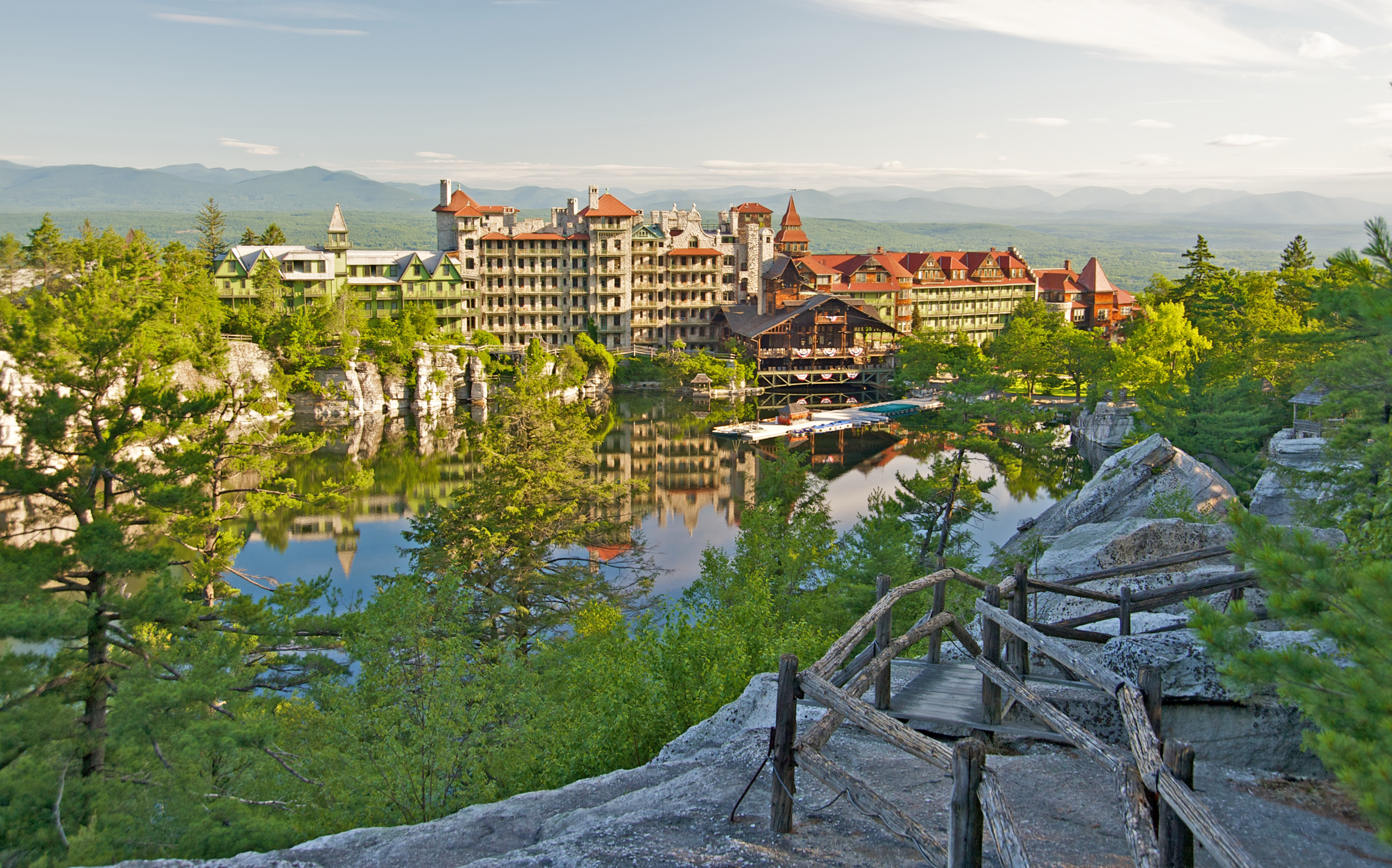
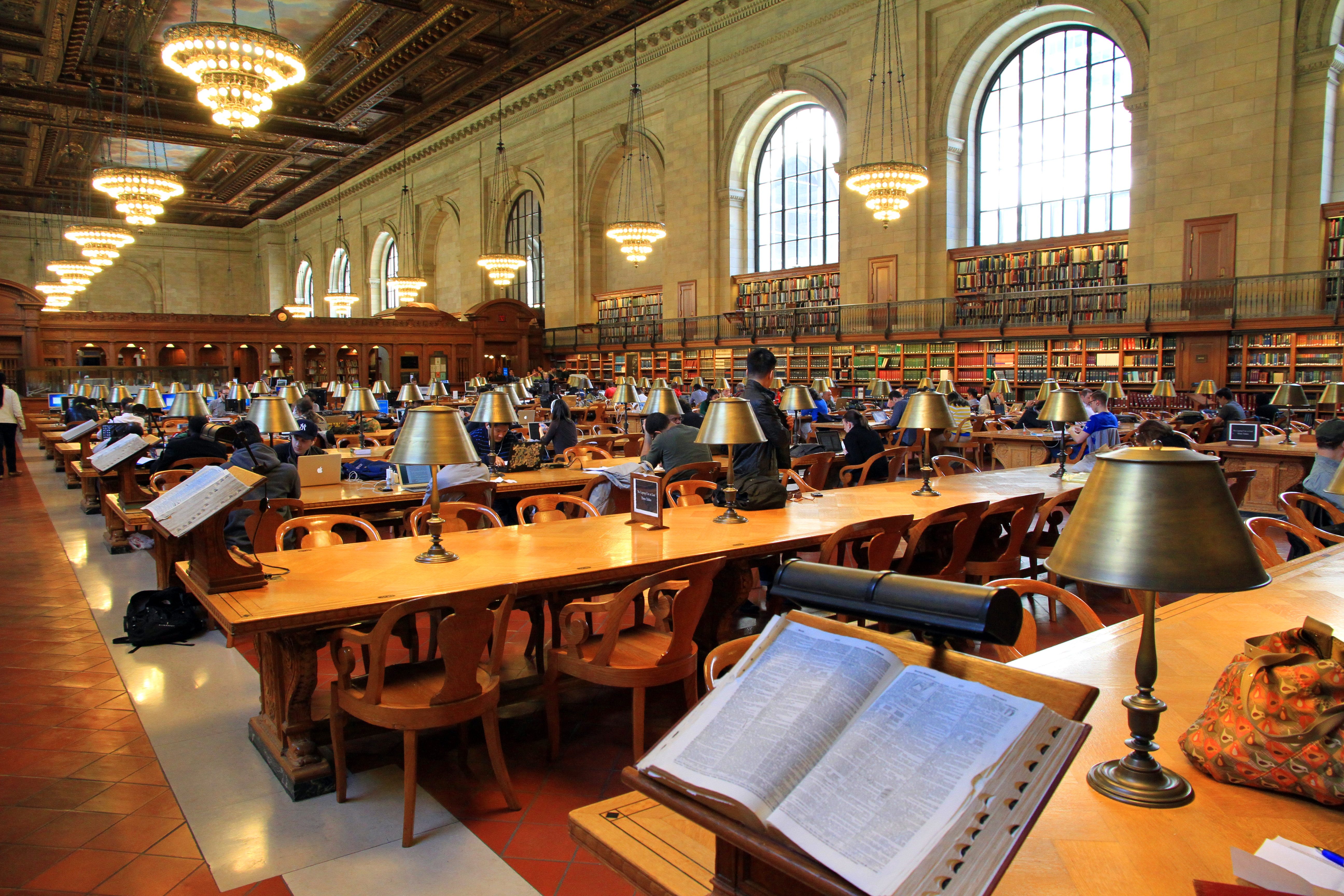
Political and social accomplishments are represented by four former mental care institutions (a legacy of the state's leading role in mental health care),The four mental care institutions are: Utica State Hospital, Buffalo State Hospital, Hudson River State Hospital, and New York State Inebriate Asylum. 14 sites associated with suffragettes or other women leaders,The fourteen sites associated with women leaders are: Susan B. Anthony House, Kate Mullany House, Petrified Sea Gardens, Elizabeth Cady Stanton House, Steepletop, Harriet Tubman House, Villa Lewaro, Vassar College Observatory, and six in NYC (Alice Austen House, Florence Mills House, Henry Street Settlement, Morris-Jumel Mansion, New York Studio School (building), and Margaret Sanger Clinic). five Underground Railroad or other sites associated with abolitionists,The six abolitionist sites are: Boston Post Road Historic District, site of the Jay Property and John Jay's boyhood home, John Brown Farm and Gravesite, Lemuel Haynes House, Gerrit Smith Estate, Harriet Tubman House, and one in NYC (Plymouth Church of the Pilgrims). six sites associated with African-American leaders,The six sites later associated with African-American leaders are: Villa Lewaro and five in NYC (Matthew Henson Residence, James Weldon Johnson Residence, Florence Mills House, New York Amsterdam News Building, and Paul Robeson Home). three sites associated with labor rights,The three labor rights associated sites are: Kate Mullany House, and two in NYC (Triangle Shirtwaist Factory and Union Square) and four sites associated with other social activism.The four other social activism sites in NYC are: Lower East Side Tenement National Historic Site, Henry Street Settlement, Margaret Sanger Clinic, and Stonewall. In addition, there are 21 homes of other national leaders,The twenty-two homes of other national leaders are: Roscoe Conkling House, Millard Fillmore House, Gen. William Floyd House, John Jay Homestead, Boston Post Road Historic District which includes the childhood home of Founding Father John Jay as well as his final resting place Johnson Hall, Lindenwald, Thomas Paine Cottage, Elihu Root House, William Seward House, Gerrit Smith Estate, Top Cottage, Elkanah Watson House, and seven in NYC (Chester A. Arthur House, Ralph Johnson Bunche House, Hamilton Grange National Memorial, King Manor, Alfred E. Smith House, Gen. Winfield Scott House, and Samuel J. Tilden House). and six government buildings that are significant on a national scale.The six government buildings are: New York State Capitol and five in NYC (New York City Hall, New York Surrogate's Court, Third Judicial District Courthouse, Tweed Courthouse, and the Alexander Hamilton U.S. Custom House). Community, arts and entertainment accomplishments represented include two utopian communes,The two utopian communes are Mount Lebanon Shaker Society and Oneida Community Mansion House. the Adirondack Park and four of its Great Camps,The Adirondack Park's four great camps are: Camp Pine Knot, Eagle Island Camp, Sagamore Camp, and Santanoni Preserve. and five other retreat sites.The five other retreats are: Lewis Miller Cottage, Chautauqua Institution, Chautauqua Historic District, Lake Mohonk Mountain House, Saratoga Spa State Park, and Canfield Casino and Congress Park. No fewer than nine artist homes or studios are landmarked,The nine artist studios are: Frederic E. Church House, Thomas Cole House, Roycroft Campus, Manitoga (Russel Wright Home), Thomas Moran House, William Sidney Mount House, Jackson Pollock House and Studio, and two in NYC (New York Studio School and Alice Austen House). as well as nine homes of writers and composers.The nine writer/composer sites are: three associated with John Burroughs (Slabsides, Woodchuck Lodge, and John Burroughs' Riverby Study), Edgar Eggleston's Owl's Nest, Edna St. Vincent Millay's Steepletop, Washington Irving's Sunnyside, and four in NYC (Will Marion Cook House, Duke Ellington House, Claude McKay Residence, and John Philip Sousa House). There are four club buildings, of which two are historical societies,The four clubs are: Buffalo and Erie County Historical Society Building, and three in NYC (Brooklyn Historical Society Building, New York Yacht Club Building, and Players Club). and eight entertainment venues or sites associated with entertainers.The eight entertainment venues or entertainers are: Canfield Casino and Congress Park, Elephant Hotel, Historic Track, Kleinhans Music Hall, Playland Amusement Park, and three in NYC (Carnegie Hall, Florence Mills House, and Jackie Robinson House). Sixteen others are unique sites that are difficult to classify.The sixteen sites not elsewhere categorized are: Armour-Stiner House, Holland Land Office, Old House, Palisades Interstate Park, and 12 in NYC (Cooper Union, Dakota Apartments, Governors Island, Grand Central Station, Merchants House Museum, Metropolitan Museum of Art, New York Public Library Main Branch, Plaza Hotel, United Charities Building, Rockefeller Center, and Sailors' Snug Harbor).
Notable architects whose work is represented in the NHLs of the state include: Alexander Jackson Davis (7 sites),Architect Alexander Jackson Davis designed (or contributed to the design of) a mansion in the Boston Post Road Historic District, Dr. Oliver Bronson House and Estate, Dutch Reformed Church (Newburgh, New York), Lyndhurst (Jay Gould Estate), Montgomery Place, Locust Grove (Samuel F. B. Morse House), and Utica Psychiatric Center. Andrew Jackson Downing (2),Andrew Jackson Downing designed Springside (Matthew Vassar Estate) and Utica State Hospital. William West Durant (2),William West Durant designed Camp Pine Knot and Sagamore Camp. Leopold Eidlitz (2),Leopold Eidlitz designed New York State Capitol and Tweed Courthouse. Cass Gilbert (2),Cass Gilbert designed New York Life Building and the Alexander Hamilton U.S. Custom House. Henry J. Hardenbergh (2),Henry J. Hardenbergh designed The Dakota and Plaza Hotel. Raymond Hood (3),Raymond Hood designed Daily News Building, McGraw Hill Building, and Rockefeller Center. Philip Hooker (2),Philip Hooker designed Hyde Hall and Roscoe Conkling House. Minard Lafever (7),Minard Lafever designed a mansion within Boston Post Road Historic District, First Presbyterian Church (Sag Harbor), First Reformed Protestant Dutch Church of Kingston, Old Merchant's House, Rose Hill (Fayette), Sailors Snug Harbor, and St. Ann and the Holy Trinity Church. John McComb Jr. (3),John McComb Jr., designed Hamilton Grange, New York City Hall, and Quarters A, Brooklyn Navy Yard. Frederick Law Olmsted (3),Frederick Law Olmsted designed Central Park, Buffalo State Hospital, and Hudson River State Hospital. Isaac G. Perry (2),Isaac G. Perry designed New York State Capitol and New York State Inebriate Asylum. George B. Post (3),George B. Post designed Brooklyn Historical Society Building, New York Stock Exchange Building, and Troy Savings Bank. James Renwick Jr. (4),James Renwick Jr., designed Grace Church, New York, Main Building (Vassar College), New York Stock Exchange Building, and St. Patrick's Cathedral, New York. Henry Hobson Richardson (2),Henry Hobson Richardson originated the Richardsonian Romanesque style with Buffalo State Hospital and also contributed to the design of New York State Capitol. Louis Sullivan (2),Louis Sullivan designed Prudential Building and Bayard-Condict Building. Richard Upjohn (6),Richard Upjohn designed Church of the Ascension (New York), part of Green-Wood Cemetery, Lindenwald, St. Paul's Cathedral (Buffalo), St. Peter's Episcopal Church (Albany, New York), and Trinity Church. Calvert Vaux (6),Calvert Vaux designed Central Park, Frederic E. Church House, Hudson River State Hospital, Metropolitan Art Museum, Third Judicial District Courthouse, and Samuel J. Tilden House. and Frederick Clarke Withers (2).Frederick Clarke Withers designed Hudson River State Hospital and Third Judicial District Courthouse. The firm McKim, Mead, and White participated in design of at least six buildings later declared to be NHLs.McKim, Mead, and White designed Metropolitan Art Museum, National City Bank Building, Pierpont Morgan Library, Low Memorial Library, Philosophy Hall, and Tiffany and Company Building. It was also that firm's work, Pennsylvania Station, whose pending demolition in 1963 launched a historic preservation movement in New York City and led to creation of the New York City Landmarks Preservation Commission in 1965.{{cite web|url=http://www.nyc.gov/html/lpc/html/about/about.shtml
Current National Historic Landmarks in Upstate and Long Island
The State of New York, exclusive of NYC, is home to 155 of these landmarks, which are tabulated here. Twenty-three of these are also State Historic Sites (SHS), and fourteen are National Park System areas; these designations are indicated in italics.
;Key
| † | ∞ | * | |||||||||||
|---|---|---|---|---|---|---|---|---|---|---|---|---|---|
| National Historic Landmark | |||||||||||||
| National Historic Landmark District | |||||||||||||
| National Memorial | |||||||||||||
| National Historic Site | |||||||||||||
| National Monument | |||||||||||||
| National Historical Park | |||||||||||||
| Delisted landmark |
Address Restricted |}
Current NHLs in New York City
Main article: List of National Historic Landmarks in New York City
New York City alone is home to 116 NHLs. The earliest was designated on October 9, 1960; the latest was designated on November 2, 2016. Many of the NHLs in NYC are also landmarked individually or as part of districts by the New York City Landmarks Preservation Commission. See List of New York City Designated Landmarks.
Historic areas in the United States National Park System
National Historic Sites, National Historic Parks, National Memorials, and certain other areas listed in the National Park system are historic landmarks of national importance that are highly protected already, often before the inauguration of the NHL program in 1960. There are 20 of these in New York State. The legislation establishing the National Historic Landmark program does not prevent these from being designated, but in practice these are not often named NHLs per se, due to administrative costs of their nomination and to the low preservation value of designating them.
For the first 16 years of the National Historic Landmarks program, the National Park Service did not consider any sites already within the National Park system for NHL designation, and in fact if an NHL-designated site came into the NPS system it was de-designated.
In New York State, the William Floyd House within the Fire Island National Seashore and Ellis Island within the Statue of Liberty National Monument were both deemed NHL-eligible by the advisory board but were not designated.
It was not until 1977 that a policy was promulgated that would allow for designation of a National Historic Landmark "whose primary significance is not related to its park's purpose". The Jacob Riis House in Queens was de-designated in 1973.
The National Park Service identifies 18 historic sites within national park units in New York State, and lists these together with the NHLs in the state, and there are also two National Historic Sites that are "affiliated areas," receiving National Park Service support but not directly administered by it.The National Park Service provides technical and financial assistance to two "affiliated areas" in New York specifically authorized by Congress: Lower East Side Tenement National Historic Site and Thomas Cole National Historic Site. Seven of the 20 were declared National Historic Landmarks, in several instances before receiving the higher protection designation, and retain their NHL standing. Four of these are listed above and three are included within the New York City list of NHLs. The 13 others are:
| Landmark name | ||||||||||||||||||||||
|---|---|---|---|---|---|---|---|---|---|---|---|---|---|---|---|---|---|---|---|---|---|---|
| Image | Date established | Location | County | Description | 2 | 4 | 6 | 7 | 8 | 9 | 10 | 11 | 13 | |||||||||
| Castle Clinton National Monument | [[File:Habs castle clinton.jpg | 100px | Castle Clinton in Battery Park (HABS)]] | New York | New York | Circular sandstone fort in Battery Park at the southern tip of Manhattan, New York City | ||||||||||||||||
| Statue of Liberty National Monument | [[File:Liberty 2005 3.jpg | 100px]] | Liberty Island | New York | Monumental statue (Liberty Enlightening the World) presented to the United States by the people of France in 1886 | |||||||||||||||||
| Saratoga National Historical Park | [[File:Saratoga-tower.jpg | 100px]] | Stillwater, Schuylerville and Victory | Saratoga | Site of the 1777 Battle of Saratoga, the first significant American military victory of the American Revolutionary War | |||||||||||||||||
| Women's Rights National Historical Park | [[File:WesleyanChapel.JPG | 100px | Remains of the Wesleyan Chapel.]] | Seneca Falls and Waterloo | Seneca | Established in 1980 in Seneca Falls and nearby Waterloo, New York; includes the Wesleyan Chapel, site of the Seneca Falls Convention and the Elizabeth Cady Stanton House | ||||||||||||||||
| Eleanor Roosevelt National Historic Site | [[File:EleanorRooseveltNationalHistoricSite StoneCottage 2007 02.jpg | 100px | Stone Cottage]] | Hyde Park | Dutchess | Property developed by Eleanor Roosevelt; place that she could develop some of her ideas for work with winter jobs for rural workers and women; includes a large two-story stuccoed building that housed Val-Kill Industries; would become Eleanor's home after Franklin's death | ||||||||||||||||
| Home of Franklin D. Roosevelt National Historic Site | [[File:FDRhouse.JPG | 100px | Front elevation of house, with visitors, in 2004]] | Hyde Park | Dutchess | Birthplace, lifelong home, and burial place of the 32nd President of the United States, Franklin Delano Roosevelt | ||||||||||||||||
| Sagamore Hill National Historic Site | [[File:Sagamore Hill.jpg | 100px | Sagamore Hill]] | Cove Neck | Nassau | Home of the 26th President of the United States Theodore Roosevelt from 1886 until his death in 1919 | ||||||||||||||||
| Saint Paul's Church National Historic Site | [[File:Saint Paul's Church National Historic Site.jpg | 100px]] | Mount Vernon | Westchester | Colonial church used as a military hospital during the American Revolutionary War | |||||||||||||||||
| Theodore Roosevelt Birthplace National Historic Site | [[File:TR birthplace.JPG | 100px | The front and entrance of the house.]] | New York | New York | Theodore Roosevelt born on this site on October 27, 1858 | ||||||||||||||||
| Theodore Roosevelt Inaugural National Historic Site | [[File:Ansley-wilcox-house.jpg | 100px | Ansley Wilcox House, 1965]] | Buffalo | Erie | Site of Theodore Roosevelt's oath of office as President of the United States on September 14, 1901 | ||||||||||||||||
| Vanderbilt Mansion National Historic Site | [[File:Hyde Park Vanderbilt Mansion National Historic Site.jpg | 100px | The severe classicism, perfect balance, and heavy ornamentation of Hyde Park, designed for Frederick Vanderbilt by McKim, Mead & White, is a perfect example of Beaux-Arts architecture.]] | Hyde Park | Dutchess | Includes pleasure grounds with views of the Hudson River and Catskill Mountains, formal gardens, natural woodlands, and numerous support structures as well as a 54-room mansion; completed in 1898; perfect example of the Beaux-Arts architecture style | ||||||||||||||||
| Federal Hall National Memorial | [[File:Federal Hall NYC1.jpg | 100px]] | New York | New York | First capitol of the United States of America; site of George Washington's first inauguration in 1789; place where the United States Bill of Rights passed; original building was demolished in the nineteenth century; replaced by the current structure, that served as the first United States Customs House | |||||||||||||||||
| General Grant National Memorial | [[File:USA grants tomb.jpg | 100px | Grant's tomb 2004]] | New York | New York | Mausoleum containing the bodies of Ulysses S. Grant (1822–1885), an American Civil War General and the 18th President of the United States, and his wife, Julia Dent Grant (1826–1902) |
There are four other National Park Service areas in New York State that do not have historic standing.Non-historic National Park Service areas in New York are: Gateway National Recreation Area (joint with New Jersey), Fire Island National Seashore, The Upper Delaware Scenic and Recreational River (shared with New Jersey), and the North Country National Scenic Trail, that starts at Crown Point in New York and stretches to North Dakota.
NHLs formerly located in New York
The following Landmarks were located in New York at the time they were declared National Historic Landmarks, but have since moved to other states.
| Landmark name | |||||||
|---|---|---|---|---|---|---|---|
| Image | Date of designation | Location | Description | ||||
| [[File:USS Edson (DD-946) underway off Long Beach, California (USA), circa in the mid-1960s.jpg | 100px]] | Michigan {{coord | name= | type:landmark}} -- | |||
| Fir (Coast Guard cutter) | [[File:USCGC Fir off Cape Flattery.jpg | 100px | Lighthouse tender USCGC Fir at sea with the [[Cape Flattery Light]], Washington, in the background.]] | California | Lighthouse tender that served on west coast; last working vessel in the fleet of the United States Lighthouse Service, ancestors of today's United States Coast Guard buoy tenders; was intended at the time of NHL designation to become a museum ship in New York, but it is unclear if the ship was ever visited; transferred to Sacramento, California in 2002. | ||
| Nantucket (lightship) | [[File:Nantucket-lightship.jpg | 100px]] | Massachusetts | ||||
| -- | Largest lightship ever built. Originally listed while she was primarily in Maine; sojourned for several years in Oyster Bay, New York. Arrived in Boston May 11, 2010. |
Former NHLs in New York
The following sites in New York were formerly National Historic Landmarks but were delisted.
| Landmark name | |||||||||
|---|---|---|---|---|---|---|---|---|---|
| Image | Date of designation | Location | County | Description | |||||
| Edwin H. Armstrong House | [[File:EdwinHArmstrongHouse c1975.jpg | 100px | Standing, circa 1975]] [[File:EdwinHArmstrongHouse site after1983demolition.jpg | 100px | Demolished, 1983]] | Yonkers | Westchester | Home of scientist and FM radio inventor Edwin H. Armstrong; demolished in 1983 and subsequently de-designated | |
| Old Blenheim Bridge | [[File:Old Blenheim Bridge 11Mar2008.jpg | 100px]] | North Blenheim | ||||||
| Schoharie | Longest single span covered bridge in Eastern United States; one of the longest in the world, until destruction during floods after Hurricane Irene in 2011. Designation withdrawn |
Notes
References
References
- National Park Service. (June 2010). "National Historic Landmarks Survey: List of National Historic Landmarks by State". U.S. Department of the Interior.
- NHLs that are also NPS areas: upstate [[Thomas Cole House]], [[Fort Stanwix]], [[Lindenwald]], [[Kate Mullany House]], and in NYC [[African Burial Ground]], [[Hamilton Grange]], and [[Governors Island]].
- "National Historic Landmarks Program: Questions and Answers". National Historic Landmarks Program.
- "Title 36 of the Code of Federal Regulations, Part 65". [[United States Government Printing Office.
- Greenwood, Richard. (December 11, 1975). "National Register of Historic Places Inventory/Nomination: Riverby, the John Burroughs Study".
- "Columbia (Steamer)". National Park Service.
- Dan Austin. (September 4, 2015). "Boblo boat Columbia on its way to New York". Detroit Free Press.
- "The SS Columbia Project".
- {{CodeFedReg. 36. 65
- Barry Mackintosh. (1985). "The Historic Sites Survey and National Historic Landmarks Program: A History". History Division, National Park Service, Department of the Interior, Washington, D.C..
- These are listed on p.114 of ''National Historic Landmarks Survey: List of National Historic Landmarks by State'', referenced above.
- National Park Service. (June 27, 2005). "National Park System Areas Listed in Chronological Order of Date Authorized Under DOI". National Park Service, Department of the Interior.
- National Park Service. (2008). "Antiquities Act monuments list". National Park Service.
- National Park Service. "National Historic Landmark Program: NHL Database".
This article was imported from Wikipedia and is available under the Creative Commons Attribution-ShareAlike 4.0 License. Content has been adapted to SurfDoc format. Original contributors can be found on the article history page.
Ask Mako anything about List of National Historic Landmarks in New York — get instant answers, deeper analysis, and related topics.
Research with MakoFree with your Surf account
Create a free account to save articles, ask Mako questions, and organize your research.
Sign up freeThis content may have been generated or modified by AI. CloudSurf Software LLC is not responsible for the accuracy, completeness, or reliability of AI-generated content. Always verify important information from primary sources.
Report