From Surf Wiki (app.surf) — the open knowledge base
List of mammals of Chad
none

none
This is a list of the mammal species recorded in Chad. There are 136 mammal species in Chad, of which five are critically endangered, five are endangered, nine are vulnerable, and four are near threatened. One of the species listed for Chad can possibly no longer be found in the wild.
The following tags are used to highlight each species' conservation status as assessed by the International Union for Conservation of Nature:
| DD | Data deficient | There is inadequate information to make an assessment of the risks to this species. |
|---|
Some species were assessed using an earlier set of criteria. Species assessed using this system have the following instead of near threatened and least concern categories:
| LR/lc | Lower risk/least concern | Species for which there are no identifiable risks. |
|---|
Order: [[Afrosoricida]] (tenrecs and golden moles)
The order Afrosoricida contains the golden moles of southern Africa and the tenrecs of Madagascar and Africa, two families of small mammals that were traditionally part of the order Insectivora.
- Family: Tenrecidae (tenrecs)
- Subfamily: Potamogalinae
- Genus: Potamogale
- Giant otter shrew, Potamogale velox LC
- Genus: Potamogale
- Subfamily: Potamogalinae
Order: [[Tubulidentata]] (aardvarks)
The order Tubulidentata consists of a single species, the aardvark. Tubulidentata are characterised by their teeth which lack a pulp cavity and form thin tubes which are continuously worn down and replaced.
- Family: Orycteropodidae
- Genus: Orycteropus
- Aardvark, O. afer
- Genus: Orycteropus
Order: [[Hyracoidea]] (hyraxes)
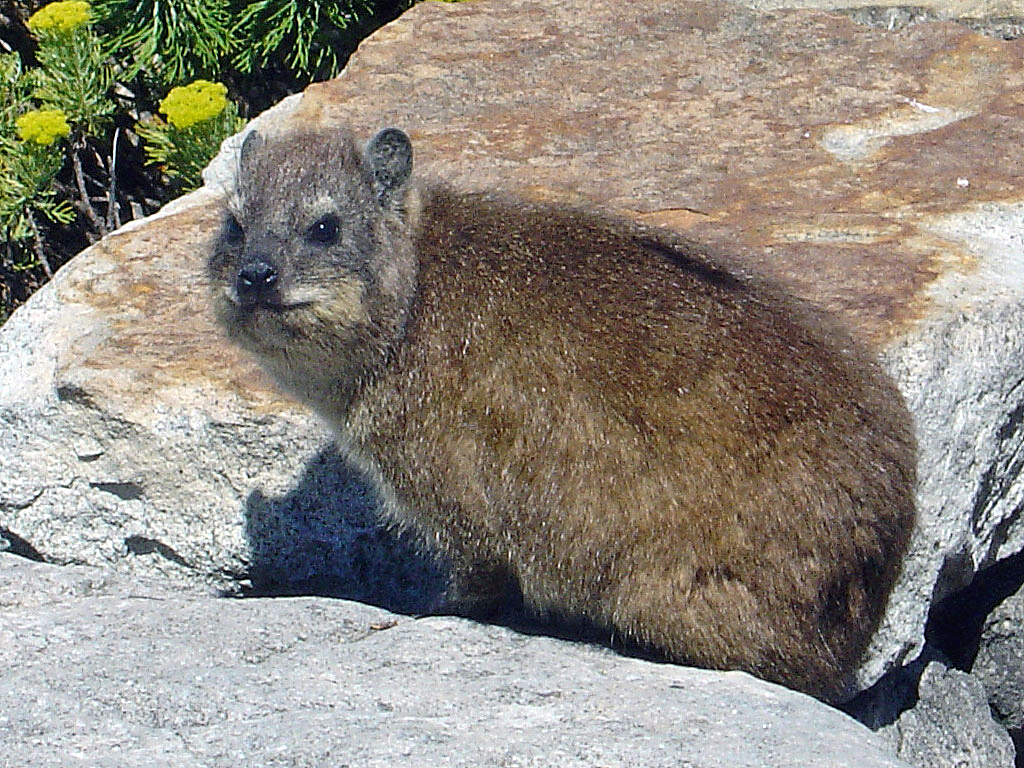
The hyraxes are any of four species of fairly small, thickset, herbivorous mammals in the order Hyracoidea. About the size of a domestic cat they are well-furred, with rounded bodies and a stumpy tail. They are native to Africa and the Middle East.
- Family: Procaviidae (hyraxes)
- Genus: Procavia
- Cape hyrax, Procavia capensis LC
- Genus: Procavia
Order: [[Proboscidea]] (elephants)

The elephants comprise three living species and are the largest living land animals.
- Family: Elephantidae (elephants)
- Genus: Loxodonta
- African bush elephant, L. africana
- Genus: Loxodonta
Order: [[Sirenia]] (manatees and dugongs)
Sirenia is an order of fully aquatic, herbivorous mammals that inhabit rivers, estuaries, coastal marine waters, swamps, and marine wetlands. All four species are endangered.
- Family: Trichechidae
- Genus: Trichechus
- African manatee, Trichechus senegalensis
- Genus: Trichechus
Order: [[Primate]]s

The order Primates contains humans and their closest relatives: lemurs, lorisoids, tarsiers, monkeys, and apes.
- Suborder: Strepsirrhini
- Infraorder: Lemuriformes
- Superfamily: Lorisoidea
- Family: Galagidae
- Genus: Galago
- Senegal bushbaby, Galago senegalensis LR/lc
- Genus: Galago
- Family: Galagidae
- Superfamily: Lorisoidea
- Infraorder: Lemuriformes
- Suborder: Haplorhini
- Infraorder: Simiiformes
- Parvorder: Catarrhini
- Superfamily: Cercopithecoidea
- Family: Cercopithecidae (Old World monkeys)
- Genus: Erythrocebus
- Patas monkey, Erythrocebus patas
- Genus: Chlorocebus
- Tantalus monkey, Chlorocebus tantalus LR/lc
- Genus: Papio
- Olive baboon, Papio anubis LR/lc
- Subfamily: Colobinae
- Genus: Colobus
- Mantled guereza, Colobus guereza LR/lc
- Genus: Colobus
- Genus: Erythrocebus
- Family: Cercopithecidae (Old World monkeys)
- Superfamily: Cercopithecoidea
- Parvorder: Catarrhini
- Infraorder: Simiiformes
Order: [[Rodent]]ia (rodents)
Rodents make up the largest order of mammals, with over 40% of mammalian species. They have two incisors in the upper and lower jaw which grow continually and must be kept short by gnawing. Most rodents are small though the capybara can weigh up to 45 kg.
- Suborder: Hystricognathi
- Family: Hystricidae (Old World porcupines)
- Genus: Hystrix
- Crested porcupine, Hystrix cristata LC
- Genus: Hystrix
- Family: Thryonomyidae (cane rats)
- Genus: Thryonomys
- Lesser cane rat, Thryonomys gregorianus LC
- Genus: Thryonomys
- Family: Hystricidae (Old World porcupines)
- Suborder: Sciurognathi
- Family: Sciuridae (squirrels)
- Subfamily: Xerinae
- Tribe: Xerini
- Genus: Xerus
- Striped ground squirrel, Xerus erythropus LC
- Genus: Xerus
- Tribe: Protoxerini
- Genus: Heliosciurus
- Gambian sun squirrel, Heliosciurus gambianus LC
- Genus: Heliosciurus
- Tribe: Xerini
- Subfamily: Xerinae
- Family: Nesomyidae
- Subfamily: Cricetomyinae
- Genus: Cricetomys
- Gambian pouched rat, Cricetomys gambianus LC
- Genus: Cricetomys
- Subfamily: Cricetomyinae
- Family: Muridae (mice, rats, voles, gerbils, hamsters, etc.)
- Subfamily: Deomyinae
- Genus: Acomys
- Western Saharan spiny mouse, Acomys airensis LC
- Johan's spiny mouse, Acomys johannis LC
- Genus: Uranomys
- Rudd's mouse, Uranomys ruddi LC
- Genus: Acomys
- Subfamily: Gerbillinae
- Genus: Desmodilliscus
- Pouched gerbil, Desmodilliscus braueri LC
- Genus: Dipodillus
- North African gerbil, Dipodillus campestris LC
- Genus: Gerbillus
- Agag gerbil, Gerbillus agag DD
- Lesser Egyptian gerbil, Gerbillus gerbillus LC
- Pygmy gerbil, Gerbillus henleyi LC
- Sudan gerbil, Gerbillus nancillus DD
- Balochistan gerbil, Gerbillus nanus LC
- Nigerian gerbil, Gerbillus nigeriae LC
- Greater Egyptian gerbil, Gerbillus pyramidum LC
- Tarabul's gerbil, Gerbillus tarabuli LC
- Genus: Tatera
- Kemp's gerbil, Tatera kempi LC
- Fringe-tailed gerbil, Tatera robusta LC
- Genus: Taterillus
- Congo gerbil, Taterillus congicus LC
- Gracile tateril, Taterillus gracilis LC
- Genus: Desmodilliscus
- Subfamily: Murinae
- Genus: Arvicanthis
- African grass rat, Arvicanthis niloticus LC
- Genus: Lemniscomys
- Typical striped grass mouse, Lemniscomys striatus LC
- Heuglin's striped grass mouse, Lemniscomys zebra LC
- Genus: Mastomys
- Guinea multimammate mouse, Mastomys erythroleucus LC
- Verheyen's multimammate mouse, Mastomys kollmannspergeri LC
- Natal multimammate mouse, Mastomys natalensis LC
- Genus: Praomys
- Dalton's mouse, Praomys daltoni LC
- Genus: Arvicanthis
- Subfamily: Deomyinae
- Family: Ctenodactylidae
- Genus: Massoutiera
- Mzab gundi, Massoutiera mzabi LC
- Genus: Massoutiera
- Family: Sciuridae (squirrels)
Order: [[Lagomorpha]] (lagomorphs)
.jpg)
The lagomorphs comprise two families, Leporidae (hares and rabbits), and Ochotonidae (pikas). Though they can resemble rodents, and were classified as a superfamily in that order until the early 20th century, they have since been considered a separate order. They differ from rodents in a number of physical characteristics, such as having four incisors in the upper jaw rather than two.
- Family: Leporidae (rabbits, hares)
- Genus: Poelagus
- Bunyoro rabbit, *Poelagus marjorita *
- Genus: Lepus
- Cape hare, Lepus capensis
- African savanna hare, *Lepus microtis *
- Genus: Poelagus
Order: [[Erinaceomorpha]] (hedgehogs and gymnures)
The order Erinaceomorpha contains a single family, Erinaceidae, which comprise the hedgehogs and gymnures. The hedgehogs are easily recognised by their spines while gymnures look more like large rats.
- Family: Erinaceidae (hedgehogs)
- Subfamily: Erinaceinae
- Genus: Atelerix
- Four-toed hedgehog, Atelerix albiventris
- Genus: Hemiechinus
- Desert hedgehog, Hemiechinus aethiopicus
- Genus: Atelerix
- Subfamily: Erinaceinae
Order: [[Soricomorpha]] (shrews, moles, and solenodons)
The "shrew-forms" are insectivorous mammals. The shrews and solenodons closely resemble mice while the moles are stout-bodied burrowers.
- Family: Soricidae (shrews)
- Subfamily: Crocidurinae
- Genus: Crocidura
- Fox's shrew, Crocidura foxi LC
- Savanna shrew, Crocidura fulvastra LC
- Bicolored musk shrew, Crocidura fuscomurina LC
- Small-footed shrew, Crocidura parvipes LC
- Savanna path shrew, Crocidura viaria LC
- Voi shrew, Crocidura voi LC
- Yankari shrew, Crocidura yankariensis LC
- Genus: Crocidura
- Subfamily: Crocidurinae
Order: [[Chiroptera]] (bats)
The bats' most distinguishing feature is that their forelimbs are developed as wings, making them the only mammals capable of flight. Bat species account for about 20% of all mammals.
- Family: Pteropodidae (flying foxes, Old World fruit bats)
- Subfamily: Pteropodinae
- Genus: Eidolon
- Straw-coloured fruit bat, Eidolon helvum LC
- Genus: Epomophorus
- Gambian epauletted fruit bat, Epomophorus gambianus LC
- Ethiopian epauletted fruit bat, Epomophorus labiatus LC
- Genus: Micropteropus
- Peters's dwarf epauletted fruit bat, Micropteropus pusillus LC
- Genus: Eidolon
- Subfamily: Pteropodinae
- Family: Vespertilionidae
- Subfamily: Vespertilioninae
- Genus: Glauconycteris
- Butterfly bat, Glauconycteris variegata LC
- Genus: Neoromicia
- Tiny serotine, Neoromicia guineensis LC
- Banana pipistrelle, Neoromicia nanus LC
- Rendall's serotine, Neoromicia rendalli LC
- Somali serotine, Neoromicia somalicus LC
- Genus: Nycticeinops
- Schlieffen's bat, Nycticeinops schlieffeni LC
- Genus: Pipistrellus
- Rüppell's pipistrelle, Pipistrellus rueppelli LC
- Rusty pipistrelle, Pipistrellus rusticus LC
- Genus: Scotoecus
- Dark-winged lesser house bat, Scotoecus hirundo DD
- Genus: Scotophilus
- White-bellied yellow bat, Scotophilus leucogaster LC
- Greenish yellow bat, Scotophilus viridis LC
- Genus: Glauconycteris
- Subfamily: Vespertilioninae
- Family: Rhinopomatidae
- Genus: Rhinopoma
- Egyptian mouse-tailed bat, R. cystops
- Lesser mouse-tailed bat, Rhinopoma hardwickei LC
- Greater mouse-tailed bat, Rhinopoma microphyllum LC
- Genus: Rhinopoma
- Family: Molossidae
- Genus: Chaerephon
- Gland-tailed free-tailed bat, Chaerephon bemmeleni LC
- Nigerian free-tailed bat, Chaerephon nigeriae LC
- Little free-tailed bat, Chaerephon pumila LC
- Genus: Mops
- Midas free-tailed bat, Mops midas LC
- Genus: Chaerephon
- Family: Emballonuridae
- Genus: Taphozous
- Hamilton's tomb bat, Taphozous hamiltoni
- Mauritian tomb bat, Taphozous mauritianus LC
- Naked-rumped tomb bat, Taphozous nudiventris LC
- Genus: Taphozous
- Family: Nycteridae
- Genus: Nycteris
- Hairy slit-faced bat, Nycteris hispida LC
- Large-eared slit-faced bat, Nycteris macrotis LC
- Egyptian slit-faced bat, Nycteris thebaica LC
- Genus: Nycteris
- Family: Megadermatidae
- Genus: Lavia
- Yellow-winged bat, Lavia frons LC
- Genus: Lavia
- Family: Rhinolophidae
- Subfamily: Rhinolophinae
- Genus: Rhinolophus
- Rüppell's horseshoe bat, Rhinolophus fumigatus LC
- Genus: Rhinolophus
- Subfamily: Hipposiderinae
- Genus: Asellia
- Trident leaf-nosed bat, Asellia tridens LC
- Genus: Hipposideros
- Sundevall's roundleaf bat, Hipposideros caffer LC
- Noack's roundleaf bat, Hipposideros ruber LC
- Genus: Asellia
- Subfamily: Rhinolophinae
Order: [[Pholidota]] (pangolins)

The order Pholidota comprises the eight species of pangolin. Pangolins are anteaters and have the powerful claws, elongated snout and long tongue seen in the other unrelated anteater species.
- Family: Manidae
- Genus: Manis
- Giant pangolin, Manis gigantea
- Ground pangolin, Manis temminckii
- Genus: Manis
Order: [[Carnivora]] (carnivorans)


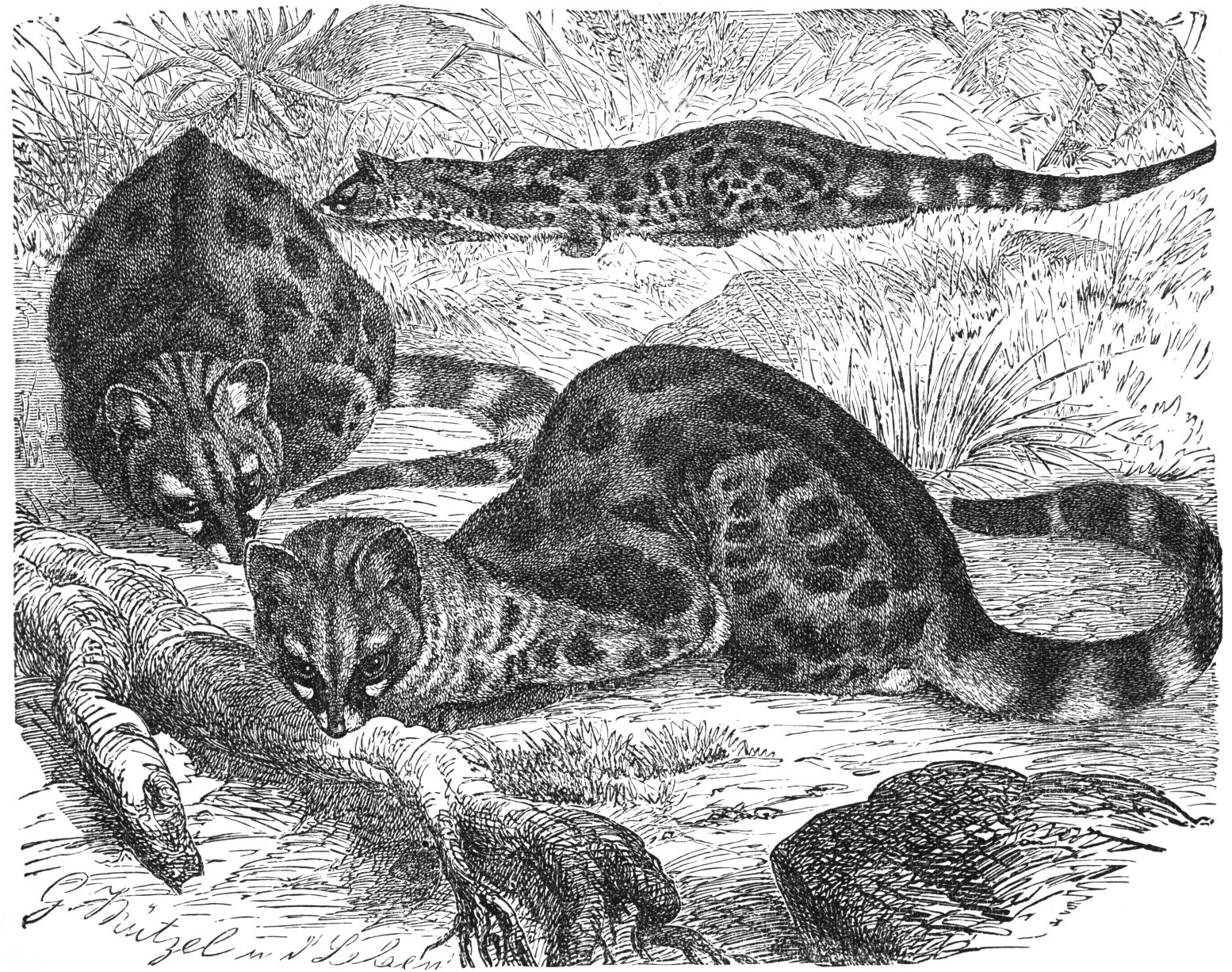


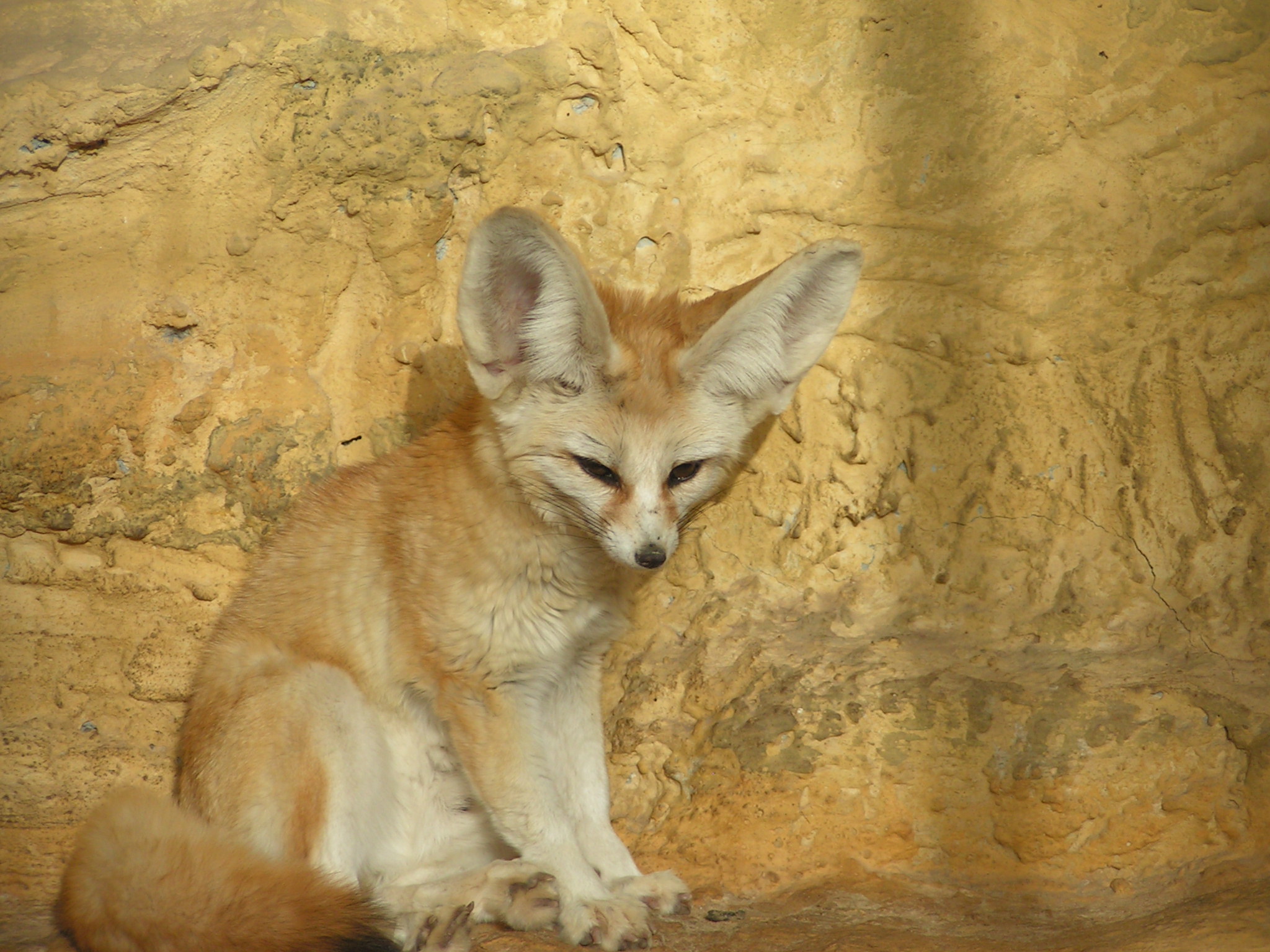
There are over 260 species of carnivorans, the majority of which feed primarily on meat. They have a characteristic skull shape and dentition.
- Suborder: Feliformia
- Family: Felidae (cats)
- Subfamily: Felinae
- Genus: Acinonyx
- Cheetah, A. jubatus
- Northwest African cheetah, A. j. hecki
- Cheetah, A. jubatus
- Genus: Caracal
- Caracal, C. caracal
- Genus: Felis
- African wildcat, F. lybica
- Sand cat, F. margarita
- Genus: Leptailurus
- Serval, L. serval
- Genus: Acinonyx
- Subfamily: Pantherinae
- Genus: Panthera
- Lion, P. leo
- West African lion, P. l. leo
- Leopard, P. pardus
- Lion, P. leo
- Genus: Panthera
- Subfamily: Felinae
- Family: Viverridae
- Subfamily: Viverrinae
- Genus: Genetta
- Common genet, G. genetta
- Rusty-spotted genet, G. maculata
- Genus: Genetta
- Subfamily: Viverrinae
- Family: Herpestidae (mongooses)
- Genus: Herpestes
- Egyptian mongoose, H. ichneumon
- Genus: Mungos
- Banded mongoose, M. mungo
- Genus: Herpestes
- Family: Hyaenidae (hyaenas)
- Genus: Crocuta
- Spotted hyena, C. crocuta
- Genus: Hyaena
- Striped hyena, H. hyaena
- Genus: Crocuta
- Family: Felidae (cats)
- Suborder: Caniformia
- Family: Canidae (dogs, foxes)
- Genus: Canis
- African golden wolf, C. lupaster
- Genus: Vulpes
- Pale fox, V. pallida
- Rüppell's fox, V. rueppellii
- Fennec fox, V. zerda
- Genus: Lupulella
- Side-striped jackal, L. adusta
- Genus: Lycaon
- African wild dog, L. pictus
- Genus: Canis
- Family: Mustelidae (mustelids)
- Genus: Ictonyx
- Saharan striped polecat, Ictonyx libyca
- Striped polecat, Ictonyx striatus
- Genus: Mellivora
- Honey badger, M. capensis
- Genus: Hydrictis
- Speckle-throated otter, H. maculicollis
- Genus: Aonyx
- African clawless otter, A. capensis
- Genus: Ictonyx
- Family: Canidae (dogs, foxes)
Order: [[Artiodactyla]] (even-toed ungulates)


.jpg)
The even-toed ungulates are ungulates whose weight is borne about equally by the third and fourth toes, rather than mostly or entirely by the third as in perissodactyls. There are about 220 artiodactyl species, including many that are of great economic importance to humans.
- Family: Suidae (pigs)
- Subfamily: Phacochoerinae
- Genus: Phacochoerus
- Common warthog, Phacochoerus africanus LR/lc
- Genus: Phacochoerus
- Subfamily: Suinae
- Genus: Potamochoerus
- Red river hog, Potamochoerus porcus LR/lc
- Genus: Potamochoerus
- Subfamily: Phacochoerinae
- Family: Hippopotamidae (hippopotamuses)
- Genus: Hippopotamus
- Hippopotamus, Hippopotamus amphibius VU
- Genus: Hippopotamus
- Family: Giraffidae (giraffe, okapi)
- Genus: Giraffa
- Kordofan giraffe, Giraffa camelopardalis antiquorum
- Genus: Giraffa
- Family: Bovidae (cattle, antelope, sheep, goats)
- Subfamily: Alcelaphinae
- Genus: Alcelaphus
- Hartebeest, Alcelaphus buselaphus LR/cd
- Genus: Damaliscus
- Topi, Damaliscus lunatus LR/cd
- Genus: Alcelaphus
- Subfamily: Antilopinae
- Genus: Gazella
- Dorcas gazelle, Gazella dorcas VU
- Rhim gazelle, Gazella leptoceros EN
- Red-fronted gazelle, Gazella rufifrons VU
- Genus: Nanger
- Dama gazelle, Nanger dama CR
- Genus: Ourebia
- Oribi, Ourebia ourebi LR/cd
- Genus: Gazella
- Subfamily: Bovinae
- Genus: Syncerus
- African buffalo, Syncerus caffer LR/cd
- Genus: Tragelaphus
- Giant eland, Tragelaphus derbianus
- Bushbuck, Tragelaphus scriptus
- Sitatunga, Tragelaphus spekii
- Greater kudu, Tragelaphus strepsiceros
- Genus: Syncerus
- Subfamily: Caprinae
- Genus: Ammotragus
- Barbary sheep, Ammotragus lervia VU
- Genus: Ammotragus
- Subfamily: Cephalophinae
- Genus: Cephalophus
- Red-flanked duiker, Cephalophus rufilatus LR/cd
- Yellow-backed duiker, Cephalophus silvicultor
- Genus: Sylvicapra
- Common duiker, Sylvicapra grimmia LR/lc
- Genus: Cephalophus
- Subfamily: Hippotraginae
- Genus: Addax
- Addax, Addax nasomaculatus CR
- Genus: Hippotragus
- Roan antelope, Hippotragus equinus LR/cd
- Genus: Oryx
- Scimitar oryx, Oryx dammah EN reintroduced
- Genus: Addax
- Subfamily: Reduncinae
- Genus: Kobus
- Waterbuck, Kobus ellipsiprymnus LC
- Kob, Kobus kob LC
- Genus: Redunca
- Bohor reedbuck, Redunca redunca LC
- Genus: Kobus
- Subfamily: Alcelaphinae
Globally and locally extinct
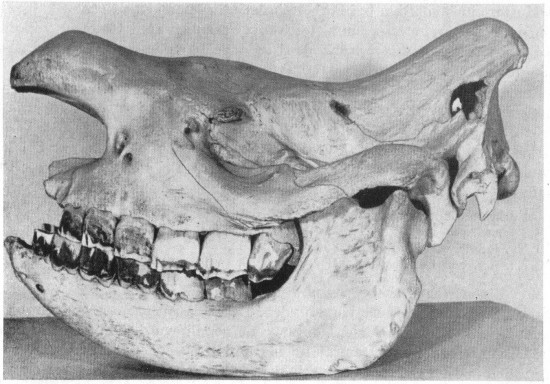
The following species are globally extinct:
- Western black rhinoceros, Diceros bicornis longipipes (2011)
The following species are locally extinct in Chad, but continue to live elsewhere or in captivity:
- Northern white rhinoceros, Ceratotherium simum cottoni ?
References
References
- This list is derived from the [[IUCN Red List]] which lists species of mammals and includes those mammals that have recently been classified as extinct (since 1500 AD). The taxonomy and naming of the individual species is based on those used in existing Wikipedia articles as of 21 May 2007 and supplemented by the common names and taxonomy from the IUCN, Smithsonian Institution, or University of Michigan where no Wikipedia article was available.
- Gobush, K.S.. (2021). "''Loxodonta cyclotis''".
- Benda, P.. (2017). "''Rhinopoma cystops''".
- (2015). "''Acinonyx jubatus''".
- Belbachir, F.. (2008). "''Acinonyx jubatus'' ssp. ''hecki''".
- Avgan, B.. (2016). "''Caracal caracal''".
- Ghoddousi, A.. (2022). "''Felis lybica''".
- Sliwa, A.. (2016). "''Felis margarita''".
- Thiel, C.. (2015). "''Leptailurus serval''".
- Bauer, H.. (2016). "''Panthera leo''".
- (2019). "''Panthera pardus''".
- (2015). "''Genetta genetta''".
- Angelici, F.M.. (2016). "''Genetta maculata''".
- Do Linh San, E.. (2016). "''Herpestes ichneumon''".
- (2015). "''Hyaena hyaena''".
- Mallon, D.. (2015). "''Vulpes rueppelli''".
- Wacher, T.. (2015). "''Vulpes zerda''".
- Woodroffe, R.. (2020). "''Lycaon pictus''".
- (2016). "''Mellivora capensis''".
- Reed-Smith, J.. (2015). "''Hydrictis maculicollis''".
- Jacques, H.. "''Aonyx capensis''".
This article was imported from Wikipedia and is available under the Creative Commons Attribution-ShareAlike 4.0 License. Content has been adapted to SurfDoc format. Original contributors can be found on the article history page.
Ask Mako anything about List of mammals of Chad — get instant answers, deeper analysis, and related topics.
Research with MakoFree with your Surf account
Create a free account to save articles, ask Mako questions, and organize your research.
Sign up freeThis content may have been generated or modified by AI. CloudSurf Software LLC is not responsible for the accuracy, completeness, or reliability of AI-generated content. Always verify important information from primary sources.
Report