From Surf Wiki (app.surf) — the open knowledge base
List of Abell clusters
none
none

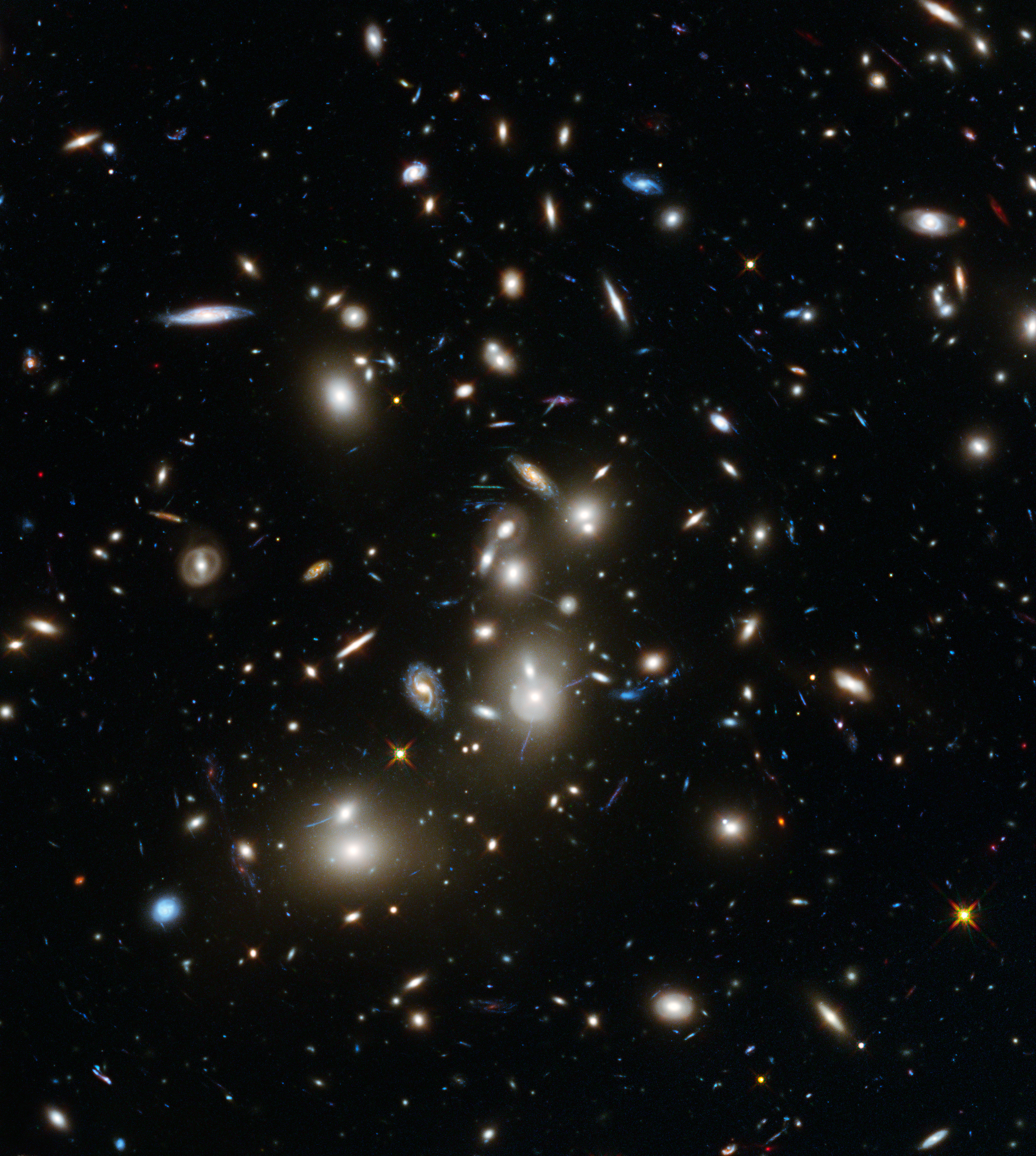
The Abell catalogue is a catalogue of approximately 4,000 galaxy clusters with at least 30 members, almost complete to a redshift of z = 0.2. It was originally compiled by the American astronomer George O. Abell in 1958 using plates from POSS, and extended to the southern hemisphere by Abell, Corwin and Olowin in 1987. The name "Abell" is also commonly used as a designation for objects he compiled in a catalogue of 86 planetary nebulae in 1966. The proper designation for the galaxy clusters is ACO, as in "ACO 13", while the planetary-nebula designation is the single letter A, as in "A 39".
1–1999
| ACO catalog number | Other names | Member of | Constellation | Right ascension (J2000){{cite web | Declination (J2000) | Abell richness class{{cite web | Bautz–Morgan type | Notes |
|---|---|---|---|---|---|---|---|---|
| url = http://ned.ipac.caltech.edu/ | title = NASA/IPAC Extragalactic Database | publisher = NASA/IPAC Extragalactic Database (NED) | access-date = March 15, 2012 | url = http://vizier.u-strasbg.fr/cgi-bin/VizieR-2?-source=VII/110A | title = The VizieR Catalogue Service | publisher = Strasbourg Astronomical Observatory, UdS/CNRS, Strasbourg, France | access-date = March 15, 2012 | |
| 13 | 2 | II | ACO 13 is not to be confused with Abell 13, a planetary nebula | |||||
| 85 | 1 | I | ||||||
| 133 | Cetus | 0 | ||||||
| 209 | Cetus | 3 | II-III | |||||
| 222 | Cetus | 3 | II-III | |||||
| 223 | Cetus | 3 | III | |||||
| 226 | 1 | II | ||||||
| 262 | Perseus–Pisces Supercluster | Between Andromeda and Triangulum | 0 | III | ||||
| 263 | 1 | |||||||
| 370 | Cetus | 0 | II-III | Exhibits gravitational lensing. The most distant Abell object, at a redshift of 0.375. | ||||
| 383 | Eridanus | 2 | II-III | |||||
| 400 | Cetus | 1 | II-III | |||||
| 401 | Aries | 2 | I | |||||
| 426 | Perseus Cluster | Perseus–Pisces Supercluster | Perseus | 2 | II-III | |||
| 478 | Taurus | 2 | ||||||
| 514 | 1 | II-III | ||||||
| 520 | Train Wreck Cluster | Orion | 3 | III | ||||
| 553 | 0 | II | ||||||
| 569 | Lynx | 0 | II | |||||
| 576 | Lynx | 1 | III | |||||
| 653 | Hydra | 1 | ||||||
| 665 | Ursa Major | 5 | III | The only Abell cluster of richness class 5.{{cite journal | ||||
| 671 | Cancer | 0 | II-III | |||||
| 689 | Cancer | 0 | ||||||
| 754 | Hydra | 2 | I-II | |||||
| 779 | Lynx | |||||||
| 901 | 1 | |||||||
| 907 | Hydra | 1 | ||||||
| 955 | 1 | |||||||
| 966 | 1 | III | ||||||
| 1060 | Hydra Cluster | Hydra | 1 | III | ||||
| 1142 | Leo Supercluster | |||||||
| 1146 | Crater | 4 | I | |||||
| 1185 | Leo Supercluster | Ursa Major | 1 | II | ||||
| 1367 | Leo Cluster | Leo | 2 | II-III | ||||
| 1413 | Between Leo and Coma Berenices | 3 | I | Contains an extremely large cD galaxy. | ||||
| 1631 | Corvus | 0 | I | |||||
| 1656 | Coma Cluster | Coma Berenices | 2 | II | ||||
| 1689 | Virgo | 4 | II-III | One of the biggest and most massive galaxy clusters known; exhibits gravitational lensing. | ||||
| 1795 | Boötes | 2 | I | |||||
| 1835 | Virgo | 0 | Behind it lies a candidate for the furthest known galaxy, "Galaxy Abell 1835 IR1916", seen through gravitational lensing. | |||||
| 1914 | Boötes | 2 | II | |||||
| 1991 | Boötes | 1 | I |
2000–4076
| ACO catalog number | Other names | Member of | Constellation | Right ascension (J2000) | Declination (J2000) | Abell richness class | Bautz–Morgan type | Notes | |||||||
|---|---|---|---|---|---|---|---|---|---|---|---|---|---|---|---|
| 2029 | Virgo | 2 | I | Near the Serpens–Virgo border. | |||||||||||
| 2052 | 0 | I-II | |||||||||||||
| 2061 | Corona Borealis Supercluster | Corona Borealis | 1 | III | |||||||||||
| 2063 | Hercules Superclusters | ||||||||||||||
| 2065 | Corona Borealis Cluster | Corona Borealis Supercluster | Corona Borealis | 2 | III | ||||||||||
| 2067 | Corona Borealis Supercluster | Corona Borealis | 1 | III | |||||||||||
| 2079 | Corona Borealis Supercluster | Corona Borealis | |||||||||||||
| 2089 | Corona Borealis Supercluster | Corona Borealis | |||||||||||||
| 2092 | Corona Borealis Supercluster | Corona Borealis | |||||||||||||
| 2107 | Hercules Superclusters | ||||||||||||||
| 2124 | Corona Borealis | 1 | I | ||||||||||||
| 2142 | Corona Borealis | 2 | II | A merger of two huge galaxy clusters. | |||||||||||
| 2147 | Hercules Superclusters | Serpens | 1 | III | |||||||||||
| 2151 | Hercules Cluster | Hercules Superclusters | Hercules | 2 | III | Major component of the Hercules Superclusters. | |||||||||
| 2152 | Hercules Superclusters | 1 | III | vauthors=Reichert G, Mason KO, Charles PA, Bowyer S, Lea SM, Pravdo S | title=Low energy X-ray emission from five galaxy cluster sources | journal=Astrophys. J. | date=Aug 1981 | volume=247 | pages=803–12 | bibcode=1981ApJ...247..803R | doi=10.1086/159092 }} | ||||
| 2162 | Hercules Superclusters | Corona Borealis | |||||||||||||
| 2163 | Ophiuchus | 2 | |||||||||||||
| 2199 | Hercules Superclusters | Hercules | 2 | I | |||||||||||
| 2200 | Hercules | 0 | |||||||||||||
| 2218 | Draco | 4 | II | Exhibits gravitational lensing. | |||||||||||
| 2256 | Ursa Minor | 2 | II-III | ||||||||||||
| 2261 | Hercules | I | Part of the Cluster Lensing and Supernova survey with Hubble (CLASH) survey. | ||||||||||||
| 2319 | Cygnus | 1 | II-III | Very close to, and possibly extending into, Lyra. | |||||||||||
| 2384 | Capricornus | 1 | II-III | ||||||||||||
| 2390 | Pegasus | 1 | |||||||||||||
| 2440 | 0 | II | |||||||||||||
| 2515 | Pegasus | 23h 00m 40.9s | +31° 09' 52" | 3 | II | ||||||||||
| 2589 | Pegasus | 0 | I | ||||||||||||
| 2666 | 0 | I | |||||||||||||
| 2667 | Sculptor | 3 | I | Exhibits strong gravitational lensing. | |||||||||||
| 2744 | Pandora's Cluster | Sculptor | 3 | III | It seems to have formed from four different clusters involved in a series of collisions over a period of some 350 million years. | ||||||||||
| 3128 | Shapley 20 Cluster | Horologium Supercluster | 3 | I-II | |||||||||||
| 3158 | Shapley 17 Cluster | Horologium Supercluster | 2 | I-II | |||||||||||
| 3192 | MCS/MACS J0358.8-2955 | Eridanus | Comprises such a huge amount of mass that the galaxy cluster noticeably curves spacetime around it, making it into a gravitational lens. Smaller galaxies behind the cluster appear distorted into long, warped arcs around the cluster’s edges. | ||||||||||||
| 3266 | Horologium Supercluster | Reticulum | 2 | I-II | |||||||||||
| 3341 | 2 | II | |||||||||||||
| 3363 | 3 | I | |||||||||||||
| 3526 | Centaurus Cluster | Hydra–Centaurus Supercluster | Centaurus | 0 | I-II | ||||||||||
| 3558 | Shapley 8 Cluster | Shapley Supercluster | 4 | I | |||||||||||
| 3562 | Shapley Supercluster | 2 | I | ||||||||||||
| 3565 | Hydra–Centaurus Supercluster | 1 | I | ||||||||||||
| 3574 | Hydra–Centaurus Supercluster | 0 | I | ||||||||||||
| 3581 | Hydra–Centaurus Supercluster | 0 | I | ||||||||||||
| 3627 | Norma Cluster | Norma | 1 | I | |||||||||||
| 3667 | Pavo | 2 | I-II | 10^15 solar masses, bright X-ray source, paired radio relics, likely result of cluster merger | |||||||||||
| 3677 | Microscopium | possible member of Microscopium Supercluster | |||||||||||||
| 3693 | Microscopium | possible member of Microscopium Supercluster | |||||||||||||
| 3695 | Microscopium Supercluster | Microscopium | gravitationally bound to Abell 3696 | ||||||||||||
| 3696 | Microscopium Supercluster | Microscopium | gravitationally bound to Abell 3695 | ||||||||||||
| 3705 | Microscopium | possible member of Microscopium Supercluster | |||||||||||||
| 3854 | 3 | II | |||||||||||||
| 4059 | 1 | I |
Southern catalogue S1–S1174
| ACO catalog number | Other names | Member of | Constellation | Right ascension (J2000) | Declination (J2000) | Abell richness class | Bautz–Morgan type | Notes |
|---|---|---|---|---|---|---|---|---|
| S636 | Antlia Cluster | Hydra–Centaurus Supercluster | Antlia | 0 | I-II | |||
| S740 | Centaurus | 0 | I-II | |||||
| S1077 | Piscis Austrinus | 2 | II-III |
References
References
- (7 January 2014). "NASA's Hubble and Spitzer Team up to Probe Faraway Galaxies". [[NASA]].
- (Aug 1981). "Low energy X-ray emission from five galaxy cluster sources". Astrophys. J..
- [http://www.eso.org/public/news/eso1120/ ESO-A Galactic Crash Investigation]
- [https://science.nasa.gov/missions/hubble/hubble-views-a-double-cluster-of-glowing-galaxies/ NASA: Hubble Views a Double Cluster of Glowing Galaxies]
This article was imported from Wikipedia and is available under the Creative Commons Attribution-ShareAlike 4.0 License. Content has been adapted to SurfDoc format. Original contributors can be found on the article history page.
Ask Mako anything about List of Abell clusters — get instant answers, deeper analysis, and related topics.
Research with MakoFree with your Surf account
Create a free account to save articles, ask Mako questions, and organize your research.
Sign up freeThis content may have been generated or modified by AI. CloudSurf Software LLC is not responsible for the accuracy, completeness, or reliability of AI-generated content. Always verify important information from primary sources.
Report