From Surf Wiki (app.surf) — the open knowledge base
Lincoln Park (Washington, D.C.)
Park in Washington, D.C., U.S.
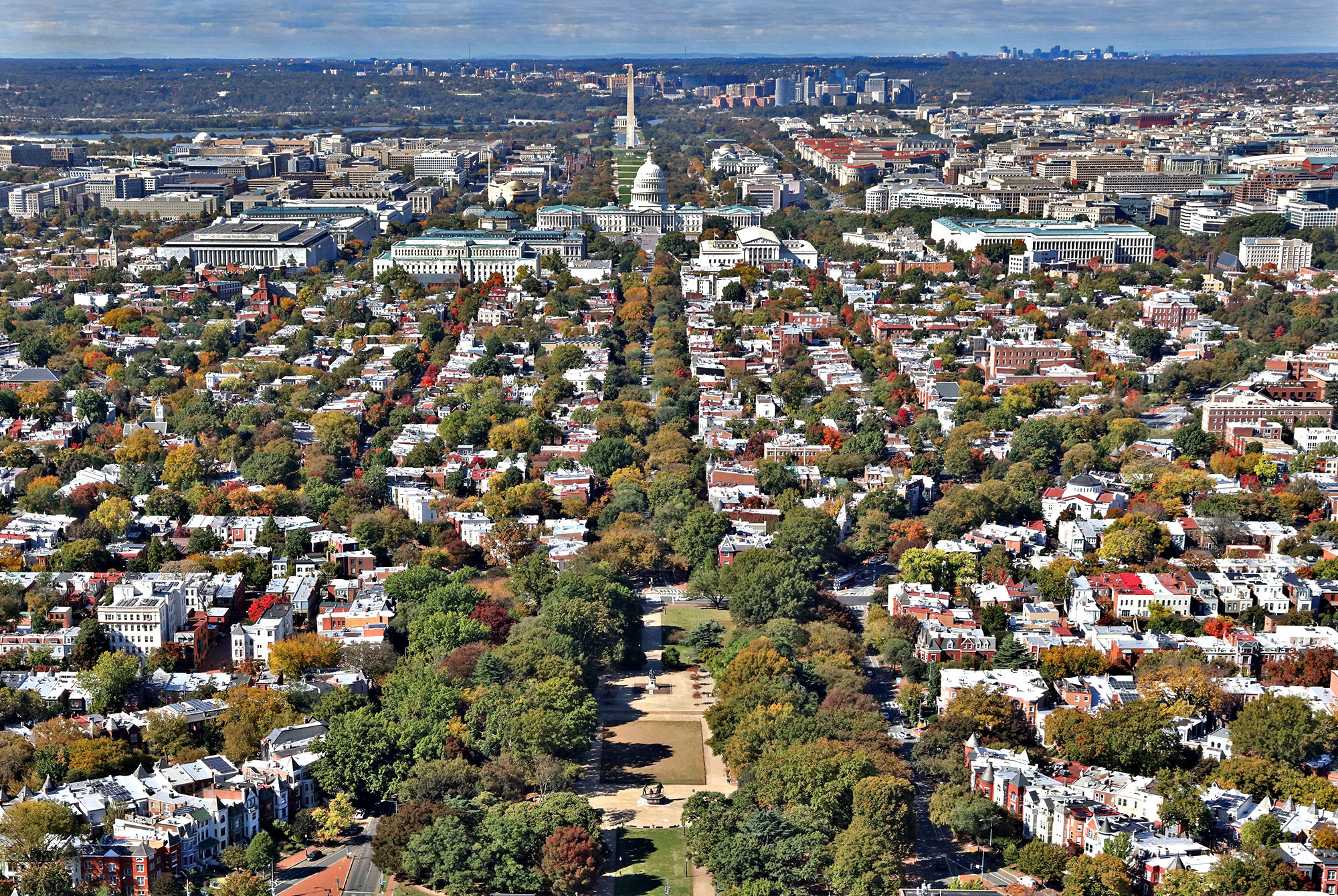
Park in Washington, D.C., U.S.
| Field | Value |
|---|---|
| name | Lincoln Park |
| photo | Lincoln Park DC.JPG |
| photo_width | 300 |
| photo_caption | Lincoln Park looking west from Mary McLeod Bethune Statue |
| map | United States Washington, D.C. east |
| map_caption | Location in eastern Washington, D.C. |
| location | Washington, D.C. |
| coords | |
| created | 1867 |
| website |
Lincoln Park, historically known as Lincoln Square, is the largest urban park located in the Capitol Hill neighborhood of Washington, D.C., United States. From 1862 to 1865, during the American Civil War, it was the site of Lincoln Hospital, then the largest hospital in Washington, D.C. It is located along East Capitol Street, which surrounds the park.
Location
Situated one mile directly east of the United States Capitol, Lincoln Park is maintained by the National Park Service. The park is bounded by 11th Street NE and SE on the west, 13th Street NE and SE on the east, East Capitol Street NE on the North, and East Capitol Street SE on the south. It is four blocks northeast of Eastern Market.
The eastern end of the park includes two separate, enclosed play areas for young children. The grassy perimeter and central turf area are popular with neighborhood dogs and their owners.

History
Pierre Charles L'Enfant included the park in his original 1791 plan for the District of Columbia, intending it for public use. Though it was originally planned as the point from which all distances in North America would be measured (a zero milepost), it was not ultimately utilized for this purpose. Instead, the park was used as a dumping ground.
During the Civil War, it became the site where Lincoln Hospital was built to take care of the wounded Union Army soldiers. While there were many others around the city, it was the largest in the area built by the Army. It included 20 pavilions arranged in a V formation. 25 tent wards provided beds for 2,575 wounded. Covered pathways connected the kitchen and dining rooms.
The other buildings on site were:
- the headquarters (marked by the flag)
- the officers' quarters
- the quarters for the Sisters providing the nursing care
- the barracks
- a guard house
- separate quarters for contraband
- service facilities: a water tank, laundry, barber shop, carpenter shop, stables, and a morgue ("Dead House").
Like many of the other hospitals in the area, Lincoln Hospital was visited by family members as well as well-wishers. One such visitor was Vinnie Ream, a talented mezzo-soprano (who later gained fame as Lincoln's sculptor). She performed at the hospital in April 1864.
It was also visited by Walt Whitman, who was visiting injured soldiers in the local hospitals. He mentions it in his writings:
2,012 beds were occupied as of December 17, 1864.
As with most hospitals in the area, with the end of the Civil War in 1865, it was taken down that year. In 1867, Congress authorized the grounds to be called Lincoln Square as a memorial to the former president; it was the first public site to bear his name.
Statues
The park features two important sculptures: Main article: Emancipation Memorial
-
Thomas Ball's 1876 Freedman's Memorial to Abraham Lincoln (Emancipation Monument), one of the first memorials in Washington honoring Abraham Lincoln. It was dedicated on April 14, 1876, with an oration by Frederick Douglass. Main article: Mary McLeod Bethune Memorial
-
Robert Berks's statue of Mary McLeod Bethune. It was unveiled on the anniversary of her 99th birthday, July 10, 1974, before a crowd of over 18,000 people.
File:Emancipation Memorial.jpg|The Emancipation Memorial by Thomas Ball Image:Mary McLeod-in-Lincoln Park.jpg|A larger-than-life-size statue of African American educator and activist Mary McLeod Bethune
References
References
- "Lincoln Park". National Park Service.
- Pohl, Robert. (November 9, 2009). "Lost Capitol Hill: The Zero Milestone". The Hill is Home.
- "Lincoln Park". National Park Service.
- NIH - Historic Medical Sites in the Washington, DC Area - Lincoln Hospital - [https://www.nlm.nih.gov/hmd/medtour/lincoln.html]
- Whitman Archive - https://whitmanarchive.org/criticism/current/anc.00156.html
- Civil War Washington - Organization of the Hospitals in the Department of Washington - Table 6 - https://civilwardc.org/introductions/other/hospitals.php
- Kirk Savage. (1999). "Standing Soldiers, Kneeling Slaves: Race, War, and Monument in Nineteenth-Century America". Princeton University Press.
- Oration by Frederick Douglass, delivered on the occasion of the unveiling of the Freedmen's Monument in memory of Abraham Lincoln, in Lincoln Park, Washington, D.C., April 14th, 1876. With an appendix. - Library of Congress - [https://lccn.loc.gov/12006733]
This article was imported from Wikipedia and is available under the Creative Commons Attribution-ShareAlike 4.0 License. Content has been adapted to SurfDoc format. Original contributors can be found on the article history page.
Ask Mako anything about Lincoln Park (Washington, D.C.) — get instant answers, deeper analysis, and related topics.
Research with MakoFree with your Surf account
Create a free account to save articles, ask Mako questions, and organize your research.
Sign up freeThis content may have been generated or modified by AI. CloudSurf Software LLC is not responsible for the accuracy, completeness, or reliability of AI-generated content. Always verify important information from primary sources.
Report