From Surf Wiki (app.surf) — the open knowledge base
Limassol
Largest city in Cyprus
Largest city in Cyprus
| Field | Value |
|---|---|
| name | Limassol |
| native_name | el |
| tr | |
| image_skyline | {{multiple image |
| total_width | 300 |
| border | infobox |
| perrow | 1/2/2/2 |
| caption_align | center |
| image1 | Skyscrapers in Limassol.jpg |
| alt1 | A ground view of the Limassol seafront, with the Trilogy buildings and the Limassol One building triumphing over the city |
| caption1 | Trilogy Towers (left) and ONE in the distance |
| image2 | Limassol 01-2017 img21 Castle exterior.jpg |
| alt2 | The medieval castle in Limassol |
| caption2 | Limassol Castle |
| image3 | Limassol Altstadt.jpg |
| alt3 | Street in the Old Town of Limassol |
| caption3 | Street in the Old Town |
| image4 | LIMASSOL MOLOS 01.jpg |
| alt4 | View of Limassol taken from Limassol Molos |
| caption4 | Limassol Molos |
| image5 | Limassol 01-2017 img18 Marina.jpg |
| alt5 | Boats docked in the Limassol Marina |
| caption5 | Limassol Marina |
| image6 | The Oval.jpg |
| alt6 | The Oval office building in Limassol |
| caption6 | The Oval |
| image7 | City of Dreams Mediterranean Resort.jpg |
| alt7 | City of Dreams Mediterranean in Limassol |
| caption7 | City of Dreams}} |
| image_seal | Limassol Municipality Logo.png |
| mapframe | yes |
| mapframe-zoom | 11 |
| mapframe-id | Q28870916 |
| mapframe-point | none |
| map_caption | Interactive map outlining Limassol Municipality |
| pushpin_map | Cyprus#European_Union |
| pushpin_relief | y |
| pushpin_image | Cyprus relief location map.jpg#European Union relief laea location map.svg |
| pushpin_mapsize | 300 |
| pushpin_map_caption | Location within Cyprus##Location within the European Union |
| coordinates | |
| subdivision_type | Country |
| subdivision_name | Cyprus |
| subdivision_type1 | District |
| subdivision_name1 | Limassol District |
| subdivision_type2 | Municipality |
| subdivision_name2 | Limassol Municipality |
| leader_title | Deputy Mayor |
| leader_name | Demos Katsis |
| area_total_km2 | 35.09 |
| area_footnotes | |
| population_total | 108,105 |
| population_as_of | 2021 |
| population_urban | 198,558 |
| postal_code_type | Post code |
| postal_code | 3010–3150 |
| website | |
| timezone | EET |
| utc_offset | +2 |
| timezone_DST | EEST |
| utc_offset_DST | +3 |
| other_name | Lemesos |
| settlement_type | City and Municipal District |
| blank_name_sec1 | Patron Saint |
| blank_info_sec1 | John the Merciful (12 November) |
| blank_info_sec2 | Port of Limassol |
| blank_name_sec2 | Major port(s) |
| area_code | 25 |
| population_rank | 1st municipality, 2nd urban in Cyprus |
| total_type | Municipality |
| area_urban_km2 | 124.71 |
| population_urban_footnotes | |
| population_density_urban_km2 | auto |
| population_footnotes | |
| population_demonym | Limassolian(s) (en) Lemesianos (masc.), Lemesiani (fem.) (gr) |
| iso_code | CY-02 |
| area_code_type | Area code |
| population_blank1_title | District |
| population_blank1 | 262238 |
tr | mapframe-zoom = 11 | mapframe-id = Q28870916 | mapframe-point = none
Limassol, also known as Lemesos, is a city on the southern coast of Cyprus. Limassol is the most populated municipality in Cyprus, with a population of 108,105 and is the second-largest urban area in Cyprus, after Nicosia, with an urban population of 195,139. It is the capital of the Limassol District with a population of 262,238.
Limassol was built between two ancient Greek cities, Amathus and Kourion. Its historical centre is located around the medieval Limassol Castle and the Old Port. The city spreads along the Mediterranean coast and has extended much farther than the castle and port, with its suburbs stretching along the coast to Amathus. To the west of the city is Akrotiri, part of the British Overseas Territory of Akrotiri and Dhekelia.
In 2014, Limassol was ranked by TripAdvisor as the third most up-and-coming destination in the world, in its Top 10 Travelers' Choice Destinations on the Rise list. In Mercer's Quality of Living Ranking, the city was ranked 90th in 2023, and 89th in 2017. In the 2022 GaWC ranking, Limassol was classified as a "high sufficiency" city, dropping one category from "gamma −" () in 2020.
Etymology
The name "Limassol" derives from the ancient Greek word "Nemesos" (), meaning "one found in the middle". This likely refers to the city's location between the ancient towns of Amathus and Kourion. Over time, the name evolved into "Lemesos", which is known in English as "Limassol".
History
Ancient
According to the Council of Chalcedon of 451, the local bishop as well as the bishops of Amathus and Arsinoe were involved in the foundation of the city, which would be known by the names of Theodosiana and Neapolis. Bishop Leontios of Neapolis was an important church writer in the 7th century. The records of the 7th Synod (757) refer to it as the bishop's see. The town was known as Lemesos by the 10th century.
Medieval

The history of Limassol is largely known by the events associated with the Third Crusade. The king of England, Richard the Lionheart, was travelling to the Holy Land in 1190. His fiancée, Berengaria, and his sister, Joan, were also travelling there, but on a different ship. Due to a storm, the women's ship arrived in Limassol. Isaac Komnenos, the renegade Byzantine governor of Cyprus, invited the noblewomen ashore, with the intention of holding them for ransom, but they refused. So he refused them fresh water and they had to put out to sea again or yield to capture. When Richard arrived in Limassol and met Isaac Komnenos, he asked him to contribute to the crusade. At first Isaac agreed but later refused. Richard took him captive and the entire island was taken over by the Anglo-Normans, bringing the long Byzantine dominion of Cyprus to an end. Richard celebrated his marriage with Berengaria who had received the crown as queen of England in Cyprus. Richard destroyed Amathus and the inhabitants were transferred to Limassol.
In 1191 Cyprus was sold for 100,000 bezants to the Knights Templar.
The knights imposed high taxes, to get back the money they had paid for Cyprus. This led to the revolt of the Cypriots, who wished to get rid of the bond of promise. Richard accepted their request and a new purchaser was found: Guy of Lusignan, a Roman Catholic from Poitou, who handed Cyprus over to the French house of Lusignan, thus establishing the medieval Kingdom of Cyprus.
For a period of about three centuries (1192–1489), Limassol enjoyed remarkable prosperity. Cyprus had a great number of Latin bishops, which lasted until the occupation of Cyprus by the Ottomans in 1570. The Latin battalions established monasteries and settled down there. The settlement of merchants in Cyprus and particularly in Limassol in the 13th century enhanced the welfare of its inhabitants. Its harbour became a centre of transportation and commerce, contributing greatly to its financial and cultural development.
Venetian rule
In 1489 Cyprus was sold to Venice by the Cypriot queen Catherine Cornaro. The Venetians were not interested in Cyprus and only wanted to tax and exploit the island's resources. All the inhabitants were enslaved by the Venetians, and were obliged to give a third of their income, including products of the land. Travelers who visited Cyprus in the 16th century commented on the poor condition of the local population in the towns of the island.
In 1538 the Ottomans captured the city and Limassol Castle. The Venetian governor of Cyprus, after recapturing the castle, decided to demolish it to avoid its possible seizure. This destruction was completed in 1567–1568. Two years later the Ottomans recaptured the city.
Ottoman rule

Some neighbourhoods, primarily to the east of the city, were predominantly Greek, while those to the west were mainly Turkish, with a mixed area around the castle. Christians lived in small, low houses that required one to bend to enter, a deliberate design to prevent Turks from riding horses into their homes. During the period of Turkish rule, Cyprus experienced a general decline. The Turks did not contribute to any development, and Greeks and Turks lived in separate neighbourhoods. The intellectual standards of Cypriots declined due to the lack of interest from the conquerors, oppression, and high taxation, which hindered the intellectual development of children.
The church played an important role in the education of Greeks from 1754 to 1821. Many new schools were established across the island, including the Greek School (modern-day Laniteio Lyceum) in Limassol. Greek history, Turkish and French were taught at schools.
British colony

In 1878, the British took over administrative control of Cyprus after the Cyprus convention. The first British governor of Limassol was Colonel Warren. He showed a particular interest in Limassol and from the first days the condition of the town showed an improvement. The roads were cleaned, the animals were removed from the centre, roads were fixed, trees were planted and docks were constructed for the loading and unloading of ships anchored off-shore. Lanterns for the lighting of central areas were installed in the 1880s. In 1912, electricity replaced the old lanterns.
A post office, a telegraph office and a hospital began to operate in the early years of British rule. In 1880, the first printing press started working. It was in this printing press that the newspapers Alithia and Anagennisis were published in 1897. The newspaper Salpinx was published at the same time.
At the end of the 19th century, the first hotels began to operate. Among these were Europe and Amathus. These changes that the British brought about contributed to the development of an intellectual and artistic life. Schools, theatres, clubs, art galleries, music halls, sport societies, football clubs etc. were all set up and meant a great deal to the cultural life of Limassol.
Modern day
Due to the Turkish invasion of Cyprus in 1974 the Turkish Cypriot inhabitants of Limassol were transferred to the north of Cyprus. Accordingly, many Greek Cypriots refugees settled in the city. When Famagusta was occupied by Turkish troops, Limassol experienced rapid growth fuelled by the large population increase and the need for housing. Many luxury hotels, restaurants and entertainment venues were built, making Limassol the new commerce centre of Cyprus, a role which had been filled by Famagusta.
Limassol has become the second largest city in Cyprus and hosts the island's main port. It is renowned for its extravagant annual events, attracting numerous visitors from both the island and around the globe.
Geography
Municipalities and quarters
The Limassol urban area includes the Limassol Municipality and the municipalities of Kato Polemidia, Mesa Geitonia, Agios Athanasios, Germasogeia, and Ypsonas. For administrative purposes, the municipalities of Limassol are divided into quarters, with the exception of Ypsonas.
| {{Location map+ | Limassol municipalities with quarters | float=center | overlay_image= | caption= | places= |
|---|
Climate
Limassol has a hot-summer Mediterranean climate (Köppen climate classification: Csa), closely bordering a hot semi-arid climate (Köppen climate classification: BSh),{{cite web |url-status=dead |archive-url=https://web.archive.org/web/20100906034159/http://koeppen-geiger.vu-wien.ac.at/ |archive-date=2010-09-06
Snow in Limassol is very rare and usually falls mixed with rain every 7 to 13 years. Snow mixed with rain fell in February 2004, in January 2008 and in February 2012. In January 2022 Limassol registered a record low temperature of -0.8 °C. In spring the weather is mild to warm and pleasant. It is sunny almost every day and the temperatures are around 19 - in the day and 9 °C in the night. Rain showers and thunderstorms are common especially in late March and April. Sometimes during the spring dust comes from the Sahara desert which degrades air quality in the city. Summer for Limassol is the longest season of the year, and lasts about six months; it begins in May and ends in October. At this time of the year, the weather is sunny every day and rain is rare. The temperatures range between 19 °C to 30 °C in June and September and 22 °C to 40 °C in July and August. In June, sea mist can sometimes occur, usually resolving early in the morning. Autumn is warm and usually sunny. It begins in the end of November and in December. During this period of the year, temperatures range from as low as 12 °C to as high as 20 °C.
This season the weather differs from year to year and it can be very wet with violent thunderstorms sometimes (October 2009 rainfall was around 90 mm) or very dry (October 2007 rainfall of 2 to). Limassol receives around 410 mm of rain each year but this varies from year to year and sometimes droughts do occur (every 3–5 years). The rainy season 2009–2010 was a wet one with precipitation being as high as 515 mm in some areas whilst the rainy season of 2007–2008 was dry with only 300 mm of rain. Hail is rare and usually falls between October and April.
|Jan record high C = 23.3 |Feb record high C = 24.4 |Mar record high C = 29.0 |Apr record high C = 33.6 |May record high C = 38.6 |Jun record high C = 40.3 |Jul record high C = 38.8 |Aug record high C = 40.2 |Sep record high C = 39.3 |Oct record high C = 35.6 |Nov record high C = 32.5 |Dec record high C = 24.6 |year record high C = 40.3 |Jan record low C = -0.8 |Feb record low C = 1.0 |Mar record low C = 3.4 |Apr record low C = 5.0 |May record low C = 11.1 |Jun record low C = 13.9 |Jul record low C = 19.0 |Aug record low C = 18.9 |Sep record low C = 13.8 |Oct record low C = 8.8 |Nov record low C = 3.8 |Dec record low C = 0.5 |year record low C = -0.8 |access-date=2009-09-15 |archive-date=2018-12-26 |archive-url=https://web.archive.org/web/20181226141221/http://www.moa.gov.cy/moa/MS/MS.nsf/DMLclimet_reports_en/DMLclimet_reports_en?OpenDocument&Start=1&Count=1000&Expand=1%20 |url-status=dead
| Jan | Feb | Mar | Apr | May | Jun | Jul | Aug | Sep | Oct | Nov | Dec | Year |
|---|---|---|---|---|---|---|---|---|---|---|---|---|
| 17.8 °C | 17.0 °C | 17.3 °C | 18.1 °C | 20.8 °C | 24.4 °C | 27.2 °C | 28.0 °C | 27.2 °C | 25.2 °C | 22.1 °C | 19.6 °C | 22.0 °C |
Transport
Limassol is one of the island's main transportation hubs. The city is home to the largest port on the island, which handles almost exclusively all passenger traffic inbound and outbound the island.
Bus transport
EMEL (Limassol Passenger Transport Company) (), is the main operator of buses in Limassol. , its network consists of around 53 bus lines, spanning the Limassol district, making up a fleet of approximately 150 buses, 35 of which are electric. National and regional bus links are provided by InterCity Buses from the Limassol Port passenger building.
Ferry

Motorways

The city is a highway hub, crossing the following motorways:
- A1 motorway to the north, to Nicosia
- A5 motorway to the east, to Larnaca and Famagusta
- A6 motorway to the west, to Paphos
- A8 motorway to the north, to Saittas village (under construction )
Airports
While Limassol is not home to any airports, the city is close to two international airports; Larnaca International Airport (situated 60 km north-east from the city) and Paphos International Airport ( 50 km north-west). Bus links connect both airports with the city, served by Limassol Airport Express from Chavouzas station.
Demographics
Since the 1960s, internal migration and the influx of displaced persons after the 1974 invasion have significantly increased the population of Limassol and its suburbs.
Limassol is home to a large community of Pontic Greeks, who settled in Cyprus after the collapse of the Soviet Union.
The city has also become increasingly popular with Russian and other post-Soviet nationals and expatriates, earning the nickname "Limassolgrad". Today, about 17% of Limassol's population is Russian-speaking, and 8% are Russian citizens.
Historical

Historically, Limassol had a mixed population of Greek Cypriots, Turkish Cypriots, and Armenian Cypriots. Most Turkish Cypriots moved to the north in 1974 and 1975. Consequently, many Greek Cypriots from the north, who became refugees following the Turkish invasion, settled in the city. In the 1990s, several Cypriot Romani people (considered Turkish Cypriots according to the constitution) returned from the north to the Turkish quarter of Limassol. Armenians remained in Limassol, residing around the Sourp Kevork Armenian Apostolic Church and maintain the Nareg Armenian School ().
The birth rate rose by 70% during the late 19th and 20th centuries (1878–1960). The number of inhabitants increased from 6,131 in 1881 to 43,593 in 1960. The Greek Cypriot population was estimated at 37,478, while the Turkish Cypriot population was at 6,115.
Education

Limassol has a comprehensive educational infrastructure, encompassing primary, secondary, and tertiary education. There are over a hundred public educational institutions in the city, with instruction primarily in Greek. Laniteio Lyceum, the oldest lyceum in the city and the largest on the island, was originally founded in 1819 as the "Greek School" and played a leading role in advancing education during periods of limited public provision.
In recent years, Limassol has emerged as a significant education hub, particularly for private and international secondary education. The city hosts sixteen private secondary schools, offering instruction in English, French, Greek, Russian, Ukrainian, and other languages. Notable institutions include The Grammar School, Foley's School, The Heritage Private School, American Academy, Pascal International Education, The Island Private School, IMS Private School, Silverline, and Trinity Private School. These schools offer a variety of curricula, including the British curriculum (IGCSE/A-Levels), International Baccalaureate (IB), Waldorf education, Montessori, and other international programs.{{cite web |url-status=live |access-date=11 November 2025

Several new campuses have been announced or are under development. Pascal International Education is expanding with two new campuses in Limassol, one of which will offer the IB Diploma Programme starting in 2025. The Island Private School, an IB Continuum school, is expanding to include a boarding facility. In 2025, construction is expected to begin on a €50 million Jewish educational campus in the area of Polemidia, funded by the Yael Foundation and set to open in 2027 as a flagship international school for up to 1,500 students.
In addition to the various Greek and English speaking schools, the Nareg Armenian School also has a campus in the city, one of three on the island. Another notable example is Saint Mary's School, a Catholic institution founded in 1923 by the Franciscan Missionary Sisters of the Sacred Heart, offering primary and secondary education to students of all religions. Its curriculum places strong emphasis on modern languages—including English, Greek, French, and Italian—while gradually integrating science and commercial subjects.
In terms of higher education, Limassol is the base of Cyprus University of Technology, one of three state universities. The city is also home to Frederick University and the University of Limassol, which are both private universities. Many institutions of tertiary education can be found in the city.
Economy
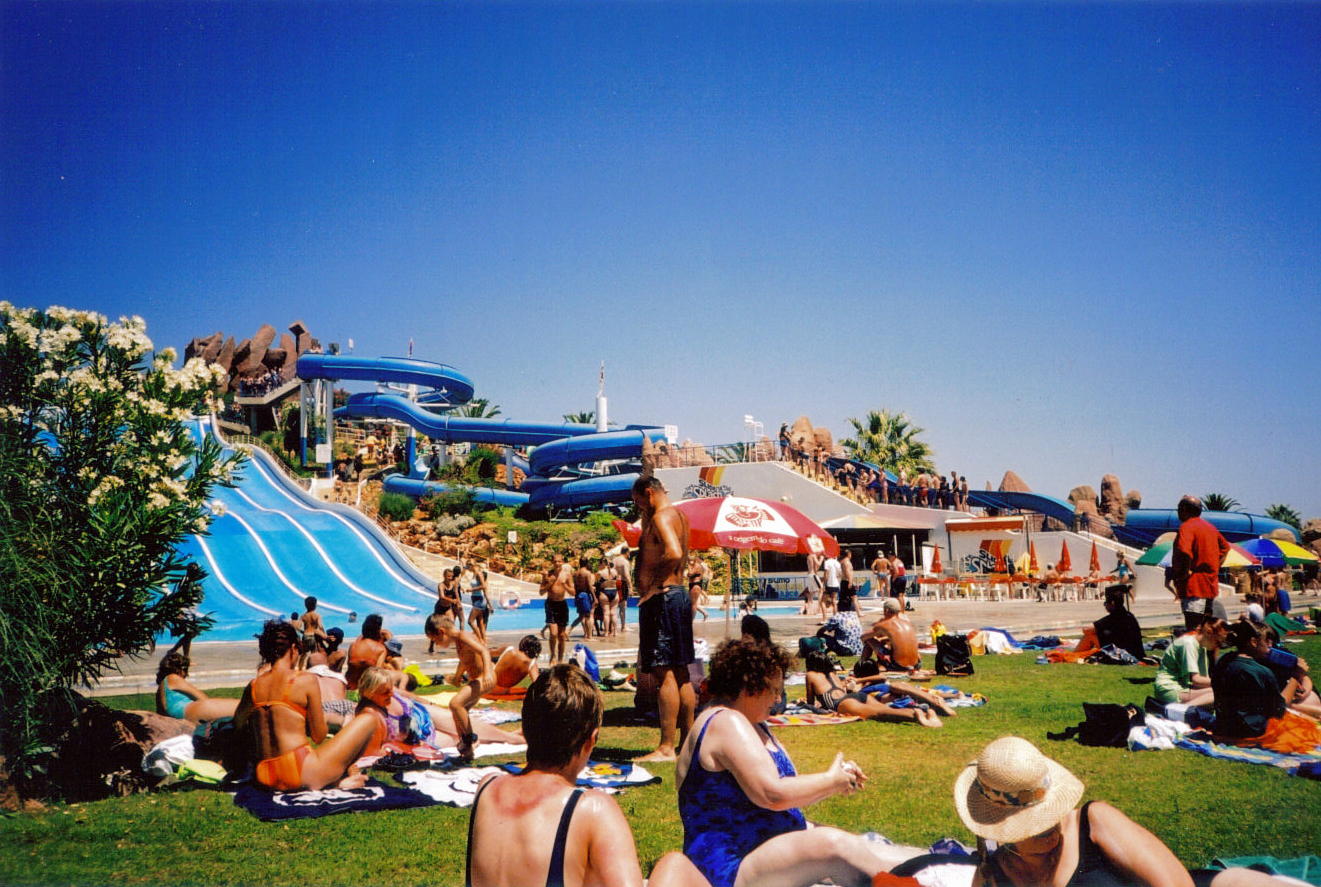
Tourism in Limassol began to flourish after 1974, following the occupation of Famagusta and Kyrenia –the principal tourist resorts of Cyprus– during the 1974 Turkish invasion of Cyprus. Limassol has many beaches, suitable for sunbathing and swimming. A bathing beach with all the necessary facilities, provided by the Cyprus Tourism Organisation, operates in the Dasoudi area.
In 1974, the Port of Limassol became the Republic of Cyprus's main seaport. Prior to that, the role had been filled by the port of Famagusta, now located in the largely unrecognised Turkish Republic of Northern Cyprus.
Limassol is home to many of Cyprus's wine companies, which cater to the wine-growing regions on the southern slopes of the Troodos Mountains, including Commandaria. Companies such as KEO, LOEL, SODAP, and ETKO produce award-winning wines and brandies (cognacs) in international exhibitions. These products are highly consumed by both locals and tourists, with significant quantities exported to Europe.
Limassol is the largest industrial centre in the district, hosting around 350 industrial units with 90 industry wares. These industries include dressmaking, furniture, footwear, beverages, food, printing, metalwork, electrical devices, plastics, and more.
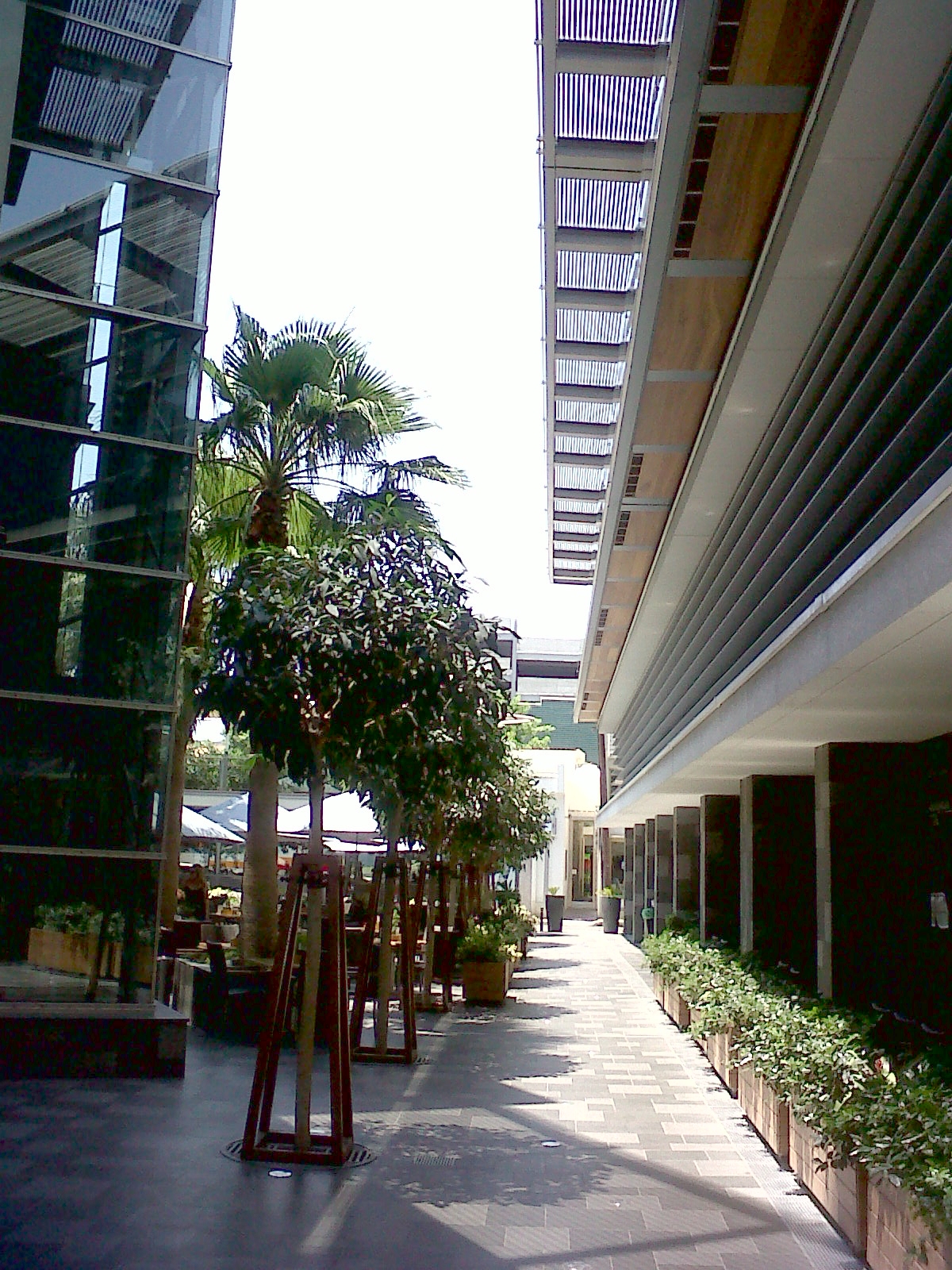
Limassol is a key trade centre in Cyprus, partially due to the presence of the British base at Akrotiri, and the population displacement following the Turkish invasion in 1974. The main trade markets are located in the town centre and the coastal tourist area, stretching from the Old Port to the Amathus area. This area is home to most of the hotels, restaurants, confectioneries, discos, and entertainment venues. Major global retail shops can be found on Anexartisias Street and Makariou Avenue, the city's primary shopping streets, as well as at My Mall, the largest mall in the district.
Limassol has two ports, commonly known as the Old Port (Limassol Marina) and the New Port (Port of Limassol). The New Port handles the majority of commercial and passenger traffic and is one of the busiest ports in the Mediterranean transit trade and is the largest port in the Republic of Cyprus. With a depth of 11 m and breakwaters extending 1,300 m, it can receive about ten ships, depending on their size. The Old Port, with a 250 m breakwater, can accommodate only three small ships at a time and is primarily used by fishing boats. These ports facilitate the export of grapes, wines, carobs, and citrus fruits, as well as the import of cereals, vehicles, machinery, textiles, agricultural medicines, fertilisers, and iron.[[File:Limassol Marina 03.jpg|thumb|Yachts at the [[Port of Limassol#Limassol Old Port-Limassol Marina|Limassol Marina]]|left|200x200px]]The Limassol Marina, built in 2014, is 500 m west of Limassol Castle, on the Old Port. This new development allows berthing of ocean-going yachts, having hosted its first yachts in 2013. The marina has a capacity of 1,000 vessels.
Since 2014, Limassol has experienced a construction boom driven by the tourism sector and increasing foreign investments. Public projects, such as the redesign of the 1 km Limassol Molos promenade, have enhanced the quality of life and the city's image as a cosmopolitan destination. Infrastructure improvements, partly funded by European programs, have addressed traffic issues with new highway flyovers and roundabouts.
Limassol has become a major centre for tourism, trade, and services. The city offers numerous museums and archaeological sites for visitors. It attracts a diverse range of tourists, especially during the extended summer season, accommodated within a wide variety of hotels and apartments available.
The Limassol coastline, known as "The Limassol Riviera", is undergoing a significant construction boom that began in late 2013 with new legislation encouraging development; becoming Europe's newest riviera. Since then, hundreds of new housing units and mushrooming businesses are introduced to the community annually. , over 70 buildings taller than 50 m are proposed or under construction, including 32 skyscrapers. Among these is One Limassol, Cyprus's tallest tower and Europe's tallest seafront residential building. Another project is the "City of Dreams Mediterranean (CoDM)", the first and largest integrated resort in Europe. In 2023, CoDM received the Seven Stars Luxury Hospitality and Lifestyle Award for "Best New Luxury Casino Resort in the World".
Landmarks
Archaeological sites
Amathus

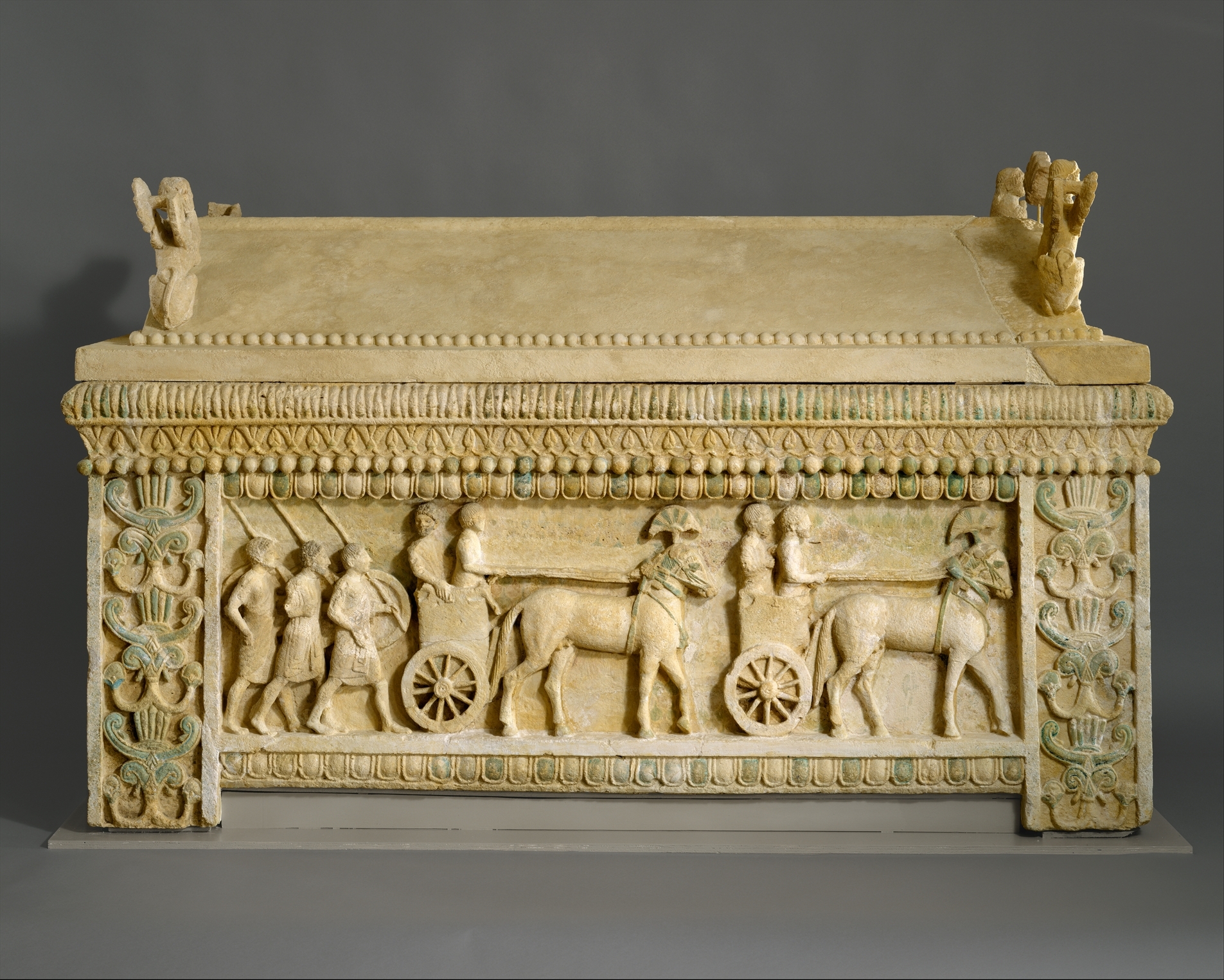
Amathus is an ancient city-kingdom, located about 11 km east of Limassol, dating back to 1100 BC, with a rich history with various influences by various civilisations. The most notable ruin is considered to be the Temple of Aphrodite, a major centre of worship and a sacred place for ceremonies and offerings, sitting atop the Acropolis of Amathus. Many tombs dating to the Iron Age are present, as well as remnants of public baths and other buildings in the ancient agora. A large limestone amphora, now housed in the Louvre, was found in Amathus. This vase dates back to the 6th century BC and weighs 14 tonne.
Kourion

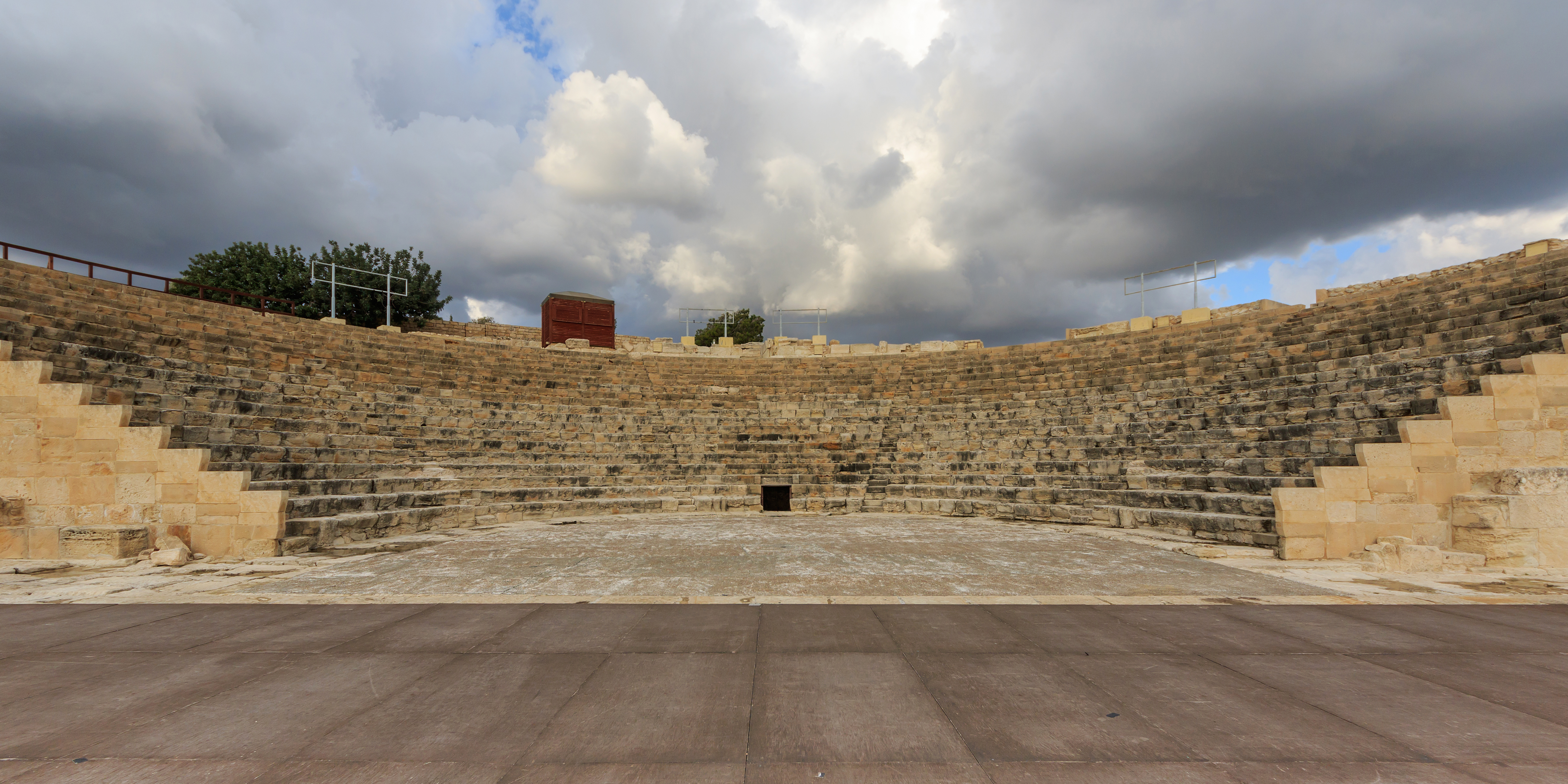
Kourion is another ancient city-kingdom, situated 19 km west of Limassol, with a rich history dating back to the Neolithic period, with significant developments during the Hellenistic, Roman, and Early Christian periods. The centerpiece of Kourion is the Greco-Roman theatre, originally built in the 2nd century BC and expanded in the 2nd century AD. It has been restored and is still used for open-air performances, overlooking the Mediterranean Sea. The Sanctuary of Apollo Hylates was dedicated to Apollo Hylates, the god of the woodland. It includes the remains of a temple, a bath complex, and a palaestra (wrestling school).
Museums

The Archaeological Museum has a collection of antiquities discovered in the district, spanning from the Neolithic Age to the Roman period. Among the notable artifacts are stone axes from the Neolithic and Chalcolithic periods, pottery and objects from the ancient cities of Kourion and Amathus, as well as Roman terracottas, gold jewelry, coins, sculptures, columns, vases, earrings, rings, necklaces, and marble statues. The museum was originally located within the Limassol Castle before being relocated to a site near the Public Gardens.
Since 2024 the non-profit PSI Foundation established in an old carob warehouse located in the industrial area of Limassol hosts exhibitions of modern and contemporary art as well as history of Cyprus. First exhibition dedicated to 50th anniversary of the invasion, "Casts of an Island 2024", was proclaimed "Cultural Event of the Year" by Thoukis awards.
Parks

The Limassol Public Gardens, located along the coastal road, boasts a diverse array of vegetation, including eucalyptus trees, pine trees, and cypresses. Within the garden, is the Limassol Zoo, which houses deer, moufflons, ostriches, pheasants, tigers, lions, monkeys, vultures, pelicans, flamingos and various other animals and birds. The Patticheio Municipal Museum and an open theatre, which was renovated to host international performances, are also within the gardens.
The Limassol Molos, a multifunctional seaside park from reclaimed land that spans 1 km, is one of the city's largest hotspots, as well as one of the largest parks on the island. Fishing, kayaking and many other watersports can be done off the piers of the park. The Limassol Sculpture Park, commissioned by the Limassol Municipality, can be found at Molos. The sculptures were created by Costas Dikefalos, Thodoros Papayiannis, Vassilis Vassili and Kyriakos Rokos from Greece, Helene Black from Cyprus, and more.
Culture
Festivals

.jpg)
Limassol is renowned in Cyprus for its vibrant festivals, including the Carnival and Wine Festival. The Limassol Carnival, a ten-day event filled with masquerades, has ancient roots tracing back to pagan rituals. It has evolved into a purely entertaining spectacle with widespread popularity. The festivities kick off with the entrance parade of the King (or Queen) Carnival, followed by a children's fancy-dress competition. The Grand Carnival parade on Makariou Avenue attracts large crowds from across the island, who come to watch the floats, serenades, and various masqueraded groups. Each night, numerous hotels host fancy-dress balls and parties.******
In early October, the Wine Festival of Cyprus takes place in the Limassol Public Gardens, running every evening from 08:00 to 23:00. During this festival, visitors can sample some of the finest Cypriot wines free of charge. The event also features folk dancing performances by groups from Cyprus and abroad, as well as choir performances and other entertainment.******
Other notable festivals in Limassol include the Limassol Street Life Festival and the Flower Festival (Anthestiria) in May, the Flood Festival (Kataklysmos) and Shakespeare Festival in June, and the Festival of Ancient Greek Drama.
Additionally, Limassol introduced its first beer festival in July 2003. This three-day seaside dance festival in the city center offers a variety of Cypriot and imported beers. The festival is free to enter, with beers sold at low prices and a mix of international music providing the soundtrack.******
Limassol also hosted the sixth Junior Eurovision Song Contest at the Spyros Kyprianou Athletic Centre.******
Sports

The Tsirio Stadium with a capacity of 13,331, was the home base of the three aforementioned football teams of Limassol as well as the Cyprus national football team in the past. It is also used for athletics. Other than the two previously mentioned stadiums, many others also exist in the city.
The Apollon Limassol Basketball Stadium, hosted the 2003 FIBA Europe South Regional Challenge Cup Final Four. The Apollon BC and the AEL BC competed, with the latter becoming the first Cypriot sport team to win a European Trophy. In 2006, Limassol hosted the FIBA Europe All Star Game in Spyros Kiprianou Sports Centre, as it had the year before. The Cyprus Rally which was hosted for the World Rally Championship and the Intercontinental Rally Challenge were both hosted in the Limassol district. In 2025, Limassol will host the EuroBasket.
The Limassol Marathon is part of an annual race series which takes place in Limassol. It was first run in 2006 and is still organised to this day. 2024 was a key year for the marathon since the participation record was broken with over 17,000 runners from more than 70 countries around the world participating. There are various races including a marathon, a half marathon, a 10 km Energy Race, a 5 km Corporate Race and a 1 km Youth Race.
Limassol also has an independent civilian rugby union team, the Limassol Crusaders, who play at the AEK Achileas Stadium and participate in the Joint Services Rugby League. There is a professional handball team, APEN Agiou Athanasiou.
Rowing and canoeing are rapidly becoming very popular in Limassol, due to the three nautical clubs in the city of Limassol. The Germasoyia dam is the place for both practising and competitions.
Government and politics
Politics
.jpg)
The first Marxist groups in Cyprus formed in Limassol in the early 1920s; in 1926, the Communist party of Cyprus was formed in the city. Its successor, the Progressive Party of Working People (AKEL), has dominated municipal elections since the first free elections in 1943, won by Ploutis Servas.
The European People's Party held an extraordinary party summit in Limassol in 2013. The list of participants in the summit included European Council members, government representatives, European Commission representatives, opposition members and leaders, and European Parliament representatives. The summit's agenda included topics such as the EU's multi-annual financial framework for the period 2014–2020 and the preparation for the 2014 European elections. Andreas Christou, an AKEL member, was re-elected mayor of Limassol in December 2011 to serve his second five-year term.
Local Government Reform
Following local government reform in 2024 there were a number of administrative changes.
The table below lists the new municipalities and the previous authorities from which they are composed, which now become municipal districts with deputy mayors.
| District | New Municipality | Municipal District | Pop 2021 | Pre | No.Cllrs(*) |
|---|---|---|---|---|---|
| Limassol | EAST LIMASSOL | TOTAL | 42,936 | 24 | |
| Limassol | East Limassol | Akrounta | 521 | C | 1 |
| Limassol | East Limassol | Armenochori | 211 | C | 1 |
| Limassol | East Limassol | Ayios Athanasios | 16,563 | M | 8 |
| Limassol | East Limassol | Ayios Tychon | 4,413 | C | 2 |
| Limassol | East Limassol | Foinikaria | 460 | C | 1 |
| Limassol | East Limassol | Mathikoloni | 200 | C | 1 |
| Limassol | East Limassol | Mouttayiaka | 3,243 | C | 3 |
| Limassol | East Limassol | Yermasoyeia | 17,325 | M | 7 |
| Limassol | LIMASSOL | TOTAL | 124,106 | 30 | |
| Limassol | Limassol | Limassol | 108,105 | M | 24 |
| Limassol | Limassol | Mesa Yeitonia | 15,949 | M | 5 |
| Limassol | Limassol | Tserkezoi | 52 | C | 1 |
| Limassol | POLEMIDIA | TOTAL | 26,650 | 20 | |
| Limassol | Polemidia | Kato Polemidia | 23,231 | M | 16 |
| Limassol | Polemidia | Pano Polemidia | 3,419 | C | 4 |
| Limassol | WEST LIMASSOL | TOTAL | 34,752 | 20 | |
| Limassol | West Limassol | Akrotiri | 933 | C | 1 |
| Limassol | West Limassol | Asomatos | 893 | C | 1 |
| Limassol | West Limassol | Episkopi | 4,111 | C | 3 |
| Limassol | West Limassol | Erimi | 3,156 | C | 2 |
| Limassol | West Limassol | Kantou | 412 | C | 1 |
| Limassol | West Limassol | Kolossi | 6,478 | C | 3 |
| Limassol | West Limassol | Sotira | 234 | C | 1 |
| Limassol | West Limassol | Trachoni | 4,569 | C | 3 |
| Limassol | West Limassol | Ypsonas | 13,966 | M | 5 |
Note: Column "Pre" indicates previous status: M (municipality), C (community) or S (settlement)
International relations
Twin towns – sister cities
Limassol is twinned with:
- GRE Rhodes, Greece (since 1970)
- EGY Alexandria, Egypt (since 1972)
- GRE Thessaloniki, Greece (since 1984)
- GRE Ioannina, Greece (since 1984)
- GRE Heraklion, Greece (since 1989)
- GER Niederkassel, Germany (since 1989)
- FRA Marseille, France (since 1992)
- CHN Nanjing, China (since 1992)
- GRE Zakynthos, Greece (since 1998)
- ISR Haifa, Israel (since 2000)
- GRE Patras, Greece (since 2001)
Consulates and consulates general
, Limassol hosts 6 consulates general and 33 consulates.
- (consulate general)
- (consulate general)
- (consulate general)
- (consulate general)
- (consulate general)
- (consulate general)
Notable people
Main article: List of people from Limassol
References
Notes
References
References
- "Cyprus: Limassol Urban Agglomeration (Municipalities, Communities and Quarters) - Population Statistics, Charts and Map".
- "CENSUS OF POPULATION AND HOUSING 2021: PRELIMINARY RESULTS BY DISTRICT AND MUNICIPALITY/COMMUNITY".
- "CENSUS OF POPULATION AND HOUSING 2021: PRELIMINARY RESULTS BY DISTRICT AND MUNICIPALITY/COMMUNITY".
- "Population – Predefined Tables".
- harakisnews. (2018-09-27). "The historical centre of Limassol".
- Wilks, Andrew. "UK's alleged use of Cyprus bases to arm Israel and hit Yemen draw protests".
- [http://www.kpmg.com/CY/en/IssuesAndInsights/ArticlesAndPublications/Documents/2015-documents/Cyprus-Tourism-Market-Report.pdf KPMG: Cyprus Tourism Market Report]
- Hetter, Katia. (2 December 2014). "TripAdvisor names 10 Destinations on the Rise". cnn.com.
- "Quality of Living City Ranking 2023".
- (2017). "2017 Quality of Living City Rankings". Mercer.
- "The World According to GaWC 2022". Globalization and World Cities.
- "GaWC - The World According to GaWC 2020".
- "Limassol: Explore Cyprus' most vibrant Coastal Town - My Cyprus Travel {{!}} Imagine. Explore. Discover.".
- "Ιστορία".
- "Limestone sarcophagus: the Amathus sarcophagus {{!}} Cypriot {{!}} Archaic".
- "History of Limassol".
- allaboutlimassol.com. "Allaboutlimassol.com - Ancient Times".
- cyprustravellerguide.com. (2024-06-30). "A BRIEF HISTORY OF LIMASSOL".
- ''The acts of the Council of Chalcedon'' by Council of Chalcedon, Richard Price, Michael Gaddis 2006 {{ISBN
- "History of Limassol".
- Cypnet.co.uk. (2011). "Cyprus History: Cyprus under Richard I – cypnet.co.uk". cypnet.co.uk.
- Wolff and Hazard, pp. 63–64
- Bozkurtoğlu, Özge. (2018-01-01). "A Multi-lingual Island in the Middle Ages: Cyprus of the Lusignan Dynasty". A Multi-lingual Island in the Middle Ages: Cyprus of the Lusignan Dynasty.
- Nicholson, Helen. (2018-01-18). "Remembering the crusaders in Cyprus: the Lusignans, the Hospitallers and the 1191 conquest of Cyprus in Jean d'Arras' Mélusine". D. S. Brewer.
- (1900). "The Anglo-Saxon Review". John Lane.
- "Τμήμα Αρχαιοτήτων - Αρχική Σελίδα".
- Turnbull (2000), p. 57
- Abulafia (2012), p. 447
- Daedalus Informatics. (2006). "The History of Cyprus – The British occupation". daedalus.gr.
- "Cyprus Department of Meteorology.".
- [http://www.seatemperature.org/europe/cyprus/limassol-january.htm Limassol average sea temperature] – seatemperature.org
- "2.1.1 Cyprus Port of Limassol {{!}} Digital Logistics Capacity Assessments".
- "New buses for Limassol".
- (2023-10-28). "Cruise line unveils state-of-the-art ship at Limassol Port {{!}} Cyprus Mail".
- (2024-08-09). "Census of Population and Housing 2021: Final Results - gov.cy".
- admin. (2024-06-07). "“Russian regiment” in Cyprus Goes to the Elections".
- Neocleous, G., Apostolou, M., & Spaneas, S. (2015). Misleading perceptions with ethnic minorities: the case of Pontiac Greeks in Cyprus. ''European Scientific Journal'', ''11''(8), 77-87.
- Smith, Helena. (2018-02-17). "Welcome to Limassolgrad: the city getting rich on Russian money". The Guardian.
- link. Mof.gov.cy
- "ΙΣΤΟΡΙΚΟ ΣΧΟΛΕΙΟΥ".
- "Ελένη Δημητρίου: Ένα σχολείο, μία ταυτότητα, το νέο Λανίτειο Λύκειο".
- "PRIVATE SECONDARY SCHOOLS".
- (2025-07-02). "PASCAL’s Limassol school authorised to offer IB DP from September 2025".
- (2025-02-25). "IB vs A-Levels".
- "The Island Scholarship Program".
- (2025-05-13). "€50m Jewish education hub set to break ground in Limassol".
- "OTHER SCHOOLS. CYPRUS - LEFKOSIA".
- Ltd, Crucial Services. "Latin Catholics of Cyprus".
- CYPRUS, UNIVERSITY OF TECHNOLOGY. "Τεχνολογικό Πανεπιστήμιο Κύπρου - CYPRUS UNIVERSITY OF TECHNOLOGY".
- "Private Institutes of Tertiary Education".
- "History".
- wncy. (2012-04-29). "Cyprus Wine Awards distinguishes it's wines with Gold".
- ""Gastronomos Quality Awards-Cyprus" for the year 2021".
- (2024-03-12). "Cyprus wines shine bright at major World Wine Awards".
- "Awards".
- "Anexartisias: The main shopping street of the city".
- "Limassol Marina open to the public". Cyprus Mail.
- admin. (2024-01-19). "Construction boom driven by demand for apartments {{!}} Cyprus News".
- (2024-01-08). "Cyprus' Limassol ascends as Europe's new riviera".
- office, blumarine. (2022-05-03). "Limassol is shaping up to become Europe's new Riviera".
- "Zawya: Cyprus' Limassol ascends as Europe's new riviera, offering GCC investors among the highest returns in Europe {{!}} Leptos Estates".
- (2017-07-25). "Limassol Upcoming Skyline Fears {{!}} Cyprus Property Valuers". Cyprus Property Valuers.
- "Pafilia launches ONE, the tallest residential seafront tower in Europe.".
- "ONE - The Skyscraper Center".
- "Europe's Tallest Seafront Tower in Limassol Riviera".
- Solutions, BDigital Web. "Europe's first multi-themed resort opens in Limassol".
- (12 July 2023). "City of Dreams Mediterranean officially opens".
- (2024-03-07). "City of Dreams Mediterranean named 'Best New Luxury Casino Resort'".
- (2017-03-15). "Amathus Archaeological Site".
- Christos. (2015-11-04). "Amathous Archaeological Site".
- Christos. (2015-11-04). "Kourion Archaeological Site".
- Move, Brit on the. (2023-12-09). "Ancient Kourion: Cyprus' House of Eustolios".
- (2017-06-28). "Medieval Museum of Cyprus (Limassol Castle)".
- "Limassol Castle".
- "Why This Castle Held Such a Strategic Position During the Crusades".
- "The Municipal Museum of Folk Art".
- Solutions, BDigital Web. "Folk Art Museum".
- Solutions, BDigital Web. "Limassol District Archaeological Museum".
- "Department of Antiquities - Museums".
- (2017-03-15). "Limassol Archaeological Museum".
- "PSI FOUNDATION".
- "Thoukis awards of the Year 2024: Ο υπουργός της χρονιάς, η Μητέρα Τερέζα και οι προσωπικότητες".
- "Limassol zoo /Limassol/".
- "Sea side Multi-fuctional Park".
- allaboutlimassol.com. "Limassol Molos".
- "Limassol Sculpture Park".
- CyprusNet. "Limassol Sculpture Park".
- CyprusEvents.net. (2011). "Limassol events". cyprusevents.net.
- "Limassol's Must-See Events and Festivals - Limassol Tourism Board".
- "Limassol Festivals – Limassol Annual Events.". limassol.com.
- "Junior Eurovision 2008".
- (2024-06-24). "More than 17,000 participants at Limassol marathon".
- "Bulgaria PM to Participate in European People's Party Summit in Limassol – Novinite.com – Sofia News Agency". novinite.com.
- "20 New Municipalities" (in Greek) on Ministry of the Interior website - www.gov.cy/moi/20-neoi-dimoi/ - retrieved Aug 2025
- "These are the 20 new Municipalities - The reform was voted on", Phileleftheros newspaper, Nicosia, 03 March 2022 - https://web.archive.org/web/20220303172313/https://www.philenews.com/oikonomia/kypros/article/1414066/aftoi-einai-oi-20-neoi-dimoi-psifistike-i-metarrythmisi - retrieved July 2025
- "Limassol Twinned Cities". Limassol (Lemesos) Municipality.
- "Twinned Cities".
- "Limassol - Foreign consulates".
This article was imported from Wikipedia and is available under the Creative Commons Attribution-ShareAlike 4.0 License. Content has been adapted to SurfDoc format. Original contributors can be found on the article history page.
Ask Mako anything about Limassol — get instant answers, deeper analysis, and related topics.
Research with MakoFree with your Surf account
Create a free account to save articles, ask Mako questions, and organize your research.
Sign up freeThis content may have been generated or modified by AI. CloudSurf Software LLC is not responsible for the accuracy, completeness, or reliability of AI-generated content. Always verify important information from primary sources.
Report