From Surf Wiki (app.surf) — the open knowledge base
Leslie Howard
British actor (1893–1943)

British actor (1893–1943)
| Field | Value |
|---|---|
| name | Leslie Howard |
| image | Leslie Howard GWTW.jpg |
| caption | Howard as Ashley Wilkes in Gone with the Wind, 1939 |
| birth_date | |
| birth_place | Forest Hill, London, England |
| death_date | |
| death_place | At sea off the coast of Galicia, Spain, near Cedeira |
| death_cause | Aircraft shot down |
| birth_name | Leslie Howard Steiner |
| occupation | |
| years_active | 1913–1943 |
| known for | |
| spouse | |
| children | 2, including Ronald |
| embed | yes |
| embed_title | Military service |
| allegiance | United Kingdom |
| branch | British Army |
| branch_label | Service |
| serviceyears | 1914–1916 |
| rank | Subaltern |
| battles | First World War |
| battles_label | Wars |
- Inns of Court Regiment
- Northamptonshire Yeomanry
Leslie Howard Steiner (3 April 18931 June 1943) was an English actor, director, producer and writer. He wrote many stories and articles for The New York Times, The New Yorker, and Vanity Fair and was one of the biggest box-office draws and movie idols of the 1930s.
Active in both Britain and Hollywood, Howard played Ashley Wilkes in Gone with the Wind (1939). He had roles in many other films, including Berkeley Square (1933), Of Human Bondage, The Scarlet Pimpernel (both 1934), The Petrified Forest (1936), Pygmalion (1938), Intermezzo (1939), "Pimpernel" Smith (1941), and The First of the Few (1942). He was nominated for the Academy Award for Best Actor for Berkeley Square and Pygmalion. And he won the Volpi Cup for Best Actor for the latter film.
Howard's Second World War activities included acting and filmmaking. He helped to make anti-German propaganda and shore up support for the Allies; two years after his death, the British Film Yearbook described Howard's work as "one of the most valuable facets of British propaganda". He was rumoured to have been involved with British or Allied Intelligence, sparking conspiracy theories regarding his death in 1943 when the Luftwaffe shot down BOAC Flight 777 over the Atlantic (off the coast of Cedeira, A Coruña), on which he was a passenger.
Early life
Howard was born Leslie Howard Steiner to a British mother, Lilian (née Blumberg), and a Hungarian Jewish father, Ferdinand Steiner, in Forest Hill, London. His younger brother was actor Arthur Howard. Lilian had been raised as a Christian, but she was of partial Jewish ancestry – her paternal grandfather, Ludwig Blumberg, was a Jewish merchant who had married into the English upper-middle classes.
He received his formal education at Alleyn's School, London. Like many others around the time of the First World War, the family anglicised its name, in this case to "Stainer", although Howard's name remained Steiner in official documents, such as his military records.
Howard was a 21-year-old bank clerk in Dulwich when the First World War began; in September 1914, he voluntarily enlisted (under the name Leslie Howard Steiner) as a Private with the British Army's Inns of Court Officer Training Corps in London. In February 1915, he received a commission as a subaltern with the 3/1st Northamptonshire Yeomanry, with which he trained in England until 19 May 1916, when he resigned his commission and was medically discharged from the British Army with neurasthenia.
In March 1920, Howard gave public notice in The London Gazette that he had changed his surname, and would thereafter be known by the name of Howard instead of Steiner.
Theatre career
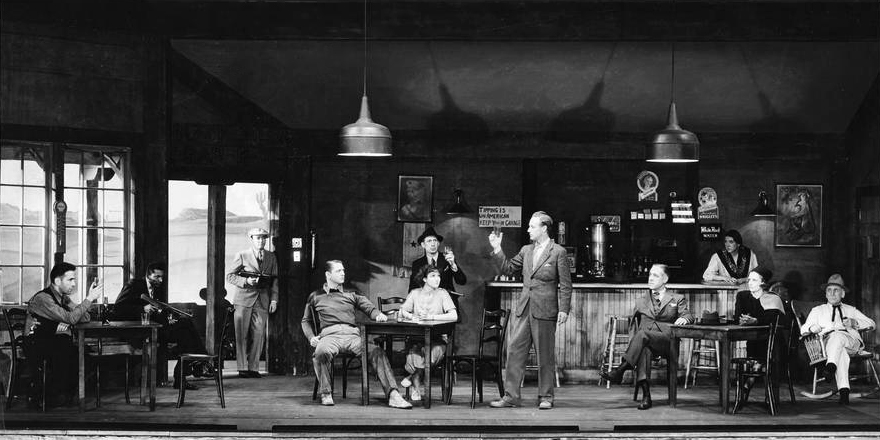
Howard began his professional acting career in regional tours of the comedy plays Peg o' My Heart and Charley's Aunt in 1916–17 and on the London stage in 1917, but had his greatest theatrical success in the United States in Broadway theatre, in plays such as Aren't We All? (1923), Outward Bound (1924) and The Green Hat (1925).
After his success as time traveller Peter Standish in Berkeley Square (1929), Howard launched his Hollywood film career in the film version of Outward Bound, but did not like the experience and vowed never to return to Hollywood. However, he did return, many times—later repeating the Standish role in the 1933 film version of Berkeley Square.
The stage, however, continued to be an important part of his career. Howard frequently juggled acting, producing and directing duties in the Broadway productions in which he starred. Howard was also a dramatist, and starred in the Broadway production of his own play Murray Hill (1927). He played Matt Denant in John Galsworthy's 1927 Broadway production Escape in which he first made his mark as a dramatic actor. His stage triumphs continued with The Animal Kingdom (1932) and The Petrified Forest (1934). He later repeated both roles in the film versions.
Howard loved to play Shakespeare, but according to producer John Houseman he could be lazy about learning lines. He first sprang to fame playing in Romeo and Juliet (1936) in the role of the leading man. During the same period, he had the misfortune to open on Broadway in Hamlet (1936), just a few weeks after John Gielgud launched a rival production of the same play that was far more successful with both critics and audiences. Howard's production, his final stage role, lasted for only thirty-nine performances before closing.
Howard was inducted into the American Theatre Hall of Fame in 1981.
Film career

In 1920 Howard suggested to his friend Adrian Brunel that they form a film production company. After Howard's initial suggestion of calling it British Comedy Films Ltd., the two eventually settled on the name Minerva Films Ltd. The company's board of directors consisted of Howard, Brunel, C. Aubrey Smith, Nigel Playfair and A. A. Milne. One of the company's investors was H. G. Wells. Although the films produced by Minerva—which were written by A. A. Milne—were well received by critics, the company was only offered £200 apiece for films that cost it £1,000 to produce, and Minerva Films was short-lived. Early films include four written by A. A. Milne, including The Bump, starring C. Aubrey Smith; Twice Two; Five Pounds Reward; and Bookworms, the latter two starring Howard. Some of these films survive in the archives of the British Film Institute.
In British and Hollywood productions, Howard often played stiff upper-lipped Englishmen. He appeared in the film version of Outward Bound (1930), though in a different role from the one he portrayed on Broadway. He had second billing under Norma Shearer in A Free Soul (1931), which also featured Lionel Barrymore and future Gone With the Wind rival Clark Gable eight years prior to their Civil War masterpiece. He starred in the film version of Berkeley Square (1933), for which he was nominated for an Academy Award for Best Actor. He played the title role in The Scarlet Pimpernel (1934), which is often considered the definitive portrayal.

When Howard co-starred with Bette Davis in The Petrified Forest (1936) – having earlier co-starred with her in the film adaptation of W. Somerset Maugham's book Of Human Bondage (1934) – he reportedly insisted that Humphrey Bogart play gangster Duke Mantee, repeating his role from the stage production. This re-launched Bogart's screen career, and the two men became lifelong friends; Bogart and Lauren Bacall later named their daughter "Leslie Howard Bogart" after him. In the same year Howard starred with Norma Shearer in a film version of Shakespeare's Romeo and Juliet (1936).
Bette Davis was again Howard's co-star in the romantic comedy It's Love I'm After (1937) (also co-starring Olivia de Havilland). He played Professor Henry Higgins in the film version of George Bernard Shaw's play Pygmalion (1938), with Wendy Hiller as Eliza, which earned Howard another Academy Award nomination for Best Actor. In 1939, as war approached, he played opposite Ingrid Bergman in Intermezzo; that August, Howard was determined to return to the country of his birth. He was eager to help the war effort, but lost any support for a new film, instead being obliged to relinquish £20,000 of holdings in the US before he could leave the country.
Howard is perhaps best remembered for his role as Ashley Wilkes in Gone with the Wind (1939), his last American film, but he was uncomfortable with Hollywood, and returned to Britain to help with the Second World War effort. He starred in a number of Second World War films, including 49th Parallel (1941), "Pimpernel" Smith (1941) and The First of the Few (1942, known in the U.S. as Spitfire), the latter two of which he also directed and co-produced. His friend and The First of the Few co-star David Niven said Howard was "...not what he seemed. He had the kind of distraught air that would make people want to mother him. Actually, he was about as naïve as General Motors. Busy little brain, always going."
In 1944, after his death, British exhibitors voted him the second-most popular local star at the box office. His daughter said he was a "remarkable man".
File:A Free Soul (1931) film poster.jpg|A Free Soul (1931) film poster File:Leslie Howard-Ann Harding in The Animal Kingdom.jpg|Howard and Ann Harding in The Animal Kingdom (1932) File:Leslie Howard - Myrna Loy - 32.JPG|Howard and Myrna Loy in The Animal Kingdom (1932) File:Of Human Bondage Poster.jpg|Of Human Bondage (1934) film poster File:Romeo and Juliet lobby card 2.jpg|Romeo and Juliet (1936) lobby card with John Barrymore and Basil Rathbone File:Spitfire-1943-Howard-John.jpg|Howard and Rosamund John in The First of the Few (1942)
Personal life
Howard married Ruth Evelyn Martin (1895–1980) on 3 March 1916. Their children were Ronald "Winkie" (1918–1996) and Leslie Ruth "Doodie" (1924–2013).
Leslie appeared with her father and David Niven in the film The First of the Few (1942), playing the role of nurse to Niven's character, and was a major contributor in the filmed biography of her father, Leslie Howard: The Man Who Gave a Damn. Ronald became an actor and played the title role in the television series Sherlock Holmes (1954).
His younger brother, Arthur Howard, was also an actor, primarily in British comedies. His sister Irene Howard was a costume designer and a casting director for Metro-Goldwyn-Mayer. His sister Doris Stainer founded the Hurst Lodge School in Sunningdale, Berkshire, in 1945 and remained its headmistress until the 1970s.
Howard was widely known as a "ladies' man", and he once said that he "didn't chase women but ... couldn't always be bothered to run away". Howard reportedly fathered a daughter – Carol Grace, born 1924 – by Rosheen Marcus; Carol twice married writer William Saroyan and then actor Walter Matthau.
He reportedly had affairs with Tallulah Bankhead when they appeared on stage in the U.K. in Her Cardboard Lover (1927), with Merle Oberon while filming The Scarlet Pimpernel (1934) and with Conchita Montenegro, with whom he had appeared in the film Never the Twain Shall Meet (1931). There were also rumours of affairs with Norma Shearer and Myrna Loy during filming of The Animal Kingdom.
Howard fell in love with Violette Cunnington in 1938 while working on Pygmalion. She was secretary to Gabriel Pascal who was producing the film; she became Howard's secretary and lover and they travelled to the U.S, and lived together while he was filming Gone with the Wind and Intermezzo (both 1939). His wife and daughter joined him in Hollywood before production ended on the two films, making his arrangement with Cunnington somewhat uncomfortable for everyone. He moved from the U.S. to Britain with his wife and daughter in August 1939. Cunnington soon followed. She appeared in "Pimpernel" Smith (1941) and The First of the Few (1942) in minor roles under the stage name of Suzanne Clair. She died of pneumonia in her early thirties in 1942, just six months before Howard's death. Howard left her his Beverly Hills house in his will.
The Howard family's home in Britain was Stowe Maries, a 16th-century, six-bedroom farmhouse on the edge of Westcott, Surrey. His will revealed an estate of £62,761, the equivalent of £ as of . An English Heritage blue plaque was placed at 45 Farquhar Road, Upper Norwood, London in 2013.
Death

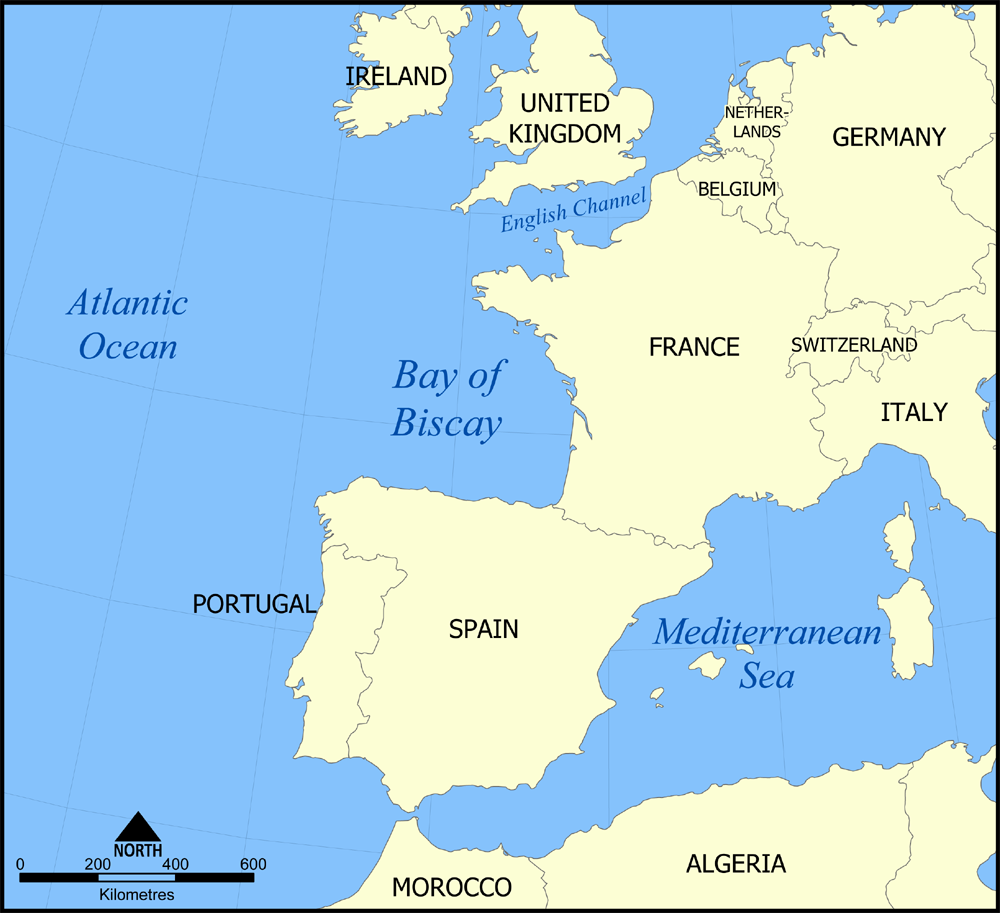
In May 1943, Howard travelled to Portugal to promote the British cause. He stayed in Monte Estoril, at the Hotel Atlântico, from 1–4 May, then again between 8–10 May, and again between 25–31 May 1943. The following day, 1 June 1943, he was aboard KLM Royal Dutch Airlines / BOAC Flight 777, "G-AGBB" a Douglas DC-3 flying from Lisbon to Bristol, when it was shot down by Luftwaffe Junkers Ju 88 C-6 maritime fighter aircraft over the Atlantic (off Cedeira, A Coruña). He was among the 17 fatalities, including 4 KLM flight crew.
The BOAC DC-3 Ibis had been operating on a scheduled Lisbon–Whitchurch route throughout 1942–1943 that did not pass over what would commonly be referred to as a war zone. However, by 1942 the Germans considered the region an "extremely sensitive war zone". On two occasions, 15 November 1942, and 19 April 1943, the camouflaged airliner had been attacked by Messerschmitt Bf 110 fighters (a single aircraft and six Bf 110s, respectively) while en route; each time, the pilots escaped by evasive tactics.
On 1 June 1943, "G-AGBB" again came under attack by a swarm of eight maritime fighters. The DC-3's last radio message indicated it was being fired upon at .
According to German documents, the DC-3 was shot down at , some 500 mi from Bordeaux, France, and 200 mi northwest of La Coruña, Spain. Luftwaffe records indicate that the Ju 88 maritime fighters were operating beyond their normal patrol area to intercept and shoot down the aircraft. Oberleutnant Herbert Hintze, Staffelkapitän of / Kampfgeschwader 40, and based in Bordeaux, stated that his Staffel shot down the DC-3 because it was recognized as an enemy aircraft.
Hintze further stated that his pilots were angry that the Luftwaffe leaders had not informed them of a scheduled flight between Lisbon and the UK, and that had they known, they could easily have escorted the DC-3 to Bordeaux and captured it and all aboard. The German pilots photographed the wreckage floating in the Bay of Biscay, and after the war, copies of these captured photographs were sent to Howard's family.
The following day, a search of the waters on the route was undertaken by "N/461", a Short Sunderland flying boat from No. 461 Squadron RAAF. Near the same coordinates where the DC-3 was shot down, the Sunderland was attacked by eight Ju 88s and, after a furious battle, it managed to shoot down three of the attackers, with an additional three "possibles", before crash-landing at Praa Sands near Penzance. In the aftermath of these two actions, all BOAC flights from Lisbon were re-routed and operated only under the cover of darkness.
The news of Howard's death was published in the same issue of The Times that reported the "death" of Major William Martin, the "Man who never was" created for the ruse involved in Operation Mincemeat.
Theories regarding the air attack

A long-standing but ultimately unsupported hypothesis suggested that the Germans believed that the British Prime Minister, Winston Churchill, was on board the flight. Churchill's history of World War II suggested that the Germans targeted the commercial flight because the British Prime Minister's "presence in North Africa for the 1943 [Casablanca Conference] had been fully reported", and German agents at the Lisbon airfield mistook a "thickset man smoking a cigar" boarding the plane for Churchill returning to England. This thickset man was Howard's agent, Alfred Chenhalls. The death of the fourteen civilians including Leslie Howard "was a painful shock to me", Churchill wrote; "the brutality of the Germans was only matched by the stupidity of their agents".
Two books focusing on the final flight, and , asserted that the target was Howard instead: That Germans deliberately shot down Howard's DC-3 to demoralise Britain. Howard had been travelling through Spain and Portugal lecturing on film, but also meeting with local propagandists and shoring up support for the Allies. The British Film Yearbook for 1945 described Leslie Howard's work as "one of the most valuable facets of British propaganda".
The Germans could have suspected even more surreptitious activities, since Portugal, like Switzerland, was a crossroads for internationals and spies from both sides. British historian James Oglethorpe investigated Howard's connection to the secret services. Ronald Howard's book explores the written German orders to the Ju 88 squadron in great detail, as well as British communiqués that purportedly verify intelligence reports indicating a deliberate attack on Howard. These accounts indicate that the Germans were aware of Churchill's real whereabouts at the time and were not so naïve as to believe he would be travelling alone on board an unescorted, unarmed civilian aircraft, which Churchill also acknowledged as improbable. (Coincidentally, Ron Howard's financial advisor, who happened to take the same flight, looked like Churchill; Howard bore a resemblance to Churchill's bodyguard.)
Ronald Howard was convinced the order to shoot down Howard's airliner came directly from Joseph Goebbels, Minister of Public Enlightenment and Propaganda in Nazi Germany, who had been ridiculed in one of Leslie Howard's films, and believed Howard to be the most dangerous British propagandist.
Most of the 13 passengers were either British businessmen with commercial connections to Portugal, or lower-ranking British government civil servants. There were also two or three children of British military personnel.
A 2008 book by Spanish writer José Rey Ximena argues that Howard was on a top-secret mission for Churchill to dissuade Spanish dictator Francisco Franco from joining the Axis powers. Via an old girlfriend, Conchita Montenegro, Howard had contacts with Ricardo Giménez Arnau, a young diplomat in the Spanish Ministry of Foreign Affairs.
Further merely circumstantial background evidence is revealed in Jimmy Burns's 2009 biography of his father, spymaster Tom Burns. In W. Stevenson's biography of Sir William Samuel Stephenson (no relation), who was the senior representative of British Intelligence for the western hemisphere during the Second World War, Stephenson postulated that the Germans knew about Howard's mission and ordered the aircraft shot down. Stephenson further argued that Churchill knew in advance of the German intention to shoot down the aircraft but allowed it to proceed to protect the fact that the British had broken the German Enigma code. Former CIA agent J.B. Smith recalled that, in 1957, he was briefed by the National Security Agency on the need for secrecy and that Leslie Howard's death had been brought up. The NSA stated that Howard knew German fighters would attack the aircraft but went on the plane anyway to protect the British code-breakers' secret.
A secretly taped account by one of the pilots involved appears in . In a recently declassified transcript of a surreptitiously recorded conversation by two German Luftwaffe prisoners of war talking about the shooting down of Howard's flight, one seems to express pride in his accomplishment, but states clearly he knew nothing of the passengers' identities or importance until hearing an English broadcast later that evening. Asked why he shot down a civil aircraft, he states it was one of four such planes he shot down: "Whatever crossed our path was shot down."
In the biography by , she examines then recently available evidence and concludes that Howard was not a specific target, corroborating the statements by German sources that the shootdown was "an error in judgement".
There is a monument in San Andrés de Teixido, Spain, dedicated to the victims of the crash. Howard's aircraft was shot down over the sea north of this village.
''The Mystery of Flight 777'' (documentary)
The Mystery of Flight 777, by film-maker Thomas Hamilton, explores the circumstances, theories and myths which have grown around the shooting down of Howard's plane. The film also aims to examine in detail some of the other passengers on board. Originally intended as a short companion piece to the Leslie Howard film, this project expanded in scope and as of January 2021 is still in production.
Biographies
Howard's premature death preempted any autobiography. A compilation of his writings, Trivial Fond Records, edited and with occasional comments by his son Ronald, was published in 1982. This book includes insights on his family life, first impressions of America and Americans when he first moved to the United States to act on Broadway, and his views on democracy in the years prior to and during the Second World War.
Howard's son and daughter each published memoirs of their father: In Search of My Father: A Portrait of Leslie Howard (1984) by Ronald Howard, and A Quite Remarkable Father: A Biography of Leslie Howard (1959) by Leslie Ruth Howard.
Estel Eforgan's Leslie Howard: The Lost Actor is a full-length book biography published in 2010.
''Leslie Howard: The Man Who Gave a Damn''
Leslie Howard: A Quite Remarkable Life, as it was initially known, is a film documentary biography produced by Thomas Hamilton of Repo Films. It was shown privately at the NFB Mediatheque, Toronto, Canada in September 2009 for contributors and supporters of the film. Subsequently, re-edited and retitled Leslie Howard: The Man Who Gave a Damn, the documentary was officially launched on 2 September 2011 in an event held at Howard's former home "Stowe Maries" in Dorking, and reported on BBC South News the same day. Lengthy rights negotiations with Warners then delayed further screenings until May 2012.
From 2012 to early 2014 the film remained in limbo due to these issues. However, in early 2014, independent producer Monty Montgomery and Hamilton entered a co-production agreement to complete and release the documentary. This involved a complete re-edit of the documentary, from June 2014 to February 2015, with added material including archival interviews (Michael Powell, John Houseman, Ronald Howard and Irene Howard - all originally filmed in 1980 for the BBC's British Greats series), much historical footage and an additional interview. In addition a score was commissioned from composer Maria Antal and considerable post-production sweetening was undertaken on the original material.
This new version, of * Leslie Howard: The Man Who Gave a Damn* was screened as a "work in progress" at the San Francisco Mostly British Film Festival on 14 February 2015, with Hamilton, Tracy Jenkins and Derek Partridge in attendance. The film won the award for Best Documentary Film.
Subsequent screenings (with minor changes to the commentary) took place at the Chichester International Film Festival on 18 August 2015 at the Regent Street Cinema, London in December 2015 and at the Margaret Mitchell Museum in Atlanta in May 2016 as part of the Britweek Atlanta launch.
Leslie Howard: The Man Who Gave a Damn had its world premiere broadcast on Talking Pictures TV on 27 December 2017, followed by the US TV premiere on Turner Classic Movies on 4 June 2018, which opened a month-long tribute to Howard's films. It airs regularly on Talking Pictures TV and occasionally on Turner Classic Movies.
Complete filmography
| Year | Country | Title | Credited as | Director | Producer | Actor | Screenwriter | Role | Notes |
|---|---|---|---|---|---|---|---|---|---|
| 1914 | UK | ** | Yes | Short | |||||
| 1917 | UK | ** | Yes | Rollo | |||||
| 1919 | UK | ** | Yes | ||||||
| UK | Twice Two | Yes | Short | ||||||
| UK | ** | Yes | Short | ||||||
| UK | Bookworms | Yes | Yes | Richard | Short | ||||
| UK | Five Pounds Reward | Yes | Yes | Tony Marchmont | Short | ||||
| UK | Two Many Cooks | Yes | Short | ||||||
| UK | ** | Yes | Short | ||||||
| 1930 | US | Outward Bound | Yes | ||||||
| US | Never the Twain Shall Meet | Yes | |||||||
| US | ** | Yes | |||||||
| US | Five and Ten | Yes | |||||||
| US | Devotion | Yes | |||||||
| UK | Service for Ladies | Yes | |||||||
| US | Smilin' Through | Yes | |||||||
| US | ** | Yes | |||||||
| US | Secrets | Yes | |||||||
| US | Captured! | Yes | |||||||
| US | Berkeley Square | Yes | |||||||
| US | Of Human Bondage | Yes | |||||||
| UK | ** | Yes | |||||||
| US | British Agent | Yes | |||||||
| UK | ** | Yes | |||||||
| US | ** | Yes | |||||||
| US | Romeo and Juliet | Yes | Romeo | ||||||
| US | It's Love I'm After | Yes | |||||||
| US | Stand-In | Yes | |||||||
| 1938 | UK | Pygmalion | Yes | Yes | |||||
| US | Intermezzo | Yes | Yes | ||||||
| US | Gone with the Wind | Yes | |||||||
| 1940 | UK | Common Heritage | Narrator | Short | |||||
| UK | ** | Yes | Yes | Yes | |||||
| UK | ** | Yes | |||||||
| UK | The First of the Few | Yes | Yes | Yes | |||||
| UK | From the Four Corners | Yes | Yes | Short | |||||
| UK | In Which We Serve | Yes | Narrator | Uncredited | |||||
| UK | ** | Yes | Yes | Yes | Narrator | (final film role) | |||
| UK | ** | Yes | Final production |
Theatre credits
| Date | Title | Role | Notes |
|---|---|---|---|
| 20 December 1913 | Deception | Wilson Smith | Author |
| Stanley Hall, Upper Norwood, London | |||
| (Amateur Production) | |||
| 20 December 1913 | The Perplexed Husband | Stanley Hall, Upper Norwood, London | |
| (Amateur Production) | |||
| 1916 | |||
| October/November Tour | Peg o' My Heart | Jerry | England Tour |
| 1916–1917 | |||
| Winter–Spring Tour | Charley's Aunt | Jack Chesney | England Tour |
| 10 June 1917 | The Tidings Brought to Mary | the Apprentice | Strand Theatre, London |
| 1917 | |||
| Summer–Fall Tour | Under Cover | Monty Vaughan | England Tour |
| 14 February – 30 March 1918 | The Freaks | Ronald Herrick | New Theatre, London |
| 19 March 1918 | Romanticismo | Marquis Giacomino d'Arfo | Comedy Theatre, London |
| 14 April 1918 | Romanticismo | Marquis Giacomino d'Arfo | King's Hall, London |
| 1 April 1918 | The Morals of Vanda | Leonard Mortimer | Grand Theatre, Croydon, London |
| 6 May 1918 | Box B | Captain Robert Stroud | London Coliseum, London |
| 3 June 1918 | Sinners | Robert Ransom | Prince of Wales Theatre, Birmingham, England |
| 20 July 1918 – Spring 1919 | The Title | John Culver | Royalty Theatre, London |
| 3 April 1919 | Our Mr. Hepplewhite | Lord Bagley | Criterion Theatre, London |
| 24 November 1919 | Just A Wife Or Two | Victor Hamilton | West Pier, Brighton, England |
| 5 January 1920 | Mr. Pim Passes By | Brian Strange | New Theatre, London and The Garrick Theatre, London |
| 10 February 1920 | The Young Person in Pink | Lord Stevenage | Prince of Wales Theatre, London |
| 16 February 1920 | Kitty Breaks Loose | Jack Wilson/Sir John Wilde | Duke of York's Theatre, London |
| 9 June 1920 | East Is West | Billy Benson | Lyric Theatre, London |
| July 1920 | Rosalind of the Farmyard | Captain L'Estrange | Shaftesbury Theatre, London |
| 1 November 1920 – January 1921 | Just Suppose | Honourable Sir Calverton Shipley | Henry Miller's Theatre, New York |
| 10 December 1920 | P's and Q's | Charley Stark | Morosco Theatre, New York |
| 10 October – October 1921 | The Wren | Hugh Roddy | Gaiety Theatre, New York |
| 22 December 1921 – February 1922 | Danger | Percy Sturgess | 39th Street Theatre, New York |
| 14 March – June 1922 | The Truth About Blayds | Oliver Blayds | Booth Theatre, New York |
| 24 August – September 1922 | A Serpent's Tooth | Jerry Middleton | Little Theatre, New York |
| 14 November – December 1922 | The Romantic Age | Gervase Mallory | Comedy Theatre, New York |
| 25 December 1922 – January 1923 | The Lady Cristilinda | Martini | Broadhurst Theatre, New York |
| 20 February – April 1923 | Anything Might Happen | Hal Turner | Comedy Theatre, New York |
| 21 May – June 1923 | Aren't We All? | The Honourable William Tatham | Gaiety Theatre, New York |
| 7 January – May 1924 | Outward Bound | Henry | Ritz Theatre, New York |
| 25 August – December 1924 | The Werewolf | Paolo Moreira | 49th Street Theatre, New York |
| 13 January – February 1925 | Shall We Join the Ladies? | Mr. Preen | Empire Theatre, New York |
| 13 January – February 1925 | Isabel | Peter Graham | Empire Theatre, New York |
| 15 September 1925 – February 1926 | The Green Hat | Napier Harpenden | Broadhurst Theatre, New York |
| 27 July 1926 | The Way You Look At It | Bobby Rendon | Queen's Theatre, London |
| 20 December 1926 | Mayfair | Broad Street Theatre, | |
| Newark (Out-of-Town Tryout) | |||
| 21 March – August 1927 | Her Cardboard Lover | Andre Sallicel | Empire Theatre, New York |
| 29 September – October 1927 | Murray Hill | Wrigley | Author |
| Bijou Theatre, New York | |||
| 26 October 1927 – March 1928 | Escape | Matt Denant | Booth Theatre, New York |
| June 1928 | Tell Me the Truth (A Bit of Tomfoolery) | — | Author |
| Ambassadors Theatre, London | |||
| 21 August 1928 | Her Cardboard Lover | Andre Sallicel | Lyric Theatre, London |
| 6 March 1929 | Berkeley Square | Peter Standish | Lyric Theatre, London |
| 26 August 1929 - 31 August 1929 | Candle Light | Josef | Empire Theatre, Southampton, England |
| 30 September 1929 – January 1930 | Candle Light | Josef | Empire Theatre, New York |
| 4 November 1929 – May 1930 | Berkeley Square | Peter Standish | Co-producer, Co-director |
| Lyceum Theatre, New York | |||
| 8 February – February 1930 | Out of a Blue Sky | — | Author, Director |
| Booth Theatre, New York | |||
| 12 January – June 1932 | The Animal Kingdom | Tom Collier | Co-producer |
| Broadhurst Theatre, New York | |||
| 31 March – April 1932 | We Are No Longer Children | — | Co-director |
| Booth Theatre, New York | |||
| 19–28 October 1933 | This Side Idolatry | William Shakespeare | Producer |
| Lyric Theatre, London | |||
| July 1934 | Elizabeth Sleeps Out | — | Author |
| Whitehall Theatre, London | |||
| 7 January – June 1935 | The Petrified Forest | Alan Squier | Co-producer |
| Broadhurst Theatre, New York | |||
| 20 April – May 1936 | Elizabeth Sleeps Out | — | Author |
| Comedy Theatre, New York | |||
| 10 November – December 1936 | Hamlet | Hamlet | Director, producer |
| Imperial Theatre, New York | |||
| 27 September 1937 | Alias Mrs. Jones | — | Author, Director |
| Little Theatre, Bristol, England | |||
| May 1938 | Here's to Our Enterprise | Lyceum Theatre, London | |
| 25 September 1942 | Cathedral Steps | Horatio Nelson | St. Paul's Cathedral, London |
Radio career
Howard was not only an accomplished actor on stage and screen, he appeared many times on radio as well. Howard began his career on radio in the early 1930s when he performed dramatic readings for The Yardley Program. Not much is known about the programme because the recordings have been lost, but references to the show can be found in fan magazines of the time and the show is listed in The New York Times radio programme guide. Howard was also a guest performer on such shows as The Rudy Vallee Show/Fleischmann's Yeast Hour, Lux Radio Theatre, The Silver Theatre, The Magic Key of RCA, Your Hit Parade and Kraft Music Hall with Bing Crosby.
In May, 1935, Leslie Howard and his daughter, Leslie Ruth Howard, aged 10, appeared on The Rudy Vallee Show/Fleischmann's Yeast Hour in "The Enchanted Forest" scene from James M. Barrie's Dear Brutus. The show was so popular with audiences that for the first time in the show's history an encore was performed six weeks later on 27 June 1935. That show survives and can be heard on the Old Time Radio Library's website."Dear Brutus" Old Time Radio, Rudy Vallee – Fleischmann's Yeast Hour, Dear Brutus Episode 197
At the end of 1936 Howard began appearing as a guest on Eddie Cantor's Texaco Town. It took six months and three appearances before he and Cantor finally delivered the punchline in the skit "Three Pairs of Rubbers". Howard's appearances were not limited to guest spots. Beginning in October 1935 and into the spring of 1936 Howard had his own show on CBS. It was a serial titled The Amateur Gentleman. The show eventually became Leslie Howard's Matinee with each week bringing a new adapted play popular at the time to radio listeners. Howard also appeared in Columbia Presents Shakespeare as Benedick in the play Much Ado About Nothing with Rosalind Russell in the summer of 1937. Howard produced two shows for Lux Radio Theatre: Lady for A Day, starring May Robson and Guy Kibbee, and The Life of Émile Zola, starring Paul Muni and Josephine Hutchinson.
His last known radio appearance in the United States before returning to Britain to help with the war effort was the Radio Tribute to the King and Queen in which dozens of British stars performed skits while King King George VI and Queen Elizabeth listened with President Roosevelt and Mrs. Roosevelt from Hyde Park. Howard's appearances on the BBC's Britain Speaks were broadcast to the United States from 16 July 1940, after the onset of the Second World War, urging America to enter the war in support of Britain. By January 1941 Howard had completed 27 broadcasts of Britain Speaks. Howard also appeared on a panel programme for the BBC called The Brains Trust.
Most of Howard's radio broadcasts have been lost, but a few have survived.
Radio credits
| Date | Network | Show Title | Episode Title | Episode Number | Appearing | Listen (Shows filed under show title) |
|---|---|---|---|---|---|---|
| 27 March 1932 to 8 May 1932 | NBC Networks | Yardley Program | Yardley Program | Leslie Howard Reading, London String Quartet | ||
| 1933 or 1934 | NBC | Rudy Vallee – Fleischmann's Yeast Hour | Leslie Howard, | |||
| Margaret Sullavan | ||||||
| 23 May 1934 | NBC | Sketch: Without the Benefit of Clergy | Without the Benefit of Clergy | Leslie Howard | ||
| 9 December 1934 | NBC | Lux Radio Theatre | Berkeley Square | 9 | Leslie Howard, | |
| Helen Chandler | ||||||
| 14 February 1935 | NBC | Rudy Vallee – Fleischmann's Yeast Hour | A Minuet | 278 | Leslie Howard, | |
| Merle Oberon | Old Time Radio Library | |||||
| 31 March 1935 | NBC | Lux Radio Theatre | The Romantic Age | 25 | Leslie Howard, | |
| Sidney Fox | ||||||
| 16 May 1935 | NBC | Rudy Vallee – Fleischmann's Yeast Hour | Dear Brutus | 291 | Leslie Howard, | |
| Leslie Ruth Howard | ||||||
| 27 June 1935 | NBC | Rudy Vallee – Fleischmann's Yeast Hour | Dear Brutus | 297 | Leslie Howard, | |
| Leslie Ruth Howard | Old Time Radio Library | |||||
| 6 October 1935 to 1 December 1935 | CBS | The Amateur Gentleman | The Amateur Gentleman | Leslie Howard, | ||
| Elizabeth Love | ||||||
| 8 December 1935 | CBS | Play: Dear Brutus | Dear Brutus | Leslie Howard, | ||
| Leslie Ruth Howard | ||||||
| 22 December 1935 | CBS | Play: Purple and Fine Linen | Purple and Fine Linen | Leslie Howard | ||
| 29 December 1935 | CBS | Play: An Unfinished Story | An Unfinished Story | Leslie Howard, | ||
| Paula Winslowe | ||||||
| 5 January 1936 | CBS | Play: Her Cardboard Lover | Her Cardboard Lover | Leslie Howard | ||
| 12 January 1936 | CBS | Play: The Admirable Crichton | The Admirable Crichton | Leslie Howard | ||
| 26 January 1936 | CBS | Leslie Howard's Matinee | There's Always Juliet | Leslie Howard | ||
| 2 February 1936 | CBS | Leslie Howard's Matinee | The Guardsman | Leslie Howard | ||
| 9 February 1936 | CBS | Leslie Howard's Matinee | Murray Hill | Leslie Howard | ||
| 16 February 1936 | CBS | Leslie Howard's Matinee | Journey's End | Leslie Howard | ||
| 23 February 1936 | CBS | Leslie Howard's Matinee | Springtime for Henry | Leslie Howard | ||
| 8 March 1936 | CBS | Leslie Howard's Matinee | The Scarlet Pimpernel | Leslie Howard | ||
| 15 March 1936 | CBS | Leslie Howard's Matinee | Raffles | Leslie Howard | ||
| 22 March 1936 | CBS | Leslie Howard's Matinee | Just Suppose | Leslie Howard | ||
| 29 March 1936 | CBS | Leslie Howard's Matinee | The Second Man | Leslie Howard | ||
| 5 April 1936 | CBS | Magic Key of RCA, The | Galsworthy's Justice | 026 | Leslie Howard | Old Time Radio Library |
| 17 September 1936 | NBC | Rudy Vallee – Fleischmann's Yeast Hour | The Miraculous Visitor | 7 | Leslie Howard, | |
| Beatrice Barrett, | ||||||
| Carl Hubble | ||||||
| 6 December 1936 | CBS | Eddie Cantor's Texaco Town | Three Pairs of Rubbers | 12 | Leslie Howard | Old Time Radio Library |
| 14 February 1937 | CBS | Eddie Cantor's Texaco Town | Hamlet | 22 | Leslie Howard | Old Time Radio Library |
| 19 May 1937 | CBS | Your Hit Parade | Interview and Lucky Strike Ad | Leslie Howard | Transcript *Variety Radio Directory* | |
| 30 May 1937 | CBS | Eddie Cantor's Texaco Town | Aired in England | 37 | Leslie Howard | Old Time Radio Library |
| 21 June 1937 | CBS | Lux Radio Theatre | Monsieur Beaucaire | 138 | Leslie Howard, | |
| Elissa Landi | Old Time Radio Library – Lux | |||||
| 19 July 1937 | CBS | Columbia Presents Shakespeare | Much Ado About Nothing | 2nd show in series | Leslie Howard, | |
| Rosalind Russell | Old Time Radio Library | |||||
| 2 January 1938 | BBC | Hamlet | Leslie Howard | |||
| 28 November 1938 | CBS | Lux Radio Theatre | Interference | 195 | Leslie Howard, | |
| Mary Astor, | ||||||
| Herbert Marshall | ||||||
| 12 December 1938 | CBS | Lux Radio Theatre | The Scarlet Pimpernel | 197 | Leslie Howard, | |
| Olivia de Havilland | Old Time Radio Library – Lux | |||||
| 15 December 1938 | NBC | The Kraft Music Hall | Leslie Howard, | |||
| Jane Bryan | ||||||
| 8 January 1939 | CBS | Silver Theatre, The | A Study in Triangles | 028 | Leslie Howard, | |
| Rita Johnson | Old Time Radio Library | |||||
| 26 March 1939 | CBS | The Gulf Screen Guild Theater | Never in This World | 012 | Leslie Howard, | |
| Kay Francis, | ||||||
| Mary Nash, | ||||||
| Irving Pichel, | ||||||
| Virginia Weidler, | ||||||
| Morgan Wallace | Screen Guild Theater | |||||
| 1 May 1939 | CBS | Lux Radio Theatre | Lady for a Day | 217 | May Robson, | |
| Guy Kibbee, | ||||||
| Warren William, | ||||||
| Jean Parker | Old Time Radio Library – Lux | |||||
| 8 May 1939 | CBS | Lux Radio Theatre | The Life of Émile Zola | 218 | Paul Muni, | |
| Josephine Hutchinson | Old Time Radio Library – Lux | |||||
| 11 June 1939 | NBC | Radio Tribute to the King and Queen | Goodbye, Mr. Chips Segment | Leslie Howard, | ||
| Greer Garson | Tribute To Their Majesties |
References
Notes
Bibliography
- Burns, Jimmy. Papa Spy: Love, Faith and Betrayal in Wartime Spain. London: Bloomsbury Publishing PLC, 2009. .
- Churchill, Winston S. The Hinge of Fate. New York: Houghton-Mifflin, 1950.
- Colvin Ian. Admiral Canaris: Chief of Intelligence. London: Colvin Press, 2007. .
- Colvin Ian. Flight 777: The Mystery of Leslie Howard. London: Evans Brothers, 1957.
- Covington, Howard E., Jr. Lady on the Hill: How Biltmore Estate Became an American Icon. Hoboken, New Jersey: Wiley, 2006. .
- Eforgan, Estel. Leslie Howard: The Lost Actor. London: Vallentine Mitchell Publishers, 2010. .
- Goss, Chris. Bloody Biscay: The Story of the Luftwaffe's Only Long Range Maritime Fighter Unit, V Gruppe/Kampfgeschwader 40, and Its Adversaries 1942–1944. London: Crécy Publishing, 2001. .
- Howard, Leslie, ed. with Ronald Howard. Trivial Fond Records. London: William Kimber & Co Ltd, 1982. .
- Howard, Leslie Ruth. A Quite Remarkable Father: A Biography of Leslie Howard. New York: Harcourt Brace and Co., 1959.
- Howard, Ronald. In Search of My Father: A Portrait of Leslie Howard. London: St. Martin's Press, 1984. .
- Macdonald, Bill. The True Intrepid: Sir William Stephenson and the Unknown Agents. Vancouver, BC: Raincoast Books 2002, .
- Noble, Peter, ed. British Film Yearbook for 1945. London: The British Broadcasting Corporation, 1945.
- Rey Ximena, José. El Vuolo de Ibis [The Flight of the Ibis] . Madrid: Facta Ediciones SL, 2008. .
- Rosevink, Ben and Lt Col Herbert Hintze. "Flight 777" .FlyPast, Issue #120, July 1991.
- Sklar, Robert. City Boys: Cagney, Bogart, Garfield. Princeton, New Jersey: Princeton University Press, 1992. .
- Smith, Joseph B. Portrait of a Cold Warrior. New York: Random House, 1976. .
- Southall, Ivan. They Shall Not Pass Unseen. London: Angus and Robertson, 1956.
- Stevenson, William. A Man Called Intrepid: The Incredible World War II Narrative of the Hero Whose Spy Network and Secret Diplomacy Changed the Course of History. Guilford, Delaware: Lyons Press, 1976, reissued in 2000. .
- Verrier, Anthony. Assassination in Algiers: Churchill, Roosevelt, De Gaulle, and the Murder of Admiral Darlan. New York: W. W. Norton and Company, Inc., 1st edition, 1991. .
References
- Obituary, ''[[Variety Obituaries. Variety]]'', 9 June 1943.
- (2009-06-04). "Patrick Gerassi, la conexión viguesa de Leslie Howard". La Voz de Galicia.
- "Howard, Leslie [real name Leslie Howard Steiner] (1893–1943)".
- Eforgan 2010, pp. 1–10.
- Nathan, John. [http://www.thejc.com/arts/book-reviews/42794/leslie-howard-the-lost-actor "Leslie Howard: The Lost Actor, The Life and Death of a Non-Spy"].{{Webarchive. link. (21 October 2020 ''[[The Jewish Chronicle]]''. 20 December 2010. Retrieved 20 December 2010.)
- [http://forward.com/the-assimilator/133218/quintessential-british-actors-jewishness-not-gone/ "Quintessential British Actor's Jewishness Not 'Gone With the Wind'"]. Ivry, Benjamin. ''[[The Jewish Daily Forward]]''. 17 November 2010. Retrieved 28 December 2015.
- Leslie Howard Steiner's WW1 British Army service file, document order code WO 374/65089, [[The National Archives (United Kingdom). The National Archives, London]], published at [https://www.greatwarforum.org/topic/39887-leslie-howard-filmstar-of-the-30s-40s/ 'The Great War Forum.org' website, 4 November 2005.]
- ''[[The London Gazette]]'' (Supplement) dated 18 May 1916, [https://www.thegazette.co.uk/London/issue/29587/supplement/4961/data.pdf p. 4961].
- Leslie Howard's World War I British Army service file, document order code WO 374/65089, The National Archives, London, published at [https://www.greatwarforum.org/topic/39887-leslie-howard-filmstar-of-the-30s-40s/ 'The Great War Forum.org' website, 4 November 2005.]
- "Notice of Change of Name by Deed Poll". ''[[The London Gazette]]''. Issue 31809, dated 5 March 1920. [https://www.thegazette.co.uk/London/issue/31809/page/2821/data.pdf p. 2821].
- Mantle, Burns. (January 8, 1935). "'Petrified Forest' and 'Old Maid' Are New Plays". Daily News.
- Croall, Jonathan. ''Gielgud: A Theatrical Life 1904–2000.'' London: Continuum, 2001. {{ISBN. 978-0-8264-1333-8.
- [https://www.nytimes.com/1981/03/03/theater/26-elected-theater-hall-fame-26-broadway-voted-into-theater-hall-fame.html "26 Elected to the Theater Hall of Fame."] ''[[The New York Times]]''. 3 March 1981.
- Brooke, Michael. "Howard, Leslie (1893–1943)". BFI Screenonline.
- Eforgan 2010, pp. 39–46.
- Howard, L.R. 1959, pp. 46–48, 66–67
- Richards, Jeffrey. (2014). "Swordsmen of the Screen: From Douglas Fairbanks to Michael York". Routledge.
- Sklar 1992, pp. 60–62.
- Costanzi, Karen. "Leslie Howard: Actor & Patriot". things-and-other-stuff.com.
- Finnie, Moira. [https://moirasthread.blogspot.com/2008/04/few-kind-words-for-leslie-howard.html "A Few Kind Words for Leslie Howard."] ''Skeins of Thought'', 2008. Retrieved: 4 August 2010.
- [http://nla.gov.au/nla.news-article63154283 "Bitter Street fighting."] ''[[Townsville Daily Bulletin]]'', 6 January 1944, p. 2 via ''National Library of Australia'', Retrieved: 11 July 2012.
- (2016). "The Man Who Gave a Damn". Repo Films for Talking Pictures TV.
- "Ronald H. Stainer, mmn = Martin." ''GRO Register of Births: Lambeth'', June 1918, 1d 598.
- Ronald Howard, ''In Search of My Father: A Portrait of Leslie Howard'', [[St. Martin's Press]], New York 1981 {{ISBN. 0-312-41161-8
- ''[[The Times]]'', issue 50336 dated Saturday, 29 December 1945, p. 1
- Gazeley, Helen. [https://web.archive.org/web/20101003134606/http://www.telegraph.co.uk/property/3357830/Memories-of-Hollywood-in-the-hills-of-Surrey.html "Memories of Hollywood, in the Hills of Surrey"] ''The Daily Telegraph'' (London). 29 April 2007. Retrieved 4 August 2010.
- [http://matthau.com/carol/biography.html "Matthau family official website"], matthau.com; accessed April 17, 2021.
- [https://www.imdb.com/title/tt0022197/ IMDb "Never the Twain Shall Meet (1931)"]. [[IMDb]]. Retrieved 1 June 2018,
- [https://www.theguardian.com/film/2010/sep/12/leslie-howard-found-footage "Leslie Howard found footage"]. ''[[The Guardian]]''. 12 September 2010. Retrieved 3 May 2012.
- Howard, L. R. 1959.
- Howard, L., ed. with R. Howard 1982.
- Howard, R. 1984.
- Vagg, Stephen. (14 September 2025). "Forgotten British Film Moguls: Lady Yule".
- [https://web.archive.org/web/20081215012903/http://www.time.com/time/magazine/article/0,9171,933383,00.html "Milestones, 8 May 1944"]. ''Time'' magazine. 8 May 1944.
- Gates, Anita. [https://www.nytimes.com/2004/11/07/movies/moviesspecial/07gate2.html "The Good Girl Gets the Last Word (interview with Olivia de Havilland)"]. ''[[The New York Times]]''. 7 November 2004. Retrieved 22 July 2010.
- Parker, John. "1939." ''Who's Who in the Theatre'', 10th ed. London: Pitmans, 1947.
- "Howard, Leslie (1893–1943)". [[English Heritage]].
- [[Exiles Memorial Center]].
- Goss 2001, pp. 50–56.
- "Commonwealth War Graves Commission (CWGC)".
- Rosevink and Hintze 1991, p. 14.
- "Douglas DC-3-194 PH-ALI 'Ibis'".
- "Douglas DC-3-194 G-AGBB, Bay of Biscay".
- (3 June 1943). "{{grey". [[The Times]].
- Wilkes, Donald E., Jr.. (8 June 1995). "The Assassination of Ashley Wilkes". [[The Athens Observer]].
- Lochery, Neill. (2011). "Lisbon: War in the Shadows of the City of Light, 1939-1945". Public Affairs.
- Churchill, W.. (1950). "The Second World War: The Hinge of Fate". Houghton Mifflin.
- Howard, R.. (1984). "In Search of My Father: A portrait of Leslie Howard".
- Colvin, Ian. (2007). "Flight 777".
- Noble 1945, p. 74.
- "Leslie Howard".
- Rodin, Sidney. (30 December 1950). "Why was the Leslie Howard plane shot down? A war mystery is solved". [[The Examiner (Tasmania).
- Rey Ximena 2008
- (6 October 2008). "Book: Howard kept Spain from joining WWII".
- Ridley, Jane. (24 October 2009). "From Madrid with Love". [[The Spectator]].
- Stevenson, W.. (2000). "A Man Called Intrepid".
- "Intrepid Book brings spy's life from shadows".
- Smith 1976, p. 389.
- (2013). "Soldiers: German POWs on fighting, killing, and dying". Vintage Books.
- Eforgan, Estel. (2010). "Leslie Howard: The Lost Actor".
- Matthews, Rowan. (2003). ["N461: Howard & Churchill"](http://n461.com ).
- Castro, Jesus. (12 February 2010). "The actor, the Jew, and Churchill's double".
- {{YouTube. 9HRiDKqq1xw. "Leslie Howard: The Man Who Gave A Damn-Premier", 7 September 2011.
- "Leslie Howard: The Man Who Gave a Damn". [[Turner Classic Movies.
- "Leslie Howard". [[Internet Broadway Database]].
- Woollcott, Alexander. (October 11, 1921). "The Play". The New York Times.
- [http://calmview.bham.ac.uk/Record.aspx?src=CalmView.Catalog&id=XMS38%2F4852 University of Birmingham: Cadbury Research Library Special Collections – ''This Side Idolatry'' by Talbot Jennings]
- Last public performance
- "Leslie Howard, the favourite of stage and screen, whose brilliant dramatic readings are a delightful feature of the popular Yardley programme." "The Radio Hall of Fame," ''Silver Screen'', July, 1932.
- [http://timesmachine.nytimes.com/timesmachine/1932/03/27/issue.html "Radio Program Guide"] ''The New York Times'', 27 March 1932, pg. 162
- [http://www.otrr.org/FILES/Magz_pdf/Radio%20Guide/ "Radio Guide 36-03-07"] ''Radio Guide'', Week Ending 7 March 1936, pg. 22
- [http://www.otrr.org/FILES/Magz_pdf/Radio%20Guide/ "Radio Guide 36-02-01"] ''Radio Guide'', Sunday, 26 January 1936, pg. 28
- [http://timesmachine.nytimes.com/timesmachine/1937/06/27/98862500.html?pageNumber=146 "Round Up of Actors"] ''The New York Times'', Sunday, 27 June 1937, pg. 146
- [https://fdrlibrary.org/royal-visit "The British Royal Visit"] FDR Presidential Library and Museum
- [https://www.washingtonpost.com/lifestyle/style/scenes-from-the-royal-visit-to-hyde-park/2012/12/07/3aaedf58-40a6-11e2-a2d9-822f58ac9fd5_gallery.html "Scenes from the Royal visit to Hyde Park"] ''The Washington Post''
- Howard, Leslie, ed. with Ronald Howard. ''Trivial Fond Records''. London: William Kimber & Co Ltd, 1982. {{ISBN. 978-0-7183-0418-8.
- Leslie Howard photo with caption: "Leslie Howard, the favorite of stage and screen, whose brilliant dramatic readings are a delightful feature of the popular Yardley program". "The Radio Hall of Fame", ''Silver Screen'', July, 1932 (Pages missing from archived copy of magazine but photo with caption available on the internet)
- It is known that Leslie Howard appeared on Rudy Vallee's show sometime in 1933 or 1934 because he made a reference to his appearance on the show that aired on 14 February 1935 stating he had been there "a year ago." Two pictures exist, the first with Howard, Margaret Sullavan, William Gargan and Rudy Vallee standing in front of the audience holding scripts and the second picture with Howard, Sullavan and Vallee standing with scripts in front of an NBC microphone. It is unlikely that Howard appeared on the 16 November 1933 show when Margaret Sullavan appeared because he had appeared in ''This Side Idolatry'' in London during October, 1933, and wouldn't have been in the United States at that time. Also, Howard is not introduced as part of the cast on that show. The other show Margaret Sullavan appeared on in the right timeframe aired 14 June 1934. This was Episode 243 "Coquette" and is lost. Episode listings, however, show guests as: Willie and Eugene Howard, not Leslie Howard.
- Series opened on WJZ's network on Wednesday, 9 May 1934 with Clive Brook appearing in an adaptation of Michael Arlen's ''Three-Cornered Moon''. The show featured "dramatized love stories by well-known authors". Article "Stars of the Screen to Act in Radio Plays", ''The New York Times'', Sunday, 6 May 1934.
- Episode number is transposed in the Old Time Radio Library website to "287"
- Show began on 6 October 1935 as a serial, ''The Amateur Gentleman''. Each week brought a new episode of that story. However, the format was changed to present a new play adapted for radio each week beginning 8 December 1935. Play titles appeared in ''The New York Times'', Radio Program Section.
- Co-star appears in ''The Philadelphia Inquirer'', Sunday Morning Edition, 29 December 1935
- Show title changed to ''Leslie Howard's Matinee'' [http://www.otrr.org/FILES/Magz_pdf/Radio%20Guide/ "Radio Guide 36-02-01"] ''Radio Guide'', Sunday, 26 January 1936, pg. 28
- CBS/WABC ''Columbia Presents Shakespeare'' was an hour long show that ran for 8 weeks on Monday nights at 9:00pm EST on more than ninety stations starting on 12 July 1937 with John Barrymore in ''Hamlet''
- Appearing with Leslie Howard and Rosalind Russell were Ben Webster, Charlotte Evans, Dennis Green, John Davidson, Stefan Schnabel, Wright Kraemer, Julia Walsh, Lionel Braham and Nancy Leach; Conway Tearle, Narrator
- Listed in ''The New York Times'', Radio Guide, Sunday, 11 December 1938 as "Bing Crosby, Songs; Foursome Quartet: Trotter Orch.; Bob Burns, Comedian; Leslie Howard; Jane Bryan, Actors; Jan Smeterlin, Polish Pianist, and Others"
- Although ''The New York Times'', Radio Guide and other sources show the title as ''Never of This World'' the host on the actual recording states the title multiple times as ''Never in This World''
- Listed in ''The New York Times'', Radio Guide, Sunday, 11 June 1939, as "Musical Tribute to King George and Queen Elizabeth; NBC Symphony, Sir Adrian Boult, Conductor; Gertrude Lawrence, Mistress of Ceremonies; Ronald Colman, Madeleine Carroll, Freddie Bartholomew, Leslie Howard and Others from New York, Hollywood"
- Listing as it appears in ''The New York Times'', Radio Program Guide Section
- Leslie Howard was guest producer/director filling in for Cecil B. DeMille
- Estel Eforgan, ''Leslie Howard: The Lost Actor'', Vallentine Mitchell & Co., Ltd., 2013
- First performed in 1927 as ''Murray Hill'' and later as ''Elizabeth Sleeps Out''
- Ronald Howard, ''In Search of My Father'', St. Martin's Press, New York, 1981
- [http://www.lesliehoward.net/theatre.html Leslie Howard On Stage]
This article was imported from Wikipedia and is available under the Creative Commons Attribution-ShareAlike 4.0 License. Content has been adapted to SurfDoc format. Original contributors can be found on the article history page.
Ask Mako anything about Leslie Howard — get instant answers, deeper analysis, and related topics.
Research with MakoFree with your Surf account
Create a free account to save articles, ask Mako questions, and organize your research.
Sign up freeThis content may have been generated or modified by AI. CloudSurf Software LLC is not responsible for the accuracy, completeness, or reliability of AI-generated content. Always verify important information from primary sources.
Report