From Surf Wiki (app.surf) — the open knowledge base
Leader of the Opposition (United Kingdom)
Politician who leads the UK official opposition
Politician who leads the UK official opposition
| Field | Value |
|---|---|
| post | Leader of His Majesty's Most Loyal Opposition |
| style | Leader of the Opposition |
| (informal) | |
| The Right Honourable | |
| (formal) | |
| image | Official portrait of Kemi Badenoch MP, 2024.jpg |
| incumbent | Kemi Badenoch |
| incumbentsince | 2 November 2024 |
| appointer | Largest political party in the House of Commons that is not in government |
| termlength | While leader of the largest political party in the House of Commons that is not in government |
| member_of | |
| department | Official Opposition |
| Parliament of the United Kingdom | |
| Leader of the Opposition's Office | |
| salary | £144,649 |
| (including £91,346 MP salary) | |
| inaugural | The Lord Grenville |
| formation | March 1807 |
| 1 July 1937 (Statutory) | |
| deputy | Shadow Chancellor of the Duchy of Lancaster Alex Burghart (de facto), normally Deputy Leader of the Opposition |
| website | His Majesty's Official Opposition: The Shadow Cabinet |
(informal) The Right Honourable (formal) Parliament of the United Kingdom Leader of the Opposition's Office (including £91,346 MP salary) 1 July 1937 (Statutory)
The Leader of His Majesty's Most Loyal Opposition, more commonly referred to as the Leader of the Opposition, is the person who leads the Official Opposition in the United Kingdom. The position is seen as the shadow head of government of the United Kingdom and thus the shadow prime minister of the United Kingdom.
Originally by convention, the Leader of the Opposition is the leader of the largest political party in the House of Commons that is not in government. When a single party wins outright, this is the party leader of the second-largest political party in the House of Commons. The role has since been codified by statute.
The Leader of the Opposition is often viewed as an alternative or shadow prime minister, and is appointed to the Privy Council (if not already appointed as a member). They lead an Official Opposition Shadow Cabinet, which scrutinises the actions of the Cabinet and offers alternative policies.
In the nineteenth century, party affiliations were generally less fixed and the leaders in the two Houses were often of equal status. A single and clear Leader of the Opposition was only definitively settled if the opposition leader in the House of Commons or House of Lords was the outgoing prime minister. However, since the Parliament Act 1911, there has been no dispute that the leader in the House of Commons is pre-eminent and has always held the primary title. The Leader of the Opposition is entitled to a salary in addition to their salary as a Member of Parliament. In 2019, this additional entitlement was available up to £65,181.
The role is considered by those who have held it as the worst and most difficult job in politics, with Prime Minister Tony Blair and then-Leader of the Opposition William Hague agreeing that the opposition role was the harder job of the two positions.
The incumbent Leader of the Opposition is Kemi Badenoch, the Leader of the Conservative Party, following the 2024 Conservative Party leadership election.
Leaders of the opposition from 1807
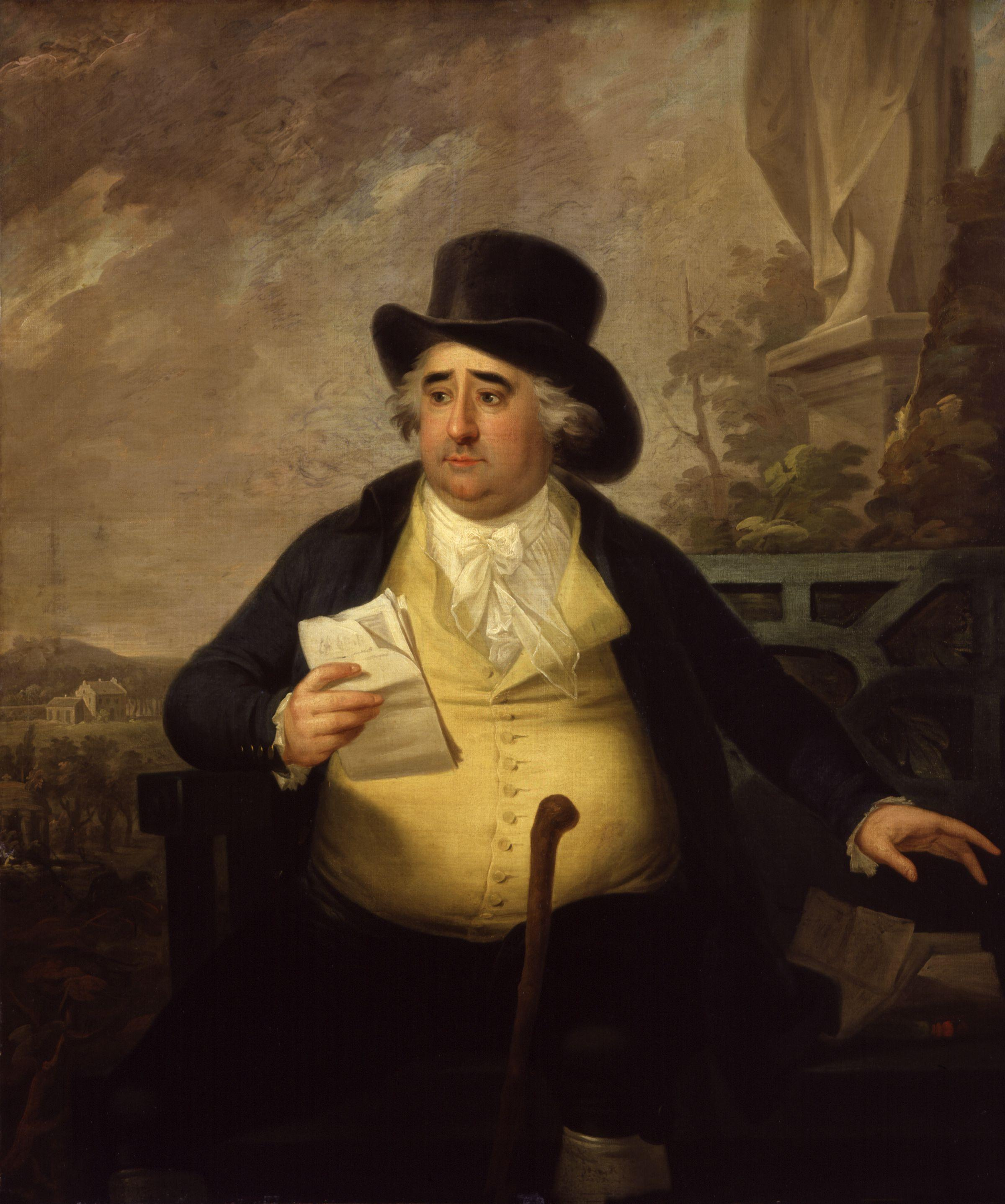
The first modern Leader of the Opposition was Charles James Fox, who led the Whigs as such for a generation, except during the Fox–North Coalition in 1783. He finally rejoined the government in the Ministry of All the Talents formed in 1806 and died later that year.
Early developments 1807–1830
For there to be a recognised Leader of the Opposition, it is necessary for there to be a sufficiently cohesive opposition to need a formal leader. The emergence of the office thus coincided with the period when wholly united parties (Whig and Tory, governments and oppositions) became the norm. This situation was normalized in the Parliament of 1807–1812 when the members of the Grenvillite and Foxite Whig factions resolved to maintain a joint, dual-house leadership for the whole party.
The Ministry of all the Talents, in which both Whig factions participated, fell at the 1807 general election, during which the Whigs had re-adopted traditional factions, forming an opposition. The prime minister of the Talents ministry, Lord Grenville, had led his eponymous faction from the House of Lords. Meanwhile, the government leader of the House of Commons, Viscount Howick (later known as Earl Grey and the political heir of Charles James Fox who had died in 1806), led his faction, the Foxite whigs, from the House of Commons.
Howick's father, the 1st Earl Grey, died on 14 November 1807. As such the new Earl Grey vacated his seat in the House of Commons and moved to the House of Lords. This left no obvious Whig leader in the House of Commons.
Grenville's article in the Oxford Dictionary of National Biography confirms that he was considered the Whig leader in the House of Lords between 1807 and 1817, despite Grey leading the larger faction.
Political historian Archibald Foord describes Grenville and Grey as being "duumvirs of the party from 1807 to 1817" and consulted about what was to be done. Grenville was at first reluctant to name a leader of the opposition in the House of Commons, commenting "all the elections in the world would not have made Windham or Sheridan leaders of the old Opposition while Fox was alive".
Eventually, they jointly recommended George Ponsonby to the Whig MPs, whom they accepted as the first leader of the opposition in the House of Commons. Ponsonby, an Irish lawyer who was the uncle of Grey's wife, had been Lord Chancellor of Ireland during the Ministry of all the Talents and had only just been re-elected to the House of Commons in 1808 when he became leader. Ponsonby proved a weak leader but as he could not be persuaded to resign and the duumvirs did not want to depose him, he remained in place until he died in 1817.
Lord Grenville retired from active politics in 1817, leaving Grey as the leader of the opposition in the House of Lords. Grey was not a former prime minister in 1817, unlike Grenville, so under the convention that developed later in the century he would have been in the theory of equal status to whoever was a leader in the other House. However, there was little doubt that if a Whig ministry was possible, Grey rather than the less distinguished Commons leaders would have been invited to form that government. In this respect Grey's position was like that of the Earl of Derby in the Protectionist Conservative opposition of the late 1840s and early 1850s.
Earl Grey witnessed a delay of about a year, until 1818, before a new leader of the opposition in the House of Commons was chosen. This was George Tierney who was reluctant to accept the leadership and had weak support from his party. On 18 May 1819, Tierney moved a motion in the Commons for a committee on the state of the nation. This motion was defeated by 357 to 178, a division involving the largest number of MPs until the debates over the Reform Bill in the early 1830s. Foord comments that "this defeat put an effective end to Tierney's leadership ... Tierney did not disclaim the leadership till 23 Jan. 1821 ..., but he had ceased to exercise its functions since the great defeat".
Between 1821 and 1830 the Whig Commons leadership was left vacant. The leadership in the House of Lords was not much more effective: in 1824 Grey retired from active leadership, asking the party to follow the Marquess of Lansdowne "as the person whom his friends were to look upon as their leader". Lansdowne disclaimed the title of leader, although in practice he performed the function.
Following the retirement of Lord Liverpool from the prime ministership in 1827, the party's political situation changed. Neither the Duke of Wellington nor Robert Peel agreed to serve under George Canning and they were followed by five other members of the former Cabinet as well as forty junior members of the previous government. The Tory Party was heavily split between the "High Tories" (or "Ultras", nicknamed after the contemporary party in Restoration France) and the moderates supporting Canning, often called 'Canningites'. As a result, Canning found it difficult to maintain a government and chose to invite a number of Whigs to join his Cabinet, including Lord Lansdowne. After Canning's death, Lord Goderich continued the coalition for a few more months. The principal opposition between April 1827 and January 1828 worked with these brief administrations, although Earl Grey and a section of the Whigs were also in opposition to the coalition government. It was during this period that the term "His Majesty's Opposition" for the Opposition was coined, by John Cam Hobhouse.
The Duke of Wellington formed a ministry in January 1828 and, as a direct effect of adopting in earnest the policy of Catholic emancipation, the opposition became composed of most Whigs, with many Canningites and some ultra-Tories. Lord Lansdowne, in the absence of any alternative, remained the leading figure in the Whig opposition.
In 1830 Grey returned to the front rank of politics. On 30 June 1830, he denounced the government in the House of Lords. He rapidly attracted the support of opponents of the ministry. The renewal of organized opposition was also bolstered earlier in the year by the election of a new leader of the opposition in the House of Commons, the heir of Earl Spencer, Viscount Althorp.
In November 1830 Grey was invited to form a government and resumed the formal leadership of the party; as such, Wellington and Peel became the leaders of the opposition in the two Houses from November 1830.
Leaders of the opposition 1830–1937
In the period of 1830–1937, the normal expectation was that there would be two leading parties (often with smaller allied groups), of which one would form the government and the other the opposition. These parties were expected to have recognized leaders in the two Houses, so there was normally no problem in identifying who led the opposition in each House.
The constitutional convention developed in the nineteenth century was that if one of the leaders was the last prime minister of the party, then he would be considered the overall leader of his party. If that was not the case then the leaders of both Houses were of equal status. As the monarch retained some discretion as to which leader should be invited to form a ministry, it was not always obvious in advance which one would be called upon to do so. However, as the leadership of the opposition only existed by custom, the normal expectations and conventions were modified by political realities from time to time.
From 1830 until 1846 the Tory/Conservative Party and the Whig Party (increasingly often described with its Radical and other allies as the Liberal Party) alternated in power and provided clear leaders of the opposition.
In 1846 the Conservative Party split into (Protectionist) Conservative and Peelite (or Liberal Conservative) factions. The Protectionists being the larger group, the recognized leaders of the opposition were drawn from their ranks. In the House of Lords, Lord Stanley (soon becoming Earl of Derby) was the Protectionist leader. He was the only established front-rank political figure in the faction and thus a very strong candidate to form the next Conservative ministry.
The leadership in the House of Commons was more problematic. Lord George Bentinck, the leader of the Protectionist revolt against Sir Robert Peel, initially led the party in the Commons. He resigned in December 1847. The party was then faced with the problem of how to produce a credible leader who was not Benjamin Disraeli. The first attempt to square the circle was made in February 1848, when the young Marquess of Granby was installed as the leader. He gave up the post in March 1848. The leadership then fell vacant until February 1849.
The next experiment was to entrust the leadership to a triumvirate of Granby, Disraeli, and the elderly John Charles Herries. In practice, Disraeli ignored his co-triumvirs. In 1851 Granby resigned and the party accepted Disraeli as the sole leader. The Protectionists by then were clearly the core of the Conservative Party and Derby was able to form his first government in 1852.
The Liberal Party was formally founded in 1859, replacing the Whig Party as one of the two leading parties. With increasing party discipline it became easier to define the principal opposition party and the leaders of the opposition.
The last overall leader of the opposition to have led it from the House of Lords was the Earl of Rosebery. He resigned as such in November 1896. Lord Rosebery had been Liberal prime minister from 1894 to 1895.
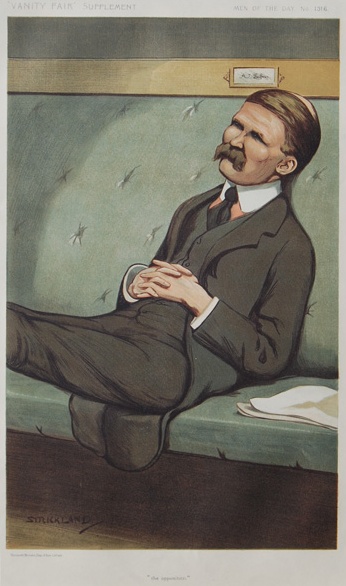
The Parliament Act 1911 removed the legislative veto from the House of Lords to permit the welfare-state forming Liberal legislation, the People's Budget, and any future money bills to be enacted by the Commons without any input from the Lords. This, therefore, entrenched the de facto position that there could only be one true leader of the opposition and in effect clarified in which house that leader would need to sit. From this point, all leaders of the opposition in the House of Commons would thus be overall leaders of the opposition.
In 1915 the Liberal, Conservative and Labour parties formed a wartime coalition. The Irish Parliamentary Party did not join the government but were by and large not in opposition to it (seeking change through constitutional means, they were not responsible for the 1916 Easter Rising). As almost nobody in the Parliament could be said to be in opposition to the coalition, the leadership of the opposition in both Houses fell vacant.
Sir Edward Carson, the leading figure among the Irish Unionist Alliance (who were previously allied with the Conservatives), resigned from the coalition ministry on 19 October 1915. He then became the leader of those Irish Unionists who were not members of the government, effectively the leader of the opposition in the Commons.
The party situation changed in December 1916: a leading Liberal, David Lloyd George, formed a coalition with the support of a section of "Coalition Liberal", Conservative and Labour parties. The Leader of the Liberal Party, H. H. Asquith, and most of his leading colleagues left the government and took up seats on the opposition side of the House of Commons. Asquith was recognized as the leader of the opposition. He retained that post until he was defeated in the 1918 United Kingdom general election. Although Asquith continued to be the leader of the Liberal Party, as he was not a member of the House of Commons he was not eligible to be the leader of the opposition until returned in the 1920 Paisley by-election.
The Parliament elected in December 1918 which sat from 1919 until 1922 represents the most significant deviation from the principle that the leader of the opposition is the leader of the party not in government with the greatest numerical support in the House of Commons. The largest opposition party (disregarding Sinn Féin, whose abstentionist MPs did not take their seats at Westminster) was the Labour Party, which had wholly left the Lloyd George coalition and won 57 seats at the general election. Thirty-six Liberals had been elected without coalition support; however, they were mixed in their opposition to Lloyd George. The Labour Party did not have a leader until 1922. The Parliamentary Labour Party annually elected a chairman, but the party, due to its congressional origins, refused to assert a claim that the chairman was the leader of the opposition. Although the issue of who was entitled to be the leader of the opposition was never formally resolved, in practice the Opposition Liberal leader performed most of the parliamentary functions associated with the office.
The small group of opposition Liberals met in 1919, distanced by his coalition's protectionism and nationalization. They resolved that they were the Liberal Parliamentary Party. They elected Sir Donald Maclean as Chairman of the Parliamentary Party. Liberal Party practice at the time, when the overall leader of the party had lost an election to the House of Commons, was for the chairman to function as acting leader in the House. Maclean, therefore, took on the role of leader of the opposition, followed by Asquith, who returned to the House by winning a by-election (1920–1922).
From 1922 the Labour Party had a recognized leader so took over all remaining commons opposition roles from the Opposition Liberal Party. Since 1922 the principal Government and Opposition parties have been the Labour Party and the Conservative Party. There were three instances of peers being seriously considered for the prime ministership during the twentieth century (Lord Curzon of Kedleston in 1923, Lord Halifax in 1940, and Alec Douglas-Home in 1963), but these were all cases where the Conservative Party was in government and do not affect the list of leaders of the opposition.
In 1931–32 the Leader of the Labour Party was Arthur Henderson. He was the leader of the opposition for a short period in 1931, but was ineligible to continue when he lost his seat in the 1931 general election. George Lansbury was the leader of the opposition before he also became the leader of the Labour Party in 1932.
Statutory leaders of the opposition from 1937
Leaders of the opposition in the two Houses of Parliament had been generally recognized and given a special status in Parliament for more than a century before they were mentioned in legislation.
Erskine May: Parliamentary Practice confirms that the office of the leader of the opposition was first given statutory recognition in the Ministers of the Crown Act 1937.
- Section 5 stated that "There shall be paid to the Leader of the Opposition an annual salary of two thousand pounds".
- Section 10(1) included a definition (which codifies the usual situation under the previous custom): "'Leader of the Opposition' means that member of the House of Commons who is for the time being the Leader in that House of the party in opposition to His Majesty's Government having the greatest numerical strength in that House".
- The 1937 Act also contains an important provision to decide who is the Leader of the Opposition, if this is in doubt. Under section 10(3), "If any doubt arises as to which is or was at any material time the party in opposition to His Majesty's Government having the greatest numerical strength in the House of Commons, or as to who is or was at any material time the leader in that House of such a party, the question shall be decided for the purposes of this Act by the Speaker of the House of Commons, and his decision, certified in writing under his hand, shall be final and conclusive."
Subsequent legislation also gave statutory recognition to the leader of the opposition in the House of Lords.
- Section 2(1) of the Ministerial and other Salaries Act 1975 provides that "In this Act 'Leader of the Opposition' means, in relation to either House of Parliament, that member of that House who is for the time being the Leader in that House of the party in opposition to His Majesty's Government having the greatest numerical strength in the House of Commons".
- Section 2(2) is in exactly the same terms as section 10(3) of the 1937 Act.
- Section 2(3) is a corresponding provision for the Lord Chancellor (since 2005, the Lord Speaker) to decide about the Leader of the Opposition in the House of Lords.
The legislative provisions confirm that the leader of the opposition is, strictly, a Parliamentary office; so that to be a leader a person must be a member of the House of Commons or House of Lords.
Since 1937 the leader of the opposition has received a state salary in addition to their salary as a Member of Parliament (MP), now equivalent to a Cabinet minister. The holder also receives a chauffeur-driven car for official business of equivalent cost and specification to the vehicles used by most Cabinet ministers.
In 1940 the three largest parties in the House of Commons formed a coalition government to continue to prosecute the Second World War. This coalition continued in office until shortly after the defeat of Nazi Germany in 1945. As the former leader of the opposition had joined the government the issue arose of who was to hold the office or perform its functions. Keesing's Contemporary Archives 1937–1940 (at paragraph 4069D) reported the situation, based on Hansard:
The Prime Minister replying to Mr. Denman in the House of Commons on 21 May, said that in view of the formation of an Administration embracing the three main political parties, H.M. Government was of the opinion that the provision of the [Ministers of the Crown Act 1937
Ministers of the Crown Act, 1937]], relating to the payment of a salary to the leader of the opposition was in abeyance for the time being, as there was no alternative party capable of forming a Government. He added that he did not consider amending legislation necessary.
The [Daily Herald reported that the Parliamentary Labour Party met on 22 May 1940 and unanimously elected Dr H. B. Lees-Smith as Chairman of the PLP (an office normally held by the party leader at that time) and as spokesman of the Party from the opposition front bench.
After the death of Lees-Smith, on 18 December 1941, the PLP, with Patrick McFadden acting as chairman, held a meeting on 21 January 1942. Frederick Pethick-Lawrence was unanimously elected Chairman of the PLP and the official spokesman of the party in the House of Commons while the party leader was serving in the government. After the Deputy Leader of the Labour Party (Arthur Greenwood) left the government on 22 February 1942 he took over these roles from Pethick-Lawrence until the end of the coalition and the resumption of normal party politics.
List of leaders of the opposition (1807–1911)
The table lists the people who were, or who acted as, leaders of the opposition in the two Houses of Parliament since 1807, prior to which the post was held by Charles James Fox for decades.
The leaders of the two Houses were of equal status, before 1911, unless one was the most recent Prime Minister for the party. Such a former prime minister was considered to be the overall leader of the opposition. From 1911 the Leader of the Opposition in the House of Commons was considered to be the overall Leader of the Opposition. Overall leaders names are bolded. Acting leaders names are in italics unless the acting leader subsequently became a full leader during a continuous period as leader.
Due to the fragmentation of both principal parties in 1827–1830, the leaders and principal opposition parties suggested for those years are provisional.
| Principal party | |||||
|---|---|---|---|---|---|
| of opposition | Leader of the Opposition | ||||
| House of Commons | Leader of the Opposition | ||||
| House of Lords | Date | ||||
| Whigs (British political party)}}" rowspan="8" | Whig | [[File:Charles Grey, 2nd Earl Grey after Sir Thomas Lawrence cropped.jpg | 60px]] | Viscount Howick | |
| Vacant | 14 November 1807 | ||||
| [[File:GeorgePonsonby.jpg | 60px]] | George Ponsonby | 1808 | ||
| Vacant | 8 July 1817 | ||||
| [[File:Charles Grey, 2nd Earl Grey after Sir Thomas Lawrence cropped.jpg | 60px]] | The Earl Grey | |||
| (formerly Viscount Howick) | 1817 | ||||
| [[File:George Tierney by William Nutter, after Lemuel Francis Abbott.jpg | 60px]] | George Tierney | 1818 | ||
| Vacant | 23 January 1821 | ||||
| [[File:Lord Henry Petty.jpg | 60px]] | The Marquess of Lansdowne | 1824 | ||
| Tories (British political party)}}" | Tory | [[File:Robert Peel by RR Scanlan detail.jpg | 60px]] | Sir Robert Peel | |
| Whigs (British political party)}}" rowspan="2" | Whig | Vacant | |||
| [[File:JC Spencer, Viscount Althorp by HP Bone cropped.jpg | 60px]] | Viscount Althorp | February 1830 | ||
| Tories (British political party)}}" | Tory | [[File:Robert Peel by RR Scanlan detail.jpg | 60px]] | Sir Robert Peel | |
| Whigs (British political party)}}" | Whig | [[File:Lord john russell.jpg | 60px]] | Lord John Russell | |
| Conservative Party (UK)}}" | Conservative | [[File:Robert Peel by RR Scanlan detail.jpg | 60px]] | Sir Robert Peel | |
| Whigs (British political party)}}" rowspan="2" | Whig | [[File:Lord john russell.jpg | 60px]] | Lord John Russell | |
| [[File:Lord Henry Petty.jpg | 60px]] | The Marquess of Lansdowne | October 1842 | ||
| Conservative Party (UK)}}" rowspan="5" | Protectionist Conservative | [[File:Lord George Cavendish Bentinck by Samuel Lane oil on canvas, circa 1836.jpg | 60px]] | Lord George Bentinck | |
| [[File:Charles Manners, 6th Duke of Rutland.jpg | 60px]] | Marquess of Granby | 10 February 1848 | ||
| Vacant | 4 March 1848 | ||||
| [[File:Disraeli.jpg | 60px]] | Marquess of Granby; | |||
| John Charles Herries; and | |||||
| Benjamin Disraeli | February 1849 | ||||
| Benjamin Disraeli | 1851 | ||||
| Whigs (British political party)}}" | Whig | [[File:Lord john russell.jpg | 60px]] | Lord John Russell | |
| Conservative Party (UK)}}" | Conservative | [[File:Disraeli.jpg | 60px]] | Benjamin Disraeli | |
| Whigs (British political party)}}" | Whig | [[File:Lord Palmerston 1855.jpg | 60px]] | The Viscount Palmerston | |
| Conservative Party (UK)}}" | Conservative | [[File:Disraeli.jpg | 60px]] | Benjamin Disraeli | |
| Liberal Party (UK)}}" rowspan="2" | Liberal | [[File:Gladstone.jpg | 60px]] | William Ewart Gladstone | |
| [[File:Second Earl Granville.jpg | 60px]] | The Earl Granville | December 1868 | ||
| Conservative Party (UK)}}" rowspan="3" | Conservative | [[File:Disraeli.jpg | 60px]] | Benjamin Disraeli | |
| [[File:Hugh Cairns, 1st Earl Cairns - 1860s.jpg | 60px]] | The Lord Cairns | February 1869 | ||
| [[File:Charles Henry Gordon-Lennox, 6th Duke of Richmond, 6th Duke of Lennox, and 1st Duke of Gordon.jpg | 60px]] | The Duke of Richmond | February 1870 | ||
| Liberal Party (UK)}}" rowspan="2" | Liberal | [[File:Gladstone.jpg | 60px]] | William Ewart Gladstone | |
| [[File:Picture of Spencer Cavendish, 8th Duke of Devonshire.jpg | 60px]] | Marquess of Hartington | February 1875 | ||
| Conservative Party (UK)}}" rowspan="2" | Conservative | [[File:Stafford Northcote, 1st Earl of Iddesleigh.jpg | 60px]] | Sir Stafford Northcote | |
| [[File:Robert cecil.jpg | 60px]] | The Marquess of Salisbury | May 1881 | ||
| Liberal Party (UK)}}" | Liberal | [[File:Gladstone.jpg | 60px]] | William Ewart Gladstone | |
| Conservative Party (UK)}}" | Conservative | [[File:St Aldwyn Michael Edward Hicks-Beach (1st Earl).jpg | 60px]] | Sir Michael Hicks Beach | |
| Liberal Party (UK)}}" rowspan="2" | Liberal | [[File:Gladstone.jpg | 60px]] | William Ewart Gladstone | |
| [[File:1st Earl of Kimberley 1868.jpg | 60px]] | The Earl of Kimberley | April 1891 | ||
| Conservative Party (UK)}}" | Conservative | [[File:Picture of Arthur Balfour.jpg | 60px]] | Arthur Balfour | |
| Liberal Party (UK)}}" rowspan="5" | Liberal | [[File:Sir William Harcourt.jpg | 60px]] | Sir William Harcourt | |
| [[File:1st Earl of Kimberley 1868.jpg | 60px]] | The Earl of Kimberley | January 1897 | ||
| [[File:Picture of Henry Campbell-Bannerman.jpg | 60px]] | Sir Henry Campbell-Bannerman | 6 February 1899 | ||
| [[File:Picture of John Spencer, 5th Earl Spencer.jpg | 60px]] | The Earl Spencer | 1902 | ||
| [[File:George Robinson 1st Marquess of Ripon.jpg | 60px]] | The Marquess of Ripon | 1905 | ||
| Conservative Party (UK)}}" rowspan="4" | Conservative | [[File:Picture of Arthur Balfour.jpg | 60px]] | Arthur Balfour | |
| [[File:Picture of Joseph Chamberlain.jpg | 60px]] | Joseph Chamberlain | |||
| (Liberal Unionist Party) | 1906 | ||||
| [[File:Picture of Arthur Balfour.jpg | 60px]] | Arthur Balfour | 1906 | ||
| [[File:Andrew Bonar Law 02.jpg | 60px]] | Bonar Law | 13 November 1911 |
List of leaders of the opposition (1911–present)
- (21)
- (13)
- (3)
| Portrait | Leader of the Opposition | Term of office | Elections | Party | Shadow cabinet | Start | End | Duration | |||||
|---|---|---|---|---|---|---|---|---|---|---|---|---|---|
| Conservative Party (UK)}}" rowspan="2" | [[File:Andrew Bonar Law 02.jpg | 60px]] | Bonar Law | 13 November 1911 | 25 May 1915 | — | Conservative | ||||||
| [[File:Portrait of Edward Carson, Baron Carson.jpg | 60px]] | Sir Edward Carson | 19 October 1915 | 6 December 1916 | — | Conservative | |||||||
| Liberal Party (UK)}}" rowspan="3" | [[File:Herbert Henry Asquith.jpg | 60px]] | H. H. Asquith | 6 December 1916 | 14 December 1918 | 1918 | Independent Liberal | ||||||
| [[File:1916 Sir Donald Maclean.jpg | 60px]] | Sir Donald Maclean | 14 December 1918 | 12 February 1920 | — | ||||||||
| [[File:Herbert Henry Asquith.jpg | 60px]] | H. H. Asquith | 12 February 1920 | 21 November 1922 | 1922 | ||||||||
| Labour Party (UK)}}" | [[File:Ramsay MacDonald ggbain 35734.jpg | 60px]] | Ramsay MacDonald | 21 November 1922 | 22 January 1924 | 1923 | Labour | ||||||
| Conservative Party (UK)}}" | [[File:Stanley Baldwin ggbain.35233.jpg | 60px]] | Stanley Baldwin | 22 January 1924 | 4 November 1924 | 1924 | Conservative | ||||||
| Labour Party (UK)}}" | [[File:Ramsay MacDonald ggbain 35734.jpg | 60px]] | Ramsay MacDonald | 4 November 1924 | 5 June 1929 | 1929 | Labour | ||||||
| Conservative Party (UK)}}" | [[File:Stanley Baldwin ggbain.35233.jpg | 60px]] | Stanley Baldwin | 5 June 1929 | 24 August 1931 | — | Conservative | ||||||
| Labour Party (UK)}}" rowspan="7" | [[File:Arthurhenderson.jpg | 60px]] | Arthur Henderson | 1 September 1931 | 25 October 1932 | 1931 | Labour | ||||||
| [[File:George-Lansbury (3x4 crop).jpg | 80x80px]] | George Lansbury | 25 October 1932 | 8 October 1935 | — | ||||||||
| [[File:Person attlee2.jpg | 60px]] | Clement Attlee | 25 October 1935 | 11 May 1940 | 1935 | ||||||||
| [[File:Hastings_Lees-Smith.jpg | 60px]] | Hastings Lees-Smith | 22 May 1940 | 18 December 1941 | — | ||||||||
| [[File:British Political Personalities 1936-1945 HU59768.jpg | 60px]] | Frederick Pethick-Lawrence | 21 January 1942 | February 1942 | — | ||||||||
| [[File:ArthurHGreenwood.jpg | 60px]] | Arthur Greenwood | February 1942 | 23 May 1945 | — | ||||||||
| [[File:Person attlee2.jpg | 60px]] | Clement Attlee | 23 May 1945 | 26 July 1945 | 1945 | ||||||||
| Conservative Party (UK)}}" rowspan="2" | [[File:Sir Winston Churchill (cropped).jpg | 60px]] | Winston Churchill | 26 July 1945 | 26 October 1951 | 1950 | Conservative | ||||||
| 1951 | |||||||||||||
| Labour Party (UK)}}" rowspan="5" | [[File:Person attlee2.jpg | 60px]] | Clement Attlee | 26 October 1951 | 25 November 1955 | 1955 | Labour | ||||||
| [[File:Herbert Morrison 1947 (cropped).jpg | 60px]] | Herbert Morrison | 25 November 1955 | 14 December 1955 | — | ||||||||
| [[File:Hugh Todd Naylor Gaitskell.jpg | 60px]] | Hugh Gaitskell | 14 December 1955 | 18 January 1963 | 1959 | ||||||||
| [[File:GeorgeBrown1967 (cropped).jpg | 60px]] | George Brown | 18 January 1963 | 14 February 1963 | — | ||||||||
| [[File:Harold Wilson.jpg | 60px]] | Harold Wilson | 14 February 1963 | 16 October 1964 | 1964 | Wilson I | |||||||
| Conservative Party (UK)}}" rowspan="3" | [[File:Alec Douglas-Home (c1963) (cropped).jpg | 60px]] | Alec Douglas-Home | 16 October 1964 | 28 July 1965 | — | Conservative | Douglas-Home | |||||
| [[File:Sir Edward Heath.jpg | 60px]] | Edward Heath | 28 July 1965 | 19 June 1970 | 1966 | Conservative | Heath I | ||||||
| 1970 | |||||||||||||
| Labour Party (UK)}}" | [[File:Harold Wilson.jpg | 60px]] | Harold Wilson | 19 June 1970 | 4 March 1974 | Feb 1974 | Labour | Wilson II | |||||
| Conservative Party (UK)}}" rowspan="2" | [[File:Sir Edward Heath.jpg | 60px]] | Edward Heath | 4 March 1974 | 11 February 1975 | Oct 1974 | Conservative | Heath II | |||||
| [[File:Margaret Thatcher at White House (cropped).jpg | 60px]] | Margaret Thatcher | 11 February 1975 | 4 May 1979 | 1979 | Thatcher | |||||||
| Labour Party (UK)}}" rowspan="7" | [[File:James Callaghan ppmsca.53218 (cropped).tif | 60px]] | James Callaghan | 4 May 1979 | 10 November 1980 | — | Labour | Callaghan | |||||
| [[File:Michael Foot (1981).jpg | 60px]] | Michael Foot | 10 November 1980 | 2 October 1983 | 1983 | Foot | |||||||
| [[File:Start campagne voor Europese verkiezingen van PvdA (Rotterdam) Neal Kinnoch , k, Bestanddeelnr 932-9811 (cropped).jpg | 82x82px]] | Neil Kinnock | 2 October 1983 | 18 July 1992 | 1987 | Kinnock | |||||||
| 1992 | |||||||||||||
| [[File:John Smith in 1989.jpg | 60px]] | John Smith | 18 July 1992 | 12 May 1994 | — | Smith | |||||||
| [[File:Official portrait of Margaret Beckett as Environment Secretary (cropped).jpg | 60px]] | Margaret Beckett | 12 May 1994 | 21 July 1994 | — | Beckett | |||||||
| [[File:Tony Blair 1997.jpg | 60px]] | Tony Blair | 21 July 1994 | 2 May 1997 | 1997 | Blair | |||||||
| Conservative Party (UK)}}" rowspan="5" | [[File:Major PM full (cropped).jpg | 60px]] | John Major | 2 May 1997 | 19 June 1997 | — | Conservative | Major | |||||
| [[File:William Hague MP (3156637603) (cropped).jpg | 60px]] | William Hague | 19 June 1997 | 13 September 2001 | 2001 | Hague | |||||||
| [[File:Iain Duncan Smith Nightingale 1 (cropped).JPG | 60px]] | Iain Duncan Smith | 13 September 2001 | 6 November 2003 | — | Duncan Smith | |||||||
| [[File:Flickr - europeanpeoplesparty - EPP Summit 16 June 2005 (1) (cropped).jpg | 78x78px]] | Michael Howard | 6 November 2003 | 6 December 2005 | 2005 | Howard | |||||||
| [[File:Davidcameron (cropped).jpg | 60px]] | David Cameron | 6 December 2005 | 11 May 2010 | 2010 | Cameron | |||||||
| Labour Party (UK)}}" rowspan="6" | [[File:Harriet Harman (cropped).jpg | 60px]] | Harriet Harman | 11 May 2010 | 25 September 2010 | — | Labour | Harman I | |||||
| [[File:Ed Miliband election infobox.jpg | 60px]] | Ed Miliband | 25 September 2010 | 8 May 2015 | 2015 | Miliband | |||||||
| [[File:Official portrait of Ms Harriet Harman crop 2.jpg | 60px]] | Harriet Harman | 8 May 2015 | 12 September 2015 | — | Harman II | |||||||
| [[File:Jeremy Corbyn election infobox 2.jpg | 60px]] | Jeremy Corbyn | 12 September 2015 | 4 April 2020 | 2017 | Corbyn | |||||||
| 2019 | |||||||||||||
| [[File:Prime Minister Keir Starmer Portrait (cropped).jpg | 60px]] | Keir Starmer | 4 April 2020 | 5 July 2024 | 2024 | Starmer | |||||||
| Conservative Party (UK)}}" rowspan="2" | [[File:Portrait of Prime Minister Rishi Sunak (cropped).jpg | 60px]] | Rishi Sunak | 5 July 2024 | 2 November 2024 | — | Conservative | Sunak | |||||
| [[File:Official portrait of Kemi Badenoch MP crop 3, 2024 (cropped).jpg | 60px]] | Kemi Badenoch | 2 November 2024 | Incumbent | — | Badenoch |
Timeline
ImageSize = width:1150 height:auto barincrement:13 PlotArea = top:10 bottom:70 right:150 left:20 AlignBars = late
Colors = id:conservative value:rgb(0,0.53,0.86) legend: Conservative_Party id:liberal value:rgb(1,0.84,0) legend: Liberal_Party id:labour value:rgb(0.86,0.08,0.18) legend: Labour_Party id:liteline value:gray(0.8) id:line value:rgb(0.3,0.3,0.3) id:bg value:white
DateFormat = dd/mm/yyyy Period = from:01/01/1910 till:31/12/ TimeAxis = orientation:horizontal ScaleMajor = unit:year increment:5 start:1910 ScaleMinor = unit:year increment:1 start:1910
Legend = columns:1 left:110 top:27 columnwidth:220
Define $now =
TextData = pos:(20,27) textcolor:black fontsize:s text:"Political Affiliation:"
BarData = bar:Law bar:Carson bar:Asquith bar:Maclean bar:MacDonald bar:Baldwin bar:Henderson bar:Lansbury bar:Attlee bar:Lees-Smith bar:Pethick-Lawrence bar:Greenwood bar:Churchill bar:Morrison bar:Gaitskell bar:Brown bar:Wilson bar:Douglas-Home bar:Heath bar:Thatcher bar:Callaghan bar:Foot bar:Kinnock bar:Smith bar:Beckett bar:Blair bar:Major bar:Hague bar:Duncan_Smith bar:Howard bar:Cameron bar:Harman bar:Miliband bar:Corbyn bar:Starmer bar:Sunak bar:Badenoch
PlotData= width:5 align:left fontsize:s shift:(5,-4) anchor:till bar:Law from: 13/11/1911 till: 19/10/1915 color:Conservative text:"Bonar Law" bar:Carson from: 19/10/1915 till: 06/12/1916 color:Conservative text:"Edward Carson" bar:Asquith from: 06/12/1916 till: 14/12/1918 color:Liberal from: 12/02/1920 till: 21/11/1922 color:Liberal text:"H. H. Asquith" bar:Maclean from: 14/12/1918 till: 12/02/1920 color:Liberal text:"Donald Maclean" bar:MacDonald from: 21/11/1922 till: 22/01/1924 color:Labour from: 04/11/1924 till: 05/06/1929 color:Labour text:"Ramsay MacDonald" bar:Baldwin from: 22/01/1924 till: 04/11/1924 color:Conservative from: 05/06/1929 till: 24/08/1931 color:Conservative text:"Stanley Baldwin" bar:Henderson from: 28/08/1931 till: 25/10/1932 color:Labour text:"Arthur Henderson" bar:Lansbury from: 25/10/1932 till: 08/10/1935 color:Labour text:"George Lansbury" bar:Attlee from: 08/10/1935 till: 22/05/1940 color:Labour from: 23/05/1945 till: 26/07/1945 color:Labour from: 26/10/1951 till: 26/11/1955 color:Labour text:"Clement Attlee" bar:Lees-Smith from: 22/05/1940 till: 21/01/1942 color:Labour text:"Hastings Lees-Smith" bar:Pethick-Lawrence from: 21/01/1942 till: 01/02/1942 color:Labour text:"Frederick Pethick-Lawrence bar:Greenwood from: 01/02/1942 till: 23/05/1945 color:Labour text:"Arthur Greenwood" bar:Churchill from: 26/07/1945 till: 26/10/1951 color:Conservative text:"Winston Churchill" bar:Morrison from: 26/10/1955 till: 14/12/1955 color:Labour text:"Herbert Morrison" bar:Gaitskell from: 14/12/1955 till: 18/01/1963 color:Labour text:"Hugh Gaitskell" bar:Brown from: 18/01/1963 till: 14/02/1963 color:Labour text:"George Brown" bar:Wilson from: 14/02/1963 till: 16/10/1964 color:Labour from: 19/06/1970 till: 04/03/1974 color:Labour text:"Harold Wilson" bar:Douglas-Home from: 16/10/1964 till: 28/07/1965 color:Conservative text:"Alec Douglas-Home" bar:Heath from: 28/07/1965 till: 19/06/1970 color:Conservative from: 04/03/1974 till: 11/02/1975 color:Conservative text:"Edward Heath" bar:Thatcher from: 11/02/1975 till: 04/05/1979 color:Conservative text:"Margaret Thatcher" bar:Callaghan from: 04/05/1979 till: 10/11/1980 color:Labour text:"James Callaghan" bar:Foot from: 10/11/1980 till: 02/10/1983 color:Labour text:"Michael Foot" bar:Kinnock from: 02/10/1983 till: 18/07/1992 color:Labour text:"Neil Kinnock" bar:Smith from: 18/07/1992 till: 12/05/1994 color:Labour text:"John Smith" bar:Beckett from: 12/05/1994 till: 21/07/1994 color:Labour text:"Margaret Beckett" bar:Blair from: 21/07/1994 till: 02/05/1997 color:Labour text:"Tony Blair" bar:Major from: 02/05/1997 till: 19/06/1997 color:Conservative text:"John Major" bar:Hague from: 19/06/1997 till: 13/09/2001 color:Conservative text:"William Hague" bar:Duncan_Smith from: 13/09/2001 till: 06/11/2003 color:Conservative text:"Iain Duncan Smith" bar:Howard from: 06/11/2003 till: 06/12/2005 color:Conservative text:"Michael Howard" bar:Cameron from: 06/12/2005 till: 11/05/2010 color:Conservative text:"David Cameron" bar:Harman from: 11/05/2010 till: 25/09/2010 color:Labour from: 08/05/2015 till: 12/09/2015 color:Labour text:"Harriet Harman" bar:Miliband from: 25/09/2010 till: 08/05/2015 color:Labour text:"Ed Miliband" bar:Corbyn from: 12/09/2015 till: 04/04/2020 color:Labour text:"Jeremy Corbyn" bar:Starmer from: 04/04/2020 till: 05/07/2024 color:Labour text:"Keir Starmer" bar:Sunak from: 05/07/2024 till: 02/11/2024 color:Conservative text:"Rishi Sunak" bar:Badenoch from: 02/11/2024 till: $now color:conservative text:"Kemi Badenoch"
List of leaders of the opposition by total length of tenure
This list notes each Leader of the Opposition, from the Parliament Act 1911 granting legislative preeminence to the House of Commons, and the Ministers of the Crown Act 1937 the leader of the second largest faction within it a statutory title and salary, rather than the customary role as HM Official Opposition, in order of term length. This is based on the difference between dates; if counted by number of calendar days all the figures would be one greater.
Of the 37 leaders of the opposition listed, seven served more than 5 years, seven have lost more than one general election, and eight have served less than a year.
| Rank | Leader of Opposition | Length served | General elections won | General elections lost | Terms as Prime Minister | Party | Term(s) | Refs | ||||||||
|---|---|---|---|---|---|---|---|---|---|---|---|---|---|---|---|---|
| 1 | Clement Attlee | {{ayd | }} | {{flatlist | {{flatlist | 2 | Labour | {{flatlist | ||||||||
| 2 | Neil Kinnock | 0 | {{flatlist | 0 | –1992 | |||||||||||
| 3 | Hugh Gaitskell | 0 | 1959 | 0 | –1963 | |||||||||||
| 4 | Winston Churchill | 1951 | {{flatlist | 2 | Conservative | –1951 | ||||||||||
| 5 | Edward Heath | {{ayd | }} | 1970 | {{flatlist | 1 | {{flatlist | |||||||||
| 6 | Ramsay MacDonald | {{ayd | }} | {{flatlist | 1924 | 2 | Labour | {{flatlist | ||||||||
| 7 | Harold Wilson | {{ayd | }} | {{flatlist | 1970 | 2 | {{flatlist | |||||||||
| 8 | H. H. Asquith | {{ayd | }} | {{flatlist | 1918 | 1 | Liberal | {{flatlist | ||||||||
| 9 | Ed Miliband | 0 | 2015 | 0 | Labour | –2015 | ||||||||||
| 10 | Jeremy Corbyn | 0 | {{flatlist | 0 | –2020 | |||||||||||
| 11 | David Cameron | {{flatlist | 0 | 1 | Conservative | –2010 | title=Conservative Party leaders and officials since 1975 | url=https://researchbriefings.parliament.uk/ResearchBriefing/Summary/SN07154 | publisher=House of Commons Library | access-date=13 December 2019}} | ||||||
| 12 | Keir Starmer | 2024 | 0 | 1 | Labour | –2024 | ||||||||||
| 13 | William Hague | 0 | 2001 | 0 | Conservative | –2001 | ||||||||||
| 14 | Margaret Thatcher | {{flatlist | 0 | 1 | –1979 | |||||||||||
| 15 | Bonar Law | 0 | 1918 | 1 | Conservative | –1915 | ||||||||||
| 16 | Arthur Greenwood | {{ayd | }} | — | — | 0 | Labour | –1945 | ||||||||
| 17 | Stanley Baldwin | {{ayd | }} | {{flatlist | {{flatlist | 3 | Conservative | {{flatlist | ||||||||
| 18 | George Lansbury | {{ayd | }} | — | — | 0 | Labour | |||||||||
| 19 | Michael Foot | 0 | 1983 | 0 | –1983 | |||||||||||
| 20 | Tony Blair | {{flatlist | 0 | 1 | –1997 | |||||||||||
| 21 | Iain Duncan Smith | — | — | 0 | Conservative | –2003 | ||||||||||
| 22 | Michael Howard | 0 | 2005 | 0 | –2005 | |||||||||||
| 23 | John Smith | — | — | 0 | Labour | –1994 | ||||||||||
| 24 | Hastings Lees-Smith | — | — | 0 | last1=Sugarman | first1=Daniel | title=MP Hastings Bertrand Lees-Smith saved dozens of lives, but had no idea | url=https://www.thejc.com/news/uk-news/mp-hastings-bertrand-lees-smith-saved-dozens-of-lives-but-had-no-idea-1.442451 | access-date=20 December 2019 | website=The JC | publisher=The Jewish Chronicle}} | |||||
| 25 | James Callaghan | 0 | 1979 | 1 | –1980 | |||||||||||
| 26 | Kemi Badenoch | ** (incumbent)** | — | — | 0 | Conservative | –present | |||||||||
| 27 | Donald Maclean | — | — | 0 | Liberal | –1920 | ||||||||||
| 28 | Arthur Henderson | {{ayd | }} | — | — | 0 | Labour | –1932 | ||||||||
| 29 | Edward Carson | — | — | 0 | Conservative (Irish U.) | –1916 | ||||||||||
| 30 | Alec Douglas-Home | 0 | 1964 | 1 | Conservative | –1965 | last1=Thorpe | first1=D.R. | title=Alec Douglas-Home | date=1996 | publisher=Sinclair-Stevenson | isbn=9781856192774 | page=384 | url=https://books.google.com/books?id=EHKGAAAAIAAJ&q=Nine+months+as+leader | access-date=19 December 2019}} | |
| 31 | Harriet Harman | {{ayd | }} | — | — | 0 | Labour | {{flatlist | ||||||||
| 32 | Rishi Sunak | {{ayd | }} | 0 | 2024 | 1 | Conservative | |||||||||
| 33 | Margaret Beckett | — | — | 0 | Labour | |||||||||||
| 34 | John Major | 1992 | 1997 | 1 | Conservative | |||||||||||
| 35 | George Brown | — | — | 0 | Labour | |||||||||||
| 36 | Herbert Morrison | {{ayd | }} | — | — | 0 | Labour | |||||||||
| 37 | Frederick Pethick-Lawrence | {{ayd | }} | — | — | 0 | Labour |
Notes
References
Bibliography
- British Historical Facts 1760–1830, by Chris Cook and John Stevenson (The Macmillan Press 1980)
- British Historical Facts 1830–1900, by Chris Cook and Brendan Keith (The Macmillan Press 1975)
- His Majesty's Opposition 1714–1830, by Archibald S. Foord (Oxford University Press and Clarendon Press, 1964)
- History of the Liberal Party 1895–1970, by Roy Douglas (Sidgwick & Jackson 1971)
- Oxford Dictionary of National Biography
- Twentieth Century British Political Facts 1900–2000, by David Butler and Gareth Butler (Macmillan Press; 8th edition, 2000)
References
- "Appendix 3: Ministerial salaries – salary entitlements".
- "Pay and expenses for MPs". Parliament of the United Kingdom.
- "Ministerial and other Salaries Act 1975".
- Greenstreet, Rosanna. (2023-08-19). "Keir Starmer: 'I hate losing. Some say it’s the taking part that counts. I am not in that camp'". The Guardian.
- Wheeler, Brian. (2011-02-18). "The secret to being a successful opposition leader". BBC News.
- (17 June 1999). "The worst job in politics". BBC News.
- Foord, Archibald S.. (1964). "His Majesty's Opposition 1714–1830". Oxford University Press.
- The discussion in this section is based upon ''British Historical Facts 1830–1900'' and ''Twentieth Century British Political Facts 1900–2000''.
- "Parliament act 1911".
- (1937). "Ministers of the Crown Act 1937". [[Blackwell Publishing]].
- "His Majesty's Official Opposition". Parliament of the United Kingdom.
- "Past Prime Ministers".
- "United Kingdom Election Results".
- (2015). "British Labour Leaders". Biteback Publishing.
- (2008). "A History of the British Labour Party". Macmillan International Higher Education.
- "Would WWI or WWII Have Happened Without This Prime Minister?". American Spectator (Online).
- (25 September 2010). "Ed Miliband is elected leader of the Labour Party". BBC News.
- "Jeremy Corbyn: 'I will not lead Labour at next election'". BBC News.
- (12 September 2015). "Jeremy Corbyn wins Labour leadership contest". BBC News.
- "Labour Party leaders and officials since 1975". House of Commons library.
- [https://news.bbc.co.uk/2/hi/uk_news/politics/4502652.stm "Cameron chosen as new Tory leader"]. BBC News. 6 December 2005. Retrieved 25 November 2006.
- "Conservative Party leaders and officials since 1975". House of Commons Library.
- "Leader of the Opposition". Parliament of the United Kingdom.
- (2020-04-04). "Keir Starmer elected as new Labour leader". BBC News.
- "People – Mr Bonar Law". Parliament of the United Kingdom.
- (2004). "Baldwin Papers: A Conservative Statesman, 1908-1947". CUP.
- "MP Hastings Bertrand Lees-Smith saved dozens of lives, but had no idea". The Jewish Chronicle.
- "Kemi Badenoch". Parliament of the United Kingdom.
- (2007). "The Liberal Mind 1914-29". Cambridge University Press.
- "Carson, Redmond, the Coalition and the War, 1915". Boston College.
- (1996). "Alec Douglas-Home". Sinclair-Stevenson.
- (2012). "Leaders of the Opposition: From Churchill to Cameron". Springer.
- "Rishi Sunak". Parliament of the United Kingdom.
- (August 2025). "Frederick Pethick-Lawrence".
This article was imported from Wikipedia and is available under the Creative Commons Attribution-ShareAlike 4.0 License. Content has been adapted to SurfDoc format. Original contributors can be found on the article history page.
Ask Mako anything about Leader of the Opposition (United Kingdom) — get instant answers, deeper analysis, and related topics.
Research with MakoFree with your Surf account
Create a free account to save articles, ask Mako questions, and organize your research.
Sign up freeThis content may have been generated or modified by AI. CloudSurf Software LLC is not responsible for the accuracy, completeness, or reliability of AI-generated content. Always verify important information from primary sources.
Report