From Surf Wiki (app.surf) — the open knowledge base
Lake Hiawatha
Lake in Minneapolis, Minnesota, United States
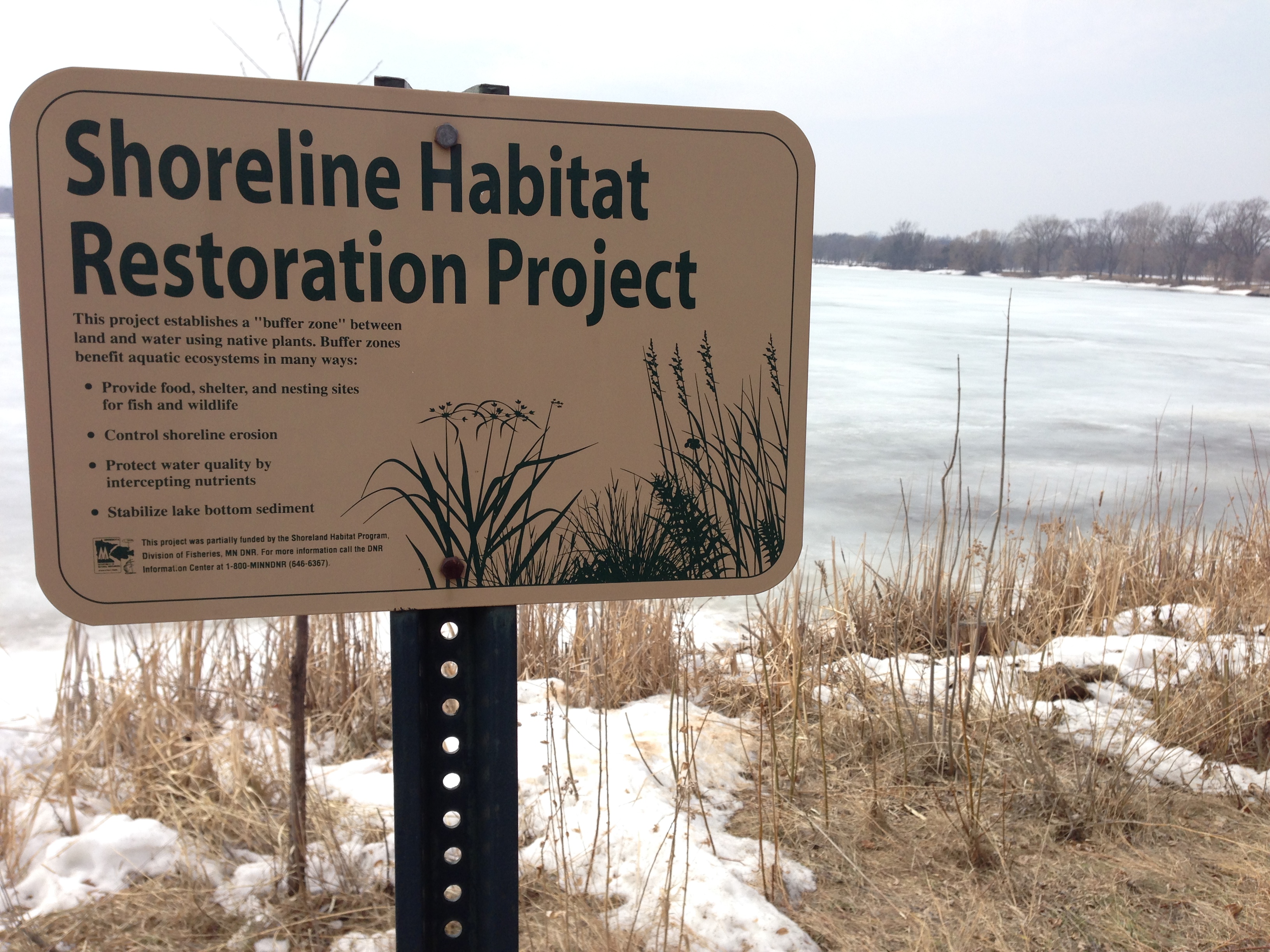
Lake in Minneapolis, Minnesota, United States
| Field | Value |
|---|---|
| name | Lake Hiawatha |
| image | File:Lake Hiawatha in afternoon with sunflowers.jpg |
| caption | Lake Hiawatha in July 2010 |
| caption_bathymetry | Minnesota DNR map |
| location | Minneapolis, Minnesota, |
| United States | |
| coords | |
| pushpin_map | USA Minneapolis–Saint Paul |
| inflow | Minnehaha Creek |
| outflow | Minnehaha Creek |
| basin_countries | United States |
| area | 53.5 acre |
| max-depth | 33 ft |
| elevation | 814 ft |
| frozen | winter |
United States | max-depth = 33 ft

Lake Hiawatha is located just north of Lake Nokomis in Minneapolis, Minnesota.
History
Lake Hiawatha was first named by American explorers as Lake Ann, in 1823. In 1835, it was renamed to Mud Lake by Lawrence Taliaferro. It was also called Rice Lake. It was purchased by the Minneapolis Park and Recreation Board in 1922 for $550,000. In 1924, it was renamed to Lake Hiawatha.
Features
The lake and park have a fishing dock, wading pool, tennis courts, and softball diamonds. There is a recreation center that hosts activities. The lake borders a municipal golf course. In winter the golf course has groomed cross country ski trails and the park has ice and hockey rinks. A 0.68 mi shared-use path runs alongside the east side of the lake from East 43rd Street to Minnehaha Parkway where it connects to the Grand Rounds trail system and destinations such as Lake Nokomis, Minnehaha Creek, and Minnehaha Falls. Lake Hiawatha is one of the few lakes through which Minnehaha Creek flows, and the last one before it reaches Minnehaha Falls and then the Mississippi River.
Advocacy
Friends of Lake Hiawatha is a community environmental action group that organizes volunteer efforts to clean the lake and park.
Hiawatha for All is an organization that advocates for the passage and effective implementation of the 9 Hole Plan. The 9 Hole Plan is the planning document created by the Park Board that will result in a restored wetland and flood resilient 9 hole golf course where the 18 hole golf course currently exists.
Fish
The lake contains black bullhead, black crappie, bluegill, bowfin, carp, golden shiner, green sunfish, hybrid sunfish, largemouth bass, northern pike, pumpkinseed, walleye, white sucker, yellow bullhead, and yellow perch. Some fish consumption guideline restrictions have been placed on the lake's bluegill and northern pike due to mercury and/or PCB contamination.
Water quality
Lake Hiawatha has much more garbage than any other Minneapolis lake. The lake is a stormwater outlet for the Corcoran, Central, Bryant, and Northrop neighborhoods, as well as the park's golf course. The Lake Hiawatha beach has been occasionally closed, such as in August 2014, because of unsafe levels of E. coli. Lake Hiawatha has been officially declared infested by zebra mussels since 2010, and in September 2013 park workers began finding mussels.
Golf course
Main article: Hiawatha Golf Course
During the first few decades of the 20th century, golf was a relatively new sport and was becoming very popular in Minneapolis. Hiawatha Golf Course was the fifth golf course built by the Minneapolis Park Board, following courses at Theodore Wirth Park (known as Glenwood Park at the time) in 1916, Columbia Park in 1919, Gross Golf Course in 1925, and Meadowbrook Golf Course in 1925.
The Rice Lake marsh was dredged to a depth of 33 feet, and the dredged soil was placed on the west side, to form the rolling landscape where the golf course was built. The golf clubhouse was constructed in 1932, and the golf course was opened in July, 1934.
Following a 2014 flood that caused extensive damage to the course, and the subsequent discovery of unpermitted groundwater pumping, the park board embarked on the development of a new master plan for the site. The planning process resulted in a recommendation to reduce the course from 18 holes to 9 holes, enhance the learning facilities for golf, use a greatly expanded wetland space to manage flooding and treat pollution, and introduce several new park amenities like boat rentals and concessions. The plan was met with resistance by golfers who wished to retain 18 holes.
References
References
- Biber, Josh. "The Changing Names and Landscapes of Lake Nokomis & Hiawatha".
- "Pedestrian and Bike Trail Distances".
- "Friends of Lake Hiawatha".
- "Hiawatha For All".
- (2007-06-18). "Lake information report: Minnesota DNR". [[Minnesota DNR.
- Dupuy, Beatrice. (July 11, 2015). "1,500 pounds of trash later, man's quest to keep Minneapolis lake clean continues". [[Minneapolis Star Tribune]].
- (August 5, 2014). "Popular beaches in Minneapolis closed due to E. coli levels". [[CBS]] Minnesota.
- McAuliffe, Bill. (September 6, 2013). "Zebra mussels found in Lake Hiawatha". [[Minneapolis Star Tribune]].
- Hess, Roise and Company. (November 4, 2022). "National Register of Historic Places Nomination Form: Hiawatha Golf Course".
- "Hiawatha Golf Club History".
- "Hiawatha Golf Course Area Master Plan".
- Olson, Melissa. (August 1, 2022). "Hiawatha Golf Course proposal divides Minneapolis residents".
This article was imported from Wikipedia and is available under the Creative Commons Attribution-ShareAlike 4.0 License. Content has been adapted to SurfDoc format. Original contributors can be found on the article history page.
Ask Mako anything about Lake Hiawatha — get instant answers, deeper analysis, and related topics.
Research with MakoFree with your Surf account
Create a free account to save articles, ask Mako questions, and organize your research.
Sign up freeThis content may have been generated or modified by AI. CloudSurf Software LLC is not responsible for the accuracy, completeness, or reliability of AI-generated content. Always verify important information from primary sources.
Report