From Surf Wiki (app.surf) — the open knowledge base
La Espero
Poem by L. L. Zamenhof and unofficial anthem of Esperanto
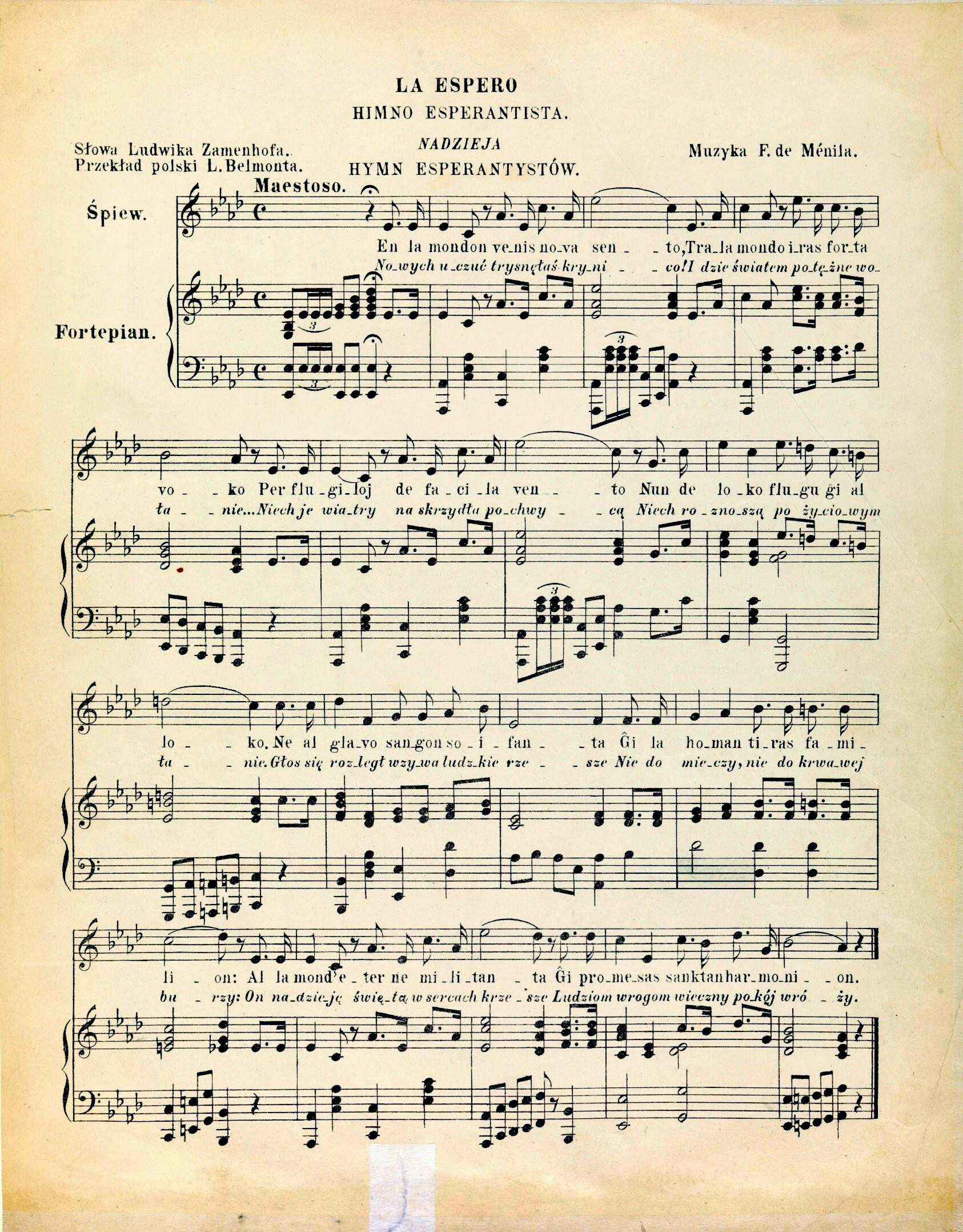
Poem by L. L. Zamenhof and unofficial anthem of Esperanto
| Field | Value | ||
|---|---|---|---|
| title | La Espero | ||
| english_title | The Hope | ||
| image | 1908-kl-t-zamenhof.jpg | ||
| caption | L. L. Zamenhof, the author of La Espero. | ||
| country | [[Image:Flag of Esperanto.svg | border | 23px]] Esperanto |
| composer | Félicien Menu de Ménil | ||
| author | L. L. Zamenhof | ||
| adopted | 1891 | ||
| sound | LaEspero.ogg | ||
| sound_title | Instrumental recording |
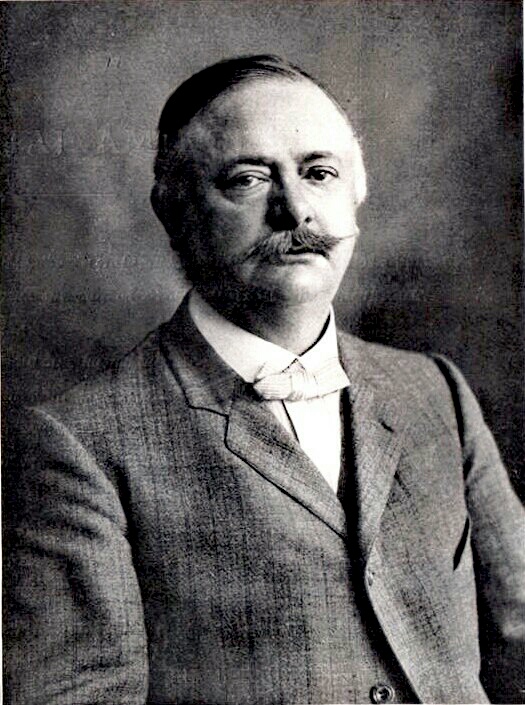
"La Espero" (, ) is a poem written by Polish-Jewish doctor L. L. Zamenhof, the initiator of the Esperanto language. The song is often used as the (unofficial) anthem of Esperanto, and is now usually sung to a triumphal march composed by Félicien Menu de Ménil in 1909 (although there is an earlier, less martial tune created in 1891 by Claes Adelsköld, along with a number of other lesser-known tunes). It is sometimes referred to as the hymn of the Esperanto movement.
Lyrics
| La Espero | The Hope |
|---|---|
| En la mondon venis nova sento, | Into the world came a new feeling, |
References
References
- Helps, Rachel. (October 2024). "A Hope Fulfilled: A Brief History of the Mormon Esperanto Society". Journal of Mormon History.
This article was imported from Wikipedia and is available under the Creative Commons Attribution-ShareAlike 4.0 License. Content has been adapted to SurfDoc format. Original contributors can be found on the article history page.
Ask Mako anything about La Espero — get instant answers, deeper analysis, and related topics.
Research with MakoFree with your Surf account
Create a free account to save articles, ask Mako questions, and organize your research.
Sign up freeThis content may have been generated or modified by AI. CloudSurf Software LLC is not responsible for the accuracy, completeness, or reliability of AI-generated content. Always verify important information from primary sources.
Report