From Surf Wiki (app.surf) — the open knowledge base
Kwete
Ugandan traditional beer made using sorghum, millet and malt

Ugandan traditional beer made using sorghum, millet and malt

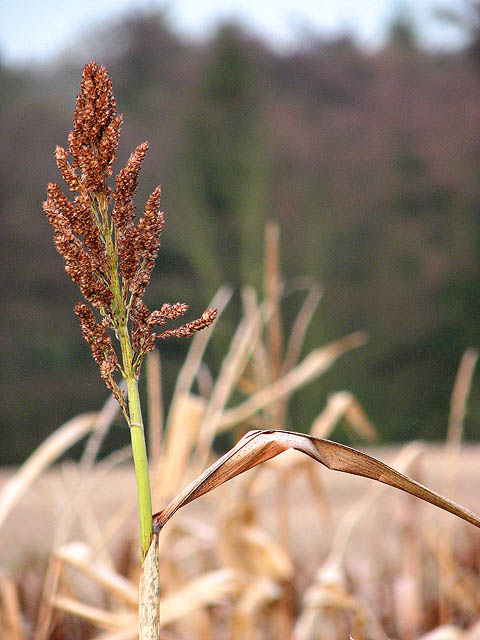
Also known as Kpete, Kwete is the alcoholic beverage brewed particularly by the Lugbara people of Uganda, Abanyala ba Kakamega in Kenya and DR Congo. The production process involves mixing fermented sorghum, millet or maize, malt, boiled water and yeast which is locally called Aku fi.
In West Nile markets, this traditional beer is usually sold and consumed in a calabash (locally called Icereke) but can also be bought in any container.
Other producers
Kwete is also produced in Kampala and the rest of Uganda. High-quality Kwete is cream to light brown in color and has a thick, consistent sweet-sour taste. Its production involves millet grains being soaked for 24 - 48 hours, followed by germination for 48–72 hours and sun dried for about 48 hours before souring in a container sealed at the top. Next, roasting of sourdough is done on a large rectangular metallic tray before mashing and fermentation. The final step involves filtering the mixture through a cloth to produce a smooth, uniformly colored drink.
The Pojulu people of South Sudan also sell an alcohol by the same name and so do the Bukusu tribe of Kenya.
This article was imported from Wikipedia and is available under the Creative Commons Attribution-ShareAlike 4.0 License. Content has been adapted to SurfDoc format. Original contributors can be found on the article history page.
Ask Mako anything about Kwete — get instant answers, deeper analysis, and related topics.
Research with MakoFree with your Surf account
Create a free account to save articles, ask Mako questions, and organize your research.
Sign up freeThis content may have been generated or modified by AI. CloudSurf Software LLC is not responsible for the accuracy, completeness, or reliability of AI-generated content. Always verify important information from primary sources.
Report