From Surf Wiki (app.surf) — the open knowledge base
Koru
Spiral shape of an unfurling fern frond
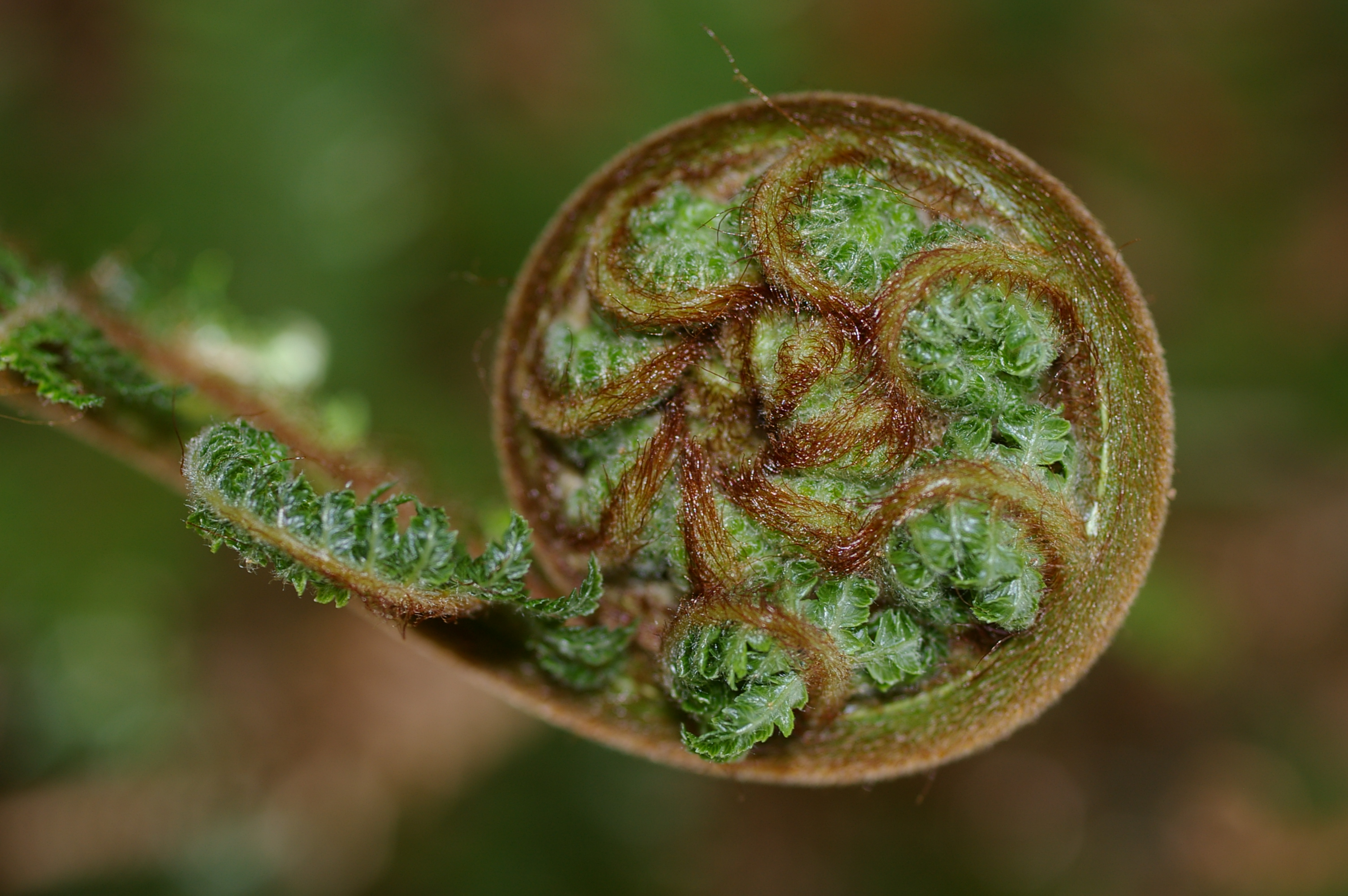
Spiral shape of an unfurling fern frond


The mi is a spiral shape evoking a newly unfurling frond from a silver fern frond. It is an integral symbol in Māori art, carving and tattooing, where it symbolises new life, growth, strength and peace. Its shape "conveys the idea of perpetual movement," while the inner coil "suggests returning to the point of origin".
Use in traditional design
The koru is the integral motif of the symbolic and seemingly abstract kōwhaiwhai designs traditionally used to decorate wharenui (meeting houses). There are numerous semi-formal designs, representing different features of the natural world.
More recent adaptations
The logo of Air New Zealand, the national carrier, incorporates a koru design — based on the Ngaru (Ngāti Kahungunu) kōwhaiwhai pattern — as a symbol of New Zealand flora. The logo was introduced in 1973 to coincide with the arrival of the airline's first McDonnell Douglas DC-10 wide-body jet. Several other nationwide organisations also use a koru in their logos, among them the New Zealand Department of Conservation.
In 1983, Friedensreich Hundertwasser based his proposed design for a secondary New Zealand flag on the symbol. It also formed the basis for a notable series of artworks by Gordon Walters. Koru swirls are also reminiscent of the Tomoe symbol in Japan.
The New Zealand Police use their own adaptions of the koru, the police koru is used in all version of the police logo. According to police "the koru is a reference to te ao Māori and a celebration of Aotearoa New Zealand’s unique heritage. Its connotations of encapsulation, protection and peace align with our values as an organisation and reiterate New Zealand Police’s commitment to Māori." Many parts of the police koru are used to symbiose police values such as the 8° angle which represents the continuous forward momentum police strive for and the flat or 'sharp' bottom, which represents the solid foundations of Police.
The New Zealand national korfball team is nicknamed The Korus.
References
References
- (2010). "Koru - te Aka Māori Dictionary". Te Whanake.
- Houlahan, Mike. (27 December 2018). "The koru – arguably the best-known Maori symbol". [[Otago Daily Times]].
- Royal. (March 4, 2009). "Māori creation traditions". New Zealand [[Ministry for Culture and Heritage]] / Te Manatū Taonga.
- link. (6 February 2015 ", maori.org.nz. Retrieved 12 February 2014.)
- "Maori Carving: Reading Kowhaiwhai".
- "Koru Cross".
- "New Zealand Police - Brand Use Guidelines".
- "Māori Culture – New Zealand Trade Manual".
This article was imported from Wikipedia and is available under the Creative Commons Attribution-ShareAlike 4.0 License. Content has been adapted to SurfDoc format. Original contributors can be found on the article history page.
Ask Mako anything about Koru — get instant answers, deeper analysis, and related topics.
Research with MakoFree with your Surf account
Create a free account to save articles, ask Mako questions, and organize your research.
Sign up freeThis content may have been generated or modified by AI. CloudSurf Software LLC is not responsible for the accuracy, completeness, or reliability of AI-generated content. Always verify important information from primary sources.
Report