From Surf Wiki (app.surf) — the open knowledge base
Koji Kondo
Japanese musician (born 1961)
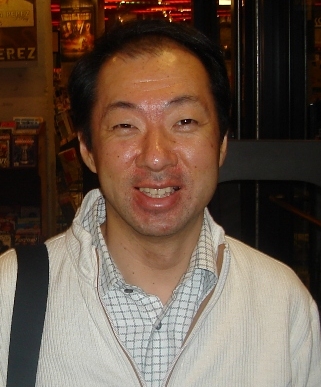
Japanese musician (born 1961)
| Field | Value | |
|---|---|---|
| name | Koji Kondo | |
| native_name | 近藤 浩治 | |
| native_name_lang | ja | |
| image | Koji Kondo E3 2006 (3x4 cropped).jpg | |
| caption | Kondo in 2006 | |
| birth_date | ||
| birth_place | Nagoya, Aichi, Japan | |
| employer | Nintendo | |
| alma_mater | Osaka University of Arts | |
| occupation | ||
| years_active | 1984–present | |
| module | {{Infobox musical artist | embed=yes |
| genre | ||
| instrument | Piano |
Koji Kondo is a Japanese composer and senior executive at the video game company Nintendo. He is best known for his contributions for the Super Mario and The Legend of Zelda series, with his Super Mario Bros. theme being the first piece of music from a video game included in the American National Recording Registry. Kondo was hired by Nintendo in 1984 as its first dedicated composer and is currently a Senior Officer at its Entertainment Planning & Development division.
Early life
Kondo was born in Nagoya, Japan, on August 13, 1961. Kondo began taking Yamaha Music classes from kindergarten, where he learned to play the electronic organ from the age of five. Kondo also played the marimba in his elementary school band. He later improved his skills with the electronic organ in a cover band that played jazz and rock music. Kondo studied at the Art Planning Department of Osaka University of Arts, but was never classically trained or academically dedicated to music.
With a love of arcade video games such as Space Invaders and the early Donkey Kong series, he said video games were the only place where he could find the kind of sound creation that he was looking for. He gained experience in composing, arranging pieces and computer programming through using the piano, and a computer to program music into the Famicom using Famicom BASIC.
Career
Kondo applied for a music composition and sound programming job at Nintendo as a senior in 1984. He recalls, "I found my way to Nintendo by looking at the school's job placement board. You're supposed to apply to many different companies, but I saw the Nintendo ad, and had a love of making synthesizers, and loved games, and thought – that's the place for me. I interviewed with one company, Nintendo, and that's where I've been ever since." Kondo was the third person hired by Nintendo to create music and sound effects for its games, joining Hirokazu Tanaka and Yukio Kaneoka. However, he was the first at Nintendo to actually specialize in musical composition.
His first work at Nintendo was the audio design for the 1984 arcade game Punch-Out!!. As the Famicom had become popular in Japan, Kondo was assigned to compose music for the console's subsequent games at Nintendo's new development division, Nintendo Entertainment Analysis and Development (EAD). His second work at Nintendo was an instruction manual on how to program Japanese popular music into the Famicom using the peripheral Family BASIC. To conclude his first year at Nintendo, he created some of the music of Devil World, alongside Akito Nakatsuka. In 1985, Nintendo started marketing the Famicom abroad as the Nintendo Entertainment System (NES) to capitalize on the 1983 video game crash that had devastated Atari, Inc. and other companies. Super Mario Bros., released that year, was Kondo's first major score. The game's melodies were created with the intention that short segments of music could be endlessly repeated during the same gameplay without causing boredom. The main theme is iconic in popular culture and has been featured in more than 50 concerts, been a best-selling ringtone, and been remixed or sampled by various musicians.
Kondo's work on The Legend of Zelda scores has also become highly recognized. He produced four main pieces of background music for the first installment of the series; the overworld theme has become comparable in popularity with the Super Mario Bros. main theme. After the success of The Legend of Zelda, he provided the score for two Japanese-exclusive games, The Mysterious Murasame Castle (1986) and Shin Onigashima (1987). He created the soundtrack to Yume Kōjō: Doki Doki Panic (1987), which was later rebranded outside Japan as Super Mario Bros. 2 in 1988.
Kondo returned to the Super Mario series to produce the scores to Super Mario Bros. 3 (1988) and the SNES launch title Super Mario World (1990). Koichi Sugiyama directed a jazz arrangement album of Super Mario World music and oversaw its performance at the first Orchestral Game Musical Concert in 1991. After finishing the soundtrack to Super Mario World, Kondo was in charge of the sound programming for Pilotwings (1990), while also composing the "Helicopter Theme" for it, and created the sound effects for Star Fox (1993). In 1995, he composed for the sequel to Super Mario World, Yoshi's Island. Until the early 2000s, Kondo would usually write all compositions by himself on a project, with The Legend of Zelda: Ocarina of Time being the last one Kondo worked on alone. Since then, he has been collaborating with other staff members at Nintendo, advising and supervising music created by others, as well as providing additional compositions for games, including Super Mario Galaxy, The Legend of Zelda: Spirit Tracks, The Legend of Zelda: Skyward Sword and Super Mario 3D World. Kondo also served as the lead composer of Super Mario Maker and Super Mario Maker 2. He was a consultant for the score to The Super Mario Bros. Movie (2023).
Concerts
Kondo attended the world premiere of Play! A Video Game Symphony at the Rosemont Theater in Chicago in May 2006, where his music from the Super Mario Bros. and The Legend of Zelda series was performed by a full symphony orchestra. Kondo also attended and performed in a series of three concerts celebrating the 25th anniversary of The Legend of Zelda series in late 2011. He performed piano with the American rock band Imagine Dragons at The Game Awards 2014 ceremony in December 2014.
Musical style and influences
Kondo's music for Super Mario Bros. was designed around the feeling of motion that mirrors the player's physical experience. This followed the philosophy of series creator and designer Shigeru Miyamoto, who demanded that audio for the game be made "with substance" and synchronized with elements of the game. As a result, Kondo based most of the score around genres that are primarily used for dancing, such as Latin music and the waltz.
In the first The Legend of Zelda, Kondo juxtaposes the game's overworld theme with the theme that plays in dungeons. Kondo remarked on the importance of projecting distinct characters through music, so that players know almost immediately where they are within the game. Kondo used this contrast in other games, such as Super Mario Bros.
Kondo has cited Deep Purple, Yes, Emerson, Lake & Palmer, Herbie Hancock, Chick Corea, Casiopea, Paul McCartney, and The Beatles as influences.
Works
| Year | Title | Role(s) | 1984 | 1985 | 1986 | 1987 | 1988 | 1990 | 1991 | 1993 | 1995 | 1996 | 1997 | 1998 | 2000 | 2002 | 2004 | 2006 | 2007 | 2008 | 2009 | 2010 | 2011 | 2013 | 2014 | 2015 | 2017 | 2018 | 2019 | 2023 | ||
|---|---|---|---|---|---|---|---|---|---|---|---|---|---|---|---|---|---|---|---|---|---|---|---|---|---|---|---|---|---|---|---|---|
| Punch-Out!! | Music, sound effects | |||||||||||||||||||||||||||||||
| Golf | Sound effects | |||||||||||||||||||||||||||||||
| Devil World | Music with Akito Nakatsuka | |||||||||||||||||||||||||||||||
| Soccer | Music, sound effects | |||||||||||||||||||||||||||||||
| Arm Wrestling | Music, sound effects | |||||||||||||||||||||||||||||||
| Kung Fu | Sound effects | |||||||||||||||||||||||||||||||
| Super Mario Bros. | Music, sound effects | |||||||||||||||||||||||||||||||
| The Legend of Zelda | Music, sound effects | |||||||||||||||||||||||||||||||
| The Mysterious Murasame Castle | Music, sound effects | |||||||||||||||||||||||||||||||
| Super Mario Bros.: The Lost Levels | Music, sound effects | |||||||||||||||||||||||||||||||
| Volleyball | Music, sound effects | |||||||||||||||||||||||||||||||
| Yume Kōjō: Doki Doki Panic | Music, sound effects | |||||||||||||||||||||||||||||||
| Shin Onigashima | Music, sound effects | |||||||||||||||||||||||||||||||
| Super Mario Bros. 2 | Music, sound effects | |||||||||||||||||||||||||||||||
| Super Mario Bros. 3 | Music, sound effects | |||||||||||||||||||||||||||||||
| Super Mario World | Music, sound effects | |||||||||||||||||||||||||||||||
| Pilotwings | Sound programmer; composed "Helicopter Theme" | |||||||||||||||||||||||||||||||
| The Legend of Zelda: A Link to the Past | Music, sound effects | |||||||||||||||||||||||||||||||
| Star Fox | Sound effects | |||||||||||||||||||||||||||||||
| Yoshi's Island | Music, sound effects | |||||||||||||||||||||||||||||||
| Super Mario 64 | Music | |||||||||||||||||||||||||||||||
| Star Fox 64 | Music with Hajime Wakai | |||||||||||||||||||||||||||||||
| The Legend of Zelda: Ocarina of Time | Music | |||||||||||||||||||||||||||||||
| The Legend of Zelda: Majora's Mask | Music with Toru Minegishi | |||||||||||||||||||||||||||||||
| Super Mario Sunshine | Music with Shinobu Tanaka | |||||||||||||||||||||||||||||||
| The Legend of Zelda: The Wind Waker | Music with Kenta Nagata, Hajime Wakai, and Toru Minegishi | |||||||||||||||||||||||||||||||
| The Legend of Zelda: Four Swords Adventures | Music with Asuka Hayazaki | |||||||||||||||||||||||||||||||
| New Super Mario Bros. | "Overworld Theme" | |||||||||||||||||||||||||||||||
| The Legend of Zelda: Twilight Princess | Music with Toru Minegishi and Asuka Hayazaki | |||||||||||||||||||||||||||||||
| Super Mario Galaxy | Music with Mahito Yokota | |||||||||||||||||||||||||||||||
| Super Smash Bros. Brawl | "Ground Theme (Super Mario Bros.)" | |||||||||||||||||||||||||||||||
| The Legend of Zelda: Spirit Tracks | "Ending Theme" | |||||||||||||||||||||||||||||||
| Super Mario Galaxy 2 | Music with Mahito Yokota and Ryo Nagamatsu | |||||||||||||||||||||||||||||||
| The Legend of Zelda: Skyward Sword | "An Ages-Old Tale" | |||||||||||||||||||||||||||||||
| Super Mario 3D World | Music with Mahito Yokota, Toru Minegishi, and Yasuaki Iwata | |||||||||||||||||||||||||||||||
| Super Smash Bros. for Wii U | "Super Mario Bros. Medley" | |||||||||||||||||||||||||||||||
| Super Mario Maker | Music with Naoto Kubo and Asuka Hayazaki | |||||||||||||||||||||||||||||||
| Super Mario Odyssey | Music with Shiho Fujii and Naoto Kubo | |||||||||||||||||||||||||||||||
| Super Smash Bros. Ultimate | "King Bowser (Super Mario Bros. 3)" | |||||||||||||||||||||||||||||||
| Super Mario Maker 2 | Music with Atsuko Asahi, Toru Minegishi, and Sayako Doi | |||||||||||||||||||||||||||||||
| Super Mario Bros. Wonder | Music with Shiho Fujii, Sayako Doi, and Chisaki Shimazu{{cite web | url=https://www.nintendo.com/us/whatsnew/ask-the-developer-vol-11-super-mario-bros-wonder-part-1/ | title=Ask the Developer Vol. 11, Super Mario Bros. Wonder—Part 1 |
Legacy and awards
|- ! 2011 | Super Mario Galaxy 2 | British Academy Games Awards (Best Original Music) | |- ! rowspan="2" | 2014 | British Academy Games Awards (Best Original Music) | |- | Video Game Music Online (Best Soundtrack – Retro / Remixed) | |} Kondo's work has been cited for allowing game music to transition from simple melodies to more complex orchestrations. He was inducted into the Academy of Interactive Arts & Sciences' Hall of Fame in 2024.
References
References
- "THE LEGEND OF ZELDA -OCARINA OF TIME- / Re-Arranged Album p.3". VGMdb.
- (2021-12-31). "Koji Kondo – 2001 Composer Interview - shmuplations.com".
- (January 19, 2007). "Mario and Zelda composer Koji Kondo shares all at GDC '07". [[Music4Games]].
- Chris Greening. (December 30, 2012). "Koji Kondo Profile". Video Game Music Online.
- Kondo, Koji. (March 11, 2007). "VGL: Koji Kondo". [[Wired (magazine).
- "A Music Trivia Tour with Nintendo's Koji Kondo". IGN.
- Pearce, James Quintana. (January 4, 2007). "Top Selling Ringtones In US For 2006". mocoNews.
- McLaughlin, Rus. (November 8, 2007). "IGN Presents The History of Super Mario Bros.". IGN.
- "Super Mario Bros. 2 Tech Info". [[GameSpot]].
- Kohler, Chris. (March 15, 2007). "Behind the Mario Maestro's Music". [[Condé Nast Digital]].
- (2008). "Super Mario Galaxy Original Sound Track Platinum Version". [[Nintendo]].
- Gifford, Kevin. (February 24, 2010). "How Mario Music Gets Made". [[UGO Entertainment, Inc.]].
- Napolitano, Jayson. (June 21, 2011). "Koji Kondo Talks Ocarina of Time, Gives Details on Skyward Sword". Original Sound Version.
- (December 8, 2014). "How Mario Maker Mixes Music With Level Creation". IGN.
- "Nintendo Minute -- Chatting with Koji Kondo". Nintendo.
- (May 15, 2019). "Super Mario Maker 2 Features Story Mode, Online Multiplayer, Co-Op Creation Mode".
- (October 6, 2022). "The Super Mario Bros. Movie Teaser Trailer Is Finally Here". Nintendo Life.
- (June 5, 2006). "PLAY! A Video Game Symphony — Rosemont Theatre, Chicago (05/27/06)". [[Music4Games.
- Mackey, Bob. (December 11, 2014). "Super Mario's Maestro: A Q&A With Nintendo's Koji Kondo". [[Gamer Network]].
- Schartmann, Andrew. (2015). "Koji Kondo's Super Mario Bros. Soundtrack". Bloomsbury Academic.
- Schartmann, Andrew. (2015). "Koji Kondo's Super Mario Bros. Soundtrack". Bloomsbury Academic.
- Schartmann, Andrew. (2015). "Koji Kondo's Super Mario Bros. Soundtrack". Bloomsbury Academic.
- Masahiro Sakurai. (2008-01-23). "Super Mario Bros.: Ground Theme". [[Nintendo]], [[HAL Laboratory, Inc.]].
- Brophy-Warren, Jamin. (2008-10-24). "A New Game for Super Mario's maestro". The Wall Street Journal.
- Laroche, Guillaume (2012). [https://www.proquest.com/docview/1251652155 "Analyzing Musical ''Mario''-Media: Variations in the Music of ''Super Mario'' Video Games."] Order No. MR84768, McGill University (Canada), p. 58.
- (September 2005). "Inside Zelda Part 4: Natural Rhythms of Hyrule". [[Nintendo of America, Inc.]].
- Schartmann, Andrew. (2015). "Koji Kondo's Super Mario Bros. Soundtrack". Bloomsbury Academic.
- Schartmann, Andrew. (2015). "Koji Kondo's Super Mario Bros. Soundtrack". Bloomsbury Academic.
- (2024-02-26). "The rhythmic world of Koji Kondo, maestro of Mario". The Washington Post.
- (31 January 2015). "Weirdness: Legendary Composer Koji Kondo Drew Inspiration From '70s Rock Bands".
- (2015-09-18). "任天堂・近藤浩治氏×サカナクション・岩寺基晴が語る、ゲーム音楽の歴史と未来".
- (May 10, 2007). "Video Games Daily | Nintendo Interview: Koji Kondo, May 2007". Archive.videogamesdaily.com.
- "Iwata Asks". Iwataasks.nintendo.com.
- (March 28, 2011). "Soyo Oka Interview: The Comeback of Super Mario Kart's Composer". Video Game Music Online.
- (December 10, 2014). "A Music Trivia Tour with Nintendo's Koji Kondo". IGN.
- (February 15, 2011). "2011 Winners & Nominees".
- "Games in 2014".
- (April 4, 2014). "Annual Game Music Awards 2013 Nominations". Video Game Music Online.
- Hsu, Hua. (2015-06-30). "How Video Games Changed Popular Music".
- O’Kane, Josh. (2015-08-07). "Review: Andrew Schartmann explores the enduring legacy of Koji Kondo’s Super Mario Bros. Soundtrack".
- (January 24, 2024). "Koji Kondo to be Inducted Into the DICE Hall of Fame".
This article was imported from Wikipedia and is available under the Creative Commons Attribution-ShareAlike 4.0 License. Content has been adapted to SurfDoc format. Original contributors can be found on the article history page.
Ask Mako anything about Koji Kondo — get instant answers, deeper analysis, and related topics.
Research with MakoFree with your Surf account
Create a free account to save articles, ask Mako questions, and organize your research.
Sign up freeThis content may have been generated or modified by AI. CloudSurf Software LLC is not responsible for the accuracy, completeness, or reliability of AI-generated content. Always verify important information from primary sources.
Report