From Surf Wiki (app.surf) — the open knowledge base
Kings of Israel and Judah
none
none
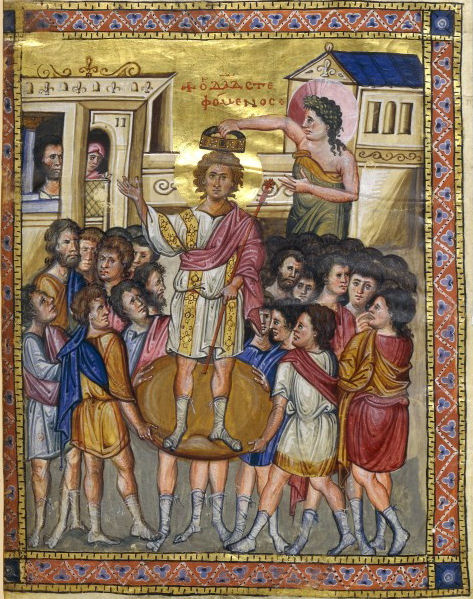
The article deals with the biblical and historical kings of the Land of Israel—Abimelech of Sichem, the three kings of the United Kingdom of Israel and those of its successor states, Israel and Judah, followed in the Second Temple period, part of classical antiquity, by the kingdoms ruled by the Hasmonean and Herodian dynasties.
The Hebrew Bible describes a succession of kings of a United Kingdom of Israel, and then of divided kingdoms, Israel and Judah.
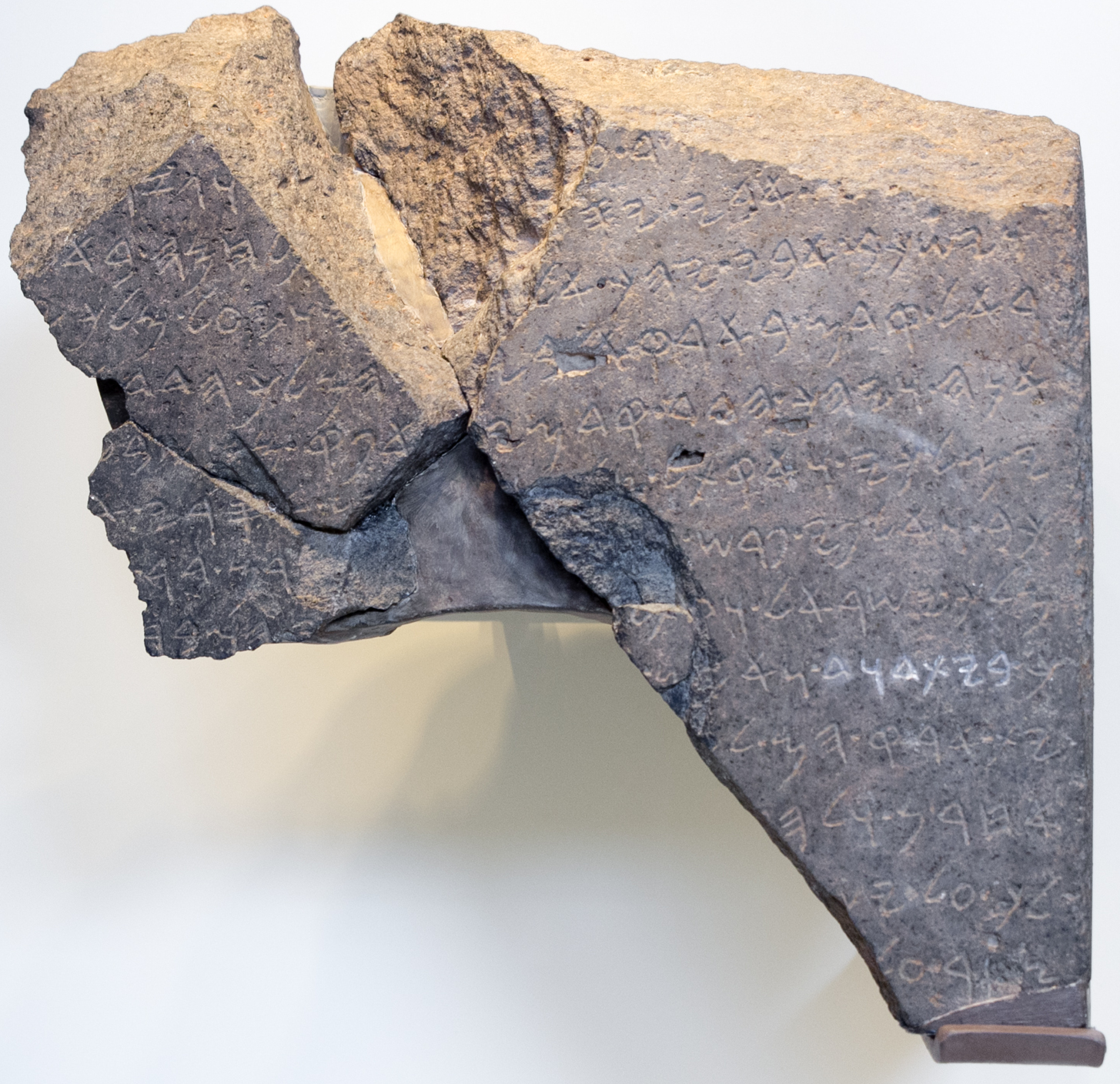
In contemporary scholarship, the united monarchy is debated, due to a lack of archaeological evidence for it. It is generally accepted that a "House of David" existed, but some scholars believe that David could have only been the king or chieftain of Judah, which was likely small, and that the northern kingdom was a separate development. There are some dissenters to this view, including those who support the traditional narrative, and those who support the united monarchy's existence but believe that the Bible contains theological exaggerations.
Overview tables
Kings and prophets
| This table describes the kings, their parents, age they lived, the prophets who influenced them, and the emperors they encountered in battle. |
|---|
Diagrams, Saul to Zedekiah
| [[File:Genealogy of the kings of Israel and Judah.svg | center | 600px]] |
|---|
| boxstyle_David =background-color: #00FFFF;}} | boxstyle_ Sol =background-color: #00FFFF; | boxstyle_Jer=background-color: #FF8296;}} | boxstyle_ Reh =background-color: #00ff8C; | boxstyle_Nad=background-color: #FF8296;}} | boxstyle_El=background-color: #FF8296; | boxstyle_Mak=background-color: #00ff8C;}} | boxstyle_Abim=background-color: #00ff8C | boxstyle_Zim=background-color: #FF8296;}} | boxstyle_Omri=background-color: #FF8296; | boxstyle_Asa =background-color: #00ff8C;}} | boxstyle_Ahab=background-color: #FF8296; | boxstyle_Jeho =background-color: #00ff8C;}} | boxstyle_Jehram=background-color: #00ff8C; | boxstyle_Ath=background-color: #00ff8C; | boxstyle_Joram=background-color: #FF8296; | boxstyle_Jehu=background-color: #FF8296; | boxstyle_Ahaz=background-color: #FF8296;}} | boxstyle_Jehoash=background-color: #00ff8C;}} | boxstyle_Uzz=background-color: #00ff8C; | boxstyle_Shal=background-color: #FF8296}} | boxstyle_Jotham=background-color: #00ff8C;}} | boxstyle_Heze=background-color: #00ff8C;}} | boxstyle_Man=background-color: #00ff8C;}} | boxstyle_Amon=background-color: #00ff8C;}} | boxstyle_Josiah=background-color: #00ff8C;}} | boxstyle_Jehoiakim=background-color: #00ff8C; | boxstyle_Jehoahaz=background-color: #00ff8C; | boxstyle_Zedekiah=background-color: #00ff8C;}} | boxstyle_Coniah=background-color: #00ff8C;}} |
|---|
Abimelech, son of Gideon
- Abimelech – the son of Gideon, was the first man declared a king in the Land of Israel; he ruled from Sichem over the territory of Manasseh.
House of Saul
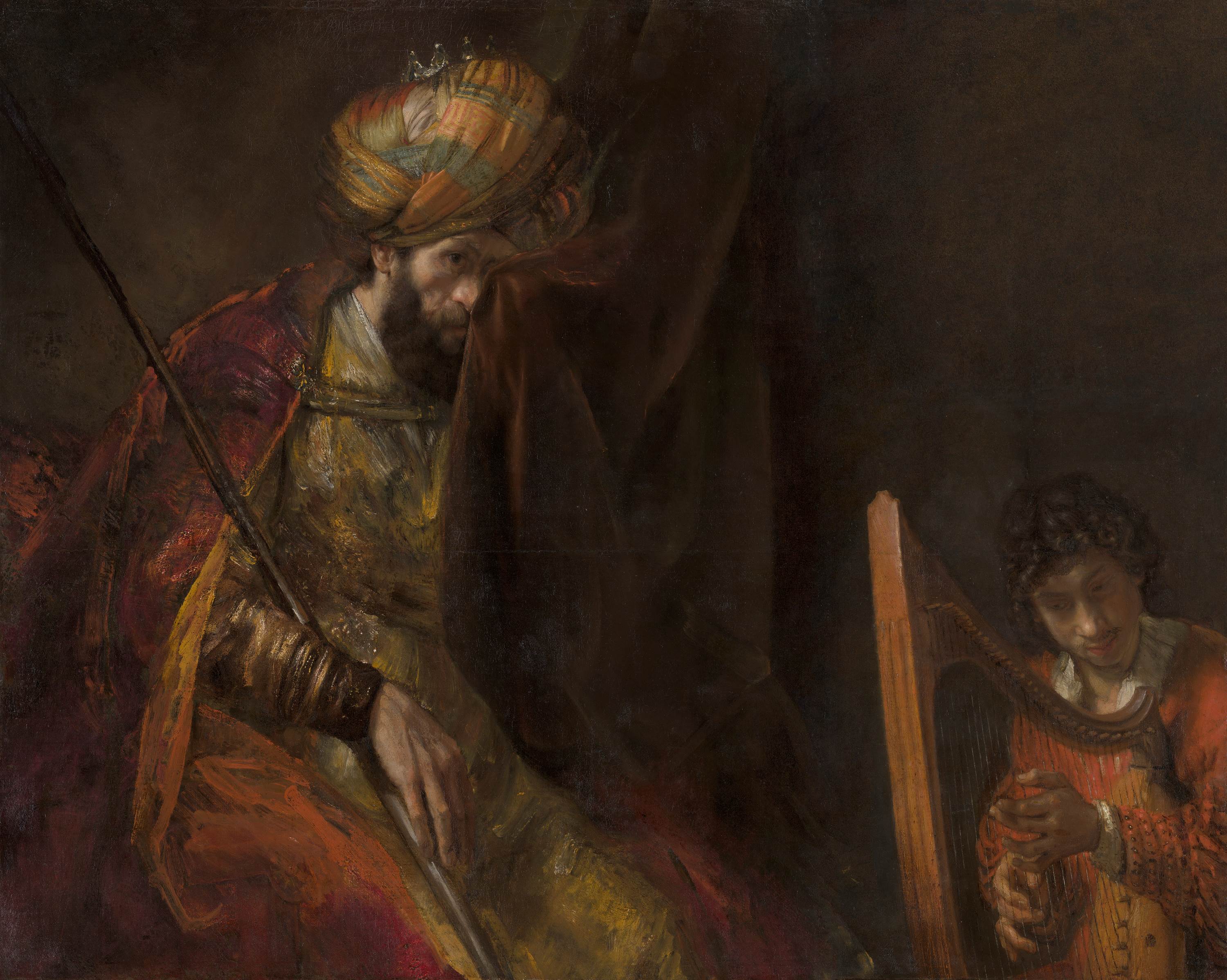
According to the Bible, the Tribes of Israel lived as a confederation under ad hoc charismatic leaders called judges. In around 1020 BCE, under extreme threat from foreign peoples, the tribes united to form the first United Kingdom of Israel. Samuel anointed Saul from the Tribe of Benjamin as the first king.
- Saul (1020–1000 BCE) or (1040-1000 BCE)
- Ish-bosheth (Esbaal) (1000–998 BCE)
House of David: united monarchy
Main article: Davidic line
| Albright | Thiele | Galil | Kitchen | Common/ | ||
|---|---|---|---|---|---|---|
| Biblical | ||||||
| name | Regnal Name | |||||
| and style | Notes | |||||
| 1000–962 | 1010–970 | 1010–970 | David | דוד בן-ישי מלך ישראל | Reigned over Judah for 7 years in Hebron, then Israel & Judah in Jerusalem for 33 years; 40 years in total. | |
| Death: natural causes | ||||||
| 962–922 | 970–931 | 971–931 | Solomon | שלמה בן-דוד מלך ישראל | Reigned over Israel & Judah in Jerusalem for 40 years. | |
| Death: natural causes | ||||||
| Son of David by Bathsheba, his rights of succession were disputed by his older half-brother Adonijah | ||||||
| 922–915 | 931–913 | 931–914 | 931–915 | Rehoboam | רחבעם בן-שלמה מלך יהודה | Reigned for 17 years. After 3 years, the kingdom was split into the kingdoms of Judah and Israel. |
| Death: natural causes |
Separation into two kingdoms
After the death of king Solomon the United Kingdom of Israel was divided in two – the northern Kingdom of Israel under Jeroboam, with its capital, first in Shechem, then Penuel, Tirzah, and finally Samaria, and ruled by a series of dynasties beginning with Jeroboam; and the southern Kingdom of Judah with its capital still in Jerusalem and ruled by the House of David. Under Hezekiah's rule in the Kingdom of Judah, the Neo-Assyrian Empire conquered and destroyed the northern kingdom 722 BCE leaving only the southern kingdom of Judah.
The Bible judges all kings of Israel and Judah by their attitude towards Hashem's Torah, and on this basis they all belong to one of the categories: the good kings, the bad kings, and the kings who acted both good as well as bad.
All kings of Israel are considered to be bad, except of Jehu who is considered to have acted both good, since he is credited with the suppression of a cult of Baal, as well as bad, since he failed to suppress a cult of golden calves in Bethel and Dan.
Amongst kings of Judah, five of them are judged to have acted good throughout their reign: Asa, Jehoshaphat, Jotham, Hezekiah, and Josiah, whereas Jehoash, Amaziah, Uzziah and Manasseh are all described as kings who acted good as well as bad during their reign. The remaining monarchs are considered to have acted bad throughout their reign.
Kingdom of Israel (Samaria)
| Albright | Thiele | Galil | Kitchen | Common/Biblical name | Regnal Name and style | Notes |
|---|---|---|---|---|---|---|
| 922–901 BCE | 931–910 BCE | 931–909 BCE | 931–911 BCE | Jeroboam I | ירבעם בֵּן-נבט מלך ישראל | Led the rebellion and divided the kingdoms. Reigned in Israel (Northern Kingdom) for 22 years. Death: Natural Causes |
| 901–900 BCE | 910–909 BCE | 909–908 BCE | 911–910 BCE | Nadab | נדב בֵּן-ירבעם מלך ישראל | Reigned in Israel for 2 years. Death: Killed by Baasha, son of Ahijah of the house of Issachar, along with his whole family. |
| 900–877 BCE | 909–886 BCE | 908–885 BCE | 910–887 BCE | Baasha | בעשא בֵּן-אחיה מלך ישראל | Reigned over Israel in Tirzah for 24 years. Death: Natural Causes |
| 877–876 BCE | 886–885 BCE | 885–884 BCE | 887–886 BCE | Elah | אלה בֵּן-בעשא מלך ישראל | Reigned over Israel in Tirzah for 2 years. Death: Zimri, one of his officials, got him drunk and killed him at his house in Azra. |
| 876 BCE | 885 BCE | 884 BCE | 886 BCE | Zimri | זמרי מלך ישראל | Reigned over Israel in Tirzah for 7 days. Death: He set his palace on fire when Omri and all the Israelites with him withdrew from Gibbethon and laid siege to Tirzah. |
| 876–871 BCE | 885–880 BCE | – | – | Tibni | תבני מלך ישראל | Rival claimant to Omri, reigned for several years. Death: Was apparently killed while assailed by the soldiers of Omri – his death is recorded, but the circumstances surrounding it go unexplained. |
| 876–869 BCE | 885–874 BCE | 884–873 BCE | 886–875 BCE | Omri | עמרי מלך ישראל | Reigned over Israel in Samaria for 12 years. Death: Natural Causes |
| 869–850 BCE | 874–853 BCE | 873–852 BCE | 875–853 BCE | Ahab | אחאב בֵּן-עמרי מלך ישראל | Reigned over Israel in Samaria for 22 years. Death: Shot by an archer during the battle at Ramoth Gilead. He died upon his arrival at Samaria. |
| 850–849 BCE | 853–852 BCE | 852–851 BCE | 853–852 BCE | Ahaziah | אחזיהו בֵּן-אחאב מלך ישראל | Reigned over Israel in Samaria for 2 years. Death: He fell through the lattice of his upper room and injured himself. Elijah the prophet told him he would never leave his bed and would die on it. |
| 849–842 BCE | 852–841 BCE | 851–842 BCE | 852–841 BCE | Joram | יורם בֵּן-אחאב מלך ישראל | Reigned over Israel in Samaria for 12 years. Death: Killed by Jehu, the next king of Israel |
| 842–815 BCE | 841–814 BCE | 842–815 BCE | 841–814 BCE | Jehu | יהוא בֵּן-נמשי מלך ישראל | Reigned over Israel in Samaria for 28 years. Death: Natural Causes |
| 815–801 BCE | 814–798 BCE | 819–804 BCE | 814–806 BCE | Jehoahaz | יהואחז בֵּן-יהוא מלך ישראל | Reigned over Israel in Samaria for 17 years. Death: Natural Causes |
| 801–786 BCE | 798–782 BCE | 805–790 BCE | 806–791 BCE | Jehoash (Joash) | יואש בֵּן-יואחז מלך ישראל | Reigned over Israel in Samaria for 16 years. Death: Natural Causes |
| 786–746 BCE | 782–753 BCE | 790–750 BCE | 791–750 BCE | Jeroboam II | ירבעם בֵּן-יואש מלך ישראל | Reigned over Israel in Samaria for 41 years. Death: Natural Causes. The Book of Jonah or Jonah's journey to Nineveh (when he was swallowed by a whale or fish) happened at that time. |
| 746 BCE | 753 BCE | 750–749 BCE | 750 BCE | Zachariah | זכריה בֵּן-ירבעם מלך ישראל | Reigned over Israel in Samaria for 6 months. Death: Shallum son of Jabesh killed him in front of the people and succeeded as king. |
| 745 BCE | 752 BCE | 749 BCE | 749 BCE | Shallum | שלם בֵּן-יבש מלך ישראל | Reigned over Israel in Samaria for 1 month. Death: Menahem son of Gadi attacked Shallum and assassinated him. |
| 745–738 BCE | 752–742 BCE | 749–738 BCE | 749–739 BCE | Menahem | מְנַחֵם בֵּן-גדי מלך ישראל | Reigned over Israel in Samaria for 10 years. Death: Natural Causes |
| 738–737 BCE | 742–740 BCE | 738–736 BCE | 739–737 BCE | Pekahiah | פקחיה בֵּן-מְנַחֵם מלך ישראל | Reigned over Israel in Samaria for 2 years. Death: Pekah son of Remaliah, one of the chief officers, took 50 men with him and assassinated the king in his palace at Samaria. |
| 737–732 BCE | 740–732 BCE | 736–732 BCE | 737–732 BCE | Pekah | פקח בֵּן-רמליהו מלך ישראל | Reigned over Israel in Samaria for 20 years. Death: Hoshea son of Elah conspired against him and assassinated him. |
| 732–722 BCE | 732–722 BCE | 732–722 BCE | 732–722 BCE | Hoshea | הושע בֵּן-אלה מלך ישראל | Reigned over Israel in Samaria for 9 years. Death: King Shalmaneser attacked and captured Samaria. He charged Hoshea with treason and he put him in prison, then, he deported the Israelites to Assyria. |
Kingdom of Judah
Main article: Kings of Judah
| Albright | Thiele | Galil | Kitchen | Common/Biblical name | Regnal Name and style | Notes |
|---|---|---|---|---|---|---|
| 915–913 | 913–911 | 914–911 | 915–912 | Abijah | אבים בן-רחבעם מלך יהודה | Reigned for 3 years. Death: natural causes. |
| 913–873 | 911–870 | 911–870 | 912–871 | Asa | אסא בן-אבים מלך יהודה | Reigned for 41 years. Death: severe foot disease. |
| 873–849 | 870–848 | 870–845 | 871–849 | Jehoshaphat | יהושפט בן-אסא מלך יהודה | Reigned for 25 years. Death: natural causes. |
| 849–842 | 848–841 | 851–843 | 849–842 | Jehoram | יהורם בן-יהושפט מלך יהודה | Reigned for 8 years. Death: severe stomach disease. |
| 842–842 | 841–841 | 843–842 | 842–841 | Ahaziah | אחזיהו בן-יהורם מלך יהודה | Reigned for 1 year. Death: killed by Jehu, who usurped the throne of Israel. |
| 842–837 | 841–835 | 842–835 | 841–835 | Athaliah | עתליה בת-עמרי מלכת יהודה | Reigned for 6 years. Death: killed by the troops assigned by Jehoiada the Priest to protect Joash. Queen Mother, widow of Jehoram and mother of Ahaziah. |
| 837–800 | 835–796 | 835–802 | 835–796 | Jehoash (Joash) | יהואש בן-אחזיהו מלך יהודה | Reigned for 40 years. Death: killed by his officials namely: Zabad, son of Shimeath, an Ammonite woman, and Jehozabad, son of Shimrith, a Moabite woman. |
| 800–783 | 796–767 | 805–776 | 796–776 | Amaziah | אמציה בן-יהואש מלך יהודה | Reigned for 29 years. Death: killed in Lachish by the men sent by his officials who conspired against him. |
| 783–742 | 767–740 | 788–736 | 776–736 | Uzziah | עזיהו בן-אמציה מלך יהודה | Reigned for 52 years. Death: Tzaraath. George Syncellus wrote that the First Olympiad took place in Uzziah's 48th regnal year. |
| 742–735 | 740–732 | 758–742 | 750–735/30 | Jotham | יותם בן-עזיהו מלך יהודה | Reigned for 16 years. Death: natural causes. |
| 735–715 | 732–716 | 742–726 | 735/31–715 | Ahaz | אחז בן-יותם מלך יהודה | Reigned for 16 years. Death: natural causes. The Assyrian king Tiglath-Pileser III records he received tribute from Ahaz; compare 2 Kings 16:7-9. |
| 715–687 | 716–687 | 726–697 | 715–687 | Hezekiah | חזקיהו בן-אחז מלך יהודה | Reigned for 29 years. Death: Natural Causes. Contemporary with Sennacherib of Assyria and Merodach-Baladan of Babylon. |
| 687–642 | 687–643 | 697–642 | 687–642 | Manasseh | מנשה בן-חזקיהו מלך יהודה | Reigned for 55 years. Death: natural causes. Mentioned in Assyrian records as a contemporary of Esarhaddon. |
| 642–640 | 643–641 | 642–640 | 642–640 | Amon | אמון בן-מנשה מלך יהודה | Reigned for 2 years. Death: killed by his officials, who were killed later on by the people of Judah. |
| 640–609 | 641–609 | 640–609 | 640–609 | Josiah | יאשיהו בן-אמון מלך יהודה | Reigned for 31 years. Death: shot by archers during the battle against Neco of Egypt. He died upon his arrival on Jerusalem. |
| 609 | 609 | 609 | 609 | Jehoahaz | יהואחז בן-יאשיהו מלך יהודה | Reigned for 3 months. Death: Necho II, king of Egypt, dethroned him, and got him replaced by his brother, Eliakim. Carried off to Egypt, where he died. |
| 609–598 | 609–598 | 609–598 | 609–598 | Jehoiakim | יהויקים בן-יאשיהו מלך יהודה | Reigned for 11 years. Death: Natural Causes. The Battle of Carchemish occurred in the fourth year of his reign (Jeremiah 46:2). |
| 598 | 598 | 598–597 | 598–597 | Jehoiachin/Jeconiah | יהויכין בן-יהויקים מלך יהודה | Reigned for 3 months & 10 days. Death: King Nebuchadnezzar II of Babylon sent for him and brought him to Babylon, where he lived and died. Jerusalem was captured by the Babylonians and Jehoiachin deposed on 16 March, 597 BCE. Called Jeconiah in Jeremiah and Esther. |
| 597–587 | 597–586 | 597–586 | 597–586 | Zedekiah | צדקיהו בן-יאשיהו מלך יהודה | Reigned for 11 years. Death: In prison. His reign saw the second rebellion against Nebuchadnezzar (588–586 BCE). Jerusalem was captured after a lengthy siege, the temple burnt, Zedekiah blinded and taken into exile, and Judah reduced to a province. |
Hasmonean Dynasty
| Dates | Common name | Name and style | Notes |
|---|---|---|---|
| 104–103 BCE | Yehudah | Aristobulus I | The first leader from the Hasmonean lineage to call himself king, and also the first of any Judean king to claim both the high priesthood and kingship title. |
| 103–76 BCE | Yonatan Yannai | Alexander Jannaeus | |
| 76–67 BCE | Shelomzion | Salome Alexandra | |
| 67–63 BCE | Aristobulus | Aristobulus II | |
| 63–40 BCE | Yohanan Hurqanos | Hyrcanus II | King from 67 BCE, High Priest from 76 BCE |
| 40–37 BCE | Matityahu | Antigonus II Mattathias |
Herodian Dynasty
- Herod the Great (r. 37–4 BCE)
- Herod Agrippa (r. 41–44 CE)
Family Tree
| boxstyle_ Simo=background-color: yellow;}} | boxstyle_ Hyr=background-color: yellow;}} | boxstyle_ Aris=background-color: yellow; | boxstyle_Alex=background-color: yellow; | boxstyle_ Sal=background-color: yellow;}} | boxstyle_ Hyr2=background-color: yellow; | boxstyle_Aris2=background-color: yellow;}} | boxstyle_ Anti=background-color: yellow;}} | boxstyle_Herod=background-color: #00FFFF;}} | boxstyle_ Ant=background-color: #00FFFF; | boxstyle_ Arc=background-color: #00FFFF; | boxstyle_ Phil=background-color: #00FFFF;}} | boxstyle_ Her5=background-color: #00FFFF; | boxstyle_ Agr=background-color: #00FFFF;}} | boxstyle_ Aris5=background-color: #00FFFF; | boxstyle_ Agr2=background-color: #00FFFF;}} |
|---|
References
References
- Lipschits, Oded. (2014). "The Jewish Study Bible". Oxford University Press.
- (2014). "The Jewish Study Bible". Oxford University Press.
- (2001). "The Bible Unearthed: Archaeology's New Vision of Ancient Israel and the Origin of its Stories". Simon & Schu.
- Kuhrt, Amélie. (1995). "The Ancient Near East, c. 3000–330 BC, Band 1". Routledge.
- (July 2014). "David, King of Judah (not Israel)".
- {{Bibleverse. Judges. 9:6. HE
- Gijsbert J.B. Sulman, ''Facts, Fiction, and the Bible. The Truth Behind the Stories in the Old Testament.'' (2016), p. 65
- {{Bibleverse. 2 Kings. 10:28. HE
- {{Bibleverse. 2 Kings. 10:29. HE
- Considered to be a contemporary of the Assyrian King [[Shalmaneser III]] (858–824 BC) to whom he paid tribute. This is based on an inscription on [[Black Obelisk. The Black Obelisk of Shalmaneser III]] showing "Yaua" son of Omri paying tribute, dated to 841 BCE.
- Paid tribute to the Assyrian King [[Shalmaneser V]] (727–722 BCE) but rebelled in 725 BCE. Shalmaneser besieged the capital, [[Samaria (ancient city). Samaria]], but died shortly before the fall of the city. His brother [[Sargon II]] (722–705 BCE) completed the siege with success in 722. Some of the population of the Northern Kingdom was exiled to other parts of the Assyrian Empire and new population groups were resettled in the new Assyrian province of Samaria. A small group of people fled south to take refuge in Judah.
- Jeremiah 52:11
This article was imported from Wikipedia and is available under the Creative Commons Attribution-ShareAlike 4.0 License. Content has been adapted to SurfDoc format. Original contributors can be found on the article history page.
Ask Mako anything about Kings of Israel and Judah — get instant answers, deeper analysis, and related topics.
Research with MakoFree with your Surf account
Create a free account to save articles, ask Mako questions, and organize your research.
Sign up freeThis content may have been generated or modified by AI. CloudSurf Software LLC is not responsible for the accuracy, completeness, or reliability of AI-generated content. Always verify important information from primary sources.
Report