From Surf Wiki (app.surf) — the open knowledge base
Khao Yai National Park
National park in Thailand
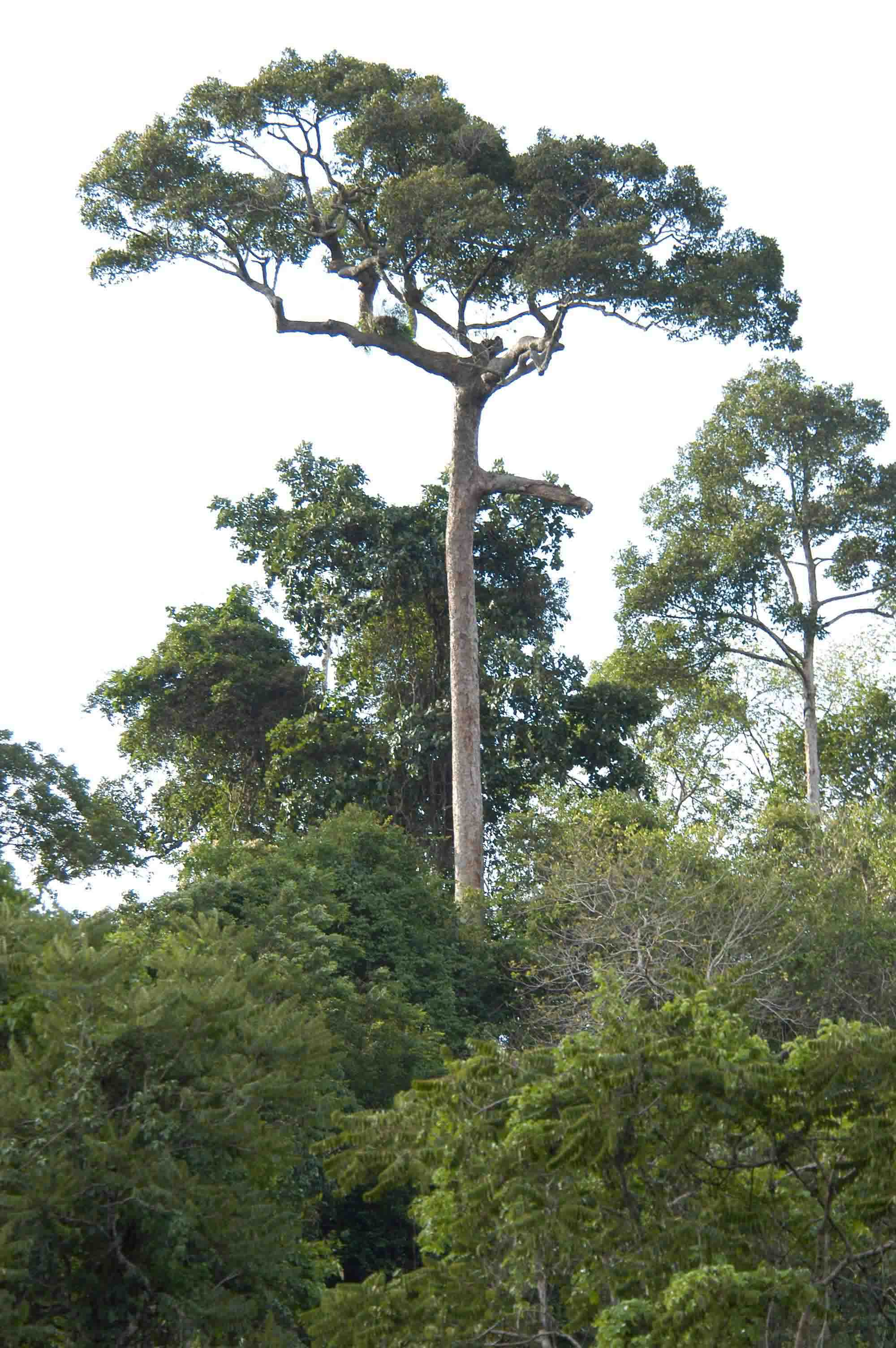
National park in Thailand
| Field | Value |
|---|---|
| name | Khao Yai National Park |
| alt_name | , , ; , |
| iucn_category | II |
| photo | Haew Suwat Waterfall Khao-Yai02.jpg |
| photo_caption | Haew Suwat waterfall |
| location | Nakhon Ratchasima, Thailand |
| nearest_city | Pak Chong District |
| mapframe | yes |
| mapframe-zoom | 6 |
| coordinates | |
| area_km2 | 2166 |
| established | 18 September 1962 |
| visitation_num | 1,551,449 |
| visitation_year | 2019 |
| governing_body | Department of National Parks, Wildlife and Plant Conservation |
| mapframe-zoom = 6
Khao Yai National Park is a national park in Thailand. Established in 1962 as Thailand's first national park, it is the third largest national park in Thailand.
Description
Khao Yai National Park is the third largest in Thailand with an area of about 2166 km2.
History

Khao Yai National Park was established on 18 September 1962, declared by royal proclamation in the Government Gazette as the first national park of Thailand. A major role in its establishment was played by Boonsong Lekagul. It was named after the defunct tambon, Khao Yai.
In 1984, Khao Yai National Park was made an ASEAN Heritage Park, and on 14 July 2005, it was proclaimed a UNESCO World Heritage Site under the name Dong Phayayen–Khao Yai Forest Complex together with other national parks in the same range and in the Dong Phaya Yen Mountains further north. As the lands adjacent to the national park are becoming increasingly developed into luxury hotels and golf courses, acquiring land for future wildlife conservation efforts is becoming problematic. Homes and residential villas have been built illegally within the limits of the protected area of the forest. Illegal logging is also a problem in the area.
Key mountains
Khao Rom is the highest mountain in Khao Yai National Park with an elevation of 1351 m. Since this mountain is spiral shaped, it is called Khao Laem (เขาแหลม; Lit: Spiky Mountain). Khao Laem is the park's 2nd highest mountain, the highest being Khao Rom. Similar to Khao Rom, reaching the peak of the mountain is also only possible on foot. Reaching the peak of the mountain takes no less than 7 hours. Before reaching the absolute summit, one must also climb up a rope.
Visitors
According to the Department of National Parks (DNP), which manages the park, visitors to Khao Yai have risen from 671,569 in 2008 to more than 1.2 million in FY2016. From October 2015 to September 2016, 471,514 vehicles entered the park. The congestion has led to demands to close the park to private vehicles. During one of its busiest periods, New Year's week from 30 December – 3 January 2016, the park received 156,574 visitors. They left in excess of 23 tonnes of waste behind. As litter was a serious problem at the park, in 2020 the park started mailing litter to the homes of visitors who left it there.
Climate

Khao Yai National Park has three main seasons, with an annual mean temperature of 23 °C, though this varies greatly with the seasons.
- Rainy season (May–October): Most days have high rates of precipitation. The atmosphere is humid with average temperatures of 27 °C during the day dropping to 13 °C at night. Streams at peak flow.
- Cool season (November–February): Clear skies, sunny and cool. Average temperatures of 22 °C during the day and 10 °C at night. Good time for hiking.
- Hot season (March–April): Humid with daytime temperatures of 20–30 °C and 17 °C at night.
Fauna
Khao Yai is home to a variety of animals. It is one of the few places in Thailand where wild elephants still survive. Other larger animals include gibbons, pig-tailed macaques, muntjacs and sambar deer. Other large animals include barking deer, porcupine, and civet. Other species that can occasionally be seen include sun bear, Asian black bear, gaur, otter, dhole and jackal. In early-2017 it was announced that 18 tigers, including five males, seven female and six cubs, were filmed by surveillance cameras in the Dong Phaya Yen-Khao Yai world heritage site in June 2016 and February 2017 in a joint effort of the Department of National Parks, the Freeland Foundation, and the Panthera Corporation. The last time that tigers were seen by surveillance cameras in Khao Yai National Park was in 2002.
Location
| 4 | Thap Lan |
|---|
|}
References
References
- "Dong Phayayen-Khao Yai Forest Complex".
- "Khao Yai National Park".
- (2020). "ข้อมูลพื้นที่อุทยานแห่งชาติ ที่ประกาศในราชกิจจานุบกษา 133 แห่ง". Department of National Parks, Wildlife and Plant Conservation.
- (2015-04-08). "Bonanza Khao Yai resort faces demolition for encroachment of Khao Yai National Park". Thai PBS.
- "Conservation of Protected Areas in Thailand: The Case of Khao Yai National Park".
- (5 January 2018). "Give wildlife right of way". Bangkok Post.
- (5 March 2017). "Tourism pressures could be changing bear behaviour". Bangkok Post.
- (18 September 2020). "Thai national park sends rubbish back to tourists". British Broadcasting Corporation.
- "Khao Yai National Park".
- "Khao Yai National Park".
- (28 March 2017). "18 tigers caught by surveillance cameras in world heritage site". Thai PBS.
- "Khao Yai National Park".
This article was imported from Wikipedia and is available under the Creative Commons Attribution-ShareAlike 4.0 License. Content has been adapted to SurfDoc format. Original contributors can be found on the article history page.
Ask Mako anything about Khao Yai National Park — get instant answers, deeper analysis, and related topics.
Research with MakoFree with your Surf account
Create a free account to save articles, ask Mako questions, and organize your research.
Sign up freeThis content may have been generated or modified by AI. CloudSurf Software LLC is not responsible for the accuracy, completeness, or reliability of AI-generated content. Always verify important information from primary sources.
Report