From Surf Wiki (app.surf) — the open knowledge base
Jewish greetings
None
None
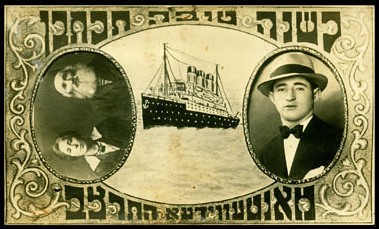
There are several Jewish and Hebrew greetings, farewells, and phrases that are used in Judaism, and in Jewish and Hebrew-speaking communities around the world. Even outside Israel, Hebrew is an important part of Jewish life. Many Jews, even if they do not speak Hebrew fluently, will know several of these greetings—most are Hebrew, and among Ashkenazim, some are Yiddish.
Shabbat
For Shabbat, there are several ways to greet people in a variety of languages, including Hebrew, Yiddish and Judeo-Spanish.
| Phrase | Hebrew script | Translation | Pronunciation | Language | Explanation | |||
|---|---|---|---|---|---|---|---|---|
| Shabbat shalom | שַׁבַּת שָׁלוֹם | Peaceful Sabbath | Hebrew | url=http://www.jewfaq.org/express.htm | title=Expressions and Greetings | work=Judaism 101 | access-date=7 October 2018}} | |
| **Gut Shabbes | ||||||||
| ** | גוּט שאבעס | Good Sabbath | Yiddish | Used any time on Shabbat, especially in general conversation or when greeting people. | ||||
| Shavua tov | שָׁבוּעַ טוֹב | Good week | Hebrew | Used on Saturday nights (after Havdalah), and even on Sundays, "shavua tov" is used to wish someone a good coming week. | ||||
| Gut Voch | גוט וואָך | Yiddish | Same as above, but Yiddish | |||||
| Buen shabat | בוען שבת | Good sabbath | Judaeo-Spanish | |||||
| Sabado dulse i bueno | Sweet and good sabbath | |||||||
| Boas entradas de Saba | Good entry to the sabbath | Portuguese or Judaeo-Portuguese |
Holidays
Different expressions are used for the Three Pilgrimage Festivals (Passover, Shavuot and Sukkot) and the other Jewish holidays.
| Phrase | Hebrew script | Translation | Pronunciation | Language | Explanation |
|---|---|---|---|---|---|
| Hag sameach | חַג שָׂמֵחַ | Happy holiday | Hebrew | Used as a greeting for the holidays, can insert holiday name in the middle; e.g. "ḥag Hanukkah sameacḥ" (חַג חֲנוּכָּה שַׂמֵחַ). Also, for Passover, "ḥag kasher vesameacḥ" (חַג כָּשֵׁר וְשָׂמֵחַ) meaning wishing a happy and kosher(-for-Passover) holiday. | |
| **Moed tov | |||||
| Moadim l'simha** | מועד טובֿ | ||||
| מועדים לשמחה | A good festival period | ||||
| A happy festival period | Used as a greeting during Chol HaMoed (the intermediate days) of Passover and Sukkot. | ||||
| Gut Yontev | גוט יום־טובֿ | Good holiday! | Yiddish | Used as a greeting for the holidays. Often spelled Gut Yontif or Gut Yontiff in English transliteration. | |
| Gut'n Mo'ed | גוטן מועד | Good ḥol hamoed | As above (as a greeting during the chol ha-moed (intermediate days) of the Passover and Sukkot holidays), but Yiddish/English | ||
| (L')shanah tovah | לְשָׁנָה טוֹבָה | [To a] good year | Hebrew | Used as a greeting during Rosh Hashanah and the Days of Awe; or shana tova (שָׁנָה טוֹבָה), "a good year", or shana tova umetuqa (שָׁנָה טוֹבָה וּמְתוּקָה) "a good and sweet year". This is short for leshana tova tiqatevu veteḥatemu (לְשָׁנָה טוֹבָה תִכָּתֵבוּ וְתֵּחָתֵמוּ) "may you be inscribed and sealed (in the Book of Life) for a good year". A shorter version is often used: ktiva veḥatima tova (כְּתִיבָה וְחֲתִימָה טוֹבָה) "(have a) good signature (in the Book of Life)" and literally "good inscribing and signing".In Israel, also used during Passover due to the renewal of spring, the Exodus narrative and the new beginning of being freed from slavery, and because it says in the Bible itself, as to the month of Nisan, that "this month shall mark for you the beginning of the months; it shall be the first of the months of the year for you." (Sh'mot 12:1-3) Nisan is the Babylonian month name used by Jews in the Babylonian captivity and replaced the month name of Aviv. For these reasons, the greeting has wide usage in Israel around Passover. | |
| Tzom kal | צוֹם קַל | Easy fast | Used to wish someone an easy fast. In some English-speaking communities today, the greeting "[have] an easy and meaningful fast" is used. | ||
| G'mar ḥatima tova | גְּמַר חֲתִימָה טוֹבָה | May you be sealed for good in the [Book of Life] | Used to wish someone well for and on Yom Kippur. Tradition teaches that Jews' fates are written on Rosh Hashanah and sealed on Yom Kippur. | ||
| Tizku leshanim rabbot - ne'imot v'Tovot | תזכו לשנים רבות - נעימות וטובות | May you merit many pleasant and good years | Used in Sephardic communities to wish someone well at the end of a holiday. |
Greetings and farewells
There are several greetings and good-byes used in Hebrew to say hello and farewell to someone.
| Phrase | Hebrew script | Translation | Pronunciation | Language | Explanation |
|---|---|---|---|---|---|
| Shalom | Hello, goodbye, peace | Hebrew | A Hebrew greeting, based on the root for "completeness". Literally meaning "peace", shalom is used for both hello and goodbye. | ||
| Shalom aleichem | Peace be upon you | This form of greeting was traditional among the Ashkenazi Jewish communities of Eastern Europe. The appropriate response is "Aleichem Shalom" (עֲלֵיכֶם שָׁלוֹם) or "Upon you be peace." | |||
| L'hitraot | Goodbye, lit. "to meet" | Perhaps the most common Hebrew farewell in Israel (English "bye" is also commonly used). Sometimes shortened to לְהִתְ ("l'heet"). |
Phrases
These are Hebrew phrases used in Jewish communities both inside and outside of Israel.
| Phrase | Hebrew script | Translation | Pronunciation | Language | Explanation | ||||||
|---|---|---|---|---|---|---|---|---|---|---|---|
| Mazal tov/Mazel tov | Good luck/congratulations | ||||||||||
| Hebrew/Yiddish | url=https://www.dummies.com/languages/hebrew/speaking-of-favorite-hebrew-expressions/ | title=Speaking of Favorite Hebrew Expressions | website=Dummies.com | first=Jill Suzanne | last=Jacobs | access-date=7 October 2018}}However, it is not normally used on news of a pregnancy, where it is replaced by "b'sha'ah tovah" ("may it happen at a good time/in the proper time"). | |||||
| B'karov etzlech (f.) | |||||||||||
| B'karov etzlecha (m.) | Soon so shall it be by you | ||||||||||
| Hebrew | Used in response to "mazal tov" | ||||||||||
| Im yirtzeh HaShem | God willing | Used by religious Jews when speaking of the future and wanting God's help. | |||||||||
| B'ezrat HaShem | With God's help | Used by religious Jews when speaking of the future and wanting God's help (similar to "God willing"). | |||||||||
| Yishar koach (or ShKoiAch) | You should have increased strength | url=http://www.patheos.com/Resources/Additional-Resources/Jewish-Holiday-Greetings.html | title=Jewish Holiday Greetings | url-status=dead | archive-url=https://web.archive.org/web/20140926072004/http://www.patheos.com/Resources/Additional-Resources/Jewish-Holiday-Greetings.html | archive-date=26 September 2014 | access-date=7 October 2018 | website=Patheos.com}} | |||
| Chazak u'varuch | Be strong and blessed | Used in Sephardi synagogues after an honour. The response is "chazak ve'ematz" ("be strong and have courage"). It is the Sephardi counterpart pair to the Ashkenaz ShKoiAch and Boruch TihYeh. | |||||||||
| Nu? | So? | Yiddish | A Yiddish interjection used to inquire about how everything went. | ||||||||
| Kol hakavod | All of the honour | Hebrew | Used for a job well done. | ||||||||
| L'chaim | To life | ||||||||||
| Hebrew/Yiddish | Hebrew and Yiddish equivalent of saying "cheers" when doing a toast | ||||||||||
| Gesundheit | Health | Yiddish | Yiddish (and German) equivalent of saying "bless you" when someone sneezes. Also sometimes "tsu gezunt". | ||||||||
| Labriut (or Livriut) | To health | Hebrew | Hebrew equivalent of saying "bless you" when someone sneezes. | ||||||||
| Refuah shlemah | Get well soon () | Used when someone is sick or injured. Also see related daily prayer addition. |
References
References
- "Expressions and Greetings". Judaism 101.
- "Rosh ha-Shana (Jewish New Year)". Hebrew: Virtual Ulpan.
- "How to Greet Someone on Yom Kippur". 70/Faces Media.
- Staff, Jspace. "G'mar Chatimah Tovah from Jspace".
- Jacobs, Jill Suzanne. "Hebrew For Dummies".
- Jacobs, Jill Suzanne. "Speaking of Favorite Hebrew Expressions".
- Daniels, Sariya. "B'Sha'ah Tovah". The Jewish Magazine.
- contraction of the two words
- "Jewish Holiday Greetings".
- "refua shlema - Jewish English Lexicon".
This article was imported from Wikipedia and is available under the Creative Commons Attribution-ShareAlike 4.0 License. Content has been adapted to SurfDoc format. Original contributors can be found on the article history page.
Ask Mako anything about Jewish greetings — get instant answers, deeper analysis, and related topics.
Research with MakoFree with your Surf account
Create a free account to save articles, ask Mako questions, and organize your research.
Sign up freeThis content may have been generated or modified by AI. CloudSurf Software LLC is not responsible for the accuracy, completeness, or reliability of AI-generated content. Always verify important information from primary sources.
Report