From Surf Wiki (app.surf) — the open knowledge base
Jesus nut
Slang term for the main rotor-retaining nut of some helicopters
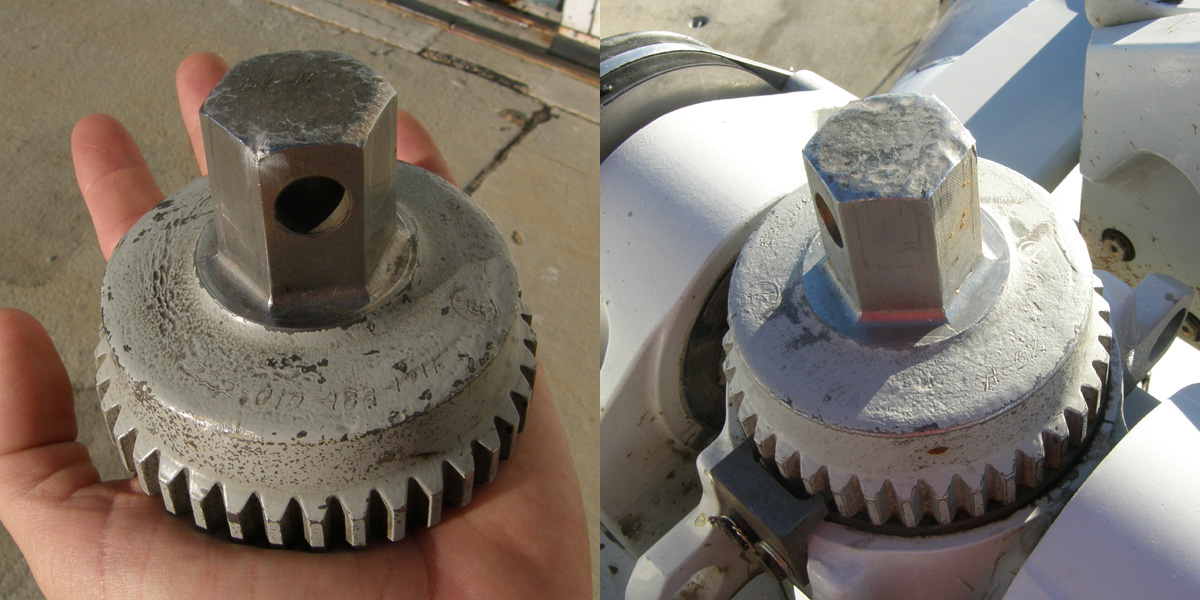
Slang term for the main rotor-retaining nut of some helicopters
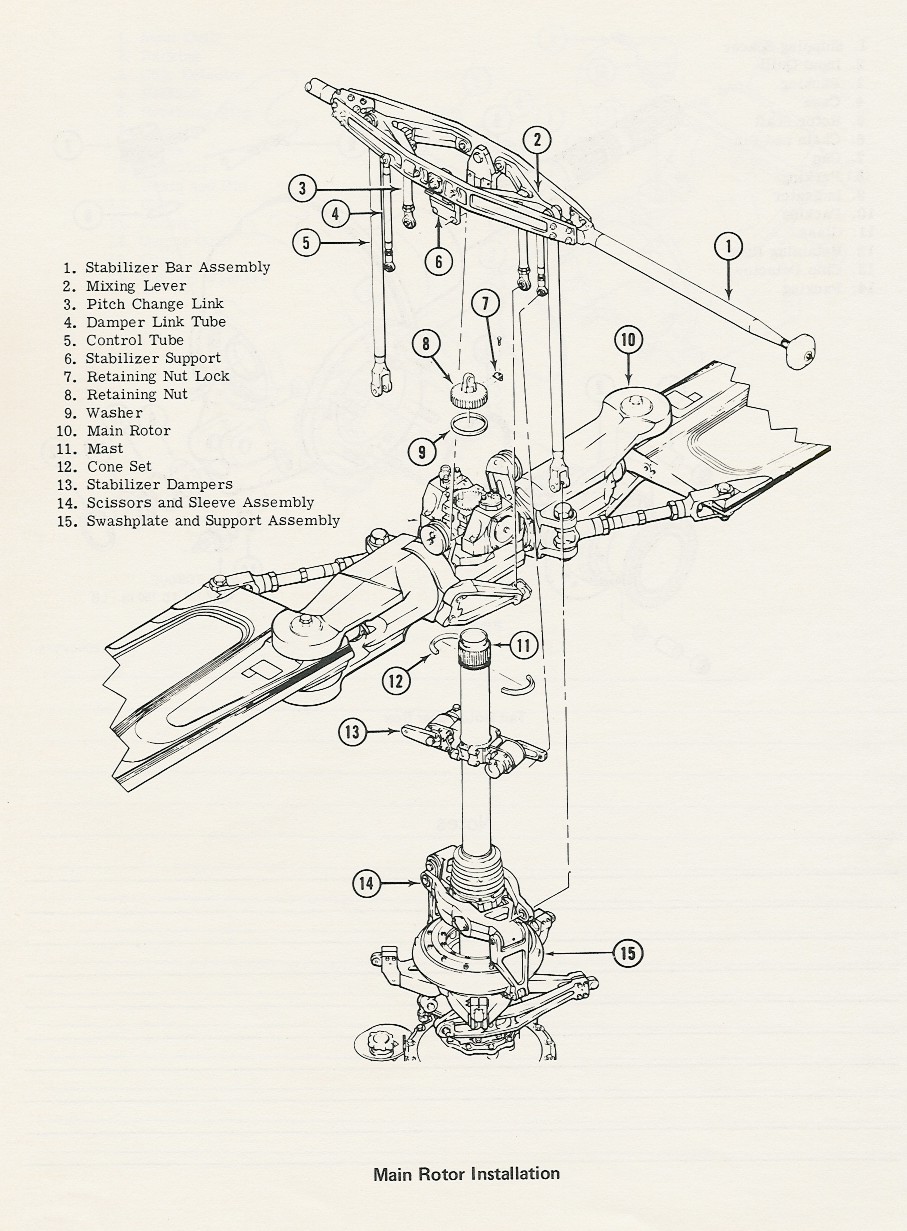
Jesus nut is a slang term for the main rotor retaining nut or mast nut, which holds the main rotor to the mast of some helicopters. The related slang term Jesus pin refers to the lock pin used to secure the retaining nut. More generally, Jesus nut (or Jesus pin) is used to refer to any component that is a single point of failure and whose breakdown would result in catastrophic consequences, the suggestion being that in such case the only thing left to do would be to pray to Jesus, or that the component's importance could be likened to the importance of Jesus to Christianity.
Origin of name
The term Jesus nut may have been coined by American soldiers in Vietnam; the Vietnam War was the first war to feature large numbers of soldiers riding in helicopters. The term may also have originated with the PBY Catalina, which had two Jesus bolts holding the wing onto the fuselage.
If the Jesus nut were to fail in flight, the rotor would detach from the helicopter, hence the idea that all that would then be left for the crew to do would be to "pray to Jesus." The nut/pin must be checked before the flight, even though real-world examples of the Jesus nut/pin failing are rare. For example, in 2000, the mast nut of a Bell 206B was removed to be repainted and was not restored and checked prior to a test flight. The helicopter crashed within ten minutes of takeoff, killing the two occupants.
Other contexts
More recently, the term has been more generically applied throughout engineering to include any single component whose failure would cause catastrophic failure of the entire system.
Another use for the term is found in rock climbing, in which it refers to the first piece of protection (some of which are also called "nuts") placed on a pitch.
In literature, the term "Jesus nut" first appeared in print in Elaine Shepard's 1967 book The Doom Pussy, a recollection of her experiences with aviators in the early part of the Vietnam War. It was later popularized in Chickenhawk by Robert Mason, a narrative about his experiences as a pilot in the war.
Marine M60A1 tankers used the term "Jesus pin" in reference to a breech pin located on the 105mm main gun that needed to be removed in order to disassemble the breech block. Dropping the small pin would cause it to instantly disappear into the bowels of the tank's hull causing one or more members of the crew to cry out "Jesus" as an expletive.
Notes
References
References
- "Main Rotor Installation diagram".
- Rottman, Gordon L.. (2020). "Grunt Slang in Vietnam: Words of the War". Open Road Media.
- Joiner, Stephen. (April 2019). "Legends of an Ocean-Crossing Seaplane". Smithsonian Institution.
- (June 1992). "Failure Analysis of the Main Rotor Retention Nut from the AH-64 Helicopter, MTL TR 92-39". U.S. Army Materials Technology Laboratory.
- (18 December 2001). "Aviation Investigation Report A00Q0046". Transportation Safety Board of Canada.
- (2002). "Aviation Safety Maintainer 1/2002: Fatigue and Complacency - A Potentially Sorrowful Mixture". Transport Canada.
- (2006). "Climbing Anchors". Falcon Press.
- (1967). "The Doom Pussy". Trident Press.
- Robert Mason. (29 March 2005). "Chickenhawk". Penguin Publishing Group.
This article was imported from Wikipedia and is available under the Creative Commons Attribution-ShareAlike 4.0 License. Content has been adapted to SurfDoc format. Original contributors can be found on the article history page.
Ask Mako anything about Jesus nut — get instant answers, deeper analysis, and related topics.
Research with MakoFree with your Surf account
Create a free account to save articles, ask Mako questions, and organize your research.
Sign up freeThis content may have been generated or modified by AI. CloudSurf Software LLC is not responsible for the accuracy, completeness, or reliability of AI-generated content. Always verify important information from primary sources.
Report