From Surf Wiki (app.surf) — the open knowledge base
Japan national football team
Men's association football team
Men's association football team
| Field | Value |
|---|---|
| Name | Japan |
| Badge | Japan_national_football_team_crest.svg |
| Badge_size | 165px |
| FIFA Trigramme | JPN |
| <br />(Samurai Blue)<ref name | ":4" / |
| Since 19 October 2009 | |
| Association | Japan Football Association (JFA) |
| Confederation | AFC (Asia) |
| Sub-confederation | EAFF (East Asia) |
| website | |
| Coach | Hajime Moriyasu |
| Captain | Wataru Endo |
| Most caps | Yasuhito Endō (152) |
| Top scorer | Kunishige Kamamoto (75) |
| Home Stadium | Various |
| FIFA Rank | |
| FIFA max | 9 |
| FIFA max date | February–March 1998 |
| FIFA min | 66 |
| FIFA min date | December 1992 |
| Elo Rank | |
| Elo max | 8 |
| Elo max date | August 2001, March 2002 |
| Elo min | 123 |
| Elo min date | September 1962 |
| pattern_la1 | _jap26h |
| pattern_b1 | _jap26hA |
| pattern_ra1 | _jap26h |
| pattern_sh1 | _jap26h |
| pattern_so1 | _jap26hl |
| leftarm1 | 001040 |
| body1 | 001040 |
| rightarm1 | 001040 |
| shorts1 | 001040 |
| socks1 | 001040 |
| pattern_la2 | _jap24a |
| pattern_b2 | _jap24a |
| pattern_ra2 | _jap24a |
| pattern_sh2 | _jap24a |
| pattern_so2 | _jap24al |
| leftarm2 | FFFFFF |
| body2 | FFFFFF |
| rightarm2 | FFFFFF |
| shorts2 | FFFFFF |
| socks2 | FFFFFF |
| First game | 0–5 |
| (Tokyo, Japan; 9 May 1917) | |
| Largest win | 15–0 |
| (Tokyo; 27 September 1967) | |
| Largest loss | 2–15 |
| (Tokyo; 10 May 1917) | |
| World cup apps | 8 |
| World cup first | 1998 |
| World cup best | Round of 16 (2002, 2010, 2018, 2022) |
| Regional name | Asian Cup |
| Regional cup apps | 11 |
| Regional cup first | 1988 |
| Regional cup best | Champions (1992, 2000, 2004, 2011) |
| 2ndRegional name | Copa América (as guest) |
| 2ndRegional cup apps | 2 |
| 2ndRegional cup first | 1999 |
| 2ndRegional cup best | Group stage (1999, 2019) |
| 3rdRegional name | Afro-Asian Cup of Nations |
| 3rdRegional cup apps | 2 |
| 3rdRegional cup first | 1993 |
| 3rdRegional cup best | Champions (1993, 2007) |
| Confederations cup apps | 5 |
| Confederations cup first | 1995 |
| Confederations cup best | Runners-up (2001) |
the men's team
サムライ・ブルー (Samurai Blue) Since 19 October 2009 | Sub-confederation = EAFF (East Asia) (Tokyo, Japan; 9 May 1917) (Tokyo; 27 September 1967) (Tokyo; 10 May 1917)
The Japan national football team, also known by the nickname Samurai Blue, represents Japan in men's international football. It is controlled by the Japan Football Association (JFA), the governing body for football in Japan.
Prior to the late 1980s, Japan's national football team was largely amateur, with the sport less popular domestically than baseball or sumo. Since the early 1990s, following the full professionalization of the sport, Japan has emerged as one of Asia's leading teams. The national team has qualified for every FIFA World Cup since 1998 (including an automatic berth as co-hosts of the 2002 tournament alongside South Korea), advancing to the knockout stage in 2002, 2010, 2018, and 2022. Japan has also won a record four Asian Cup titles, in 1992, 2000, 2004, and 2011. In addition, the team finished as runners-up in both the 2001 FIFA Confederations Cup and the 2019 Asian Cup. Japan is one of only three teams from the Asian Football Confederation (AFC) to have reached the final of a senior FIFA men's competition, alongside Australia and Saudi Arabia.
Japan's progression in a short period has served as an inspiration and example of how to develop football. Their main rivals are South Korea and Australia; they also developed rivalries against Iran and Saudi Arabia.
Japan was the first team from outside the Americas to participate in the Copa América, having been invited in the 1999, 2011, 2015, and 2019 editions of the tournament, although they only played in the 1999 and 2019 events.
Japan is currently at the 18th place in the FIFA world ranking, being the highest ranked Asian side since December 2022.
History
1910s–1930s: Pre-war era
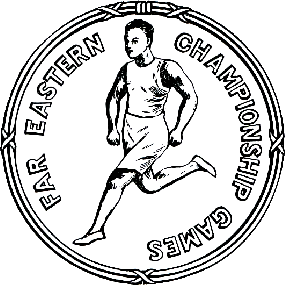
Japan's earliest international matches were at the 1917 Far Eastern Championship Games in Tokyo, where it was represented by a team from the Tokyo Higher Normal School. Although Japan made strong showings in swimming, baseball, and track and field, its football team suffered resounding defeats to the Republic of China and the Philippines. Nevertheless, the game was promoted in Japanese schools in the 1920s. The Japan Football Association was formed in 1921, and Japan joined FIFA in May 1929. However, Japan refused to participate in the 1930 FIFA World Cup.
Japan's first "true" national team (as opposed to a university team chosen to represent the country) was fielded at the 1930 Far Eastern Championship Games, and drew with China for the championship title. Shigeyoshi Suzuki coached the national team to its first Olympic appearance at the 1936 Summer Olympics in Berlin. Japan was an entrant for 1938 FIFA World Cup qualifying, but withdrew before its scheduled qualifying match against the Dutch East Indies.
After World War II began, Japan did not play in international competition, except for a handful of matches against Manchuria and other colonies. Its last prewar match for purposes of Elo ratings was a friendly against the Philippines in June 1940. While Korea was under Japanese rule, multiple Koreans played in international competition for Japan, including Kim Yong-sik (1936–40), Kim Sung-gan (1940) and Lee Yoo-hyung (1940).
1950s–1980s: Post-war era

Japan's postwar debut was in the 1951 Asian Games in India. Japan re-joined FIFA in 1950 and played in qualifiers for the 1954 World Cup, but lost the AFC qualifying berth to South Korea after two matches. Japan also joined the Asian Football Confederation in 1954.
Dettmar Cramer joined the Japan national team as coach in 1960, and helped lead the team to the round of eight at the 1964 Summer Olympics in Tokyo. Japan's first major achievement in international football came in the 1968 Summer Olympics in Mexico City, where the team won the bronze medal. Although this result earned the sport increased recognition in Japan, the absence of a professional domestic league hindered its growth and Japan would not qualify for the World Cup until 30 years later.{{cite web | access-date = 2 November 2016 | archive-url = https://web.archive.org/web/20060512150136/http://www.wldcup.com/Asia/jleague/history.html | archive-date = 12 May 2006}} Nonetheless, Japan were close to qualifying for the 1986 FIFA World Cup, but lost to South Korea in the deciding matches.
Japan made its first appearance in the AFC Asian Cup in 1988, where they were eliminated in the group stage following a draw with Iran and losses to South Korea, the United Arab Emirates and Qatar.
The late 1980s saw concrete moves to professionalize the sport in Japan. JFA introduced a Special Licensed Player system in 1986, allowing a limited number of professional players to compete in the domestic semi-professional league. Action committees were held in 1988 and 1989 to discuss the introduction of a full professional league in Japan.
1990s: Rise

In the 1990s, the Japan Football Association began the professionalization of its national football team. In 1991, the owners of the semi-professional Japan Soccer League agreed to disband the league and re-form as the professional J.League, partly to raise the sport's profile and to strengthen the national team program. The following year, Japan hosted the 1992 AFC Asian Cup and won their first title by defeating Saudi Arabia 1–0 in the final. The J.League was officially launched in 1993.
However, in its first attempt to qualify with professional players, Japan narrowly missed a ticket to the 1994 FIFA World Cup after drawing with Iraq in the final match of the qualification round, remembered by fans as the "Agony of Doha". Japan's next tournament was a defence of their continental title at the 1996 AFC Asian Cup. The team won all their games in the group stage but were eliminated in the quarter-finals after a 2–0 loss to Kuwait.
The nation's first ever FIFA World Cup appearance was in 1998, where Japan lost all their games. The first two fixtures went 1–0 in favour of Argentina and Croatia, and the campaign ended with a 2–1 defeat to Jamaica. Japan impressed, however, as all three defeats were only by a one goal margin.
2000s: Two Asian Cup titles, World Cup co-hosts
In the 2000 AFC Asian Cup, Japan managed to reclaim their title after defeating Saudi Arabia in the final, becoming Asian champions for the second time.

Two years later, Japan co-hosted the 2002 FIFA World Cup with South Korea. After a 2–2 draw with Belgium in their opening match, the Japanese team advanced to the second round with a 1–0 win over Russia and a 2–0 victory against Tunisia. However, they subsequently exited the tournament during the round of 16, after losing 1–0 to eventual third-place finishers Turkey in extra time.
With the 2004 AFC Asian Cup hosted by China, the Japanese managed to retain the title by winning their group after two victories over Thailand and Oman, before achieving victories against Jordan and Bahrain. They defeated the hosts in the final 3–1.

On 8 June 2005, Japan qualified for the 2006 FIFA World Cup in Germany, its third consecutive World Cup, by beating North Korea 2–0 on neutral ground. However, Japan failed to advance to the round of 16, losing to future AFC rival Australia 3–1, drawing Croatia 0–0 and falling to Brazil 4–1.
The 2007 AFC Asian Cup saw Japan fail to defend its title. Although easily winning the group over Vietnam, Qatar and the UAE, the Japanese were totally exhausted in their game against Australia, where Japan won only by a penalty shootout. Japan lost to Saudi Arabia in the semi-finals, before failing in the third-place match against South Korea.
2010s
_(cropped).jpg)
During the 2010 FIFA World Cup qualification, in the fourth round of the Asian qualifiers, Japan became the first team other than the host South Africa to qualify after defeating Uzbekistan 1–0 away. Japan was drawn in Group E along with the Netherlands, Denmark and Cameroon. Japan started with a 1–0 win against Cameroon, before subsequently losing to the Netherlands 1–0. Then, Japan resoundingly beat Denmark 3–1 to advance to the next round against Paraguay. In the round of 16, Japan were eliminated from the competition following penalties after a 0–0 draw against Paraguay.
After the 2010 FIFA World Cup, head coach Takeshi Okada resigned. He was replaced by former Juventus and Milan coach Alberto Zaccheroni. In his first few matches, Japan recorded victories over Guatemala (2–1) and Paraguay (1–0), as well as a 1–0 victory over Argentina.
Japan participated in the 2011 AFC Asian Cup in Qatar. On 29 January, they beat Australia 1–0 in the final after extra time, their fourth Asian Cup triumph and allowing them to qualify for the 2013 FIFA Confederations Cup. The country then started their road to the 2014 FIFA World Cup in Brazil. Throughout, they suffered only two losses to Uzbekistan and Jordan, and drew against Australia. After a 1–1 draw with Australia, they qualified for the 2014 World Cup, becoming the first nation aside from the hosts to qualify.
Japan started their 2013 FIFA Confederations Cup campaign with a 3–0 loss to Brazil. They were then eliminated from the competition after losing to Italy 4–3. They lost their final match 1–2 against Mexico and finished in fourth place in Group A. One month later, in the EAFF East Asian Cup, they started out with a 3–3 draw to China. They then beat Australia 3–2 and beat South Korea 2–1 in the third and final match in the tournament to claim the title.
Japan was placed into Group C at the 2014 FIFA World Cup alongside the Ivory Coast, Greece and Colombia. They fell in their first match to Ivory Coast 2–1 after initially taking the lead, allowing two goals in a two-minute span. They drew their second game to Greece 0–0. To qualify for the second round, they needed a victory against Colombia and Greece to win against Ivory Coast. Greece beat Ivory Coast 2–1, but Colombia won 4–1, eliminating Japan from the World Cup. Alberto Zaccheroni resigned as head coach. In July 2014, former Mexico and Espanyol manager Javier Aguirre took over, and Japan lost 0–2 to Uruguay in the first game he managed.
Japan won its opening match at the 2015 AFC Asian Cup in Group D against Asian Cup debutantes Palestine 4–0, with goals from Yasuhito Endō, Shinji Okazaki, Keisuke Honda and Maya Yoshida. Okazaki was named man of the match. They then faced Iraq and Jordan in their next group matches, which they won 1–0 and 2–0 respectively. They qualified to the knockout stage as Group D winners with nine points, seven goals scored and no goals conceded. In the quarter-finals, Japan lost to the UAE in a penalty shootout after a 1–1 draw, as Honda and Shinji Kagawa missed their penalty kicks. Japan's elimination marked their worst performance in the tournament in 19 years.
After the Asian Cup, Aguirre was sacked following allegations of corruption during a prior tenure. He was replaced by Vahid Halilhodžić in March 2015. Japan started on a rough note during qualification, losing to the UAE 1–2 at home. They then picked up the pace in their other qualifier games against Iraq, Australia, and Thailand, picking up five wins and two draws. On 31 August 2017, Japan defeated Australia 2–0 at home, thus qualifying them for the 2018 World Cup in Russia, making it their sixth successive World Cup. However, the Japan Football Association decided to sack Halilhodžić on 9 April 2018, only ten weeks before the World Cup, citing reasons of a breakdown in relationship between the coach and players, and poor recent friendly results, and appoint the Technical Director, Japanese coach Akira Nishino as the new manager.

Japan made history in the 2018 FIFA World Cup by defeating Colombia 2–1, their first ever victory by any AFC team against a CONMEBOL team in an official tournament, as well as Japan's first ever victory at the FIFA World Cup finals in UEFA nations. Their second match against Senegal ended in a draw with goals from Takashi Inui and Keisuke Honda. Japan were defeated in their last group game in the Group H against Poland 1–0, leaving Japan and Senegal tied for second with an identical record; however, as Japan had received two fewer yellow cards, Japan advanced to the knockout stage on the Fair Play Points tiebreaker, the first team to do so. The match with Poland caused controversy, as Japan were made aware of their advantage over Senegal with ten minutes left and decided to play an extremely conservative game with no attempts to take a shot on goal, despite losing 1–0, with some fans booing the players. The match received comparison to the 1982 FIFA World Cup Disgrace of Gijón, in which a similar game was played. Japan were the only AFC team to have qualified to the knockout stage.
In the round of 16 against Belgium, Japan took a 2–0 lead with a goal in the 48th minute by Genki Haraguchi and another in the 52nd by Takashi Inui, but yielded three goals afterwards, including the winner by Nacer Chadli on the counterattack in the 94th minute. The defeat to Belgium was the first time a nation had lost a knockout match at the FIFA World Cup after taking a two-goal advantage since England lost to West Germany 3–2 in extra-time in the quarter-final of the 1970 edition. Despite losing a 2–0 lead, Japan's impressive performance was praised by fans, pundits and the media.
Japan participated in the 2019 Asian Cup, finishing on top of group F after defeating Turkmenistan 3–2, Oman 1–0 and Uzbekistan 2–1. Japan defeated Saudi Arabia in the round of sixteen and dark horse Vietnam in the quarter-finals by a 1–0 margin. After defeating Iran 3–0 to reach the final, Japan's hope to win their fifth Asian Cup was lost with the team suffering a 3–1 defeat to Qatar, who won the AFC Asian Cup for the first time.
Japan were invited to the 2019 Copa América, their second appearance at the tournament, and brought a young squad to the competition. They were placed in Group C with Uruguay, Chile and Ecuador. The nation lost their opening match 4–0 to Chile, before bouncing back and drawing against Uruguay 2–2. Japan needed a win against Ecuador to qualify for the knockouts, however they drew 1–1 and missed out due to inferior goal difference to Paraguay. Aftermath saw Japan played a friendly game against the Paraguayans, and won 2–0 at home.
2020s
.jpg)
After China was removed as host of the 2022 EAFF E-1 Football Championship, it was announced that Japan was the new host. After topping the table with two wins and one draw, Japan won the competition for the second time in their history.
Japan qualified for the 2022 FIFA World Cup in Qatar, and were drawn into Group E with Germany, Costa Rica and Spain. On 23 November, Japan produced an upset, beating Germany 2–1, with two goals in an eight-minute span during the second half. After losing to Costa Rica 1–0, going into the final matchday, every team in Group E could qualify or be eliminated, with no team assured of any placement. In the end, Japan managed to qualify for the round of 16 by defeating Spain 2–1 in their final group stage match, while also contributing to Germany's elimination from the tournament. By topping their group, Japan went on to face Croatia in the round of 16 where they would lose 3–1 on penalties after a 1–1 draw. It was the third team in 52 years to have come from behind twice in one tournament, following Brazil and (West) Germany. They beat Spain with the lowest possession (18%) of the ball ever for a winning side since the 1966 FIFA World Cup. It also was the first time that an Asian team topped their FIFA World Cup group held outside their home country, and also the first Asian team to reach the knockouts twice in a row.
Japan were considered the favourites for the 2023 AFC Asian Cup in Qatar, but disappointed; Hajime Moriyasu's men began the tournament with an unconvincing victory over a Vietnamese side deprived of a number of key players (4–2), before going on to play a nightmarish game against Iraq (a 2–1 loss). This defeat, Japan's first in the group stage since their first appearance in 1988, condemned them to finish second in the group due to their unfavourable head-to-head record. The Japanese sealed three points after overcoming Indonesia 3–1 and then eliminated Bahrain by the same scoreline in the round of 16. Japan met Iran in the quarter-finals for a rematch of the previous edition's semi-final, and got the game off to a perfect start with Hidemasa Morita's 28th-minute opener, before falling completely flat in the second half, succumbing to Iran's fiery attacks, 2–1. The country suffered two defeats at the AFC Asian Cup for the first time since their debut in 1988, while conceding at least one goal in every match. The squad also had to contend with an extra controversy, with the sudden departure of Junya Itō shortly before the match against Iran, due to the Stade de Reims player having been accused of sexual assault.
On 20 March 2025, a 2–0 win against Bahrain saw Japan become the first non-host nation to qualify for the 2026 FIFA World Cup. Japan was drawn into Group F with Netherlands, Tunisia, and the UEFA playoff path B winner.
Team image
Nicknames
Japan's national football team is nicknamed the Samurai Blue by the JFA. The team also is often known by the last name of the manager. For example, under Takeshi Okada, the team was known as Okada Japan, or during the 2022 World Cup, the team is referred by the current manager's (Hajime Moriyasu) name, as "Moriyasu Japan".
Kits
_at_Haneda.jpg)
The national team kit design has gone through several alterations in the past. In the early 1980s, the kit was white with blue trim. The kits worn for the 1992 Asian Cup consisted of white stripes (stylized to form a wing) with red diamonds. During the 1996 Asian Cup and the 1998 World Cup, the national team kits were blue jerseys with red and white flame designs on the sleeves, and were designed by JFA (with the sponsor alternating each year between Asics, Puma, and Adidas). The 1996 design was reproduced in a special kit used against Syria on 7 June 2017.
Japan uses blue and white rather than red and white due to a superstition. Japan first used blue shirts in the 1930 Far Eastern Championship Games, where a team of the Tokyo Imperial University (whose color is light blue) represented Japan wearing light blue shirts, and then in a match against Sweden in the 1936 Summer Olympics. Between 1988 and 1992, the kits were red and white, matching the colours of Japan's national flag. After failing to qualify for the 1990 World Cup and 1992 Summer Olympics, the red shirt was scrapped.
In the 2013 Confederations Cup and the 2015 Asian Cup, Japan temporarily switched the colour of the numbers from white to gold.
Japan's kit is provided by German company Adidas, the team's exclusive kit supplier since April 1999. Before that, Asics and Puma had been the team's official apparel sponsor.
On 3 June 2021, Japan released the special 100th anniversary kit for a friendly match against Jamaica, but the match was cancelled and replaced with a match against the U-24 team. The kit was also used by the U-24 team against U-24 Ghana on 5 June 2021.
Kit suppliers
| Kit provider | Period |
|---|---|
| None | 1936–1978 |
| JPN Asics | 1979 |
| FRG Puma | 1980–1985 |
| FRG Adidas | 1986 |
| JPN Asics | 1987–1988 |
| GER Adidas | 1989–1992 |
| JPN Asics | 1993–1998 |
| GER Adidas | 1999–present |
Crest

The crest or emblem of the national team was adopted in late 2017 as part of a larger rebranding by the Japan Football Association. The crest features the Yatagarasu, a three-legged crow from Japanese mythology that is a symbol for the sun, holding a solid red ball that is like the sun from national flag. The text "JFA" (for the Japan Football Association) is inscribed at the bottom of the crow. A red stripe is also present at the center of the shield behind the crow. The shield has a metallic gold trim and has a thicker black outline. The name of the country represented by the national team "Japan" is also inscribed within the black border.
The previous crest used from 1996 had a shield with a more complex shape. The ball held by the Yatagarasu had white details. The text "Japan" is absent and "JFA" is written in a different typeface.
Before 1988, Japan used the national flag outlined in red (and with JFA written in black on the lower left corner of the flag) on the shirts.
The Yatagarasu was first seen on the Japan shirts in 1988, where it was on a yellow circle with a blue outline with "JAPAN FOOTBALL ASSOCIATION" written around it. In 1991, the emblem changed to a white shield with a red vertical stripe on the center with the crow on it and "JFA" written in a green Gothic typeface. This crest was used until 1996.
Home stadium
Main article: List of football stadiums in Japan
Japan plays its home matches among various stadiums, in rotation, around the country, especially the Saitama Stadium 2002.
Rivalries
South Korea
Main article: Japan–South Korea football rivalry
Japan maintains a strong football rivalry with South Korea. Japan have met South Korea 80 times, trailing the statistic at 17 wins, 23 draws, and 42 losses, while scoring 74 goals and conceding 124. Since November 1991, when the Japan Professional Football League was launched, the record is even with 10 wins, 12 draws and 10 losses. Both countries have made themselves unrivalled in both Asian Cup and World Cup records, being two of the most successful Asian football teams, and they hosted the 2002 World Cup in a joint bid.
North Korea
Japan maintains a rivalry with North Korea, although the rivalry is infrequent due to political circumstances. Japan have met North Korea 22 times, with a record of 10 wins, 4 draws and 8 losses.
China
Main article: China–Japan football rivalry
Previously, when Japan had not established professional football, Japan had only 4 wins, 3 draws and 13 losses against China. However, Japan's establishment of professional football helped turn the tide, and the Japanese have been able to exert domination with 16 wins, 6 draws and just 2 losses. China has not beaten Japan since March 1998, and lost to them 3–1 in the 2004 AFC Asian Cup final.
Australia
Main article: Australia–Japan football rivalry
Japan began to develop a fierce rivalry with fellow Asian powerhouse Australia, shortly after the latter joined the Asian Football Confederation. The rivalry is regarded as one of Asia's biggest football rivalries. The rivalry is a relatively recent one, born from a number of highly competitive matches between the two teams since Australia joined the AFC in 2006. The rivalry began at the 2006 World Cup where the two countries were grouped together, and continued with the two countries meeting regularly in various AFC competitions, such as the 2007 AFC Asian Cup, the 2011 AFC Asian Cup Final and the 2013 EAFF East Asian Cup.
Japan have met Australia 28 times, with a record of 11 wins, 10 draws and 7 losses.
Saudi Arabia
Japan and Saudi Arabia are two of the most historically successful national teams in Asia and have frequently met each other in many major tournaments, including in the Asian Cup and World Cup qualification. The frequency is also rivalled by high-level performances of Japan and Saudi Arabia in the Asian and global football stage, as they are two of the three AFC members (alongside Australia) to reach the final of any senior FIFA competition. Both countries also gained headlines for producing "unexpected" wins in the 2022 World Cup, with Japan earning wins against Germany and Spain and Saudi Arabia against eventual champions Argentina in the group stage. These wins over World Cup-winning oppositions have allowed comparisons of developments between Japan and Saudi Arabia to emerge.
In the head-to-head record, Japan have an advantage over the Saudis with 12 wins, 2 draws and 6 losses.
Iran
Japan and Iran have a combined seven Asian Cup titles, with a rivalry developing in the 1990s due to the famous "Joy of Johor Bahru" that gave Japan a ticket to their first World Cup defeating the Persians by 3–2 in a neutral Asian play-off hosted in Johor Bahru, Malaysia.
More recently, the two countries met in the 2019 and 2023 Asian Cups. The Samurai Blue defeated Team Melli 3–0 in the semifinals of the 2019 edition. The Iranians got revenge four years later eliminating Japan 2–1 in the quarter-finals.
Japan have met Iran 19 times, with a record of 6 wins, 6 draws and 7 losses.
Supporters
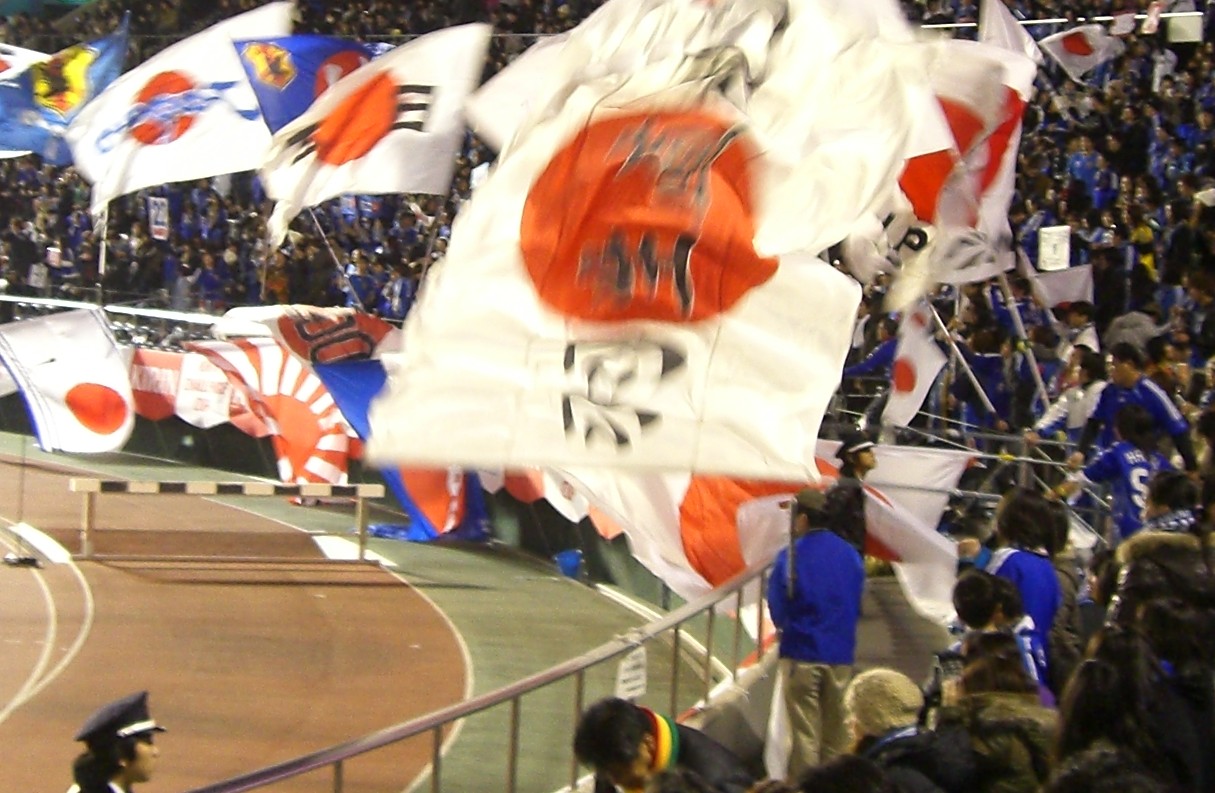
Japanese national team supporters are known for chanting "Nippon Ole" (Nippon is the Japanese word for Japan) at home matches.
Sponsorship
Japan has one of the highest sponsorship incomes for a national squad. In 2006 their sponsorship income amounted to over 16.5 million pounds.
Primary sponsors include Adidas, ANA, Kirin, Saison Card International, Toyo Tires, Mitsui Fudosan, MS&AD Insurance Group, Yomiuri Shimbun, Mizuho Financial, APA Group, Toyota and au.
Mascot
The mascots are "Karappe" (カラッペ) and "Karara" (カララ), two Yatagarasu wearing the Japan national football team kit. The mascots were designed by Japanese manga artist Susumu Matsushita. Each year when a new kit is launched, the mascots' uniforms are updated in order to match the kit being used by the team.
For the 2014 FIFA World Cup, the Pokémon character Pikachu served as the mascot.
Results and fixtures
Main article: Japan national football team results (2020–present)
The following is a list of match results in the last 12 months, as well as any future matches that have been scheduled.
;Legend
2025
- Kamada
- Kubo
- Behich
- Kamada
- Kubo
- Morishita
- Machino
- Hosoya
- Germain
- Inagaki
- Nakamura
- Orr
- Hosoya
- Mochizuki
- Germain
- Zendejas
- Balogun
- Ogawa
- Ueda
- Almirón
- D. Gómez
- Minamino
- Nakamura
- Ueda
- Paulo Henrique
- Martinelli
- Minamino
- Dōan
- Kamada
- Machino
- Nakamura
- Fixtures and Results (2025) – JFA.jp
2026
- Fixtures and Results (2026) – JFA.jp
Coaching staff
Current staff

| Role | Name |
|---|---|
| Manager | JPN Hajime Moriyasu |
| Assistant coaches | JPN Makoto Hasebe |
| JPN Ryoichi Maeda | |
| JPN Hiroshi Nanami | |
| JPN Toshihide Saito | |
| Goalkeeping coach | JPN Takashi Shimoda |
| Fitness coach | JPN Ryoichi Matsumoto |
- Players and staff for (), JFA.jp
Manager history
Current squad
The following players were called up for the Kirin Challenge Cup against Ghana and Bolivia on 14 and 18 November 2025, respectively.
Caps and goals as of 18 November 2025, after the match against Bolivia.
Recent call-ups
The following players have also been called up to the squad within the last 12 months.
INJ Withdrew due to injury
PRE Preliminary squad / standby
RET Retired from the national team
SUS Serving suspension
WD Player withdrew from the squad due to non-injury issue.
Records
Main article: Japan national football team records and statistics

| Rank | Player | Caps | Goals | Pos | Career | Ref. | |||
|---|---|---|---|---|---|---|---|---|---|
| 1 | Yasuhito Endō | 152 | 15 | MF | 2002–2015 | ||||
| 2 | Yūto Nagatomo | 144 | 4 | DF | 2008–present | ||||
| 3 | Maya Yoshida | 126 | 12 | DF | 2010–2022 | ||||
| 4 | Masami Ihara | 122 | 5 | DF | 1988–1999 | ||||
| 5 | Shinji Okazaki | 119 | 50 | FW | 2008–2019 | title=FW Okazaki Shinji | website=JFA | access-date=26 November 2024 | url=https://www.jfa.jp/eng/samuraiblue/member/okazaki_shinji.html}} |
| 6 | Yoshikatsu Kawaguchi | 116 | 0 | GK | 1997–2010 | ||||
| 7 | Makoto Hasebe | 114 | 2 | MF | 2006–2018 | ||||
| 8 | Yuji Nakazawa | 110 | 17 | DF | 1999–2010 | ||||
| 9 | Keisuke Honda | 98 | 37 | MF | 2008–2018 | title=MF Honda Keisuke | website=JFA | access-date=26 November 2024 | url=https://www.jfa.jp/eng/samuraiblue/member/honda_keisuke.html}} |
| Shunsuke Nakamura | 98 | 24 | MF | 2000–2010 |
Top goalscorers

| Rank | Player | Goals | Caps | Ratio | Career | Ref. |
|---|---|---|---|---|---|---|
| 1 | Kunishige Kamamoto (list) | 75 | 76 | 1964–1977 | ||
| 2 | Kazuyoshi Miura | 55 | 89 | 1990–2000 | ||
| 3 | Shinji Okazaki | 50 | 119 | 2008–2019 | ||
| 4 | Hiromi Hara | 37 | 75 | 1978–1988 | ||
| Keisuke Honda | 37 | 98 | 2008–2018 | |||
| 6 | Shinji Kagawa | 31 | 97 | 2008–2019 | ||
| 7 | Takuya Takagi | 27 | 44 | 1992–1997 | ||
| 8 | Kazushi Kimura | 26 | 54 | 1979–1986 | ||
| 9 | Takumi Minamino | 26 | 73 | 2015–present | ||
| 10 | Yuya Osako | 25 | 57 | 2013–2022 |
Captains
| Player | Pos. | Period | Note | |
|---|---|---|---|---|
| Shigeo Yaegashi | MF | 1968 | Summer Olympics bronze medalist leading captain (1968) | |
| Aritatsu Ogi | MF | 1969–1974 | ||
| Kunishige Kamamoto | FW | 1975–1977 | ||
| Nobuo Fujishima | MF | 1978 | ||
| Hiroshi Ochiai | MF DF | 1978–1979 | ||
| Hideki Maeda | MF | 1980–1981 | ||
| Mitsuhisa Taguchi | GK | 1982–1984 | ||
| Kazushi Kimura | MF | 1986 | ||
| Hisashi Kato | DF | 1985–1987 | ||
| Hiromi Hara | FW | 1988 | ||
| Shigetatsu Matsunaga | GK | 1989 | ||
| Shinichi Morishita | 1990 | |||
| Tetsuji Hashiratani | MF | 1991–1995 | AFC Asian Cup winning captain (1992) | |
| Masami Ihara | DF | 1996–1999 | ||
| Masashi Nakayama | FW | 2001 | FIFA Confederations Cup runners-up leading captain (2001) | |
| Ryuzo Morioka | CB | 2000–2002 | AFC Asian Cup winning captain (2000) | |
| Hidetoshi Nakata | CM | 2002–2004 | ||
| Tsuneyasu Miyamoto | CB | 2003–2006 | AFC Asian Cup winning captain (2004), East Asian Football Championship runners-up leading captain (2003) (2005) | |
| Yoshikatsu Kawaguchi | GK | 2006–2008 | East Asian Football Championship runners-up leading captain (2008) | |
| Yuji Nakazawa | CB | 2008–2010 | East Asian Football Championship third place leading captain (2010) | |
| Makoto Hasebe | DM | 2010–2018 | AFC Asian Cup winning captain (2011) | |
| Yuichi Komano | DF | 2013 | EAFF East Asian Cup winning captain (2013) | |
| Gen Shoji | CB | 2017 | EAFF E-1 Championship runners-up leading captain (2017) | |
| Maya Yoshida | CB | 2018–2022 | AFC Asian Cup runners-up leading captain (2019) | |
| Sho Sasaki | LB | 2019 | EAFF E-1 Championship runners-up leading captain (2019) | |
| Shōgo Taniguchi | CB | 2022 | EAFF E-1 Championship winning captain (2022) | |
| Wataru Endo | DM | 2023–present |
Competitive record
Champions Runners-up Third place Fourth place
:*Denotes draws includes knockout matches decided on penalty shootouts. Red border indicates that the tournament was hosted on home soil. Gold, silver, bronze backgrounds indicate 1st, 2nd and 3rd finishes respectively. Bold text indicates best finish in tournament.
FIFA World Cup
Main article: Japan at the FIFA World Cup
| FIFA World Cup record | Qualification record | Year | Result | Position | Pld | W | D | L | GF | GA | Squad | Pld | W | D | L | GF | GA | Total | Round of 16 | 8/23 | 25 | 7 | 6 | 12 | 25 | 33 | — | 154 | 96 | 29 | 29 | 359 | 94 | ||||||||||||||||||||||||||||||||
|---|---|---|---|---|---|---|---|---|---|---|---|---|---|---|---|---|---|---|---|---|---|---|---|---|---|---|---|---|---|---|---|---|---|---|---|---|---|---|---|---|---|---|---|---|---|---|---|---|---|---|---|---|---|---|---|---|---|---|---|---|---|---|---|---|---|
| URU 1930 | Withdrew | Qualified as invitees | |||||||||||||||||||||||||||||||||||||||||||||||||||||||||||||||
| ITA 1934 | Did not enter | Did not enter | |||||||||||||||||||||||||||||||||||||||||||||||||||||||||||||||
| FRA 1938 | Withdrew | Withdrew | |||||||||||||||||||||||||||||||||||||||||||||||||||||||||||||||
| BRA 1950 | Suspended from FIFA | Suspended from FIFA | |||||||||||||||||||||||||||||||||||||||||||||||||||||||||||||||
| SUI 1954 | Did not qualify | 2 | 0 | ||||||||||||||||||||||||||||||||||||||||||||||||||||||||||||||
| SWE 1958 | Did not enter | Did not enter | |||||||||||||||||||||||||||||||||||||||||||||||||||||||||||||||
| CHI 1962 | Did not qualify | 2 | 0 | ||||||||||||||||||||||||||||||||||||||||||||||||||||||||||||||
| ENG 1966 | Did not enter | Did not enter | |||||||||||||||||||||||||||||||||||||||||||||||||||||||||||||||
| MEX 1970 | Did not qualify | 4 | 0 | ||||||||||||||||||||||||||||||||||||||||||||||||||||||||||||||
| FRG 1974 | 4 | 1 | 0 | ||||||||||||||||||||||||||||||||||||||||||||||||||||||||||||||
| ARG 1978 | 4 | 0 | 1 | ||||||||||||||||||||||||||||||||||||||||||||||||||||||||||||||
| ESP 1982 | 4 | 2 | 0 | ||||||||||||||||||||||||||||||||||||||||||||||||||||||||||||||
| MEX 1986 | 8 | 5 | 1 | ||||||||||||||||||||||||||||||||||||||||||||||||||||||||||||||
| ITA 1990 | 6 | 2 | 3 | ||||||||||||||||||||||||||||||||||||||||||||||||||||||||||||||
| USA 1994 | 13 | 9 | 3 | ||||||||||||||||||||||||||||||||||||||||||||||||||||||||||||||
| FRA 1998 | Group stage | 31st | 3 | ||||||||||||||||||||||||||||||||||||||||||||||||||||||||||||||
| KOR JPN 2002 | Round of 16 | 9th | 4 | ||||||||||||||||||||||||||||||||||||||||||||||||||||||||||||||
| GER 2006 | Group stage | 28th | 3 | ||||||||||||||||||||||||||||||||||||||||||||||||||||||||||||||
| RSA 2010 | Round of 16 | 9th | 4 | ||||||||||||||||||||||||||||||||||||||||||||||||||||||||||||||
| BRA 2014 | Group stage | 29th | 3 | ||||||||||||||||||||||||||||||||||||||||||||||||||||||||||||||
| RUS 2018 | Round of 16 | 15th | 4 | ||||||||||||||||||||||||||||||||||||||||||||||||||||||||||||||
| QAT 2022 | 9th | 4 | 2 | ||||||||||||||||||||||||||||||||||||||||||||||||||||||||||||||
| CAN MEX USA 2026 | Qualified | 16 | 13 | ||||||||||||||||||||||||||||||||||||||||||||||||||||||||||||||
| ESP POR MAR 2030 | To be determined | To be determined | |||||||||||||||||||||||||||||||||||||||||||||||||||||||||||||||
| KSA 2034 |
Match history
| FIFA World Cup history | Year | Round | Opponent | Score | Result |
|---|---|---|---|---|---|
| 1998 | Group stage | 0–1 | Loss | ||
| 0–1 | Loss | ||||
| 1–2 | Loss | ||||
| 2002 | Group stage | 2–2 | Draw | ||
| 1–0 | Win | ||||
| 2–0 | Win | ||||
| Round of 16 | 0–1 | Loss | |||
| 2006 | Group stage | 1–3 | Loss | ||
| 0–0 | Draw | ||||
| 1–4 | Loss | ||||
| 2010 | Group stage | 1–0 | Win | ||
| 0–1 | Loss | ||||
| 3–1 | Win | ||||
| Round of 16 | 0–0 | Draw (Loss) | |||
| 2014 | Group stage | 1–2 | Loss | ||
| 0–0 | Draw | ||||
| 1–4 | Loss | ||||
| 2018 | Group stage | 2–1 | Win | ||
| 2–2 | Draw | ||||
| 0–1 | Loss | ||||
| Round of 16 | 2–3 | Loss | |||
| 2022 | Group stage | 2–1 | Win | ||
| 0–1 | Loss | ||||
| 2–1 | Win | ||||
| Round of 16 | 1–1 | Draw (Loss) |
AFC Asian Cup
Main article: Japan at the AFC Asian Cup
| [](afc-asian-cup) record | [](afc-asian-cup-qualifiers) record | Year | Result | Position | Pld | W | D | L | GF | GA | Squad | Pld | W | D | L | GF | GA | Total | 4 Titles | 11/19 | 53 | 33 | 12 | 8 | 104 | 52 | — | 50 | 41 | 4 | 5 | 162 | 19 | ||||||||||||||||||||||||||||||
|---|---|---|---|---|---|---|---|---|---|---|---|---|---|---|---|---|---|---|---|---|---|---|---|---|---|---|---|---|---|---|---|---|---|---|---|---|---|---|---|---|---|---|---|---|---|---|---|---|---|---|---|---|---|---|---|---|---|---|---|---|---|---|---|
| British Hong Kong 1956 | Withdrew | Withdrew | |||||||||||||||||||||||||||||||||||||||||||||||||||||||||||||
| KOR 1960 | |||||||||||||||||||||||||||||||||||||||||||||||||||||||||||||||
| ISR 1964 | |||||||||||||||||||||||||||||||||||||||||||||||||||||||||||||||
| IRI 1968 | Did not qualify | 4 | 3 | ||||||||||||||||||||||||||||||||||||||||||||||||||||||||||||
| THA 1972 | Withdrew | Withdrew | |||||||||||||||||||||||||||||||||||||||||||||||||||||||||||||
| IRI 1976 | Did not qualify | 5 | 2 | ||||||||||||||||||||||||||||||||||||||||||||||||||||||||||||
| KUW 1980 | Withdrew | Withdrew | |||||||||||||||||||||||||||||||||||||||||||||||||||||||||||||
| SIN 1984 | |||||||||||||||||||||||||||||||||||||||||||||||||||||||||||||||
| QAT 1988 | Group stage | 10th | 4 | ||||||||||||||||||||||||||||||||||||||||||||||||||||||||||||
| JPN 1992 | Champions | 1st | 5 | ||||||||||||||||||||||||||||||||||||||||||||||||||||||||||||
| UAE 1996 | Quarter-finals | 5th | 4 | ||||||||||||||||||||||||||||||||||||||||||||||||||||||||||||
| LBN 2000 | Champions | 1st | 6 | ||||||||||||||||||||||||||||||||||||||||||||||||||||||||||||
| CHN 2004 | Champions | 1st | 6 | ||||||||||||||||||||||||||||||||||||||||||||||||||||||||||||
| IDN MAS THA VIE 2007 | Semi Final | 4th | 6 | ||||||||||||||||||||||||||||||||||||||||||||||||||||||||||||
| QAT 2011 | Champions | 1st | 6 | ||||||||||||||||||||||||||||||||||||||||||||||||||||||||||||
| AUS 2015 | Quarter-finals | 5th | 4 | ||||||||||||||||||||||||||||||||||||||||||||||||||||||||||||
| UAE 2019 | Runners-up | 2nd | 7 | ||||||||||||||||||||||||||||||||||||||||||||||||||||||||||||
| QAT 2023 | Quarter-finals | 7th | 5 | ||||||||||||||||||||||||||||||||||||||||||||||||||||||||||||
| KSA 2027 | Qualified | 6 | 6 |
Match history
| AFC Asian Cup history | Year | Round | Opponent | Score | Result |
|---|---|---|---|---|---|
| 1988 | Group stage | 0–0 | Draw | ||
| 0–2 | Loss | ||||
| 0–1 | Loss | ||||
| 0–3 | Loss | ||||
| 1992 | Group stage | 0–0 | Draw | ||
| 1–1 | Draw | ||||
| 1–0 | Win | ||||
| Semi-finals | 3–2 | Win | |||
| Final | 1–0 | Win | |||
| 1996 | Group stage | 2–1 | Win | ||
| 4–0 | Win | ||||
| 1–0 | Win | ||||
| Quarter-finals | 0–2 | Loss | |||
| 2000 | Group stage | 4–1 | Win | ||
| 8–1 | Win | ||||
| 1–1 | Draw | ||||
| Quarter-finals | 4–1 | Win | |||
| Semi-finals | 3–2 | Win | |||
| Final | 1–0 | Win | |||
| 2004 | Group stage | 1–0 | Win | ||
| 4–1 | Win | ||||
| 0–0 | Draw | ||||
| Quarter-finals | 1–1 | Draw (Win) | |||
| Semi-finals | 4–3 | Win | |||
| Final | 3–1 | Win | |||
| 2007 | Group stage | 1–1 | Draw | ||
| 3–1 | Win | ||||
| 4–1 | Win | ||||
| Quarter-finals | 1–1 | Draw (Win) | |||
| Semi-finals | 2–3 | Loss | |||
| Third place play-off | 0–0 | Draw (Loss) | |||
| 2011 | Group stage | 1–1 | Draw | ||
| 2–1 | Win | ||||
| 5–0 | Win | ||||
| Quarter-finals | 3–2 | Win | |||
| Semi-finals | 2–2 | Draw (Win) | |||
| Final | 1–0 | Win | |||
| 2015 | Group stage | 4–0 | Win | ||
| 1–0 | Win | ||||
| 2–0 | Win | ||||
| Quarter-finals | 1–1 | Draw (Loss) | |||
| 2019 | Group stage | 3–2 | Win | ||
| 1–0 | Win | ||||
| 2–1 | Win | ||||
| Round of 16 | 1–0 | Win | |||
| Quarter-finals | 1–0 | Win | |||
| Semi-finals | 3–0 | Win | |||
| Final | 1–3 | Loss | |||
| 2023 | Group stage | 4–2 | Win | ||
| 1–2 | Loss | ||||
| 3–1 | Win | ||||
| Round of 16 | 3–1 | Win | |||
| Quarter-finals | 1–2 | Loss |
Copa América
Main article: Japan at the Copa América
Japan was the first team from outside the Americas to participate in the Copa América, having been invited to the 1999 tournament. Japan was also invited in 2011 and initially accepted the invitation. However, following the Tōhoku earthquake, the JFA later withdrew on 16 May 2011, citing the difficulty of releasing some Japanese players from European teams to play as replacements. On the next day, CONMEBOL invited Costa Rica to replace Japan in the competition.
On 16 August 2013, CONMEBOL president Eugenio Figueredo announced that Japan was invited to the 2015 Copa América. However, Japan later declined the invitation due to scheduling problems.
On 14 May 2018, CONMEBOL announced that Japan, alongside Qatar, would be the two invited teams for the 2019 Copa América.
| Copa América record | Year | Result | Position | Pld | W | D | L | GF | GA | Squad | Total | Group stage | 2/4 | 6 | 0 | 3 | 3 | 6 | 15 | — | |||||||||
|---|---|---|---|---|---|---|---|---|---|---|---|---|---|---|---|---|---|---|---|---|---|---|---|---|---|---|---|---|---|
| Paraguay 1999 | Group stage | 10th | 3 | 0 | 1 | 2 | 3 | 8 | Squad | ||||||||||||||||||||
| Argentina 2011 | Withdrew | ||||||||||||||||||||||||||||
| Chile 2015 | |||||||||||||||||||||||||||||
| Brazil 2019 | Group stage | 9th | 3 | 0 | 2 | 1 | 3 | 7 | Squad |
Match history
| CONMEBOL Copa América history | Year | Round | Opponent | Score | Result | Stadium |
|---|---|---|---|---|---|---|
| 1999 | Group stage | 2–3 | Loss | Estadio Defensores del Chaco, Asunción | ||
| 0–4 | Loss | |||||
| 1–1 | Draw | Monumental Rio Parapiti, Pedro Juan Caballero | ||||
| 2019 | Group stage | 0–4 | Loss | Estádio do Morumbi, São Paulo | ||
| 2–2 | Draw | Arena do Grêmio, Porto Alegre | ||||
| 1–1 | Draw | Estádio Mineirão, Belo Horizonte |
FIFA Confederations Cup
| FIFA Confederations Cup record | year | Result | Position | Pld | W | D | L | GF | GA | Squad | Total | Runners-up | 5/10 | 16 | 5 | 2 | 9 | 19 | 25 | — | |||||||||
|---|---|---|---|---|---|---|---|---|---|---|---|---|---|---|---|---|---|---|---|---|---|---|---|---|---|---|---|---|---|
| Saudi Arabia 1992 | Did not qualify | ||||||||||||||||||||||||||||
| Saudi Arabia 1995 | Group stage | 6th | 2 | 0 | 0 | 2 | 1 | 8 | Squad | ||||||||||||||||||||
| Saudi Arabia 1997 | Did not qualify | ||||||||||||||||||||||||||||
| Mexico 1999 | |||||||||||||||||||||||||||||
| South Korea Japan 2001 | Runners-up | 2nd | 5 | 3 | 1 | 1 | 6 | 1 | Squad | ||||||||||||||||||||
| France 2003 | Group stage | 6th | 3 | 1 | 0 | 2 | 4 | 3 | Squad | ||||||||||||||||||||
| Germany 2005 | Group stage | 5th | 3 | 1 | 1 | 1 | 4 | 4 | Squad | ||||||||||||||||||||
| South Africa 2009 | Did not qualify | ||||||||||||||||||||||||||||
| Brazil 2013 | Group stage | 7th | 3 | 0 | 0 | 3 | 4 | 9 | Squad | ||||||||||||||||||||
| Russia 2017 | Did not qualify |
Match history
| FIFA Confederations Cup history | Year | Round | Opponent | Score | Result |
|---|---|---|---|---|---|
| 1995 | Group stage | 0–3 | Loss | ||
| 1–5 | Loss | ||||
| 2001 | Group stage | 3–0 | Win | ||
| 2–0 | Win | ||||
| 0–0 | Draw | ||||
| Semi-finals | 1–0 | Win | |||
| Final | 0–1 | Loss | |||
| 2003 | Group stage | 3–0 | Win | ||
| 1–2 | Loss | ||||
| 0–1 | Loss | ||||
| 2005 | Group stage | 1–2 | Loss | ||
| 1–0 | Win | ||||
| 2–2 | Draw | ||||
| 2013 | Group stage | 0–3 | Loss | ||
| 3–4 | Loss | ||||
| 1–2 | Loss |
Olympic Games
Main article: Japan at the Olympics
| Summer Olympics record | Qualification record | Year | Result | Position | M | W | D | L | GF | GA | Squad | M | W | D | L | GF | GA | Total | Bronze medalists | 4/17 | 12 | 5 | 2 | 6 | 18 | 35 | — | 40 | 21 | 5 | 14 | 111 | 49 | ||||||||||||||||||||||||||||||
|---|---|---|---|---|---|---|---|---|---|---|---|---|---|---|---|---|---|---|---|---|---|---|---|---|---|---|---|---|---|---|---|---|---|---|---|---|---|---|---|---|---|---|---|---|---|---|---|---|---|---|---|---|---|---|---|---|---|---|---|---|---|---|---|
| GBR 1908 | Did not enter | Did not enter | |||||||||||||||||||||||||||||||||||||||||||||||||||||||||||||
| SWE 1912 | |||||||||||||||||||||||||||||||||||||||||||||||||||||||||||||||
| BEL 1920 | |||||||||||||||||||||||||||||||||||||||||||||||||||||||||||||||
| FRA 1924 | |||||||||||||||||||||||||||||||||||||||||||||||||||||||||||||||
| NED 1928 | |||||||||||||||||||||||||||||||||||||||||||||||||||||||||||||||
| DEU 1936 | Quarter-finals | 8th | 2 | ||||||||||||||||||||||||||||||||||||||||||||||||||||||||||||
| GBR 1948 | Did not enter | Did not enter | |||||||||||||||||||||||||||||||||||||||||||||||||||||||||||||
| FIN 1952 | |||||||||||||||||||||||||||||||||||||||||||||||||||||||||||||||
| AUS 1956 | First round | 10th | 1 | ||||||||||||||||||||||||||||||||||||||||||||||||||||||||||||
| ITA 1960 | Did not qualify | 2 | 1 | ||||||||||||||||||||||||||||||||||||||||||||||||||||||||||||
| JPN 1964 | Quarter-finals | 8th | 3 | ||||||||||||||||||||||||||||||||||||||||||||||||||||||||||||
| MEX 1968 | Bronze medalists | 3rd | 6 | ||||||||||||||||||||||||||||||||||||||||||||||||||||||||||||
| FRG 1972 | Did not qualify | 4 | 2 | ||||||||||||||||||||||||||||||||||||||||||||||||||||||||||||
| CAN 1976 | 6 | 2 | 1 | ||||||||||||||||||||||||||||||||||||||||||||||||||||||||||||
| URS 1980 | 5 | 3 | 1 | ||||||||||||||||||||||||||||||||||||||||||||||||||||||||||||
| USA 1984 | 10 | 3 | 1 | ||||||||||||||||||||||||||||||||||||||||||||||||||||||||||||
| KOR 1988 | 8 | 6 | 1 | ||||||||||||||||||||||||||||||||||||||||||||||||||||||||||||
| 1992–present | See Japan national under-23 team | See Japan national under-23 team |
Match history
| Summer Olympics history | Year | Round | Opponent | Score | Result |
|---|---|---|---|---|---|
| 1936 | First round | 3–2 | Win | ||
| Quarter-finals | 0–8 | Loss | |||
| 1956 | First round | 0–2 | Loss | ||
| 1964 | Group stage | 3–2 | Win | ||
| 2–3 | Loss | ||||
| Quarter-finals | 0–4 | Loss | |||
| 1968 | Group stage | 3–1 | Win | ||
| 1–1 | Draw | ||||
| 0–0 | Draw | ||||
| Quarter-finals | 3–1 | Win | |||
| Semi-finals | 0–5 | Loss | |||
| Bronze play-off | 2–0 | Win |
Asian Games
Main article: Japan at the Asian Games
| Asian Games record | Year | Result | Position | M | W | D | L | GF | GA | Squad | Total | Third place | 13/13 | 50 | 25 | 4 | 21 | 83 | 56 | — | ||||||||||||||||||
|---|---|---|---|---|---|---|---|---|---|---|---|---|---|---|---|---|---|---|---|---|---|---|---|---|---|---|---|---|---|---|---|---|---|---|---|---|---|---|
| IND 1951 | Third place | 3rd | ||||||||||||||||||||||||||||||||||||
| PHI 1954 | Group stage | 10th | ||||||||||||||||||||||||||||||||||||
| JPN 1958 | 12th | 2 | ||||||||||||||||||||||||||||||||||||
| INA 1962 | 6th | 3 | ||||||||||||||||||||||||||||||||||||
| THA 1966 | Third place | 3rd | ||||||||||||||||||||||||||||||||||||
| THA 1970 | Fourth place | 4th | ||||||||||||||||||||||||||||||||||||
| IRI 1974 | Group stage | 9th | ||||||||||||||||||||||||||||||||||||
| THA 1978 | 9th | 3 | ||||||||||||||||||||||||||||||||||||
| IND 1982 | Quarter-finals | 5th | ||||||||||||||||||||||||||||||||||||
| KOR 1986 | Group stage | 9th | ||||||||||||||||||||||||||||||||||||
| CHN 1990 | Quarter-finals | 8th | ||||||||||||||||||||||||||||||||||||
| JPN 1994 | 7th | 4 | ||||||||||||||||||||||||||||||||||||
| THA 1998 | Group stage | 9th | ||||||||||||||||||||||||||||||||||||
| 2002–present | See Japan national under-23 football team |
Match history
| Asian Games history | Year | Round | Opponent | Score | Result |
|---|---|---|---|---|---|
| 1951 | Semi-finals | 0–0 | Draw | ||
| Replay match | 2–3 | Loss | |||
| Bronze play-off | 2–0 | Win | |||
| 1954 | First round | 3–5 | Loss | ||
| 2–3 | Loss | ||||
| 1958 | First round | 0–1 | Loss | ||
| 0–2 | Loss | ||||
| 1962 | First round | 3–1 | Win | ||
| 0–2 | Loss | ||||
| 0–1 | Loss | ||||
| 1966 | First round | 2–1 | Win | ||
| 3–1 | Win | ||||
| 1–0 | Win | ||||
| Second round | 5–1 | Win | |||
| 5–1 | Win | ||||
| Semi-finals | 0–1 | Loss | |||
| Bronze play-off | 2–0 | Win | |||
| 1970 | First round | 1–0 | Win | ||
| 1–0 | Win | ||||
| 2–1 | Win | ||||
| Second round | 2–1 | Win | |||
| 1–0 | Win | ||||
| Semi-finals | 1–2 | Loss | |||
| Bronze play-off | 0–1 | Loss | |||
| 1974 | First round | 4–0 | Win | ||
| 1–1 | Draw | ||||
| 0–3 | Loss | ||||
| 1978 | First round | 0–2 | Loss | ||
| 4–0 | Win | ||||
| 1–3 | Loss | ||||
| 1982 | First round | 1–0 | Win | ||
| 3–1 | Win | ||||
| 2–1 | Win | ||||
| Quarter-finals | 0–1 | Loss | |||
| 1986 | First round | 5–0 | Win | ||
| 0–2 | Loss | ||||
| 0–2 | Loss | ||||
| 4–0 | Win | ||||
| 1990 | First round | 3–0 | Win | ||
| 0–2 | Loss | ||||
| Quarter-finals | 0–1 | Loss | |||
| 1994 | First round | 1–1 | Draw | ||
| 1–1 | Draw | ||||
| 5–0 | Win | ||||
| Quarter-finals | 2–3 | Loss | |||
| 1998 | First round | 5–0 | Win | ||
| 1–0 | Win | ||||
| Second round | 0–2 | Loss | |||
| 2–1 | Win | ||||
| 0–1 | Loss |
EAFF E-1 Championship
| EAFF E-1 Championship record | Year | Result | Position | Pld | W | D | L | GF | GA | Squad | Total | Champions | 10/10 | 30 | 16 | 9 | 5 | 53 | 26 | — | |||||||
|---|---|---|---|---|---|---|---|---|---|---|---|---|---|---|---|---|---|---|---|---|---|---|---|---|---|---|---|
| Japan 2003 | Runners-up | 2nd | 3 | 2 | 1 | 0 | 3 | 0 | Squad | ||||||||||||||||||
| KOR 2005 | 3 | 1 | 1 | 1 | 3 | 3 | Squad | ||||||||||||||||||||
| China 2008 | 3 | 1 | 2 | 0 | 3 | 2 | Squad | ||||||||||||||||||||
| Japan 2010 | Third Place | 3rd | 3 | 1 | 1 | 1 | 4 | 3 | Squad | ||||||||||||||||||
| KOR 2013 | Champions | 1st | 3 | 2 | 1 | 0 | 8 | 6 | Squad | ||||||||||||||||||
| China 2015 | Fourth Place | 4th | 3 | 0 | 2 | 1 | 3 | 4 | Squad | ||||||||||||||||||
| Japan 2017 | Runners-up | 2nd | 3 | 2 | 0 | 1 | 4 | 5 | Squad | ||||||||||||||||||
| KOR 2019 | 3 | 2 | 0 | 1 | 7 | 2 | Squad | ||||||||||||||||||||
| Japan 2022 | Champions | 1st | 3 | 2 | 1 | 0 | 9 | 0 | Squad | ||||||||||||||||||
| KOR 2025 | Champions | 1st | 3 | 3 | 0 | 0 | 9 | 1 | Squad |
Match history
| EAFF E-1 Championship history | Year | Round | Opponent | Score | Result |
|---|---|---|---|---|---|
| 2003 | First match | 2–0 | Win | ||
| Second match | 1–0 | ||||
| Third match | 0–0 | Draw | |||
| 2005 | First match | 0–1 | Loss | ||
| Second match | 2–2 | Draw | |||
| Third match | 1–0 | Win | |||
| 2008 | First match | 1–1 | Draw | ||
| Second match | 1–0 | Win | |||
| Third match | 1–1 | Draw | |||
| 2010 | First match | 0–0 | Draw | ||
| Second match | 3–0 | Win | |||
| Third match | 1–3 | Loss | |||
| 2013 | First match | 3–3 | Draw | ||
| Second match | 3–2 | Win | |||
| Third match | 2–1 | Win | |||
| 2015 | First match | 1–2 | Loss | ||
| Second match | 1–1 | Draw | |||
| Third match | 1–1 | Draw | |||
| 2017 | First match | 1–0 | Win | ||
| Second match | 2–1 | ||||
| Third match | 1–4 | Loss | |||
| 2019 | First match | 2–1 | Win | ||
| Second match | 5–0 | ||||
| Third match | 0–1 | Loss | |||
| 2022 | First match | 6–0 | Win | ||
| Second match | 0–0 | Draw | |||
| Third match | 3–0 | Win | |||
| 2025 | First match | 6–1 | Win | ||
| Second match | 2–0 | Win | |||
| Third match | 1–0 | Win |
Head-to-head record
Main article: Japan national football team records and statistics#Head-to-head record
:The following table shows Japan's all-time international record, correct as of 18 November 2025.
| Opponent | Confederation | From | To | Pld | W | D | L | GF | GA | GD |
|---|---|---|---|---|---|---|---|---|---|---|
| AFC | 1951 | 2015 | 3 | 3 | 0 | 0 | 13 | 0 | +13 | |
| CAF | 2005 | 2005 | 1 | 1 | 0 | 0 | 1 | 0 | +1 | |
| CONMEBOL | 1988 | 2010 | 8 | 1 | 0 | 7 | 4 | 16 | −12 | |
| AFC | 1956 | 2025 | 29 | 11 | 10 | 7 | 40 | 32 | +8 | |
| UEFA | 2007 | 2007 | 1 | 0 | 1 | 0 | 0 | 0 | 0 | |
| UEFA | 2012 | 2012 | 1 | 1 | 0 | 0 | 2 | 0 | +2 | |
| AFC | 1978 | 2025 | 14 | 11 | 1 | 2 | 28 | 11 | +17 | |
| AFC | 1975 | 1993 | 5 | 5 | 0 | 0 | 22 | 1 | +21 | |
| UEFA | 2013 | 2013 | 1 | 0 | 0 | 1 | 0 | 1 | −1 | |
| UEFA | 1999 | 2018 | 6 | 2 | 2 | 2 | 11 | 8 | +3 | |
| CONMEBOL | 1999 | 2025 | 4 | 3 | 1 | 0 | 7 | 1 | +6 | |
| UEFA | 2006 | 2016 | 3 | 1 | 1 | 1 | 6 | 4 | +2 | |
| CONMEBOL | 1989 | 2025 | 14 | 1 | 2 | 11 | 8 | 37 | −29 | |
| AFC | 1980 | 2000 | 4 | 4 | 0 | 0 | 29 | 1 | +28 | |
| UEFA | 1976 | 2016 | 6 | 1 | 1 | 4 | 10 | 13 | −3 | |
| AFC | 1964 | 2015 | 4 | 4 | 0 | 0 | 10 | 0 | +10 | |
| CAF | 2001 | 2020 | 6 | 3 | 3 | 0 | 5 | 0 | +5 | |
| CONCACAF | 2001 | 2023 | 4 | 3 | 0 | 1 | 10 | 4 | +6 | |
| CONMEOL | 2008 | 2019 | 3 | 1 | 1 | 1 | 4 | 4 | 0 | |
| AFC | 1917 | 2025 | 37 | 19 | 8 | 10 | 58 | 42 | +16 | |
| AFC | 1963 | 1983 | 7 | 6 | 0 | 1 | 24 | 7 | +17 | |
| CONMEBOL | 2003 | 2023 | 6 | 1 | 1 | 4 | 4 | 9 | −5 | |
| CONCACAF | 1995 | 2022 | 5 | 3 | 1 | 1 | 10 | 3 | +7 | |
| UEFA | 1997 | 2022 | 4 | 1 | 2 | 1 | 5 | 5 | 0 | |
| UEFA | 2014 | 2014 | 1 | 1 | 0 | 0 | 1 | 0 | +1 | |
| UEFA | 1998 | 2011 | 3 | 1 | 2 | 0 | 1 | 0 | +1 | |
| UEFA | 1971 | 2010 | 2 | 1 | 0 | 1 | 5 | 4 | +1 | |
| CONMEBOL | 1995 | 2022 | 4 | 2 | 2 | 0 | 5 | 1 | +4 | |
| CAF | 1998 | 2007 | 2 | 2 | 0 | 0 | 5 | 1 | +4 | |
| CONCACAF | 2019 | 2023 | 2 | 2 | 0 | 0 | 8 | 0 | +8 | |
| UEFA | 1995 | 2010 | 3 | 0 | 1 | 2 | 3 | 5 | −2 | |
| UEFA | 2006 | 2009 | 2 | 2 | 0 | 0 | 7 | 1 | +6 | |
| UEFA | 1968 | 2012 | 6 | 1 | 1 | 4 | 5 | 14 | −9 | |
| UEFA | 2004 | 2023 | 4 | 2 | 1 | 1 | 8 | 7 | +1 | |
| CAF | 1994 | 2025 | 8 | 6 | 0 | 2 | 18 | 11 | +7 | |
| UEFA | 2005 | 2014 | 2 | 1 | 1 | 0 | 1 | 0 | +1 | |
| CONCACAF | 2010 | 2013 | 2 | 2 | 0 | 0 | 5 | 1 | +4 | |
| CONCACAF | 2017 | 2017 | 1 | 0 | 1 | 0 | 3 | 3 | 0 | |
| CONCACAF | 2002 | 2014 | 3 | 2 | 1 | 0 | 14 | 7 | +7 | |
| AFC | 1958 | 2025 | 28 | 17 | 6 | 5 | 65 | 18 | +47 | |
| UEFA | 1993 | 2004 | 2 | 0 | 0 | 2 | 2 | 4 | −2 | |
| UEFA | 1971 | 2012 | 4 | 3 | 0 | 1 | 9 | 4 | +5 | |
| AFC | 1954 | 2006 | 18 | 11 | 1 | 6 | 41 | 19 | +22 | |
| AFC | 1954 | 2025 | 18 | 11 | 2 | 5 | 46 | 24 | +22 | |
| AFC | 1951 | 2024 | 19 | 6 | 6 | 7 | 22 | 21 | +1 | |
| AFC | 1978 | 2024 | 13 | 7 | 3 | 3 | 19 | 10 | +9 | |
| UEFA | 1973 | 1977 | 5 | 0 | 0 | 5 | 1 | 10 | −9 | |
| UEFA | 2001 | 2013 | 2 | 0 | 1 | 1 | 4 | 5 | −1 | |
| CAF | 1993 | 2020 | 5 | 3 | 0 | 2 | 4 | 4 | 0 | |
| CONCACAF | 1998 | 2014 | 4 | 2 | 1 | 1 | 7 | 3 | +4 | |
| AFC | 1988 | 2015 | 6 | 2 | 3 | 1 | 12 | 5 | +7 | |
| UEFA | 1997 | 2005 | 3 | 2 | 1 | 0 | 10 | 2 | +8 | |
| AFC | 1978 | 1998 | 5 | 1 | 0 | 4 | 2 | 8 | −6 | |
| AFC | 2018 | 2021 | 3 | 3 | 0 | 0 | 11 | 1 | +10 | |
| UEFA | 2005 | 2013 | 2 | 1 | 1 | 0 | 5 | 2 | +3 | |
| AFC | 1980 | 2000 | 5 | 5 | 0 | 0 | 45 | 0 | +45 | |
| AFC | 1958 | 2004 | 35 | 13 | 11 | 11 | 56 | 55 | +1 | |
| CAF | 2018 | 2018 | 1 | 0 | 1 | 0 | 1 | 1 | 0 | |
| UEFA | 2006 | 2006 | 1 | 1 | 0 | 0 | 1 | 0 | +1 | |
| CONCACAF | 1996 | 2025 | 6 | 1 | 1 | 4 | 5 | 9 | −4 | |
| AFC | 1942 | 2021 | 5 | 5 | 0 | 0 | 71 | 0 | +71 | |
| UEFA | 2007 | 2007 | 1 | 1 | 0 | 0 | 2 | 0 | +2 | |
| AFC | 1994 | 2024 | 5 | 5 | 0 | 0 | 27 | 0 | +27 | |
| AFC | 1986 | 1998 | 4 | 4 | 0 | 0 | 19 | 0 | +19 | |
| UEFA | 2009 | 2013 | 3 | 0 | 1 | 2 | 2 | 6 | −4 | |
| OFC | 1981 | 2017 | 4 | 3 | 0 | 1 | 9 | 4 | +5 | |
| CAF | 1995 | 2003 | 2 | 1 | 0 | 1 | 3 | 3 | 0 | |
| AFC | 1975 | 2024 | 22 | 10 | 4 | 8 | 23 | 16 | +7 | |
| UEFA | 2002 | 2002 | 1 | 0 | 0 | 1 | 0 | 3 | −3 | |
| AFC | 1988 | 2021 | 14 | 10 | 3 | 1 | 21 | 5 | +16 | |
| AFC | 1960 | 1988 | 3 | 1 | 1 | 1 | 6 | 5 | +1 | |
| AFC | 2015 | 2015 | 1 | 1 | 0 | 0 | 4 | 0 | +4 | |
| CONCACAF | 2018 | 2020 | 2 | 2 | 0 | 0 | 4 | 0 | +4 | |
| CONMEBOL | 1995 | 2025 | 12 | 5 | 5 | 2 | 17 | 12 | +5 | |
| CONMEBOL | 1999 | 2023 | 6 | 2 | 2 | 2 | 8 | 5 | +3 | |
| AFC | 1917 | 1974 | 13 | 8 | 0 | 5 | 33 | 33 | 0 | |
| UEFA | 1996 | 2018 | 3 | 2 | 0 | 1 | 7 | 1 | +6 | |
| AFC | 1982 | 2019 | 10 | 3 | 4 | 3 | 12 | 13 | −1 | |
| UEFA | 1974 | 2003 | 4 | 0 | 1 | 3 | 3 | 12 | −9 | |
| UEFA | 2002 | 2002 | 1 | 1 | 0 | 0 | 1 | 0 | +1 | |
| AFC | 1982 | 2025 | 19 | 12 | 2 | 6 | 29 | 17 | +12 | |
| UEFA | 1995 | 2009 | 3 | 1 | 2 | 0 | 2 | 0 | +2 | |
| CAF | 1987 | 2018 | 4 | 0 | 2 | 2 | 4 | 7 | −3 | |
| UEFA | 2010 | 2021 | 3 | 1 | 0 | 2 | 1 | 5 | −4 | |
| AFC | 1959 | 2015 | 28 | 23 | 2 | 3 | 67 | 21 | +46 | |
| UEFA | 2000 | 2004 | 3 | 2 | 1 | 0 | 5 | 2 | +3 | |
| CAF | 2009 | 2009 | 1 | 0 | 1 | 0 | 0 | 0 | 0 | |
| AFC | 1954 | 2025 | 81 | 17 | 23 | 42 | 77 | 124 | −47 | |
| UEFA | 2001 | 2022 | 2 | 1 | 0 | 1 | 2 | 2 | 0 | |
| AFC | 1972 | 1993 | 3 | 3 | 0 | 0 | 16 | 0 | +16 | |
| UEFA | 1995 | 2002 | 3 | 0 | 3 | 0 | 4 | 4 | 0 | |
| UEFA | 1993 | 2018 | 3 | 1 | 1 | 1 | 5 | 6 | −1 | |
| AFC | 1978 | 2024 | 13 | 11 | 2 | 0 | 37 | 9 | +28 | |
| AFC | 2011 | 2021 | 4 | 4 | 0 | 0 | 19 | 1 | +18 | |
| AFC | 1960 | 2024 | 28 | 19 | 6 | 3 | 70 | 23 | +47 | |
| CAF | 2009 | 2009 | 1 | 1 | 0 | 0 | 5 | 0 | +5 | |
| CONCACAF | 2006 | 2019 | 2 | 1 | 1 | 0 | 2 | 0 | +2 | |
| CAF | 1996 | 2023 | 6 | 5 | 0 | 1 | 8 | 3 | +5 | |
| UEFA | 1997 | 2023 | 3 | 2 | 0 | 1 | 5 | 3 | +2 | |
| AFC | 2019 | 2019 | 1 | 1 | 0 | 0 | 3 | 2 | +1 | |
| UEFA | 2002 | 2018 | 3 | 1 | 0 | 2 | 2 | 3 | −1 | |
| AFC | 1981 | 2017 | 20 | 6 | 9 | 5 | 22 | 18 | +4 | |
| CONCACAF | 1993 | 2025 | 4 | 2 | 0 | 2 | 7 | 6 | +1 | |
| CONMEBOL | 1985 | 2023 | 9 | 2 | 3 | 4 | 18 | 24 | −6 | |
| AFC | 1996 | 2019 | 11 | 7 | 3 | 1 | 30 | 10 | +20 | |
| CONMEBOL | 2010 | 2019 | 5 | 1 | 3 | 1 | 6 | 6 | 0 | |
| AFC | 2007 | 2024 | 6 | 5 | 1 | 0 | 12 | 4 | +8 | |
| UEFA | 1992 | 1992 | 1 | 0 | 0 | 1 | 0 | 1 | −1 | |
| AFC | 2006 | 2010 | 4 | 4 | 0 | 0 | 8 | 3 | +5 | |
| CAF | 2014 | 2014 | 1 | 1 | 0 | 0 | 4 | 3 | +1 |
Honours
Global
- FIFA Confederations Cup
- Runners-up (1): 2001
- Olympic Games
- Bronze medal (1): 1968
Intercontinental
Continental
- AFC Asian Cup
- Asian Games****1
- Bronze medal (2): 1951, 1966
Regional
- Far Eastern Games
- Gold medal (1): 1930
- EAFF East Asian Cup / EAFF E-1 Football Championship
Friendly
- Kirin Cup (12): 1991, 1995, 1996, 1997, 2000, 2001, 2004, 2007, 2008, 2009, 2011, 2015
- Dynasty Cup (3): 1992, 1995, 1998
- Bangabandhu Cup (1): 1999
Awards
- FIFA Confederations Cup Fair Play Award (2): 2001, 2003
- AFC National Team of the Year (6): 2000, 2004, 2005, 2008, 2010, 2011
- AFC Asian Cup Fair Play Award (2): 2007, 2019
- EAFF Championship Fair Play Award (1): 2005
- Japan Professional Sports Grand Prize (1): 2002
Summary
Only official honours are included, according to FIFA statutes (competitions organized/recognized by FIFA or an affiliated confederation).
| Competition | Total | Total | 7 | 2 | 1 | 10 |
|---|---|---|---|---|---|---|
| FIFA Confederations Cup | 0 | 1 | 0 | 1 | ||
| Olympic Games | 0 | 0 | 1 | 1 | ||
| AFC Asian Cup | 4 | 1 | 0 | 5 | ||
| Afro-Asian Cup of Nations | 2 | 0 | 0 | 2 | ||
| AFC–OFC Challenge Cup | 1 | 0 | 0 | 1 |
;Notes:
- Competition organized by OCA, officially not recognized by FIFA.
Notes
References
References
- (19 October 2009). "日本代表チーム愛称は、「Samurai Blues」". [[Japan Football Association]].
- (29 December 2022). "Samurai Blue's Head Coach Moriyasu Hajime signs contract extension to 2026 "We want to see a new view at the next World Cup"". Japan Football Association (JFA).
- (28 December 2022). "12/28(水)17時30分~ Samurai Blue(日本代表)監督就任会見をJFATVにてインターネットライブ配信". Japan Football Association (JFA).
- (28 December 2022). "Samurai Blue(日本代表)監督 森保一氏と契約合意". Japan Football Association (JFA).
- "Kunishige Kamamoto - Goals in International Matches".
- "Samuari Blue".
- Michail-Angelos Grigoropoulos. (28 November 2022). "The Rise of Japanese Football: How the Nation Has Not-So-Quietly Become a Dark Horse Contender". Urban Pitch.
- Ashfaq-Ul-Alam Nilo. (2 December 2022). "Japan's rise and rise in football and the lessons for Bangladesh". [[Prothom Alo]].
- (4 January 2019). "How the 1992 Asian Cup awoke Japanese football, the continent's sleeping giant".
- (19 August 2018). "The model that saved Japanese football and made it an Asian powerhouse within two decades".
- [http://goal.com/en/news/14/asia/2009/06/02/1301486/japan-invited-to-copa-america-2011-along-with-mexico Japan Invited To Copa America 2011 Along With Mexico] {{Webarchive. link. (5 June 2009 Goal.com 2 June 2009)
- "FIFA-Coca-Cola Men's World Ranking".
- link. 日本サッカーアーカイブ
- (2002). "Japan, Korea and the 2002 World Cup". Psychology Press.
- "Japan Football Museum".
- Benjamin, Brian. (4 September 2014). "The Story of the 1930 World Cup".
- "World Cup 1938 Qualifying".
- "World Football Elo Ratings".
- "Origins and History|JFA|Japan Football Association".
- "Japan-1992 Asian Cup Champs-AFC".
- "25 years of J League - Rise and Fall of Asia's No.1 football league".
- "Agony amid drama in Doha".
- "Kuwait - Japan 2:0 (Asian Cup 1996 VA Emirate, Viertelfinale)".
- "1998 FIFA World Cup France™: Japan".
- "Troussier: 2000 triumph an amazing memory".
- "Turkey end Japan's dream".
- "Asian Classics: Japan's 2004 triumph an unforgettable moment, says Zico".
- "2006 FIFA World Cup Germany : Japan".
- "Flashback: AFC Asian Cup 2007".
- Hongo, Jun. (9 February 2010). "Japan team has foot in World Cup door but can it kick?". [[Japan Times]].
- (2010-06-14). "Cameroon attitude wrong - Le Guen".
- Burnton, Simon. (2010-06-19). "World Cup 2010: Holland v Japan - as it happened". the Guardian.
- Gibson, Owen. (2010-06-25). "World Cup 2010: Japan push past Denmark and set up tie with Paraguay". The Guardian.
- Ingle, Sean. (2010-06-29). "World Cup 2010: Paraguay make Japan pay the penalty for negativity". The Guardian.
- Staff and agencies. (29 January 2011). "Australia 0 Japan 1 (aet): match report". [[The Daily Telegraph]].
- (2013-06-04). "Australia concede late equaliser to Japan in World Cup qualifier". The Guardian.
- (2013-06-17). "Brazil deals Japan harsh lesson".
- (2013-06-20). "Italy scores 4-3 win over Japan at Confederations Cup".
- (2013-06-23). "Javier Hernandez double gives Mexico 2-1 victory over Japan".
- (29 July 2013). "Japan beat S.Korea to win East Asian Cup".
- Bakowski, Gregg. (2014-06-24). "Japan v Colombia: World Cup 2014 – as it happened". the Guardian.
- Rapp, Timothy. "Alberto Zaccheroni Resigns as Japan Manager: Latest Details and Reaction".
- (2014-07-24). "Javier Aguirre named new Japan coach".
- (2015-01-23). "UAE send stunned champions Japan tumbling out of Asian Cup on penalties". The Guardian.
- (2015-02-03). "Japan fire head coach Aguirre". Reuters.
- "Vahid Halilhodzic named as new coach of Japan".
- (2016-09-02). "Disgruntled Japan bemoan shock UAE defeat in World Cup qualifier". The Guardian.
- (2017-08-31). "Japan book ticket to Russia with 2-0 win over Australia". Reuters.
- (19 June 2018). "Japan coach gamble to pay off?". Sky Sports.
- (19 June 2018). "Japan make history with World Cup win against 10-man Colombia". [[Agence France Presse]].
- Gendler, Daniel. (24 June 2018). "Japan and Senegal Control World Cup Fates After Draw". [[New York Times]].
- Mather, Victor. (27 June 2018). "Japan Advances in World Cup 2018 Despite Losing to Poland". [[New York Times]].
- (28 June 2018). "Lucky Japan qualify for knockout stages through Fifa's fair play rules despite losing 1-0 to Poland". [[The Daily Telegraph]].
- "World Cup's most shameful moment". NewsComAu.
- (28 June 2018). "World Cup 2018: Japan go through but final group game ends in 'mind-boggling farce'". BBC Sport.
- Glendenning, Barry. (28 June 2018). "Japan 0-1 Poland: World Cup 2018 – as it happened". The Guardian.
- "'Anti-football': World Cup fair play farce embarrasses Japanese fans". South China Morning Post.
- "2018 FIFA World Cup Russia". FIFA.
- (2 July 2018). "A two-goal comeback after 48 years, and a new high for AFC". ESPN.
- Fifield, Dominic. (14 July 2018). "England finish fourth at World Cup after Eden Hazard seals Belgium win". The Guardian.
- "Talking Points: Belgium 3 Japan 2 – Blue Samurai heartbreak after a miracle comeback | Daily Football Show".
- (9 January 2019). "Football: Japan come back to beat Turkmenistan 3-2 in Asian Cup opener".
- (13 January 2019). "Oman 0 Japan 1: Controversial Haraguchi penalty seals progress".
- "MLS Soccer News, Scores, & Standings".
- (2019-01-21). "Japan tops Saudi Arabia to reach Asian Cup quarterfinals - TSN.ca".
- (2019-01-25). "Japan defeats Vietnam in Asian Cup quarterfinals after VAR assists Ritsu Doan penalty".
- (2019-01-29). "Watch: Japan stun Iran 3-0 in Asian Cup semi before Queiroz quits".
- (1 February 2019). "Japan 1-3 Qatar: World Cup 2022 hosts win first ever Asian Cup with victory over Japan".
- (18 June 2019). "Alexis Sánchez scores first goal since January as Chile beat Japan". Guardian.
- (21 June 2019). "Uruguay draws with Japan 2-2 in Copa America".
- (25 June 2019). "Fox Sports". FOX Sports Asia.
- (2022-07-28). "Japan's Samurai Blue clinch East Asian title with win over South Korea".
- "Japan beat Germany in second World Cup shock result".
- (2022-11-27). "Japan 0-1 Costa Rica: Keysher Fuller strike blows Group E wide open after smash-and-grab victory".
- (1 December 2022). "World Cup 2022: Comeback kings Japan cannot be underestimated in the last 16". BBC Sport.
- (1 December 2022). "Germany knocked out of World Cup after extraordinary finale to Group E". CNN.
- Church, Ben. (2022-12-05). "Croatia beats Japan on penalties to reach World Cup quarterfinals".
- (2022-12-10). "[World Cup] Japan wins two come-from-behind wins in one tournament, becoming the third team in 52 years to defeat Spain and Germany to advance to finals.".
- (2023-07-31). "The lowest share of possession for a winning side". Opta Joe.
- (2022-12-10). "[World Cup] Japan's ball possession rate is 18%, the lowest possession rate for a winning team since the 1966 tournament.".
- Sinnott, John. (2022-12-06). "Japan wins plaudits for World Cup shocks and fans cleaning up in stadiums".
- Boris Ghanem. (11 January 2024). "Coupe d'Asie 2023 : le guide complet".
- Nicolas Cougot. (14 January 2024). "Coupe d'Asie 2023 : le Japon se fait peur".
- Nicolas Cougot. (24 January 2024). "Coupe d'Asie 2023 : hiérarchie respectée".
- Nicolas Cougot. (31 January 2024). "Coupe d'Asie 2023 : place au grand huit".
- Nicolas Cougot. (4 February 2024). "Coupe d'Asie 2023 : carré magique".
- (5 February 2024). "Why did Japan fail in the 2023 Asian Cup?".
- "Japan's Disappointing Asian Cup and Fears for World Cup Qualification".
- Fred Varcoe. (14 February 2024). "Japan needs to reset after poor Asian Cup performance".
- "Football - Japon : Moriyasu réagit au départ d'Ito : " Nous sommes peinés "".
- "全世界一番乗り!日本代表がバーレーンを下して史上最速で8大会連続8度目のW杯出場決定!【サッカー W杯最終予選】(テレ東スポーツ)".
- (2025-12-06). "【速報】ワールドカップ2026組み合わせ抽選会、日本はオランダ・チュニジア・欧州プレーオフ勝者と同じF組".
- "Samurai Blue".
- (27 March 2015). link. Kodansha
- (27 March 2015). link. Kanzen ltd.
- "受け継がれる青の魂 {{!}} 日本代表 | 日本サッカー協会".
- (17 November 2014). "Curing the "Samurai Blues": Bringing a Great Wave of Improvement to Japan's Soccer, nippon.com".
- "Why does Japan wear blue soccer uniforms?". The Wichita Eagle.
- "11月6日、日本代表新ユニフォーム発表…歴代戦闘服を写真で振り返る". Biglobeニュース.
- (1 November 2017). "JFA renews visual identity and reconstructs brand values". Japan Football Association.
- (1 November 2017). "New Japanese National Team Logo Unveiled". Soccer 365.
- "The new Japan's National Team Logo". NSS Magazine.
- "All-time record per countries". Korea Football Association.
- McCurry, Justin. (2011-11-15). "Tensions run high for Japan v North Korea World Cup qualifier". The Guardian.
- "Japan national football team: record v Korea DPR".
- Yardley, Jim. (2004-08-09). "In Soccer Loss, a Glimpse of China's Rising Ire at Japan". The New York Times.
- "Australia, Japan rivalry hits new heights". Football Federation Australia.
- "Highlights". Foxtel.com.au.
- Hassett, Sebastian. (9 March 2012). "Socceroos to resume Japan rivalry in qualifying group for Brazil". Smh.com.au.
- "Japan national football team: record v Australia".
- "Japan v Saudi: History of a continental rivalry".
- "HT Kickoff by Dhiman Sarkar".
- "Japan's Strong World Cup Will Boost Its Football Diplomacy in Southeast Asia".
- "Japan national football team: record v Saudi Arabia".
- "Japan national football team: record v Iran".
- link. (16 February 2017 YT)
- "The corporate sponsors of the Japan National Teams decided".
- Sanchez, Miranda. (15 March 2014). "Pikachu Named Mascot of the 2014 World Cup".
- (26 July 2018). "Moriyasu Hajime named as the Head Coach of Samurai Blue (Japan National Team)". Japan Football Association.
- "The AFC".
- (6 November 2025). "SAMURAI BLUE (Japan National Team) squad & schedule - KIRIN CHALLENGE CUP 2025 vs Ghana (11/14@Aichi) vs Bolivia (11/18@Tokyo)". JFA.
- "Selected Players / Staffs". JFA.
- "Players & Staffs Information[{{CURRENTYEAR}}]". JFA.
- "Japan - Record International Players".
- "MF Endo Yasuhito".
- "DF Nagatomo Yuto".
- "DF Yoshida Maya".
- "FW Okazaki Shinji".
- "MF Hasebe Makoto".
- "MF Honda Keisuke".
- "MF Kagawa Shinji".
- "MF/FW Minamino Takumi".
- "MF/FW Osako Yuya".
- "Soccer Teams, Scores, Stats, News, Fixtures, Results, Tables - ESPN".
- (16 August 2013). "El Presidente Figueredo Aguerre anunció la presencia del Japón en la Copa América Chile 2015". CONMEBOL.
- (2 June 2016). "Copa América: Japón, el invitado más extraño". Publimetro Chile.
- (4 May 2018). "Conmebol confirma a Japón y Qatar en la Copa América de 2019". La Tercera.
- "World Football Elo Ratings: Japan". Elo Ratings.
This article was imported from Wikipedia and is available under the Creative Commons Attribution-ShareAlike 4.0 License. Content has been adapted to SurfDoc format. Original contributors can be found on the article history page.
Ask Mako anything about Japan national football team — get instant answers, deeper analysis, and related topics.
Research with MakoFree with your Surf account
Create a free account to save articles, ask Mako questions, and organize your research.
Sign up freeThis content may have been generated or modified by AI. CloudSurf Software LLC is not responsible for the accuracy, completeness, or reliability of AI-generated content. Always verify important information from primary sources.
Report