From Surf Wiki (app.surf) — the open knowledge base
Japan men's national basketball team
Men's national basketball team representing Japan
Men's national basketball team representing Japan
| Field | Value |
|---|---|
| country | Japan |
| logo | JBA team crest.png |
| logo_width | 140px |
| coach | Tom Hovasse |
| nickname | アカツキジャパン |
| (Akatsuki Japan) | |
| fiba_ranking | |
| joined_fiba | 1936 |
| fiba_zone | FIBA Asia |
| national_fed | JBA |
| oly_appearances | 8 |
| wc_appearances | 6 |
| zone_championship | FIBA Asia Cup |
| zone_appearances | 30 |
| zone_medals | Gold: (1965, 1971) |
| Silver: (1969, 1975, 1979, 1983, 1997) | |
| Bronze: (1960, 1967, 1977, 1981, 1987, 1991, 1995) | |
| h_pattern_b | _Japan 2021 HOME |
| h_body | 00FF00 |
| h_shorts | 00FF00 |
| h_pattern_s | _Japan 2021 HOME |
| a_pattern_b | _Japan 2021 AWAY |
| a_body | 000000 |
| a_shorts | 000000 |
| a_pattern_s | _Japan 2021 AWAY |
| first_game | 35–19 |
| (Berlin, Germany; 7 August 1936) | |
| largest_win | 131–38 |
| (Tokyo, Japan; 1 November 1971) | |
| largest_loss | 33–99 |
| (Munich, West Germany; 3 September 1972) |
the men's team
(Akatsuki Japan) Silver: (1969, 1975, 1979, 1983, 1997) Bronze: (1960, 1967, 1977, 1981, 1987, 1991, 1995) (Berlin, Germany; 7 August 1936) (Tokyo, Japan; 1 November 1971) (Munich, West Germany; 3 September 1972) The Japan men's national basketball team, also known as Akatsuki Japan () represents Japan in international basketball competitions, and is administered by the Japan Basketball Association (JBA), (Japanese: 日本バスケットボール協会, Nihon Basukettobōru Kyōkai). Japan became a FIBA member in 1936, and has one of Asia's longest basketball traditions.
Japan is one of the most successful basketball teams in Asia. It has won the FIBA Asia Cup twice and is the second leading nation in qualifications to the event. On the global stage, Japan has qualified for the FIBA World Cup six times and competed at the Olympic Games on eight occasions.
History
The beginning (1917–1936)
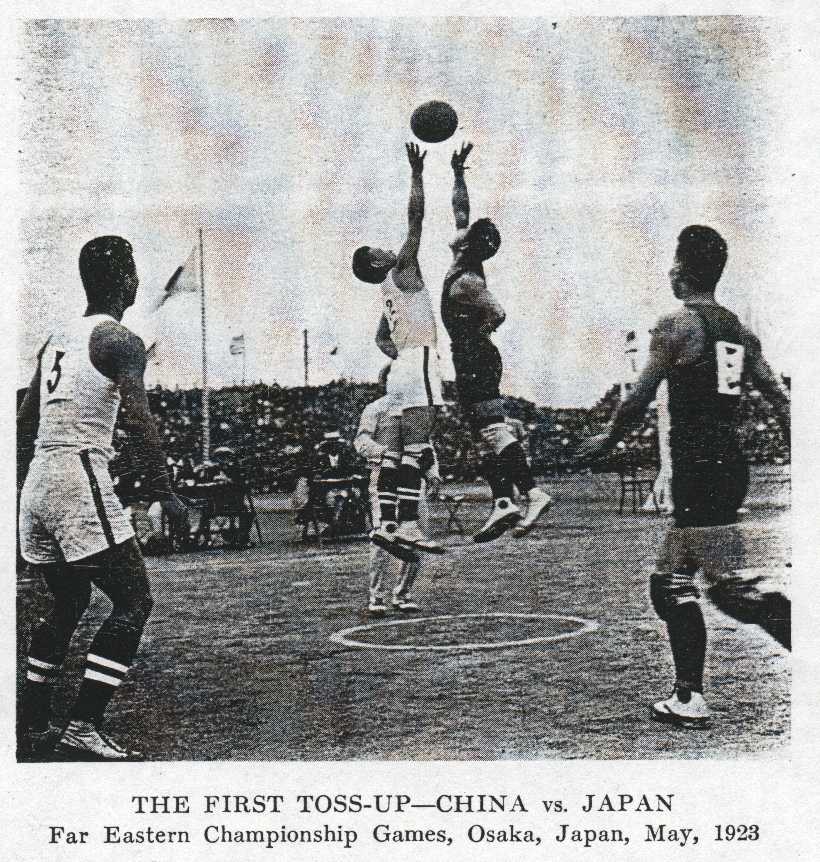
Japan's national team had its first international tournament at the 3rd Far Eastern Games held in Tokyo in 1917, at which Japan was represented by the team of the Kyoto YMCA.
Later, the team was a founding member of the Olympics Basketball competition in Berlin 1936.
Establishment as a competitor at the global stage (1937–1976)
After 1936, Japan Henceforth, they participated almost every time until 1976. Team Japan was a regular at world tournaments. It had its debut at the FIBA World Championship in 1963. It was the top team in Asia, as it won the championship there in 1965 and 1971.
At the 1976 Summer Olympics, Japan's Shigeaki Abe put up a noteworthy performance of 38 points and 10 assists against Puerto Rico.
Continued success (1995–1998)

As runner-up at the Fukuoka Universiade in 1995, Team Nippon (as the Japanese are also called) had a streak of success and qualified for the 1998 FIBA World Championship, its first qualification in over 30 years. Coached by the Croat Željko Pavličević, the team played well but did not make it out of the primary round, where it lost its fourth-place battle against former semi-finalist New Zealand.
Competition from the Middle East intensifies (1999–2009)
In the late 1990s, Japan played against more intense competition from the Middle East. Combined with many player absences from the team, Team Nippon struggled to win medals at the Asian Championships since its silver medal in 1997. At the 2008 event in their home country (Tokushima), the team finished at the 8th position and missed qualification for both the Beijing Olympic Tournament and qualification to the 2010 FIBA World Championship. At the 2009 FIBA Asia tournament the team sank to No. 10 position, its worst performance. This was partly due to the change of the head coach just before the tournament.
Recovery (2010–present)

Overshadowed by the drawbacks at international competitions, Japan brought forth several of Asia's elite basketball players who competed in the NBA and in Europe. These players included Yuta Tabuse, J.R. Sakuragi, Takuya Kawamura, Takumi Ishizaki and others. However, they rarely played for the national team, which caused Team Japan to fall behind Asia's elite competition from Iran, South Korea, the Philippines and China.
To better the results, the American coach Thomas Wisman took over the management of the team in 2010 and made some considerable improvements. Wisman just came off a phenomenal year in the Japanese Basketball League (JBL) where he had led Tochigi Brex to its first and only national title. At the FIBA Asia Stankovic Cup in 2010, Team Nippon was defeated by host Lebanon but exceeded expectations as it finished as runner-up. At the 2011 FIBA Asia Championship, the listed goal of the Final Four was missed as the team reached the 7th position out of 15. The team managed to defeat finalists Jordan but then lost to South Korea in the first playoff round and was defeated.
In March 2012, the Japan Association dismissed Wissmann and the country's coaching legend Kimikazu Suzuki took over the reins of the team. Suzuki, concurrently coaching the Aisin SeaHorses Mikawa had initial success as Team Nippon finished Runner-up at the next FIBA Asia Challenge tournament, which was held in Tokyo in September 2012. Aimed at the acquisition of a 2014 FIBA World Cup berth, the team, however, finished the 2013 FIBA Asia Championship in 9th place.
After Japan's missed opportunity to reach the World Cup, Team Nippon entered the 2015 FIBA Asia Championship, with the return of Yuta Tabuse and several other top players from the national team. They would win two of their three preliminary round games, to eventually make it all the way to the semi-finals of the competition for the first time since 1997. Although they would ultimately fall short in the round against the Philippines, and subsequently losing the third place game to Iran.
Two years later, Japan failed to make it into the quarter-finals at the 2017 FIBA Asia Cup, being defeated by South Korea in the qualification to the round. Following the event, Japan entered Asian Qualifiers for the 2019 FIBA World Cup, where they would amass an (8–5) record during their qualifying campaign to reach the finals. At the competition, Japan endured a disappointing tournament, losing all three of their group phase games, as well as their two classification matches to finish (0–5) to be eliminated.
Japan co-hosted the 2023 FIBA World Cup along with the Philippines and Indonesia. After losing their first game of the group phase against the eventually champions Germany, Akatsuki Japan obtained their first ever victory against a European opponent Finland 98–88. Following the historic win, Japan lost their final group game versus Australia, and sent to the classification round before exiting the tournament.
Japan played at the 2024 Olympics in Paris, and were allocated in Group B. In the first game, they lost to Germany. In the second game, Japan was close to an upset win against hosts France, conceding the game only after overtime. Yuki Kawamura followed Kevin Durant and Luol Deng as the third player in Olympic history to have more than 25+ points, 5+ rebounds and 5+ assists. were eliminated after losing to Brazil on the final gameday.
Competitive record
Olympic Games
| Year | Position | Tournament | Host |
|---|---|---|---|
| 1936 | 9 | Basketball at the 1936 Summer Olympics | Berlin, Germany |
| 1956 | 10 | Basketball at the 1956 Summer Olympics | Melbourne, Australia |
| 1960 | 15 | Basketball at the 1960 Summer Olympics | Rome, Italy |
| 1964 | 10 | Basketball at the 1964 Summer Olympics | Tokyo, Japan |
| 1972 | 14 | Basketball at the 1972 Summer Olympics | Munich, West Germany |
| 1976 | 11 | Basketball at the 1976 Summer Olympics | Montreal, Canada |
| 2020 | 11 | Basketball at the 2020 Summer Olympics | Tokyo, Japan |
| 2024 | 11 | Basketball at the 2024 Summer Olympics | Paris, France |
FIBA World Cup
| FIBA World Cup record | Year | Position | Pld | W | L | Total | 6/18 | 36 | 8 | 28 | ||||
|---|---|---|---|---|---|---|---|---|---|---|---|---|---|---|
| ARG 1950 | No qualification for Asia | |||||||||||||
| BRA 1954 | Did not qualify | |||||||||||||
| CHI 1959 | ||||||||||||||
| BRA 1963 | Preliminary round | 8 | 1 | 7 | ||||||||||
| URU 1967 | Classification round | 8 | 2 | 6 | ||||||||||
| YUG 1970 | Did not qualify | |||||||||||||
| PUR 1974 | ||||||||||||||
| PHI 1978 | ||||||||||||||
| COL 1982 | ||||||||||||||
| ESP 1986 | ||||||||||||||
| ARG 1990 | ||||||||||||||
| CAN 1994 | ||||||||||||||
| GRE 1998 | Classification round | 5 | 1 | 4 | ||||||||||
| USA 2002 | Did not qualify | |||||||||||||
| JPN 2006 | Preliminary round | 5 | 1 | 4 | ||||||||||
| TUR 2010 | Did not qualify | |||||||||||||
| ESP 2014 | ||||||||||||||
| CHN 2019 | Preliminary round | 5 | 0 | 5 | ||||||||||
| PHI JPN IDN 2023 | Classification round | 5 | 3 | 2 | ||||||||||
| QAT 2027 | To be determined |
FIBA Asia Cup
| FIBA Asia Cup record | Year | Position | Pld | W | L | PF | PA | PD | Total | 30/31 | 225 | 148 | 77 | ||||||||||
|---|---|---|---|---|---|---|---|---|---|---|---|---|---|---|---|---|---|---|---|---|---|---|---|
| PHI 1960 | 3rd place | 9 | 5 | 4 | |||||||||||||||||||
| ROC 1963 | Did not enter | ||||||||||||||||||||||
| MAS 1965 | Champions | 9 | 8 | 1 | |||||||||||||||||||
| KOR 1967 | 3rd place | 9 | 7 | 2 | |||||||||||||||||||
| THA 1969 | Runners-up | 8 | 7 | 1 | |||||||||||||||||||
| JPN 1971 | Champions | 8 | 8 | 0 | |||||||||||||||||||
| PHI 1973 | 4th place | 10 | 6 | 4 | |||||||||||||||||||
| THA 1975 | Runners-up | 8 | 7 | 1 | |||||||||||||||||||
| MAS 1977 | 3rd place | 9 | 7 | 2 | |||||||||||||||||||
| JPN 1979 | Runners-up | 8 | 7 | 1 | |||||||||||||||||||
| IND 1981 | 3rd place | 7 | 5 | 2 | |||||||||||||||||||
| HKG 1983 | Runners-up | 7 | 5 | 2 | |||||||||||||||||||
| MAS 1985 | 5th place | 6 | 5 | 1 | |||||||||||||||||||
| THA 1987 | 3rd place | 8 | 6 | 2 | |||||||||||||||||||
| CHN 1989 | 4th place | 7 | 4 | 3 | |||||||||||||||||||
| JPN 1991 | 3rd place | 8 | 5 | 3 | |||||||||||||||||||
| IDN 1993 | 7th place | 6 | 3 | 3 | |||||||||||||||||||
| KOR 1995 | 3rd place | 9 | 7 | 2 | |||||||||||||||||||
| KSA 1997 | Runners-up | 7 | 4 | 3 | |||||||||||||||||||
| JPN 1999 | 5th place | 7 | 5 | 2 | |||||||||||||||||||
| CHN 2001 | 6th place | 6 | 2 | 4 | |||||||||||||||||||
| CHN 2003 | 6th place | 7 | 3 | 4 | |||||||||||||||||||
| QAT 2005 | 5th place | 8 | 5 | 3 | |||||||||||||||||||
| JPN 2007 | 8th place | 8 | 4 | 4 | |||||||||||||||||||
| CHN 2009 | 10th place | 8 | 3 | 5 | |||||||||||||||||||
| CHN 2011 | 7th place | 9 | 5 | 4 | |||||||||||||||||||
| PHI 2013 | 9th place | 7 | 3 | 4 | |||||||||||||||||||
| CHN 2015 | 4th place | 9 | 5 | 4 | |||||||||||||||||||
| LBN 2017 | 9th place | 4 | 2 | 2 | |||||||||||||||||||
| IDN 2022 | 7th place | 5 | 3 | 2 | 480 | 392 | +88 | ||||||||||||||||
| KSA 2025 | 9th place | 4 | 2 | 2 | 344 | 306 | +38 |
Asian Games
| Asian Games | Year | Position | Pld | W | L | Total | 19/19 | 126 | 73 | 53 | ||||
|---|---|---|---|---|---|---|---|---|---|---|---|---|---|---|
| IND 1951 | Runners-up | 4 | 3 | 1 | ||||||||||
| PHI 1954 | 3rd place | 6 | 3 | 3 | ||||||||||
| JPN 1958 | 3rd place | 7 | 6 | 1 | ||||||||||
| IDN 1962 | Runners-up | 8 | 7 | 1 | ||||||||||
| THA 1966 | 4th place | 6 | 4 | 2 | ||||||||||
| THA 1970 | 3rd place | 8 | 5 | 3 | ||||||||||
| IRI 1974 | 7th place | 7 | 4 | 3 | ||||||||||
| THA 1978 | 4th place | 8 | 5 | 3 | ||||||||||
| IND 1982 | 3rd place | 7 | 5 | 2 | ||||||||||
| KOR 1986 | 6th place | 7 | 2 | 5 | ||||||||||
| CHN 1990 | 4th place | 7 | 3 | 4 | ||||||||||
| JPN 1994 | 3rd place | 5 | 3 | 2 | ||||||||||
| THA 1998 | 10th place | 5 | 2 | 3 | ||||||||||
| KOR 2002 | 6th place | 6 | 2 | 4 | ||||||||||
| QAT 2006 | 6th place | 8 | 4 | 4 | ||||||||||
| CHN 2010 | 4th place | 8 | 5 | 3 | ||||||||||
| KOR 2014 | 3rd place | 7 | 4 | 3 | ||||||||||
| IDN 2018 | 7th place | 6 | 3 | 3 | ||||||||||
| CHN 2022 | 8th place | 6 | 3 | 3 | ||||||||||
| JPN 2026 | Qualified as host |
East Asian Games
| East Asian Games | Year | Position | Pld | W | L | Total | 6/6 | - | - | - | ||||
|---|---|---|---|---|---|---|---|---|---|---|---|---|---|---|
| CHN 1993 | 5th place | |||||||||||||
| KOR 1997 | 5th place | |||||||||||||
| JPN 2001 | 3rd place | |||||||||||||
| MAC 2005 | Runners-up | |||||||||||||
| HKG 2009 | 3rd place | |||||||||||||
| CHN 2013 | 4th place |
Team
Current roster
Roster for the 2025 FIBA Asia Cup.
- USA Tom Hovasse
- JPN Geoffrey Katsuhisa
- JPN Norio Sassa
- (C) Team captain
- (NP) Naturalized player
- Club – describes last club before the tournament
- Age – describes age on 5 August 2025
Head coaches
- JPN Nobuaki Asano – 1936
- JPN Keishu Makiyama – 1951–1954
- JPN Tetsuo Oba – 1954–1956
- JPN Seiichi Morisawa – 1957–1960
- JPN M. Maeda – 1956, 1960
- JPN Shiro Yoshii – 1962–1964
- BRA Marco Antonio de Venetis – 1964
- JPN Tadashi Miura – 1965
- JPN Shutaro Shoji – 1966
- JPN Shigeyoshi Kasahara – 1967
- JPN Shiro Yoshii – 1967
- JPN Keishu Makiyama – 1969
- JPN Shigeyoshi Kasahara – 1970
- JPN Kuninaka Taketomi – 1971
- JPN Shigeyoshi Kasahara – 1972–1973
- JPN Masahiko Yoshida – 1974–1976
- JPN Shigeyoshi Kasahara – 1977
- JPN Yoshiaki Shimizu – 1978
- JPN Tsunetoshi Akiyoshi – 1978–1979
- JPN Mototaka Kohama – 1979
- JPN Yoshiaki Shimizu – 1980–1983
- JPN Mototaka Kohama – 1984–1989
- JPN Yoshiaki Shimizu – 1990
- JPN Yoshinori Shimizu – 1991–1994
- USA James Gordon – 1994
- JPN Toshimitsu Kawachi – 1995–1996
- JPN Mototaka Kohama – 1996–2000
- USA Tom Newell – 2000
- JPN Kenji Yoshida – 2000–2002
- CRO Željko Pavličević – 2003–06
- JPN Kimikazu Suzuki – 2006–2007
- USA David Hobbs – 2009
- JPN Osamu Kuraishi – 2009
- JPN Shuji Ono – 2009
- USA Thomas Wisman – 2010–12
- JPN Kimikazu Suzuki – 2012–13
- JPN Kenji Hasegawa – 2014–2016
- MNE Luka Pavićević – 2016–17
- JPN Akira Rikukawa – 2017
- ARG Julio César Lamas – 2017–2021
- USA Tom Hovasse – 2021–present
Past rosters
1936 Olympic Games: finished 13th among 21 teams
Riichi Cho, T.Nakae, S.Ri, K.Yokoyama, T.Kanakogi, M.Maeda, U.Munakata, S.Matsui
1956 Olympic Games: finished 10th among 15 teams
Setsuo Nara, Jose Rodriguez, Kenichi Imaizumi, Hiroshi Saito, Reizo Ohira, Hitoshi Konno, Takashi Itoyama, Manabu Fujita, Takeo Sugiyama, Tetsuro Noborisaka, Riichi Arai (Coach: M.Maeda)
1960 Olympic Games: finished 15th among 16 teams
Setsuo Nara, Shutaro Shoji, Hiroshi Saito, Takashi Itoyama, Takeo Sugiyama, Kenichi Imaizumi, Yasukuni Oshima, Shoji Kamata, Masashi Shiga, Takashi Masuda, Kaoru Wakabayashi, Hideo Kanekawa (Coach: M.Maeda)
1963 World Championship: finished 13th among 13 teams
Setsuo Nara, Takashi Masuda, Masashi Shiga, Yasukuni Oshima, Kaoru Wakabayashi, Keizo Okayama, Isamu Yamaguchi, Yoshikuni Awano, Fumihiko Moroyama, Katsuji Tsunoda, Kunihiko Nakamura, Yoshitaka Egawa (Coach: Shiro Yoshii)
1964 Olympic Games: finished 10th among 16 teams
Takashi Masuda, Setsuo Nara, Masashi Shiga, Kaoru Wakabayashi, Fumihiko Moroyama, Katsuji Tsunoda, Kunihiko Nakamura, Yoshitaka Egawa, Nobuo Kaiho, Akira Kodama, Katsuo Bai, Seiji Fujie (Coach: Marco Antonio de Venetis)
1967 World Championship: finished 11th among 13 teams
Kaoru Wakabayashi, Fumihiko Moroyama, Kunihiko Nakamura, Yoshitaka Egawa, Akira Kodama, Masatomo Taniguchi, Nobuo Hattori, Kenji Soda, Masahiko Yoshida, Isao Kimura, Seiji Igarashi (Coach: Shutaro Shoji)
1972 Olympic Games: finished 14th among 16 teams
Kenji Soda, Masatomo Taniguchi, Nobuo Hattori, Kunihiko Yokoyama, Atsushi Somamoto, Hirofumi Numata, Shigeaki Abe, Mineo Yoshikawa, Kazufumi Sakai, Nobuo Chigusa, Satoshi Mori, Katsuhiko Sugita (Coach: S.Kasahara)
1976 Olympic Games: finished 11th among 12 teams
Hirofumi Numata, Shigeaki Abe, Satoshi Mori, Norihiko Kitahara, Hideki Hamaguchi, Kiyohide Kuwata, Koji Yamamoto, Yutaka Fujimoto, Shigeto Shimizu, Fumio Saito, Nobuo Chigusa, Shoji Yuki (Coach: Masahiko Yoshida)
1998 World Championship: finished 14th among 16 teams
Kenichi Sako, Maikeru Takahashi, Akifumi Yamasaki, Hiroshi Nagano, Makoto Hasegawa, Takehiko Orimo, Satoshi Sakumoto, Hiroyuki Tominaga, Takahiro Setsumasa, Makoto Minamiyama, Takeshi Yuki, Satoru Furuta (Coach: Mototaka Kohama)
2006 World Championship: finished 20th among 24 teams
Takehiko Orimo, Satoru Furuta, Takahiro Setsumasa, Shunsuke Ito, Joji Takeuchi, Kei Igarashi, Shinsuke Kashiwagi, Daiji Yamada, Ryota Sakurai, Kosuke Takeuchi, Takuya Kawamura, Tomoo Amino (Coach: Zeljko Pavlicevic)
Roster for the 2016 FIBA World Olympic Qualifying Tournaments:
-
Club – describes last club before the tournament
-
Age – describes age on 4 July 2016
At the 2016 FIBA Asia Challenge.
- Club – describes last club before the tournament
- Age – describes age on 9 September 2016
Roster for the 2023 FIBA Basketball World Cup.
- USA Tom Hovasse
- USA Corey Gaines
- JPN Geoffrey Katsuhisa
- JPN Yoshio Sasa
- (C) Team captain
- Club – describes last club before the tournament
- Age – describes age on 25 August 2023
Kit
Manufacturer
2015–2019 : Under Armour2015 FIBA Asia Championship – Japan, FIBA.com. Retrieved 27 September 2015. 2021–2022 : Nike, Inc. 2022–present : Jordan Brand
Sponsor
2015: Xebio
2016: Sportsnavi live
2017–2019: SoftBank
References
References
- "Profile".
- (21 July 2021). "Yao, Hamed, and Patty shined as stars from Asia & Oceania at the Olympics". [[FIBA]].
- (10 August 2013). "Japan at the 2013 FIBA Asia Championship".
- (3 October 2015). "Japan at the 2015 FIBA Asia Championship".
- (14 August 2017). "Japan at the 2017 FIBA Asia Cup".
- (25 February 2019). "Basketball: Japan books place at World Cup with win over Qatar".
- (24 February 2019). "Japan during the 2019 FIBA World Cup Asian Qualifiers".
- (9 September 2019). "Japan at the 2019 FIBA World Cup".
- (27 August 2023). "Japan in tears after first ever win against European team in FIBA World Cup".
- (2 September 2023). "Japan at the 2023 FIBA World Cup".
- (27 July 2024). "Germany spread their wings, defeat Japan in front of packed stands".
- (30 July 2024). "Wemby wins it in OT after Strazel's miracle four-point play".
- (2 August 2024). "Caboclo goes off for 33 points, 17 rebounds, Brazil stay alive".
- (2 December 2016). "Japan launch search for new coach after Hasegawa departure". FIBA.
- "Yuki Togashi leads Akatsuki Japan’s lineup for FIBA Asia Cup 2025".
- "Team roster: Japan".
- (8 April 2014). "Japan hoops set to hire Hasegawa". The Japan Times.
- (2 December 2016). "Japan launch search for new coach after Hasegawa departure". FIBA.
- (26 February 2019). "Basketball: World Cup qualification could prove turning point for Japan". Joel Fitzpatrick/Kyodo News+.
- (21 September 2021). "Basketball: Hovasse replaces Lamas as Japan men's team head coach". Kyodo News.
- "Japan select 12 men to chase Olympic dream".
- [https://www.fiba.basketball/asia/challenge/2016/Japan Japan – FIBA Asia Challenge 2016], FIBA.COM. Retrieved 13 February 2017.
- (21 August 2023). "2023年度バスケットボール男子日本代表チーム 「FIBAバスケットボールワールドカップ2023」日本代表選手12名決定". japanbasketball.jp.
- (25 August 2023). "Team roster: Japan".
- [http://www.fiba.basketball/asiacup/2017/Japan Fiba Asia Cup 2017], FIBA.com. Retrieved 21 August 2017.
This article was imported from Wikipedia and is available under the Creative Commons Attribution-ShareAlike 4.0 License. Content has been adapted to SurfDoc format. Original contributors can be found on the article history page.
Ask Mako anything about Japan men's national basketball team — get instant answers, deeper analysis, and related topics.
Research with MakoFree with your Surf account
Create a free account to save articles, ask Mako questions, and organize your research.
Sign up freeThis content may have been generated or modified by AI. CloudSurf Software LLC is not responsible for the accuracy, completeness, or reliability of AI-generated content. Always verify important information from primary sources.
Report