From Surf Wiki (app.surf) — the open knowledge base
James Beaton
Scottish church leader
Scottish church leader
| Field | Value |
|---|---|
| name | James Beaton |
| honorific_prefix | The Most Reverend |
| title | Archbishop of St Andrews |
| Primate of Scotland | |
| archdiocese | St Andrews |
| appointed | 10 October 1522 |
| predecessor | Andrew Forman |
| successor | David Beaton |
| consecration | 15 April 1509 |
| birth_date | |
| death_date | 14 February 1539 |
| (aged ) | |
| death_place | St Andrews, Scotland |
| parents | John Beaton of Balfour |
| previous_post | Archbishop of Glasgow (1509–22) |
| Bishop of Galloway | |
| (1508–09) | |
| church | Roman Catholic Church |
| term_end | 14 February 1539 |
Primate of Scotland (aged ) Bishop of Galloway (1508–09)
James Beaton (or Bethune) ( – 15 February 1539) was a Roman Catholic Scottish church leader, the uncle of David Cardinal Beaton and the Keeper of the Great Seal of Scotland.
Life
James Beaton was the sixth and youngest son of John Beaton of Balfour, in Fife. He graduated as Master of Arts at St. Andrews University in 1493, was appointed Precentor of Dornoch Cathedral (Diocese of Caithness) in 1497 and in 1503 was appointed Provost of the Collegiate Church of Bothwell. In 1504 he became Prior of Whithorn and Abbot of Dunfermline and in 1505 was made Lord High Treasurer of Scotland by James IV.
In 1508 he was elected as Bishop of Galloway, in succession to George Vaus, but before his consecration he was chosen to succeed Robert Blackadder as Archbishop of Glasgow and was consecrated at Stirling on 15 April 1509. With the archbishopric he held the commendatory Abbeys of Arbroath and Kilwinning, and in 1515 he became Lord Chancellor of Scotland. King James V was at this time a child and Beaton, as one of the Council of Regency, was one of the most important people in the kingdom during the minority of the young king.
In 1522 Beaton was transferred to St. Andrews bishopric, vacant by the death of Archbishop Forman. As primate he threw all his powerful influence into the scale against the intrigues of Henry VIII to obtain predominance in Scotland. He was chiefly responsible for the king's action in allying himself with France and not with England. The English ambassador described him as "greatest man both of lands and experience within this realm, and noted to be very crafty and dissimulating".
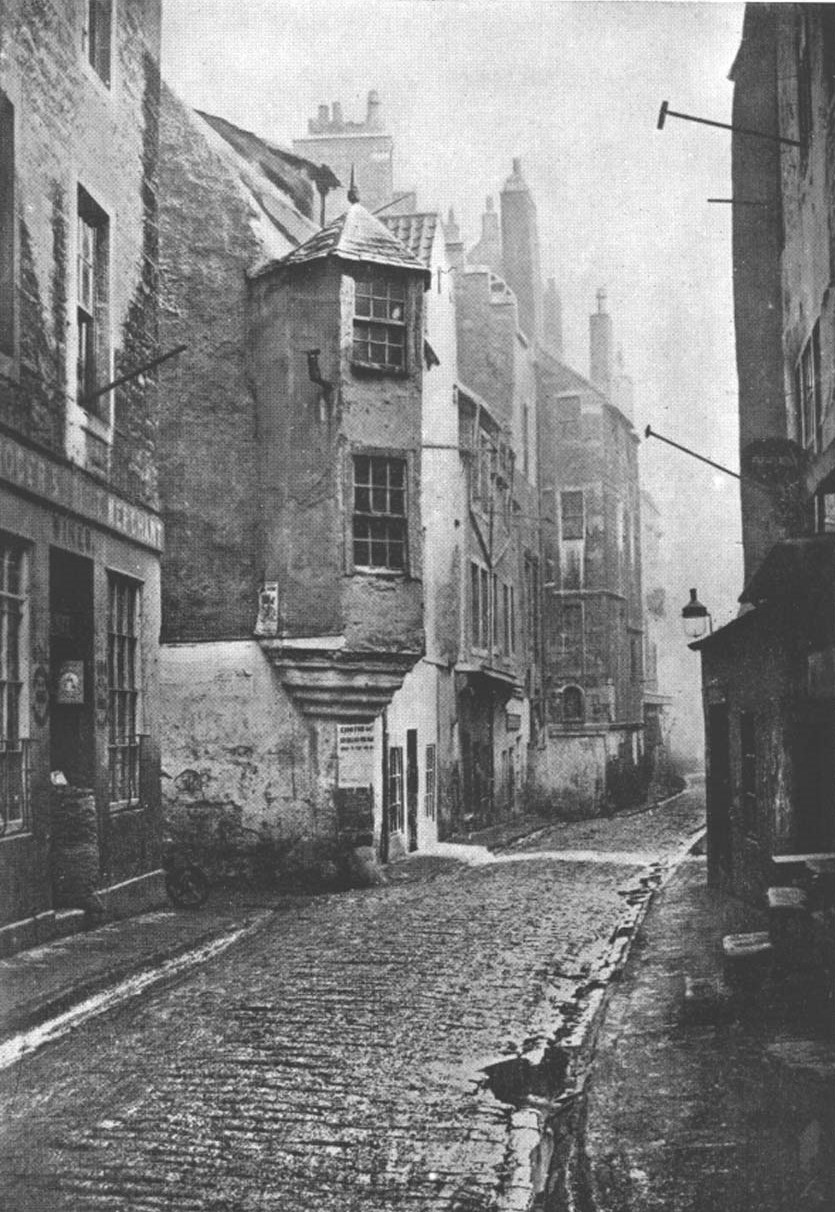
His residence in the capital, Edinburgh, was at the foot of Blackfriars Wynd on the Cowgate. This had a courtyard form and the coat-of-arms of the Bethune family over the entrance.
In 1528 he ordered Patrick Hamilton burned at the stake for the alleged heresy of Lutheranism. The Regent Albany's jealousy had deprived Beaton of the chancellorship some years previously, and he was never reappointed, though he enjoyed the full favour of the king. A few months after the second marriage of James to Mary of Guise, the primate got his nephew Cardinal Beaton appointed his coadjutor with right of succession. Archbishop James Beaton died in the autumn of 1539 in his castle at St. Andrews.
References
References
- "Archbishop James Beaton [Catholic-Hierarchy]".
- [https://www.newadvent.org/cathen/02374a.htm Hunter-Blair, Oswald. "James Beaton." The Catholic Encyclopedia] Vol. 2. New York: Robert Appleton Company, 1907. 24 July 2015
- "O'Brien John. "Beaton, James, d 1539, Archbishop of St Andrews", Glasgow University Archive Services, 2002".
- Grant's Old and New Edinburgh vol.2 p.262
This article was imported from Wikipedia and is available under the Creative Commons Attribution-ShareAlike 4.0 License. Content has been adapted to SurfDoc format. Original contributors can be found on the article history page.
Ask Mako anything about James Beaton — get instant answers, deeper analysis, and related topics.
Research with MakoFree with your Surf account
Create a free account to save articles, ask Mako questions, and organize your research.
Sign up freeThis content may have been generated or modified by AI. CloudSurf Software LLC is not responsible for the accuracy, completeness, or reliability of AI-generated content. Always verify important information from primary sources.
Report