From Surf Wiki (app.surf) — the open knowledge base
Jai alai
Type of sport

Type of sport
| Field | Value |
|---|---|
| image | Jai alai players.jpg |
| imagesize | 250px |
| caption | Jai alai play in progress |
| first | 14th century |
| contact | No |
| team | Various |
| category | Indoor–outdoor |
| ball | pelota, xistera/cesta |
Jai alai ( : ) is a Basque sport involving bouncing a ball off a walled-in space by accelerating it to high speeds with a hand-held wicker basket-like glove, commonly referred to as a cesta. It is a variation of Basque pelota. The term jai alai, coined by Serafin Baroja in 1875, is also often loosely applied to the fronton (the open-walled playing area) where matches take place. The game, whose name means "merry festival" in Basque, is called zesta-punta ("basket tip") in the Basque Country. The sport is played worldwide, but especially in Spain, France, the American state of Florida, and the Mexican state of Baja California.
Rules and customs
The court for jai alai consists of walls on the front, back and left, and the floor between them. If the ball (called a pelota in Spanish, pilota in Standard Basque) touches the floor outside these walls, it is considered out of bounds. Similarly, there is also a border on the lower 3 ft of the front wall that is also out of bounds. The ceiling on the court is usually very high, so the ball has a more predictable path. The court is divided by 14 parallel lines going horizontally across the court, with line 1 closest to the front wall and line 14 the back wall. In doubles, each team consists of a frontcourt player and a backcourt player. The game begins when the frontcourt player of the first team serves the ball to the second team. The winner of each point stays on the court to meet the next team in rotation. Losers go to the end of the line to await another turn on the court. The first team to score 7 points (or 9 in Superfecta games) wins. The next highest scores are awarded "place" (second) and "show" (third) positions, respectively. Playoffs decide tied scores.
The most common American version of the game of jai alai game is played in round robin format, usually between eight teams of two players each or eight single players, although in rare instances the teams may consist of three players each or triples. The first team to score 7 or 9 points wins the game. Two of the eight teams are in the court for each point. The server on one team must bounce the ball behind the serving line, then with the cesta "basket" hurl it towards the front wall so it strikes the front wall first and if it is not caught by the other team before it bounces, must bounce between lines 4 and 7 on the floor. The ball is then in play. The ball used in jai alai is hand crafted and consists of wound virgin rubber strands tightly wound together and then wrapped in 2 layers of goat skin. Once the ball is in play, the other team must catch and return it before it bounces twice. The process of catching and throwing must be completed in one fluid motion with no "juggling" or "holding" of the ball. The ball may be caught either on the fly or after bouncing once on the floor but cannot bounce twice. A team scores a point if an opposing player:
- fails to serve the ball directly to the front wall so that upon rebound it will bounce between lines No. 4 and 7. If it does not, it is an under or over serve and the other team will receive the point.
- fails to catch the ball on the fly or after one bounce
- holds or juggles the ball
- hurls the ball out of bounds
- interferes with a player attempting to catch and hurl the ball. These interference plays are called at the judges' discretion and most times, the point is replayed.

The players frequently attempt a "chula" shot, where the ball is played off the front wall then reaches the bottom of the back wall by the end of its arc. The "chula" is when the ball rebounds low off the back wall with very little to no bounce, almost rolling along the floor.
Since there is no wall on the right side, all jai alai players must play right-handed (wear the cesta on their right hand), as the spin of a left-handed throw would give a tremendous advantage to the left handed player due to the incredible amount of spin.
The Basque government promotes jai alai as "the fastest sport in the world" because of the speed of the ball. The sport once held the world record for ball speed with a 125–140 g ball covered with goatskin that traveled at 302 km/h, performed by José Ramón Areitio at the Newport, Rhode Island Jai Alai, until it was broken by Canadian five-time long drive champion Jason Zuback on a 2007 episode of Sport Science with a golf ball speed of 328 km/h.
The sport can be dangerous, due to the ball's high velocities. It has led to injuries that caused players to retire and fatalities have been recorded in some cases.{{Cite book | author-link = Steven Skiena
Industry
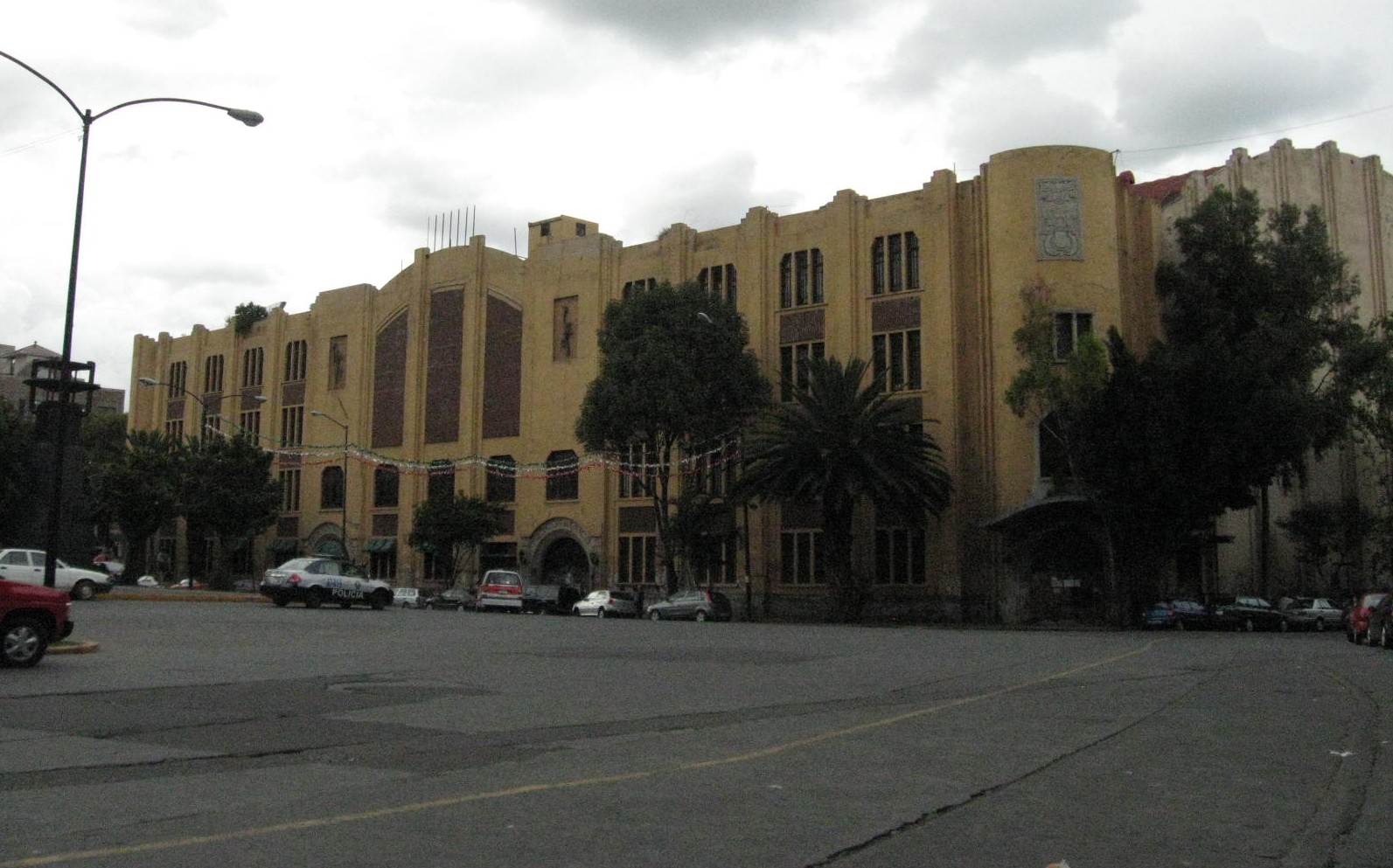
Jai alai is a popular sport within the Latin American countries and the Philippines due to its Hispanic influence. It was one of the two gambling sports from Europe, the other being horse racing, in the semi-colonial Chinese cities of Shanghai and Tianjin, and was shut down after the communist victory there. The jai alai arena in Tianjin's former Italian Concession was then confiscated and turned into a recreation center for the city's working class.
The Philippines
Jai alai was played in Manila at the Manila Jai Alai Building, one of the most significant Art Deco buildings in Asia that was demolished in 2000 by the Manila city government. In 1986, jai alai was prohibited nationwide from problems with game fixing. However, the game returned to the country once again in March 2010 in the province of Pangasinan albeit was briefly paused in 2011 caused by a blanket restriction on non-traditional sports abetted by a Chinese lottery jueteng but was lifted immediately. Nowadays, Jai alai is played strictly as a competitive and entertainment sport at the Casino Español de Manila.
United States
In the United States, jai alai enjoyed some popularity as a gambling alternative to horse racing, greyhound racing, and harness racing, and was particularly popular in Florida and Connecticut, where the game was used as a basis for parimutuel betting.
The first jai alai fronton in the United States was located in St. Louis, Missouri, operating around the time of the 1904 World's Fair.
From 1988–1991, the International Jai-Alai Players Association held the longest strike in American professional sport. After the 1988 season, the players, 90% of them Basque, returned home and threatened not to come back unless the owners improved their work conditions. Spain was no longer a poor conservative country and the new generation of players were influenced by leftist Basque nationalism. The owners, however, offered the same terms and substituted with inexperienced locals, while the world-class stars picketed the courts for years. The public did not notice the change. The strike ended with an agreement, and later strikes were placated with salary rises. Meanwhile, Native American casinos and state lotteries had appeared as an alternative to jai-alai betting.
Florida

Besides the fronton in Miami, there were at one time at least 10 other jai alai frontons in the state.
The Tampa Jai Alai fronton opened in 1952 and operated until 1998. It was located on South Dale Mabry Highway on land that now hosts a Home Depot. The seating capacity of the fronton was around 4,000.
Dania Jai Alai phased out professional jai alai in November 2021. It has a "Hall of Fame" that documents the best front- and back-court players.
Jai-alai was also played at Palm Beach Jai-Alai in West Palm Beach, Orlando Jai-Alai in Casselberry, Daytona Jai-Alai at the Daytona Intl. Speedway, and Big Bend Jai-Alai in Quincy.
It was played seasonally at Fort Pierce Jai-Alai in Fort Pierce, Ocala Jai-Alai in Reddick, and Jasper Jai-Alai in Hamilton.
One Florida fronton, in Melbourne, was converted from jai alai to greyhound racing, although it later closed.
In an effort to prevent the closure of frontons in Florida, the Florida State Legislature passed HB 1059, a bill that changed the rules regarding the operation and wagering of poker in a parimutuel facility such as a jai alai fronton and a greyhound and horseracing track. The bill became law on August 6, 2003.
Present status
In the mid-to-late 20th century, games could draw 5,000 spectators, a figure that fell to as few as 50 by 2017.
Today, only two frontons remain open in the state. One is operated by Jai Alai World at the Magic City Casino northwest of downtown Miami. The fronton offers two kinds of games: the traditional parimutuel game, in which eight contestants compete for win, place and show finishes; and "battle court," in which players participate in singles and doubles matches, akin to tennis, and accumulate points as in a dual meet. Matches are played with rubber balls and streamed online from the Jai Alai World website. Jai Alai World also host special jai alai events include the U.S. Jai Alai Championship and World Super Court.
In 2022, BetRivers became a sponsor and began taking wagers from users outside Florida.
The second operational fronton is located at The Casino @ Dania Beach will commence its next session of jai alai on November 29, 2024, with the Third Annual Dania Beach Invitational Tournament.
New England
Professional Jai-Alai frontons no longer exist in Connecticut and Rhode Island, where they first opened in the 1970s, waning as other gambling options became available.
In Connecticut, there were frontons in Hartford, Milford, and Bridgeport all of which have permanently closed. The Milford fronton opened in May 1977 and closed in 2001. The fronton at Hartford opened in the summer of 1976 and closed in 1995 The Bridgeport fronton opened in 1976 and ended jai alai in 1995. It was converted to a greyhound race track, which struggled financially, and closed in 2005. Jai alai returned to Connecticut with the 2010 construction of the Connecticut Amateur Jai Alai fronton in Berlin. The fronton was a personal passion project of Matt DiDomizio and does not offer gambling or organized leagues.
The fronton at Newport Jai Alai in Newport, Rhode Island was built on the site of the city dump, opening in May 1976. Jai-alai playing ended in 2003 at which point the facility was converted into Newport Grand, a slot machine and video lottery terminal parlor, which closed permanently in August 2018.
Las Vegas
Jai alai enjoyed a brief and popular stint in Las Vegas with the opening of a fronton at the MGM Grand Hotel and Casino; however, by the early 1980s, the fronton was losing money and was closed by MGM Grand owner Kirk Kerkorian. The MGM Grand in Reno also showcased jai alai for a very short period (1978–1980).
Amateur jai-alai
During the late 1960s, in addition to North Miami Amateur, at least one other amateur court from International Amateur Jai-Alai in South Miami professional players emerged at World Jai-Alai, regarded as the first American pelotari who turned pro in 1968 and enjoyed a lengthy career. In the 1970s and early 1980s, Orbea's Jai-Alai in Hialeah featured four indoor courts. Two of the courts played with hard rubber balls ("pelota de goma") were shorter than a standard court (75 and, respectively) and used for training players and amateur leagues. In addition, two courts were played with the regulation pelota (hardball / "pelota dura"), one short in length (115 ft) and one regulation length (150 ft). Orbea's also sold equipment such as cestas and helmets.
The first public amateur jai alai facility was in Milford CT and owned by Charlie Hernandez. Future frontons were built in the United States, including one in 2008 in St. Petersburg, Florida, with the assistance of the city of St. Petersburg and private funding from Jeff Conway (Laca).
In addition to the amateur court in St. Petersburg, The American Jai-Alai Foundation offers lessons. Its president, Victor Valcarce, was a pelotari at Dania Jai-Alai (MAGO) and was considered the best "rubber ball" player in the world. Sponsored in North Miami Beach, Florida which was once owned by World Jai-Alai as a school that, in 1972, produced the greatest American pelotari, Joey Cornblit.
Retired players visited and played as well as highly skilled amateurs, pros from Miami Jai-Alai and various other professional frontons operating at the time. The additions of the South Miami, North Miami, Orbea, and, later, the Milford amateur courts are generally considered to be the golden age of the amateur jai-alai player and the sport in the United States. In the late 1980s, at least one other amateur court was constructed in Connecticut.
References
References
- (December 2007). "FSN Sport Science - Episode 7 - Myths - Jason Zuback". [[YouTube]].
- (19 November 2009). "The History and Return of Jai Alai - The Art of Manliness".
- Villalon, Toti. (July 15, 2012). "Remember jai alai: Stop making Manila heritage demolition victim". Philippine Daily Inquirer.
- Philippine News Agency. (September 7, 2011). "Jai-alai back with vengeance in Pangasinan". InterAksyon.com The online news portal of TV5.
- ''[https://www.academia.edu/35755042/2017._A_Basque-American_Deep_Game_The_Political_Economy_of_Ethnicity_and_Jai-Alai_in_the_USA A Basque-American Deep Game: The Political Economy of Ethnicity and Jai-Alai in the USA]'', Olatz González Abrisketa, pp. 179–198, ''Studia Iberica et Americana'' 4, December 2017 {{ISSN. 2327-476X
- (2013-02-28). "WHAT HAPPENED TO JAI ALAI?". SB Nation.
- (3 July 2018). "Jai alai went bye-bye in Tampa 20 years ago. Here is its legacy". [[Tampa Bay Times]].
- "World Jai-Alai League - Home".
- "World Jai-Alai League - Pelota".
- "World Jai-Alai League - Battle Court".
- "U.S. National Jai-Alai Championship".
- "World Jai-Alai League - World Super Court".
- BetRivers. (2021-09-22). "Try Jai Alai Betting, Exclusively at BetRivers Illinois and Iowa!".
- "Jai Alai".
- Allen, James. "Milford's Short-Lived Jai Alai Obsession".
- "Milford Jai-Alai Closing: Fairfield County Weekly".
- (2020-07-09). ""The Basque Game in Town": The Heyday of Jai Alai in Connecticut - Connecticut History {{!}} a CTHumanities Project".
- "Hartford Jai-Alai Closing: Courant Article (Danny)".
- Weizel, Richard. (1995-11-12). "A Dog Track to Help Revive Bridgeport". The New York Times.
- (1996-11-30). "After Troubled First Year, Track Suspends Dog Racing". The New York Times.
- Nowak, Dan. (August 27, 2021). "Connecticut Amateur Jai-Alai draws players of all levels 20 years after state’s last pro fronton closed".
- "Site of Newport Grand, which closes Tuesday, has had many lives".
- Kleiner, Dick. (Aug 20, 1978). "Reno Gambles On Future". [[The Daily Courier (Arizona).
- "Jai-Alai Chronology – Significant Dates".
- (30 January 1978). "Sport: Did Joey Eat?".
This article was imported from Wikipedia and is available under the Creative Commons Attribution-ShareAlike 4.0 License. Content has been adapted to SurfDoc format. Original contributors can be found on the article history page.
Ask Mako anything about Jai alai — get instant answers, deeper analysis, and related topics.
Research with MakoFree with your Surf account
Create a free account to save articles, ask Mako questions, and organize your research.
Sign up freeThis content may have been generated or modified by AI. CloudSurf Software LLC is not responsible for the accuracy, completeness, or reliability of AI-generated content. Always verify important information from primary sources.
Report