From Surf Wiki (app.surf) — the open knowledge base
Isin
Ancient city in Mesopotamia

Ancient city in Mesopotamia
| Field | Value |
|---|---|
| name | Isin |
| alternate_name | Ishan al-Bahriyat |
| map_type | Iraq |
| relief | yes |
| image | |
| coordinates | |
| location | Al-Qādisiyyah Governorate, Iraq |
| region | Mesopotamia |
| type | Settlement |
| epochs | Early Dynastic, Isin-Larsa, Old Babylonian, Kassite, Neo-Babylonian |
| excavations | 1924, 1926, 1973-1989 |
| archaeologists | Stephen Herbert Langdon, Raymond P. Dougherty, Barthel Hrouda |
Isin (, modern Arabic: إيشان بحريات Ishan al-Bahriyat) is an archaeological site in Al-Qādisiyyah Governorate, Iraq which was the location of the Ancient Near East city of Isin, occupied from the late 4th millennium Uruk period up until at least the late 1st millennium BC Neo-Babylonian period. It lies about 40 km southeast of the modern city of Al Diwaniyah.
The tutelary deity of Isin, dating back to at least the Early Dynastic period, was the healing goddess Gula with a major temple (, E-gal-ma) sited there as well as smaller installations for the related gods of Ninisina and Sud.
Archaeology
Isin is located approximately 20 mi south of the ancient city of Nippur. The site covers an area of about 150 hectares with a maximum height of about 10 meters.
By 1922 the site had been suggested as that of Isin. Ishan al-Bahriyat was visited by Stephen Herbert Langdon for a day to conduct a sounding, while he was excavating at Kish in 1924. He found inscribed bricks of Ishme-Dagan and Enlil-bani. Two years later Raymond P. Dougherty, on behalf of the American Schools of Oriental Research, conducted a two-day survey of the site finding inscribed bricks of Bur-Sin and Neo-Babylonian ruler Nebuchadnezzar II.
Modern archaeological work at Isin was accomplished in 11 seasons between 1973 and 1989 by a team of German archaeologists led by Barthel Hrouda on behalf of the Munich Institute for Near Eastern Archaeology. Hundreds of cuneiform tablets from the Old Babylonian period, in buildings abandoned after being destroyed by fire, were recovered. However, as was the case at many sites in Iraq, research was interrupted by the Gulf War (1990–1991) and the Iraq War (2003 to 2011). Since the end of excavations, extensive looting is reported to have resumed at the site. Even when the German team began their work, the site had already been heavily looted. A significant find, in the Ninurta shrine of the Gula temple, was an alabaster mace head of the Akkadian Empire ruler Manishtushu inscribed "Man-istusu, king of the world, dedicated (this mace) to the goddess Ninisina". An inscription of Takil-ilissu, ruler of Malgium was also found. Early find included a Jemdet Nasr stamp seal and a small stone lion figurine of the Uruk period.
The primary focus of the excavations was the four meter wide wall enclosed Gula temple complex. The complex showed construction through at least the Isin I, Kassite, and Neo-Babylonian periods with 3rd millennium BC finds suggested its earlier existence. Finds included 30 dog burials, copper pendants inscribed with dog images, and clay dog figurines, one with a prayer to Gula. An inscribed brick of Adad-apla-iddina, 8th ruler of the 2nd dynasty of Isin, dedicated to the healing goddess Nin-ezena was also found. On another section of the main mound 3rd millennium BC buildings provided "gold jewellery, bronze weapons, cylinder seals, and a few cuneiform tablets of which two date back to the Early Dynastic period", a clay nail of Isme-Dagan referring to construction of the bad-gal "Great Wall" city wall of Isin and an inscribed brick of Ur-du-kuga. In the Kassite layer an Early Dynastic III statue, 16.5 cm in height, of a kneeling man wearing only a triple belt. Just to the south of the temple complex two Early Dynastic I period buildings were found.
History
Isin sat on the Isinnitum canal, a vital branch of the Euphrates. Controlling Isin meant controlling the water flow and trade moving toward the south.
Chalcolithic
The site of Isin was occupied at least as early as the Ubaid period based on pottery shards.
Early Bronze Age
Early Dynastic period
In the Early Dynastic III (c. 2750-2350 BCE), significant occupation began.
Akkadian period
In the Akkadian period (c. 2350-2150 BCE), Isin is known to have been occupied by the Akkadian Empire.
Ur III period
An intensive building program began at Isin during the Ur III empire in the late 3rd millennium BC. With the fall of Ur, an Amorite dynasty took power in the city, during the Isin-Larsa period. The city then fell to Babylon and suffered a period of abandonment. Activity resumed under the Kassites, followed by a period of local control. Isin was occupied to various degrees until the Neo-Babylonian period.
With the final decline of the Ur III empire at the end of the third millennium BC, a power vacuum was left that other city-states scrambled to fill. Ishbi-Erra, said to be an Amorite, from Mari, and an Ur III official under its final ruler Ibbi-Sin, gained rulership of Isin and began the First Dynasty of Isin. The Elamites had attacked Isin and Ur, capturing Ur. One of Ishbi-Erra's acts was to expel the Elamites from Ur and the region, his year name being "Year (Iszbi-Irra the king) brought out of Ur, with his strong weapon, the Elamite who was dwelling in its midst". Although the Sumerian King List gives a 33-year reign for Ishbi-Erra only one royal inscription has been found.
Middle Bronze Age
Following an abrupt climate change around 2036-2023 BCE, probably caused by a major volcanic eruption, drought his the region and caused severe economic hardship which caused the Ur III to decline and ultimately end in 2004 BCE. The province of Isin broke out and formed an independent kingdom under Ishbi-Erra, along with its rival Larsa, saw the decentralization of irrigation networks and agricultural fields.
Isin-Larsa period
.jpg)
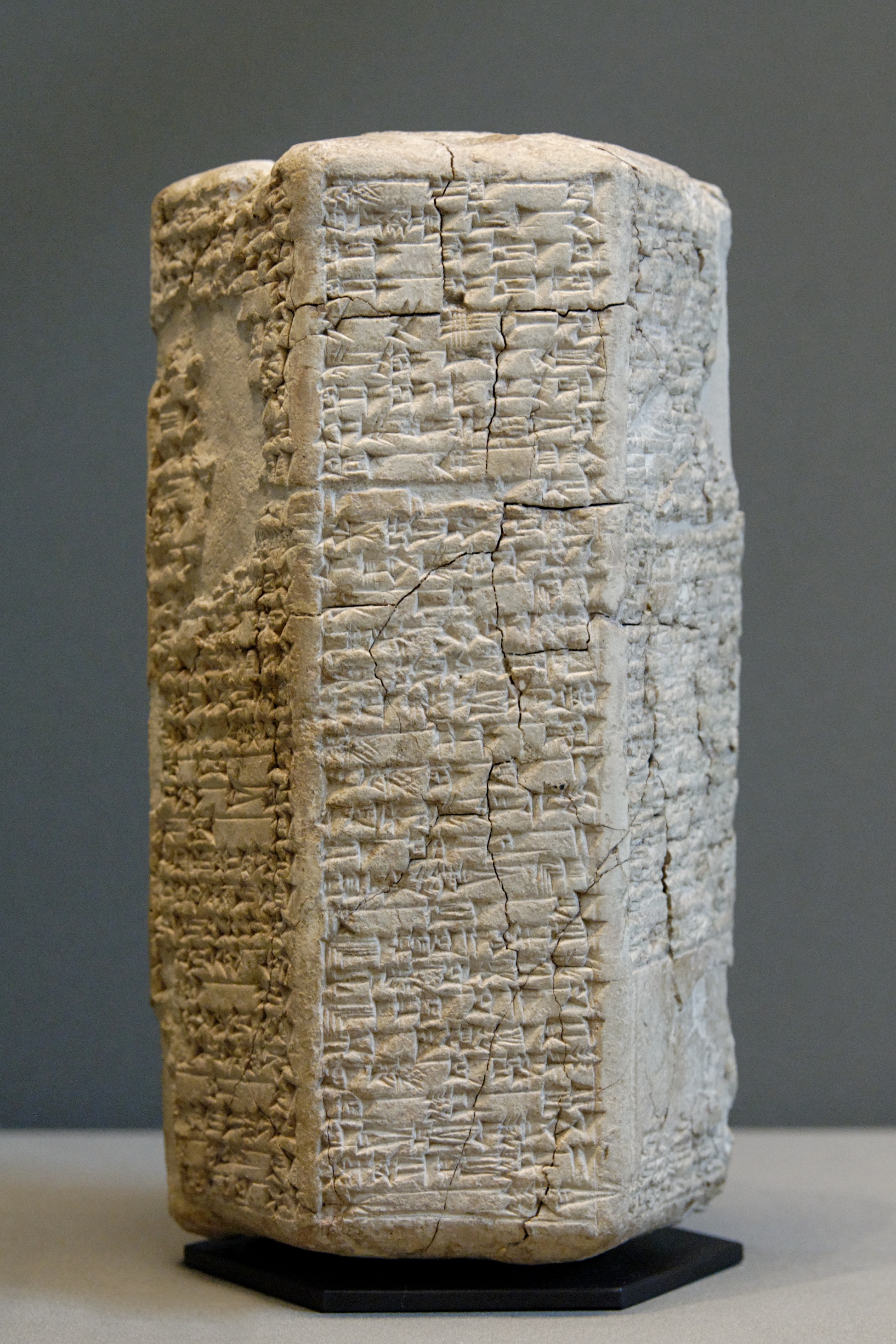
The First Dynasty of Isin was founded by Ishbi-Erra (r. 2018-1985 BCE) and lasted over two centuries. Ishbi-Erra continued the traditions of the previous Ur III period, and Isin reached its peak and became a powerful city-state in the Middle Bronze I. A notable ruler was Ishme-Dagan (r. 1954-1935 BCE) for whom a number of hymns were written, in a style thought to be imitative of Shulgi, the ruler of Ur III.
With the rise of Larsa and a number of smaller Amorite city-states, the influence of Isin slowly declined. The rivalry between Isin and Larsa has led this phase of the Middle Bronze I to be the term the Isin-Larsa period.
The exact events surrounding Isin's disintegration as a kingdom are mostly unknown, but some evidence can be pieced together. Documents indicate that access to water sources presented a huge problem for Isin. Isin also endured an internal coup of a sort when Gungunum the royally appointed governor of Larsa and Lagash province, seized the city of Ur. Ur had been the main center of the Gulf trade; thus this move economically devastated Isin. Additionally, Gungunum's two successors Abisare and Sumuel ( and 1894 BC) both sought to cut Isin off from its canals by rerouting them into Larsa. At some point, Nippur was also lost. Isin would never recover. Around 1860 BC, an outsider named Enlil-bani seized the throne of Isin, ending the hereditary dynasty established by Ishbi-Erra over 150 years earlier.
Although politically and economically weak, Isin maintained its independence from Larsa for at least another forty years, ultimately succumbing to Larsa's ruler Rim-Sin I.
Old Babylonian period
After the First Dynasty of Babylon rose to power in the early 2nd millennium and captured Larsa, much significant construction occurred at Isin.
For most of his reign, Hammurabi of Babylon (r. 1792-1750 BCE) was an ally of Rim-Sin I, the long-lived king of Larsa who controlled Isin. However, in his 30th and 31st regnal years (c.1763-1762 BCE), Hammurabi turned his military focus southward against Isin-Larsa. Larsa became a provincial administrative center in the Babylonian Empire.
In 1723 BCE, the Isin was fell in the 27th year of the reign of Samsu-iluna (r. 1749-1712 BCE), based on tablets found there. The year name reads: ""The year in which Samsu-iluna the king (destroyed) the wall of Isin...". The word "destroyed" often mean the destruction of fortifications such as city-walls. Shortly after the wars of Samsu-iluna, the irrigation systems in the Isin-Nippur region suffered a catastrophic failure. This may have been a deliberate "scorched earth" tactic or a byproduct of the lack of centralized maintenance during the revolt. Following Samsu-iluna’s reign, archaeological layers show a massive hiatus. Isin, along with Nippur and Uruk, was largely abandoned. The city does not show significant signs of re-occupation until the Kassite Period (c. 1400 BCE).
Late Bronze Age
Kassite period
The Kassites took over in Babylon after its sack in 1531 BC, resumed building at Isin. Activity was primarily at the Gula temple and it appears that in that period Isin was only a cult center.
Iron and Classical Age
The final significant stage of activity occurred during the Second Dynasty of Isin at the end of the 2nd millennium, most notably by king Adad-apla-iddina. Isin remained occupied at least as late as the second decade of the reign of the Persian ruler Darius I (c 507 BC), then in the control of the region.
Of the at least 256 ruler year names about 75% have been found. Most have the standard format, aside from Bur-Sin who numbered his years. These year names combined with new tablet joins show that there were two additional rulers, Sumu-abum and Ikūn-pī-Išta, slotting in between Erra-imittī and Enlil-bān. The reign of Sumu-abum lasted less than a year.
Culture and literature
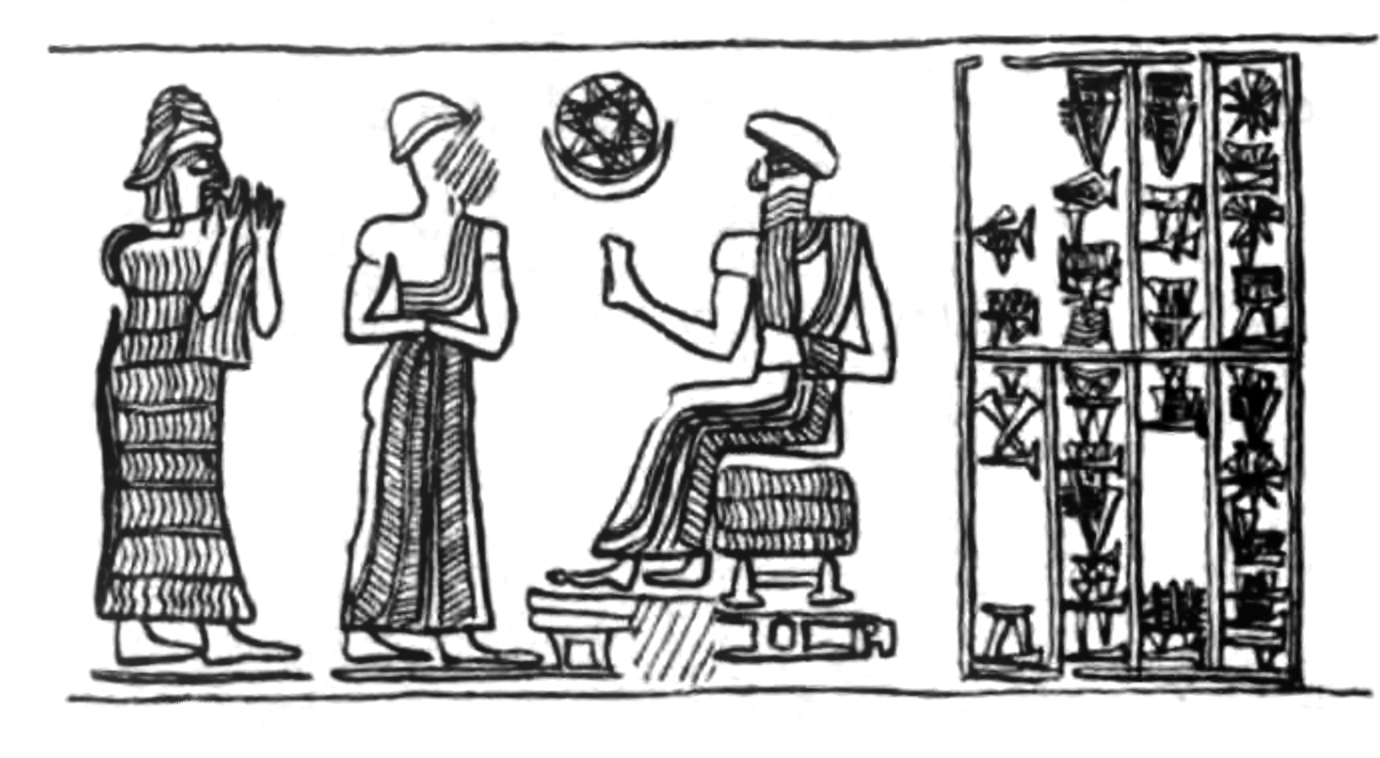
The city lay on the Isinnitum Canal, part of a set of waterways that connected the cities of Mesopotamia. The patron deity of Isin was Nintinuga (Gula) goddess of healing, and a temple to her was built there. The Isin king Enlil-bani reported building a temple to Gula named E-ni-dub-bi, a temple for Sud named E-dim-gal-an-na, a temple E-ur-gi-ra to Ninisina, as well as a temple for the god Ninbgal.
Ishbi-Erra continued many of the cultic practices that had flourished in the preceding Ur III period. He continued acting out the sacred marriage ritual each year. During this ritual, the king played the part of the mortal Dumuzi, and he had sex with a priestess who represented the goddess of love and war, Inanna (also known as Ishtar). This was thought to strengthen the king's relationship to the gods, which would then bring stability and prosperity on the entire country.
The Isin kings continued also the practice of appointing their daughters official priestesses of the moon god of Ur.
The literature of the period also continued in the line of the Ur III traditions when the Isin dynasty was first begun. For example, the royal hymn, a genre started in the preceding millennium, was continued. Many royal hymns written for the Isin rulers mirrored the themes, structure, and language of the Ur ones. Sometimes the hymns were written in the first person of a king's voice; other times, they were pleas of ordinary citizens meant for the ears of a king (sometimes an already dead one).
It was during this period that the Sumerian King List attained its final form, though it used many much earlier sources. The very compilation of the List seems to lead up to the Isin Dynasty itself, which would give it much legitimacy in the minds of the people because the dynasty would then be linked to earlier (albeit sometimes legendary) kings.
List of rulers
The Sumerian King List (SKL) gives a list of the rulers of only one dynasty of Isin. The first Sealand, Kassite, and second Isin dynasties are known from the Babylonian King List (BKL). The following list should not be considered complete:
| # | Portrait or inscription | Ruler | Approx. date and length of reign | Comments, notes, and references for mentions | First dynasty of Isin / Isin I dynasty () | # | Portrait or inscription | Ruler | Approx. date and length of reign | Comments, notes, and references for mentions | # | Portrait or inscription | Ruler | Approx. date and length of reign | Comments, notes, and references for mentions | Dynasty of Larsa () | # | Portrait or inscription | Ruler | Approx. date and length of reign | Comments, notes, and references for mentions | First dynasty of Babylon () | # | Portrait or inscription | Ruler | Approx. date and length of reign | Comments, notes, and references for mentions | First Sealand dynasty / Sealand I () | # | Portrait or inscription | Ruler | Approx. date and length of reign | Comments, notes, and references for mentions | Kassite dynasty () | # | Portrait or inscription | Ruler | Approx. date and length of reign | Comments, notes, and references for mentions | Second dynasty of Isin / Isin II dynasty () |
|---|---|---|---|---|---|---|---|---|---|---|---|---|---|---|---|---|---|---|---|---|---|---|---|---|---|---|---|---|---|---|---|---|---|---|---|---|---|---|---|---|
| Ur III period () | ||||||||||||||||||||||||||||||||||||||||
| 1st | 120px | Ishbi-Erra | ||||||||||||||||||||||||||||||||||||||
| 𒀭𒅖𒁉𒀴𒊏 | ||||||||||||||||||||||||||||||||||||||||
| (MC) | ||||||||||||||||||||||||||||||||||||||||
| Isin-Larsa period () | ||||||||||||||||||||||||||||||||||||||||
| 2nd | 120px | Shu-Ilishu | ||||||||||||||||||||||||||||||||||||||
| 𒋗𒉌𒉌𒋗 | ||||||||||||||||||||||||||||||||||||||||
| (MC) | ||||||||||||||||||||||||||||||||||||||||
| 3rd | 120px | Iddin-Dagan | ||||||||||||||||||||||||||||||||||||||
| 𒀭𒄿𒁷𒀭𒁕𒃶 | ||||||||||||||||||||||||||||||||||||||||
| (MC) | ||||||||||||||||||||||||||||||||||||||||
| 4th | 120px | Ishme-Dagan | ||||||||||||||||||||||||||||||||||||||
| 𒀭𒅖𒈨𒀭𒁕𒃶 | ||||||||||||||||||||||||||||||||||||||||
| (MC) | ||||||||||||||||||||||||||||||||||||||||
| 5th | 120px | Lipit-Ishtar | ||||||||||||||||||||||||||||||||||||||
| 𒇷𒁉𒀉𒁹𒁯 | ||||||||||||||||||||||||||||||||||||||||
| (MC) | ||||||||||||||||||||||||||||||||||||||||
| 6th | [[File:Sumerische Königsliste.JPG | 120px]] | Ur-Ninurta | |||||||||||||||||||||||||||||||||||||
| 𒀭𒌨𒀭𒊩𒌆𒅁 | ||||||||||||||||||||||||||||||||||||||||
| (MC) | ||||||||||||||||||||||||||||||||||||||||
| 7th | 120px | Bur-Suen | ||||||||||||||||||||||||||||||||||||||
| 𒀭𒁓𒀭𒂗𒍪 | ||||||||||||||||||||||||||||||||||||||||
| (MC) | ||||||||||||||||||||||||||||||||||||||||
| 8th | Lipit-Enlil | |||||||||||||||||||||||||||||||||||||||
| 𒀭𒇷𒁉𒀉𒀭𒂗𒆤 | ||||||||||||||||||||||||||||||||||||||||
| (MC) | ||||||||||||||||||||||||||||||||||||||||
| 9th | Erra-imitti | |||||||||||||||||||||||||||||||||||||||
| 𒀭𒀴𒊏𒄿𒈪𒋾 | ||||||||||||||||||||||||||||||||||||||||
| (MC) | ||||||||||||||||||||||||||||||||||||||||
| 10th | Ikūn-pî-Ištar | |||||||||||||||||||||||||||||||||||||||
| (MC) | ||||||||||||||||||||||||||||||||||||||||
| 11th | Enlil-bani | |||||||||||||||||||||||||||||||||||||||
| 𒀭𒂗𒆤𒁀𒉌 | ||||||||||||||||||||||||||||||||||||||||
| (MC) | ||||||||||||||||||||||||||||||||||||||||
| 12th | Zambiya | |||||||||||||||||||||||||||||||||||||||
| 𒀭𒍝𒄠𒁉𒅀 | ||||||||||||||||||||||||||||||||||||||||
| (MC) | ||||||||||||||||||||||||||||||||||||||||
| 13th | Iter-pisha | |||||||||||||||||||||||||||||||||||||||
| 𒀭𒄿𒋼𒅕𒅗𒊭 | ||||||||||||||||||||||||||||||||||||||||
| (MC) | ||||||||||||||||||||||||||||||||||||||||
| 14th | Ur-du-kuga | |||||||||||||||||||||||||||||||||||||||
| 𒀭𒌨𒇯𒆬𒂵 | ||||||||||||||||||||||||||||||||||||||||
| (MC) | ||||||||||||||||||||||||||||||||||||||||
| 15th | Suen-magir | |||||||||||||||||||||||||||||||||||||||
| 𒀭𒂗𒍪𒈠𒄫 | ||||||||||||||||||||||||||||||||||||||||
| (MC) | ||||||||||||||||||||||||||||||||||||||||
| 16th | 120px | Damiq-ilishu | ||||||||||||||||||||||||||||||||||||||
| 𒁕𒈪𒅅𒉌𒉌𒋗 | ||||||||||||||||||||||||||||||||||||||||
| (MC) | ||||||||||||||||||||||||||||||||||||||||
| [[File:Rim-Sin foundation figurine, 1822-1763 BC - Oriental Institute Museum, University of Chicago - DSC07168.JPG | 120px]] | Rim-Sîn I | ||||||||||||||||||||||||||||||||||||||
| 𒀭𒊑𒅎𒀭𒂗𒍪 | ||||||||||||||||||||||||||||||||||||||||
| (MC) | ||||||||||||||||||||||||||||||||||||||||
| Old Babylonian period () | ||||||||||||||||||||||||||||||||||||||||
| [[File:F0182 Louvre Code Hammourabi Bas-relief Sb8 rwk.jpg | 120px]] | Hammurabi | ||||||||||||||||||||||||||||||||||||||
| 𒄩𒄠𒈬𒊏𒁉 | ||||||||||||||||||||||||||||||||||||||||
| (MC) | ||||||||||||||||||||||||||||||||||||||||
| [[File:Record of the sale of land in the reign of Samsu-Iluna.jpg | 120px]] | Samsu-iluna | ||||||||||||||||||||||||||||||||||||||
| 𒊓𒄠𒋢𒄿𒇻𒈾 | ||||||||||||||||||||||||||||||||||||||||
| (MC) | ||||||||||||||||||||||||||||||||||||||||
| Iliman | ||||||||||||||||||||||||||||||||||||||||
| (MC) | ||||||||||||||||||||||||||||||||||||||||
| Ittili | ||||||||||||||||||||||||||||||||||||||||
| (MC) | ||||||||||||||||||||||||||||||||||||||||
| (56 years) | ||||||||||||||||||||||||||||||||||||||||
| Unknown | ||||||||||||||||||||||||||||||||||||||||
| (MC) | ||||||||||||||||||||||||||||||||||||||||
| Damqi-ilishu II | ||||||||||||||||||||||||||||||||||||||||
| 𒁕𒈪𒅅𒉌𒉌𒋗 | ||||||||||||||||||||||||||||||||||||||||
| (MC) | ||||||||||||||||||||||||||||||||||||||||
| (26 years) | ||||||||||||||||||||||||||||||||||||||||
| Ishkibal | ||||||||||||||||||||||||||||||||||||||||
| (MC) | ||||||||||||||||||||||||||||||||||||||||
| (15 years) | ||||||||||||||||||||||||||||||||||||||||
| Shushushi | ||||||||||||||||||||||||||||||||||||||||
| (MC) | ||||||||||||||||||||||||||||||||||||||||
| (24 years) | ||||||||||||||||||||||||||||||||||||||||
| Gulkishar | Uncertain | |||||||||||||||||||||||||||||||||||||||
| (MC) | ||||||||||||||||||||||||||||||||||||||||
| (55 years) | ||||||||||||||||||||||||||||||||||||||||
| Gishen | Uncertain | |||||||||||||||||||||||||||||||||||||||
| (MC) | ||||||||||||||||||||||||||||||||||||||||
| Peshgaldaramesh | ||||||||||||||||||||||||||||||||||||||||
| (MC) | ||||||||||||||||||||||||||||||||||||||||
| (50 years) | ||||||||||||||||||||||||||||||||||||||||
| Ayadaragalama | ||||||||||||||||||||||||||||||||||||||||
| 𒀀𒀀𒁰𒃴𒈠 | ||||||||||||||||||||||||||||||||||||||||
| (MC) | ||||||||||||||||||||||||||||||||||||||||
| (28 years) | ||||||||||||||||||||||||||||||||||||||||
| Ekurul | ||||||||||||||||||||||||||||||||||||||||
| (MC) | ||||||||||||||||||||||||||||||||||||||||
| (26 years) | ||||||||||||||||||||||||||||||||||||||||
| Melamma | ||||||||||||||||||||||||||||||||||||||||
| (MC) | ||||||||||||||||||||||||||||||||||||||||
| (7 years) | ||||||||||||||||||||||||||||||||||||||||
| Eaga | ||||||||||||||||||||||||||||||||||||||||
| (MC) | ||||||||||||||||||||||||||||||||||||||||
| Middle Babylonian period () | ||||||||||||||||||||||||||||||||||||||||
| Agum III | ||||||||||||||||||||||||||||||||||||||||
| (MC) | ||||||||||||||||||||||||||||||||||||||||
| Kadashman-Sah | ||||||||||||||||||||||||||||||||||||||||
| (MC) | ||||||||||||||||||||||||||||||||||||||||
| [[File:Part of front of Inanna temple of Kara Indasch from Uruk Vorderasiatisches Museum Berlin.jpg | 120px]] | Karaindash | ||||||||||||||||||||||||||||||||||||||
| (MC) | ||||||||||||||||||||||||||||||||||||||||
| Kadashman-Harbe I | ||||||||||||||||||||||||||||||||||||||||
| (MC) | ||||||||||||||||||||||||||||||||||||||||
| [[File:Bead with cuneiform inscription of Kurigalzu I or II MET DP364276.jpg | 120px]] | Kurigalzu I | ||||||||||||||||||||||||||||||||||||||
| (MC) | ||||||||||||||||||||||||||||||||||||||||
| [[File:Kassite - Cylinder Seal - Walters 42619.jpg | 120px]] | Kadashman-Enlil I | ||||||||||||||||||||||||||||||||||||||
| 𒅗𒁕𒀸𒈠𒀭𒀭𒂗𒆤 | ||||||||||||||||||||||||||||||||||||||||
| (MC) | ||||||||||||||||||||||||||||||||||||||||
| (14 years) | ||||||||||||||||||||||||||||||||||||||||
| [[File:Image from page 29 of "Ancient seals of the Near East" (1940).jpg | 120px]] | Burna-Buriash II | ||||||||||||||||||||||||||||||||||||||
| 𒁓𒈾𒁍𒊑𒅀𒀸 | ||||||||||||||||||||||||||||||||||||||||
| (MC) | ||||||||||||||||||||||||||||||||||||||||
| (27 years) | ||||||||||||||||||||||||||||||||||||||||
| Kara-hardash | ||||||||||||||||||||||||||||||||||||||||
| (MC) | ||||||||||||||||||||||||||||||||||||||||
| Nazi-Bugash | ||||||||||||||||||||||||||||||||||||||||
| (MC) | ||||||||||||||||||||||||||||||||||||||||
| [[File:Cylinder seal of king Kurigalzu II Louvre Museum AOD 105.jpg | 120px]] | Kurigalzu II | ||||||||||||||||||||||||||||||||||||||
| (MC) | ||||||||||||||||||||||||||||||||||||||||
| (25 years) | ||||||||||||||||||||||||||||||||||||||||
| [[File:Votive inscription Louvre AO7704.jpg | 120px]] | Nazi-Maruttash | ||||||||||||||||||||||||||||||||||||||
| (MC) | ||||||||||||||||||||||||||||||||||||||||
| (26 years) | ||||||||||||||||||||||||||||||||||||||||
| [[File:Amulet Kadashman-Turgu Louvre AO 4633.jpg | 120px]] | Kadashman-Turgu | ||||||||||||||||||||||||||||||||||||||
| (MC) | ||||||||||||||||||||||||||||||||||||||||
| (18 years) | ||||||||||||||||||||||||||||||||||||||||
| [[File:KBo 1 10.jpg | 120px]] | Kadashman-Enlil II | ||||||||||||||||||||||||||||||||||||||
| (MC) | ||||||||||||||||||||||||||||||||||||||||
| (9 years) | ||||||||||||||||||||||||||||||||||||||||
| Kudur-Enlil | ||||||||||||||||||||||||||||||||||||||||
| (MC) | ||||||||||||||||||||||||||||||||||||||||
| (9 years) | ||||||||||||||||||||||||||||||||||||||||
| [[File:Nabonidus cylinder sippar bm1.jpg | 120px]] | Shagarakti-Shuriash | ||||||||||||||||||||||||||||||||||||||
| (MC) | ||||||||||||||||||||||||||||||||||||||||
| (13 years) | ||||||||||||||||||||||||||||||||||||||||
| [[File:A letter from Hattusili III to Kadasman-Enlil II, 13th century BC, from Hattusa, Istanbul Archaeological Museum.jpg | 120px]] | Kashtiliash IV | ||||||||||||||||||||||||||||||||||||||
| (MC) | ||||||||||||||||||||||||||||||||||||||||
| (8 years) | ||||||||||||||||||||||||||||||||||||||||
| Enlil-nadin-shumi | ||||||||||||||||||||||||||||||||||||||||
| (MC) | ||||||||||||||||||||||||||||||||||||||||
| (1 year and 6 months) | ||||||||||||||||||||||||||||||||||||||||
| Kadashman-Harbe II | ||||||||||||||||||||||||||||||||||||||||
| (MC) | ||||||||||||||||||||||||||||||||||||||||
| (1 year and 6 months) | ||||||||||||||||||||||||||||||||||||||||
| [[File:BM 90827.jpg | 120px]] | Adad-shuma-iddina | ||||||||||||||||||||||||||||||||||||||
| (MC) | ||||||||||||||||||||||||||||||||||||||||
| (6 years) | ||||||||||||||||||||||||||||||||||||||||
| [[File:ABL 924.jpg | 120px]] | Adad-shuma-usur | ||||||||||||||||||||||||||||||||||||||
| (MC) | ||||||||||||||||||||||||||||||||||||||||
| (30 years) | ||||||||||||||||||||||||||||||||||||||||
| [[File:Kudurru Melishipak Louvre Sb23 n02.jpg | 120px]] | Meli-Shipak II | ||||||||||||||||||||||||||||||||||||||
| (MC) | ||||||||||||||||||||||||||||||||||||||||
| (15 years) | ||||||||||||||||||||||||||||||||||||||||
| [[File:Kudurru Louvre Sb31.jpg | 120px]] | Marduk-apla-iddina I | ||||||||||||||||||||||||||||||||||||||
| (MC) | ||||||||||||||||||||||||||||||||||||||||
| (13 years) | ||||||||||||||||||||||||||||||||||||||||
| [[File:Unfinished kudurru h9101.jpg | 120px]] | Zababa-shuma-iddin | ||||||||||||||||||||||||||||||||||||||
| (MC) | ||||||||||||||||||||||||||||||||||||||||
| (1 year) | ||||||||||||||||||||||||||||||||||||||||
| [[File:Enlil-nadin-ahe kudurru.jpg | 120px]] | Enlil-nadin-ahi | ||||||||||||||||||||||||||||||||||||||
| (MC) | ||||||||||||||||||||||||||||||||||||||||
| (3 years) | ||||||||||||||||||||||||||||||||||||||||
| Marduk-kabit-ahheshu | ||||||||||||||||||||||||||||||||||||||||
| (18 years) | ||||||||||||||||||||||||||||||||||||||||
| 120px | Itti-Marduk-balatu | |||||||||||||||||||||||||||||||||||||||
| (MC) | ||||||||||||||||||||||||||||||||||||||||
| (6 years) | ||||||||||||||||||||||||||||||||||||||||
| Ninurta-nadin-shumi | ||||||||||||||||||||||||||||||||||||||||
| (MC) | ||||||||||||||||||||||||||||||||||||||||
| (7 years) | ||||||||||||||||||||||||||||||||||||||||
| 120px | Nebuchadnezzar I | |||||||||||||||||||||||||||||||||||||||
| (MC) | ||||||||||||||||||||||||||||||||||||||||
| (22 years) | ||||||||||||||||||||||||||||||||||||||||
| 120px | Enlil-nadin-apli | |||||||||||||||||||||||||||||||||||||||
| (MC) | ||||||||||||||||||||||||||||||||||||||||
| (4 years) | ||||||||||||||||||||||||||||||||||||||||
| 120px | Marduk-nadin-ahhe | |||||||||||||||||||||||||||||||||||||||
| (MC) | ||||||||||||||||||||||||||||||||||||||||
| (18 years) | ||||||||||||||||||||||||||||||||||||||||
| 120px | Marduk-shapik-zeri | |||||||||||||||||||||||||||||||||||||||
| (MC) | ||||||||||||||||||||||||||||||||||||||||
| (13 years) | ||||||||||||||||||||||||||||||||||||||||
| Adad-apla-iddina | ||||||||||||||||||||||||||||||||||||||||
| (MC) | ||||||||||||||||||||||||||||||||||||||||
| (24 years) | ||||||||||||||||||||||||||||||||||||||||
| 120px | Marduk-ahhe-eriba | |||||||||||||||||||||||||||||||||||||||
| (MC) | ||||||||||||||||||||||||||||||||||||||||
| (6 months) | ||||||||||||||||||||||||||||||||||||||||
| Marduk-zer-X | ||||||||||||||||||||||||||||||||||||||||
| (MC) | ||||||||||||||||||||||||||||||||||||||||
| (12 years) | ||||||||||||||||||||||||||||||||||||||||
| 120px | Nabu-shum-libur | |||||||||||||||||||||||||||||||||||||||
| (MC) | ||||||||||||||||||||||||||||||||||||||||
| (7 years) |
References
References
- ETCSL. ''[http://etcsl.orinst.ox.ac.uk/section2/c211.htm Sumerian King List] .'' Accessed 19 Dec 2010.
- Tsouparopoulou, Christina, "The Healing Goddess, Her Dogs and Physicians in Late Third Millennium BC Mesopotamia", Zeitschrift für Assyriologie und vorderasiatische Archäologie, vol. 110, no. 1, pp. 14-24, 2020
- "Excavations in Iraq 1975", Iraq, vol. 38, no. 1, pp. 69-70, 1976
- Langdon, S., "The Location of Isin", The Journal of the Royal Asiatic Society of Great Britain and Ireland, no. 3, pp. 430–31, 1922
- Stephen Langdon, "Excavations at Kish I (1923–1924)", 1924
- [https://www.journals.uchicago.edu/doi/pdf/10.2307/1354958] Dougherty, Raymond P., "An Archæological Survey in Southern Babylonia I", Bulletin of the American Schools of Oriental Research, no. 23, pp. 15–28, 1926
- Dougherty, Raymond P., "An Archæological Survey in Southern Babylonia (Continued)", Bulletin of the American Schools of Oriental Research, no. 25, pp. 5–13, 1927
- Dougherty, Raymond P., "Searching for Ancient Remains in Lower ’Irâq: Report of an Archaeological Survey Made in Southern Babylonia during the First Quarter of 1926", The Annual of the American Schools of Oriental Research, vol. 7, pp. 1–93, 1925
- "Excavations in Iraq 1973-74", Iraq, vol. 37, no. 1, pp. 57-58, 1975
- "Excavations in Iraq 1985-86", Iraq, vol. 49, pp. 239-240, 1987
- "Excavations in Iraq 1987-88", Iraq, vol. 51, pp. 256, 1989
- "Excavations in Iraq 1989–1990", Iraq, vol. 53, pp. 175-176, 1991
- Otto, A./B. Einwag, A. Al-Hussainy/J. Jawdat, Ch. Fink/H. Maaß, "Destruction and looting of archaeological sites between Fāra/Šuruppak and Išān Bahrīyāt/Isin. Damage assessment during the Fara regional survey project FARSUP", Sumer 64, pp. 35-48, 2018
- [https://archive.org/details/sargonic-and-gutian-periods-2334-2113-bc] Douglas R. Frayne, "Akkad", The Sargonic and Gutian Periods (2334–2113), University of Toronto Press, pp. 5-218, 1993 {{ISBN. 0-8020-0593-4
- "Excavations in Iraq 1983-84", Iraq, vol. 47, pp. 221, 1985
- "Excavations in Iraq 1977-78", Iraq, vol. 41, no. 2, pp. 150, 1979
- "Excavations in Iraq 1972-73", Iraq, vol. 35, no. 2, pp. 192, 1973
- Dunham, Sally, Review of "Isin-Išān-Baḥrīyāt, IV: Die Ergebnisse der Ausgrabungen 1986–1989 by B. Hrouda", Journal of the American Oriental Society, vol. 116, no. 1, pp. 131–33, 1996
- Foster., Benjamin R., "Archives and Record-keeping in Sargonic Mesopotamia", Zeitschrift für Assyriologie und Vorderasiatische Archäologie , vol. 72, no. 1, pp. 1-27, 1982
- Kaniuth, Kai, "Isin in the Kassite Period", Volume 2 Karduniaš. Babylonia under the Kassites 2, edited by Alexa Bartelmus and Katja Sternitzke, Berlin, Boston: De Gruyter, pp. 492-507, 2017
- Michalowski, Piotr, "The Royal Letters in Their Historical Setting 3: Ur, Isin, Kazallu, and the Final Decades of the Ur III State (Letters 21–24)", The Correspondence of the Kings of Ur: An Epistolary History of an Ancient Mesopotamian Kingdom, University Park, USA: Penn State University Press, pp. 170-215, 2011
- Vaughn E. Crawford, "An Ishbi-Irra Date Formula", Journal of Cuneiform Studies, vol. 2, no. 1, pp. 13-19, 1948
- Douglas Frayne, "ISIN", Old Babylonian Period (2003-1595 B.C.): Early Periods, Volume 4, Toronto: University of Toronto Press, pp. 5-106, 1990
- Frayne, D. R, "New light on the reign of Išme-Dagan", ZA 88, pp. 6-44, 1998
- Bloch, Yigal, "An Edomite in Isin", Individuals and Institutions in the Ancient Near East: A Tribute to Ran Zadok, edited by Uri Gabbay and Shai Gordin, Berlin, Boston: De Gruyter, pp. 229-241, 2021
- de Boer, Rients, "Studies on the Old Babylonian Kings of Isin and Their Dynasties with an Updated List of Isin Year Names", Zeitschrift für Assyriologie und Vorderasiatische Archäologie, vol. 111, no. 1, pp. 5-27, 2021
- [https://digitalcommons.andrews.edu/cgi/viewcontent.cgi?article=1074&context=books]Sigrist, Marcel, "Isin year names", Andrews University Press, 1988
- Jacobsen, Thorkild., "The Waters of Ur", Iraq, vol. 22, pp. 174–85, 1960
- William W. Hallo, "The Last Years of the Kings of ISIN", Journal of Near Eastern Studies, vol. 18, no. 1, pp. 54-72, 1959
- A. Livingstone, "The Isin "Dog House" Revisited", Journal of Cuneiform Studies, vol. 40, no. 1, pp. 54-60, 1988
- M. B. Rowton, "The Date of the Sumerian King List", Journal of Near Eastern Studies, vol. 19, no. 2, pp. 156-162, 1960
This article was imported from Wikipedia and is available under the Creative Commons Attribution-ShareAlike 4.0 License. Content has been adapted to SurfDoc format. Original contributors can be found on the article history page.
Ask Mako anything about Isin — get instant answers, deeper analysis, and related topics.
Research with MakoFree with your Surf account
Create a free account to save articles, ask Mako questions, and organize your research.
Sign up freeThis content may have been generated or modified by AI. CloudSurf Software LLC is not responsible for the accuracy, completeness, or reliability of AI-generated content. Always verify important information from primary sources.
Report