From Surf Wiki (app.surf) — the open knowledge base
Irish Film Classification Office
Irish censorship and classification within Ireland

Irish censorship and classification within Ireland
| Field | Value | |
|---|---|---|
| name | Irish Film Classification Office | |
| Oifig Aicmithe Scannán na hÉireann | ||
| image | [[File:IFCO logo (version 2).svg | class=skin-invert]] |
| formation | ||
| purpose | Film ratings | |
| headquarters | Dublin, Ireland | |
| leader_title | Director of film classification | |
| leader_name | Dr. Ciaran Kissane | |
| website |
Oifig Aicmithe Scannán na hÉireann The Irish Film Classification Office (IFCO) () is the organisation responsible for films, television programmes, and some video game classification and censorship within Ireland. Where restrictions are placed by the IFCO, they are legally binding.
Prior to 21 July 2008, the office was branded as the Irish Film Censor's Office, and was previously known as simply the Film Censor's Office, or, in legal references, the office of the Official Censor of Films, which was the official title of the head of the office prior to that date. The head of the office is the Director of Film Classification.
Background
The Irish Film Censor's Office was set up in 1923, under the Censorship of Films Act 1923. This law was amended in 1925, 1930, 1970, and 1992; and a substantial revision of the law occurred in the Video Recordings Act, 1989 which extended the remit of the office to the regulation of the video importation and supply industry. On 21 July 2008 the Civil Law (Miscellaneous Provisions) Act 2008 came into force. Section 70 changes some of the provisions with regard censorship of films in the State. Section 71 renames the Film Censor as the Director of Film Classification and consequent to this, the Irish Film Censor's Office became the Irish Film Classification Office.
Staff
The office consists of 21 staff members:
- Acting Director of Film Classification – George Sinclair
- Deputy Director – Vacant
- 10 Assistant Classifiers
- Office Manager
- 6 Civil Servants from the Department of Justice, Home Affairs and Migration
- 2 Projectionists
The 10 assistant classifiers are paid €168 per day and are entitled to claim expenses on top of this. According to a freedom of information request granted to the Irish edition of the Sunday Times the assistant classifiers claimed €306,683 in fees and €52,569 of expenses in 2007; €339,608 in fees and €49,898 of expenses in 2008; and €162,263 in fees and €21,401 of expenses for the first half of 2009. This equates to a payment of approximately €60 per film rated.
Certificates
Introduction and early history
Before 1965, there were no certificates and all films were tailored for a general audience, resulting in several bans and cuts (no doubt also due to extremely conservative societal standards). As of 2004, 2,500 theatrical films had been banned and about 11,000 cut, largely from before the overhaul.
Public controversy over the office's harsh methods came to a head in late 1964 – in 1963 alone, 31 films were rejected and 156 were cut. Critically acclaimed hits were no exception – Dr. Strangelove was cut, including Ripper's reference to Communists trying to "sap and impurify all of our precious bodily fluids" with fluoridated water, and Irish-shot medical drama Of Human Bondage was banned due to the heroine dying of syphilis. Even after the ban was overturned the following year, it still received an over-18's certificate with cuts – nude sculptures made by Auguste Rodin were removed from the background of the title sequence.
In 1964, Brian Lenihan, the newly appointed Minister for Justice, met with the Cinema and Theatre Association in November to consider their views and even proposed to view recently banned films, including Of Human Bondage. On 28 November, Lenihan announced he'd be appointing a new Film Appeals Board and would be able to reform censorship without changing existing legislation – film correspondent Fergus Linehan pointed out that the 1923 Act explicitly supported age certification:
Lenihan announced the new Appeals board, which came into effect on 18 January 1965. Their main task was to begin enforcing limited certificates (alongside the general certificate). which were as follows, according to the Appeals Board chairman:
- Over 16
- Over 18
- Young persons under 12 years of age must be accompanied by an adult
- Educational
In addition, Over-21s certificates were awarded to four films, including Who's Afraid of Virginia Woolf?, Alfie, and Marat/Sade.
Cinematic certificates
@@@@@@@@@@ | IMPORTANT NOTE: Please DO NOT add any comparisons to other countries' | | ratings systems (i.e., adding, "this rating is similar to X-country's | | rating", etc.), or examples of video games or films. We do not need any| | comprehensive or all-inclusive lists of other ratings systems from | | other countries, or of every single video game and/or movie. This is | | NOT a place to promote your country's system, or your favorite media. | | Any edits doing so - regardless of having a source or not - are a | | violation of WP:TRIVIA and will be reverted. Repeat violators will be | | blocked. Thank you for your cooperation. | @@@@@@@@@@

The current cinematic certificates were announced in December 2004 at the European Conference of Film Classifiers in Paris and introduced on 1 January 2005. In November 2005, a public campaign was launched to raise awareness of them, including booklets, posters, stickers and an animated certificate produced by Brown Bag Films which drew attention to their relatively new website.
- G – General: Suitable for all
- PG – Parental Guidance: Suitable for children aged eight and older; parents are advised to accompany younger children.
- 12A – Minimum age for admission is 12, but younger children can be admitted if accompanied by an adult (12PG between 1 June 2001 – 1 January 2005).
- 15A – Minimum age for admission is 15, but younger children can be admitted if accompanied by an adult (15PG between 1 June 2001 – 1 January 2005).
- 16 – Minimum age for admission is 16; younger viewers will not be admitted under any circumstance (introduced on 1 January 2005).
- 18 – Minimum age for admission is 18; younger viewers will not be admitted under any circumstance.
| [[File:IFCO G (Cinema).svg | 80px]] | [[File:IFCO PG (Cinema).svg | 80px]] | [[File:IFCO 12A.svg | 80px]] | [[File:IFCO 15A.svg | 80px]] | [[File:IFCO 16 (Cinema).svg | 80px]] | [[File:IFCO 18 (Cinema).svg | 80px]] |
|---|
| [[File:IFCO 12PG.svg | 80px | The former 12PG certificate retired by the IFCO in 2005.]] | [[File:IFCO 15PG.svg | 80px | The former 15PG certificate retired by the IFCO in 2005.]] |
|---|
Home video certificates
These were introduced on 1 September 1994:
- G – Fit for viewing by persons generally
- 12RA – Fit for viewing by persons generally, but in the case of a child under 12 years, only in the company of a responsible adult.
- 15 – Fit for viewing by persons aged 15 or more.
- 18 – Fit for viewing by persons aged 18 or more.
From that date it was an offence to trade uncertified videos, which carried fines of up to £1000 and a maximum sentence of three years. Additional rates came in at £180 per rental title, £80 per sale title and £20 per advert/trailer. This limited the market, especially for London distributors whose releases previously went to Ireland automatically.
In 1996, the 12RA certificate was officially replaced by PG and 12, although releases still used it into the 2000s.
The current certificates for home video formats such as DVD and Blu-ray that are issued are:
- G – General: Suitable for all
- PG – Suitable for general viewing, but parents are advised to watch with children younger than 12 years old.
- 12 – Suitable for people aged 12 and over, and not to be supplied to someone below that age.
- 15 – Suitable for people aged 15 and over, and not to be supplied to someone below that age.
- 18 – Suitable for people aged 18 and over, and not to be supplied to someone below that age.
| [[File:IFCO G.svg | 80px]] | [[File:IFCO PG.svg | 80px]] | [[File:IFCO 12.svg | 80px]] | [[File:IFCO 15.svg | 80px]] | [[File:IFCO 18.svg | 80px]] |
|---|
A retired certificate only used on home video is:
- 12RA (no longer issued) Not suitable for people aged younger than 12 unless they view with an adult, and not to be supplied to someone below that age. The "RA" stands for "Responsible Adult". Retired around 2003 (officially replaced in 1996).

|80px]]
Standard cinematic-home video certification crossover
This is the crossover, or change, in a certificate that will happen when a film which has been shown in cinemas, is released on home video, but this only applies if:
- There is no extra material (bonuses, trailers, etc.) which is not appropriate to the main feature, and would cause it to receive a higher certificate.
- The film has not been edited (material taken out, etc.) in a way which would cause the main feature to receive a lower certificate.
The standard crossovers are as follows:
| Cinema certificate | Home video certificate |
|---|---|
| G | G |
| PG | PG |
| 12A | 12 |
| 15A | 15 |
| 16 | 15/18 |
| 18 | 18 |
Note: The certificate "12RA" did not have a corresponding cinematic certificate, and thus, did not have a standard crossover (certain 12A films received the certificate before it was withdrawn in the mid-2000s).
If the two rules above apply to a film's home video release, then, generally, it will be re-rated completely, but this does not mean certificates will always coincide for all formats, as occasionally (usually the DVD or Blu-ray) one edition will contain extra features while the other does not, causing one to be re-rated, and the other to take a Standard Crossover (for instance, a film which received a 15A certificate in cinemas may have received a 15 certificate on VHS but an 18 certificate on DVD; usually DVDs in these circumstances would carry a label on the reverse, informing viewers of this).
Home video

Until February 2009, the home video certificates were always the certificate surrounded by an octagon, followed by the words "FILM CENSOR'S OFFICE" and "OIFIG SCRÚDÓIR NA SCANNÁN", which were then surrounded by another, larger, octagon. The colours were cyan and white, but the order they appear in varied. Although the Office was renamed in July 2008, these continued to bear the old name until February 2009, when they were altered to read "IRISH FILM CLASSIFICATION OFFICE" and its Irish equivalent.
Video games
Unlike the BBFC in the UK, which prior to PEGI ratings becoming legally enforceable in the UK on 30 July 2012 rated video games that met certain criteria (such as very graphic violence), the Irish Film Censor's Office does not usually rate video games, leaving ratings to PEGI, unless the game's content is deemed prohibitable under section 3 (1) of the Act.
IFCO ratings for video games were introduced in 2001 and retired in 2003. Although the Silent Hill Collection was released in 2006, it contained re-releases of the second and third games, which were rated and released in 2001 and 2003 respectively.
Only 9 games have ever been submitted to and rated by the IFCO:
| Title | Year | Certificate | ||||||
|---|---|---|---|---|---|---|---|---|
| title=IFCO Rating : 15 | url=http://www.mobygames.com/attribute/sheet/attributeId,1404/ | website=Moby Games | access-date=8 March 2018 | archive-date=8 March 2018 | archive-url=https://web.archive.org/web/20180308232708/http://www.mobygames.com/attribute/sheet/attributeId,1404/ | url-status=live}} | 2001 | 15 |
| Silent Hill 2 | 2001 | 15 | ||||||
| title=IFCO Rating : 18 | url=http://www.mobygames.com/attribute/sheet/attributeId,1405/ | website=Moby Games | access-date=8 March 2018 | archive-date=8 March 2018 | archive-url=https://web.archive.org/web/20180308232556/http://www.mobygames.com/attribute/sheet/attributeId,1405/ | url-status=live}} | 2002 | 18 |
| Mafia | 2002 | 15 | ||||||
| Metal Gear Solid 2: Substance | 2002 | 15 | ||||||
| Grand Theft Auto III (Xbox version) | 2003 | 18 | ||||||
| Rockstar Games Double Pack: Grand Theft Auto (inc. Grand Theft Auto III and Grand Theft Auto: Vice City) | 2003 | 18 | ||||||
| Manhunt | 2003 | 18 | ||||||
| Max Payne 2: The Fall of Max Payne | 2003 | 15 | ||||||
| Silent Hill 3 | 2003 | 18 | ||||||
| The Silent Hill Collection (inc. Silent Hill 2 and Silent Hill 3) | 2006 | 18 (overall) |
Despite the lack of legally binding ratings, most (if not all) video game retailers attempt to prohibit the sale of PEGI 18+ rated games to people under the age of 18, and prior to PEGI ratings the same was done with BBFC 18 ratings on games (the same packaging is usually used in games sold in Ireland as in the UK).
The only prohibition notice for a video game was issued for Manhunt 2 in 2007.
Appeals
All decisions made with regard to certification, may be appealed for up to 6 months after the certificate is initially issued. An appeal is issued to the Classification of Films Appeal Board.
Works may also be submitted for re-classification after seven years since the original certification have passed (not an appeal per se, but rather seen as an update of classification based on current standards).
A recent example of a (failed) appeal is The First Purge, which received an 18 certificate for strong bloody violence, sustained threat and disturbing scenes. The distributor (Universal Pictures) argued the case for a 16 certificate:
The First Purge is a thematic continuation of how a group of people must fight to survive a night of government-sanctioned mayhem. Similar to Anarchy and Election Year, The First Purge features intensely depicted violence and some gory imagery but has contextual justification. There are sustained scenes of threat in which the characters are terrorised by masked killers but the guidelines for a 16 classification on the IFCO suggest that strong horror and sustained threat may be acceptable in this category.
The violence is presented in an extremely stylised way in an equivalent manner to the earlier films in the franchise as well as similar titles like Atomic Blonde (16), John Wick (16) and John Wick: Chapter 2 (16).
:A. The Purge: Anarchy and The Purge: Election Year both received 16 certificates, for "frequent strong bloody violence, disturbing sequences, strong threat of sexual violence" and "strong bloody violence throughout" respectively. The distributor also mentioned the film's 15 certificate in the UK, which is consistent throughout the franchise.
After first being viewed on 15 June, it was re-viewed on 21 June when the Appeal Board stuck by the original decision.
Ger Connolly wrote back, explaining the decision in greater detail:
The First Purge intensifies the extremely graphic violence – the violence here is brutal and sustained. It also contained a scene of sexual assault as well as scenes of very overt brutal racist violence against African Americans with the attackers in full Ku Klux Klan regalia. These were not present in the other instalments.
I suggest that the context here is not sufficient to warrant a 16 classification due to the extremely brutal and frenzied acts of violence combined with racial hatred and that The First Purge is appropriately classified at 18.
Previous appeals (excluding bans)
| Year | Title | Original certificate | Content guidance/Details | Appeal results | Revised certificate | Current certificate | |||||||
|---|---|---|---|---|---|---|---|---|---|---|---|---|---|
| 1989 | The Karate Kid Part III | 15 | "Very, very violent" and "an evil influence for young audiences" according to head censor Sheamus Smith. | Upheld | Under 12's accompanied | PG (DVD) | |||||||
| 1989 | Ghostbusters II | Under 12's accompanied | last1=Dwyer | first1=Michael | title=Censorship and certification | newspaper=The Irish Times | date=2 February 1990}} | Failed | PG (DVD) | ||||
| 1990 | Look Who's Talking | 15 | Smith objected to the opening, showing sperm swimming in a womb, followed by the mother disclosing an affair with her married boss and that she was artificially inseminated. | Upheld | Under 12's accompanied | 15 (DVD) | |||||||
| 1990 | Gremlins 2: The New Batch | 15 | Smith objected to the violence, including a gremlin being killed when pushed into a paper shredder. | Failed | 12 (DVD) | ||||||||
| 1990 | Rocky V | 15 | Smith objected to the "extreme violence" of the final street fight. | Failed | 15 (DVD) | ||||||||
| 1991 | Thelma & Louise | 18 | Due to "frequent violence". | Failed | 15 (DVD) | ||||||||
| 1991 | Dead Again | 18 | Upheld | 15 | 18 (DVD) | ||||||||
| 1991 | Toy Soldiers | 18 | Viewed twice by the Appeal Board. | Upheld | 15 | 15 (DVD) | |||||||
| 1991 | Boyz n the Hood | 18 | Failed | 18 (DVD) | |||||||||
| 1992 | Wayne's World | 15 | Smith released this teen comedy with a 15 certificate for strong language. At the time, the new Appeals Board hadn't been appointed, but it was submitted for review as soon as the new members of the Board took their jobs. | Upheld | Under 12's accompanied | PG (DVD) | |||||||
| 1992 | Far and Away | 15 | Failed | 15 (DVD) | |||||||||
| 1994 | Heaven & Earth | 18 | After the uncut version received an 18 certificate, Warner Bros. submitted the cut British version, and although Smith initially gave it an 18 too, his decision was overturned. | Upheld | 15 | ||||||||
| 1994 | Blown Away | 18 | Due to violence. | Failed | 18 (DVD) | ||||||||
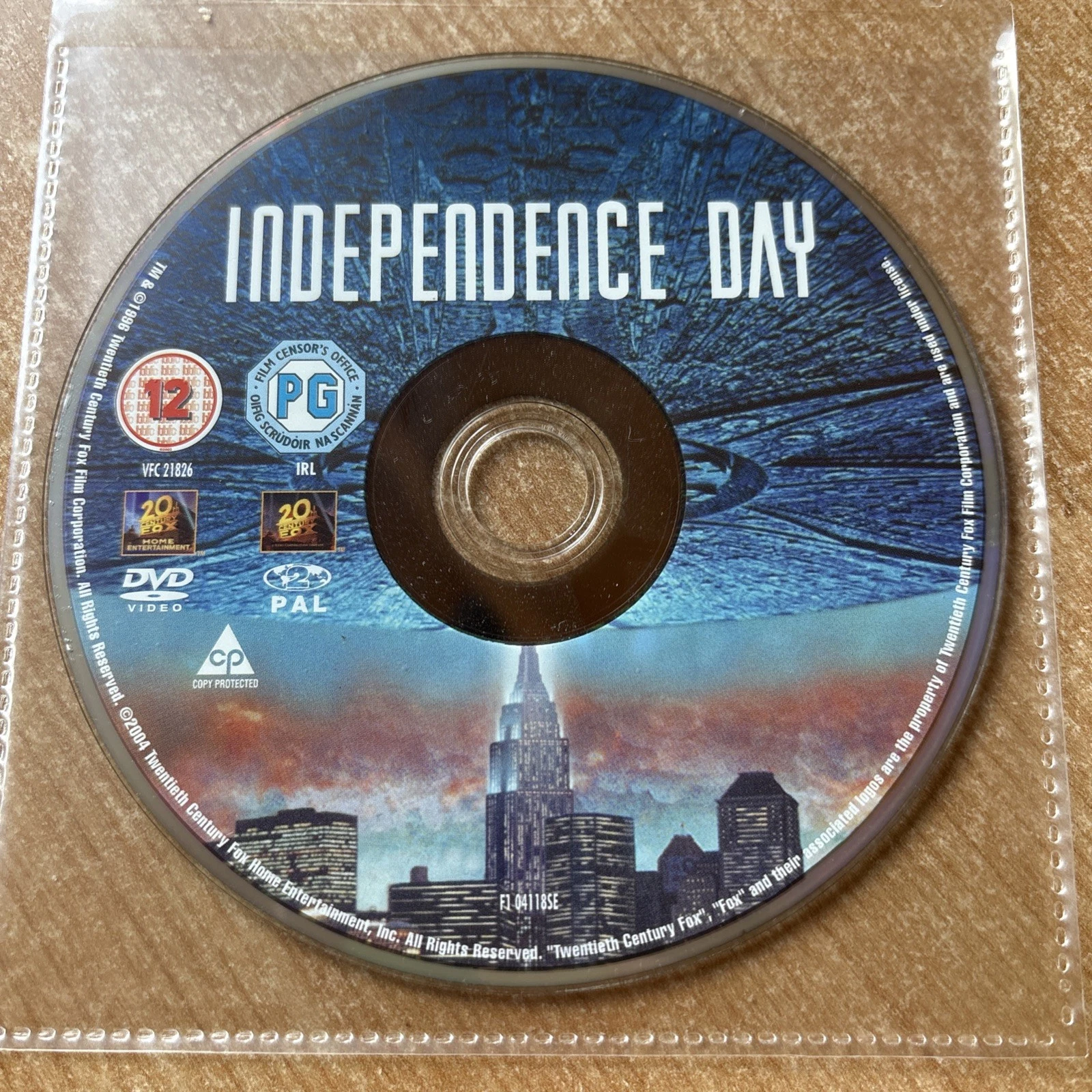
| 1996 | Independence Day | 15 | last= Rockett | first= Kevin | date= 2004 | title= Irish Film Censorship: A Cultural Journey from Silent Cinema to Internet Pornography | publisher= Four Courts Press | pages= 290, 445 | isbn= 978-1-85182-845-6}} | Upheld | PG | 12A (cinema) | |
| 1996 | The Secret Agent Club | 15 | The appeal viewing took place on 12 November, for video/DVD. | Upheld | 12 | ||||||||
| 1996 | Some Mother's Son | 18 | Upheld | 15 | 15 (DVD) | ||||||||
| 1997 | She's the One | 18 | The appeal viewing took place on 4 July, for video/DVD. | Upheld | 15 | ||||||||
| 1998 | The Lost World: Jurassic Park | 12 | The appeal viewing took place on 22 January, for video/DVD. | Failed | |||||||||
| 1999 | Wild Wild West | 15 | Upheld | 12 | 12 (DVD) | ||||||||
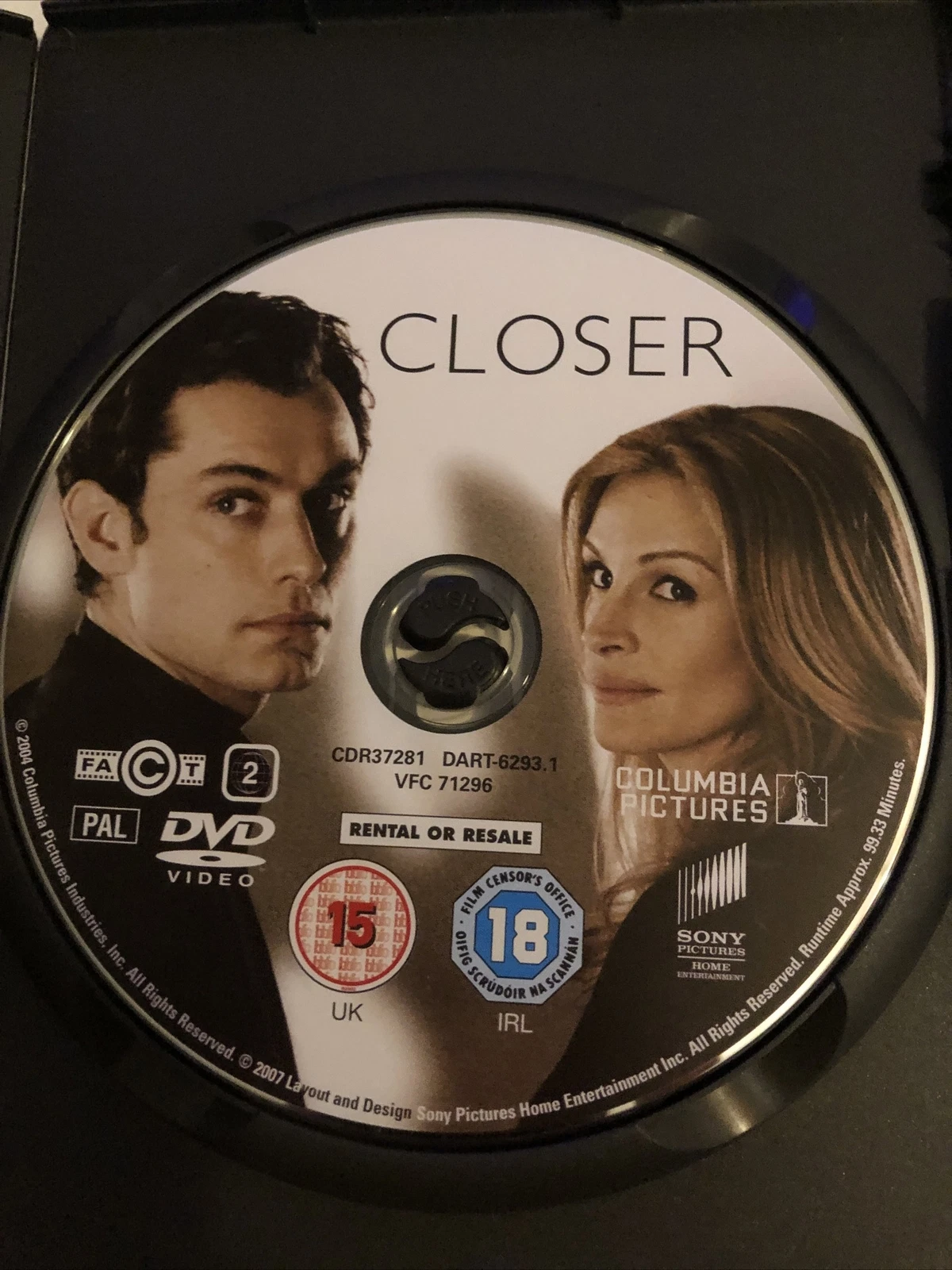
| 2004 | Closer | date=November 2019}} | Intense, explicit sexual dialogue, strong language, mild nudity. | Failed | 18 (cinema and DVD) | ||||||||
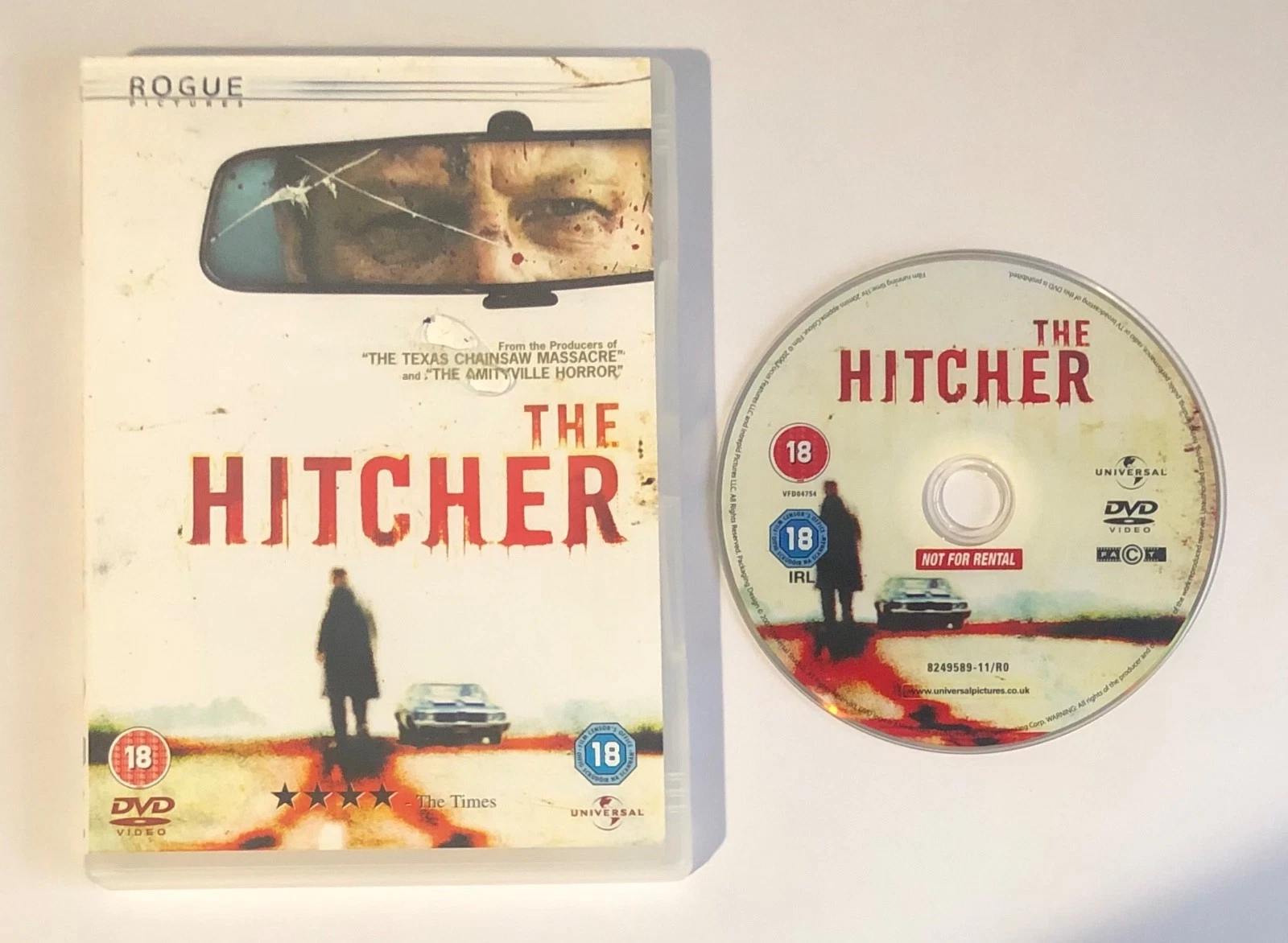
| 2007 | The Hitcher | 18 | Sustained intense bloody and graphic violence. | Upheld | 16 | 16 (cinema) | |||||||
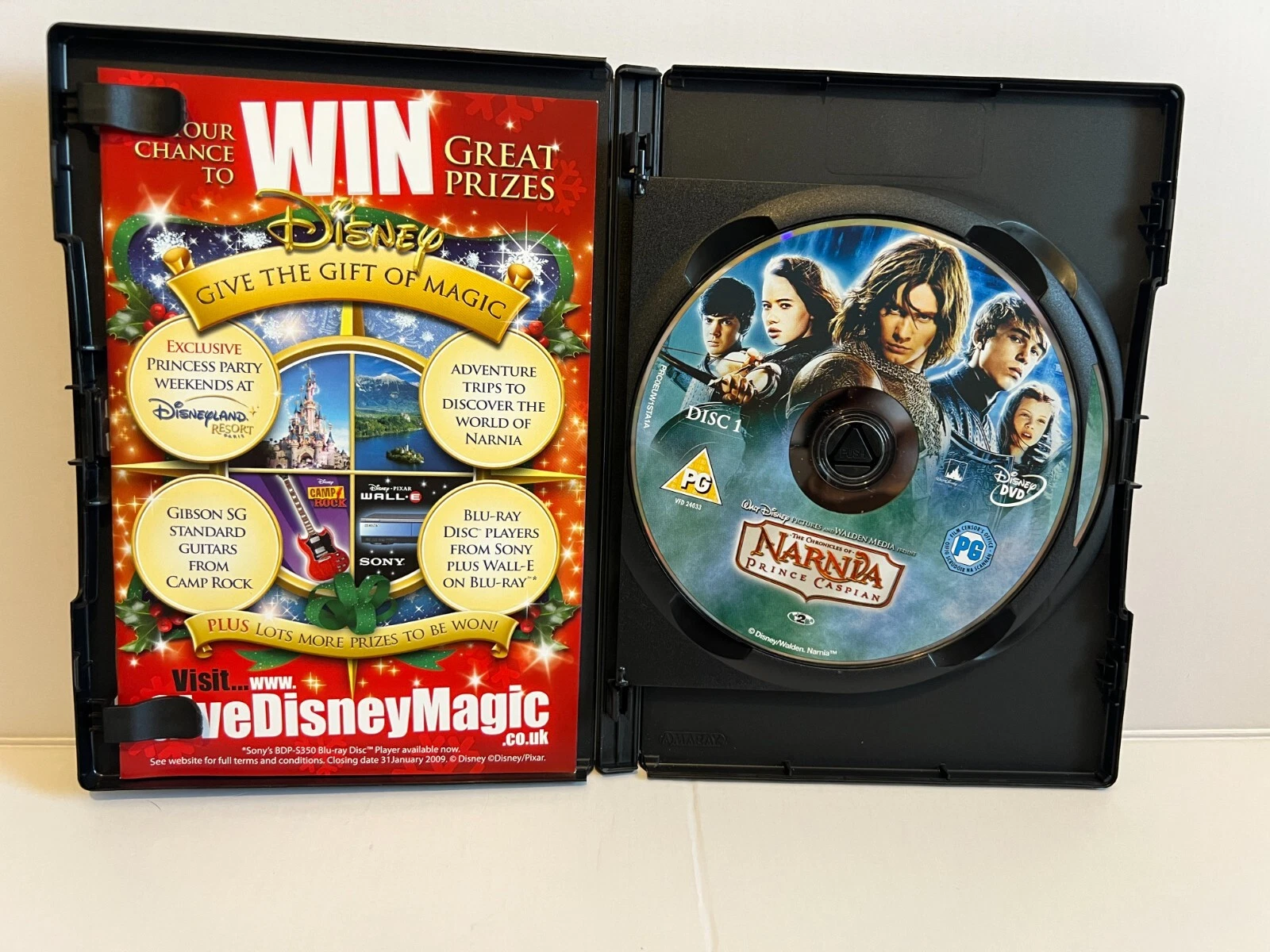
| 2008 | The Chronicles of Narnia: Prince Caspian | date=November 2019}} | Sustained battle sequences, with killing and injury, which while not gory, may still upset younger viewers. | Upheld | PG | PG (cinema and DVD) | |||||||
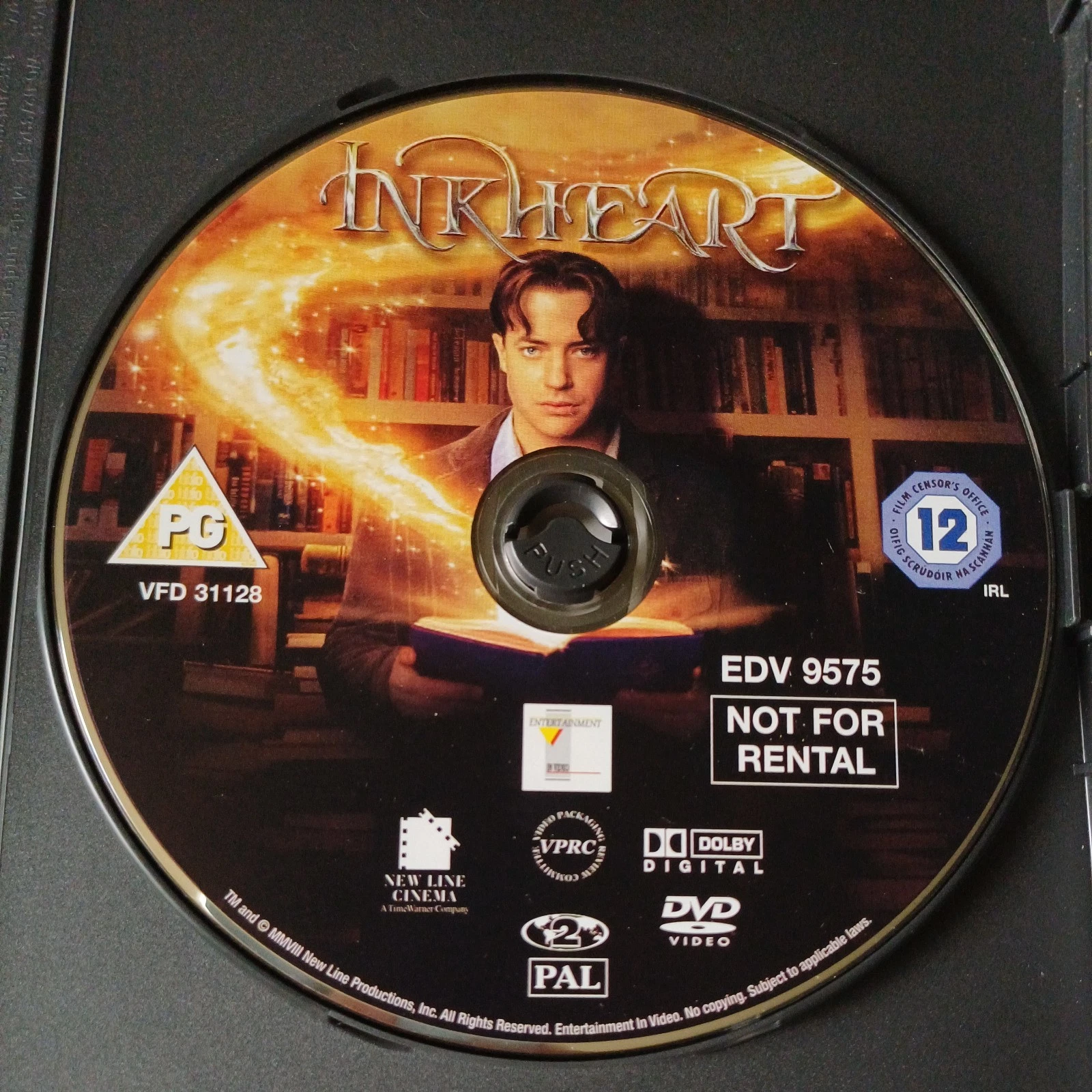
| 2008 | Inkheart | date=November 2019}} | Moderate threat/frights and scary fantasy violence, some of which may disturb younger children. | Failed | 12A (cinema) | ||||||||
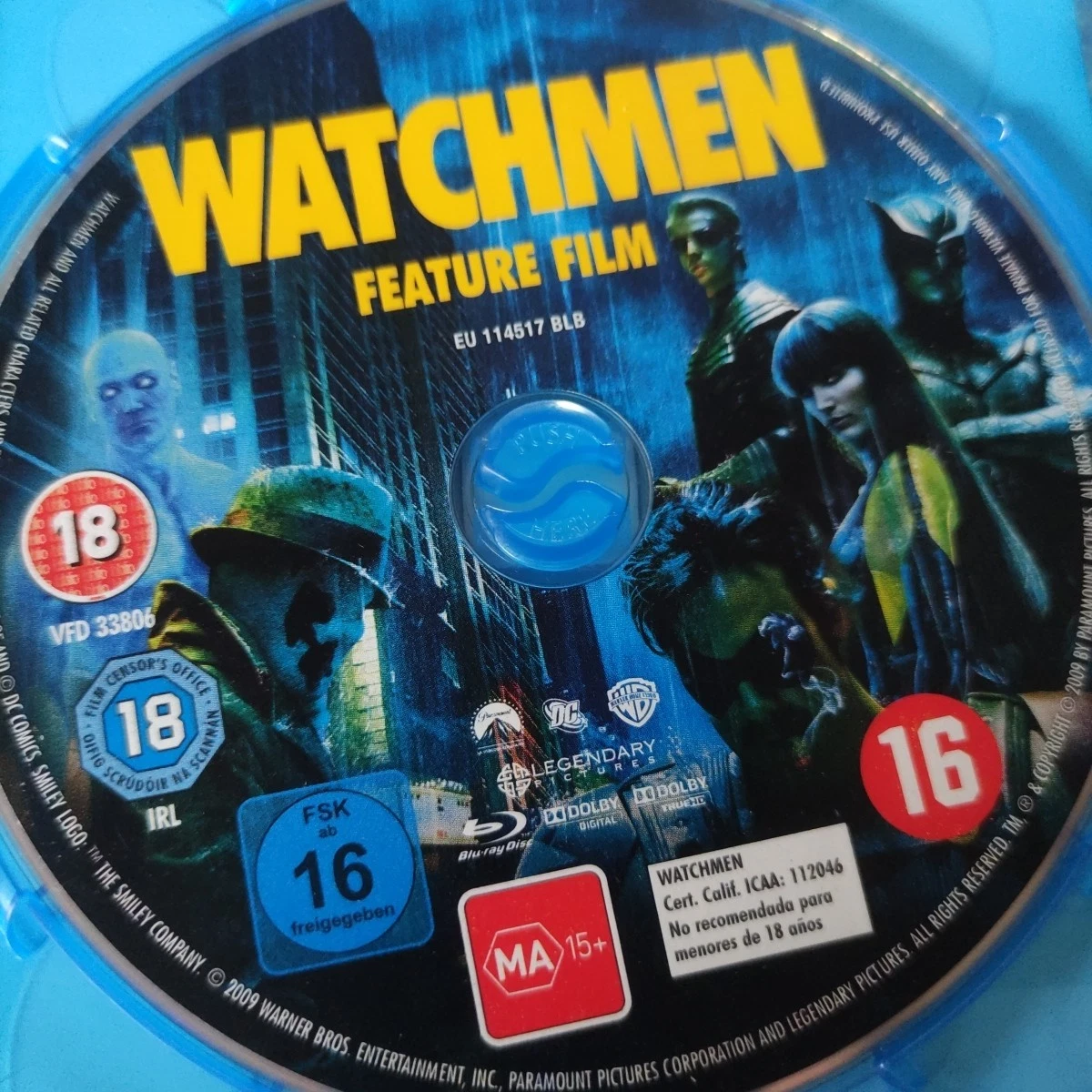
| 2009 | Watchmen | 18 | Strong, visceral hyper-realistic violence, including one brutal sexual assault. | Upheld | 16 | 16 (cinema) | |||||||
| 2009 | Orphan | date=November 2019}} | Disturbing theme and content, depicted with underlying menace. Strong, gory horror violence. | Upheld | 16 | 16 (cinema) | |||||||
| 2009 | Law Abiding Citizen | date=November 2019}} | Vengeance thriller with strong, brutal, sadistic, bloody violence. | Upheld | 16 | 16 (cinema) | |||||||
| 2009 | The Lovely Bones | date=November 2019}} | Child abduction and murder. Strong scenes of violence and its aftermath. | Upheld | 12A | 12A (cinema) | |||||||
| 2010 | The Hole | 15A | Horror involved with confronting fear. | Failed | 15A (cinema) | ||||||||
| 2012 | ParaNorman | date=November 2019}} | Frequent moderate frightening scenes. | Upheld | PG | PG (cinema and DVD) | |||||||
| 2012 | Lawless | date=November 2019}} | Brutal gory violence. | Upheld | 16 | 16 (cinema) | |||||||
| 2012 | Taken 2 | date=November 2019}} | Sustained strong violence and sequences of intense threat. | Upheld | 12A | 12A (cinema) | |||||||
| 2013 | Safe Haven | date=November 2019}} | Scenes of strong spousal violence. Brief moderate sex scene. | Upheld | 12A | 12A (cinema) | |||||||
| 2017 | Free Fire | url=http://ifco.ie/en/ifco/pages/E2F4B0180055D81F | title=Free Fire (2017) | website=Irish Film Classification Office | access-date=31 May 2019 | archive-date=31 May 2019 | archive-url=https://web.archive.org/web/20190531194023/http://ifco.ie/en/ifco/pages/E2F4B0180055D81F | url-status=live}} | Relentless bloody violence. Strong drugs use. | Failed | 18 (cinema and DVD) | ||
| 2018 | The First Purge | 18 | Strong bloody violence, sustained threat and disturbing scenes. | Failed | 18 (cinema and DVD) | ||||||||
| 2018 | Bumblebee | 12A | Moderate violence. | Failed | 12A (cinema) | ||||||||
| 2019 | Mid90s | 18 | Strong drugs use. Disturbing scenes and situations. Strong sex references. | Upheld | 16 | 16 (cinema) | |||||||
| 2019 | Downton Abbey | 12A | Brief homophobic reference. | Upheld | PG | PG (cinema and DVD) |
Refusals and bans
Films may be refused a certificate, e.g. on grounds of obscenity. Such films may not be shown in public cinemas or sold in shops, but are not ipso facto banned and have been shown at film festivals and art house clubs such as the Irish Film Theatre and Irish Film Institute. These may also show films which have not been submitted for certification, as the submission fee may be prohibitive if a film is screened only a few times at a small venue.
Prohibitions and revocations, with justification, are listed in the official gazette, Iris Oifigiúil, under the headings of PROHIBITION ORDER and REVOCATION ORDER.
Despite the recommendations in the 2000 review of certification that no further films be banned, bans are still occasionally issued, although usually overturned on appeal. Boy Eats Girl, a 2005 movie, was initially banned, with the option of a cut being provided to the producers. On appeal, the film was passed uncut, and granted a 15A rating, although the video certificate was raised to 18.
Movies which are never submitted for cinema release in Ireland are occasionally banned on attempted video releases, although only one such order was made in 2004, banning the pornographic Anabolic Initiations 5, with the appeals board upholding the censor's order. One order was issued in 2005, reiterating the ban on Deep Throat. The only order in 2006 banned the pornographic film Steal Runaway.
For a comprehensive list of banned films, see Film censorship in the Republic of Ireland#Notable banned or cut films
Criticism
Like many systems of entertainment classification, the IFCO has received criticism for several decisions they have made in the past. The board has been described as too zealous and conservative. Many titles that receive 15 certificates from the BBFC are rated 18 by the IFCO. DVD examples include Kick-Ass and Black Swan. Rarer cinema examples (which bypass the 16 rating) include Free Fire and You Were Never Really Here.
However, the IFCO are more lenient with strong language than the BBFC are, especially with very strong language (e.g. 'cunt'). Examples include Frost/Nixon and The Visitor receiving 15 certificates in the UK but PG's in Ireland despite the use of the stronger term 'motherfucker', and Gone Girl receiving an 18 in the UK but a 15 (on video) in Ireland despite four aggressive uses of 'cunt'. The 2014 documentary Red Army received a 15 in the UK but a 12A in Ireland for a single use of 'cocksucker' (although the video rating was upgraded to 15).
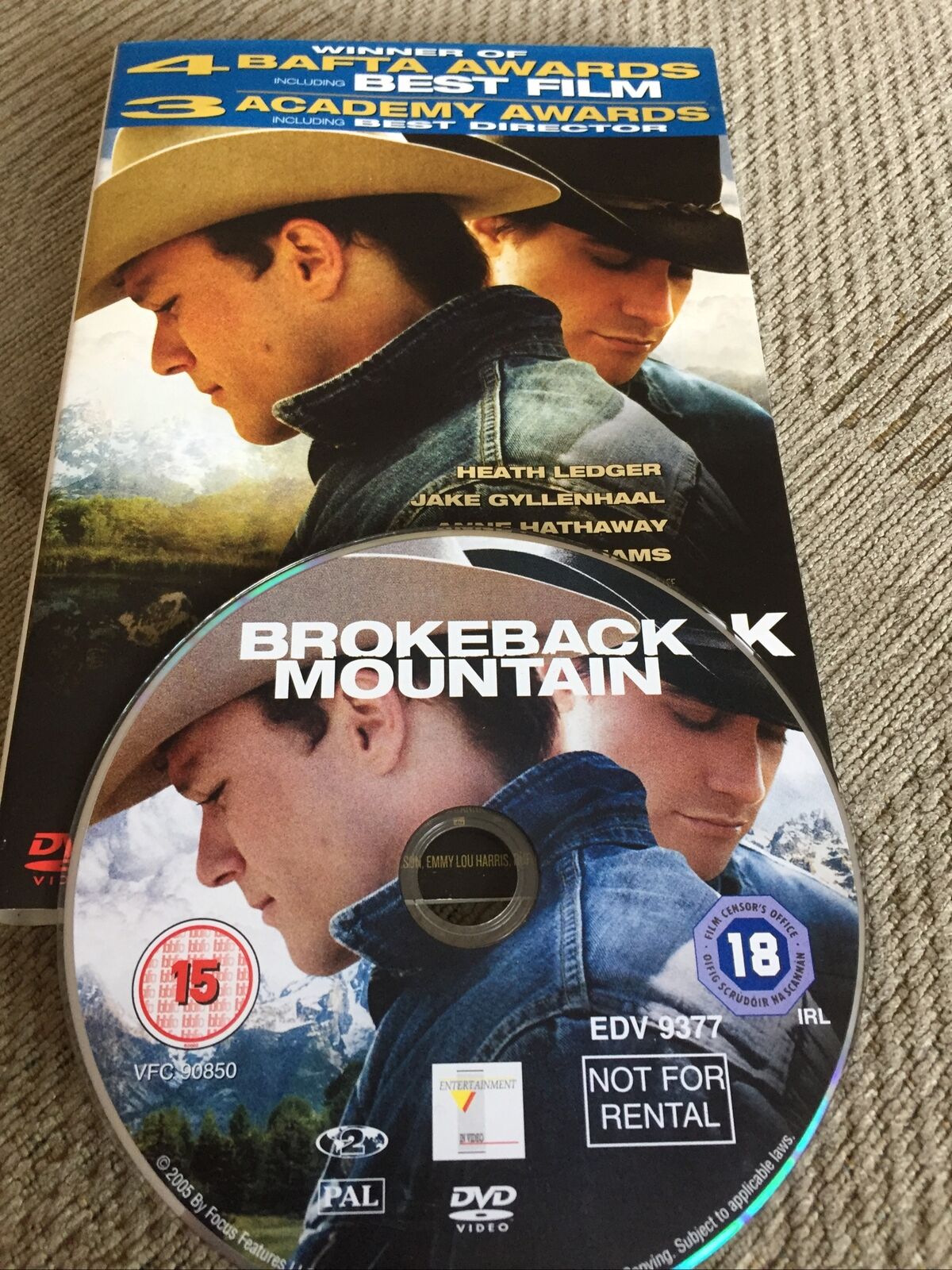
Three titles in particular drew criticism of the board: Election, But I'm a Cheerleader and Brokeback Mountain. All three were rated 18 in Ireland and 15 in the UK, although Brokeback Mountain was rated 16 for cinema release because the system is different than for video releases (it was only an 18 on video) – But I'm a Cheerleader was re-rated 15 in 2021.
The IFCO is established on a statutory basis and thus the appeals procedure is final. Where a film or video game is banned, there can be no further appeal, but the work may be resubmitted after seven years.
References
Sources
References
- (16 July 1923). "Censorship of Films Act 1923".
- Coyle, Colin. (10 January 2010). "Ex-politicians paid €40,000 to watch films". [[The Sunday Times.
- "Irish film censorship – an outline account".
- (11 February 1964). "Censorship of films". The Irish Times.
- (21 November 1964). "End of "thaw" in film censorship? Too few limited showings". The Irish Times.
- (12 March 1965). "Film censor responsible". The Irish Times.
- (26 March 1965). "Letters to the editor: Film censorship". The Irish Times.
- (13 January 1966). "Letters to the Editor: Cinema '65". The Irish Times.
- (7 February 1966). "Censorship again". The Irish Times.
- (31 March 1965). "Letters to the Editor: Rodin Out". The Irish Times.
- (28 November 1964). "Protest over severe film censorship". The Irish Times.
- (30 November 1964). "Lenihan intervenes in film censorship: Will see banned films". The Irish Times.
- (4 December 1964). "Minister to see banned film". The Irish Times.
- (9 January 1965). "Films appeal board announced". The Irish Times.
- (30 July 2007). "Historical Dictionary of Irish Cinema". Scarecrow Press.
- (12 October 1966). "Film censorship in Ireland: Appeals chairman's views". The Irish Times.
- Rockett 2004 pp. 200, 203,
- (16 October 1967). "Cinemas". The Irish Times.
- [https://propstore.com/product/james-bond-various-productions/lot-334-cinema-poster-live-auction-bbfc-certificate-james-bond-pierce-brosnan-1990s/ ''The World Is Not Enough''] {{Webarchive. link. (27 October 2020 . The Prop Store. Retrieved 21 October 2020.)
- Dwyer, Michael. "Censor's changes to film certs". The Irish Times.
- "News from IFCO".
- (15 November 2005). "Animated film certificate to raise ratings awareness".
- (16 November 2005). "Film Censor Launches Awareness Campaign". IFTN.
- "Newsletter 19th November 2005".
- (12 May 1994). "Video Recordings Act 1989 (Supply Certificate and Labelling) Regulations 1994".
- (31 August 1994). "New labels to show video's suitability". The Irish Times.
- (27 February 1995). "Additional cost limits Ireland's video choice". The Irish Times.
- (20 December 1996). "Video Recordings Act 1989 (Supply Certificate and Labelling) (Amendment) Regulations 1996".
- "Filmogs – The Lord of the Rings: The Two Towers".
- (15 March 2016). "1686 – Film Censors Report 2003".
- "IFCO Rating : 15".
- "IFCO Rating : 18".
- "Manhunt 2 video game prohibited".
- (November 2019)
- (November 2019)
- (November 2019)
- "The First Purge".
- "Search for Releases".
- Barry, Aoife. (16 September 2018). "Appeal after 'brutal and frenzied violence' leads to film getting 18 rating".
- (28 July 1989). "Censor gets black eye as 'Karate Kid' passes". The Irish Times.
- "The Karate Kid Part III – BBFC PG, IFCO PG".
- (2 February 1990). "Censorship and certification". The Irish Times.
- "Ghostbusters II – BBFC PG, IFCO PG".
- "Look Who's Talking – BBFC 12, IFCO 15".
- (27 July 1990). "'Gremlins' lose target audience". The Irish Times.
- "Gremlins 2: The New Batch – BBFC 12, IFCO 12".
- (27 July 1990). "Censor's ruling on 'Rocky' upheld". The Irish Times.
- "Rocky V – BBFC PG, IFCO 15".
- (25 July 1991). "Over 18 rating for 'Thelma and Louise'". The Irish Times.
- "Thelma & Louise – BBFC 15, IFCO 15".
- (27 September 1991). "More work for Appeals Board". The Irish Times.
- (25 October 1991). "Branagh does it right again". The Irish Times.
- "Dead Again – BBFC 15, IFCO 18".
- (11 October 1991). "Such stuff as dreams are made on". The Irish Times.
- "Toy Soldiers – BBFC 15, IFCO 15".
- "Boyz n the Hood – BBFC 15, IFCO 18".
- (21 May 1992). "The new mad, mad world". Evening Herald.
- (24 July 1992). "Reel news: Funds for five films". The Irish Times.
- (31 December 1992). "Reel news: A year to savour in the cinema". The Irish Times.
- Rockett, Kevin. (2004). "Irish Film Censorship: A Cultural Journey from Silent Cinema to Internet Pornography". Four Courts Press.
- "Wayne's World – BBFC PG, IFCO PG".
- "Far and Away – BBFC 15, IFCO 15".
- (18 February 1994). "Reel News". The Irish Times.
- (12 August 1994). "'Over 18' cert for film about Irish bomber". The Irish Times.
- (1994). "Classification: Films". BBFC Annual Report 1994-95.
- "Heaven & Earth – BBFC 15, IFCO 18".
- "Blown Away – BBFC 15, IFCO 18".
- Rockett, Kevin. (2004). "Irish Film Censorship: A Cultural Journey from Silent Cinema to Internet Pornography". Four Courts Press.
- "Independence Day – BBFC 12, IFCO PG".
- "Independence Day - Extended Edition (2016) - Irish Film Classification Office".
- (19 September 1996). "Display of film poster restricted". The Irish Times.
- "Some Mother's Son (1996) (2016) - Irish Film Classification Office".
- (22 September 1999). "A movie every day – and even the bad ones are fascinating". The Irish Times.
- "Wild Wild West – BBFC 12, IFCO 12".
- (November 2019)
- (15 December 2004). "Appeals board restricts Nichols film". The Irish Times.
- (14 December 2004). "'Closer' Row Rumbles Between Tristar & Film Censor".
- "Closer".
- "Hitcher, The (2007) - Irish Film Classification Office".
- (1 June 2007). "Hitch as certificate challenged". The Irish Times.
- "Annual Report 2007".
- "The Hitcher".
- (November 2019)
- "Narnia DVD".
- (November 2019)
- "Annual Report Of The Director Of Film Classification 2008".
- "InkHeart DVD".
- (22 November 2009). "'Law Abiding Citizen' gets 16 rating". The Sunday Times.
- "Watchmen DVD".
- (November 2019)
- "Orphan (2009) - Irish Film Classification Office".
- (November 2019)
- "Law Abiding Citizen: Theatrical Cut (2010) - Irish Film Classification Office".
- (November 2019)
- "The Lovely Bones (2010) - Irish Film Classification Office".
- http://www.ifco.ie/ifco/ifcoweb.nsf/lookupreports2/2C9A1587B1BD8C4780257B80003E4C87/$File/Annual%20Report%202010%20English.pdf?openelement {{webarchive. link. (26 March 2016)
- "The Hole - Irish Film Classification Office".
- (November 2019)
- "ParaNorman: Theatrical Feature (2013) - Irish Film Classification Office".
- (November 2019)
- "Lawless (2012) - Irish Film Classification Office".
- (November 2019)
- "Taken 2 - Original Version (2012) - Irish Film Classification Office".
- (November 2019)
- "Safe Haven (2013) - Irish Film Classification Office".
- "Free Fire (2017)".
- "Free Fire (2017) - Irish Film Classification Office".
- "The First Purge (2018)".
- "The First Purge - international feature (2018) - Irish Film Classification Office".
- "Bumblebee (2018)".
- "Bumblebee - Feature (2019) - Irish Film Classification Office".
- "Mid90s (2019)".
- "Downton Abbey (2019)".
- "Downton Abbey (2019 Film) (2019) - Irish Film Classification Office".
- Clarke, Donald. "Boy will get to eat girl after all". The Irish Times.
- "Annual Report of the Official Censor of Films for 2005".
- "Kick-Ass (2010)".
- "Black Swan (2011)".
- "You Were Never Really Here (2018)".
- "FROST/NIXON".
- "The Visitor".
- "Frost/Nixon (2009)".
- "Visitor, The (2008)".
- "Gone Girl".
- "Gone Girl (2014)".
- "Red Army".
- "Red Army (2015)".
- "Red Army (2015)".
- "Election".
- "But I'm a Cheerleader".
- "Brokeback Mountain".
- "But I'm a Cheerleader (Director's Cut) (2021)".



This article was imported from Wikipedia and is available under the Creative Commons Attribution-ShareAlike 4.0 License. Content has been adapted to SurfDoc format. Original contributors can be found on the article history page.
Ask Mako anything about Irish Film Classification Office — get instant answers, deeper analysis, and related topics.
Research with MakoFree with your Surf account
Create a free account to save articles, ask Mako questions, and organize your research.
Sign up freeThis content may have been generated or modified by AI. CloudSurf Software LLC is not responsible for the accuracy, completeness, or reliability of AI-generated content. Always verify important information from primary sources.
Report