From Surf Wiki (app.surf) — the open knowledge base
Interference engine
Type of internal combustion engine
Type of internal combustion engine
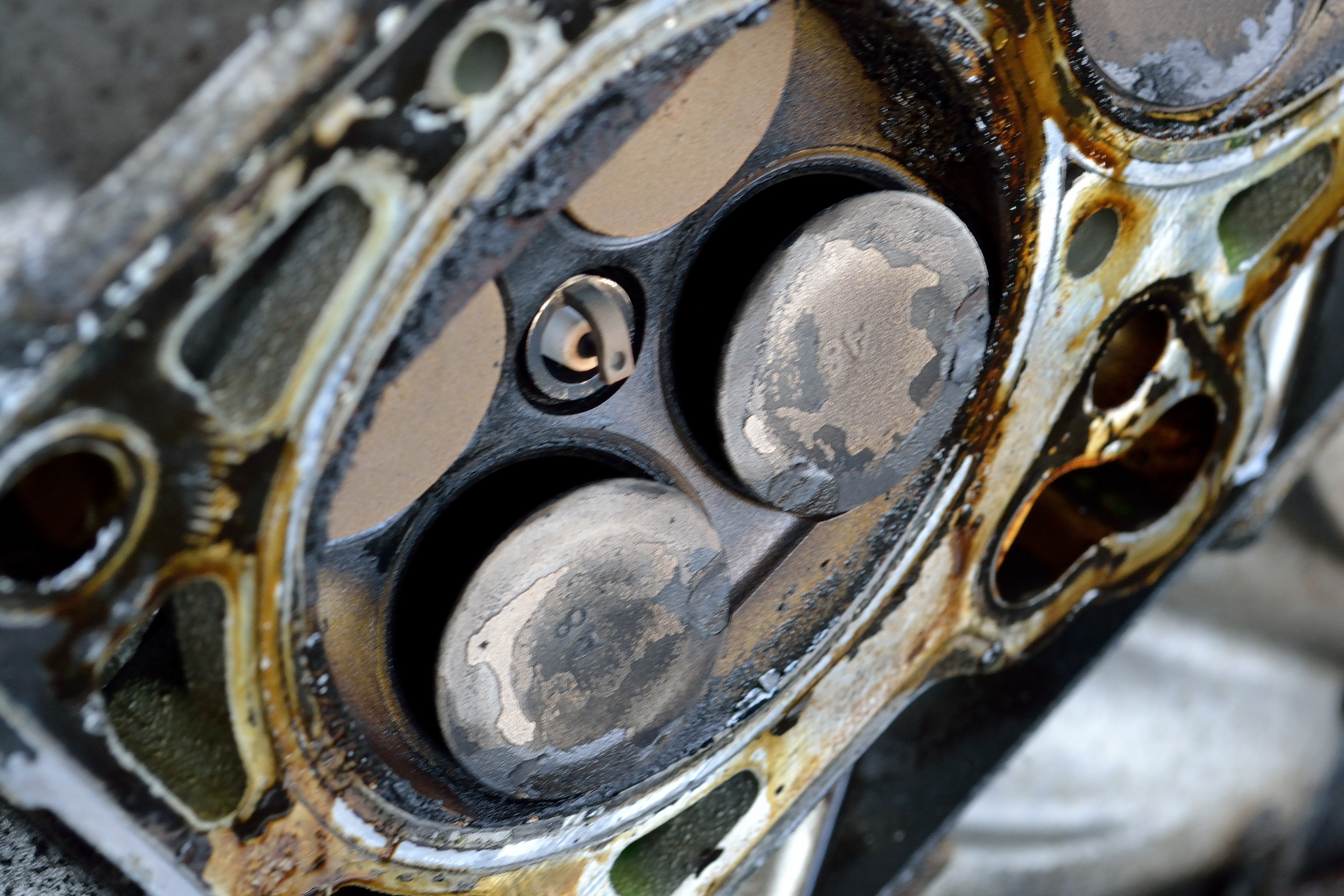
An interference engine is a type of 4-stroke internal combustion piston engine in which one or more valves in the fully open position extends into any area through which the piston may travel. By contrast, in a non-interference engine, the piston does not travel into any area into which the valves open. Interference engines rely on timing gears, chains, or belts to prevent the piston from striking the valves by ensuring that the valves are closed when the piston is near top dead center. Interference engines are prevalent among modern production automobiles and many other four-stroke engine applications; the main advantage is that it allows engine designers to maximize the engine's compression ratio. However, such engines risk major internal damage if a piston strikes a valve due to failure of camshaft drive belts, drive chains, or drive gears.
Timing gear failure
In interference engine designs, replacing a timing belt in regular intervals (manufacturers recommend intervals ranging from 60000 to) or repairing chain issues as soon as they are discovered is essential, as incorrect timing may result in the pistons and valves colliding and causing extensive internal engine damage. The piston will likely bend the valves, or, if a piece of valve or piston is broken off within the cylinder, the broken piece may cause severe damage within the cylinder, possibly affecting the connecting rods. If a timing belt or chain breaks in an interference engine, mechanics check for bent valves by performing a leak-down test of each cylinder or by checking the valve gaps. A very large valve gap points to a bent valve. Repair options depend on the extent of the damage. If the pistons and cylinders are damaged, the engine must be rebuilt or replaced. If the valves are bent but there is no other damage, replacing the bent valves, rebuilding the cylinder head, and replacing the timing belt/chain components may be sufficient.
References
References
- [http://www.aa1car.com/library/timing_belts_interference_engines.htm Explanation of the results of timing belt failure in an interference engine]. ''aa1car.com.'' Retrieved September 16, 2024
- "Interference versus Non-Interference engine: animation, repair options". TestingAutos.
This article was imported from Wikipedia and is available under the Creative Commons Attribution-ShareAlike 4.0 License. Content has been adapted to SurfDoc format. Original contributors can be found on the article history page.
Ask Mako anything about Interference engine — get instant answers, deeper analysis, and related topics.
Research with MakoFree with your Surf account
Create a free account to save articles, ask Mako questions, and organize your research.
Sign up freeThis content may have been generated or modified by AI. CloudSurf Software LLC is not responsible for the accuracy, completeness, or reliability of AI-generated content. Always verify important information from primary sources.
Report