From Surf Wiki (app.surf) — the open knowledge base
Insect sting allergy
Allergic reaction to an insect bite or sting
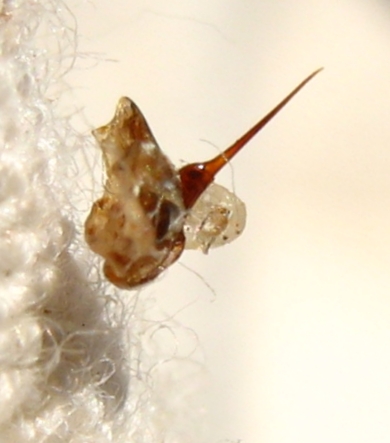
Allergic reaction to an insect bite or sting
The great majority of insect allergic animals just have a simple allergic response – a reaction local to the sting site which appears as just a swelling arising from the release of histamine and other chemicals from the body tissues near to the sting site. The swelling, if allergic, can be helped by the provision of an anti-histamine ointment as well as an ice pack. This is the typical response for all biting insects and many people have this common reaction.
Mosquito allergy may result in a collection of symptoms called skeeter syndrome that occur after a bite. This syndrome may be mistaken for an infection such as cellulitis.
In anaphylactic patients the response is more aggressive leading to a systemic reaction where the response progresses from the sting site around the whole body. This is potentially something very serious and can lead to anaphylaxis, which is potentially life-threatening.
Epidemiology
The majority of individuals who receive a sting from an insect experience local reactions. It is estimated that 5-10% of individuals will experience a generalized systemic reaction that can involve symptoms ranging from hives to wheezing and even anaphylaxis. In the United States approximately 40 people die each year from anaphylaxis due to stinging insect allergy. Potentially life-threatening reactions occur in 3% of adults and 0.4–0.8% of children.
Prevention
A 2012 meta-analysis found that venom immunotherapy is an effective prophylactic treatment against insect bite and sting allergic reactions, and significantly improves the quality of life of people affected by severe insect allergies.
References
- Golden DBK. Epidemiology of allergy to insect venoms and stings. Allergy Proc 1989;10:103-7
References
- (June 2017). "Clinical Characteristics of Allergy to Hymenoptera Stings". Pediatric Emergency Care.
- (December 2018). "The allergic response mediated by fire ant venom proteins". Scientific Reports.
- (1998-06-01). "Fatal Anaphylaxis Due to Fire Ant Stings". The American Journal of Forensic Medicine and Pathology.
- (2002). "An autopsy approach to bee sting-related deaths". Pathology.
- Golden DBK. Epidemiology of allergy to insect venoms and stings. Allergy Proc 1989;10:103-7
- (2012-10-17). "Venom immunotherapy for preventing allergic reactions to insect stings". Cochrane Database of Systematic Reviews.
This article was imported from Wikipedia and is available under the Creative Commons Attribution-ShareAlike 4.0 License. Content has been adapted to SurfDoc format. Original contributors can be found on the article history page.
Ask Mako anything about Insect sting allergy — get instant answers, deeper analysis, and related topics.
Research with MakoFree with your Surf account
Create a free account to save articles, ask Mako questions, and organize your research.
Sign up freeThis content may have been generated or modified by AI. CloudSurf Software LLC is not responsible for the accuracy, completeness, or reliability of AI-generated content. Always verify important information from primary sources.
Report