From Surf Wiki (app.surf) — the open knowledge base
Ingalls Shipbuilding
Shipyard in Pascagoula, Mississippi

Shipyard in Pascagoula, Mississippi
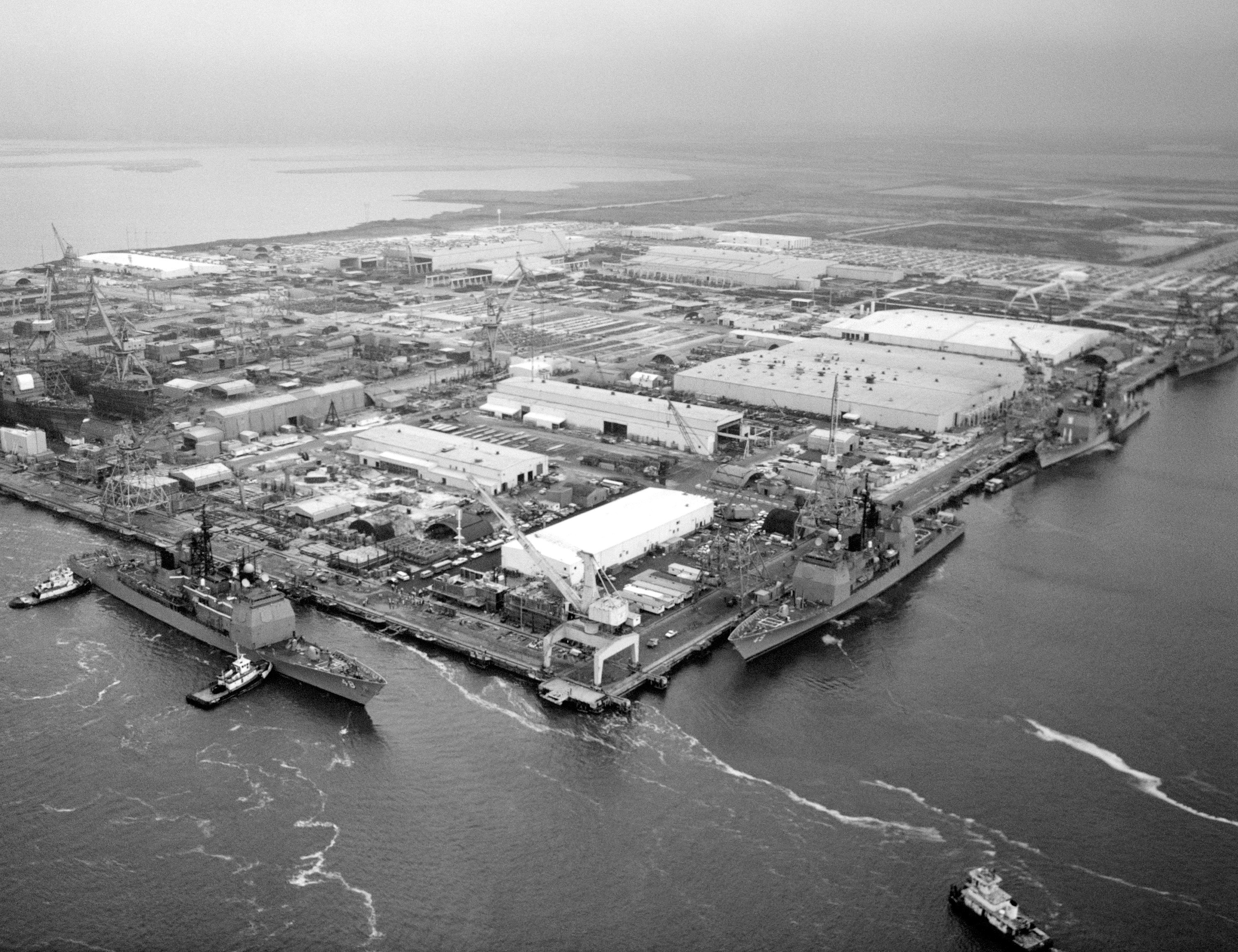
Ingalls Shipbuilding is a shipyard located in Pascagoula, Mississippi, United States, originally established in 1938, and now part of HII. It is a producer of ships for the United States Navy, and, as of 2023, is the largest private employer in Mississippi.
History
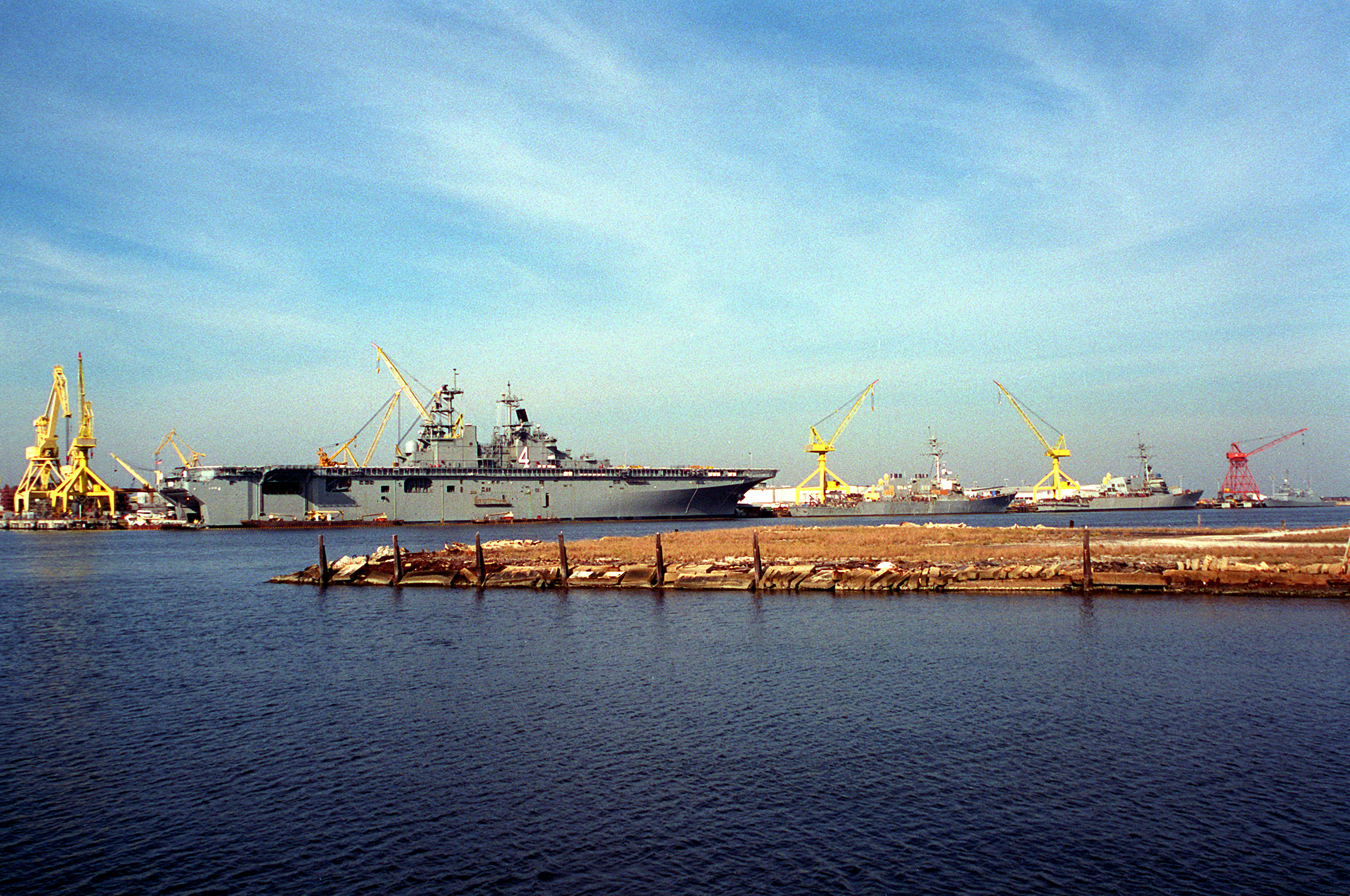
In 1938, Ingalls Shipbuilding Corporation was founded by Robert Ingersoll Ingalls Sr. (1882–1951) of Birmingham, Alabama, on the east bank of the Pascagoula River in Mississippi. Ingalls was located where the Pascagoula River runs into the Gulf of Mexico. It started out building commercial ships, including , which took part in Liberty Fleet Day on 27 September 1941. In the 1950s, Ingalls started bidding on Navy work, winning a contract in 1957 to build 12 nuclear-powered attack submarines.
Litton Industries acquired Ingalls in 1961, and in 1968, expanded its facilities to the other side of the river. Ingalls reached a high point of employment in 1977, with 27,280 workers. In April 2001, Litton was acquired by the Northrop Grumman Corporation.
On 29 August 2005, Ingalls facilities were damaged by Hurricane Katrina; most of the ships in dock and construction escaped serious harm. While shipbuilding was halted for a while due to the destruction of many buildings, most vehicles and the large overhead cranes are the same that the facility continues to operate today.
On 31 March 2011, Northrop Grumman spun off its shipbuilding sector (including Ingalls Shipbuilding) into a new corporation, Huntington Ingalls Industries.
In 2015, Ingalls Shipbuilding Company signed a contract with US Navy for new destroyers, littoral combat ships, and new landing craft. was one of the first new destroyers and was launched on 28 March. The company is also building the , , and .
On 21 March 2015, the new ship was ceremonially christened. The vessel was launched on 30 October and was commissioned in 2017.
On 27 March 2015, the shipyard received construction contracts for their next destroyers. Ingalls Shipbuilding Company was awarded a $604.3 million contract modification for building .
On 31 March 2015, the shipyard also received another contract with a $500 million fixed price to build the eighth National Security Cutter for the US Coast Guard. Most of them will be under construction until 2019. The cutters are the most advanced ships ever built for the Coast Guard.
On 30 June 2016, Ingalls Shipbuilding signed a contract with US Navy to build the U.S. Navy's next large-deck amphibious-assault warship. The contract included planning, advanced engineering, and procurement of long-lead material, is just over $272 million. If options are exercised, the cumulative value of the contract would be $3.1 billion.
Products
Ingalls' primary product has been naval ships and naval projects for Egypt, Israel, and Venezuela. In the 1940s, Ingalls attempted to enter the diesel-electric locomotive market. They cataloged an extensive product line, but only one example, known as the model 4-S, was produced. It was sold to the Gulf, Mobile & Ohio Railroad. Ingalls also manufactured covered hopper railroad cars in the early 1980s, producing around 4,000 units, primarily for the lease market via North American Car.
Ships built
Ships built by Ingalls include:
Submarines
Barbel class:
Skipjack class:
Thresher/Permit class:
Sturgeon class:
Destroyers
- Forrest Sherman class:
- USS Morton (DD-948)
- USS Parsons (DD-949/DDG-33)
Spruance class:
Kidd class:
Arleigh Burke class:
Cruisers
Ticonderoga class:
Cutters
Legend class:
Amphibious transport dock
San Antonio class:
Amphibious assault ship
Iwo Jima class:
Tarawa class:
Wasp class:
America class:
Attack transport
s
Corvette
- Sa'ar 5 class:
- INS Eilat (501)
- INS Lahav (502)
- INS Hanit (503)
Tankers
T5 tanker prototype, 615-foot vessel intended for possible conversion to atomic power, 1958
Cruise ships and ocean liners
- for naval architect George G. Sharp, 1946
- , an ocean liner for Moore-MacCormack and launched in 1957.
- , also built for Moore-MacCormack and the last ocean liner to be fully completed in the United States as of 2015.
- (partially built in Mississippi, then towed to Germany for outfitting)
Ships refitted
Decatur
In Decatur, Alabama, Ingalls Shipbuilding built barges and type B ship barges from 1930 to 1980. In 1980 the shipyard was sold to Trinity Industries that closed in 1981. This site is now called Ingalls Harbor.
References
References
- Harris, Bryant. (April 25, 2023). "Gulf shipyards struggle to find workers amid shipbuilding spree". [[Sightline Media Group]].
- [http://www.sb.northropgrumman.com/about/assets/Gulf_Coast_Facts.pdf Fact Sheet]{{dead link. (November 2017)
- [http://marinelink.com/en-US/News/Article/Northrop-Grumman-to-Acquire-Litton-Industries-for-$80-Per-Share-Cash/319268.aspx "Northrop Grumman to Acquire Litton Industries for $80 Per Share Cash"]. ''Maritime Reporter and Engineering News'', 2000-12-22. Retrieved 2009-09-23
- (3 April 2015). "Flurry of Contracts Spark US Navy Shipbuilding".
- "Ingalls Shipbuilding gets $3.1 billion Navy warship contract".
- "Ingalls Shipbuilding, Pascagoula MS".
- Bayfield and Windsor-class attack transports, per [http://drawings.usmaritimecommission.de/drawings_c3.htm] List as of 3-6-15, may not be exhaustive.
- [https://shipbuildinghistory.com/shipyards/large/ingallsdecatur.htm Ingalls Shipbuilding in Decatur, Alabama ''shipbuildinghistory.com'']
This article was imported from Wikipedia and is available under the Creative Commons Attribution-ShareAlike 4.0 License. Content has been adapted to SurfDoc format. Original contributors can be found on the article history page.
Ask Mako anything about Ingalls Shipbuilding — get instant answers, deeper analysis, and related topics.
Research with MakoFree with your Surf account
Create a free account to save articles, ask Mako questions, and organize your research.
Sign up freeThis content may have been generated or modified by AI. CloudSurf Software LLC is not responsible for the accuracy, completeness, or reliability of AI-generated content. Always verify important information from primary sources.
Report