From Surf Wiki (app.surf) — the open knowledge base
ILGA-Europe
European LGBTQ rights organization

European LGBTQ rights organization
| Field | Value |
|---|---|
| name | ILGA-Europe |
| image | ILGA-Europe logo.svg |
| caption | |
| formation | |
| purpose | lesbian, gay, bisexual, trans and intersex (LGBTI) rights |
| headquarters | Brussels, Belgium |
| region_served | 47 countries in the Council of Europe; Belarus, Kosovo and Central Asia |
| membership | 500+ member organisations |
| leader_title | Executive Director |
| leader_name | Evelyne Paradis |
| main_organ | ILGA |
| num_staff | 24 |
| website |
ILGA-Europe is the European region of the International Lesbian, Gay, Bisexual, Trans and Intersex Association (ILGA World). It is an advocacy group promoting the interests of lesbian, gay, bisexual, trans and intersex (LGBTI) people, at the European level. Its membership comprises more than 500 organisations from throughout Europe and Central Asia. The association enjoys consultative status at the United Nations Economic and Social Council and participatory status at the Council of Europe.
History
ILGA-Europe was founded in 1996, when its parent organisation, the International Lesbian, Gay, Bisexual, Trans and Intersex Association, established separate regions. It took over responsibility for supporting the development of the LGBT movement in Europe including Transgender Europe, Inter-LGBT, and for relationships with the European Union, Council of Europe and the Organization for Security and Co-operation in Europe.
Initially ILGA-Europe worked entirely on the basis of volunteer resources. However, in 2001, its potential contribution to the European Union's anti-discrimination policies (established under Article 13 of the Treaty of Amsterdam) was recognised through the provision of core funding, currently through the PROGRESS Programme. This enabled ILGA-Europe to set up an office in Brussels, to recruit permanent staff, and to conduct an extensive programme of work in relation to sexual orientation discrimination within the EU Member States and the accession countries. Financial support from the Sigrid Rausing Trust, the Open Society Institute, Freedom House, the US State Department and the Ministry of Education, Culture and Science of the Netherlands allows ILGA-Europe to extend its work in areas not covered by EU funding, including Eastern Europe and Central Asia, and on transgender issues.
ILGA-Europe has hosted its annual conference at the end of October, since 2000, where member organisations elect the executive board and decide on the next year's working priorities.
Current work
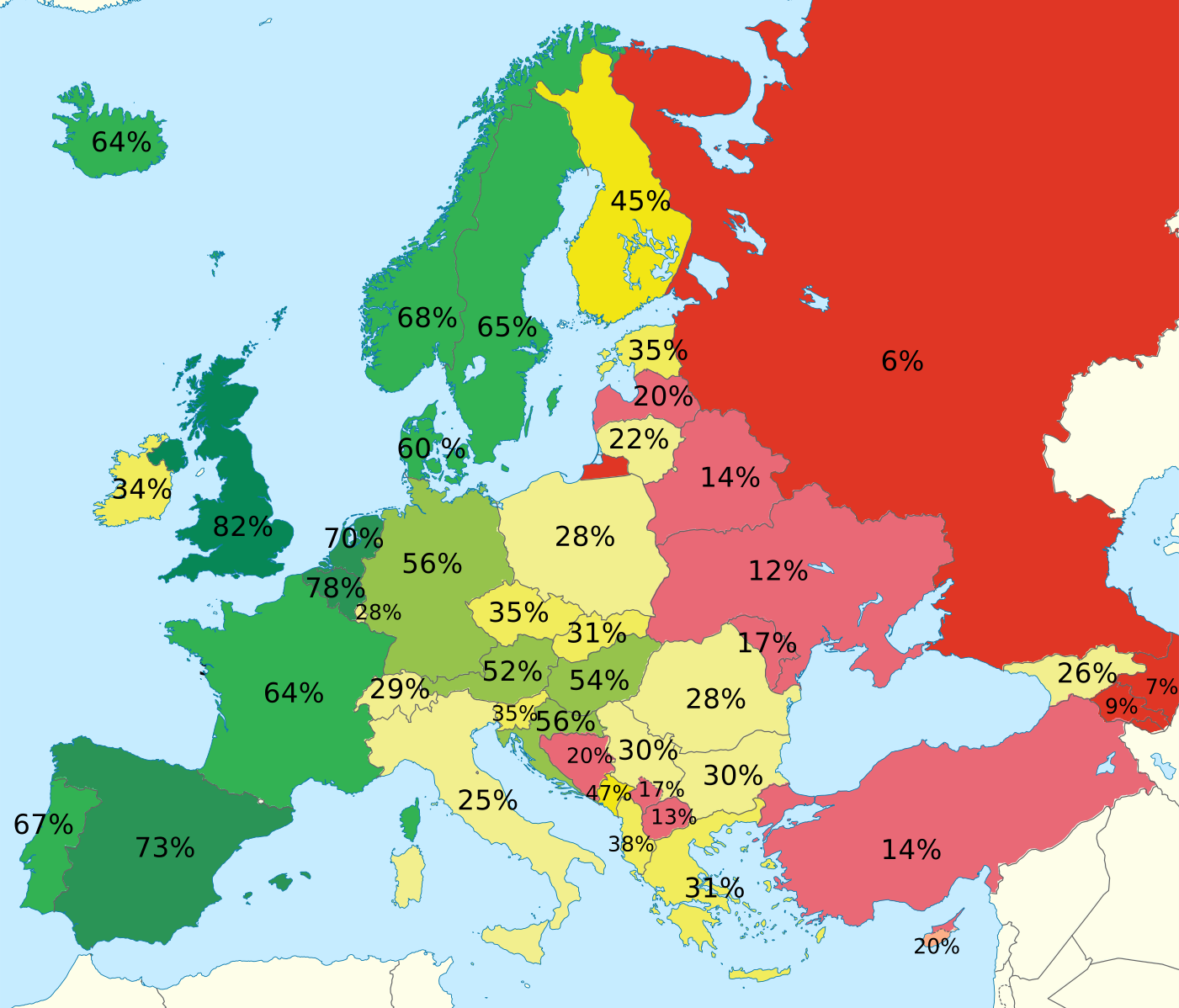
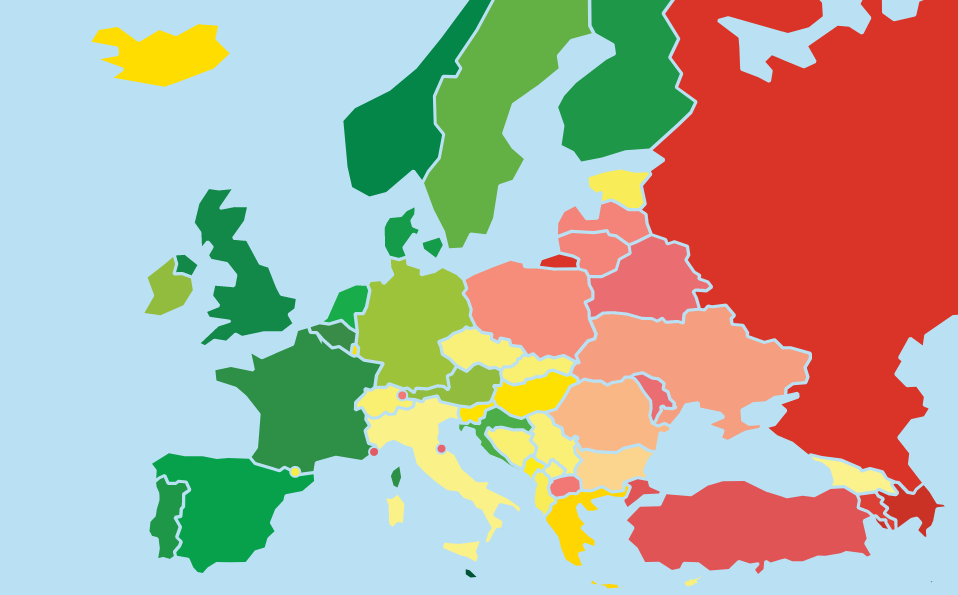

ILGA-Europe works to promote equality and non-discrimination for LGBTI people in asylum, education, employment, family law, freedom of assembly, hate crime, hate speech and health; and works worldwide to protect human rights defenders, trans people and intersex people. The Association provides funding and training for its 500 member organisations, "to maximise efficiency and the use of resources by LGBTI organisations in working towards achievement of their goals; to maximise the impact of advocacy work at the European level; to ensure sustainability of the LGBTI movement in Europe."
ILGA-Europe works with EU Institutions, the Council of Europe and the Organization for Security and Co-operation in Europe to promote equality by lobbying and advocacy, including supporting the adoption of the proposed EU Anti-Discrimination Directive, that would ban discrimination on the grounds of age, disability, religion or belief and sexual orientation in all areas of EU competence. It also uses strategic litigation at the European Court of Human Rights and the European Court of Justice to end discrimination, by identifying gaps in protections, encouraging organisations and individuals to develop court cases, and support such cases with legal resources and amicus curiae briefs.
For the 2014 European Parliament election, ILGA-Europe promoted its Come Out 2014 European Election Pledge to candidate MEPs, which focused on priority LGBTI issues for the 2014–2019 Parliament: an EU roadmap on LGBTI equality; EU human rights enforcement; completing the EU Anti-Discrimination directive; combating homophobic and transphobic violence; an inclusive definition of 'family'; trans rights and depatholigisation; action against school bullying; health discrimination and inequalities; LGBTI asylum seekers; and making the EU champion LGBTI rights worldwide. 187 elected MEPs (25 percent) signed the pledge, including 83 members of the PES, 14 ALDE members and 14 from the EPP.
Today ILGA-Europe has more than 20 staff who work in four areas: Advocacy, Communications, Finance and Administration, and Programmes. All are based at the organisation's office in the European Quarter in Brussels.
Rainbow Europe
Each May, ILGA-Europe releases its Rainbow Europe review, to mark the International Day Against Homophobia and Transphobia. It reviews the human rights situation and assesses what life is like for LGBTI+ people in every European country, covering discrimination, family recognition, hate speech/crimes, gender recognition, freedom of assembly, association and express, and asylum laws. Since 2016 Malta has topped the rankings; in 2021 it was rated to have 94% progress toward respect of human rights and full equality, and in 2025 sits 4 percentage points ahead of Belgium in second place. In 2025 Azerbaijan and Russia were ranked as the worst for LGBTI+ equality, scoring just 2.25% and 2% respectively, closely followed by Turkey, Armenia and Belarus. The biggest increase since the 2013 review, was that of Malta - increasing by 54 percentage points, followed by Greece with a 41-point gain. A summary of all Rainbow Europe scores since 2013 (when scores were standardised as a %) are given in the table below, as well as a comparison with the scores as released in 2013 and 2025. The most significant deterioration in LGBTI+ rights in Europe is that of the UK, that has decreased 40 percentage points from a peak of 86% in 2015. This equates to a 21 place-drop in ranking, from 1st (2013 to 2015) to 22nd.
Criticism of the ILGA Rainbow Europe report generally focuses on issues of political bias, pinkwashing and the use of subjective criteria. A major criticism is that the report focuses heavily on legal frameworks (e.g., trans rights and non-binary recognition) while not giving enough attention to the social acceptance or lived experiences of LGBTQ individuals in those countries. For instance, a country may score highly in terms of legal protections but still have prevailing societal stigma against LGBTQ individuals, as is the case with Malta and France. Critics argue that this can lead to an incomplete or misleading picture of the situation in certain countries. The ranking implies a singular, linear path of "progress" towards a Western European model of LGBTQ rights, which may not account for diverse local cultural contexts or forms of activism. By establishing a linear scale toward a "full equality" benchmark primarily achieved by Western European countries, the Index is seen as contributing to homonationalist discourses. This rhetoric presents "progressive" Western nations as superior, and "backward" Eastern nations as the homophobic "other", allowing some Western states such as France, Belgium and Denmark to instrumentalize LGBT rights to bolster their own image as modern and liberal. As ILGA-Europe frequently adds new criteria (e.g., non-binary recognition and asexual rights), a country's score might drop not because of regression, but because it hasn't kept pace with the new, higher bar for "full equality". This can lead to misleading media headlines about "falling" standards.
| Country | Overall by Year (Rounded) | Change from 2013 to current score (2025) | Change from previous peak year(s) to current score (2025) | Rankings | 2013 | 2014 | 2015 | 2016 | 2017 | 2018 | 2019 | 2020 | 2021 | 2022 | date=2023-05-11 | title=Rainbow Europe Map and Index 2023 ILGA-Europe | url=https://www.ilga-europe.org/report/rainbow-europe-2023/ | access-date=2023-05-15 | language=en-GB}} | 2024 | 2025 | Peak Year(s) | Change from Peak | Current | Highest | Lowest |
|---|---|---|---|---|---|---|---|---|---|---|---|---|---|---|---|---|---|---|---|---|---|---|---|---|---|---|
| Albania Albania | 38% | 38% | 42% | 34% | 33% | 33% | 31% | 31% | 33% | 32% | 35% | 36% | 35% | –3% | 2015 | –6% | 26 | 16 | 28 | |||||||
| Andorra Andorra | 21% | 21% | 31% | 32% | 35% | 35% | 28% | 35% | 35% | 32% | 37% | 44% | 43% | 22% | 2024 | –1% | 23 | 22 | 34 | |||||||
| Armenia Armenia | 8% | 9% | 9% | 7% | 7% | 7% | 7% | 8% | 8% | 8% | 8% | 9% | 9% | 1% | 2014–15, 2024–25 | 0% | 46 | 46 | 48 | |||||||
| Austria Austria | 43% | 52% | 52% | 64% | 56% | 56% | 50% | 50% | 50% | 48% | 49% | 50% | 54% | 11% | 2016 | –10% | 16 | 12 | 20 | |||||||
| Azerbaijan Azerbaijan | 8% | 7% | 5% | 5% | 5% | 5% | 3% | 2% | 2% | 2% | 2% | 2% | 2% | –6% | 2013 | –6% | 48 | 47 | 49 | |||||||
| Belarus Belarus | 14% | 14% | 14% | 13% | 13% | 13% | 13% | 13% | 12% | 12% | 12% | 11% | 10% | –4% | 2013-15 | –4% | 45 | 39 | 45 | |||||||
| Belgium Belgium | 67% | 78% | 83% | 82% | 72% | 79% | 73% | 73% | 74% | 72% | 76% | 78% | 85% | 18% | 2025 | 0% | 2 | 2 | 4 | |||||||
| Bosnia and Herzegovina Bosnia and Herzegovina | 20% | 20% | 29% | 39% | 31% | 31% | 31% | 37% | 40% | 38% | 40% | 40% | 40% | 20% | 2021, 2023–25 | 0% | 24 | 21 | 35 | |||||||
| Bulgaria Bulgaria | 18% | 30% | 27% | 24% | 23% | 24% | 13% | 20% | 20% | 18% | 20% | 23% | 21% | 3% | 2014 | –9% | 38 | 25 | 41 | |||||||
| Croatia Croatia | 48% | 56% | 71% | 67% | 62% | 51% | 47% | 46% | 46% | 45% | 49% | 50% | 49% | 1% | 2015 | –22% | 20 | 5 | 20 | |||||||
| Cyprus Cyprus | 20% | 20% | 18% | 32% | 29% | 29% | 23% | 31% | 31% | 31% | 31% | 35% | 34% | 14% | 2024 | –1% | 29 | 26 | 37 | |||||||
| Czech Republic Czech Republic | 35% | 35% | 35% | 32% | 29% | 29% | 26% | 26% | 26% | 26% | 26% | 30% | 33% | –2% | 2013-15 | –2% | 30 | 18 | 33 | |||||||
| Denmark Denmark | 57% | 60% | 68% | 71% | 68% | 68% | 68% | 68% | 64% | 74% | 76% | 76% | 80% | 23% | 2025 | 0% | 4 | 2 | 10 | |||||||
| Estonia Estonia | 29% | 35% | 34% | 36% | 33% | 39% | 35% | 38% | 38% | 36% | 36% | 46% | 46% | 17% | 2024–25 | 0% | 21 | 19 | 25 | |||||||
| Finland Finland | 47% | 45% | 62% | 75% | 68% | 73% | 69% | 66% | 65% | 60% | 70% | 71% | 70% | 23% | 2016 | –5% | 6 | 4 | 17 | |||||||
| France France | 64% | 64% | 65% | 67% | 71% | 73% | 63% | 56% | 57% | 64% | 63% | 62% | 61% | –3% | 2018 | –12% | 15 | 4 | 15 | |||||||
| Georgia Georgia | 21% | 26% | 36% | 30% | 26% | 26% | 30% | 30% | 27% | 25% | 25% | 25% | 12% | –9% | 2015 | –24% | 44 | 22 | 44 | |||||||
| Germany Germany | 54% | 56% | 56% | 55% | 54% | 59% | 47% | 51% | 52% | 53% | 55% | 66% | 69% | 15% | 2025 | 0% | 8 | 8 | 16 | |||||||
| Greece Greece | 28% | 31% | 39% | 58% | 47% | 52% | 49% | 48% | 47% | 52% | 57% | 71% | 69% | 41% | 2024 | –2% | 7 | 7 | 24 | |||||||
| Hungary Hungary | 55% | 54% | 50% | 51% | 45% | 47% | 41% | 33% | 33% | 30% | 30% | 33% | 23% | –32% | 2013 | –32% | 37 | 11 | 37 | |||||||
| Iceland Iceland | 56% | 64% | 63% | 59% | 47% | 47% | 47% | 54% | 54% | 63% | 71% | 83% | 84% | 28% | 2025 | 0% | 3 | 2 | 18 | |||||||
| Ireland Ireland | 36% | 34% | 40% | 55% | 52% | 52% | 47% | 52% | 53% | 53% | 54% | 57% | 63% | 27% | 2025 | 0% | 14 | 14 | 22 | |||||||
| Italy Italy | 19% | 25% | 22% | 29% | 27% | 27% | 22% | 23% | 22% | 25% | 25% | 25% | 24% | 5% | 2016 | –5% | 35 | 32 | 36 | |||||||
| Kosovo Kosovo | 14% | 17% | 18% | 32% | 30% | 33% | 28% | 35% | 35% | 35% | 35% | 36% | 35% | 21% | 2024 | –1% | 28 | 24 | 39 | |||||||
| Latvia Latvia | 20% | 20% | 18% | 18% | 17% | 16% | 17% | 17% | 17% | 22% | 22% | 24% | 26% | 6% | 2025 | 0% | 34 | 33 | 41 | |||||||
| Liechtenstein Liechtenstein | 16% | 18% | 19% | 18% | 18% | 18% | 14% | 18% | 19% | 20% | 20% | 28% | 29% | 13% | 2025 | 0% | 32 | 32 | 40 | |||||||
| Lithuania Lithuania | 21% | 22% | 19% | 18% | 17% | 21% | 23% | 23% | 23% | 24% | 24% | 28% | 24% | 3% | 2024 | –4% | 36 | 30 | 39 | |||||||
| Luxembourg Luxembourg | 28% | 28% | 43% | 50% | 46% | 47% | 70% | 73% | 72% | 68% | 68% | 70% | 68% | 40% | 2020 | –5% | 10 | 2 | 28 | |||||||
| Malta Malta | 35% | 57% | 77% | 88% | 88% | 91% | 90% | 89% | 94% | 92% | 89% | 88% | 89% | 54% | 2021 | –5% | 1 | 1 | 18 | |||||||
| Moldova Moldova | 10% | 17% | 16% | 11% | 13% | 13% | 14% | 19% | 20% | 21% | 39% | 39% | 38% | 28% | 2023–24 | –1% | 25 | 23 | 45 | |||||||
| Monaco Monaco | 10% | 10% | 11% | 11% | 10% | 10% | 11% | 11% | 11% | 13% | 13% | 14% | 14% | 4% | 2024–25 | 0% | 43 | 43 | 46 | |||||||
| Montenegro Montenegro | 27% | 47% | 46% | 45% | 39% | 38% | 36% | 62% | 63% | 63% | 61% | 48% | 49% | 22% | 2021–22 | –14% | 19 | 8 | 26 | |||||||
| Netherlands Netherlands | 60% | 70% | 69% | 66% | 64% | 60% | 50% | 62% | 61% | 56% | 56% | 59% | 64% | 4% | 2014 | –6% | 13 | 4 | 14 | |||||||
| North Macedonia North Macedonia | 13% | 13% | 13% | 18% | 16% | 14% | 11% | 25% | 27% | 27% | 29% | 31% | 29% | 16% | 2024 | –2% | 31 | 31 | 44 | |||||||
| Norway Norway | 66% | 68% | 69% | 76% | 78% | 78% | 68% | 68% | 67% | 68% | 67% | 70% | 69% | 3% | 2017–18 | –9% | 9 | 2 | 9 | |||||||
| Poland Poland | 22% | 28% | 26% | 18% | 18% | 18% | 18% | 16% | 13% | 13% | 15% | 18% | 21% | –1% | 2014 | –7% | 39 | 28 | 42 | |||||||
| Portugal Portugal | 65% | 67% | 67% | 76% | 69% | 69% | 66% | 66% | 68% | 62% | 62% | 67% | 67% | 2% | 2016 | –9% | 11 | 4 | 11 | |||||||
| Romania Romania | 31% | 28% | 28% | 23% | 21% | 21% | 21% | 19% | 19% | 18% | 18% | 19% | 19% | –12% | 2013 | –12% | 41 | 21 | 41 | |||||||
| Russia Russia | 7% | 6% | 8% | 7% | 6% | 11% | 10% | 10% | 10% | 8% | 8% | 2% | 2% | –5% | 2018 | –9% | 49 | 45 | 49 | |||||||
| San Marino San Marino | 14% | 14% | 14% | 14% | 12% | 12% | 13% | 13% | 13% | 14% | 14% | 15% | 15% | 1% | 2024–25 | 0% | 42 | 39 | 44 | |||||||
| Serbia Serbia | 25% | 30% | 29% | 32% | 30% | 30% | 28% | 33% | 33% | 37% | 35% | 36% | 35% | 10% | 2022 | –2% | 27 | 23 | 28 | |||||||
| Slovakia Slovakia | 27% | 31% | 29% | 29% | 28% | 29% | 30% | 30% | 30% | 34% | 30% | 31% | 27% | 0% | 2022 | –7% | 33 | 23 | 33 | |||||||
| Slovenia Slovenia | 35% | 35% | 32% | 43% | 44% | 48% | 40% | 42% | 42% | 42% | 46% | 50% | 50% | 15% | 2024–25 | 0% | 17 | 17 | 25 | |||||||
| Spain Spain | 65% | 73% | 69% | 70% | 67% | 67% | 61% | 67% | 65% | 62% | 74% | 76% | 78% | 13% | 2025 | 0% | 5 | 3 | 11 | |||||||
| Sweden Sweden | 65% | 65% | 72% | 65% | 60% | 60% | 62% | 63% | 65% | 68% | 68% | 64% | 66% | 1% | 2015 | –6% | 12 | 4 | 12 | |||||||
| Switzerland Switzerland | 29% | 29% | 28% | 33% | 31% | 38% | 31% | 36% | 39% | 42% | 47% | 50% | 50% | 21% | 2024–25 | 0% | 18 | 17 | 30 | |||||||
| Turkey Turkey | 14% | 14% | 12% | 9% | 9% | 9% | 5% | 4% | 4% | 4% | 4% | 5% | 5% | –9% | 2013–14 | –9% | 47 | 39 | 48 | |||||||
| Ukraine Ukraine | 12% | 12% | 10% | 13% | 19% | 21% | 22% | 22% | 18% | 19% | 20% | 19% | 19% | 7% | 2019–20 | –3% | 40 | 34 | 46 | |||||||
| United Kingdom United Kingdom | 77% | 82% | 86% | 81% | 76% | 73% | 66% | 66% | 64% | 53% | 53% | 52% | 46% | –31% | 2015 | –40% | 22 | 1 | 22 |
International Intersex Forum

Main article: International Intersex Forum
To include intersex people in its remit, ILGA-Europe and ILGA have jointly sponsored the only international gathering of intersex activists and organisations. The International Intersex Forum has taken place in Europe annually since 2011.
The third forum was held in Malta in 2013 with 34 people representing 30 organisations from all continents. The closing statement affirmed the existence of intersex people, reaffirmed "the principles of the First and Second International Intersex Fora and extend the demands aiming to end discrimination against intersex people and to ensure the right of bodily integrity, physical autonomy and self-determination". For the first time, participants made a statement on birth registrations, in addition to other human rights issues.
References
References
- "What is ILGA-Europe?". ILGA-Europe.
- "NGO Branch, United Nations Department of Economic and Social Affairs". United Nations.
- {{usurped
- "ILGA-Europe's funding". ILGA-Europe.
- "Annual Conference". ILGA-Europe.
- (2014). "Issues we work on". ILGA-Europe.
- (2014). "Developing the LGBTI movement". ILGA-Europe.
- (2014). "Working with the European Institutions". ILGA-Europe.
- (2014). "Strategic litigation in the European Courts". ILGA-Europe.
- (2014). "Come Out 2014 European Election Pledge". ILGA-Europe.
- (2014). "A quarter of elected European Parliament committed to LGBTI equality". ILGA-Europe.
- "Rainbow Europe Map and Index 2024".
- "Report {{!}} ILGA-Europe".
- (2023-05-11). "Rainbow Europe Map and Index 2023 {{!}} ILGA-Europe".
- (2015-05-10). "Rainbow Europe Map and Index 2015 {{!}} ILGA-Europe".
- "The Unexpected Politics of ILGA-Europe’s Rainbow Maps: (De)constructing Queer Utopias/Dystopias".
- (2014-05-18). "Rainbow Europe Map and Index 2014 {{!}} ILGA-Europe".
- (2024-02-20). "Rainbow Map".
- (2013-05-16). "Rainbow Europe Map and Index 2013 {{!}} ILGA-Europe".
- (2015-05-10). "Rainbow Europe Map and Index 2015 {{!}} ILGA-Europe".
- (2016-05-10). "Rainbow Europe Map and Index 2016 {{!}} ILGA-Europe".
- (2010-05-17). "Rainbow Europe Map and Index 2017 {{!}} ILGA-Europe".
- (2018-05-14). "Rainbow Europe Map and Index 2018 {{!}} ILGA-Europe".
- (2019-05-13). "Rainbow Europe Map and Index 2019 {{!}} ILGA-Europe".
- (2020-05-14). "Rainbow Europe Map and Index 2020 {{!}} ILGA-Europe".
- (2021-05-17). "Rainbow Europe Map and Index 2021 {{!}} ILGA-Europe".
- (2022-05-12). "Rainbow Europe Map and Index 2022 {{!}} ILGA-Europe".
- (2023-05-11). "Rainbow Europe Map and Index 2023 {{!}} ILGA-Europe".
- "Rainbow Europe Map and Index 2024".
- [http://www.ilga-europe.org/home/news/latest/intersex_forum First ever international intersex forum] {{webarchive. link. (2013-12-26 , ILGA-Europe (Creative Commons statement), 6 September 2011)
- [http://ilga.org/ilga/en/article/n9NPXKR1a1 First ever international intersex forum] {{webarchive. link. (2014-05-17 , ILGA, 7 September 2011)
- [http://oii.org.au/24241/public-statement-by-the-third-international-intersex-forum/ Public statement by the third international intersex forum], [[Organisation Intersex International Australia]], 2 December 2013
- [http://www.starobserver.com.au/news/global-intersex-community-affirms-shared-goals/113806 Global intersex community affirms shared goals], [[Star Observer]], December 4, 2013
- [http://www.ilga-europe.org/home/news/latest/intersex_forum_2013 3rd International Intersex Forum concluded] {{webarchive. link. (2013-12-04 , ILGA-Europe (Creative Commons statement), 2 December 2013)
- [http://nnid.nl/2013/12/03/derde-internationale-intersekse-forum/ {{in lang. nl Derde Internationale Intersekse Forum] {{Webarchive. link. (2013-12-20 , Nederlandse Netwerk Intersekse/DSD (NNID), 3 December 2013)
This article was imported from Wikipedia and is available under the Creative Commons Attribution-ShareAlike 4.0 License. Content has been adapted to SurfDoc format. Original contributors can be found on the article history page.
Ask Mako anything about ILGA-Europe — get instant answers, deeper analysis, and related topics.
Research with MakoFree with your Surf account
Create a free account to save articles, ask Mako questions, and organize your research.
Sign up freeThis content may have been generated or modified by AI. CloudSurf Software LLC is not responsible for the accuracy, completeness, or reliability of AI-generated content. Always verify important information from primary sources.
Report