From Surf Wiki (app.surf) — the open knowledge base
IBook
Series of laptops by Apple Computer
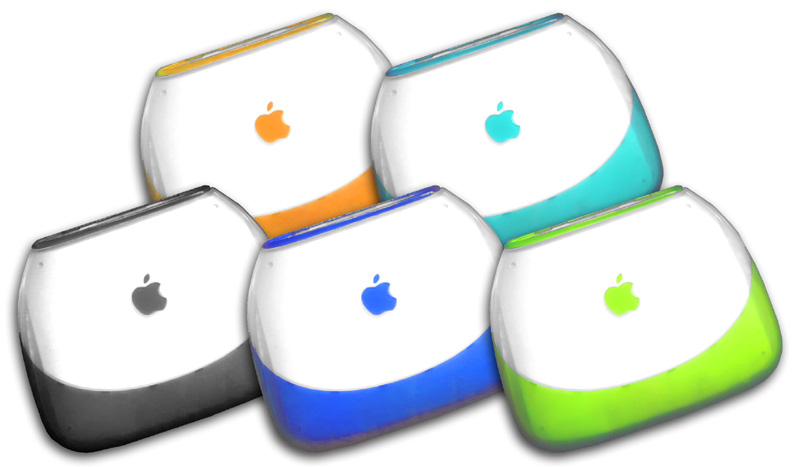
Series of laptops by Apple Computer
| Field | Value | ||
|---|---|---|---|
| name | iBook | ||
| developer | Apple Computer | ||
| type | Laptop | ||
| family | Mac | ||
| discontinued | May 16, 2006 | ||
| display | TFT LCD | ||
| release_date | |||
| os | {{Plainlist | ||
| cpu | {{Plainlist | ||
| successor | MacBook | ||
| CPUspeed | 300 MHz – 1.42 GHz | ||
| related | {{Flatlist | ||
| image | IBookG3 Palourde2.png | ||
| caption | The first-generation iBook G3 "Clamshell" in Blueberry Color opened and closed. | ||
| logo | [[File:IBook G3 wordmark.svg | frameless | class=skin-invert]] |
| website | at the | ||
| Wayback Machine (archived | |||
| October 1, 1999) |
- Classic Mac OS
- Mac OS X
- PowerPC G3
- PowerPC G4
- PowerBook
- iMac Wayback Machine (archived October 1, 1999)
iBook is a line of laptop computers designed, manufactured, and sold by Apple Computer from 1999 to 2006. The line targeted entry-level, consumer and education markets, with lower specifications and prices than the PowerBook, Apple's higher-end line of laptop computers. It was the first mass consumer product to offer Wi-Fi network connectivity, which was then branded by Apple as AirPort.
The iBook had three different designs during its lifetime. The first, known as the "Clamshell", was inspired by the design of Apple's popular iMac line at the time. It was a significant departure from previous portable computer designs due to its shape, bright colors, incorporation of a handle into the casing, lack of a display closing latch, lack of a hinged cover over the external ports and built-in wireless networking. Two years later, the second generation abandoned the original form factor in favor of a more conventional, rectangular design. In October 2003, the third generation was introduced, adding a PowerPC G4 chip, USB 2.0 and a slot-loading drive. iBooks were very popular in education, with Henrico County Public Schools being the first of many school systems in the United States to distribute one to every student.
Apple replaced the iBook line with the MacBook in May 2006 during the Mac transition to Intel processors.
iBook G3 ("Clamshell"; 1999-2001)
iBook G3 ("Clamshell"){{Infobox information appliance
- iMac G3
- Power Mac G3
- PowerBook G3
In the late 1990s, Apple was trimming its product line from the large number of intersecting Performa, Quadra, LC, Power Macintosh and PowerBook models to a simplified "four box" strategy: desktop and portable computers, each in both consumer and professional models. Three boxes of this strategy were already in place: The newly introduced iMac was the consumer desktop, the Power Macintosh G3 filled the professional desktop box, and the PowerBook G3 line served as the professional portable line. This left only the consumer portable space empty, leading to much rumor on the Internet of potential designs and features. Putting an end to this speculation, on July 21, 1999, Steve Jobs unveiled the iBook G3 during the keynote presentation of Macworld Conference & Expo, New York City.
Like the iMac, the iBook G3 had a PowerPC G3 CPU, and no legacy Apple interfaces. USB, Ethernet, modem ports and an optical drive were standard. The ports were left uncovered along the left side, as a cover was thought to be fragile and unnecessary with the iBook's new interfaces, which lacked the exposed pins of earlier connectors. Featuring a clamshell design, when the lid was closed, the hinge kept it firmly shut, so there was no need for a latch on the screen. The hinge included an integrated carrying handle. Additional power connectors on the bottom surface allowed multiple iBook G3s to be charged on a custom-made rack. The iBook G3 was the first Mac to use Apple's new "Unified Logic Board Architecture", which condensed all of the machine's core features into two chips, and added AGP and Ultra DMA support.
The iBook was the first mainstream computer designed and sold with integrated wireless networking. On the iBook's introduction, Phil Schiller, Apple's VP of Marketing, held an iBook while jumping off a height as data from the computer was transferred to another in order to demonstrate the wireless networking capability. The display bezel contained the wireless antenna, which attached to an optional internal wireless card. Lucent Technologies helped create this wireless capability which established the industry standard. Apple released the AirPort Wireless Base Station at the same time.
There was heated debate over many things such as the aesthetics, features, weight, performance and pricing. To provide sufficient impact protection, the iBook was larger and heftier than the PowerBook of the time, and yet had lower specifications. Standard features like PC card slots were absent, and so were speculated features such as touch screens and an ultra-long battery life. The iBook gained the label "Barbie's toilet seat", due to the distinctive design. Nevertheless, this same design made the iBook G3 unmistakable in movies and television shows.
The iBook was a commercial success. The line continually received processor, memory, and hard disk upgrades. FireWire and video out were later added alongside colors Indigo and Key Lime. The design was discontinued in May 2001, in favor of the new "Dual USB" iBooks.
Design
The design was clearly influenced by Apple's consumer desktop, the iMac. In fact, one of the marketing slogans for the iBook was "iMac to go." The clamshell design also echoed the eMate 300. Apple continued its trend of using transparent colored plastics for the shell, and released the iBook clamshell series in several colors, starting with Blueberry and Tangerine, later adding Indigo, Graphite and Key Lime colors when the iBook line was refreshed. However, unlike the iMac, the iBook did not feature pinstripes. Steve Jobs announced that the Key Lime color, "a little less conservative, a little more fun", was exclusive to the online Apple Store. This resulted in some crowd members booing, to which Jobs replied: "Don't you like buying on the Apple Online Store?"
Compared to follow-up iBook and PowerBook notebook computers, the Clamshell iBook proved to be the more reliable model. The original iBook is on exhibition at the London Design Museum and the Yale University Art Gallery. Vestiges of design ideas first adopted in the iBook G3 can still be seen today: moving interface ports from the back to the sides and leaving them uncovered, omitting a latch for the computer's lid, and providing multiple color options.
Technical specifications
| Model | Original | SE (Special Edition) | FireWire | FireWire SE | Timetable | Released | Discontinued | Color(s) | Ordering info. | Order number | Model identifier | Model number | Performance | Processor | PowerPC G3 (750) | PowerPC G3 (750CXe) | Clock speed | Cache | Front side bus | Memory | Video | Display | Graphics | Storage | Hard drive | Optical drive | |||||||||||
|---|---|---|---|---|---|---|---|---|---|---|---|---|---|---|---|---|---|---|---|---|---|---|---|---|---|---|---|---|---|---|---|---|---|---|---|---|---|
| Tray loading | Connections | Connectivity | Peripherals | Video out | Battery | Operating system | Original | Maximum | Dimensions | Weight | Volume | ||||||||||||||||||||||||||
| July 21, 1999 | February 16, 2000 | September 13, 2000 | |||||||||||||||||||||||||||||||||||
| February 16, 2000 | September 13, 2000 | May 1, 2001 | |||||||||||||||||||||||||||||||||||
| Blueberry | |||||||||||||||||||||||||||||||||||||
| Tangerine | Graphite | Indigo | |||||||||||||||||||||||||||||||||||
| Key Lime () | Graphite | ||||||||||||||||||||||||||||||||||||
| Key Lime () | |||||||||||||||||||||||||||||||||||||
| M7707 (Blueberry) or M7619 (Tangerine) | M7717 (Blueberry) or M7718 (Tangerine) | M7716 | M7721 (Indigo) or M7722 (Key Lime) | M7720 (Graphite) or M8245 (Key Lime) | |||||||||||||||||||||||||||||||||
| PowerBook 2,1 | PowerBook 2,2 | ||||||||||||||||||||||||||||||||||||
| M2453 (EMC 1847) | M6411 (EMC N/A) | ||||||||||||||||||||||||||||||||||||
| 300 MHz | 366 MHz | 466 MHz | |||||||||||||||||||||||||||||||||||
| 64 KB L1, 512 KB L2 backside cache (1:2) | 64 KB L1, 256 KB L2 cache (1:1) | ||||||||||||||||||||||||||||||||||||
| 66 MHz | |||||||||||||||||||||||||||||||||||||
| 32 MB of PC66 SDRAM (soldered to the logic board) | |||||||||||||||||||||||||||||||||||||
| 64 MB of PC66 SDRAM (soldered to the logic board) | |||||||||||||||||||||||||||||||||||||
| 64 MB of PC100 SDRAM (soldered to the logic board) | |||||||||||||||||||||||||||||||||||||
| 12" active-matrix TFT display, 800×600 pixel resolution | |||||||||||||||||||||||||||||||||||||
| ATI Rage with 4 MB of SDRAM | ATI Rage 128 with 8 MB of SDRAM | ||||||||||||||||||||||||||||||||||||
| AGP 2x | |||||||||||||||||||||||||||||||||||||
| 3.2 GB or 6 GB ATA | 6 GB ATA | 10 GB ATA | |||||||||||||||||||||||||||||||||||
| 24× CD-ROM | 4× DVD-ROM | ||||||||||||||||||||||||||||||||||||
| 10/100 BASE-T Ethernet | |||||||||||||||||||||||||||||||||||||
| 56k V.90 modem | |||||||||||||||||||||||||||||||||||||
| 1x USB 1.1 | |||||||||||||||||||||||||||||||||||||
| Audio out mini-jack | 1x USB 1.1 | ||||||||||||||||||||||||||||||||||||
| Audio out mini-jack | |||||||||||||||||||||||||||||||||||||
| 1x FireWire 400 | |||||||||||||||||||||||||||||||||||||
| colspan=3 | Composite video out | ||||||||||||||||||||||||||||||||||||
| 45-watt-hour removable lithium-ion | |||||||||||||||||||||||||||||||||||||
| Mac OS 8.6 | Mac OS 9.0.2 | Mac OS 9.0.4 | |||||||||||||||||||||||||||||||||||
| Mac OS X 10.3.9 "Panther" and Mac OS 9.2.2 | |||||||||||||||||||||||||||||||||||||
| Mac OS X 10.4.11 "Tiger" and Mac OS 9.2.2 | |||||||||||||||||||||||||||||||||||||
| 6.7 lbs / 3.0 kg | |||||||||||||||||||||||||||||||||||||
| 1.8×13.5×11.6 in / 4.6 x 34.3 x 29.5 cm |
Expandability and upgrades
The original iBook's only customer-serviceable parts were the RAM and AirPort card, accessed via two slots under the keyboard. No other modifications were possible in-warranty. There was no PCMCIA port for additional expansion capabilities. 40 screws needed to be removed to access the hard drive. The optical drive, however, can be accessed far more easily, requiring only 11 screws and one standoff to be removed. Later on, some users transplanted a 1024×768 LCD from the more recent white iBook into a clamshell iBook. This is only possible with the "FireWire" and "FireWire SE" models, as they have 8 MB of video RAM; the older ones only have 4 MB.
All clamshell iBooks shipped with Mac OS 8.6 or 9.0. All clamshell iBooks supported Mac OS X 10.0 through 10.3.9. Mac OS X Tiger (v10.4) can also be installed.
iBook G3 Dual USB ("Snow"; 2001-2003)
- iMac G4
- Power Mac G4
- PowerBook G4
iBook G3 Dual USB ("Snow")
Apple debuted the next-generation iBook G3 at a press conference in Cupertino, California, on May 1, 2001. The previous bold colors and bulky form-factor were abandoned, as were the handle, latch-less design and additional power connectors on the bottom surface.
The resulting iBook was available in white only, hence the name "Snow" and incorporated transparent polycarbonate in its casing. It was 30% lighter, and occupied less than half of the volume of the model it replaced, being smaller in all three dimensions. Despite that, it added an extra USB port and a higher resolution screen. Apple claimed the compact design did not sacrifice durability, saying it was "Twice as durable" as the previous model. This is the model seen in the first iPod commercial.
With this revision, Apple began transitioning to translucent and white polycarbonate casings in most of its consumer line, such as the iMac and the eMac. In contrast, most of its professional products used an anodized aluminium finish. Near the end of its run, the Snow iBook G3 case became opaque and white instead of translucent white and magnesium.
Technical specifications
| Model | Mid 2001 | Late 2001 | Early 2002 | Mid 2002 | Late 2002 | Early 2003 | Timetable | Released | Discontinued | Color | Ordering info. | Model identifier | Model number | Order number | Performance | Processor | PowerPC G3 (750cxe) | PowerPC G3 (750cx) | PowerPC G3 (745/755) | PowerPC G3 (750fx) | Clock speed | Cache | Front side bus | Memory | Video | Display | Graphics | Storage | Hard drive | Optical drive | ||||||||||
|---|---|---|---|---|---|---|---|---|---|---|---|---|---|---|---|---|---|---|---|---|---|---|---|---|---|---|---|---|---|---|---|---|---|---|---|---|---|---|---|---|
| Tray-loading | Connections | Connectivity | Peripherals | Video out | Operating system | Original | Maximum | Dimensions | Weight | Volume | ||||||||||||||||||||||||||||||
| May 1, 2001 | October 16, 2001 | January 7, 2002 | May 20, 2002 | November 6, 2002 | April 22, 2003 | |||||||||||||||||||||||||||||||||||
| October 16, 2001 | May 20, 2002 | January 7, 2002 | May 20, 2002 | November 6, 2002 | April 22, 2003 | October 22, 2003 | ||||||||||||||||||||||||||||||||||
| Translucent White | Opaque White | Translucent White | Opaque White | |||||||||||||||||||||||||||||||||||||
| PowerBook 4,1 | PowerBook 4,2 | PowerBook 4,3 | ||||||||||||||||||||||||||||||||||||||
| M6497 (EMC 1875) | M8413 | A1005 (EMC 1916) | A1007 (EMC 1924) | A1005 (EMC 1916) | A1007 (EMC 1924) | A1005 (EMC 1916C) | A1007 (EMC 1924) | |||||||||||||||||||||||||||||||||
| M7698 | M7692 | M7699 | M8520 | M8597 | M8598 | M8599 | M7701 | M8600 | M8602 | M8603 | M8860 | M8861 | M8862 | M8758 | M9018 | M9009 | ||||||||||||||||||||||||
| 500 MHz | 600 MHz | 700 MHz | 800 MHz | 900 MHz | ||||||||||||||||||||||||||||||||||||
| 64 KB L1, 256 KB L2 cache (1:1) | 64 KB L1, 512 KB L2 cache (1:1) | |||||||||||||||||||||||||||||||||||||||
| 66 MHz | 100 MHz | |||||||||||||||||||||||||||||||||||||||
| 64 MB of PC100 SDRAM (soldered to the logic board) | ||||||||||||||||||||||||||||||||||||||||
| ** | 128 MB of PC100 SDRAM (soldered to the logic board) | |||||||||||||||||||||||||||||||||||||||
| ** | 128 MB of PC100 SDRAM (soldered to the logic board) (12") | |||||||||||||||||||||||||||||||||||||||
| 256 MB of PC100 SDRAM (128 MB soldered to the logic board) (14") | ||||||||||||||||||||||||||||||||||||||||
| ** | ||||||||||||||||||||||||||||||||||||||||
| 12.1" | 14.1" | 12.1" | 14.1" | 12.1" | 14.1" | |||||||||||||||||||||||||||||||||||
| TFT XGA active matrix display, 1024×768 pixel resolution | ||||||||||||||||||||||||||||||||||||||||
| ATI Rage 128 with 8 MB of SDRAM | ||||||||||||||||||||||||||||||||||||||||
| AGP 2x | ATI Radeon with 16 MB of SDRAM | |||||||||||||||||||||||||||||||||||||||
| AGP 2x | ATI Radeon 7500 with 16 MB SDRAM | |||||||||||||||||||||||||||||||||||||||
| AGP 2x | ATI Radeon 7500 with 32 MB SDRAM | |||||||||||||||||||||||||||||||||||||||
| AGP 2x | ||||||||||||||||||||||||||||||||||||||||
| 10 GB | ||||||||||||||||||||||||||||||||||||||||
| Ultra/ATA | 15 GB or 20 GB | |||||||||||||||||||||||||||||||||||||||
| Ultra/ATA | 15 GB | |||||||||||||||||||||||||||||||||||||||
| Ultra/ATA | 20 GB | |||||||||||||||||||||||||||||||||||||||
| Ultra/ATA | 20 GB | |||||||||||||||||||||||||||||||||||||||
| Ultra/ATA | 30 GB | |||||||||||||||||||||||||||||||||||||||
| Ultra/ATA | 20 GB | |||||||||||||||||||||||||||||||||||||||
| Ultra/ATA | 30 GB | |||||||||||||||||||||||||||||||||||||||
| Ultra/ATA | 40 GB | |||||||||||||||||||||||||||||||||||||||
| Ultra/ATA | ||||||||||||||||||||||||||||||||||||||||
| CD-ROM | DVD-ROM | CD-RW | Combo drive | CD-ROM | DVD-ROM | Combo drive | CD-ROM | Combo drive | CD-ROM | Combo drive | CD-ROM | Combo drive | ||||||||||||||||||||||||||||
| 10/100 BASE-T Ethernet | ||||||||||||||||||||||||||||||||||||||||
| 56k V.90 modem | ||||||||||||||||||||||||||||||||||||||||
| 2x USB 1.1 | ||||||||||||||||||||||||||||||||||||||||
| 1x FireWire 400 | ||||||||||||||||||||||||||||||||||||||||
| Audio out mini-jack | ||||||||||||||||||||||||||||||||||||||||
| A/V Port (VGA, composite video/sound) via adaptors | Mini-VGA (VGA, composite and S-Video) via adaptors | |||||||||||||||||||||||||||||||||||||||
| Mac OS 9.1 | Mac OS 9.2.1 / Mac OS X 10.1 | Mac OS 9.2.2 / Mac OS X 10.1.4 | Mac OS 9.2.2 / Mac OS X 10.1.5 | Mac OS 9.2.2 / Mac OS X 10.2.4 "Jaguar" | ||||||||||||||||||||||||||||||||||||
| Mac OS X 10.4.11 "Tiger" and Mac OS 9.2.2 | ||||||||||||||||||||||||||||||||||||||||
| 4.9 lbs / 2.2 kg | 5.9 lbs / 2.7 kg | 4.9 lbs / 2.2 kg (12") | ||||||||||||||||||||||||||||||||||||||
| 5.9 lbs / 2.7 kg (14") | ||||||||||||||||||||||||||||||||||||||||
| 1.35 x 11.2 x 9.6 inches / 3.4 x 28.5 x 23.0 cm | 1.35 x 12.7 x 10.2 inches / 3.4 x 32.3 x 25.9 cm | 1.35 x 11.2 x 9.6 inches / 3.4 x 28.5 x 23.0 cm (12") | ||||||||||||||||||||||||||||||||||||||
| 1.35 x 12.7 x 10.2 inches / 3.4 x 32.3 x 25.9 cm (14") |
iBook G4 (2003-2006)
- iMac G5
- Power Mac G5
- PowerBook G4
iBook G4
Apple added a PowerPC G4 chip to the iBook Snow design on October 22, 2003, finally ending Apple's use of the PowerPC G3 chip. A slot-loading optical drive replaced the disc tray. The iBook G4 notebook also features an opaque white case finish and keyboard and a plastic display hinge. This is also the last iBook laptop released before MacBooks replaced the iBook line in 2006.
Technical specifications
| Model | Late 2003 | Early 2004 | Late 2004 | Mid 2005 | Timetable | Released | Discontinued | Color | Ordering info. | Order number | Model identifier | Model number | Performance | Processor | PowerPC G4 (7457) | PowerPC G4 (7447A) | Clock speed | Cache | Front side bus | Memory | Video | Display | Graphics | Storage | Hard drive | Optical drive | ||||||||||
|---|---|---|---|---|---|---|---|---|---|---|---|---|---|---|---|---|---|---|---|---|---|---|---|---|---|---|---|---|---|---|---|---|---|---|---|---|
| Slot-loading | Connections | Connectivity | Peripherals | Video out | Operating system | Original | Maximum | Dimensions | Weight | Volume | ||||||||||||||||||||||||||
| October 22, 2003 | April 19, 2004 | October 19, 2004 | July 26, 2005 | |||||||||||||||||||||||||||||||||
| April 19, 2004 | October 19, 2004 | July 26, 2005 | May 16, 2006 | |||||||||||||||||||||||||||||||||
| Opaque White | ||||||||||||||||||||||||||||||||||||
| M9164 | M9388 | M9165 | M9426 | M9418 | M9419 | M9623 | M9627 | M9628 | M9846 | M9848 | ||||||||||||||||||||||||||
| PowerBook 6,3 | PowerBook 6,5 | PowerBook 6,7 | ||||||||||||||||||||||||||||||||||
| A1054 | A1055 | A1054 | A1055 | A1054 | A1055 | A1133 | A1134 | |||||||||||||||||||||||||||||
| 800 MHz | 933 MHz | 1 GHz | 1.07 GHz | 1.2 GHz | 1.33 GHz | 1.42 GHz | ||||||||||||||||||||||||||||||
| 64 KB L1, 256 KB L2 cache (1:1) | 64 KB L1, 512 KB L2 cache (1:1) | |||||||||||||||||||||||||||||||||||
| 133 MHz | 142 MHz | |||||||||||||||||||||||||||||||||||
| 256 MB of 266 MHz PC2100 DDR SDRAM (128 soldered to logic board) | ||||||||||||||||||||||||||||||||||||
| 256 MB of 266 MHz PC2100 DDR SDRAM (soldered to logic board) | ||||||||||||||||||||||||||||||||||||
| 512 MB of 333 MHz PC2700 DDR SDRAM (soldered to logic board) | ||||||||||||||||||||||||||||||||||||
| 12.1" | 14.1" | 12.1" | 14.1" | 12.1" | 14.1" | 12.1" | 14.1" | |||||||||||||||||||||||||||||
| TFT XGA active matrix display, 1024×768 pixel resolution | ||||||||||||||||||||||||||||||||||||
| ATI Radeon 9200 with 32 MB of SDRAM | ATI Radeon 9550 with 32 MB of SDRAM | |||||||||||||||||||||||||||||||||||
| AGP 4x | ||||||||||||||||||||||||||||||||||||
| 30 GB 4200-rpm Ultra/ATA 100 | 40 GB 4200-rpm Ultra/ATA 100 | 60 GB 4200-rpm Ultra/ATA 100 | 30 GB 4200-rpm Ultra/ATA 100 | 40 GB 4200-rpm Ultra/ATA 100 | 60 GB 4200-rpm Ultra/ATA 100 | 30 GB 4200-rpm Ultra/ATA 100 | 60 GB 4200-rpm Ultra/ATA 100 | 40 GB 4200-rpm Ultra/ATA 100 | 60 GB 4200-rpm Ultra/ATA 100 | |||||||||||||||||||||||||||
| DVD-ROM/CD-RW Combo Drive | DVD-ROM/CD-RW Combo Drive | |||||||||||||||||||||||||||||||||||
| ** | DVD-RW SuperDrive | DVD-ROM/CD-RW Combo Drive | ||||||||||||||||||||||||||||||||||
| ** | DVD-RW SuperDrive | |||||||||||||||||||||||||||||||||||
| 10/100BASE-T Ethernet | ||||||||||||||||||||||||||||||||||||
| 56k v.92 modem | ||||||||||||||||||||||||||||||||||||
| 10/100BASE-T Ethernet | ||||||||||||||||||||||||||||||||||||
| 56k v.92 modem | ||||||||||||||||||||||||||||||||||||
| Integrated AirPort Extreme 802.11b/g | ||||||||||||||||||||||||||||||||||||
| 10/100BASE-T Ethernet | ||||||||||||||||||||||||||||||||||||
| 56k v.92 modem | ||||||||||||||||||||||||||||||||||||
| Integrated AirPort Extreme 802.11b/g | ||||||||||||||||||||||||||||||||||||
| Integrated Bluetooth 2.0+EDR | ||||||||||||||||||||||||||||||||||||
| 2x USB 2.0 | ||||||||||||||||||||||||||||||||||||
| 1x FireWire 400 | ||||||||||||||||||||||||||||||||||||
| Audio out mini-jack | ||||||||||||||||||||||||||||||||||||
| Mini-VGA (VGA, composite and S-Video) via adaptors | ||||||||||||||||||||||||||||||||||||
| Mac OS X 10.3 "Panther" | Mac OS X 10.4 "Tiger" | |||||||||||||||||||||||||||||||||||
| Mac OS X 10.4.11 "Tiger" | ||||||||||||||||||||||||||||||||||||
| Mac OS X 10.5.8 "Leopard" | Mac OS X 10.5.8 "Leopard" | |||||||||||||||||||||||||||||||||||
| 4.9 lbs / 2.2 kg | 5.9 lbs / 2.7 kg | 4.9 lbs / 2.2 kg | 5.9 lbs / 2.7 kg | 4.9 lbs / 2.2 kg | 5.9 lbs / 2.7 kg | 4.9 lbs / 2.2 kg | 5.9 lbs / 2.7 kg | |||||||||||||||||||||||||||||
| 1.35 x 11.2 x 9.1 inches / 3.4 x 28.4 x 23.1 cm | 1.35 x 12.7 x 10.2 inches / 3.4 x 32.3 x 25.9 cm | 1.35 x 11.2 x 9.1 inches / 3.4 x 28.4 x 23.1 cm | 1.35 x 12.7 x 10.2 inches / 3.4 x 32.3 x 25.9 cm | 1.35 x 11.2 x 9.1 inches / 3.4 x 28.4 x 23.1 cm | 1.35 x 12.7 x 10.2 inches / 3.4 x 32.3 x 25.9 cm | 1.35 x 11.2 x 9.1 inches / 3.4 x 28.4 x 23.1 cm | 1.35 x 12.7 x 10.2 inches / 3.4 x 32.3 x 25.9 cm |
Supported operating systems
| Supported macOS releases | OS release | iBook G3 (Clamshell) | iBook G3 (Snow) | iBook G4 | Mid 1999 | Early 2000 | Late 2000 | Mid 2001 | Late 2001 | Early 2002 | Mid 2002 | Late 2002 | Early 2003 | Late 2003 | Early 2004 | Late 2004 | Mid 2005 | Mac OS 8 | Mac OS 9 | 10.0 Cheetah | 10.1 Puma | 10.2 Jaguar | 10.3 Panther | 10.4 Tiger | 10.5 Leopard |
|---|---|---|---|---|---|---|---|---|---|---|---|---|---|---|---|---|---|---|---|---|---|---|---|---|---|
| Emulation only}} | |||||||||||||||||||||||||
| text=With 512 MB RAM}} |
Expandability and upgrades

The iBook keyboard lifts up, allowing installation of the AirPort (wireless) card and additional memory. This gives the keyboard a "spongy" effect, especially in G3 iBooks with the translucent keyboard. The "sponginess" was corrected in the PowerPC G4 models.
Accessing the hard disk drive is complex and time-consuming, involving partial disassembly of the unit and the removal of over 30 different-sized screws.
The memory in the iBook G4 is covered by a removable AirPort card, and accessible by removing the RAM shield with a Phillips screwdriver. While some of the earlier models (e.g., 800 MHz and 933 MHz) have a specified 640 MB RAM limit, it is possible to have a total of 1.12 GB of RAM installed (128 MB built-in, plus a 1 GB SO-DIMM), or 1.25 or 1.5 GB in the later models with 256 or 512 MB of RAM soldered to the logic board.
Although no longer officially supported by macOS versions beyond those given in the chart above, the system has also been supported via MorphOS (an Amiga compatible OS) since version 3.2.
Notes
- A copy of Marble Blast Gold came preinstalled on a certain version of the iBook G4 as a promotion of the game.
Quality issues
Display issues with the iBook line were caused by a notoriously problematic graphics chip, which could have issues with the heatsink or the BGA soldering work done at the factory. This would manifest in symptoms such as system lockups (as the graphics chip hangs from reaching the thermal limit), or visible graphical artifacts appearing on the screen (from the graphics chip failing).
Apple initiated the "iBook Logic Board Repair Extension Program" in January 2004, which covered the expense of repairing display problems of iBook G3 models for three years. In June 2004, the Repair Extension Program was expanded to cover all White G3 iBooks.
Early models of the iBook G4 also suffered from display problems similar to those of the iBook G3, but were not covered by the repair extension program. Owners of iBooks that required expensive repairs for these problems submitted new class action lawsuits in December 2006.
On May 2, 2007, the Danish Consumer Board published an extensive 3rd party report concerning the Apple iBook G4 logic board issue. A press release referred to the global consequences that this could have for possible guarantee claims.
Some owners of the iBooks that experienced this flaw solved these issues temporarily through applying pressure to the heatsink or graphics chip, using a thin metal shim placed between the heatsink and the graphics chip. This both pushed the heatsink and graphics chip together, bridging the thermal gap, and pushing the graphics chip against the motherboard, temporarily reheating the solder beads back together.
Timeline
Notes
References
References
- [https://www.nytimes.com/1999/07/22/business/apple-offers-imac-s-laptop-offspring-the-ibook.html Apple Offers iMac's Laptop Offspring, the iBook] {{Webarchive. link. (February 2, 2017 , ''[[The New York Times]]'', July 22, 1999)
- link. (February 2, 2017 , ''[[The New York Times]]'', November 25, 1999)
- [http://mac.blorge.com/2012/01/23/wi-fi-apple-to-leap-ahead-again/ Wi-Fi: Apple to leap ahead again – MAC.BLORGE] {{Webarchive. link. (January 28, 2012)
- Henry Norr. (October 21, 1999). "Checking Out Apple's New iBook / Apple's new laptop is a pleasure to use but not made for travel". SFGate.
- "The Mac Observer-Hey Apple? Can You Make My iBook Charcoal Gray?". Macobserver.com.
- (May 17, 2001). "REVIEW / iBook looks less different / This time, internal features distinguish Apple's notebook – SFGate". Articles.sfgate.com.
- (October 13, 2006). "Apple's Climb Back to Success, 1999 to 2001". Lowendmac.com.
- (September 13, 2000). "Steve Jobs introduces OS X Beta & new iBooks – Apple Paris Expo (2000)".
- (January 3, 2006). "MacInTouch Special Reports: iBook and PowerBook Reliability". Macintouch.com.
- (November 12, 2014). "iBook 1999 + PowerMacG4 – Design, Architecture and Fashion – Design Museum London". Designmuseum.org.
- link. (May 22, 2012)
- "A vast reference for e.g. model number, order number and specific information for 'every Macintosh'". EveryMac.com.
- [http://community.livejournal.com/ibookmod The iBook Modification Project] {{Webarchive. link. (July 12, 2009 . Accessed on March 25, 2009)
- "iBook G3/500 (Dual USB - Tr) Specs (Dual USB, M7698LL/A*, PowerBook4,1, M6497, 1875)".
- "iBook G4/800 12-Inch (Original - Op) Specs (iBook G4, M9164LL/A, PowerBook6,3, A1054, N/A)".
- Mac OS X Leopard is the final release to support PowerPC Macs.
- (May 22, 2009). "iBook G4 12" 800 MHz-1.2 GHz Hard Drive Replacement".
- (November 15, 2009). "SOLVED: iBook Freezes – iBook G4 12" 800 MHz-1.2 GHz".
- "— ''Expanded iBook Logic Board Repair Extension Program'' FAQ". Apple.com.
- "— ''Expanded iBook Logic Board Repair Extension Program'' FAQ". Apple.com.
- ''iBook Logic Board Repair Extension Program Expanded to All White G3 iBooks'', announcement dated late June 2004, found in web archives of Apple support forums.
- (March 28, 2008). "How to fix a broken G4 iBook logic board problem".
- "iBook G4 Logic Board issue report made under the authority of the Danish Consumer Board".
- "Danes prove Apple iBook G4 has a defect". [[The Inquirer]].
- "Press release about the iBook G4 logic board issue made by the Danish Consumer Board".
- "iBook G3 and G4 logic board problems technical aspect {{!}} Applefritter".
This article was imported from Wikipedia and is available under the Creative Commons Attribution-ShareAlike 4.0 License. Content has been adapted to SurfDoc format. Original contributors can be found on the article history page.
Ask Mako anything about IBook — get instant answers, deeper analysis, and related topics.
Research with MakoFree with your Surf account
Create a free account to save articles, ask Mako questions, and organize your research.
Sign up freeThis content may have been generated or modified by AI. CloudSurf Software LLC is not responsible for the accuracy, completeness, or reliability of AI-generated content. Always verify important information from primary sources.
Report