From Surf Wiki (app.surf) — the open knowledge base
History of Ipswich Town F.C.
History of an English football club

History of an English football club
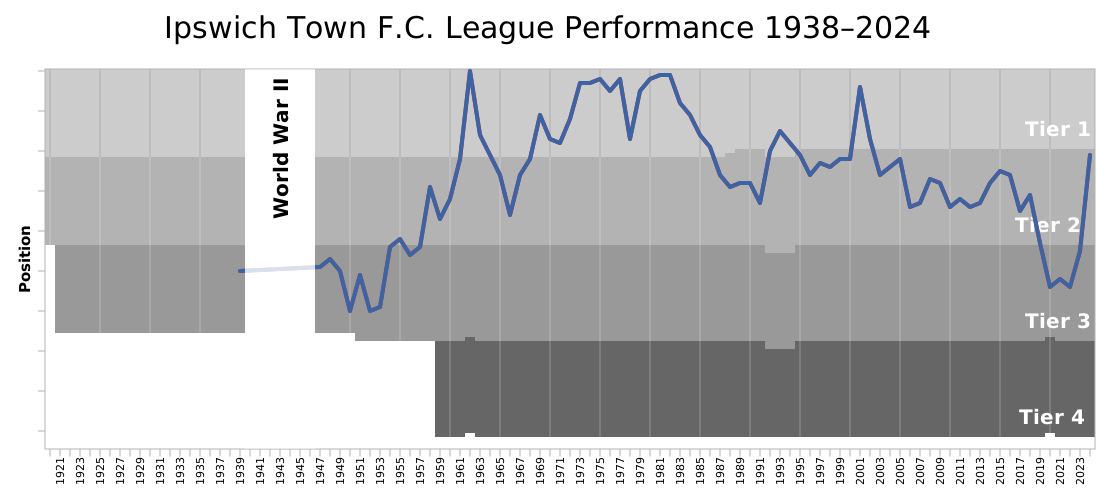
Ipswich Town Football Club is an English association football club based in Ipswich, Suffolk, which was formed in 1878. The side played amateur football until 1936 when the club turned professional and was elected to the Southern League. Ipswich Town were elected into the Third Division South of the Football League in place of Gillingham on 30 May 1938.
The club experienced league success during the early 1960s under the guidance of Alf Ramsey, winning the First Division title in 1961–62, one season after winning promotion from the Second Division. Two decades later, under the guidance of Bobby Robson, the club achieved success both in the FA Cup in 1978 and in European competition, winning the UEFA Cup in 1981.
Success at Ipswich for Ramsey and Robson led to both men managing the England national football team. Under Ramsey, England won the World Cup in 1966, and Robson led the team to fourth place at the 1990 World Cup.
Foundation to professionalism: 1878–1936

The club was founded on 16 October 1878 as an amateur side known as Ipswich AFC, under the presidency of local MP Thomas Cobbold who had played football at Charterhouse School.{{Cite web | archive-url = https://web.archive.org/web/20120207091151/http://www.cobboldfht.com/features/feature1.php | archive-date = 7 February 2012 | access-date =4 February 2013 | access-date =4 February 2008 | archive-url = https://web.archive.org/web/20080417055634/http://www.tmwmtt.com/history/timeline-1870.htm| archive-date = 17 April 2008}} Ipswich recorded their biggest ever victory during the 1880–81 season, a 15–0 defeat of East Stamford with one player, John Knights, registering a treble hat trick; both achievements remain club records. The team moved to Portman Road, the current ground, in 1884, and would share, until 1936, the facilities with the East Suffolk Cricket Club who had played there since 1855.{{Cite web | access-date =4 February 2008 | archive-url = https://web.archive.org/web/20041112085611/http://homepage.ntlworld.com/derek.j.bloomfield/about_us.html| archive-date = 12 November 2004}} The Cobbold family involvement continued when, in 1885, Nathanael Fromanteel Cobbold was elected as a vice-president of the club. Following his sudden death the following year, the position was then held by his nephew John Dupuis Cobbold.
The club won their first trophy in the 1886–87 season, triumphing 2–1 against a team representing Ipswich School in the final of the Suffolk Challenge Cup.{{Cite web | archive-url = https://web.archive.org/web/20110126034157/http://www.tmwmtt.com/history/honours-by-season.htm | archive-date = 26 January 2011 | access-date =4 February 2013 | access-date =26 March 2007 | archive-url = https://web.archive.org/web/20070927082615/http://www.tmwmtt.com/history/timeline-1880.htm| archive-date = 27 September 2007}} In 1890, the club entered the qualifying rounds of the FA Cup for the first time and was knocked out in the final qualifying round by the 93rd Highlanders.{{Cite web | access-date =4 February 2008 | archive-url = https://web.archive.org/web/20080417055652/http://www.tmwmtt.com/history/timeline-1890.htm| archive-date = 17 April 2008}} The club experienced scant success in the Cup during the 1890s but won a number of local cup competitions, including the Suffolk Senior Cup and the Ipswich Charity Cup. In 1903 they also entered a team into the new South East Anglian League and were its inaugural champions. They left the South East Anglian League in 1906, but continued playing in the Norfolk & Suffolk League.
In 1907, Ipswich became founder members of the Southern Amateur League.{{Cite web |access-date=4 February 2008 |url-status=live |archive-url=https://web.archive.org/web/20131029185427/http://www.tmwmtt.com/sql/PottedHistory.htm |archive-date=29 October 2013 }} The club narrowly avoided relegation in many of the following seasons, and suffered a club record 15–1 defeat at the hands of the Corinthians at Portman Road on New Year's Day, 1910. The outbreak of the First World War and the commandeering of Portman Road by the Army curtailed the 1914–15 season and organised football did not return until the 1920–21 season. Just one year later, Ipswich Town became champions of the Southern Amateur League, clinching the title on the last day of the season.{{Cite web | archive-url = https://web.archive.org/web/20090319154930/http://www.salarchives.co.uk/clubipswichtown.asp | archive-date = 19 March 2009 | access-date =20 March 2007 | url-status = usurped
Early Football League: 1936–1955
In 1936, local businessman Leonard P. Thompson threatened to lead a breakaway from the amateur club to create an entirely separate professional club, Ipswich United. John Murray Cobbold, the club President, called together rival factions for a meeting at the Town Hall on 1 May 1936, at which it was agreed that Ipswich Town should turn professional. The club was unanimously elected to the Southern League for the 1936–37 season and former Irish international footballer Mick O'Brien was appointed as the club's first professional manager.{{Cite web | access-date =4 February 2008 | archive-url = https://web.archive.org/web/20070927084216/http://www.tmwmtt.com/history/timeline-1930.htm| archive-date = 27 September 2007}}
The club's first professional game at Portman Road resulted in a 4–1 win against Tunbridge Wells Rangers and the club went on to win the Southern League in their debut season. O'Brien left after just one season following the death of his wife.{{Cite web |access-date=4 February 2008 |url-status=live |archive-url=https://web.archive.org/web/20080305004355/http://www.tmwmtt.com/sql/managers/profile.phtml?&managerid=1 |archive-date= 5 March 2008 }} Ipswich Town were managerless until 10 November 1936 when the club appointed Scott Duncan, who had left recently relegated Manchester United.{{Cite web |access-date=4 February 2008 |url-status=live |archive-url=https://web.archive.org/web/20080305004406/http://www.tmwmtt.com/sql/managers/profile.phtml?&managerid=3 |archive-date= 5 March 2008 }} He led Ipswich to third place in the 1937–38 season.{{Cite web |access-date=12 February 2008 |url-status=live |archive-url=https://web.archive.org/web/20080305004406/http://www.tmwmtt.com/sql/managers/profile.phtml?&managerid=3 |archive-date= 5 March 2008 }}
Ipswich Town were elected to The Football League on 30 May 1938 by a margin of just two votes, at the expense of Gillingham, initially playing in the Third Division South. The club's last competitive match before the league was suspended due to the Second World War was a 1–1 draw with local rivals, Norwich City. Both John Murray Cobbold and director Robert Nevill Cobbold were killed during the war, the position of director being filled by John Cavendish Cobbold in 1948. Despite the interruption due to the war, Duncan managed the club for over 500 games between 1937 and 1955. Following three successive top-eight finishes, the 1949–50 season ended with Ipswich in 17th position in the Third Division South, the club's lowest ever league finish.
.jpg)
During the early 1950s striker Tom Garneys finished as club top-scorer for four seasons in a row, and became the first professional Ipswich player to score four times in a game.{{cite news | access-date =4 February 2008 |access-date = 5 February 2008 |url-status = dead |archive-url = https://web.archive.org/web/20070807083519/http://www.soccerbase.com/results2.sd?teamid=1372 |archive-date = 7 August 2007 |access-date=4 February 2008 |url-status=live |archive-url=https://web.archive.org/web/20080304043352/http://www.tmwmtt.com/sql/managers/profile.phtml?&managerid=4 |archive-date= 4 March 2008 }}{{cite news |access-date=5 February 2008 |work=BBC Sport |archive-url=https://web.archive.org/web/20030118180159/http://news.bbc.co.uk/1/hi/sport/football/332701.stm |archive-date=18 January 2003 }}
Ramsey and champions of England: 1955–69
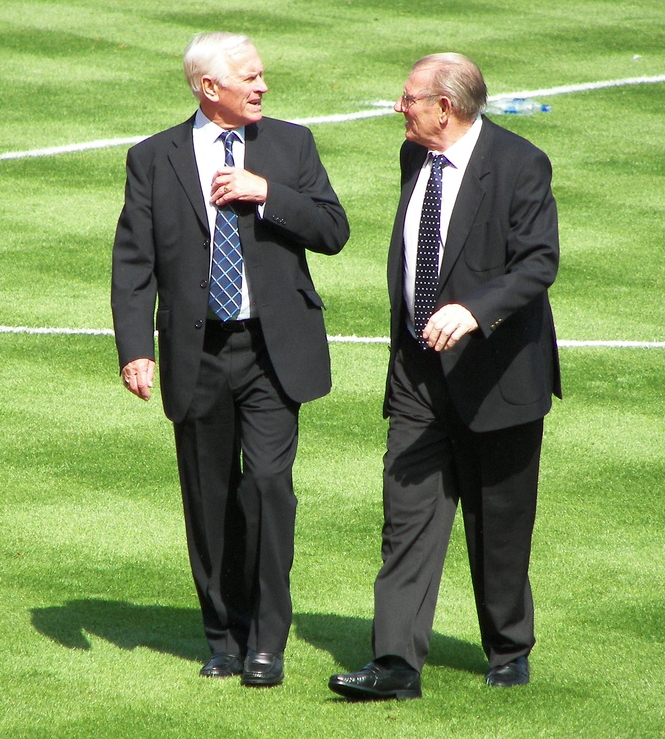
Alf Ramsey's appointment led Billy Wright to comment, "In appointing Alf to become their manager Ipswich Town paid a tremendous tribute to intelligent football – and footballers who think!" In Ramsey's first season at the club, Ipswich scored 106 goals in 46 games and finished third in Division Three (South).{{Cite web |access-date = 11 February 2008 |url-status = dead |archive-url = https://web.archive.org/web/20060523200430/http://www.soccerbase.com/league2.sd?teamid=1372 |archive-date = 23 May 2006 |access-date=6 February 2008 |url-status=live |archive-url=https://web.archive.org/web/20080705200833/http://www.tmwmtt.com/sql/all-time-leading-scorers.phtml |archive-date= 5 July 2008 }} During the same season, Ipswich played under floodlights for the first time, at Coventry City in September 1956. At the end of that season that John Cavendish Cobbold was appointed as the club's chairman. Three seasons of mid-table finishes followed as Ipswich established themselves in the Second Division, along with moderate success in the FA Cup, most notably reaching the fifth round in the 1958–59 season.{{Cite web |access-date=5 February 2008 |url-status=live |archive-url=https://web.archive.org/web/20100414041921/http://www.fchd.info/IPSWICHT.HTM |archive-date=14 April 2010 }}
Ipswich had their most successful season to that point in 1960–61, winning the Second Division and promotion to the top level of English football,{{Cite web |access-date=16 March 2007 |archive-url=https://web.archive.org/web/20051227034454/http://www.itfc.premiumtv.co.uk/page/HistoryDetail/0%2C%2C10272~342496%2C00.html |archive-date=27 December 2005 |url-status=dead |access-date = 5 February 2008 |url-status = dead |archive-url = https://web.archive.org/web/20060523200430/http://www.soccerbase.com/league2.sd?teamid=1372 |archive-date = 23 May 2006 |access-date=5 February 2008 |url-status=live |archive-url=https://web.archive.org/web/20081231122820/http://www.rsssf.com/miscellaneous/beforegboot.html |archive-date=31 December 2008 }} Matt Busby described the title-winners as "... one of the First Division's most attractive sides ...". As English league champions, Ipswich qualified for European football for the first time. They met Maltese side Floriana in the European Cup, defeating them 14–1 on aggregate in the first round before losing to A.C. Milan in the second round; it would be another 11 years before the club would qualify for Europe again. Ramsey quit the club in April 1963 to take charge of the England national football team,{{Cite web |access-date=5 February 2008 |publisher=England Football Online |url-status=live |archive-url=https://web.archive.org/web/20150623020830/http://www.englandfootballonline.com/teammgr/Mgr_Ramsey.html |archive-date=23 June 2015 }} and Ipswich finished only four places above relegation in the 1962–63 season. To commemorate Ramsey's success at the club, a statue of him was unveiled outside Portman Road in 2000 by Ray Crawford.{{Cite web |access-date=4 February 2013 |date=9 April 2010 |url-status=dead |archive-url=https://web.archive.org/web/20130428055537/http://www.ipswich.gov.uk/site/scripts/documents_info.php?documentID=885&pageNumber=19 |archive-date=28 April 2013 }}
Ramsey was replaced by Jackie Milburn, under whose leadership fortunes on the pitch declined. Two years after winning the league title, Ipswich dropped into the Second Division in 1963–64, conceding 121 league goals in 42 games, still the highest number of goals conceded by Ipswich in a season.{{Cite web |access-date = 16 March 2007 |url-status = dead |archive-url = https://web.archive.org/web/20070810123403/http://www.soccerbase.com/league2.sd?competitionid=5&seasonid=93 |archive-date = 10 August 2007 |access-date = 16 March 2007 |url-status = dead |archive-url = https://web.archive.org/web/20080408174323/http://www.soccerbase.com/league2.sd?competitionid=6&seasonid=97 |archive-date = 8 April 2008
Robson and Europe: 1969–82
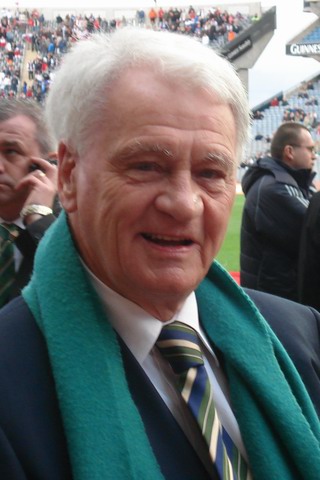
Bobby Robson's appointment followed a chance encounter with Ipswich director Murray Sangster while scouting at Portman Road for Chelsea manager Dave Sexton.{{cite book | chapter-url = https://archive.org/details/farewellbutnotgo0000robs/page/72 |access-date=5 February 2008 |publisher=Pride of Anglia |url-status=live |archive-url=https://web.archive.org/web/20081216093746/http://www.tmwmtt.com/sql/managers/profile.phtml?&managerid=9 |archive-date=16 December 2008 }}
The fourth-place finish meant Ipswich qualified for the 1973–74 UEFA Cup. In the first round, they were drawn against six-time European champions Real Madrid. Following a 1–0 victory at Portman Road, Ipswich needed to defend their slim lead. Ipswich captain Mick Mills was reported in the Spanish press suggesting that "El Real no es invincible" ("Real are not invincible") and a 0–0 draw at the Bernabéu secured Ipswich's shock passage into the second round.{{Cite web | access-date =5 February 2008 |access-date=5 February 2008 |date=1 January 2006 |url-status=dead |archive-url=https://web.archive.org/web/20080219065348/http://www.uefa.com/competitions/uefacup/history/season%3D1973/intro.html |archive-date=19 February 2008 }} The club fell at the quarter-final stage but fourth place in the league enabled Ipswich to return to the tournament in the following season.
In the 1974–75 season, Ipswich finished third in the First Division and were losing semi-finalists in the FA Cup. Suffering from cancer and becoming less able to carry out his duties as chairman, John Cobbold swapped roles with director Patrick Cobbold in 1976. The team challenged Liverpool for the First Division title for much of the 1976–77 season, going top of the table in February 1977 with a 5–0 defeat of Norwich City in the East Anglian derby. Mariner's efforts helped the club to a third-place finish, and the following season, he scored seven goals in the FA Cup as the club won the second major honour in its history, Roger Osborne scoring the winning goal in a 1–0 victory over Arsenal in the FA Cup Final at Wembley Stadium.{{cite news | access-date =5 February 2008 |access-date = 5 February 2008 |url-status = dead |archive-url = https://web.archive.org/web/20060523200430/http://www.soccerbase.com/league2.sd?teamid=1372 |archive-date = 23 May 2006 | access-date = 6 February 2008 | archive-url = https://web.archive.org/web/20141208041435/http://www.thefreelibrary.com/Football%3A+I+know+Toon+can%27t+finish+top..+and+I+pray+Town+beat+the...-a080662576 | archive-date = 8 December 2014 | url-status = live

The club finished second in the league once more and were losing semi-finalists in the FA Cup, but the real success of the season was victory in the UEFA Cup. Beating Michel Platini's AS Saint-Étienne 4–1 at the Stade Geoffroy-Guichard in the quarter-finals and a 2–0 aggregate victory over 1. FC Köln in the semi-final led Ipswich to the club's first European final, played over two legs against AZ 67 Alkmaar. A 3–0 victory at Portman Road was followed by a 4–2 defeat at the Olympic Stadium in Amsterdam, resulting in a 5–4 aggregate victory over the Dutch side.{{Cite web |url-status=dead |archive-url=https://web.archive.org/web/20070320010529/http://www.uefa.com/competitions/uefacup/history/season%3D1980/intro.html |archive-date=20 March 2007 }}
Ipswich therefore began the 1981–82 UEFA Cup campaign as holders, but lost in the first round to Scottish opponents Aberdeen. Domestically, the club had continued success, finishing second in the First Division yet again, this time four points behind Liverpool.{{Cite web |access-date = 6 February 2008 |url-status = dead |archive-url = https://web.archive.org/web/20060523200430/http://www.soccerbase.com/league2.sd?teamid=1372 |archive-date = 23 May 2006
Robson's achievements with Ipswich earned him an offer from the Football Association to become the England national coach; he declined an offer of a ten-year contract extension from Ipswich director Patrick Cobbold.{{cite book |access-date=6 February 2008 |url-status=dead |archive-url=https://web.archive.org/web/20121002115254/http://soccernet.espn.go.com/players/manager?id=31 |archive-date=2 October 2012 |access-date=15 May 2007 |url-status=dead |archive-url=https://web.archive.org/web/20050413054251/http://www.bbc.co.uk/tyne/sport/2005/02/28/bobby_facts.shtml |archive-date=13 April 2005 }} In 2002, in recognition of Robson's achievements with the club, a life-size statue of him was unveiled opposite the Cobbold Stand at Portman Road.{{cite news |url-status=live |archive-url=https://web.archive.org/web/20040702094947/http://news.bbc.co.uk/1/hi/england/2130373.stm |archive-date= 2 July 2004 }} On 7 July 2006, Robson was named as honorary president of Ipswich Town Football Club, the first since Lady Blanche Cobbold who had died in 1987.{{cite news | access-date = 13 May 2007 | archive-date = 13 May 2022 | archive-url = https://web.archive.org/web/20220513060752/http://news.bbc.co.uk/sport1/hi/football/teams/i/ipswich_town/5156006.stm | url-status = live
After Robson: 1982–1995
Bobby Robson was replaced at Ipswich by his chief coach, Bobby Ferguson.{{Cite web |access-date = 6 February 2008 |url-status = dead |archive-url = https://web.archive.org/web/20060523200430/http://www.soccerbase.com/league2.sd?teamid=1372 |archive-date = 23 May 2006 |access-date = 6 February 2008 |url-status = dead |archive-url = https://web.archive.org/web/20060523200430/http://www.soccerbase.com/league2.sd?teamid=1372 |archive-date = 23 May 2006 |access-date=6 February 2008 |publisher=Pride of Anglia |url-status=live |archive-url=https://web.archive.org/web/20080304042556/http://www.tmwmtt.com/sql/managers/profile.phtml?&managerid=10 |archive-date= 4 March 2008 }}
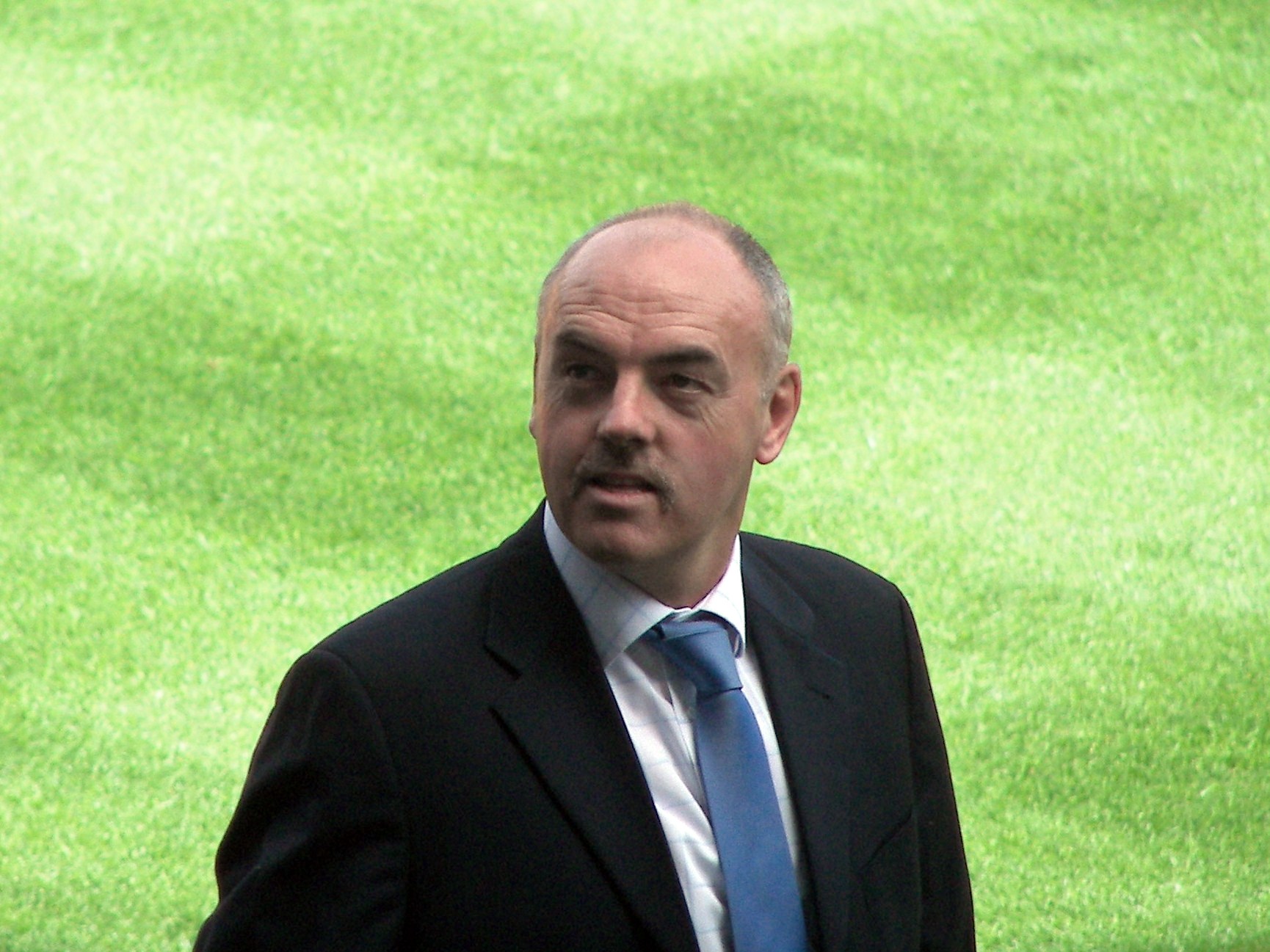
From 1987 to 1990, Ipswich Town were managed by John Duncan, but achieved only mid-table finishes each season with the club gaining a reputation as a "competent Second Division side".{{Cite book |access-date=7 February 2008 |work=The Independent |url-status=dead |archive-url=https://web.archive.org/web/20121021123052/http://www.independent.co.uk/sport/football/premier-league/west-ham-legends-pay-tribute-to-john-lyall-their-greatest-manager-and-a-lasting-influence-474831.html |archive-date=21 October 2012 }} Lyall guided Ipswich to a mid-table finish in the 1990–91 season but a considerable improvement the following season led to winning the Second Division championship. The team was promoted to join the inaugural season of the FA Premier League.{{Cite web |access-date=7 February 2008 |url-status=live |archive-url=https://web.archive.org/web/20121111074944/http://www.bbc.co.uk/suffolk/content/articles/2006/05/05/john_lyall_funeral_feature.shtml |archive-date=11 November 2012 }}
After a good start to the season, Ipswich were in fourth place in the league in January 1993, but a dip in form during the final weeks of the season saw the club finish 16th.{{Cite web |access-date = 7 February 2008 |url-status = dead |archive-url = https://web.archive.org/web/20060523200430/http://www.soccerbase.com/league2.sd?teamid=1372 |archive-date = 23 May 2006 |access-date = 7 February 2008 |url-status = dead |archive-url = https://web.archive.org/web/20060523200430/http://www.soccerbase.com/league2.sd?teamid=1372 |archive-date = 23 May 2006 |access-date=7 February 2008 |date=3 July 2000 |url-status=live |archive-url=https://web.archive.org/web/20160113024726/http://news.bbc.co.uk/sport1/hi/football/teams/i/ipswich_town/815723.stm |archive-date=13 January 2016 }} the biggest margin in a Premiership match.{{Cite web |access-date=4 February 2013 |date=28 August 2011 |url-status=live |archive-url=https://web.archive.org/web/20121105145030/http://www.bbc.co.uk/sport/0/football/14606020 |archive-date= 5 November 2012 }} Relegation was confirmed soon afterwards and Ipswich ended the season having conceded 93 goals in 42 league games.{{Cite web |access-date = 7 February 2008 |url-status = dead |archive-url = https://web.archive.org/web/20060523200430/http://www.soccerbase.com/league2.sd?teamid=1372 |archive-date = 23 May 2006
Europe, administration and Championship regulars: 1995–2018

Having served on the board of directors since 1986, David Sheepshanks was appointed as club chairman in 1995.{{cite news | archive-url = https://archive.today/20130125045851/http://www.highbeam.com/doc/1P2-5156581.html | url-status = dead | archive-date = 25 January 2013 | access-date =13 February 2008 |access-date=4 February 2013 |date=29 May 2000 |work=The Guardian |url-status=live |archive-url=https://web.archive.org/web/20140320014608/http://www.theguardian.com/football/2000/may/29/newsstory.sport13 |archive-date=20 March 2014 }} They beat Barnsley 4–2 securing their return to the Premiership after an absence of five years.{{cite news |access-date=7 February 2008 |date=29 May 2000 |work=BBC News |url-status=live |archive-url=https://web.archive.org/web/20040227203139/http://news.bbc.co.uk/1/hi/sport/football/768682.stm |archive-date=27 February 2004 }}
Ipswich made only one major signing during the off-season, buying Hermann Hreiðarsson from Wimbledon F.C. for a club record £4m two days before the season commenced.{{cite news | access-date =8 February 2008 |url-status=live |archive-url=https://web.archive.org/web/20080127163353/http://news.bbc.co.uk/sport1/hi/football/internationals/7203623.stm |archive-date=27 January 2008 }}
Matteo Sereni and Finidi George arrived before the 2001–02 season to boost the squad for its foray into Europe. The club's league form was poor, and 18 games into the campaign, Ipswich were bottom of the table with just one league victory. However, there was some relief in the UEFA Cup with a victory over Inter Milan 1–0 at home in the third round, despite which the tie was lost over two legs after a 4–1 defeat at the San Siro.{{cite news | access-date = 8 February 2008 | archive-date = 18 December 2020 | archive-url = https://web.archive.org/web/20201218165117/http://news.bbc.co.uk/sport2/hi/football/uefa_cup/1693221.stm | url-status = live | access-date =8 February 2008 |access-date = 8 February 2008 |url-status = dead |archive-url = https://web.archive.org/web/20070807121848/http://www.soccerbase.com/results2.sd?teamid=1372&seasonid=131 |archive-date = 7 August 2007 |access-date=8 February 2008 |date=11 May 2002 |work=BBC News |url-status=live |archive-url=https://web.archive.org/web/20040727124816/http://news.bbc.co.uk/sport1/hi/football/eng_prem/1978521.stm |archive-date=27 July 2004 }} The loss of income due to relegation to the Championship contributed to the club going into financial administration, resulting in the sale of a number of players including Jamie Clapham,{{cite news | archive-url = https://archive.today/20130125065459/http://www.highbeam.com/doc/1P2-1743234.html | url-status = dead | archive-date = 25 January 2013 | access-date =8 February 2008 |access-date=8 February 2008 |work=BBC Sport |archive-url=https://web.archive.org/web/20030401102831/http://news.bbc.co.uk/sport1/hi/football/teams/n/newcastle_united/2882977.stm |archive-date= 1 April 2003 }} and club captain Matt Holland.{{Cite web |archive-url=https://web.archive.org/web/20110525164011/http://soccernet.espn.go.com/columns/story?id=271998&root=england&cc=5739 |archive-date=25 May 2011 }} Ipswich had the consolation of again qualifying for the UEFA Cup, through UEFA's Fair Play system, losing in the second round to Czech side Slovan Liberec.{{cite news | access-date =8 February 2008 | access-date = 8 February 2008 | archive-date = 20 July 2012 | archive-url = https://archive.today/20120720142845/http://www.bbc.co.uk/suffolk/sport/features/football/itfc/burley/burley_facts.shtml | url-status = live
First team coach Tony Mowbray was in charge for four games as caretaker manager, winning once,{{Cite web |access-date=8 February 2008 |url-status=live |archive-url=https://web.archive.org/web/20080304042953/http://www.tmwmtt.com/sql/managers/profile.phtml?&managerid=16 |archive-date= 4 March 2008 }} but he was replaced as manager by the permanent appointment of former Oldham Athletic, Everton and Manchester City manager Joe Royle, whose managerial career had previously yielded four promotions and one FA Cup victory;{{cite news |access-date=8 February 2008 |date=28 October 2002 |work=BBC Sport |url-status=live |archive-url=https://web.archive.org/web/20060303112713/http://news.bbc.co.uk/sport1/hi/football/teams/i/ipswich_town/2363793.stm |archive-date= 3 March 2006 }} as a player, he had been named player of the year in his only full season at Ipswich's local rivals Norwich City.
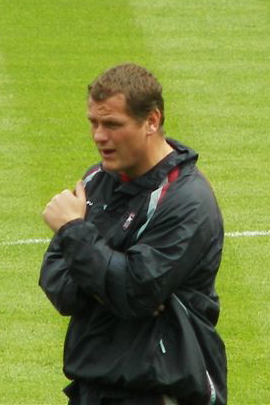
When Royle became Ipswich manager, the club was struggling near the Division One relegation zone, but the change in management sparked a revival and Ipswich narrowly failed to reach the 2002–03 play-offs.{{Cite web |access-date = 8 February 2008 |url-status = dead |archive-url = https://web.archive.org/web/20060523200430/http://www.soccerbase.com/league2.sd?teamid=1372 |archive-date = 23 May 2006 |archive-url=https://web.archive.org/web/20031108171129/http://news.bbc.co.uk/sport1/hi/football/teams/i/ipswich_town/2950192.stm |archive-date= 8 November 2003 }} and continued to challenge for promotion back to the Premier League. Ipswich finished that season in fifth place, but were beaten in the play-off semi finals by West Ham United 2–1 on aggregate.{{cite news |access-date=8 February 2008 |date=18 May 2004 |work=BBC Sport |url-status=live |archive-url=https://web.archive.org/web/20040722062943/http://news.bbc.co.uk/sport1/hi/football/eng_div_1/3713951.stm |archive-date=22 July 2004 }} Ipswich missed automatic promotion in the 2004–05 season, finishing third, only two points behind second-placed Wigan Athletic.{{Cite web |access-date = 8 February 2008 |url-status = dead |archive-url = https://web.archive.org/web/20060523200430/http://www.soccerbase.com/league2.sd?teamid=1372 |archive-date = 23 May 2006 |access-date=8 February 2008 |work=BBC Sport |archive-url=https://web.archive.org/web/20051027064318/http://news.bbc.co.uk/sport1/hi/football/eng_div_1/4537109.stm |archive-date=27 October 2005 }} Although they had been pre-season promotion favourites for the 2005–06 season, Ipswich finished 15th, the club's lowest finish since 1966, and Joe Royle resigned on 11 May 2006.{{Cite web |access-date=5 February 2008 |url-status=live |archive-url=https://web.archive.org/web/20070526140546/http://www.bbc.co.uk/suffolk/content/articles/2006/05/12/itfc_joe_royle_departure_first_feature.shtml |archive-date=26 May 2007 }}
At a press conference held on 5 June 2006, Jim Magilton was officially named as the new manager and former academy director Bryan Klug was appointed as first team coach.{{Cite web |access-date=4 February 2008 |publisher=BBC Suffolk |url-status=live |archive-url=https://web.archive.org/web/20120128124242/http://www.bbc.co.uk/suffolk/content/articles/2006/06/05/jim_magilton_appointed_feature.shtml |archive-date=28 January 2012 }} In Magilton's first season, the club reached a final placing of 14th place in the table.{{Cite web |access-date = 4 February 2008 |url-status = dead |archive-url = https://web.archive.org/web/20060523200430/http://www.soccerbase.com/league2.sd?teamid=1372 |archive-date = 23 May 2006 |access-date=9 January 2008 |author=Brandice Alexander |url-status=live |archive-url=https://web.archive.org/web/20121114051032/http://www.bbc.co.uk/suffolk/content/articles/2007/05/04/itfc_carbon_neutral_feature.shtml |archive-date=14 November 2012 }} In October 2007, Ipswich agreed to sell a £44m stake in the club to British businessman Marcus Evans who became the majority owner and shareholder.{{cite news |access-date=8 February 2008 |date=31 October 2007 |work=BBC Sport |url-status=live |archive-url=https://web.archive.org/web/20160113010744/http://news.bbc.co.uk/sport1/hi/football/teams/i/ipswich_town/7070904.stm |archive-date=13 January 2016 }} 2007–08 brought further progress for Magilton and his side, who finished eighth in the final table. Magilton's team failed to gain promotion or reach the play-offs in the 2008–09 season, and on 22 April 2009 Magilton was sacked. His successor, Roy Keane, was appointed as manager the following day. Sheepshanks stood down as chairman after 14 years on 20 May 2009. Ipswich started the 2009–10 season winless in the league after 14 games and bottom of the Championship, their worst ever start to a league season. Limited success throughout the year saw the club finish 15th in Keane's first full season at the club. Keane's second season at the club started well but by the start of 2011, the club were 19th in the Championship, and he left the club on 7 January 2011. First team coach Ian McParland stood in as caretaker manager for two matches, including a semi-final first leg win in the League Cup against Arsenal, before Paul Jewell took the role on permanently in mid-January 2011. Ipswich finished 13th that season, and 15th the following, Jewell's first full season at the club. The longest-serving members of the Championship, Ipswich were bottom of the league by late October, and Jewell left the club by "mutual consent", leaving Chris Hutchings in a caretaker role. After a single match, Hutchings was replaced by Mick McCarthy on a full-time basis. McCarthy led Ipswich to finish in 14th position that season, and 9th in the following season. Despite losing their final match of the 2014–15 season, Ipswich finished in sixth place and secured a play-off place where they played their local rivals Norwich City, losing 4–2 on aggregate. The following season Ipswich finished just outside the playoff places, in seventh place. The 2016–17 season saw Ipswich finish 16th, their lowest finish since the 1958–59 season. On 29 March 2018, the club announced that Mick McCarthy's contract, which was due to expire at the end of the 2017–18 season, would not be extended. McCarthy announced that he was quitting during the post-match press conference following a 1–0 victory over Barnsley on 10 April 2018. He was replaced until the end of the season by Bryan Klug as a caretaker manager.
Relegation and League One Era: 2018–2022
Paul Hurst was appointed as manager for the start of the 2018–19 season, with the club heralding it as "a new era", but was sacked less than five months later after securing a single victory in fourteen league matches, leaving Ipswich bottom of the Championship. On 27 October 2018, former Norwich City manager Paul Lambert was appointed as the new manager. Winning 3 games in the next 28 resulted in Ipswich being relegated to the third tier of English football for the first time since 1957, with relegation being confirmed following a one-all draw with Birmingham City on 13 April 2019. Ipswich finished their first season in League One in eleventh, with the final standings ultimately being decided by points-per-game due to the season's suspension due to the COVID-19 pandemic. In the 2020–21 season, Ipswich continued to struggle and found themselves in tenth place in January. This prompted local newspaper East Anglian Daily Times to call for Paul Lambert to be sacked as Ipswich manager. Lambert left the club by mutual consent on 28 February 2021.
Former Wigan Athletic manager Paul Cook was appointed as replacement for Lambert and handed a contract until 2023 on 2 March 2021. On 7 April 2021, the club announced that US investment group Gamechanger 20 Limited had purchased a majority stake in the club, with previous owner Marcus Evans remaining as a minority shareholder. Ipswich ended the 2020–21 season in League One in ninth position.
Ipswich continued to stagnate into the 2021–22 season. Following a streak of poor results, Cook was sacked after 9 months in charge on 6 December 2021. It took Ipswich ten days to appoint former Manchester United assistant coach Kieran McKenna. Form considerably improved for the rest of the season, however, it was not enough for Ipswich to push for play-offs. Ipswich finished the season in 11th.
Promotion to the Championship: 2022–present
Ipswich started their fourth season in League One strongly, winning seven of their first ten games, losing just one. Ipswich remained in the top two until the 25th round, where a series of draws pushed them out of the automatic promotion slots into the play-off positions. Ipswich's chances of automatic promotion appeared to fade, but Kieran McKenna managed to guide the team back into second spot with an eighteen-game unbeaten run in the close of the season. Ipswich confirmed their promotion back into the Championship with a 6–0 victory over Exeter on 29 April 2023. Overall, Ipswich scored 101 goals and gained 98 points. -
- A plea from other editors of this article. *
- PLEASE *
- do not be tempted to add the latest result *
- or speculation about a transfer, dismissal *
- etc, to this article. This article is the *
- History of ITFC. Please consider whether *
- what you are adding is HISTORIC (as well *
- as encyclopaedic). Many thanks. * -
--
References
References
- John Eastwood and Tony Moyse, "The Men who made the Town", 1986.
- Having received invitations to join from both the Southern League and the [[Norfolk & Suffolk League]], Ipswich joined the latter in the [[1899–1900 in English football. link. (12 March 2017 Non-League Matters)
- "Pride of Anglia – Ipswich Town Football Club".
- Knight, Brian. (1989). "Plymouth Argyle: A Complete Record 1903–1989". Breedon Books.
- Smailes, Gordon. (2000). "The Breedon Book of Football Records". Breedon Books.
- "Player appearances by season – 1977–78". Pride of Anglia.
- (25 March 2016). "Roger Osborne recalls the day he marked Barcelona's Johan Cruyff out of the game". East Anglian Daily Times.
- This was the season in which three points for league victories was introduced.
- Ferguson made the transition from coach to manager in July 1982, but some success in the various cup competitions was offset by an end to the high league positions the club had enjoyed under Robson. In the three seasons from [[1982–83 in English football. 1982–83]] to [[1984–85 in English football. Second Division]].There were 22 clubs in the division at that time, as shown in the referenced link.
- "Canary centenary". Norwich Evening News.
- "Pride Of Anglia". Plymouth 2 – 1 Ipswich (30 April 2006 match report).
- Brett, Oliver. (4 May 2008). "Ipswich 1–0 Hull City". BBC Sport.
- Rice, Simon. (22 April 2009). "Ipswich sack Jim Magilton". The Independent.
- (23 April 2009). "Keane appointed Ipswich manager". BBC Sport.
- (20 May 2009). "Sheepshanks leaves Ipswich post". BBC Sport.
- (7 January 2010). "Roy Keane leaves role as Ipswich manager". BBC Sport.
- (10 January 2011). "Paul Jewell named as Ipswich Town manager.". BBC Sport.
- "Ipswich Town 2010–2011: Home". statto.com.
- "Ipswich Town 2011–2012: Home". statto.com.
- (24 October 2012). "Paul Jewell leaves as Ipswich Town manager". BBC Sport.
- (1 November 2012). "Mick McCarthy: Ipswich Town appoint ex-Wolves boss". BBC Sport.
- (4 May 2013). "Burnley 2–0 Ipswich". BBC Sport.
- (2 May 2014). "Ipswich 2–1 Sheffield Wednesday". BBC Sport.
- (2 May 2015). "Blackburn 3–2 Ipswich". BBC Sport.
- (7 May 2016). "Derby County 0–1 Ipswich". BBC Sport.
- Watson, Stuart. (7 May 2017). "The Verdict: Worst season in 58 years – and little light at the end of the tunnel for Ipswich Town". East Anglian Daily Times.
- (29 March 2018). "Mick McCarthy: Ipswich Town manager to leave at end of season". [[BBC Sport]].
- (11 April 2018). "Mick McCarthy: Ipswich Town boss announces departure in post-match news conference". [[BBC Sport]].
- Warren, Andy. (11 April 2018). "Klug takes caretaker charge of Ipswich Town after McCarthy's departure". [[East Anglian Daily Times]].
- Watson, Stuart. (25 October 2018). "Paul Hurst sacked as Ipswich Town manager – with Lambert set to take over". [[East Anglian Daily Times]].
- (25 October 2018). "Paul Hurst: Ipswich Town sack manager after less than five months". [[BBC Sport]].
- (27 October 2018). "Paul Lambert: Ipswich Town name ex-Norwich & Aston Villa boss as manager". BBC Sport.
- (13 April 2019). "Ipswich Town 1–1 Birmingham City: Tractor Boys relegated to League One". BBC Sport.
- (9 June 2020). "League One: Coventry champions, Tranmere relegated as clubs vote for season to end". [[Sky Sports]].
- Jones, Brad. (24 January 2021). "EADT and Ipswich Star call for Ipswich boss Paul Lambert to go".
- Doyle, Paul. (28 February 2021). "Paul Lambert leaves post as Ipswich manager as takeover moves closer". [[The Guardian]].
- (2 March 2021). "Welcome Paul Cook". [[Ipswich Town F.C.]].
- (7 April 2021). "Ipswich under new ownership". [[Ipswich Town F.C.]].
- "League One – 2020/2021 – Regular season". Perform Group.
- "Ipswich sack boss Cook after nine months". BBC Sport.
- "Kieran McKenna – latest Man Utd news".
- "Summary – League One – England – Results, fixtures, tables and news – Soccerway".
- "Summary – League One – England – Results, fixtures, tables and news – Soccerway".
This article was imported from Wikipedia and is available under the Creative Commons Attribution-ShareAlike 4.0 License. Content has been adapted to SurfDoc format. Original contributors can be found on the article history page.
Ask Mako anything about History of Ipswich Town F.C. — get instant answers, deeper analysis, and related topics.
Research with MakoFree with your Surf account
Create a free account to save articles, ask Mako questions, and organize your research.
Sign up freeThis content may have been generated or modified by AI. CloudSurf Software LLC is not responsible for the accuracy, completeness, or reliability of AI-generated content. Always verify important information from primary sources.
Report