From Surf Wiki (app.surf) — the open knowledge base
Hibiya
Neighborhood of Chiyoda, Tokyo
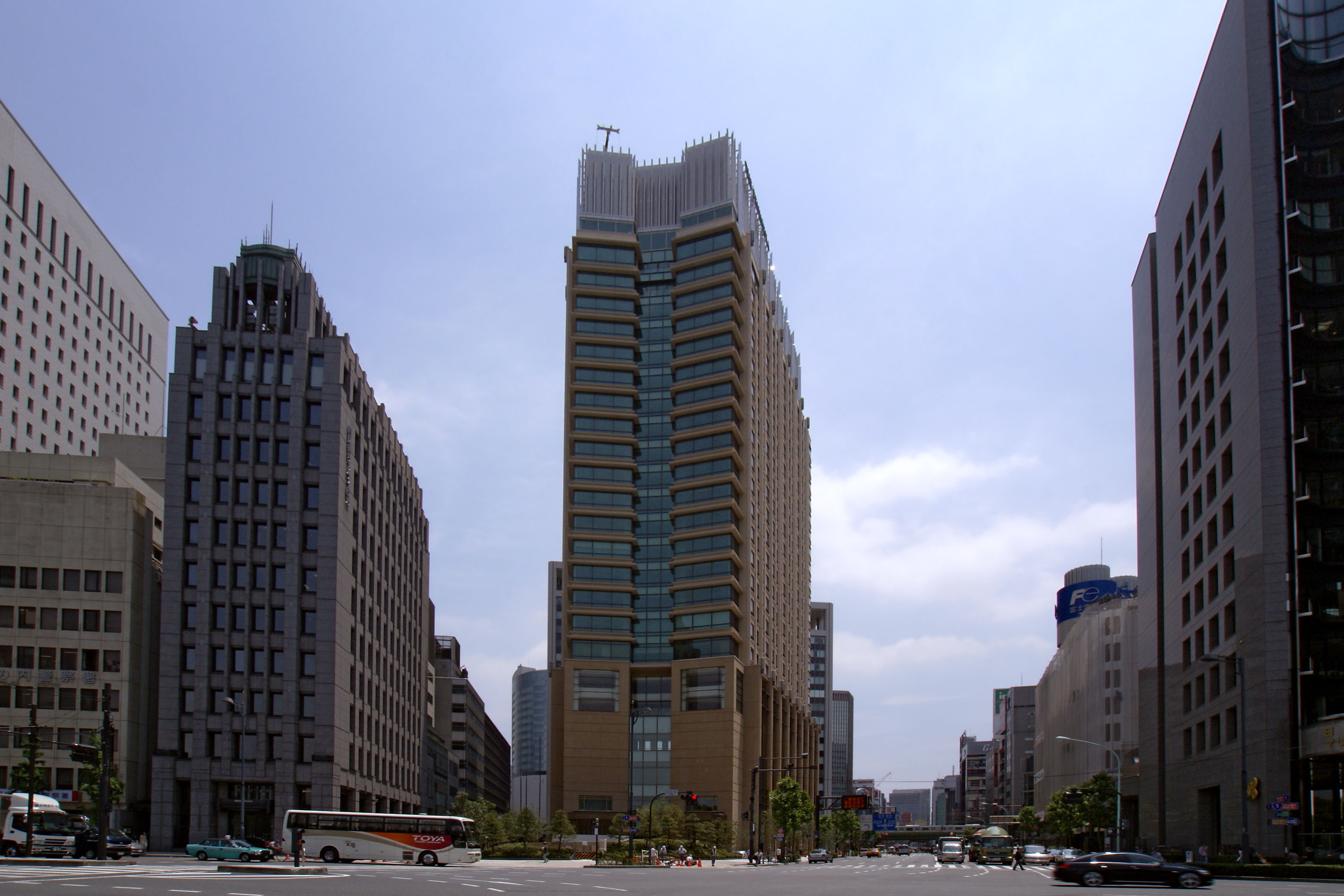
Neighborhood of Chiyoda, Tokyo

Hibiya is a colloquial name for a neighborhood of Chiyoda Ward in Tokyo. The area along Hibiya Street (National Route 1) from Yūrakuchō to Uchisaiwaichō is generally considered Hibiya district. Administratively, it is part of the Yūrakuchō district.
There is no actual administrative district in Chiyoda called "Hibiya" but the name is used in some local place names such as Hibiya Park and Hibiya Station (administratively in Yūrakuchō). Hibiya was part of the old Kōjimachi ward in Tokyo City, before it was transformed into a metropolis.
Etymology
The outskirts of this district are reclaimed from the ocean, and the "hibi" of Hibiya is derived from the facility for the laver of nori made of bamboo, whose name is also "hibi". This effectively makes the word an ateji, kanji characters used to phonetically represent native Japanese words.
History
Originally an inlet of the sea ran northwards to a cove at present-day Hibiya and Kokyo Gaien plaza, into which the Kanda River flowed.
In the era of Tokugawa shogunate, the Tokugawa bakufu worked out of Edo castle and the area surrounding Edo castle was developed and landfilled. The fishing village then became an urban area where many daimyō lived.
On September 5, 1905, Hibiya Park was the initial site of the Hibiya riots, which expanded into a citywide riot, triggered by the terms of the Treaty of Portsmouth which ended the Russo-Japanese War (1904−1905).
After the end of the Meiji Restoration Hibiya, the city of Tokyo had become a modern city for there were many buildings including the Imperial Hotel (Tokyo's first western hotel), Rokumeikan, Tokyo city hall and the Tokyo Club. In the 1930s, the first electric traffic light in Japan appeared at a Hibiya crossing point. The once fashionable district has changed into a business street.
Transportation
- Hibiya Station
- Toei Mita Line
- Tokyo Metro Hibiya Line
- Tokyo Metro Chiyoda Line
- Yūrakuchō Station
- JR East Yamanote Line
- JR East Keihin-Tōhoku Line
- Tokyo Metro Yūrakuchō Line Hibiya and Yurakucho stations are connected by underground passageways.
References
References
- Yoshimi, Shunya. (2024). "Tokyo Urbanism: From Hinterland to Kaiwai". World Scientific.
- Gordon, Andrew. (2014). "A modern history of Japan : from Tokugawa times to the present". OUP.
This article was imported from Wikipedia and is available under the Creative Commons Attribution-ShareAlike 4.0 License. Content has been adapted to SurfDoc format. Original contributors can be found on the article history page.
Ask Mako anything about Hibiya — get instant answers, deeper analysis, and related topics.
Research with MakoFree with your Surf account
Create a free account to save articles, ask Mako questions, and organize your research.
Sign up freeThis content may have been generated or modified by AI. CloudSurf Software LLC is not responsible for the accuracy, completeness, or reliability of AI-generated content. Always verify important information from primary sources.
Report