From Surf Wiki (app.surf) — the open knowledge base
Hesketh Racing
Formula One racing team
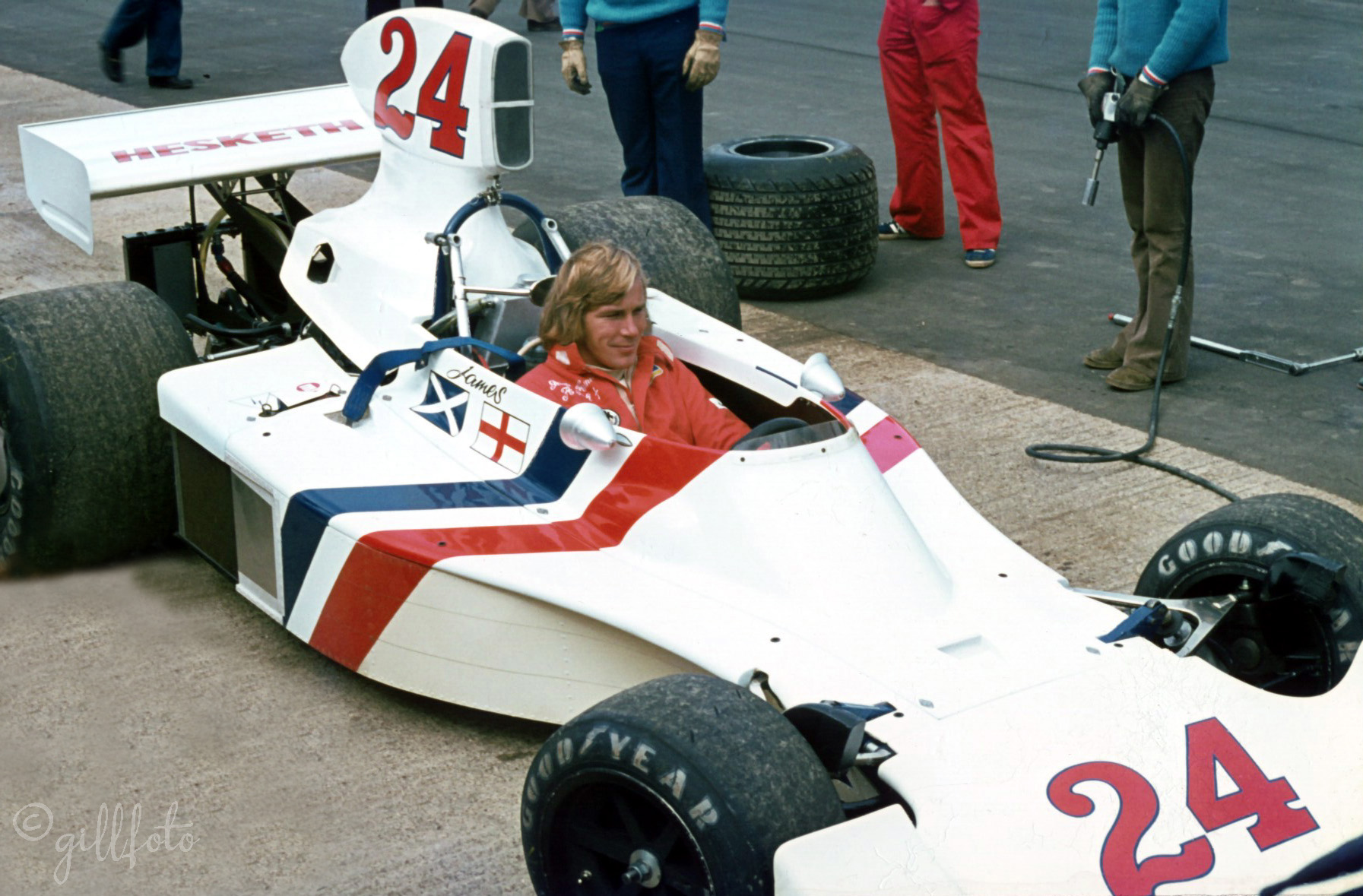
Formula One racing team
| Field | Value |
|---|---|
| Short_name | Hesketh |
| Long_name | Hesketh Racing |
| Logo | Hesketh "teddy bear" logo used in 1974 and 1975.jpg |
| Base | United Kingdom |
| Staff | Lord Hesketh |
| Harvey Postlethwaite | |
| Drivers | UK James Hunt |
| AUS Alan Jones | |
| Debut | 1974 South African Grand Prix |
| Races | 52 |
| Cons_champ | 0 |
| Drivers_champ | 0 |
| Wins | 1 |
| Poles | 0 |
| Fastest_laps | 1 |
| Last race | 1978 South African Grand Prix |
| Website |
Harvey Postlethwaite AUS Alan Jones
Hesketh Racing was a Formula One constructor from the United Kingdom, which competed from 1973 to 1978. The team competed in 52 World Championship Grands Prix, winning one and achieving eight further podium finishes. Its best placing in the World Constructors' Championship was fourth in 1975. Hesketh gave James Hunt his Formula One debut, and he brought the team most of its success, and only win. Alan Jones also began his Formula One career in a privately entered Hesketh.
Formation
Lord Hesketh, in partnership with Anthony 'Bubbles' Horsley as driver, entered various Formula Three events around Europe in 1972, aiming simply to have as much fun as possible. Due partly to Horsley's lack of experience, there were few results. Hesketh ran his race team out of the stables at his Easton Neston family estate in Northamptonshire.
Hesketh subsequently employed James Hunt, who had a reputation for being very fast but also for crashing frequently, and who was unemployed at the time. Hesketh took on Hunt as one of his drivers for F3.
The Hesketh team had a growing reputation for their playboy style, arriving at races in Rolls-Royce cars, drinking champagne regardless of their results, and checking the entire team into five-star hotels. The team had a patch specially made for Hunt's driving suit which read: "Sex – The Breakfast of Champions".
By the middle of the season, Hunt and Horsley had written off both of the team's Formula Three cars. Horsley decided to leave the cockpit, switching to the team's management. Hesketh rented a Formula Two March car for the rest of 1972, and bought Hunt a Surtees Formula Two car for 1973. Hunt then wrote the car off at the Pau Grand Prix. Hesketh worked out that the cost involved in competing in the top flight was hardly more expensive than F2, and decided to move the team up to Formula One.
Formula One
James Hunt era
Hesketh rented a Surtees TS9 for the non-championship Race of Champions at Brands Hatch, with Hunt finishing third. This success led to the purchase of a March 731, with Hesketh also signing junior March Engineering designer Harvey Postlethwaite to modify the chassis, working from Hesketh's Easton Neston estate. The car made its first appearance at the 1973 Monaco Grand Prix, where Hunt ran sixth before the engine failed. He scored a point at the team's next entry, the French Grand Prix, improved to fourth for the British Grand Prix, and then third for the Dutch Grand Prix. He then took second place in the season-closing United States Grand Prix.

In 1974, Postlethwaite designed an all-new car for the team, the Hesketh 308, which was ready for the Silverstone International Trophy, which Hunt won, making its championship debut at the South African Grand Prix. The car was strong, taking third place at the Swedish Grand Prix, the Austrian Grand Prix and the United States Grand Prix. For 1975, examples of the 308 were sold to Harry Stiller Racing, who gave Alan Jones his grand prix debut. Polar Caravans also purchased a Hesketh chassis, while the works team modified the 308 for Hunt. At the same time, Horsley was developing into an efficient and competent team manager and under his guidance, the team moved forward.
Hunt won the wet-dry 1975 Dutch Grand Prix, holding off Niki Lauda's dominant Ferrari, and also led at the British Grand Prix and the Austrian Grand Prix, taking several placings on his way to fourth overall.
Post-Hunt


In late 1975, Hesketh announced that he could no longer afford to try to produce the next British world champion, having raced without sponsorship, and ended his involvement with the team. Hunt was offered the lead drive at McLaren, replacing Emerson Fittipaldi.
Postlethwaite took his upgraded 308C design to Wolf–Williams Racing. Horsley upgraded the 308 to the 308D and continued as Hesketh Racing. Harald Ertl signed to drive the car, with the team's image landing Penthouse Magazine and Rizla as sponsors. Guy Edwards joined in a second car from the Belgian Grand Prix onwards with Alex Ribeiro bringing in some funds later in the year. Ertl's seventh place at the British Grand Prix was the team's best result of the year. Future Williams engineer Patrick Head noted that the 308D had significant aerodynamic issues at the rear of the car which hindered performance.
Frank Dernie designed the new 308E chassis for the season, with Rupert Keegan driving alongside Ertl. Later in the season a third car was entered for Héctor Rebaque, with Horsley simply trying to bring in money to the team. Ertl left and was replaced by Ian Ashley, but by now Keegan's was the only entry that usually made it to the grid, and his seventh place at the Austrian Grand Prix was the team's best finish of the year.
In the team slimmed down to a single car, with backing from Olympus Cameras. The car itself was barely upgraded, and Divina Galica failed to qualify for the first two races. Eddie Cheever then managed to get into the South African Grand Prix, retiring with a fractured oil line. Derek Daly was the next to try the car, and at the wet International Trophy at Silverstone, in his debut, diced for the lead with James Hunt's McLaren before a stone cracked his visor and ended his race. However, in world championship events he failed to qualify for the next three races, after which the team folded.
Sports cars
The Ibec-Hesketh 308LM, also later referred to as the "Ibec P6" and the "Ibec 308LM Cobra", is a one-off sports prototype racing car that was built in 1978, and was designed by Postlethwaite around many components of the Hesketh 308 Formula One car. The car was funded by Lloyd's of London insurance broker Ian Bracey, who formed the Ian Bracey Engineering Company to oversee the project.
Unlike many privateer sports car entrants in the late 1970s, Bracey harboured serious hopes of winning the 24 Hours of Le Mans endurance race. Rather than buy an only partially competitive off-the-peg chassis on which to build, Bracey commissioned former Hesketh chief designer Postlethwaite to design a brand new chassis around a detuned 3.0-litre Cosworth DFV engine. Postlethwaite used his Hesketh connections to buy both front and rear suspension components from the F1 team, and the building of the car was commenced in the Hesketh workshops. However, as the Hesketh racing team's fortunes dipped, the Ibec chassis dropped down the priority list and eventually Bracey moved production to Lyncar in Slough. Here, facing a tight deadline, the Lyncar team managed to complete the car in just over five weeks.
The Ibec design had a main chassis formed by a riveted and bonded aluminium monocoque, behind which the DFV engine and Hewland FG400 gearbox were bolted as stressed chassis members. Suspension was by double wishbones at the front, with twin trailing arms, parallel lower links and single top links at the rear. The car was clothed in fibreglass bodywork which had been properly wind tunnel tested, and which proved highly effective at generating both downforce in corners and stability at high speed. The total cost of designing and building the 308LM was less than £100,000, approximately £0.5 million at 2005 prices, more than most privateer teams, but far lower than many contemporary factory race programs.
The car's first competitive outing was, as planned, at the 1978 24 Hours of Le Mans race, driven by Ian Grob and Guy Edwards, with Bracey himself acting as reserve driver. Edwards's presence in the team had an additional benefit as his skills at sponsorship negotiation landed the small Ibec team with backing from the giant Chrysler corporation, despite the 308LM being Ford-powered. Edwards qualified the Ibec in 13th position, at an average speed of 133 mph. However, in the race itself the car suffered from mechanical troubles which dropped it to 42nd position after just a few hours. Despite recovering well from this early setback, in the 19th hour the DFV engine failed completely and the Ibec's race was over.
The Ibec P6 failed to qualify at LeMans in 1980 and failed to finish in 1981 (driven by Tiff Needell and Tony Trimmer). The car was converted for use in the UK Thundersports championship during the mid-1980s.
Complete Formula One World Championship results
(key)
| Year | Chassis | Engine | Drivers | 1 | 2 | 3 | 4 | 5 | 6 | 7 | 8 | 9 | 10 | 11 | 12 | 13 | 14 | 15 | 16 | 17 | Points | WCC | 15 | 6th | 33 | 4th | 0 | NC | 0 | NC | 0 | NC | |||||||||||||||||
|---|---|---|---|---|---|---|---|---|---|---|---|---|---|---|---|---|---|---|---|---|---|---|---|---|---|---|---|---|---|---|---|---|---|---|---|---|---|---|---|---|---|---|---|---|---|---|---|---|---|
| March 731 | Ford Cosworth DFV 3.0 V8 | ARG | BRA | RSA | ESP | BEL | MON | SWE | FRA | GBR | NED | GER | AUT | ITA | CAN | USA | 1 | 1}} | 1 | 1}} | |||||||||||||||||||||||||||||
| GBR James Hunt | 9 | 6 | 3 | Ret | DNS | 7 | |||||||||||||||||||||||||||||||||||||||||||
| March 731 | Ford Cosworth DFV 3.0 V8 | ARG | BRA | RSA | ESP | BEL | MON | SWE | NED | FRA | GBR | GER | AUT | ITA | CAN | USA | 1 | 1}} | 1 | 1}} | |||||||||||||||||||||||||||||
| GBR James Hunt | Ret | 9 | |||||||||||||||||||||||||||||||||||||||||||||||
| 308 | Ret | 10 | Ret | Ret | 3 | Ret | Ret | Ret | Ret | 3 | Ret | 4 | 3 | ||||||||||||||||||||||||||||||||||||
| RSA Ian Scheckter | DNQ | ||||||||||||||||||||||||||||||||||||||||||||||||
| 308 | |||||||||||||||||||||||||||||||||||||||||||||||||
| 308B | |||||||||||||||||||||||||||||||||||||||||||||||||
| 308C | Ford Cosworth DFV 3.0 V8 | ARG | BRA | RSA | ESP | MON | BEL | SWE | NED | FRA | GBR | GER | AUT | ITA | USA | ||||||||||||||||||||||||||||||||||
| GBR James Hunt | 6 | Ret | Ret | Ret | Ret | Ret | 1 | 2 | 4 | Ret | 2‡ | 5 | 4 | ||||||||||||||||||||||||||||||||||||
| AUS Alan Jones | Ret | Ret | Ret | 11 | |||||||||||||||||||||||||||||||||||||||||||||
| SWE Torsten Palm | DNQ | 10 | |||||||||||||||||||||||||||||||||||||||||||||||
| AUT Harald Ertl | 8 | Ret | 9 | ||||||||||||||||||||||||||||||||||||||||||||||
| USA Brett Lunger | 13 | 10 | Ret | ||||||||||||||||||||||||||||||||||||||||||||||
| 308D | Ford Cosworth DFV 3.0 V8 | BRA | RSA | USW | ESP | BEL | MON | SWE | FRA | GBR | GER | AUT | NED | ITA | CAN | USA | JPN | ||||||||||||||||||||||||||||||||
| AUT Harald Ertl | 15 | DNQ | DNQ | Ret | DNQ | Ret | Ret | 7 | Ret | 8 | Ret | 16 | DNS | 13 | 8 | ||||||||||||||||||||||||||||||||||
| GBR Guy Edwards | DNQ | 17 | Ret | 15 | DNS | 20 | |||||||||||||||||||||||||||||||||||||||||||
| FRG Rolf Stommelen | 12 | ||||||||||||||||||||||||||||||||||||||||||||||||
| BRA Alex Ribeiro | 12 | ||||||||||||||||||||||||||||||||||||||||||||||||
| 308E | Ford Cosworth DFV 3.0 V8 | ARG | BRA | RSA | USW | ESP | MON | BEL | SWE | FRA | GBR | GER | AUT | NED | ITA | USA | CAN | JPN | |||||||||||||||||||||||||||||||
| GBR Rupert Keegan | Ret | 12 | Ret | 13 | 10 | Ret | Ret | 7 | Ret | 9 | 8 | Ret | |||||||||||||||||||||||||||||||||||||
| AUT Harald Ertl | Ret | DNQ | 9 | 16 | DNQ | ||||||||||||||||||||||||||||||||||||||||||||
| MEX Héctor Rebaque | DNQ | DNQ | DNQ | Ret | DNQ | DNQ | |||||||||||||||||||||||||||||||||||||||||||
| GBR Ian Ashley | DNQ | DNQ | DNQ | 17 | DNS | ||||||||||||||||||||||||||||||||||||||||||||
| 308E | Ford Cosworth DFV 3.0 V8 | ARG | BRA | RSA | USW | MON | BEL | ESP | SWE | FRA | GBR | GER | AUT | NED | ITA | USA | CAN | ||||||||||||||||||||||||||||||||
| GBR Divina Galica | DNQ | DNQ | |||||||||||||||||||||||||||||||||||||||||||||||
| USA Eddie Cheever | Ret | ||||||||||||||||||||||||||||||||||||||||||||||||
| IRE Derek Daly | DNPQ | DNPQ | DNQ |
;Notes
- – Not entered as a constructor.
- ‡ – Half points awarded as less than 75% of the race distance was completed.
Non-Championship results
(key)
| Year | Chassis | Engine | Driver | 1 | 2 | 3 |
|---|---|---|---|---|---|---|
| 1973 | Surtees TS9 | Ford Cosworth DFV 3.0 V8 | ROC | INT | ||
| GBR James Hunt | 3 | |||||
| 1974 | March 731 | Ford Cosworth DFV 3.0 V8 | PRE | ROC | INT | |
| GBR James Hunt | Ret | |||||
| 308 | Ret | *1* | ||||
| 1975 | 308C | Ford Cosworth DFV 3.0 V8 | ROC | INT | SUI | |
| GBR James Hunt | *Ret* | 8 | ||||
| AUS Alan Jones | 7 | |||||
| 1976 | 308D | Ford Cosworth DFV 3.0 V8 | ROC | INT | ||
| AUT Harald Ertl | Ret | |||||
| GBR Guy Edwards | Ret | |||||
| 1977 | 308E | Ford Cosworth DFV 3.0 V8 | ROC | |||
| GBR Rupert Keegan | 8 | |||||
| 1978 | 308E | Ford Cosworth DFV 3.0 V8 | INT | |||
| IRE Derek Daly | Ret | |||||
| GBR Divina Galica | Ret |
References
References
- (23 August 2013). "Sex, Breakfast of Champions – A Tribute to the Great James Hunt". The F1 Poet - Ernie Black.
- "Good Lord... The remarkable tale of Hesketh Racing".
- "1974 Hesketh 308 Formula One | Monaco 2014".
- Fox, Charles. (1 August 2000). "The Luminous Life of James Hunt".
- "When the playboys beat the big boys - remembering Hesketh's amazing Zandvoort win".
- Donaldson, Gerald. "Hall of Fame: James Hunt". Formula1.com.
- (7 July 2014). "Patrick Head".
- (24 December 2017). "A Brief History of Hesketh Racing".
- Meredith, L. 1996. ''Special Brew''. '''Motor Sport'''. LXXII/10 (October 1996), 1088–1090
This article was imported from Wikipedia and is available under the Creative Commons Attribution-ShareAlike 4.0 License. Content has been adapted to SurfDoc format. Original contributors can be found on the article history page.
Ask Mako anything about Hesketh Racing — get instant answers, deeper analysis, and related topics.
Research with MakoFree with your Surf account
Create a free account to save articles, ask Mako questions, and organize your research.
Sign up freeThis content may have been generated or modified by AI. CloudSurf Software LLC is not responsible for the accuracy, completeness, or reliability of AI-generated content. Always verify important information from primary sources.
Report