From Surf Wiki (app.surf) — the open knowledge base
Handle
Part of device designed to be held
Part of device designed to be held
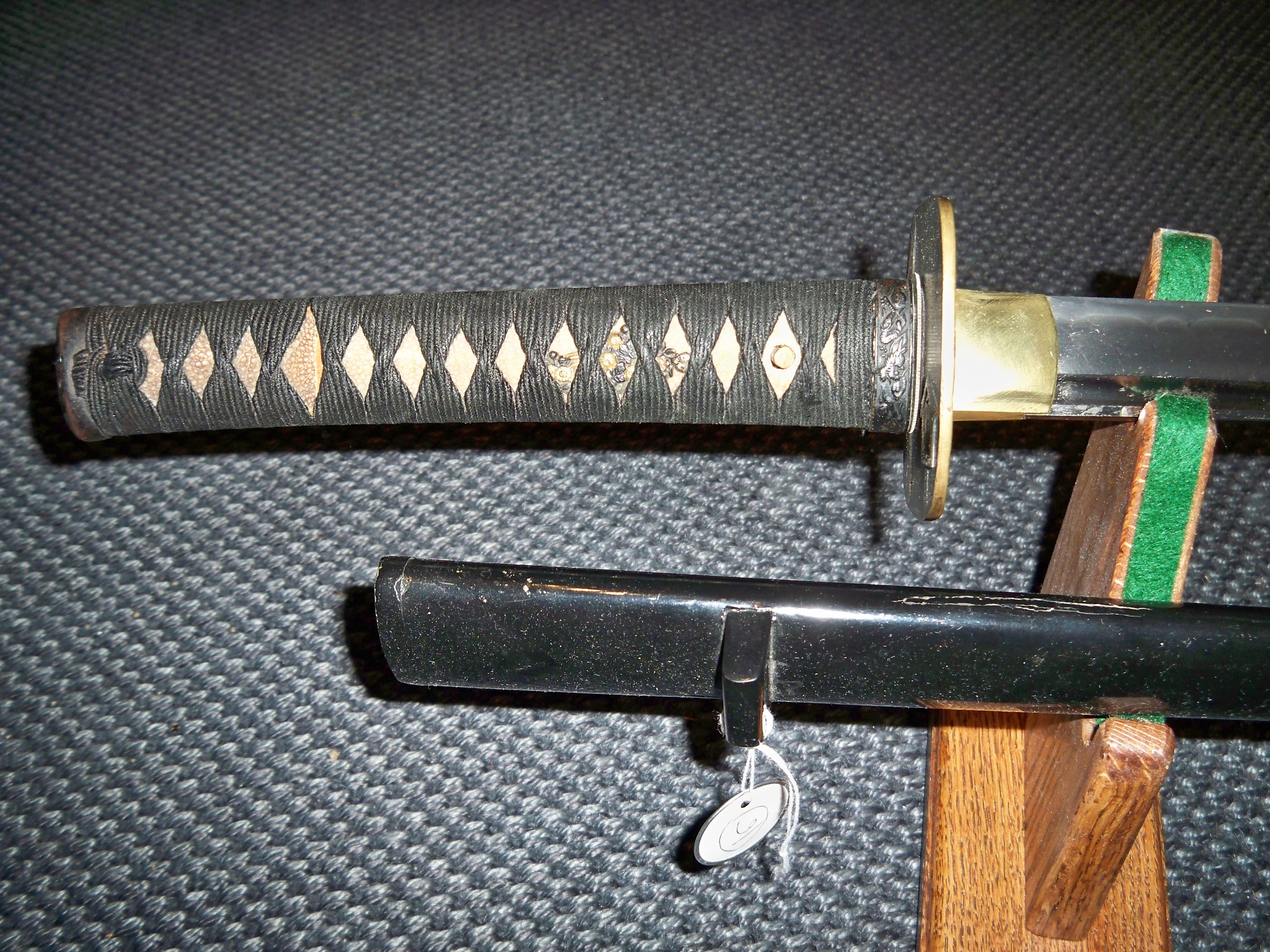
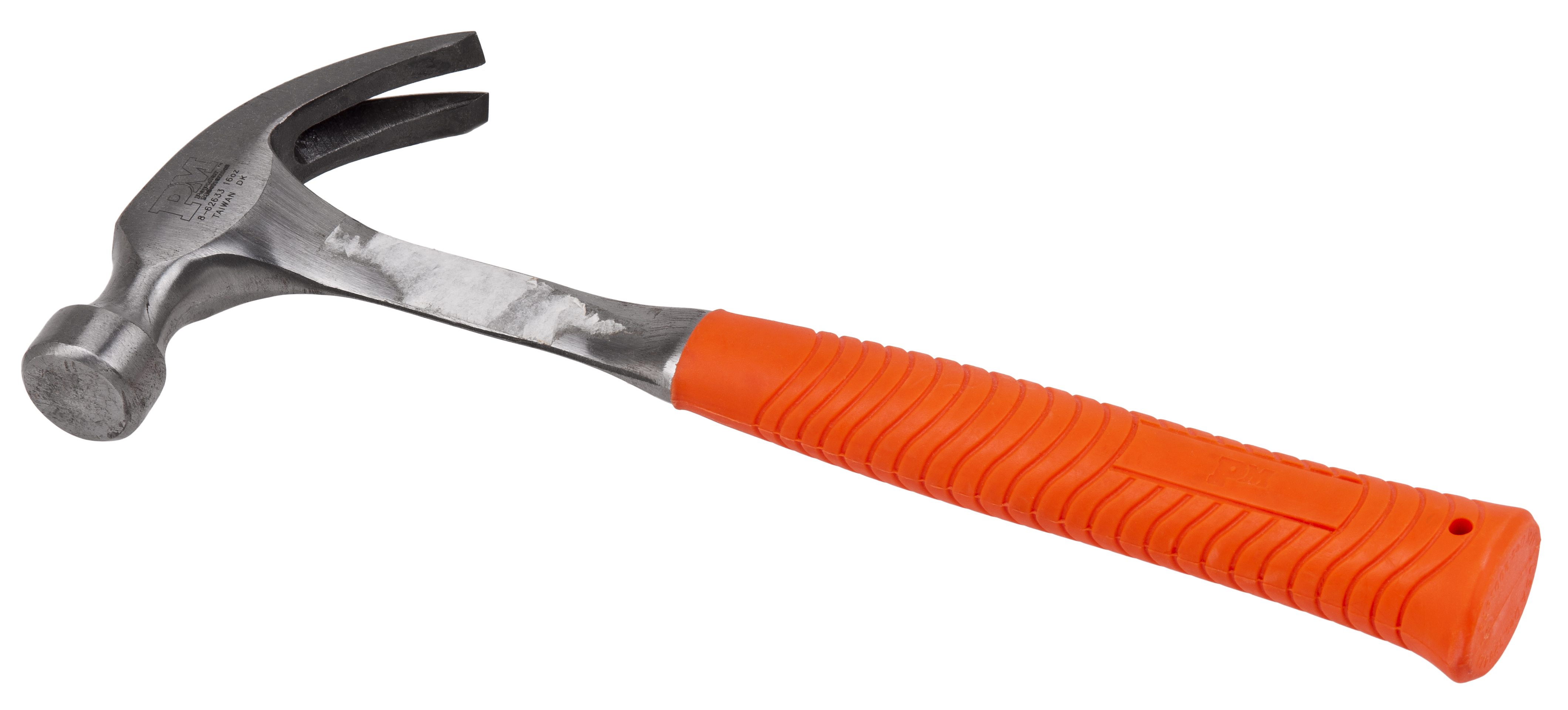
A handle is a part of, or an attachment to, an object that allows it to be grasped and manipulated by hand. The design of each type of handle involves substantial ergonomic issues, even where these are dealt with intuitively or by following tradition. Handles for tools are an important part of their function, enabling the user to exploit the tools to maximum effect. Package handles allow for convenient carrying of packages.
General design criteria
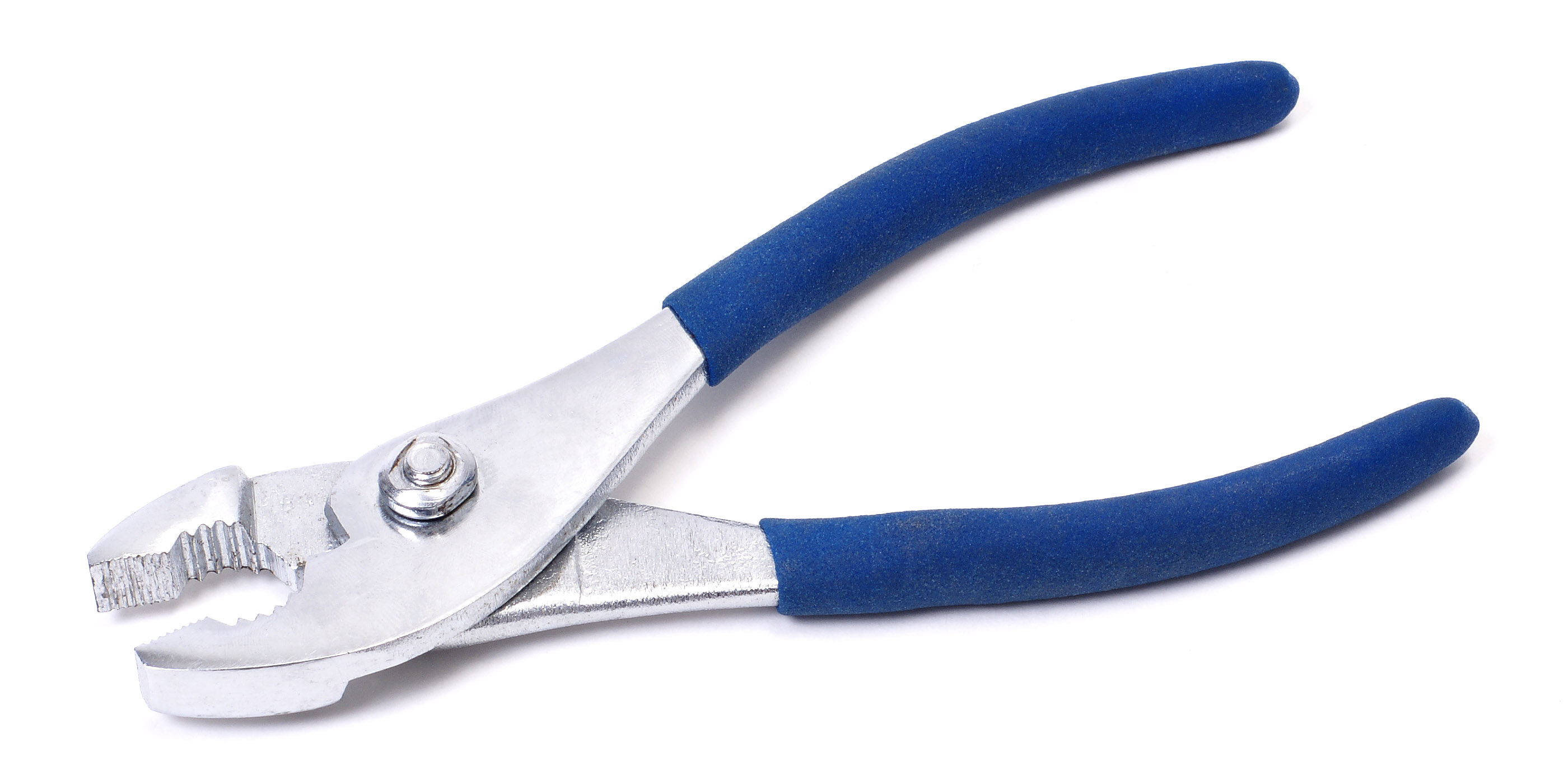

The three nearly universal requirements of are:
- Sufficient strength to support the object, or to otherwise transmit the force involved in the task the handle serves.
- Sufficient length to permit the hand or hands gripping it to comfortably exert the force.{{Citation | access-date = 24 June 2023
- Sufficiently small circumference to permit the hand or hands to surround it far enough to grip it as solidly as needed to exert that force.{{Citation | access-date = 24 June 2023
Specific needs
Other requirements may apply to specific handles:
- A sheath or coating on the handle that provides friction against the hand, reducing the gripping force needed to achieve a reliable grip.
- Designs such as recessed car-door handles, reducing the chance of accidental operation, or simply the inconvenience of "snagging" the handle.
- Sufficient circumference to distribute the force comfortably and safely over the hand.{{cite journal
- Design to thwart unwanted access, for example, by children or thieves. In these cases many of the other requirements may have reduced importance. For example, a child-proof doorknob can be difficult for even an adult to use.
Pull handles

One major category of handles are pull handles, where one or more hands grip the handle or handles, and exert force to shorten the distance between the hands and their corresponding shoulders. The three criteria stated above are universal for pull handles.
Many pull handles are for lifting, mostly on objects to be carried.
Horizontal pull handles are widespread, including drawer pulls, handles on latchless doors and the outside of car doors. The inside controls for opening car doors from inside are usually pull handles, although their function of permitting the door to be pushed open is accomplished by an internal unlatching linkage.
Pull handles are also a frequent host of common door handle bacteria such as e-coli, fungal or other viral infections.
Two kinds of pull handles may involve motion in addition to the hand-focused motions described:
- Pulling the starting cord on a small internal-combustion engine may, besides moving the hand toward the shoulder, also exploit simultaneously pushing a wheeled vehicle away with the other hand, stepping away from the engine, and/or standing from a squat.
- Some throwing motions, as in a track-and-field hammer throw, involve pulling on a handle against centrifugal force (without bringing it closer), in the course of accelerating the thrown object by forcing it into circular motion.
Twist handles
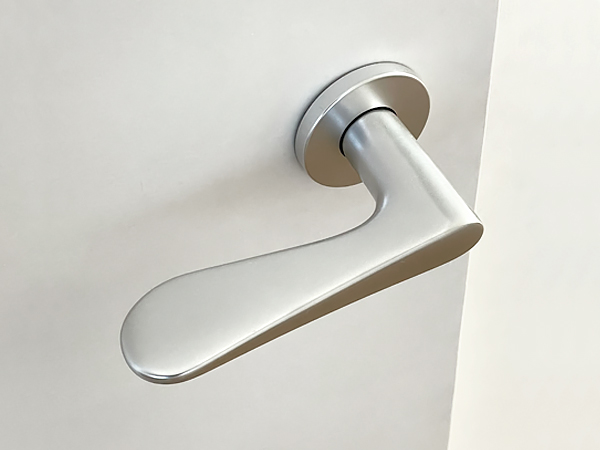
Another category of hand-operated device requires grasping (but not pulling) and rotating the hand and either the lower arm or the whole arm, about their axis. When the grip required is a fist grip, as with a door handle that has an arm rather than a knob to twist, the term "handle" unambiguously applies. Another clear case is a rarer device seen on mechanically complicated doors like those of airliners, where (instead of the whole hand moving down as it also rotates, on the door handles just described) the axis of rotation is between the thumb and the outermost fingers, so the thumb moves up if the outer fingers move down.
Handles for wide-range motion
The handles of bicycle grips, club-style weapons, shovels and spades, axes, hammers, mallets and hatchets, baseball bats, rackets, golf clubs and croquet mallets involve a greater range of ergonomic issues.
References
References
- [http://www.healthywaukesha.com/door-handles-can-spread-germs Door Handles Can Spread Germs] {{Webarchive. link. (2018-01-20 retrieved November 2016)
This article was imported from Wikipedia and is available under the Creative Commons Attribution-ShareAlike 4.0 License. Content has been adapted to SurfDoc format. Original contributors can be found on the article history page.
Ask Mako anything about Handle — get instant answers, deeper analysis, and related topics.
Research with MakoFree with your Surf account
Create a free account to save articles, ask Mako questions, and organize your research.
Sign up freeThis content may have been generated or modified by AI. CloudSurf Software LLC is not responsible for the accuracy, completeness, or reliability of AI-generated content. Always verify important information from primary sources.
Report