From Surf Wiki (app.surf) — the open knowledge base
Hamster ball
Exercise toy for pet hamster
.jpg)
Exercise toy for pet hamster
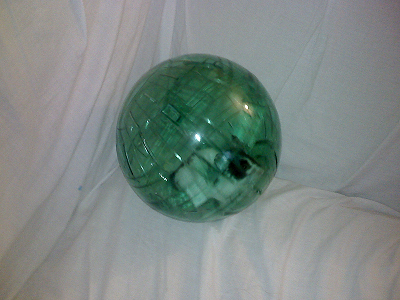
Hamster balls are hollow spheres made of clear plastic into which hamsters, gerbils, degus and other small rodent pets are placed, allowing them to run around outside their cages without the risk of running away or getting lost under furniture. They are designed to provide hamsters with exercise. Balls produce an audible rumble across most surfaces, making them easier to locate even when out of sight.
Hamster balls have been manufactured and sold since at least the 1970s. Most are made of durable transparent plastic with air holes and a small door or lid to allow the owner to insert or remove the hamster from the ball.
Although hamster balls are designed to protect hamsters, there are hazards such as stairs and other high places from which hamsters can fall, resulting in injury or even death. To protect hamsters, owners may place hamster balls on the lower level of their house, away from any stairs. Some owners also create a simple barrier near the stairs, so that they will not roll down the stairs.
Although hamster balls have air holes, hamsters should be allowed to take breaks and leave the ball regularly due to a lack of water that could induce heatstroke or exhaustion. It is important to keep watch over the hamster ball at all times while the pet is inside. The ball can pick up too much speed, causing the hamster to somersault inside and potentially be injured.
Hamster balls are recommended by the manufacturers for use with hamsters, gerbils, mice, degus and small rats only; they should not be used for chinchillas or guinea pigs, as their size and body structures are different from small rodents, posing a serious hazard to them if placed inside.
Criticism
The (TVT), the German veterinary association for animal welfare, warns that hamster balls pose a risk of injury. TVT asserts that the hamster can not free itself from the ball, cannot control the speed or direction of the ball, and cannot meet the natural instinct to take cover. TVT warns of a risk for injury when the ball hits a wall or rolls down from raised surfaces, and deems the small ventilation slots to provide insufficient air supply for the hamster. TVT considers hamster balls to be anti animal welfare and do not recommend their use for any small mammal. The RSPCA is equally critical.
References
References
- Mattacks, CA. (1988). "Site-specific and sex differences in the rates of fatty acid/triacylglycerol substrate cycling in adipose, tissue and muscle of sedentary and exercised dwarf hamsters (Phodopus sungorus)". International Journal of Obesity.
- Ebersolt, Gilles. (April 2008). "A History of the Ballule".
- Vanderlip, Sharon. (2009). "Dwarf Hamsters: Everything about Purchase, Care, Nutrition, and Behavior". Barron's Educational Series.
- Adamson, Eve. (2005). "Adopting a Pet for Dummies". Wiley.
- Siino, Betsy Sikora. (2007). "Hamster". Wiley Pub..
- "14 Hamster Ball Tips For Hamster Owners - Online Hamster Care".
- Tierärztliche Vereinigung für Tierschutz e.V., [https://www.tierschutz-tvt.de/alle-merkblaetter-und-stellungnahmen/?no_cache=1&download=TVT-MB_62_Tierschutzwidriges_Zubehör_Heimtiere__Jan.2010.pdf&did=44 Merkblatt Nr. 62 - Tierschutzwidriges Zubehör in der Heimtierhaltung] (version of January 2010), II. 8. Hamsterkugel. (Animal-welfare incompatible accessories for domestic mammals, II. 8. Hamster Balls).
- "Hamster Balls: RSPCA companion animals pet care position". [[RSPCA]].
This article was imported from Wikipedia and is available under the Creative Commons Attribution-ShareAlike 4.0 License. Content has been adapted to SurfDoc format. Original contributors can be found on the article history page.
Ask Mako anything about Hamster ball — get instant answers, deeper analysis, and related topics.
Research with MakoFree with your Surf account
Create a free account to save articles, ask Mako questions, and organize your research.
Sign up freeThis content may have been generated or modified by AI. CloudSurf Software LLC is not responsible for the accuracy, completeness, or reliability of AI-generated content. Always verify important information from primary sources.
Report