From Surf Wiki (app.surf) — the open knowledge base
Haakon II
King of Norway from 1157 to 1162
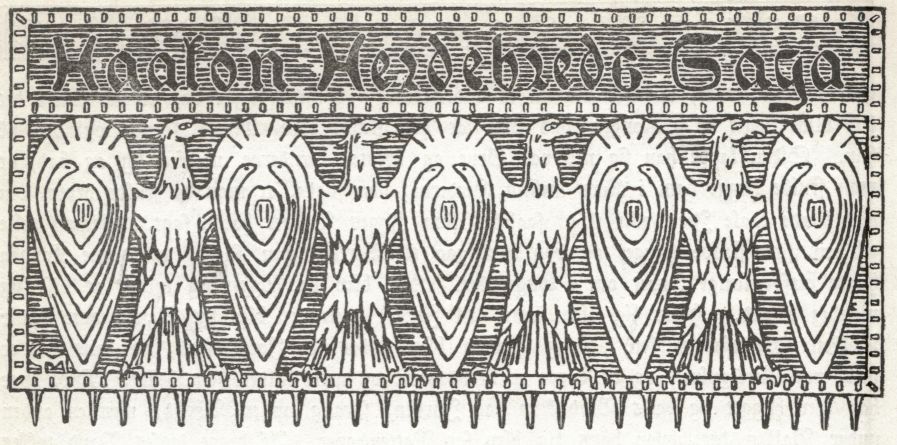
King of Norway from 1157 to 1162
| Field | Value |
|---|---|
| name | Haakon Herdebrei |
| succession | King of Norway |
| reign | 1157 – 7 July 1162 |
| predecessor | Inge I and Eystein II |
| successor | Magnus V |
| royal house | Gille |
| father | Sigurd II of Norway |
| mother | Thora |
| full name | Haakon Sigurdsson |
| birth_date | 1147 |
| death_date | 7 July 1162 |
| death_place | Romsdalen |
Haakon II Sigurdsson (1147 – 7 July 1162), also known as Haakon Herdebrei meaning Haakon Broadshoulder, was King of Norway from 1157 until 1162 during the civil war era in Norway.
Biography
His nickname, Herdebrei, means broad-shouldered, which he was called because of his big size for the age, and unusual broad shoulders. An illegitimate son of Sigurd Munn, in 1157 he was named heir of his uncle Eystein II, who had been co-ruler of Norway together with his brothers Inge the Hunchback and Sigurd Munn. Inge had become the sole ruler of Norway after the death of Eystein and Sigurd Munn.
The former supporters of Sigurd Munn and Eystein II united behind Haakon, renewing the fight against Inge under the leadership of Sigurd Håvardsson of Hedmark. On 3 February 1161, King Inge I was defeated and killed while leading his men into battle against Haakon II near Oslo, after many of his men, led by his vassal Godred II Olafsson, defected to Haakon's side.
On 7 July 1162 King Haakon II was killed in the Battle of Sekken not far from the market town Veøya in Romsdalen. After Inge's fall, his supporters had rallied behind the lendmann Erling Skakke and his son, Magnus Erlingsson. Haakon II was succeeded as king of Norway by King Magnus V.
Historic context
The civil war era in Norway extended over a 110-year period. It started with the death of King Sigurd I of Norway in 1130 and ended with the death of Duke Skule Baardsson in 1240. During this period there were several interlocked conflicts of varying scale and intensity. The background for these conflicts were the unclear Norwegian succession laws, social conditions and the struggle between Church and King. There were then two main parties, firstly known by varying names or no names at all, but finally condensed into parties of Bagler and Birkebeiner. The rallying point regularly was a royal son, who was set up as the head figure of the party in question, to oppose the rule of king from the contesting party.
References
Other sources
- Krag, Claus Norges historie fram til 1319 (Oslo, 2000)
References
- [http://www.snl.no/.nbl_biografi/H%C3%A5kon_2_Sigurdsson_Herdebrei/utdypning ''Håkon 2 Sigurdsson Herdebrei – utdypning'' (Store norske leksikon)]
- [http://mcllibrary.org/Heimskringla/erlingson.html ''Magnus Erlingson's Saga'' (Heimskringla)]
This article was imported from Wikipedia and is available under the Creative Commons Attribution-ShareAlike 4.0 License. Content has been adapted to SurfDoc format. Original contributors can be found on the article history page.
Ask Mako anything about Haakon II — get instant answers, deeper analysis, and related topics.
Research with MakoFree with your Surf account
Create a free account to save articles, ask Mako questions, and organize your research.
Sign up freeThis content may have been generated or modified by AI. CloudSurf Software LLC is not responsible for the accuracy, completeness, or reliability of AI-generated content. Always verify important information from primary sources.
Report