From Surf Wiki (app.surf) — the open knowledge base
Gulf of Riga
Bay of the Baltic Sea between Latvia and Estonia
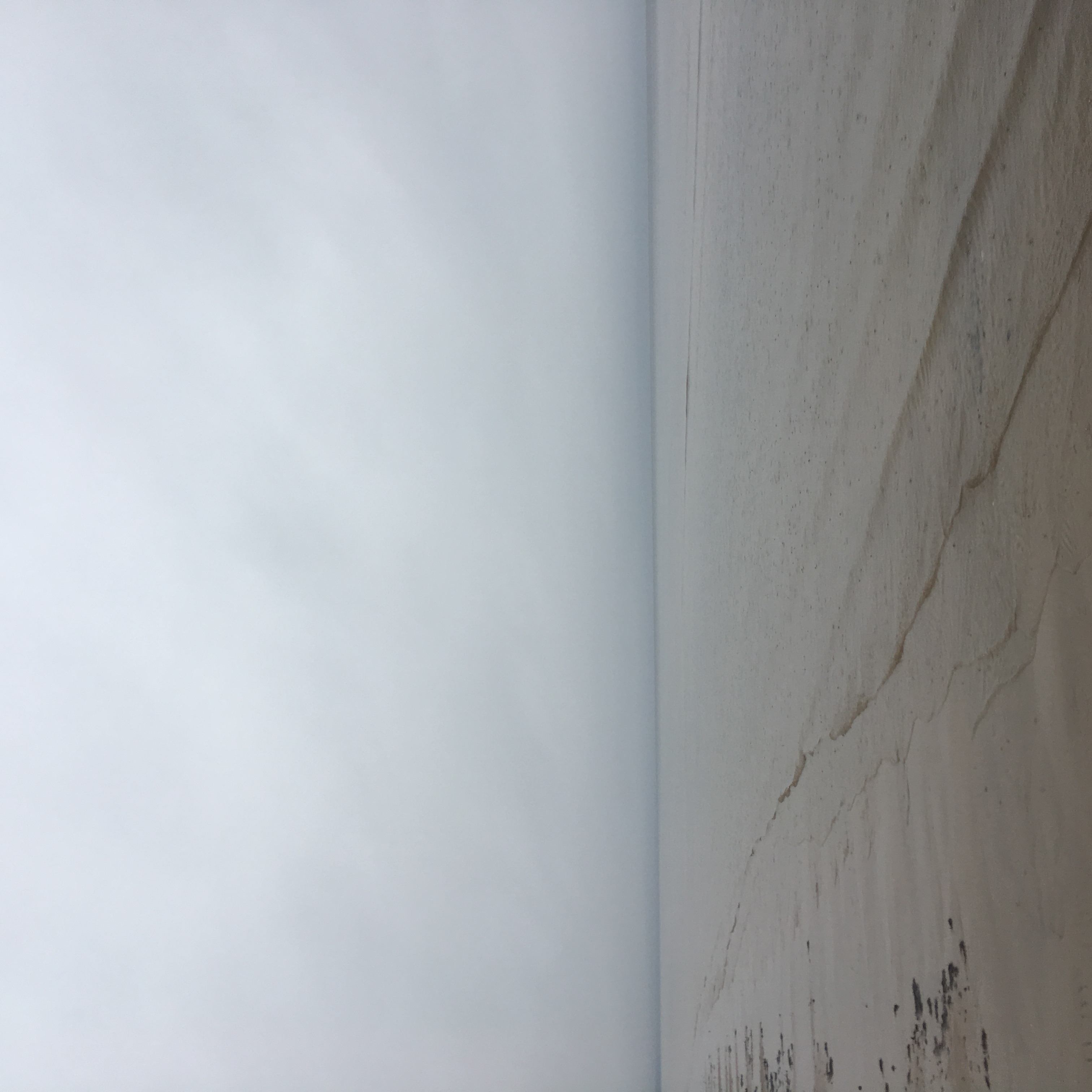
Bay of the Baltic Sea between Latvia and Estonia
| Field | Value |
|---|---|
| name | Gulf of Riga |
| image | Locatie Golf van Riga.PNG |
| caption | Location in Northern Europe. |
| pushpin_map | Latvia |
| location | Europe |
| coords | |
| inflow | Daugava, Pärnu, Lielupe, Gauja, Salaca |
| area | 18,000 km2 |
| depth | 26 m |
| max-depth | 54 m |
| volume | 424 km3 |
| residence_time | 30 |
| frozen | Most or all during winter |
| cities | Riga, Jūrmala, Pärnu, Kuressaare, Salacgrīva, Saulkrasti, Ainaži |
| max-depth = 54 m
The Gulf of Riga, also known as the Bay of Riga or the Gulf of Livonia, is a bay of the Baltic Sea between Latvia and Estonia.
The island of Saaremaa (Estonia) partially separates it from the rest of the Baltic Sea. The main connection between the gulf and the Baltic Sea is the Irbe Strait.
The Gulf of Riga, as a sub-basin of the Baltic, also includes the Väinameri Sea in the West Estonian archipelago.
Geography
Extent
The International Hydrographic Organization defines the Gulf of Riga's western limit as "A line running from Lyser Ort (57°34'N), in Latvia, to the South extreme of Saaremaa, through this island to Pammana (22°34'E), thence to Emmaste Point, the S extreme of Hiiumaa, through Hiiumaa to Tahkuna Point, the North extreme thereof, and on to Spithamn Point in Estonia".
Islands
Major islands in the gulf include Saaremaa, Kihnu, and Ruhnu, which are all in Estonian territory. Kihnu covers an area of 16.4 km2. Saaremaa island is responsible for the brackish water of the Gulf of Riga, as it is partially "shielded" from the Baltic Sea. The Baltic itself is already less salty than the global oceanic average, but this effect has a north–south and east–west gradient.
Cities
Notable cities around the gulf include Riga and Jūrmala in Latvia, and Pärnu and Kuressaare in Estonia. The main rivers flowing into the gulf are Daugava, Pärnu, Lielupe, Gauja, and Salaca.
Salinity
The freshwater runoff entering the Baltic sea accounts for two percent of its volume. A narrow connection to the North Sea means that water stays in the Baltic for an average of 30 years. These two characteristics work to make the Baltic Sea one of the largest brackish bodies of water in the world. The Gulf of Riga has an average salt concentration for the Baltic Sea, which is around six to ten parts per thousand. Freshwater has a concentration of 0.5 parts per thousand, and seawater is about 30 parts per thousand.
Winter
In winter, most or all of the Bay occasionally freezes. This is due to low salinity and the calming effect of the partial closure of the entrance of the gulf. During the winter, many people walk over the bay. The thickest recorded ice was 90 cm thick in the winter of 1941–42. Ice hole fishing has been a traditional source of winter food, and remains a common activity. The ice usually melts between March and April. In late March 2013, when the ice started to melt, 200 people had to be rescued from ice floes.
Notes
References
References
- "Gulf of Riga | Baltic Sea".
- "Old Kolka lighthouse".
- (1953). "Limits of Oceans and Seas, 3rd edition". International Hydrographic Organization.
- (2019). "Changing Salinity Gradients in the Baltic Sea as a Consequence of Altered Freshwater Budgets". Geophysical Research Letters.
- (2022). "Salinity dynamics of the Baltic Sea". Earth System Dynamics.
- C.Michael Hogan. 2011. ''Gulf of Riga''. Encyclopedia of Earth. Eds. P.Saundry & C.J.Cleveland. National Council for Science and the Environment. Washington DC.
- "Estonica.org - The Gulf of Riga".
- Riga, Associated Press in. (29 March 2013). "Latvia rescues 220 people stranded on ice floes in Gulf of Riga".
This article was imported from Wikipedia and is available under the Creative Commons Attribution-ShareAlike 4.0 License. Content has been adapted to SurfDoc format. Original contributors can be found on the article history page.
Ask Mako anything about Gulf of Riga — get instant answers, deeper analysis, and related topics.
Research with MakoFree with your Surf account
Create a free account to save articles, ask Mako questions, and organize your research.
Sign up freeThis content may have been generated or modified by AI. CloudSurf Software LLC is not responsible for the accuracy, completeness, or reliability of AI-generated content. Always verify important information from primary sources.
Report