From Surf Wiki (app.surf) — the open knowledge base
Great Male Renunciation
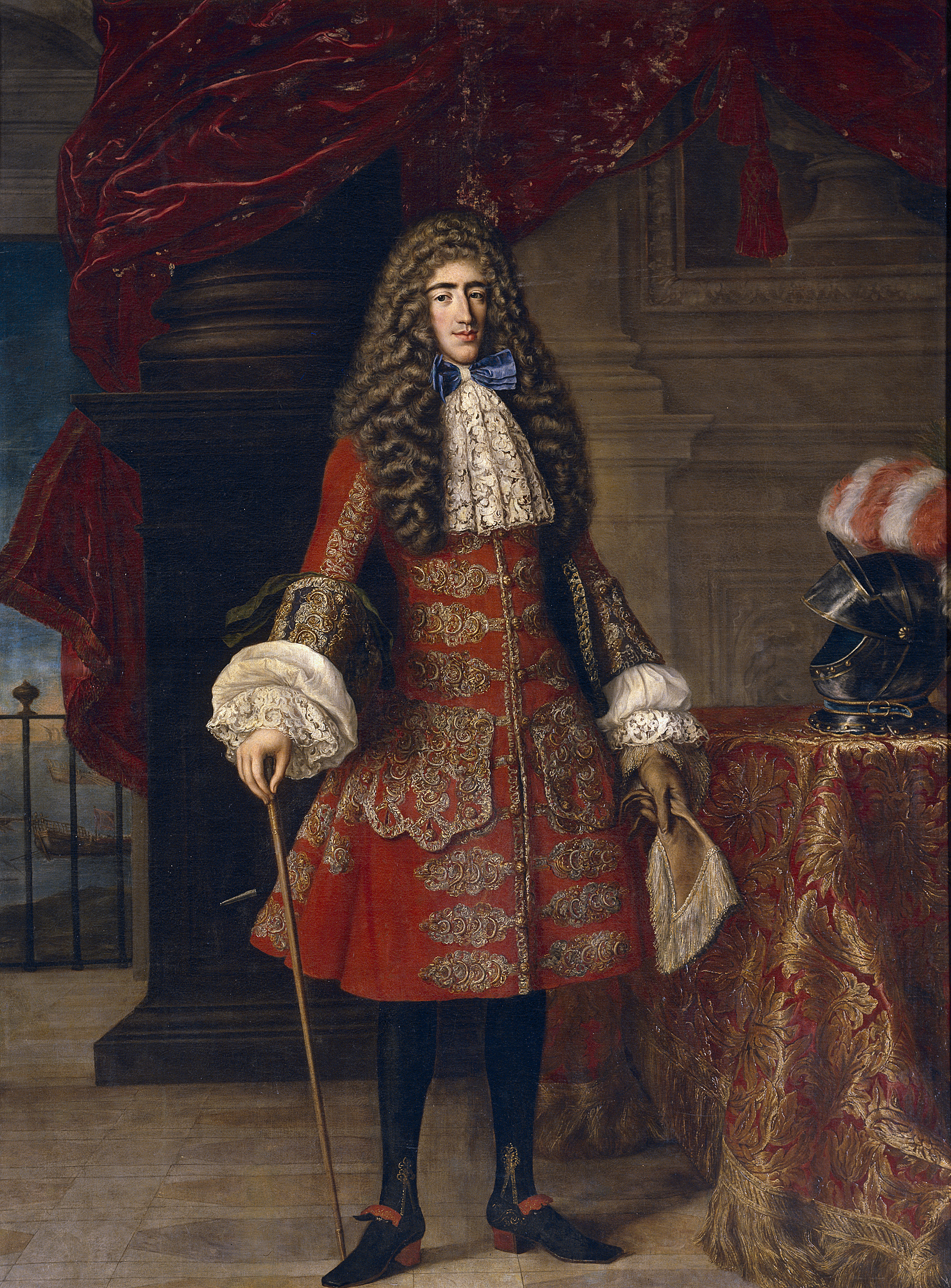
Turning point in men's fashion
Turning point in men's fashion
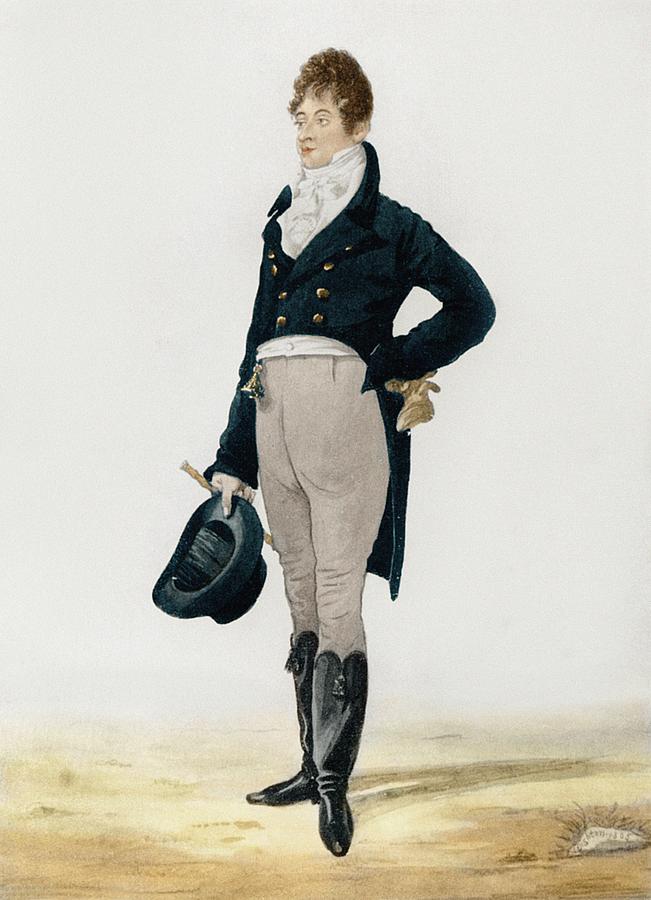
The Great Male Renunciation () is the historical phenomenon at the end of the 18th century in which wealthy men of the Western world stopped using bright colours, elaborate shapes and variety in their dress, which were left to women's clothing. Instead, men concentrated on differences of cut and the quality of the clothes' cloth.
Coined by British psychologist John Flügel in 1930, it is considered a major turning point in the history of clothing in which the men stopped being ornate and detailed. Flügel asserted that men "abandoned their claim to be considered beautiful" and "henceforth aimed at being only useful". The Great Renunciation encouraged the establishment of the suit's monopoly on male dress codes at the beginning of the 19th century.
History
The Great Male Renunciation began in the mid-18th century, inspired by the ideals of the Enlightenment; clothing that signaled aristocratic status fell out of style in favour of functional, utilitarian garments.
During the French Revolution, wearing dress associated with the royalist Ancien Régime made the wearer a target for the Jacobins. Working-class men of the era, many of whom were Revolutionaries, came to be known as sans-culottes because they could not afford silk breeches and wore less expensive pantaloons instead. The term was first used as an insult by French officer Jean-Bernard Gauthier de Murnan but was reclaimed by these men around the time of the Demonstration of 20 June 1792.
In the United States, the movement was associated with American republicanism, with Benjamin Franklin giving up his wig during the American Revolution, and later Charles Ogle's Gold Spoon Oration of 1840 denouncing Martin Van Buren.
The post-Renunciation standards for men's dress went largely unchallenged in the Western world before the rise of the counterculture and increased informality in the 1960s (see 1960s in fashion).
Characteristics
Dark-coloured or black clothing became the standard for men's apparel during the Renunciation. High heels, adopted in Europe at the beginning of the 17th century based on Persian riding shoes, fell out of fashion for men by the 1740s. The tight-fitting breeches that suggested better tailoring and accentuated the strength of the male figure, particularly the legs, were replaced by pantaloons. Stockings and expensive wigs and fabrics were also abandoned.
References
References
- (1 January 1996). "The Great Male Renunciation: Men's Dress Reform in Inter-war Britain". Journal of Design History.
- (25 January 2013). "Why did men stop wearing high heels?". BBC News.
- Quoted by Bourke, p. 23
- (11 January 2019). "Serious Q: Why Did Men Stop Wearing Capes?".
- Peiss, Kathy. (29 November 2011). "Hope in a Jar: The Making of America's Beauty Culture". University of Pennsylvania Press.
- "Bravehearts: Men in Skirts".
- (4 January 2019). "Dark Fashion".
- (2015). "Men of parts: masculine embodiment and the male leg in eighteenth-century England.". Journal of British Studies.
- Storey, Nicholas. (2008). "History of Men's Fashion: What the Well-dressed Man is Wearing". Remember When.
This article was imported from Wikipedia and is available under the Creative Commons Attribution-ShareAlike 4.0 License. Content has been adapted to SurfDoc format. Original contributors can be found on the article history page.
Ask Mako anything about Great Male Renunciation — get instant answers, deeper analysis, and related topics.
Research with MakoFree with your Surf account
Create a free account to save articles, ask Mako questions, and organize your research.
Sign up freeThis content may have been generated or modified by AI. CloudSurf Software LLC is not responsible for the accuracy, completeness, or reliability of AI-generated content. Always verify important information from primary sources.
Report