From Surf Wiki (app.surf) — the open knowledge base
Gluten-free diet
Diet excluding proteins found in wheat, barley, and rye
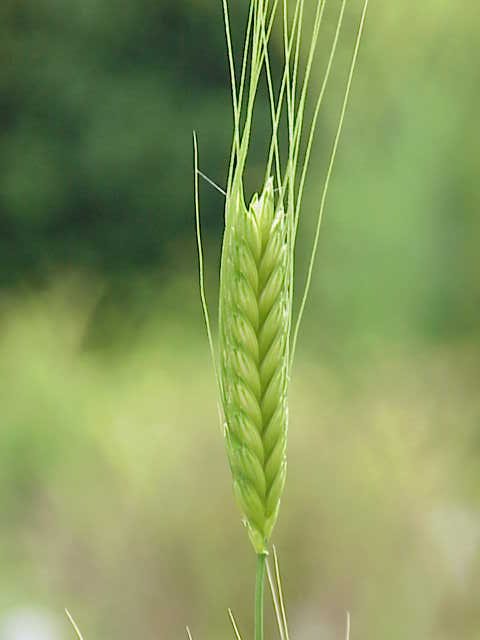
Diet excluding proteins found in wheat, barley, and rye
A gluten-free diet (GFD) is a nutritional plan that strictly excludes gluten, which is a mixture of prolamin proteins found in wheat (and all of its species and hybrids, such as spelt, kamut, and triticale), as well as barley, rye, and oats. The inclusion of oats in a gluten-free diet remains controversial, and may depend on the oat cultivar and the frequent cross-contamination with other gluten-containing cereals.
Gluten may cause both gastrointestinal and systemic symptoms for those with gluten-related disorders, including coeliac disease (CD), non-coeliac gluten sensitivity (NCGS), and wheat allergy. In these people, the gluten-free diet is demonstrated as an effective treatment, but studies show that up to 79% of the people with coeliac disease have an incomplete recovery of the small bowel, despite a strict gluten-free diet. This is mainly caused by inadvertent ingestion of gluten. People with a poor understanding of a gluten-free diet often believe that they are strictly following the diet, but are making regular errors.
In addition, a gluten-free diet may, in at least some cases, improve gastrointestinal or systemic symptoms in diseases like irritable bowel syndrome, rheumatoid arthritis, or HIV enteropathy, among others. There is no good evidence that gluten-free diets are an alternative medical treatment for people with autism.
The grains that contain gluten are not essential in the human diet. However, an unbalanced selection of food and an incorrect choice of gluten-free replacement products may lead to nutritional deficiencies. Replacing flour from wheat or other gluten-containing cereals with gluten-free flours in commercial products may lead to a lower intake of important nutrients, such as iron and B vitamins. Some gluten-free commercial replacement products are not as enriched or fortified as their gluten-containing counterparts, and often have greater lipid/carbohydrate content. Children especially often over-consume these products, such as snacks and biscuits. Nutritional complications can be prevented by a correct dietary education.
A gluten-free diet may be based on gluten-free foods, such as meat, fish, eggs, milk and dairy products, legumes, nuts, fruits, vegetables, potatoes, rice, and corn. Gluten-free processed foods may be used. Pseudocereals (such as quinoa, amaranth, and buckwheat) and some minor cereals have been found to be suitable alternative choices that can provide adequate nutrition.
Rationale behind adoption of the diet

Coeliac disease
Main article: Coeliac disease
Coeliac disease (American English: celiac) (CD) is a chronic, immune-mediated, and mainly intestinal process, that appears in genetically predisposed people of all ages. It is caused by the ingestion of gluten, which is present in wheat, barley, rye and derivatives. Coeliac disease is not only a gastrointestinal disease, because it may affect several organs and cause an extensive variety of non-gastrointestinal symptoms, and most importantly, it may often be completely asymptomatic. Added difficulties for diagnosis are the fact that serological markers (anti-tissue transglutaminase [TG2]) are not always present, and many people with coeliac may have minor mucosal lesions, without atrophy of the intestinal villi.
Coeliac disease affects approximately 1–2% of the general population all over the world and is on the increase, but most cases remain unrecognized, undiagnosed and untreated, exposing patients to the risk of long-term complications. People may develop severe disease symptoms and be subjected to extensive investigations for many years before a proper diagnosis is achieved. Untreated coeliac disease may cause malabsorption, reduced quality of life, iron deficiency, osteoporosis, obstetric complications (stillbirth, intrauterine growth restriction, preterm birth, low birthweight, and small for gestational age), an increased risk of intestinal lymphomas and greater mortality. Coeliac disease is associated with some autoimmune diseases, such as diabetes mellitus type 1, thyroiditis, gluten ataxia, psoriasis, vitiligo, autoimmune hepatitis, dermatitis herpetiformis, primary sclerosing cholangitis, and more.
Coeliac disease with "classic symptoms", which include gastrointestinal manifestations such as chronic diarrhea and abdominal distention, malabsorption, loss of appetite, and impaired growth, is currently the least common presentation of the disease and affects predominantly small children generally younger than two years of age.
Coeliac disease with "non-classic symptoms" is the most common clinical type and occurs in older children (over two years old), adolescents and adults.) and adults.
Following a lifelong gluten-free diet is the only medically accepted treatment for people with coeliac disease.
Non-coeliac gluten sensitivity
Main article: Non-celiac gluten sensitivity
Non-coeliac gluten sensitivity (NCGS) is described as a condition of multiple symptoms that improves when switching to a gluten-free diet, after coeliac disease and wheat allergy are excluded. People with NCGS may develop gastrointestinal symptoms, which resemble those of irritable bowel syndrome (IBS) or a variety of nongastrointestinal symptoms.
Gastrointestinal symptoms may include any of the following: abdominal pain, bloating, bowel habit abnormalities (either diarrhea or constipation), These include: headache, migraine, "brain fog", fatigue, fibromyalgia, joint and muscle pain, leg or arm numbness, tingling of the extremities, dermatitis (eczema or skin rash), atopic disorders such as asthma, rhinitis, other allergies, depression, anxiety, iron-deficiency anemia, folate deficiency or autoimmune diseases. NCGS has also been controversially implicated in some neuropsychiatric disorders, including schizophrenia, eating disorders, autism, peripheral neuropathy, ataxia and attention deficit hyperactivity disorder (ADHD). Above 20% of people with NCGS have IgE-mediated allergy to one or more inhalants, foods or metals, among which most common are mites, graminaceae, parietaria, cat or dog hair, shellfish and nickel. Approximately, 35% of people with NCGS have other food intolerances, mainly lactose intolerance.
The pathogenesis of NCGS is not yet well understood. For this reason, it is a controversial syndrome There is evidence that not only gliadin (the main cytotoxic antigen of gluten), but also other proteins named ATIs which are present in gluten-containing cereals (wheat, rye, barley, and their derivatives) may have a role in the development of symptoms. ATIs are potent activators of the innate immune system. As of 2019, reviews have concluded that although FODMAPs may play a role in NCGS, they only explain certain gastrointestinal symptoms, such as bloating, but not the extra-digestive symptoms that people with NCGS may develop, such as neurological disorders, fibromyalgia, psychological disturbances, and dermatitis.
After exclusion of coeliac disease and wheat allergy, the subsequent step for diagnosis and treatment of NCGS is to start a strict gluten-free diet to assess if symptoms improve or resolve completely. This may occur within days to weeks of starting a GFD, but improvement may also be due to a non-specific, placebo response. Recommendations may resemble those for coeliac disease, for the diet to be strict and maintained, with no transgression. The degree of gluten cross contamination tolerated by people with NCGS is not clear but there is some evidence that they can present with symptoms even after consumption of small amounts. It is not yet known whether NCGS is a permanent or a transient condition. A trial of gluten reintroduction to observe any reaction after one–two years of strict gluten-free diet might be performed.
A subgroup of people with NCGS may not improve by eating commercially available gluten-free products, which are usually rich of preservatives and additives, because chemical additives (such as sulphites, glutamates, nitrates and benzoates) might have a role in evoking functional gastrointestinal symptoms of NCGS. These people may benefit from a diet with a low content of preservatives and additives.
NCGS, which is possibly immune-mediated, now appears to be more common than coeliac disease, with prevalence rates between 0.5 and 13% in the general population.
Wheat allergy
Main article: Wheat allergy
People can also experience adverse effects of wheat as result of a wheat allergy. Gastrointestinal symptoms of wheat allergy are similar to those of coeliac disease and non-coeliac gluten sensitivity, but there is a different interval between exposure to wheat and onset of symptoms. Other symptoms such as dermal reactions like as rashes or hyperpigmentation may also occur in some people. Wheat allergy has a fast onset (from minutes to hours) after the consumption of food containing wheat and could be anaphylaxis.
The management of wheat allergy consists of complete withdrawal of any food containing wheat and other gluten-containing cereals.
Gluten ataxia
Gluten ataxia is an autoimmune disease triggered by the ingestion of gluten. With gluten ataxia, damage takes place in the cerebellum, the balance center of the brain that controls coordination and complex movements like walking, speaking and swallowing, with loss of Purkinje cells. People with gluten ataxia usually present gait abnormality or incoordination and tremor of the upper limbs. Gaze-evoked nystagmus and other ocular signs of cerebellar dysfunction are common. Myoclonus, palatal tremor, and opsoclonus-myoclonus may also appear.
Early diagnosis and treatment with a gluten-free diet can improve ataxia and prevent its progression. The effectiveness of the treatment depends on the elapsed time from the onset of the ataxia until diagnosis, because the death of neurons in the cerebellum as a result of gluten exposure is irreversible.
Gluten ataxia accounts for 40% of ataxias of unknown origin and 15% of all ataxias. Less than 10% of people with gluten ataxia present any gastrointestinal symptom, yet about 40% have intestinal damage.
As a non-medical diet
Since the beginning of the 21st century, the gluten-free diet has become a fad diet.
The gluten-free diet has been advocated and followed by celebrities to lose weight and some professional athletes. There is no published experimental evidence to support that the gluten-free diet contributes to weight loss.
There is a consensus in the medical community that people should consult a physician before going on a gluten-free diet, so that a medical professional can accurately test for coeliac disease or any other gluten-related disorders.
Research
In a 2013 double-blind, placebo-controlled challenge (DBPC) by Biesiekierski et al. in a few people with irritable bowel syndrome, the authors found no difference between gluten or placebo groups and the concept of non-celiac gluten sensitivity as a syndrome was questioned. Nevertheless, this study had design errors and an incorrect selection of participants, and probably the reintroduction of both gluten and whey protein had a nocebo effect similar in all people, and this could have masked the true effect of gluten/wheat reintroduction.
In a 2015 double-blind placebo cross-over trial, small amounts of purified wheat gluten triggered gastrointestinal symptoms (such as abdominal bloating and pain) and extra-intestinal manifestations (such as foggy mind, depression and aphthous stomatitis) in self-reported non-celiac gluten sensitivity. Nevertheless, it remains elusive whether these findings specifically implicate gluten or other proteins present in gluten-containing cereals.
In a 2018 double-blind, crossover research study on 59 persons on a gluten-free diet with challenges of gluten, fructans or placebo, intestinal symptoms (specifically bloating) were borderline significantly higher after challenge with fructans, in comparison with gluten proteins (P=0.049). Although the differences between the three interventions was very small, the authors concluded that fructans (the specific type of FODMAP found in wheat) are more likely to be the cause of gastrointestinal symptoms of non-celiac gluten sensitivity, rather than gluten. In addition, fructans used in the study were extracted from chicory root, so it remains to be seen whether the wheat fructans produce the same effect.
Eating gluten-free


A gluten-free diet is a diet that strictly excludes gluten, proteins present in wheat (and all wheat varieties such as spelt and kamut), barley, rye, oat, and derivatives of these grains such as malt and triticale, and foods that may include them, or shared transportation or processing facilities with them. Some cultivars of pure oat could be a safe part of a gluten-free diet, requiring knowledge of the oat variety used in food products for a gluten-free diet. and further studies identifying the cultivars used are needed before making final recommendations on their inclusion in the gluten-free diet.
Other grains, although gluten-free in themselves, may contain gluten by cross-contamination with gluten-containing cereals during grain harvesting, transporting, milling, storing, processing, handling or cooking.
Processed foods commonly contain gluten as an additive (as emulsifiers, thickeners, gelling agents, fillers, and coatings), so they would need specific labeling. Unexpected sources of gluten are, among others, processed meat, vegetarian meat substitutes, reconstituted seafood, stuffings, butter, seasonings, marinades, dressings, confectionary, candies, and ice cream.

Cross-contamination in the home is also a consideration for those who have gluten-related disorders. There can be many sources of cross-contamination, as for example when family members prepare gluten-free and gluten-containing foods on the same surfaces (countertops, tables, etc.) or share utensils that have not been cleaned after being used to prepare gluten-containing foods (cutting boards, colanders, cutlery, etc.), kitchen equipment (toaster, cupboards, etc.) or certain packaged foods (butter, peanut butter, etc.).

Restaurants prove to be another source of cross-contamination for those following a strict gluten-free diet. A study conducted by Columbia University Medical Center found that 32% of foods labeled gluten-free at restaurants contain above 20 parts per million of gluten, meaning that it contains enough gluten that it is no longer considered gluten-free by the Codex Alimentarius. Cross-contamination occurs in these areas frequently because of a general lack of knowledge about the needed level of caution and the prevalence of gluten in restaurant kitchens. If cooks are unaware of the severity of their guest's diet restrictions or of the important practices needed to limit cross-contamination, they can unknowingly deliver contaminated food. However, some restaurants utilize a training program for their employees to educate them about the gluten-free diet. The accuracy of the training varies. One resource to find these safer restaurants is an app and website called "Find Me Gluten Free" that allows people following a gluten-free diet to rate the safety of different restaurants from their point of view and describe their experience to help future customers.
Easily locating gluten-free items is one of the main difficulties in following a gluten-free diet. To assist in this process, many restaurants and grocery stores choose to label food items. Restaurants often add a gluten-free section to their menu, or specifically mark gluten-free items with a symbol of some kind. Grocery stores often have a gluten-free aisle, or they will attach labels on the shelf underneath gluten-free items. Though the food is labeled gluten-free in this way, it does not necessarily mean that the food is safe for those with gluten-related disorders, as a compilation of studies suggest.
Medications and dietary supplements are made using excipients that may contain gluten.
Gluten-free food
The gluten-free diet includes naturally gluten-free food, such as meat, fish, seafood, eggs, milk and dairy products, nuts, legumes, fruit, vegetables, potatoes, pseudocereals (in particular amaranth, buckwheat, chia seed, quinoa), only certain cereal grains (corn, rice, sorghum), minor cereals (including fonio, Job's tears, millet, teff, called "minor" cereals as they are "less common and are only grown in a few small regions of the world"), some other plant products (arrowroot, mesquite flour, sago, tapioca) and products made from these gluten-free foods. Many Indian cuisine options, particularly South Indian cuisine, are gluten-free.
Risks
An unbalanced selection of food and an incorrect choice of gluten-free replacement products may lead to nutritional deficiencies. Replacing flour from wheat or other gluten-containing cereals with gluten-free flours in commercial products may lead to a lower intake of important nutrients, such as iron and B vitamins and a higher intake of sugars and saturated fats. Some gluten-free commercial replacement products are not enriched or fortified as their gluten-containing counterparts, and often have greater lipid / carbohydrate content. Children especially often over-consume these products, such as snacks and biscuits. These nutritional complications can be prevented by a correct dietary education.) or quinoa or amaranth wholemeal have been as substitute for part of the flour. Similarly, xanthan gum can be used in up to gram quantities per serving in some gluten-free baked goods and can be fermented by specific microbiomes in the gastrointestinal tract. Such substitution has been found to also yield improved crust and texture of bread. It is recommended that anyone embarking on a gluten-free diet check with a registered dietitian to make sure they are getting the required amount of key nutrients like iron, calcium, fiber, thiamin, riboflavin, niacin and folate. Vitamins often contain gluten as a binding agent. Experts have advised that it is important to always read the content label of any product that is intended to be swallowed.
Up to 30% of people with known coeliac disease often continue having or redeveloping symptoms. Also, a lack of symptoms or negative blood antibodies levels are not reliable indicators of intestinal recuperation. Several studies show an incomplete recovery of small bowel despite a strict gluten-free diet. Depending on the study, somewhere between 17.5 - 92.1% of celiacs will achieve histological remission. This lack of recovery in a substantial subset of those with celiac disease is mainly caused by inadvertent exposure to gluten. People with poor basic education and understanding of the gluten-free diet often believe that they are strictly following the diet, but are making regular errors. In addition, some people often deliberately continue eating gluten because of limited availability, inferior taste, higher price, and inadequate labelling of gluten-free products. Poor compliance with the regimen is also influenced by age at diagnosis (adolescents), ignorance of the consequences of the lack of a strict treatment and certain psychological factors. Ongoing gluten intake can cause severe disease complications, such as various types of cancers (both intestinal and extra-intestinal) and osteoporosis.
Regulation and labels
The term gluten-free is generally used to indicate a supposed harmless level of gluten for a person with celiac disease rather than a complete absence. The exact level at which gluten is harmless is uncertain and controversial.
The study cited by most jurisdictions in the development of their ppm standards is a 2007 randomized control trial by Catassi et al, which established the last known safe limit for persons with celiac disease to be 10 mg of gluten per day. This study involved celiac participants ingesting a pill containing either 0 mg (placebo), 10 mg or 50 mg of gluten on a daily basis for 90 days. Those in the 50 mg group had significant differences in their intestinal architecture as a result of the micro-challenge. On this basis, different jurisdictions have developed ppm (mg/kg) standards that should ensure that a person with celiac disease can consume a reasonable amount of packaged food before exceeding this daily limit.
Regulation of the label gluten-free varies by country. Most countries derive key provisions of their gluten-free labelling regulations from the Codex Alimentarius international standards for food labelling as a standard relating to the labelling of products as gluten-free. It only applies to foods that would normally contain gluten. Gluten-free is defined as 20 ppm (= 20 mg/kg) or less. It categorizes gluten-free food as:
- Food that is gluten-free by composition
- Food that has become gluten-free through special processing.
- Reduced gluten content, food which includes food products with between 20 and 100 ppm of gluten Reduced gluten content is left up to individual nations to more specifically define.
The Codex Standard suggests the enzyme-linked Immunoassay (ELISA) R5 Mendez method for indicating the presence of gluten, but allows for other relevant methods, such as DNA. The Codex Standard specifies that the gluten-free claim must appear in the immediate proximity of the name of the product, to ensure visibility.
There is no general agreement on the analytical method used to measure gluten in ingredients and food products. The ELISA method was designed to detect w-gliadins, but it suffered from the setback that it lacked sensitivity for barley prolamins. The use of highly sensitive assays is mandatory to certify gluten-free food products. The European Union, World Health Organization, and Codex Alimentarius require reliable measurement of the wheat prolamins, gliadins rather than all-wheat proteins.
Australia
The Australian government recommends that:
- food labelled gluten-free include no detectable gluten (
- food labelled low gluten claims such that the level of 20 mg gluten per 100 g of the food
Brazil
All food products must be clearly labelled whether they contain gluten or they are gluten-free. Since April 2016, the declaration of the possibility of cross-contamination is mandatory when the product does not intentionally add any allergenic food or its derivatives, but the Good Manufacturing Practices and allergen control measures adopted are not sufficient to prevent the presence of accidental trace amounts. When a product contains the warning of cross-contamination with wheat, rye, barley, oats and their hybridized strains, the warning "contains gluten" is mandatory. The law does not establish a gluten threshold for the declaration of its absence.
Canada
Label laws pertinent to the gluten-free diet are primarily regulated by the federal Food and Drugs Act and the Food and Drug Regulations, which come under this Act. The Food and Drugs Act applies only to packaged foods for human consumption that are traded inter-provincially and/or that are imported. The regulation of gluten ingredients and gluten-free claims in restaurants, cottage industry sales, or other non-packaged foods is a matter of provincial jurisdiction or common law.
Non-foods that are consumed like natural health products (supplements) have some regulations pertaining to gluten disclosure under the Natural Health Product Regulations and related guidance. While there are no explicit legislative provisions relating to gluten-free claims or gluten disclosure outside of this at the federal level, there could exist liability under more general consumer protection legislation where a misleading gluten-free claim is made, e.g. the Consumer Packaging and Labelling Act.
Ingredient declaration
The Food and Drug Regulations define gluten as including wheat, barley, rye, oats, and triticale. The definition of gluten also includes protein fractions of the aforementioned grains. Where gluten is an intentional ingredient in a product, it must be declared in the ingredient list and/or in a "contains" statement on the package. The specific source of the gluten (wheat, barley, rye, oats etc.) must also be declared.
The use of precautionary statements ("may contain") for the purposes of disclosing unintentional cross-contamination from gluten at any ppm level is optional.
Gluten-free claims
The Food and Drug Regulations (s B.24.018) stipulate that packaged foods being represented as gluten-free must not contain "any" gluten protein ingredients, including fragments. The Regulations do not specify any ppm level and do not define "protein fragment." Guidance (soft law) from both Health Canada and the CFIA provides insight into the enforcement of B.24.018.
Health Canada's position is that foods that contain less than 20 ppm of gluten from cross-contamination meet the health and safety intent of the word "any" used in B.24.018.
The CFIA's guidance specifies that gluten ingredients can appear in products with a gluten-free claim if they are sufficiently processed to remove gluten proteins, such as distilled alcohol (e.g. vodka derived from wheat). Fermentation is not considered to be a process that removes gluten. The implication of this is that ingredients such as barley malt (often used in beer) are not permissible in gluten-free products irrespective of the ppm level. This is also affirmed in the CFIA's guidance on enforcement of gluten-free claims.
As a result of a 2015 Market Authorization, oats are permitted in gluten-free foods as long as they are less than 20 ppm from cross-contamination. To comply with the Market Authorization, the oats must be described as "gluten-free" in the ingredient list.
European Union
The EU European Commission delineates the categories as:
- gluten-free: 20 ppm or less of gluten
- very low gluten foodstuffs: 20-100ppm gluten.
All foods containing gluten as an ingredient must be labelled accordingly as gluten is defined as one of the 14 recognized EU allergens.
United States
Until 2012 anyone could use the gluten-free claim with no repercussion. In 2008, Wellshire Farms chicken nuggets labelled gluten-free were purchased and samples were sent to a food allergy laboratory where they were found to contain gluten. After this was reported in the Chicago Tribune, the products continued to be sold. The manufacturer has since replaced the batter used in its chicken nuggets.
The U.S. first addressed gluten-free labelling in the 2004 Food Allergen Labeling and Consumer Protection Act (FALCPA). The Alcohol and Tobacco Tax and Trade Bureau published interim rules and proposed mandatory labelling for alcoholic products in 2006. The FDA issued their Final Rule on August 5, 2013. When a food producer voluntarily chooses to use a gluten-free claim for a product, the food bearing the claim in its labelling may not contain:
- an ingredient that is a gluten-containing grain
- an ingredient that is derived from a gluten-containing grain that has not been processed to remove gluten
- an ingredient that is derived from a gluten-containing grain, that has been processed to remove gluten but results in the presence of 20 ppm or more gluten in the food. Any food product claiming to be gluten-free and also bearing the term "wheat" in its ingredient list or in a separate "Contains wheat" statement, must also include the language "*the wheat has been processed to allow this food to meet the FDA requirements for gluten-free foods," in close proximity to the ingredient statement. Any food product that inherently does not contain gluten may use a gluten-free label where any unavoidable presence of gluten in the food bearing the claim in its labelling is below 20 ppm gluten.
References
References
- (March 2017). "What is gluten?". Journal of Gastroenterology and Hepatology.
- (April 2015). "The gluten-free diet and its current application in coeliac disease and dermatitis herpetiformis". United European Gastroenterology Journal.
- (2016). "Pure Oats as Part of the Canadian Gluten-Free Diet in Celiac Disease: The Need to Revisit the Issue". Canadian Journal of Gastroenterology & Hepatology.
- (January 2013). "The Oslo definitions for coeliac disease and related terms". Gut.
- (2013). "Gluten-free diet in gluten-related disorders". Digestive Diseases.
- (March 2006). "Review article: safe amounts of gluten for patients with wheat allergy or coeliac disease". Alimentary Pharmacology & Therapeutics.
- (June 2015). "Non-celiac gluten sensitivity: a work-in-progress entity in the spectrum of wheat-related disorders". Best Practice & Research. Clinical Gastroenterology.
- (June 2011). "Gluten-free diet in nonceliac disease". Nutrition in Clinical Practice.
- (December 2014). "Evidence of the gluten-free and casein-free diet in autism spectrum disorders: a systematic review". Journal of Child Neurology.
- (May 2013). "The relationship of autism and gluten". Clinical Therapeutics.
- (April 2008). "Gluten- and casein-free diets for autistic spectrum disorder". The Cochrane Database of Systematic Reviews.
- (January 2014). "Cereal-based gluten-free food: how to reconcile nutritional and technological properties of wheat proteins with safety for celiac disease patients". Nutrients.
- (November 2013). "Gluten-free diet in children: an approach to a nutritionally adequate and balanced diet". Nutrients.
- (December 2023). "A comprehensive review of pseudo-cereals: Nutritional profile, phytochemicals constituents and potential health promoting benefits". Applied Food Research.
- (2022). "The Role of Pseudocereals in Celiac Disease: Reducing Nutritional Deficiencies to Improve Well-Being and Health". Journal of Nutrition and Metabolism.
- (January 2017). "Biomarkers to Monitor Gluten-Free Diet Compliance in Celiac Patients". Nutrients.
- (2013). "Gluten-free diet in gluten-related disorders". Digestive Diseases.
- (May 2002). "Gluten sensitivity as a neurological illness". Journal of Neurology, Neurosurgery, and Psychiatry.
- (October 2014). "Treatment of celiac disease: from gluten-free diet to novel therapies". Minerva Pediatrica.
- (2015). "The diagnosis and treatment of dermatitis herpetiformis". Clinical, Cosmetic and Investigational Dermatology.
- (December 2012). "Clinical practice. Celiac disease". The New England Journal of Medicine.
- (2011). "Gluten tolerance; potential challenges in treatment strategies". Gastroenterology and Hepatology from Bed to Bench.
- (September 2015). "Coeliac disease and autoimmune disease-genetic overlap and screening". Nature Reviews. Gastroenterology & Hepatology.
- (June 2015). "Celiac disease from a global perspective". Best Practice & Research. Clinical Gastroenterology.
- (April 2005). "Clinical presentation of celiac disease in the pediatric population". Gastroenterology.
- (June 2015). "Diagnosis of gluten related disorders: Celiac disease, wheat allergy and non-celiac gluten sensitivity". World Journal of Gastroenterology.
- (April 2015). "Support for patients with celiac disease: A literature review". United European Gastroenterology Journal.
- (February 2016). "Celiac disease and obstetric complications: a systematic review and metaanalysis". American Journal of Obstetrics and Gynecology.
- (September 2015). "Coeliac disease and gluten-related disorders in childhood". Nature Reviews. Gastroenterology & Hepatology.
- (October 2009). "Effects of a gluten-free diet on gut microbiota and immune function in healthy adult human subjects". The British Journal of Nutrition.
- (November 2013). "Non-celiac gluten sensitivity: clinical relevance and recommendations for future research". Neurogastroenterology and Motility.
- (December 2013). "Non-celiac gluten sensitivity. Is it in the gluten or the grain?". Journal of Gastrointestinal and Liver Diseases.
- (July 2015). "Non-celiac gluten sensitivity: Time for sifting the grain". World Journal of Gastroenterology.
- (September 2013). "Non-Celiac Gluten sensitivity: the new frontier of gluten related disorders". Nutrients.
- (June 2015). "Non-celiac gluten sensitivity: a work-in-progress entity in the spectrum of wheat-related disorders". Best Practice & Research. Clinical Gastroenterology.
- (September 2013). "Non-Celiac Gluten sensitivity: the new frontier of gluten related disorders". Nutrients.
- (2015). "Fibromyalgia and nutrition: what news?". Clinical and Experimental Rheumatology.
- (May 2015). "Nonceliac gluten sensitivity". Gastroenterology.
- (May 2015). "Nonceliac gluten sensitivity". Gastroenterology.
- (2015). "Assessing of Celiac Disease and Nonceliac Gluten Sensitivity". Gastroenterology Research and Practice.
- (2014). "Non-celiac gluten sensitivity: literature review". Journal of the American College of Nutrition.
- (2014). "Gluten sensitivity presenting as a neuropsychiatric disorder". Gastroenterology Research and Practice.
- (September 2013). "Non-celiac gluten sensitivity: questions still to be answered despite increasing awareness". Cellular & Molecular Immunology.
- (2014). "Type 1 diabetes mellitus and gluten induced disorders". Gastroenterology and Hepatology from Bed to Bench.
- (May 2015). "Systematic review: noncoeliac gluten sensitivity". Alimentary Pharmacology & Therapeutics.
- (6 October 2022). "Diagnostic management of patients reporting symptoms after wheat ingestion". Frontiers in Nutrition.
- (January 2016). "Wheat-dependent exercise-induced anaphylaxis". Clinical and Experimental Allergy.
- (January 2012). "Celiac disease, wheat allergy, and gluten sensitivity: when gluten free is not a fad". Journal of Parenteral and Enteral Nutrition.
- (February 2012). "Spectrum of gluten-related disorders: consensus on new nomenclature and classification". BMC Medicine.
- (April 2016). "Consensus Paper: Neuroimmune Mechanisms of Cerebellar Ataxias". Cerebellum.
- (2015). "Gluten-related disorders: gluten ataxia". Digestive Diseases.
- (March 2003). "Gluten ataxia in perspective: epidemiology, genetic susceptibility and clinical characteristics". Brain.
- (January 2017). "Non-coeliac gluten/wheat sensitivity: advances in knowledge and relevant questions". Expert Review of Gastroenterology & Hepatology.
- (March 2016). "Do we need to worry about eating wheat?". Nutrition Bulletin.
- (October 2015). "Celiac disease and non-celiac gluten sensitivity". BMJ.
- (May 2017). "The Gluten-Free Diet: Fad or Necessity?". Diabetes Spectrum.
- (June 2015). "Diagnosis of gluten related disorders: Celiac disease, wheat allergy and non-celiac gluten sensitivity". World Journal of Gastroenterology.
- (February 2018). "Nonceliac Gluten Sensitivity: What Is the Culprit?". Gastroenterology.
- (March 2019). "Nonceliac Wheat Sensitivity: An Immune-Mediated Condition with Systemic Manifestations". Gastroenterology Clinics of North America.
- (November 2015). "Role of oats in celiac disease". World Journal of Gastroenterology.
- "Guidelines to Prevent Cross-Contamination of Gluten-free Foods". Food Safety Authority of Ireland.
- (October 2013). "The gluten-free diet: testing alternative cereals tolerated by celiac patients". Nutrients.
- (October 2015). "Practical insights into gluten-free diets". Nature Reviews. Gastroenterology & Hepatology.
- (8 October 2018). "Gluten May Be Lurking in 'Gluten-Free' Restaurant Food". Medscape.
- (February 2017). "Gluten Contamination in Naturally or Labeled Gluten-Free Products Marketed in Italy". Nutrients.
- (June 2020). "Food Allergen and Gluten Training and Awareness Among Restaurant Workers Serving Gluten-Free Foods". Current Developments in Nutrition.
- (4 February 2020). "Gluten contamination in food services and industry: A systematic review". Critical Reviews in Food Science and Nutrition.
- (January 2015). "Gluten content of medications". American Journal of Health-System Pharmacy.
- (January 2010). "The gluten-free diet: safety and nutritional quality". Nutrients.
- Ingrid Kohlstadt. (10 December 2012). "Advancing Medicine with Food and Nutrients, Second Edition". CRC Press.
- (2 August 1958). "Gluten-free Diets". BMJ.
- (January 15, 2020). "Venturing into Indian Cuisine".
- (June 1995). "Dietary modulation of the human colonic microbiota: introducing the concept of prebiotics". The Journal of Nutrition.
- "Bob's Red Mill".
- (April 2022). "Mechanistic insights into consumption of the food additive xanthan gum by the human gut microbiota". Nature Microbiology.
- (March 2004). "Recent advances in the formulation of gluten-free cereal-based products". Trends in Food Science & Technology.
- "Gluten-free Diet".
- (2025). "Outcomes in Adults with Celiac Disease Following a Gluten-Free Diet". Journal of Clinical Medicine.
- (June 2008). "Systematic review: tolerable amount of gluten for people with coeliac disease". Alimentary Pharmacology & Therapeutics.
- (2007). "A prospective, double blind, placebo-controlled trial to establish a safe gluten threshold for patients with celiac disease". The American Journal of Clinical Nutrition.
- (February 22, 2006). "Codex Standard For "Gluten-Free Foods" CODEX STAN 118-1981". [[Codex Alimentarius]].
- (March 2006). "Review article: safe amounts of gluten for patients with wheat allergy or coeliac disease". Alimentary Pharmacology & Therapeutics.
- (January 2004). "Methods for allergen analysis in food: a review". Food Additives and Contaminants.
- Codex Alimentarius (2003) Draft revised standards for gluten-free foods, report of the 25th session of the Codex Committee on Nutrition and Foods for Special Dietary Uses, November 2003
- "FINAL ASSESSMENT REPORT PROPOSAL P264 REVIEW OF GLUTEN CLAIMS WITH SPECIFIC REFERENCE TO OATS AND MALT". Australian Government.
- "SUBMISSION FROM COELIAC AUSTRALIA".
- (2016). "Agência Nacional de Vigilância Sanitária Guia sobre Programa de Controle de Alergênicos". Agência Nacional de Vigilância Sanitária (ANVISA).
- (26 March 2025). "Guidance document: Labelling of natural health products". [[Health Canada]].
- (15 January 2026). "List of ingredients and allergens on food labels". [[CFIA]].
- (10 November 2025). "Allergen-free, gluten-free and cross-contamination statements". [[CFIA]].
- (13 June 2017). "Health Canada's Position on Gluten-Free Claims". [[Health Canada]].
- (22 March 2024). "Compliance and enforcement of gluten-free claims". [[CFIA]].
- (12 January 2026). "Market Authorization for Gluten-free Oats and Foods Containing Gluten-free Oats". [[Department of Justice]].
- "Gluten-free food". [[Directorate-General for Health and Consumers]].
- (March 2016). "EU Food Information for Consumers Regulation (EU FIC)". [[Food Standards Agency]].
- (4 January 2019). "What is a balanced diet, and how can people create one?". Medical News Today.
- (2012-01-03). "A Gluten-Free Diet Reality Check".
- "Children at risk in food roulette". Chicagotribune.com.
- "Whole Foods pulls 'gluten-free' products from shelves after Tribune story". Chicagotribune.com.
- {{USFR. 71. 42260 (26 July 2006), {{USFR. 71. 42329 (26 July 2006)
- {{USFR. 78. 47154 (5 August 2013). Codified at {{USCFR. 21. 101. 91.
This article was imported from Wikipedia and is available under the Creative Commons Attribution-ShareAlike 4.0 License. Content has been adapted to SurfDoc format. Original contributors can be found on the article history page.
Ask Mako anything about Gluten-free diet — get instant answers, deeper analysis, and related topics.
Research with MakoFree with your Surf account
Create a free account to save articles, ask Mako questions, and organize your research.
Sign up freeThis content may have been generated or modified by AI. CloudSurf Software LLC is not responsible for the accuracy, completeness, or reliability of AI-generated content. Always verify important information from primary sources.
Report