From Surf Wiki (app.surf) — the open knowledge base
Gluten
Group of cereal grain proteins
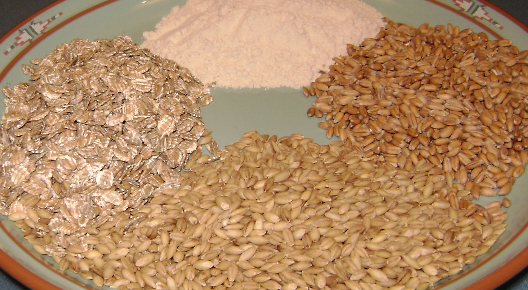
Group of cereal grain proteins
Gluten is a structural protein complex naturally found in certain cereal grains. The term gluten usually refers to the elastic network of a wheat grain's proteins, gliadin and glutenin primarily, which forms readily with the addition of water and often kneading in the case of bread dough. The types of grains that contain gluten include all species of wheat (common wheat, durum, spelt, khorasan, emmer, and einkorn), and barley, rye, and some cultivars of oat; moreover, cross hybrids of any of these cereal grains also contain gluten, e.g. triticale. Gluten makes up 75–85% of the total protein in bread wheat.
Glutens, especially Triticeae glutens, have unique viscoelastic and adhesive properties, which give dough its elasticity, helping it rise and keep its shape and often leaving the final product with a chewy texture. These properties, and its relatively low cost, make gluten valuable to both food and non-food industries.
Wheat gluten is composed of mainly two types of proteins: the glutenins and the gliadins, which in turn can be divided into high molecular and low molecular glutenins and α/β, γ and Ω gliadins. Its homologous seed storage proteins, in barley, are referred to as hordeins, in rye, secalins, and in oats, avenins. These protein classes are collectively referred to as "gluten". The storage proteins in other grains, such as maize (zeins) and rice (rice protein), are sometimes called gluten, but they do not cause harmful effects in people with celiac disease.

Gluten can trigger adverse, inflammatory, immunological, and autoimmune reactions in some people. The spectrum of gluten related disorders includes celiac disease in 1–2% of the general population, non-celiac gluten sensitivity in 0.5–13% of the general population, as well as dermatitis herpetiformis, gluten ataxia and other neurological disorders. These disorders are treated by a gluten-free diet.
Uses

Bread products
Gluten forms when glutenin molecules cross-link via disulfide bonds to form a submicroscopic network attached to gliadin, which contributes viscosity (thickness) and extensibility to the mix. If this dough is leavened with yeast, fermentation produces carbon dioxide bubbles, which, trapped by the gluten network, cause the dough to rise. Baking coagulates the gluten, which, along with starch, stabilizes the shape of the final product. Gluten content has been implicated as a factor in the staling of bread, possibly because it binds water through hydration.

The formation of gluten affects the texture of the baked goods. Using flour with higher gluten content leads to chewier doughs such as those found in pizza and bagels, while using flour with less gluten content yields tender baked goods such as pastry products.{{cite web | access-date = 2007-08-14 | archive-url = https://web.archive.org/web/20070823120653/http://www.bakersassist.nl/processing5-2.htm | archive-date = 2007-08-23
Generally, bread flours are high in gluten (hard wheat); pastry flours have a lower gluten content. Kneading promotes the formation of gluten strands and cross-links, creating baked products that are chewier (as opposed to more brittle or crumbly). The "chewiness" increases as the dough is kneaded for longer. An increased moisture content in the dough enhances gluten development, and very wet doughs left to rise for a long time require no kneading (see no-knead bread). Shortening inhibits formation of cross-links and is used, along with diminished water and less kneading, when a tender and flaky product, such as a pie crust, is desired.
The strength and elasticity of gluten in flour is measured in the baking industry using a farinograph. This gives the baker a measurement of quality for different varieties of flours when developing recipes for various baked goods.
Added gluten
In industrial production, a slurry of wheat flour is kneaded vigorously by machinery until the gluten agglomerates into a mass. This mass is collected by centrifugation, then transported through several stages integrated in a continuous process. About 65% of the water in the wet gluten is removed by means of a screw press; the remainder is sprayed through an atomizer nozzle into a drying chamber, where it remains at an elevated temperature for a short time to allow the water to evaporate without denaturing the gluten. The process yields a flour-like powder with a 7% moisture content, which is air cooled and pneumatically transported to a receiving vessel. In the final step, the processed gluten is sifted and milled to produce a uniform product.
This flour-like powder, when added to ordinary flour dough, may help improve the dough's ability to increase in volume. The resulting mixture also increases the bread's structural stability and chewiness. Gluten-added dough must be worked vigorously to induce it to rise to its full capacity; an automatic bread machine or food processor may be required for high-gluten kneading. Generally, higher gluten levels are associated with higher overall protein content.
Imitation meats
_2007.jpg)
Gluten, especially wheat gluten (seitan), is often the basis for imitation meats resembling beef, chicken, duck (see mock duck), fish and pork. When cooked in broth, gluten absorbs some of the surrounding liquid (including the flavor) and becomes firm to the bite. This use of gluten is a popular means of adding supplemental protein to many vegetarian diets. In home or restaurant cooking, wheat gluten is prepared from flour by kneading the flour under water, agglomerating the gluten into an elastic network known as a dough, and then washing out the starch.
Other consumer products
Gluten is often present in beer and soy sauce, and can be used as a stabilizing agent in more unexpected food products, such as ice cream and ketchup. Foods of this kind may therefore present problems for a small number of consumers because the hidden gluten constitutes a hazard for people with celiac disease and gluten sensitivities. The protein content of some pet foods may also be enhanced by adding gluten.{{cite web | archive-url = https://web.archive.org/web/20071007175039/http://www.iwga.net/04_pet.htm | archive-date = 2007-10-07| url = http://www.iwga.net/04_pet.htm }}
Gluten is also used in cosmetics, hair products and other dermatological preparations.
Animal feed
Wheat gluten is used both as a protein source and binding ingredient in pet foods. Wheat gluten imported from China adulterated with melamine used in pet foods was considered to have caused harm in many countries in 2007.
Disorders
Main article: Gluten-related disorders, Gluten-sensitive enteropathy-associated conditions, Gluten-sensitive idiopathic neuropathies
"Gluten-related disorders" is the umbrella term for all diseases triggered by gluten, which include celiac disease (CD), non-celiac gluten sensitivity (NCGS), wheat allergy, gluten ataxia and dermatitis herpetiformis (DH).
Pathophysiological research
The gluten peptides are responsible for triggering gluten-related disorders. Among the gluten peptides, gliadin has been studied extensively.
''In vitro'' and ''in vivo'' studies
In the context of celiac disease, gliadin peptides are classified in basic and clinical research as immunogenic, depending on their mechanism of action:
- The peptides are those capable of directly affecting cells and intestinal preparations in vitro, producing cellular damage in vivo and eliciting the innate immune response.
- The immunogenic peptides are those able to activate T cells in vitro.
At least 50 epitopes of gluten may produce cytotoxic, immunomodulatory, and gut-permeating activities.
The effect of oat peptides (avenins) in celiac people depends on the oat cultivar consumed because of prolamin genes, protein amino acid sequences, and the immunotoxicity of prolamins which vary among oat varieties. In addition, oat products may be cross-contaminated with the other gluten-containing cereals.
Incidence
, gluten-related disorders were increasing in frequency in different geographic areas. Some suggested explanations for this increase include the following: the growing westernization of diets, the progressive replacement of rice by wheat in many countries in Asia, the Middle East, and North Africa, and the development in recent years of new types of wheat with a higher amount of cytotoxic gluten peptides. However, a 2020 study that grew and analyzed 60 wheat cultivars from between 1891 and 2010 found no changes in albumin/globulin and gluten contents over time. "Overall, the harvest year had a more significant effect on protein composition than the cultivar. At the protein level, we found no evidence to support an increased immunostimulatory potential of modern winter wheat."
Celiac disease
Main article: Coeliac disease
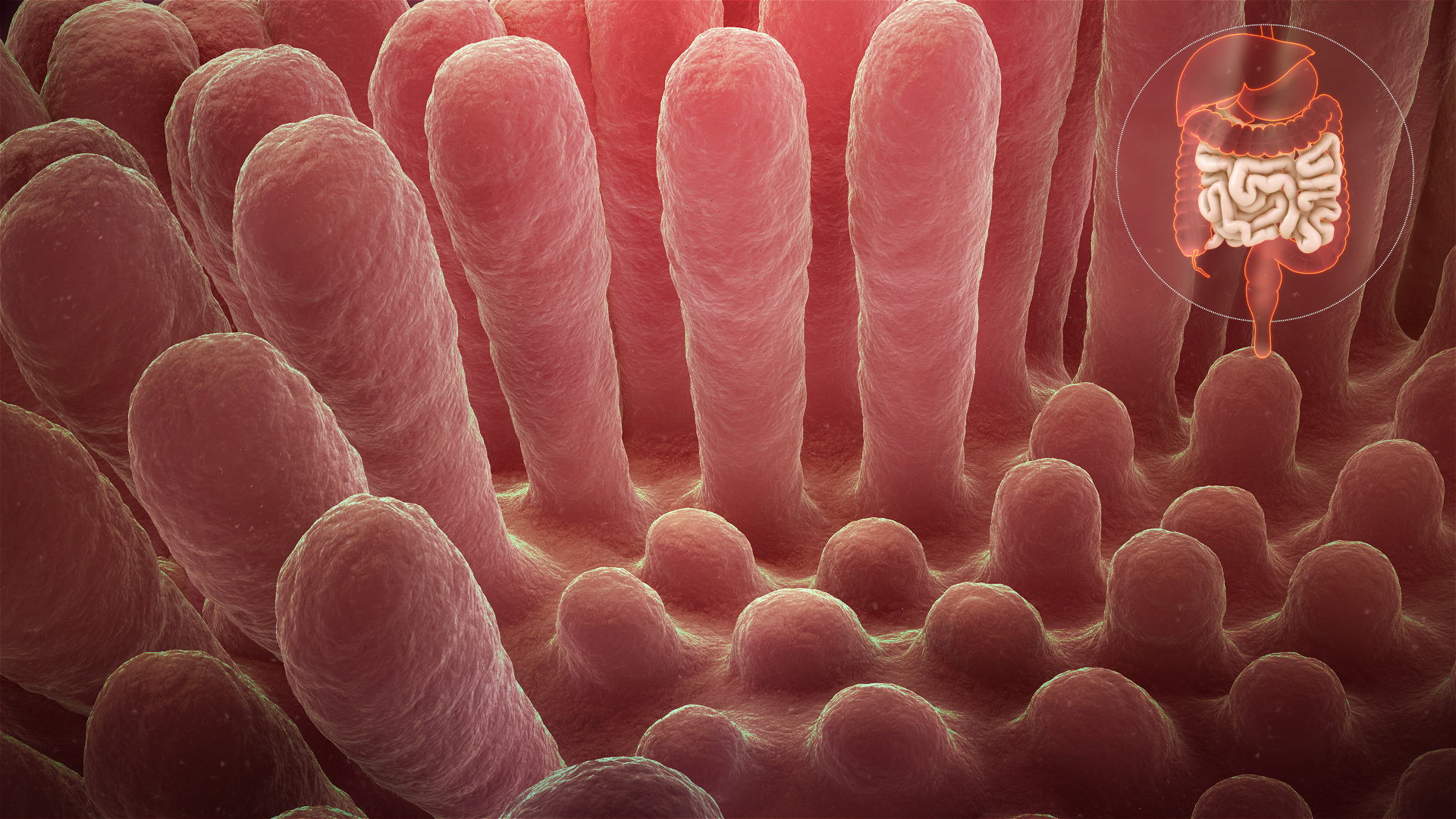
Celiac disease (CD) is a chronic, multiple-organ autoimmune disorder primarily affecting the small intestine caused by the ingestion of wheat, barley, rye, oats, and derivatives, that appears in genetically predisposed people of all ages. CD is not only a gastrointestinal disease, because it may involve several organs and cause an extensive variety of non-gastrointestinal symptoms, and most importantly, it may be apparently asymptomatic. Many asymptomatic people become accustomed to living with a chronic bad health status as if it were normal, but they are able to recognize that they actually had symptoms related to celiac disease after starting a gluten-free diet and improvement occurs. and many people may have minor mucosal lesions, without atrophy of the intestinal villi.
CD affects approximately 1–2% of the general population, but most cases remain unrecognized, undiagnosed and untreated, and at risk for serious long-term health complications. People may suffer severe disease symptoms and be subjected to extensive investigations for many years, before a proper diagnosis is achieved. Untreated CD may cause malabsorption, reduced quality of life, iron deficiency, osteoporosis, an increased risk of intestinal lymphomas, and greater mortality. CD is associated with some other autoimmune diseases, such as diabetes mellitus type 1, thyroiditis, gluten ataxia, psoriasis, vitiligo, autoimmune hepatitis, dermatitis herpetiformis, primary sclerosing cholangitis, and more.
CD with "classic symptoms", which include gastrointestinal manifestations such as chronic diarrhea and abdominal distention, malabsorption, loss of appetite, and impaired growth, is currently the least common presentation form of the disease and affects predominantly small children generally younger than two years of age.
CD with "non-classic symptoms" is the most common clinical type) and adults.
Asymptomatic CD (ACD) is present in the majority of affected patients and is characterized by the absence of classical gluten-intolerance signs, such as diarrhea, bloating, and abdominal pain. Nevertheless, these individuals very often develop diseases that can be related to gluten intake. Gluten can be degraded into several morphine-like substances, named gluten exorphins. These compounds have proven opioid effects and could mask the deleterious effects of gluten protein on gastrointestinal lining and function.
Non-celiac gluten sensitivity
Main article: Non-celiac gluten sensitivity
Non-celiac gluten sensitivity (NCGS) is described as a condition of multiple symptoms that improves when switching to a gluten-free diet, after celiac disease and wheat allergy are excluded.{{cite journal|last1=Nijeboer| first1=P|last2=Bontkes|first2=H|last3=Mulder|first3=C|last4=Bouma|first4=G|title=Non-celiac gluten sensitivity. Is it in the gluten or the grain?|journal=Journal of Gastrointestinal and Liver Disorders|date=2013|volume=22|issue=4|pages=435–40|pmid=24369326}} Recognized since 2010, it is included among gluten-related disorders. Its pathogenesis is not yet well understood, but the activation of the innate immune system, the direct negative effects of gluten and probably other wheat components, are implicated.
NCGS is the most common syndrome of gluten intolerance, with a prevalence estimated to be 6-10%. NCGS is becoming a more common diagnosis, but its true prevalence is difficult to determine because many people self-diagnose and start a gluten-free diet, without having previously tested for celiac disease or having the dietary prescription from a physician. People with NCGS and gastrointestinal symptoms remain habitually in a "no man's land", without being recognized by the specialists and lacking the adequate medical care and treatment. Most of these people have a long history of health complaints and unsuccessful consultations with numerous physicians, trying to get a diagnosis of celiac disease, but they are only labeled as irritable bowel syndrome.
People with NCGS may develop gastrointestinal symptoms, which resemble those of irritable bowel syndrome or wheat allergy, The results of a 2017 study suggest that NCGS may be a chronic disorder, as is the case with celiac disease.
Besides gluten, additional components present in wheat, rye, barley, oats, and their derivatives, including other proteins called amylase-trypsin inhibitors (ATIs) and short-chain carbohydrates known as FODMAPs, may cause NCGS symptoms. ATIs may cause toll-like receptor 4 (TLR4)-mediated intestinal inflammation in humans.
Wheat allergy
Main article: Wheat allergy
People can also experience adverse effects of wheat as result of a wheat allergy. As with most allergies, a wheat allergy causes the immune system to respond abnormally to a component of wheat that it treats as a threatening foreign body. This immune response is often time-limited and does not cause lasting harm to body tissues. Wheat allergy and celiac disease are different disorders. Gastrointestinal symptoms of wheat allergy are similar to those of celiac disease and non-celiac gluten sensitivity, but there is a different interval between exposure to wheat and onset of symptoms. An allergic reaction to wheat has a fast onset (from minutes to hours) after the consumption of food containing wheat and could include anaphylaxis.
Gluten ataxia
Gluten ataxia is an autoimmune disease triggered by the ingestion of gluten. With gluten ataxia, damage takes place in the cerebellum, the balance center of the brain that controls coordination and complex movements like walking, speaking and swallowing, with loss of Purkinje cells. People with gluten ataxia usually present gait abnormality or incoordination and tremor of the upper limbs. Gaze-evoked nystagmus and other ocular signs of cerebellar dysfunction are common. Myoclonus, palatal tremor, and opsoclonus-myoclonus may also appear.
Early diagnosis and treatment with a gluten-free diet can improve ataxia and prevent its progression. The effectiveness of the treatment depends on the elapsed time from the onset of the ataxia until diagnosis, because the death of neurons in the cerebellum as a result of gluten exposure is irreversible.
Gluten ataxia accounts for 40% of ataxias of unknown origin and 15% of all ataxias. Less than 10% of people with gluten ataxia present any gastrointestinal symptom, yet about 40% have intestinal damage.
Other neurological disorders
In addition to gluten ataxia, gluten sensitivity can cause a wide spectrum of neurological disorders, which develop with or without the presence of digestive symptoms or intestinal damage. These include peripheral neuropathy, epilepsy, headache, encephalopathy, vascular dementia, and various movement disorders (restless legs syndrome, chorea, parkinsonism, Tourette syndrome, palatal tremor, myoclonus, dystonia, opsoclonus myoclonus syndrome, paroxysms, dyskinesia, myorhythmia, myokymia).
The diagnosis of underlying gluten sensitivity is complicated and delayed when there are no digestive symptoms. People who do experience gastrointestinal problems are more likely to receive a correct diagnosis and treatment. A strict gluten-free diet is the first-line treatment, which should be started as soon as possible. It is effective in most of these disorders. When dementia has progressed to an advanced degree, the diet has no beneficial effect. Cortical myoclonus appears to be treatment-resistant on both gluten-free diet and immunosuppression.
Labeling
People with gluten-related disorders need to eliminate gluten from their diets to varying degrees, necessitating label laws that enable them to determine suitability of foods. The term "gluten-free" is generally used to indicate a supposed harmless level of gluten rather than a complete absence.
For persons with celiac disease, consumption of more than 10 mg of gluten per day will cause intestinal architecture changes in the majority of celiacs. Based on this study by Catassi et al, many jurisdictions opt to use 20 parts per million as the regulatory threshold for a gluten-free claim, which enables someone to consume 500 g of food at
There is no established threshold for those with NCGS, but some double blind feeding studies suggest no effect when 10 grams of gluten is consumed per day. Whether symptoms are alleviated due to gluten elimination or some other component in gluten grains is scientifically debated. Nevertheless, some jurisdictions like the EU and Australia have developed standards such as "very low gluten" and "low gluten" to accommodate those with NCGS who may be able to tolerate foods with higher levels of gluten in them.
International standards
The Codex Alimentarius international standards for food labeling has a standard relating to the labeling of products as "gluten-free". It only applies to foods that would normally contain gluten.
Australia and New Zealand
Gluten is defined to include wheat, barley, rye, and oats. If gluten is present as an intentional ingredient in a packaged product, these ingredients must be declared in the ingredient list. Beers labelled gluten-free cannot contain barley ingredients irrespective of the level of quantitative gluten. A "low gluten" claim may be used where the product has less than 200 parts per million gluten.
Adjacent label claims like "gluten friendly" are not permitted. Precautionary advisory labels such as "may contain" and "made in a facility" are not permitted on products bearing a gluten-free claim.
Brazil
By law in Brazil, all food products must display labels clearly indicating whether or not they contain gluten.{{cite web |access-date=2014-07-22 |archive-url=https://web.archive.org/web/20071206032116/http://e-legis.anvisa.gov.br/leisref/public/showAct.php?id=32 |archive-date=2007-12-06
Canada
Labels for packaged products sold in Canada must clearly identify the presence of gluten (wheat, barley, rye, oats, triticale) if these are present as an intentional ingredient in the food product. Foods labelled gluten-free must be free of gluten ingredients (wheat, barley, rye) and be below 20 parts per million gluten from cross-contact. Misleading claims such as "low gluten" or "reduced gluten" are not permitted.
In 2015, a market authorization was initiated by the Minister of Health, permitting the inclusion of uncontaminated oats (
European Union and United Kingdom
All foods containing gluten as an intentional ingredient must be labelled accordingly as gluten is defined as one of the 14 recognised EU allergens. Foods, including non-packaged foods bearing a gluten-free claim must be below 20 parts per million, irrespective of ingredients. Foods may also be labelled "very low gluten," which is defined as 100 parts per million of gluten or less.
The EU/UK permits the use of gluten ingredients in products labelled gluten-free as long as the quantitative level of gluten is below 20 parts per million. The practical effect of this is that products containing fragmented gluten proteins such as soy sauce and barley based beer may be labelled gluten-free assuming they are below 20 parts per million gluten.{{cite web|url=https://www.coeliac.org.uk/information-and-support/living-gluten-free/the-gluten-free-diet/emerging-evidence-on-tests-for-analysing-gluten/|title=Emerging evidence on tests for analysing gluten|publisher= Coeliac UK
It is not permissible to label food as "gluten-free" when all similar food is naturally gluten-free, such as in the case of milk.
United States
In the United States, gluten grains other than wheat do not need to be declared when they are intentional ingredients in a food product. Packaged products bearing a claim of "gluten-free", "no gluten," "free of gluten," or "without gluten," cannot have gluten protein ingredients (wheat, barley, rye) and must be below 20 parts per million from cross-contact. Additionally, fermented or hydrolyzed foods (e.g. soy sauce, beer) cannot be labelled gluten-free unless the raw ingredients comply with the gluten-free label rule. In practice, this means that enzyme treated barley beers (as sold in Europe) may not be labelled gluten-free in the United States.
References
References
- (February 2002). "The structure and properties of gluten: an elastic protein from wheat grain". Philos Trans R Soc Lond B Biol Sci.
- McGee, Harold. (2007-03-20). "On Food and Cooking". Simon and Schuster.
- Food and Drug Administration. (January 2007). "Food Labeling; Gluten-Free Labeling of Foods".
- Biesiekierski JR. (2017). "What is gluten?". J Gastroenterol Hepatol.
- (Jan 29, 2014). "Cereal-based gluten-free food: how to reconcile nutritional and technological properties of wheat proteins with safety for celiac disease patients". Nutrients.
- (February 2006). "Wheat-gluten uses and industry needs". Trends in Food Science & Technology.
- Payne, P. I.. (2012-12-06). "A Genetic Approach to Plant Biochemistry". Springer.
- Zhao, Hefei. (February 2020). "Comparison of wheat, soybean, rice, and pea protein properties for effective applications in food products". Journal of Food Biochemistry.
- (2018). "Kent's Technology of Cereals".
- (2002). "The structure and properties of gluten: An elastic protein from wheat grain". Philosophical Transactions of the Royal Society B: Biological Sciences.
- "The Gluten Proteins and Deamidated Soluble Wheat Protein".
- (January 1997). "Effects of enzyme preparations for baking, mixing time and resting time on bread quality and bread staling". Food Chemistry.
- (May 1997). "Effects of Wheat Variety and Processing Conditions in Experimental Bread Baking Studied by Univariate and Multivariate Analyses". Journal of Cereal Science.
- (September 2005). "Modification of the Low Molecular Weight (LMW) Glutenin Composition of Transgenic Durum Wheat: Effects on Glutenin Polymer Size and Gluten Functionality". Molecular Breeding.
- (January 1992). "The prediction of bread baking performance using the farinograph and extensograph". Journal of Cereal Science.
- (2013). "Effect of flour particle size on microstructural, rheological and physico-sensory characteristics of bread and south Indian parotta". Journal of Food Science and Technology.
- (2002). "Understanding Baking".
- (1997). "Rustic European Breads from your Bread Machine".
- (3 November 2014). "Against the Grain".
- (1993). "Cooking with Gluten and Seitan". Book Publishing Company.
- Abramowski, Nicole. (11 March 2011). "How to Make Seitan: An Illustrated Guide".
- (1 January 2006). "Gluten intolerance and skin diseases". European Journal of Dermatology.
- "'''Import Alert IA9926''': Detention without physical examination of wheat gluten due to the presence of melamine". US Food and Drug Administration.
- (2022). "Diagnostic management of patients reporting symptoms after wheat ingestion". Front Nutr.
- (January 2013). "The Oslo definitions for coeliac disease and related terms". Gut.
- (2006). "Coeliac disease: an update for pathologists". J Clin Pathol.
- (2012). "Pathophysiology of celiac disease". Gastrointest Endosc Clin N Am.
- (2013). "Latest in vitro and in vivo models of celiac disease". Expert Opin Drug Discov.
- (2018). "Translational Chemistry Meets Gluten-Related Disorders". ChemistryOpen.
- (2009). "Toxic, immunostimulatory and antagonist gluten peptides in celiac disease". Curr Med Chem.
- (2015). "Non-celiac gluten sensitivity: Time for sifting the grain". World J Gastroenterol.
- (Nov 18, 2013). "Gluten-free diet in children: an approach to a nutritionally adequate and balanced diet". Nutrients.
- (2016). "Pure Oats as Part of the Canadian Gluten-Free Diet in Celiac Disease: The Need to Revisit the Issue". Can J Gastroenterol Hepatol.
- (Nov 7, 2015). "Role of oats in celiac disease". World J Gastroenterol.
- (2017). "Celiac Disease and Nonceliac Gluten Sensitivity: A Review". JAMA.
- (Mar 16, 2015). "Clinical and diagnostic aspects of gluten related disorders". World J Clin Cases.
- (Jun 2015). "Celiac disease from a global perspective". Best Pract Res Clin Gastroenterol.
- (2012). "Spectrum of gluten-related disorders: consensus on new nomenclature and classification". BMC Medicine.
- (2013). "Non-celiac gluten sensitivity: questions still to be answered despite increasing awareness". Cellular and Molecular Immunology.
- (Apr 2015). "Nonceliac gluten sensitivity or wheat intolerance syndrome?". J Pediatr.
- (Apr 2007). "Sourdough lactobacilli and celiac disease". Food Microbiol.
- Belderok B. (2000). "Developments in bread-making processes". Plant Foods Hum Nutr.
- (10 July 2020). "Wheat (''Triticum aestivum'' L.) Breeding from 1891 to 2010 Contributed to Increasing Yield and Glutenin Contents but Decreasing Protein and Gliadin Contents". [[Journal of Agricultural and Food Chemistry]].
- (2019-07-23). "Celiac disease: a comprehensive current review". BMC Medicine.
- (July 2016). "Celiac disease". [[World Gastroenterology Organisation]] Global Guidelines.
- (December 2012). "Clinical practice. Celiac disease.". The New England Journal of Medicine.
- (2011). "Gluten tolerance; potential challenges in treatment strategies". Gastroenterol Hepatol Bed Bench.
- (Sep 2015). "Coeliac disease and autoimmune disease-genetic overlap and screening". Nat Rev Gastroenterol Hepatol.
- Fasano A. (Apr 2005). "Clinical presentation of celiac disease in the pediatric population". Gastroenterology.
- (Jun 2015). "Diagnosis of gluten related disorders: Celiac disease, wheat allergy and non-celiac gluten sensitivity". World J Gastroenterol.
- (Apr 2015). "Support for patients with celiac disease: A literature review". United European Gastroenterol J.
- (Oct 2015). "Celiac disease and non-celiac gluten sensitivity". BMJ.
- (Sep 2015). "Coeliac disease and autoimmune disease-genetic overlap and screening". Nat Rev Gastroenterol Hepatol.
- (Sep 2015). "Coeliac disease and gluten-related disorders in childhood". Nature Reviews. Gastroenterology & Hepatology.
- (24 November 2015). "The opioid effects of gluten exorphins: asymptomatic celiac disease". Journal of Health, Population, and Nutrition.
- (2013). "Non-celiac gluten sensitivity: clinical relevance and recommendations for future research". Neurogastroenterology & Motility.
- (May 2015). "Nonceliac Gluten Sensitivity". Gastroenterology.
- (2014). "[Non-celiac gluten sensitivity: a critical review of current evidence] [Article in Spanish]". Gastroenterol Hepatol.
- (Oct 2017). "Non-celiac gluten sensitivity: All wheat attack is not celiac". World Journal of Gastroenterology.
- (2009). "Between celiac disease and irritable bowel syndrome: the "no man's land" of gluten sensitivity". Am J Gastroenterol.
- (June 2025}} of people eliminate gluten because they identify it as responsible for their symptoms and these improve with the [[gluten-free diet]], so they self-diagnose as NCGS.{{cite journal). "Non-Celiac Gluten Sensitivity: Literature Review". Journal of the American College of Nutrition.
- (Sep 2013). "Non-Celiac Gluten sensitivity: the new frontier of gluten related disorders". Nutrients.
- (Jun 2015). "Non-celiac gluten sensitivity: a work-in-progress entity in the spectrum of wheat-related disorders". Best Pract Res Clin Gastroenterol.
- (February 2018). "Nonceliac Gluten Sensitivity: What Is the Culprit?". Gastroenterology.
- (March 2019). "Nonceliac Wheat Sensitivity: An Immune-Mediated Condition with Systemic Manifestations". Gastroenterol Clin North Am.
- (2014). "Gliadin Peptides as Triggers of the Proliferative and Stress/Innate Immune Response of the Celiac Small Intestinal Mucosa". International Journal of Molecular Sciences.
- (2012). "Wheat amylase trypsin inhibitors drive intestinal inflammation via activation of toll-like receptor 4". Journal of Experimental Medicine.
- (2015). "What's the difference between celiac disease, gluten intolerance, non-celiac gluten sensitivity and wheat allergy?". The University of Chicago Celiac Disease Center.
- (September 2006). "Food intolerance and coeliac disease". Food Standards Agency.
- (2012). "Spectrum of gluten-related disorders: consensus on new nomenclature and classification". BMC Medicine.
- (2016). "Consensus Paper: Neuroimmune Mechanisms of Cerebellar Ataxias". Cerebellum.
- (2015). "Gluten-related disorders: gluten ataxia". Dig Dis.
- (March 2003). "Gluten ataxia in perspective: epidemiology, genetic susceptibility and clinical characteristics". Brain.
- (26 February 2019). "Treatment of Neurological Manifestations of Gluten Sensitivity and Coeliac Disease". Curr Treat Options Neurol.
- (2018). "Movement Disorders Related to Gluten Sensitivity: A Systematic Review". Nutrients.
- (2012). "Gluten and gluten-free: issues and considerations of labeling regulations, detection methods, and assay validation". J AOAC Int.
- (June 2008). "Systematic review: tolerable amount of gluten for people with coeliac disease". Aliment. Pharmacol. Ther..
- (2007). "A prospective, double-blind, placebo-controlled trial to establish a safe gluten threshold for patients with celiac disease". Am J Clin Nutr.
- (2020). "Updated population minimal eliciting dose distributions for use in risk assessment of 14 priority food allergens". Food Chem Toxicol.
- (2023). "Nonceliac gluten sensitivity". Curr Opin Clin Nutr Metab Care.
- (February 22, 2006). "Codex Standard For "Gluten-Free Foods" CODEX STAN 118-1981". [[Codex Alimentarius]].
- (22 July 2022). "Allergen labelling for food businesses". Food Standards Australia & New Zealand.
- "Making a Gluten Free Claim". Coeliac Australia.
- "BEST GLUTEN-FREE BEERS IN AUSTRALIA". Coeliac Australia.
- (2 October 2024). "Allergens and Gluten Source Labeling". Health Canada.
- (29 June 2012). "Health Canada's Position on Gluten-Free Claims". Health Canada.
- (15 January 2025). "Low gluten or reduced gluten claims". CFIA.
- (29 May 2015). "Market Authorization for GF products containing GF oats". Health Canada.
- (22 March 2024). "Compliance and enforcement of gluten-free claims". CFIA.
- (15 January 2025). "Gluten-free beer". CFIA.
- (March 2016). "EU Food Information for Consumers Regulation (EU FIC)". [[Food Standards Agency]].
- (30 July 2014). "on the requirements for the provision of information to consumers on the absence or reduced presence of gluten in food". EU.
- Tricia Thompson & Enrique Méndez. (2008). "Commercial assays to assess gluten content of gluten-free foods: why they are not created equal". J Am Diet Assoc.
- (2024). "Barley based gluten free beer – A blessing or an uncontrollable risk?". Food Chem Toxicol.
- (2017). "'Gluten-free' and 'Very Low Gluten' Declarations". Food Safety Authority of Ireland.
- (2 August 2004). "FALCPA". FDA.
- (2 August 2004). "21 CFR 101.91 Gluten-free labeling of food". FDA.
- (14 August 2020). "FDA Publishes Final Rule on Gluten-Free Labeling of Fermented or Hydrolyzed Foods: The Basics". Tricia Thompson.
This article was imported from Wikipedia and is available under the Creative Commons Attribution-ShareAlike 4.0 License. Content has been adapted to SurfDoc format. Original contributors can be found on the article history page.
Ask Mako anything about Gluten — get instant answers, deeper analysis, and related topics.
Research with MakoFree with your Surf account
Create a free account to save articles, ask Mako questions, and organize your research.
Sign up freeThis content may have been generated or modified by AI. CloudSurf Software LLC is not responsible for the accuracy, completeness, or reliability of AI-generated content. Always verify important information from primary sources.
Report