From Surf Wiki (app.surf) — the open knowledge base
Girl next door
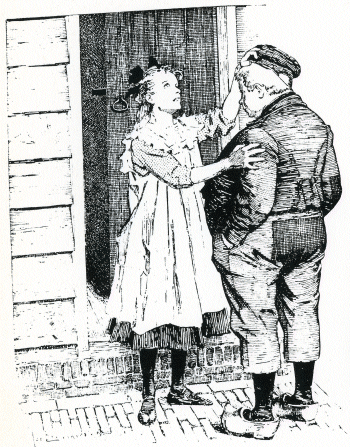
Archetype of a kind and unassuming woman
Archetype of a kind and unassuming woman
the stock character
The girl next door is a young female stock character who is often used in romantic stories. She is named so because she often lives next door to the protagonist or is a childhood friend. They start out with a friendship that later often develops into romantic attraction. A similar expression is "boy next door".
Characteristics
A girl-next-door character is often portrayed as natural, innocent, and unpretentious. Evoking nostalgia, she is associated with small towns and local or even rural ways of life. For example, the actress and singer Doris Day, "Hollywood's girl next door," renowned for her rom-com film roles in the 1950s, pioneered the type in film. On television, the sitcom Gilligan's Island offered the character of Mary Ann Summers (portrayed by Dawn Wells), with her girl-next-door allure in contrast with the glamorous movie star character Ginger Grant (Tina Louise). The show's long popularity led to the question "Ginger or Mary Ann?," a shorthand way to ask someone whether they preferred a girl-next-door type or a glamorous type.
The love triangle is a common trope in fiction and often involves a male protagonist caught between his desire for two women, one of them the "sweet, ordinary, and caring girl next door" he grew up with, the other a more well-off or beautiful woman of lower morals. The male may pass over the latter for the girl next door, or may himself be ignored by the beautiful woman as she pursues a more desirable man.
References
References
- McDonald, Tamar Jeffers. (2013-09-27). "Doris Day Confidential: Hollywood, Sex and Stardom". I.B. Tauris.
- Glinton, Sonari. (May 13, 2019). "Actress And Singer Doris Day, Hollywood's Girl Next Door, Dies At 97". WPRL.
- Erskine, Chris. (August 22, 2019). "I invited Mary Ann to a Gilligan-themed tiki party — and she showed up". [[Los Angeles Times]].
- Fashingbauer Cooper, Gael. (September 17, 2014). "Ginger or Mary Ann? 'Gilligan' fans still ponder question". [[Today (American TV program).
- (1999). "Ebert's bigger little movie glossary: a greatly expanded and much improved compendium of movie clichés, stereotypes, obligatory scenes, hackneyed formulas, shopworn conventions, and outdated archetypes". Andrews McMeel.
- (August 14, 2017). "Romancing the zombie : essays on the undead as significant "other"". McFarland & Company.
This article was imported from Wikipedia and is available under the Creative Commons Attribution-ShareAlike 4.0 License. Content has been adapted to SurfDoc format. Original contributors can be found on the article history page.
Ask Mako anything about Girl next door — get instant answers, deeper analysis, and related topics.
Research with MakoFree with your Surf account
Create a free account to save articles, ask Mako questions, and organize your research.
Sign up freeThis content may have been generated or modified by AI. CloudSurf Software LLC is not responsible for the accuracy, completeness, or reliability of AI-generated content. Always verify important information from primary sources.
Report