From Surf Wiki (app.surf) — the open knowledge base
Germans of Romania
Ethnic minority in Romania

Ethnic minority in Romania
| Field | Value | |
|---|---|---|
| group | Germans of Romania | |
| native_name | ||
| Deutsche aus Rumänien | ||
| Deutsch-Rumänen | ||
| image | [[File:Germanii din Romania 2021.png | 250px]] |
| image_caption | Map depicting the distribution of ethnic Germans in Romania (according to the 2021 census which was postponed to and conducted in 2022 because of the COVID-19 pandemic) | |
| population | 22,900 (as per the 2021 Romanian census) | |
| popplace | [[File:Coat of arms of Romania.svg | 15px]] Romania {{Collapsible list |
| title | Mainly in | |
| rels | Majority Latin Catholics (12,495), but also Lutherans (Evangelical Church of the Augsburg Confession in Romania), Romanian Orthodox and other confessions | |
| langs | Mainly German (i.e. Hochdeutsch and dialects) but also Romanian and Hungarian | |
| title | Dialects | |
| related | Mainly Germans and Austrians | |
| title | Also related |
Deutsche aus Rumänien Deutsch-Rumänen | [[File:Coat of arms of Transylvania.svg|15px]] Transylvania (Sibiu County, Brașov County, Satu Mare County) | [[File:Banat modern coat of arms.png|15px]] Banat (Timiș County) | [[File:Coat of arms of Bucovina.svg|15px]] Bukovina (Suceava County) | [[File:ROU Bucharest CoA2.svg|15px]] Bucharest | Transylvanian Saxon | Walser German | Transylvanian Landler | Swabian German (including Sathmar Swabian and Banat Swabian) | Zipser German | Other Germanic-speaking peoples | German diaspora | Luxembourgers | Flemings | Walloons | Germans of Slovakia | Germans of Hungary | Germans of Poland | Germans of Croatia | Germans of Serbia | Germans of Bulgaria}}
The Germans of Romania (; ; ) represent one of the most significant historical ethnic minorities of Romania from the modern period onwards.
Throughout the interwar period, the total number of ethnic Germans in the country amounted to as many as 800,000 (according to some sources and estimates dating to 1939, just on the verge of World War II), a figure which has subsequently drastically fallen to 36,000 (according to the 2011 census) and dropped even more to 22,900 (as per the 2021 Romanian census, postponed one year because of the COVID-19 pandemic and conducted in 2022).
Following the decreasing trend of the overall population of Romania, the German community of the country is expected to continue shrinking in numbers as well, as it has already been officially reported by the partial results of the 2021 census.
Overview and classification of Romanian-Germans
Main article: History of German settlement in Central and Eastern Europe

The Germans of Romania (or Romanian-Germans) are not a single, unitary, homogeneous group, but rather a series of various regional sub-groups, each with their different culture, traditions, folklore, dialect or dialects, and history.
This claim stems from the fact that various German-speaking populations had previously arrived in the territory of present-day Romania in different waves or stages of settlement, initially starting with the High Middle Ages, firstly to southern and northeastern Transylvania, Kingdom of Hungary (some of them even crossing the outer Carpathians to neighbouring Moldavia and Wallachia), then subsequently during the Modern Age in other Habsburg-ruled lands (such as Bukovina, at the time part of Cisleithania, or the Banat).
Subsequently, the Romanian Old Kingdom (, ) was also colonized by Germans, firstly in Dobruja and then gradually in other areas of Moldavia and Wallachia.

Therefore, given their rather complex geographic background and the fact that major border changes took place in the region throughout history (after World War I, Romania expanded its territory from the pre-war 137000 km2 to 295049 km2), the Germans of Romania are generally divided into the following independent sub-groups in an attempt to better understand their language, culture, customs, and history:
- Transylvanian Saxons – the largest and oldest German community in the territory of modern-day Romania (often simply equated with all Romanian-Germans);
- Transylvanian Landlers – expelled Protestants (Evangelical Lutherans) from the region of Salzkammergut, contemporary Austria to southern Transylvania during the 18th century;
- Danube Swabian () sub-groups in Romania
- Most Banat Swabians, including the Banat Highland Germans ({{langx|de|Banater Berglanddeutsche}});
- The Sathmar Swabians in their entirety
- Bukovina Germans – once with a sizable or overwhelming demographic presence in all urban centres from the historical region of Bukovina (more specifically Suceava, Gura Humorului, Siret, Rădăuți, Vatra Dornei, and Câmpulung Moldovenesc) or some rural areas of the nowadays Suceava County in northeastern Romania; equally indigenous to Cernăuți and contemporary Chernivtsi province in western Ukraine between the years 1780–1940. Moreover, even to this date, Suceava County is one of the Romanian counties with some of the most significant amount of ethnic Germans in the country;
- Zipser Germans, mostly from Maramureş (including Borșa and Vişeu), but also with a smaller presence in southern and south-western Bukovina beginning in the 18th century;
- Regat Germans (including the Dobrujan Germans);
- Bessarabia Germans, Romanian citizens for the period 1918–1940, indigenous to Budjak in southern Bessarabia;
- Black Sea Germans, for a brief period of time during World War II, namely from 1941 to 1944, indigenous to the former Transnistria Governorate and registered in the 1941 Romanian census;
- Alsatians as well as small groups of Walsers vintners who also settled in Banat from Alsace, Lorraine, and Switzerland at the invitation of the Austro-Hungarian Empire in the 19th century (though they were not only Alemannic-speaking Swiss but also French and Italian); Subsequently, these settlers came to be known as 'Français du Banat' (i.e. 'Banat French').
History
Settlement during the High Middle Ages
Main article: Romania in the Middle Ages

Key/Legend: ]]
While an ancient Germanic presence on the territory of present-day Romania can be traced back to late antiquity and is represented by such migratory peoples as the Buri, Vandals, Goths (more specifically Visigoths), or the Gepids, the first waves of ethnic Germans on the territory of modern Romania came during the High Middle Ages, firstly to Transylvania (then part of the Kingdom of Hungary) and then to the neighbouring and emerging medieval principalities of Moldavia and Wallachia. The first major German group to arrive and settle in what is now Romania were the Transylvanian Saxons (, , ), partly under the protection of the Teutonic Knights, who came to Transylvania (, meaning seven cities/citadels, i.e. from the seven fortified medieval cities/citadels which they founded) at the request of Hungarian King Géza II (, , ) during the late 12th century. The main tasks of these settlers was to develop the areas of Transylvania where they settled as well as to defend them, and, implicitly, the rest of the Kingdom of Hungary, from the invading incursions of the migratory Asian peoples such as the Cumans, the Pechenegs, or, ultimately, the Mongols and then the Tatars. Later on, the Transylvanian Saxons further fortified both their rural and urban settlements against the invading Ottoman Empire.
Slowly but steadily, the Saxon colonists managed to build solid and prosperous communities in the Carpathian Basin, more specifically in south-eastern, southern, and north-eastern Transylvania. These Transylvanian Saxons are very tied with their initial origin which stems from Western Europe, more specifically from Luxembourg and the Rhine-Moselle river valley. Their dialect, Transylvanian Saxon, is a strong testimony to this as it reflects many similarities with Luxembourgish.

Subsequently, as the Teutonic Knights left Transylvania (forced by the Hungarian rulership), the Transylvanian Saxon colonists remained and were given more rights through local autonomies, according to Diploma Andreanum (, ) issued by Andrew II of Hungary in the early 13th century. Their autonomous lands were later known as the 'Royal Lands' or 'Saxon Lands'.
In these lands, they lived together with the Romanian ethnic majority as well as with the Hungarians (who formed a significant minority). Eventually, they also sporadically rebelled against the Hungarian rulership, most notably in the proximity of Rupea (, Transylvanian Saxon: Räppes) led by graf () Henning of Petersdorf/Petrești in 1324.
Across the Carpathians, the Saxons settled along with the Romanians in Wallachia and Moldavia and contributed to the establishment of the first major urban centres and capitals of these two Romanian medieval principalities. Noteworthy towns and medieval capitals co-founded by Saxons include Baia in present-day Suceava County or Târgu Neamț () in Neamț County as well as Târgoviște () in Dâmbovița County or Câmpulung Muscel () in Argeș County. Here they brought urbanisation and German laws as they did in Suceava as well, in which the local administration had operated for some time under the Magdeburg law, just like Siret (), Baia, or Neamț. They even briefly served as Schultheiß (), or the equivalent of the administrative title of medieval mayor in these communities. Nonetheless, along with the passing of time, the Saxons were assimilated in the larger Romanian communities of Romanians, both of the Wallchians and Moldavians.
Back in Transylvania, they managed to thoroughly fortify their villages and towns. In bygone times, there used to be as many as 300 (or approximately 300) villages with fortified churches built by the Transylvanian Saxons. Now their number is close to half, but among these there are many very well preserved ones which are both UNESCO-recognized (as World Heritage Sites) and important tourist destinations in Romania.
File:Coa Romania Nationality Saxons.svg|The historical coat of arms of the Transylvanian Saxons and of their seven seats File:7 Stühle-Landkarte.svg|Detailed map depicting the 7 seats () of the Transylvanian Saxon lands in Transylvania File:AşezareaSaşilorTransilvania.PNG|Map depicting the Transylvanian Saxon lands which later constituted the Transylvanian Saxon University in the late 15th century File:Biertan church with protecting walls.jpg|Biertan (), one of the most important and imposing Evangelical Lutheran fortified churches in Transylvania File:Bauernburg Rasnov.jpg|Râșnov (), a noteworthy example of a well fortified Transylvanian Saxon town
Settlement during the Modern Age
.jpg)
During the Modern Age, other groups of Germans commenced to arrive and settle parts of contemporary Romania, more specifically in the historical regions of Bukovina, Banat, and once more in Transylvania. As the Kingdom of Hungary became weakened by the Ottoman wars and the Habsburgs were on the rise and continuously expanding their domains eastward, larger groups of Bukovina Germans, Banat Swabians, and Zipser Germans settled the aforementioned Romanian historical regions, mainly for economic and socio-demographic reasons. In Transylvania, other groups of Transylvanian Saxons settled there along with expelled Protestants from Salzkammergut, Austria during Empress Maria Theresa's reign to Sibiu region, Evangelical Lutheran settlers henceforth known as Transylvanian Landlers or, simply, landlers.
At the same time, during the 19th century, in the Romanian Old Kingdom (, ), concomitantly with the crowing of King Carol I, a large influx of German settlers came to Muntenia and Oltenia. These Germans are known as Regat Germans. In addition, Germans also settled in Dobruja and this group is known as Dobrujan Germans.
At around the same time, in Bessarabia, then part of the Russian Empire, larger numbers of German settlers established colonies in preponderantly in Budjak (), a constituent historical region of Bessarabia situated in its south towards the Danube's end to the Black Sea. These settlers were requested by the then imperial Russian authorities in order to develop the agriculture of the land and boost the region's economy as well as to instill urbanisation.
File:Germani (total) in Transilvania (1850).png|Geographic distribution of Germans in Transylvania in 1850 File:Ethnic Germans in Hungary and parts of adjacent Austrian territories.JPG|Ethnic Germans living in the former Kingdom of Hungary and other formerly Austrian-ruled regions in 1890 File:Germans in Bukovina (1890).jpg|Germans in Bukovina (i.e. Bukovina Germans) according to the 1890 Austrian census File:Dobroger.png|Detailed map depicting the colonies of the Dobrujan Germans in Dobruja () File:Germans in Bessarabia.jpg|Detailed map depicting the main areas of settlement of the Bessarabia Germans in the former Bessarabia Governorate. There were 150 German colonies established in Bessarabia.
As the Modern Age came to an end, gradually so did the privileged class status of the Saxons in Transylvania which eventually drew them closer to Romania and voting the declaration of union of Transylvania with the Kingdom of Romania in the wake of World War I in 1918. Other groups of Germans from other previously Austrian-ruled Romanian historical regions (and the previously Russian-ruled historical region of Bessarabia) also voted for the union of their respective regions with the Kingdom of Romania from a wide variety of reasons. One of the most important reason was that the Romanian monarchy was also German in origin, being a branch of the House of Hohenzollern from the principality of Hohenzollern-Sigmaringen in Swabia.
Recent history (20th century onwards)
Between the two World Wars, namely in 1925, 20,000 Swabians from Timiș County were relocated to neighbouring Arad County in order to create an ethnic balance in the latter administrative unit. Before and during World War II, their organization Deutsche Voksgruppe in Rumänien actively supported Nazi Germany. Subsequently, huge numbers of both Transylvanian Saxons and Banat Swabians (ranging between 67,000 to 89,000 in total) were deported to the Soviet Union for forced labour after World War II, as a war compensation to the Soviets, despite the diplomatic efforts of Transylvanian Saxon politician Hans Otto Roth. Later during the 1950s, the Bărăgan deportations forcibly relocated many from near the Yugoslav border to the Bărăgan Plain. Survivors of both groups generally returned, but had often lost their properties in the process.
File:RO Deutschsieben bürgen.svg|Germans in Transylvania in 1918 (the Saxons are marked with green-coloured text whereas the Swabians with cyan-coloured text) File:Rumänien. Landschaft, Bauten, Volksleben Sighișoara, piață.jpg|Central Sighișoara () by German photographer Kurt Hielscher in 1933 File:SibiuHermannstadtSchild.jpg|Romanian-German bilingual sign at the entrance in Sibiu () File:Sb-kl-ring.jpg|The Small Square (, ) in Sibiu () File:Verbreitungsgebiet der deutschen Sprache 2010.png|The geographical extent of the German language, also highlighting German-speaking minority communities in central, south-western, and north-western Romania

In addition, the once influential Bukovina German community also drastically dwindled in numbers, primarily as of the cause of the Heim ins Reich population transfer, leaving only several thousands of ethnic Germans in southern Bukovina (or present-day Suceava County) after the end of World War II. As communism paved its way in Romania, most of the remaining Bukovina Germans decided to gradually leave the country for West Germany up until 1989 (and even beyond), as it was the case of the entire German community of the country for that matter.
Furthermore, during the 1970s and 1980s, tens of thousands of other Romanian-Germans were 'bought back' by the West German government under a program to reunite families - and following the collapse of Nicolae Ceaușescu's regime in December 1989, around 200,000 Germans left their homes in Romania. During communist times, there have been several significant German-speaking opposition groups to the Romanian communist state, among which most notably there was Aktionsgruppe Banat, a literary society constituted in Banat by intellectual representatives of the local Swabian community (including, most notably, writer Richard Wagner). Overall, regarding the many Germans which were bought per capita by the West German government, the communist Romanian state was quite greedy in requesting more German marks for them, as in the words of former German chancellor Helmut Kohl, also former leader of the Christian Democratic Union (CDU).
Recent developments (late 20th century and 21st century onwards)

Eventually, although the German minority in Romania has dwindled in numbers to a considerable extent since the fall of the Iron Curtain, the few but well organised Romanian-Germans who decided to remain in the country after the 1989 revolution are respected and regarded by many of their fellow ethnic Romanian countrymen as a hard-working, thorough, and practical community which contributed in many positive regards to the local culture and history of, most notably, Transylvania, Banat, and Bukovina, where the largest German-speaking groups once lived alongside the Romanian ethnic majority.
Furthermore, the bilateral political and cultural relationships between post–1989 Romania and the unified Federal Republic of Germany have seen a continuous positive evolution since the signing of a friendship treaty between the two countries in 1992. Additionally, on the occasion of the election of Frank-Walter Steinmeier as President of Germany in 2017, current Romanian president Klaus Johannis stated, among others, that: "[...] Last but not least, there is a profound friendship bounding the Romanians and the Germans, thanks mainly to the centuries-long cohabitation between the Romanians, Saxons, and Swabians in Transylvania, Banat, and Bukovina."
Contributions to Romanian culture
Main article: Culture of Romania, History of Romania

The German community in Romania has been actively and consistently contributing to the culture of the country. Notable examples include:
- Romanian architecture (e.g. the picturesque Transylvanian villages with fortified churches, known in German as kirchenburgen), or some of the most renowned castles as well as several medieval town centers with local markets, all of them highly popular touristic attractions);
- Romanian language (where approximately 3% of the words in the Romanian lexis are of German origin, mainly stemming from the influence of the Transylvanian Saxons and, later on, that of Austrians);
- Romanian literature (the first letter written in Romanian was addressed to the former early 16th century mayor of Kronstadt, Johannes Benkner, and the first Romanian-language book was printed in Sibiu ();
- The collections of Ottoman rugs kept in Transylvania inside several fortified churches (known as Transylvanian rugs) are associated with the Transylvanian Saxon Lutherans.
Royal House of Hohenzollern-Sigmaringen
In the time of Romania's transition from a middle-sized principality to a larger kingdom, members of the German House of Hohenzollern (stemming from the Swabian Principality of Hohenzollern-Sigmaringen, part of contemporary Baden-Württemberg in south-western Germany) reigned initially over the Danubian United Principalities of Moldavia and Wallachia and then, eventually, also over the unified Kingdom of Romania both during the 19th and 20th centuries.
Demographics
|1887 | 50,000 |1930 | 745,421 |1939 | 786,000 |1941 | 542,325 |1941 | 674,307 |1948 | 343,913 |1956 | 384,708 |1966 | 382,595 |1977 | 359,109 |1992 | 119,462 |2002 | 59,764 |2011 | 36,042 |2022 | 22,907
Main article: Demographics of Romania, Demographic history of Romania
Comparative demographic table (1930–2011)
| German ethnic sub-group | 1930 | 1977 | 2002 | 2011 | |
|---|---|---|---|---|---|
| [[File:Coa Romania Nationality Saxons.svg | 20px]] Transylvanian Saxons | 230,000 | 170,000 | 18,000 | 13,000 |
| [[File:Coat of arms of Bucovina.svg | 20px]] Bukovina Germans | 75,533 | 2,265 | 1,773 | 717 |
| [[File:Dunauschwaben.jpg | 20px]] Banat Swabians | 237,000 | 138,000 | 19,000 | |
| [[File:Dunauschwaben.jpg | 20px]] Banat Highland Germans | 37,000 | 22,000 | 6,000 | |
| [[File:Sathmarer Schwaben.jpg | 20px]] Sathmar Swabians | 27,000 | 8,000 | 6,000 | |
| [[File:Coa Romania Nationality Saxons.svg | 20px]] Transylvanian Landler | 6,000 | 4,000 | 250 | |
| [[File:Kingdom of Romania - Big CoA.svg | 20px]] Regat Germans | 32,226 | |||
| [[File:Dobrudscha logo.svg | 20px]] Dobrujan Germans | 12,581 | |||
| [[File:Flag of Bessarabia Germans.svg | 20px]] Bessarabia Germans | 81,000 |
1941 Romanian censuses
In 1941, the initial number of all ethnic Germans in Romania amounted to as much as 542,325. Subsequently, however, in December 1941, after Romania created, incorporated, and administered the Transnistria Governorate, the total number of ethnic Germans increased to 674,307, most notably along with the then newly registered Black Sea Germans, solely for the short period between 1941 and 1944. It is also important to note the fact that the Germans constituted the second most numerous ethnic group in Romania at that time, after the Romanians, accounting for 4.01% (in April) respectively 3.53% (in December) of the total population.
Population statistics by settlement (2011)
The data displayed in the table below highlights notable settlements (of at least 1%) of the German minority in Romania according to the 2011 Romanian census. Note that some particular figures might represent a rough estimate.


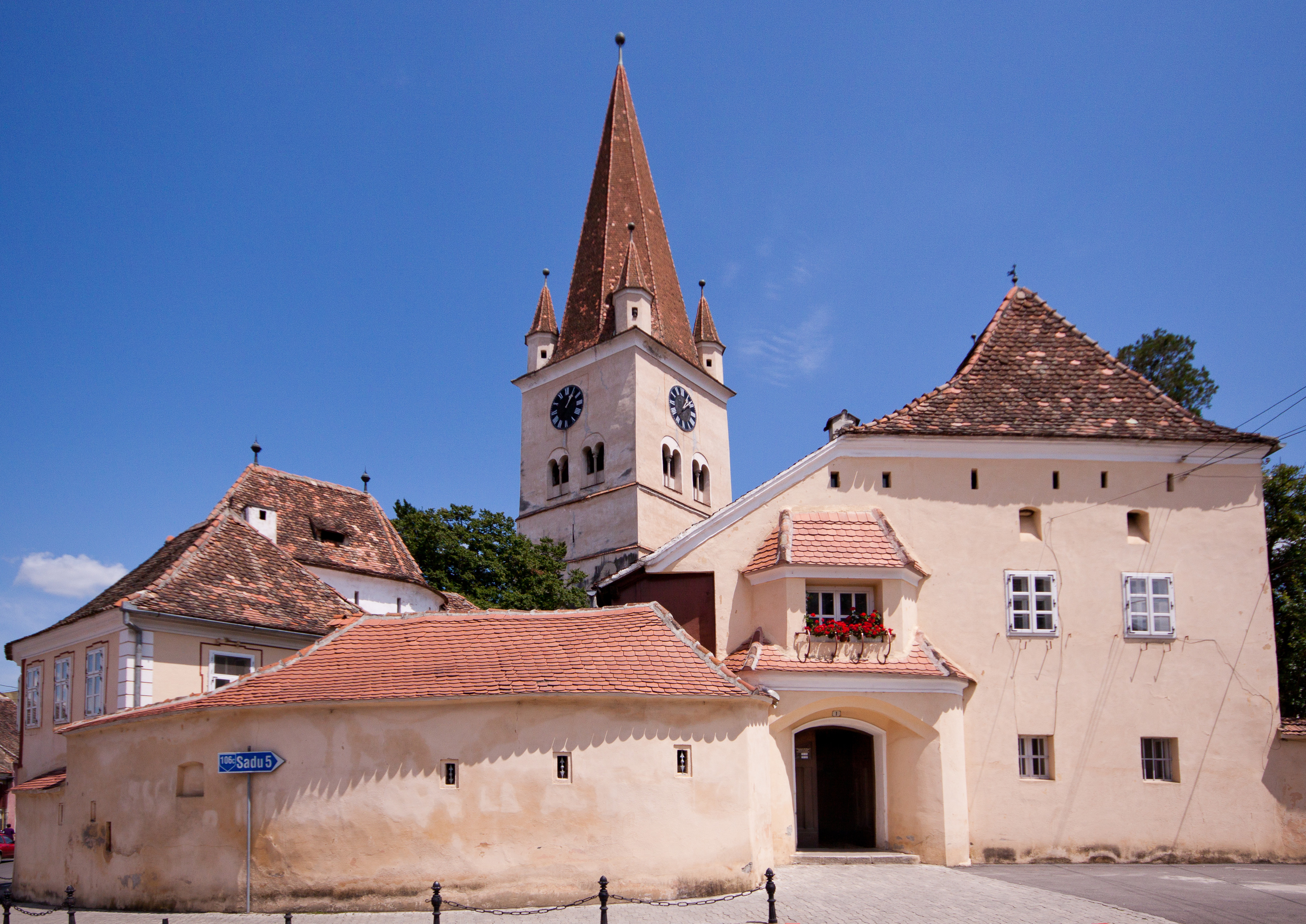


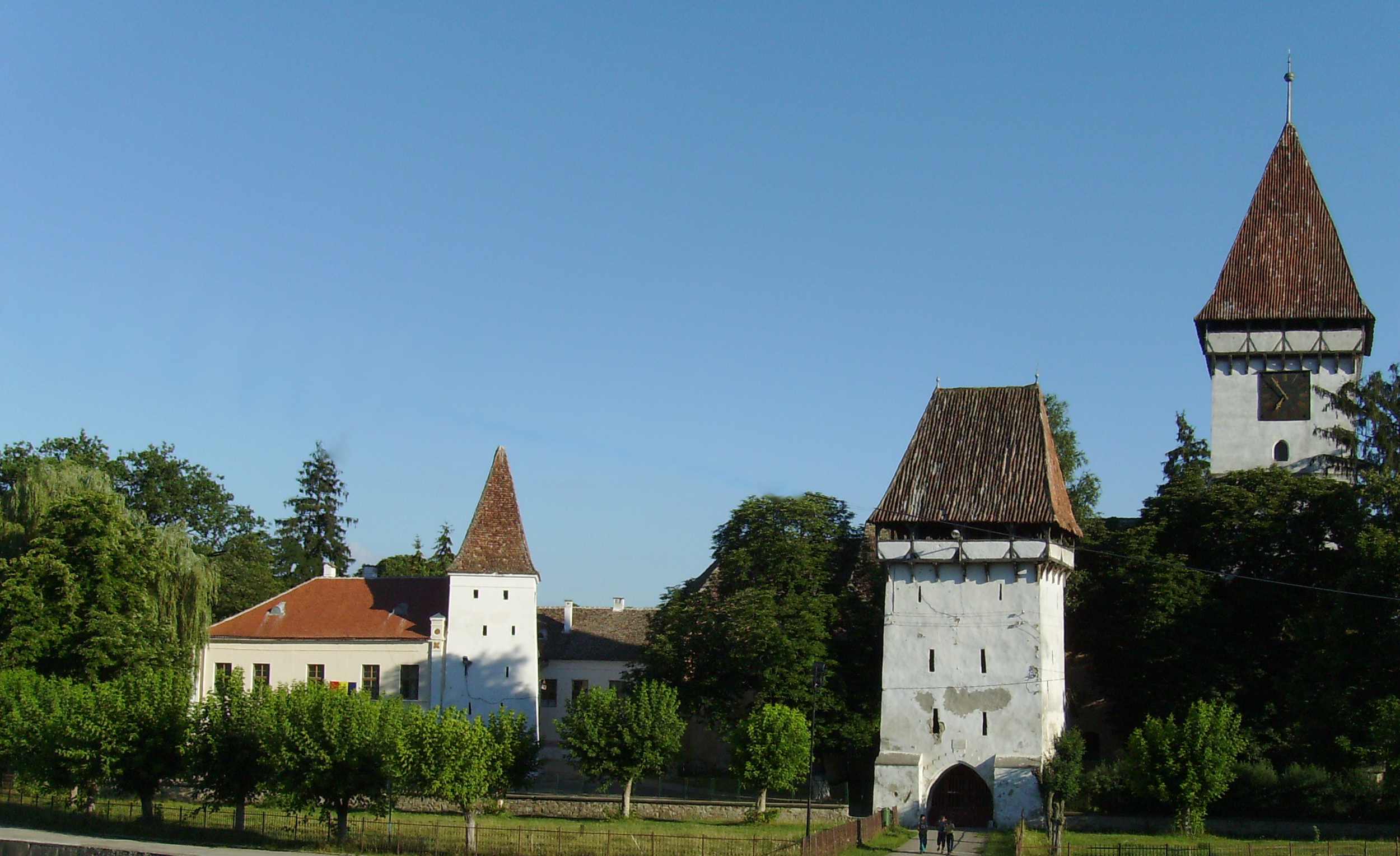

| Romanian name | German name | Percent | County | |
|---|---|---|---|---|
| Brebu Nou | Weidenthal | 30.2 | Caraș-Severin | |
| Petrești | Petrifeld | 27.8 | Satu Mare | |
| Urziceni | Schinal | 23.9 | Satu Mare | |
| Cămin | Kalmandi | 22.5 | Satu Mare | |
| Beltiug | Bildegg | 11.4 | Satu Mare | |
| Tiream | Terem | 10.9 | Satu Mare | |
| Laslea | Grosslasseln | 7.5 | Sibiu | |
| Anina | Steierdorf | 5.6 | Caraș-Severin | |
| Ațel | Hatzeldorf | 5.3 | Sibiu | |
| Cârlibaba | Mariensee/Ludwigsdorf | |||
| Kirlibaba | 5.1 | Suceava | ||
| Saschiz | Keisd | 5.0 | Mureș | |
| Biertan | Birthälm | 4.6 | Sibiu | |
| Ardud | Erdeed | 4.5 | Satu Mare | |
| Vișeu de Sus | Oberwischau | 4.0 | Maramureș | |
| Deta | Detta | 4.0 | Timiș | |
| Tomnatic | Triebswetter | 3.9 | Timiș | |
| Semlac | Semlak | 3.6 | Arad | |
| Peregu Mare | Deutschpereg | 3.5 | Arad | |
| Sântana | Sanktanna | 2.9 | Arad | |
| Jimbolia | Hatzfeld | 2.9 | Timiș | |
| Jibert | Seiburg | 2.8 | Brașov | |
| Măieruş | Nussbach | 2.6 | Brașov | |
| Căpleni | Kaplau | 2.4 | Satu Mare | |
| Lovrin | Lowrin | 2.3 | Timiș | |
| Carei | Grosskarol | 2.3 | Satu Mare | |
| Parța | Paratz | 2.1 | Timiș | |
| Buziaș | Busiasch | 2.1 | Timiș | |
| Periam | Perjamosch | 2.1 | Timiș | |
| Sânnicolau Mare | Grosssanktnikolaus | 2.1 | Timiș | |
| Pâncota | Pankota | 2.1 | Arad | |
| Cristian | Neustadt | 1.9 | Brașov | |
| Lenauheim | Schadat | 1.9 | Timiș | |
| Lugoj | Logosch | 1.9 | Timiș | |
| Miercurea Sibiului | Reussmarkt | 1.8 | Sibiu | |
| Rupea | Reps | 1.7 | Brașov | |
| Sânpetru | Petersberg | 1.7 | Brașov | |
| Ungra | Galt | 1.7 | Brașov | |
| Reșița | Reschitz | 1.7 | Caraș-Severin | |
| Ciacova | Tschakowa | 1.6 | Timiș | |
| Cisnădie | Heltau | 1.5 | Sibiu | |
| Mediaș | Mediasch | 1.5 | Sibiu | |
| Moșna | Meschen | 1.5 | Sibiu | |
| Sighișoara | Schässburg | 1.5 | Mureș | |
| Oțelu Roșu | Ferdinandsberg | 1.4 | Caraș-Severin | |
| Timișoara | Temeschburg/Temeswar | 1.4 | Timiș | |
| Nițchidorf | Nitzkydorf | 1.4 | Timiș | |
| Hălchiu | Heldsdorf | 1.4 | Sibiu | |
| Merghindeal | Mergeln | 1.3 | Sibiu | |
| Beba Veche | Altbeba | 1.3 | Timiș | |
| Iacobeni | Jakobsdorf | 1.3 | Sibiu | |
| Lipova | Lippa | 1.3 | Arad County | |
| Homorod | Hamruden | 1.2 | Brașov | |
| Hărman | Honigberg | 1.2 | Brașov | |
| Matei | Mathesdorf | 1.2 | Bistrița-Năsăud | |
| Sebeș | Mühlbach | 1.1 | Alba | |
| Becicherecu Mic | Kleinbetschkerek | 1.1 | Timiș | |
| Caransebeș | Karansebesch | 1.1 | Caraș-Severin | |
| Bod | Brenndorf | 1.1 | Brașov | |
| Brateiu | Pretai | 1.0 | Brașov | |
| Bocșa | Neuwerk | 1.0 | Caraș-Severin | |
| Satu Mare | Sathmar | 1.0 | Satu Mare | |
| Sibiu | Hermannstadt | 1.0 | Sibiu | |
| Mănăstirea Humorului | Humora Kloster | 1.0 | Suceava | |
| Agnita | Agnetheln | 1.0 | Sibiu | |
| Hoghilag | Halvelagen | 1.0 | Sibiu | |
| Dumbrăveni | Elisabethstadt | 1.0 | Sibiu | |
| Șeica Mare | Marktschelken | 1.0 | Sibiu | |
| Codlea | Zeiden | 1.0 | Brașov | |
| Gătaia | Gattaja | 1.0 | Timiș | |
| Măureni | Moritzfeld | 1.0 | Caraș-Severin |
Population as of 2011 by county
Below is represented the notable German minority population (of at least 1%) for some counties, according to the 2011 census.
| County | Percent | |
|---|---|---|
| [[File:Satu Mare county CoA.png | 20px]] Satu Mare | 1.5% |
| [[File:Timis county coat of arms.png | 20px]] Timiș | 1.3% |
| [[File:Actual Caraș-Severin county CoA.png | 20px]] Caraș-Severin | 1.1% |
| [[File:Sibiu county coat of arms.png | 20px]] Sibiu | 1.1% |
2022 Romanian census data
As per the 2021 Romanian census, there are only 22,900 Germans still left in Romania, a notable decrease from the latest census of 2011. In addition, 0.10 of all Romanian citizens reported German as their first/native language (or 15,943 people), therefore making it one of the least spoken native languages (and also of any ethnic minority overall) in Romania.
Administration, official representation, and politics
Main article: Democratic Forum of Germans in Romania

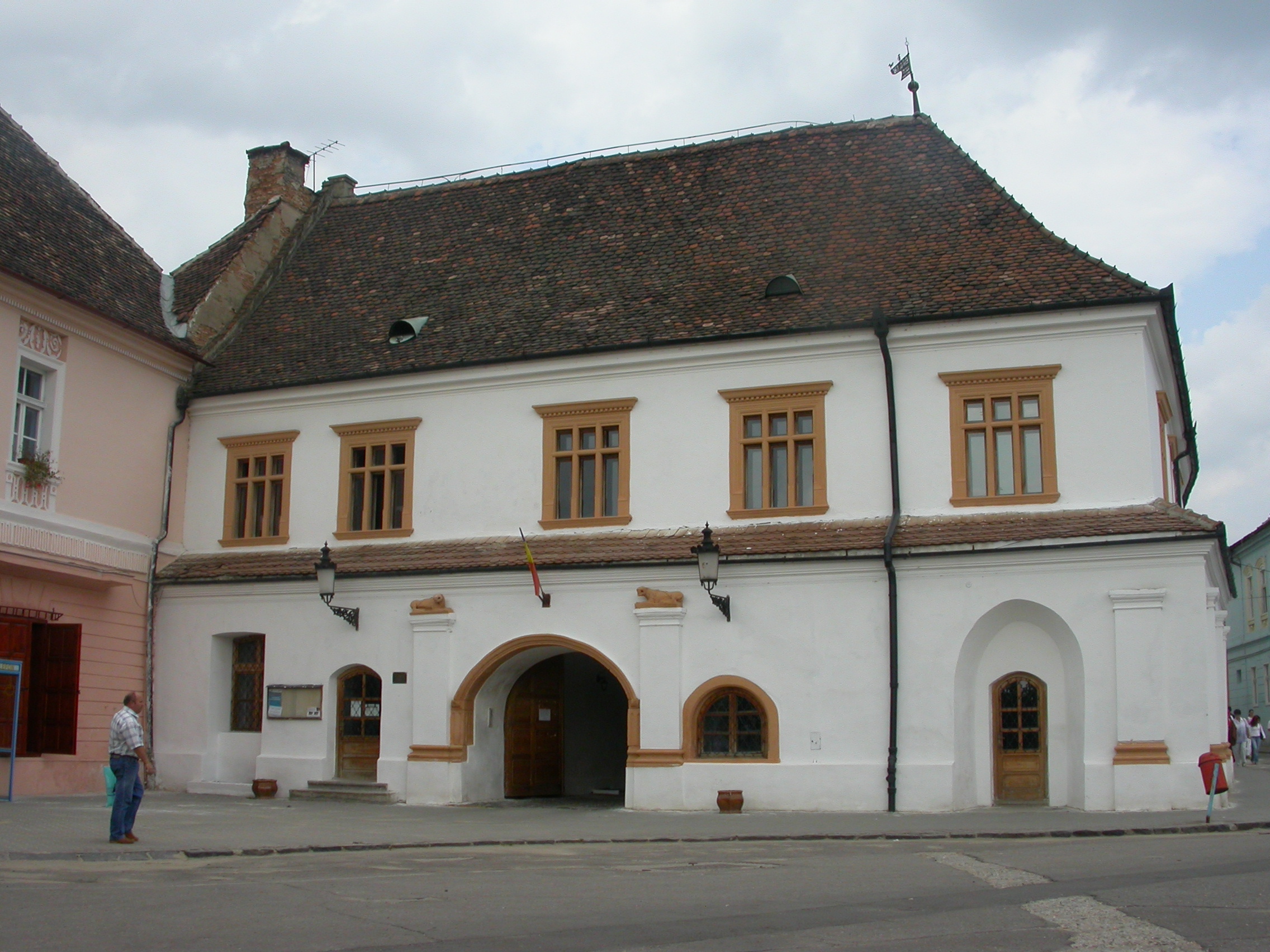
In the wake of World War I, the German minority in unified Romania had been represented by a number of political parties which gradually gained parliamentary presence during the early to mid-early 20th century, more specifically the Swabian Group, the Group of Transylvanian Saxons, the German Party (which, under Rudolf Brandsch, briefly formed an electoral alliance known as the Hungarian German Bloc with the Magyar Party for the 1927 Romanian general election), and the German People's Party (the latter two having a national socialist political orientation after 1930). In stark contrast to the political mutation of both aforementioned parties, the Anti-Fascist Committee of German Workers in Romania was formed shortly thereafter as an anti-fascist and democratic counterpart. After the end of World War II, all of the political parties representing the German minority in Romania were either disbanded or ceased to exist.
Subsequently, since after the Romanian Revolution, the Democratic Forum of Germans in Romania (, ) has been the political party representing the interests of Germans through the reserved seats for ethnic minorities in the Chamber of Deputies as well as in the local councils.
Since 1989, the FDGR/DFDR has competed both in local and legislative elections, cooperating in the process with the main parties of the centre-right, the National Liberal Party (PNL) and the Christian Democratic National Peasants' Party (PNȚCD), most notably at local administrative level, in cities such as Sibiu (), Timișoara (), or Baia Mare (). The former President of Romania, Klaus Iohannis, was formerly chairman of the FDGR and mayor of Sibiu and subsequently was elected President on the National Liberal ticket.
Until 1 January 2007 (i.e. the date of accession of Romania to the European Union), the FDGR/DFDR was also an observing member of the European Parliament (EU), briefly affiliated with the European People's Party (EPP; ), between January and November of the same year, with only one seat occupied by member and current deputy Ovidiu Victor Ganț.
Religion
The vast majority of the Romanian-Germans are either Roman Catholic or Protestant (i.e. Lutheran). The Lutherans pertain to the Evangelical Church of the Augsburg Confession ().
Culture and education
.jpg)

In 1922, all political representatives of the German community in Romania founded the Cultural League of Germans in Sibiu/Hermannstadt which was initially led by Richard Csaki. The league was in charge of organizing post-university summer courses, sending books, and providing teaching material through various lecturers in the settlements inhabited by ethnic Germans.
Nowadays, there are two German-language schools in Bucharest, namely Deutsche Schule Bukarest and Deutsches Goethe-Kolleg Bukarest. The Deutsche Schule Bukarest serves Kinderkrippe (nursery), Kindergarten, Grundschule (elementary school), and Gymnasium (high school).
In Timișoara (), the Nikolaus Lenau High School was founded during the late 19th century. It was named this way in reference to Nikolaus Lenau, a Banat Swabian Romanticist poet. Nowadays, the Nikolaus Lenau High School is considered the most important of its kind from Banat.
.jpg)
In Sibiu/Hermannstadt, the Samuel von Brukenthal National College is the oldest German-language school from Romania (recorded as early as the 14th century), being also classified as a historical monument. It was subsequently renamed this way in reference to baron Samuel von Brukenthal, a Transylvanian Saxon aristocrat. Additionally, there is one Goethe Institut cultural centre based in Bucharest as well as five Deutsche Kultzertrum based in Iași, Brașov, Cluj-Napoca, Timișoara, and Sibiu.
In Brașov/Kronstadt, the German-language school is the Johannes Honterus National College, named after the renowned great 16th century Transylvanian Saxon scholar and humanist Johannes Honterus.
The German State Theatre Timișoara () is one of the oldest state theaters in Romania.
Media

The Allgemeine Deutsche Zeitung für Rumänien (ADZ) is the daily German-language newspaper in contemporary Romania. To this day, it is the only German-language newspaper published in Eastern Europe. Regional German-language publications also include the Neue Banater Zeitung in Banat and the Hermannstädter Zeitung for the town of Sibiu (). Previously, in the passing of time, other historical German-language newspapers included: Arbeiter-Zeitung, Temeswarer Nachrichten (the first German-language newspaper published in Southaestern Europe), and Banater Arbeiter-Presse in Banat, Vorwärts in Bukovina, and Neuer Weg in Bucharest.
On the Romanian public TV channel TVR, the show of the German minority in Romania is called Akzente and airs quite regularly. It celebrated its 50th anniversary in December 2019. The show is dubbed in standard German (i.e. Hochdeutsch) and subtitled in Romanian as well.
Gallery
File:Universitatea Saseasca Sapte Scaune CoA.png|Historical coat of arms of the Transylvanian Saxons File:Coat of arms of Bucovina.svg|Historical coat of arms of the Bukovina Germans File:Dunauschwaben.jpg|Historical coat of arms of the Banat Swabians File:Sathmarer Schwaben.jpg|Historical coat of arms of the Sathmar Swabians File:Dobrudscha logo.svg|Historical coat of arms of the Dobrujan Germans File:Flag of Bessarabia Germans.svg|Historical coat of arms of the Bessarabia Germans File:Hungary 13th cent.png|13th century map of the Kingdom of Hungary highlighting Saxon-populated areas File:Deutsche Siedlungsgebiete in Osteuropa 1925.jpg|Distribution of ethnic Germans in Central and Eastern Europe in 1925, also highlighting German settlements in the Kingdom of Romania File:Deutschsiebenbürgen.svg|Traditional areas of settlement for the Saxons and Swabians in Transylvania and Banat, Kingdom of Romania (at the round of the 20th century) File:Pudelmützen.jpg|A group of Bessarabian Germans ( 1935) File:Kirche Klöstitz um 1940.jpg|The Lutheran church of Vesela Dolyna (, ), situated in Budjak, initially populated by Bessarabian Germans (up until 1940) File:Kirche Tarutino.jpg|Lutheran Church in Tarutino File:Stamp of Moldova - 2014 - Colnect 513331 - Farm of a Bessarabia German Family.jpeg|2014 Moldovan stamp commemorating 200 years since the arrival of the Bessarabia Germans in Bessarabia File:Hannowka Wohnhaus.jpg|Typical German house in Hannowka, Bessarabia File:Hoffnungstal, former German Colony - May 2017.jpg|Hoffnungstal, former German colony in Bessarabia File:Fürsorgekomitee Sitz in Kischinov.jpg|The seat of the Wellbeing Committee in Chișinău () in 1820 File:Pflug Bessarabien.jpg|Bessarabia German peasant with the plow on the field in 1940 File:79 Kirchweihfest 1940.jpg|A group of Banat Swabians in 1940, celebrating 'Kirchweih' (or 'Kerwei' in their local dialect) File:Dobrudschadeutscher in Culelia.JPG|A Dobrujan German in the former village of Colilia (), Constanța County File:St. Georg (Malkotsch).jpg|The ruins of the Lutheran church of Malcoci () of the Dobrujan Germans in Tulcea County File:Die Gartenlaube (1874) b 005.jpg|Transylvanian Saxon couple from Bistrița () area File:Sächsische Bauern aus der Umgebung von Hermannstadt.jpg|Transylvanian Saxon couple from Sibiu () File:Hammersdorf mann.jpg|Transylvanian Saxon lad from Gușterița () File:Trachten-Kabinett von Siebenbürgen - Ein Sächsin aus Cronstadt.jpg|Traditional Saxon woman costume from Brașov ()
Notes
References
References
- Bogdan Păcurar. (30 December 2022). "Recensământ 2022. România are 19.053.815 locuitori. Țara noastră a pierdut peste un milion de locuitori față de acum 10 ani". Digi24.ro.
- Recensământ România. "Date provizorii". [[2021 Romanian census]].
- Dr. Gerhard Reichning, ''Die deutschen Vertriebenen in Zahlen, Teil 1'', Bonn 1995, Page 17
- Die deutschen Vertreibungsverluste. ''Bevölkerungsbilanzen für die deutschen Vertreibungsgebiete 1939/50''. Herausgeber: Statistisches Bundesamt – Wiesbaden. - Stuttgart: [[Kohlhammer Verlag]], 1958 Page 46
- "Romania's ethnic Germans get their day in the spotlight". Deutsche Welle.
- Daniel Ursprung. (2015). "The German Minority in Romania: a Historical Overview". University of Zürich.
- (2010). "Wir Nösner, Beiträge zur Geschichte und Kultur der Stadt Bistritz und des Nösnerlandes". HOG Bistritz-Nösen e.V..
- Monica Barcan, Adalbert Millitz, ''The German Nationality in Romania'' (1978), page 42: "The Satu Mare Swabians are true Swabians, their place of origin being [[Württemberg]], in the land of [[Baden-Württemberg]]. They were colonized between 1712 and 1815. Their most important settlements are Satu Mare ({{langx. de. Sathmar) and Petrești ({{langx. de. Petrifeld) in northwestern Romania."
- Ministry of Foreign Affairs of Romania. (3 May 2013). "The 16th session of the Romanian-German Joint Governmental Commission on the problems of German ethnics in Romania". Press release.
- Thomas Nägler. "The Germans in Romania". Institul Cultural Român (ICR).
- Oskar Hadbawnik, ''Die Zipser in der Bukowina'' (1968) discusses the Zipserfest held in [[Iacobeni, Suceava. Jakobeny]] in 1936 to commemorate 150 years since the Zipsers migrated to [[Iacobeni, Suceava. Jakobeny]] in 1786.
- І. Я. Яцюк, ''Тернопільський національний педагогічний університет ім. Володимира Гнатюка'', ''Наукові записки. Серія "Філологічна"'', ''УДК 81'282.4:811.112.2(477)'': ''Lexikalische Besonderheiten Deutscher Dialekte in Galizien- und der Bukowina'': "Die Siedler in den ursprünglichen Bergwerksgemeinden im Südwesten der Bukowina sprachen Zipserisch und zwar Gründlerisch, wie es in der Unterzips gesprochen wurde. Dabei wurde [v] im Anlaut wie [b] ausgesprochen: Werke – berka, weh – be, Schwester – schbesta. Anlautendes [b] wurde zu [p]: Brot – prot, Brücke – prik."
- Forumul Democrat al Germanilor din Constanța. (2003). "On the Germans of Dobrogea". Institutul Cultural Român.
- Remus Creţan, David Turnock and Jaco Woudstra. (2008). "Identity and multiculturalism in the Romanian Banat". Journal of Mediterranean Geography.
- "Perjamosch, Banat: List of Families Connected to Hubert Family". Remmick.org.
- (27 July 2020). "The French in Banat: Story on Tomnatic/Triebswetter". Genealogy.ro.
- Smaranda Vultur. "De l'Ouest à l'Est et de l'Est à l'Ouest: les avatars identitaires des Français du Banat". Memoria.ro.
- Britannica. "Encyclopedia Britannica - Transylvanian Saxons".
- Thomas Nägler and Martin Rill. (1993). "Fortificaţia medievală de pământ din comuna Vurpăr, jud. Sibiu / Mittelalteriche Erdburg von Vurpăr, jud. Sibiu". Materiale și cercetări arheologice.
- Victor Rouă. (14 November 2015). "The Transylvanian Saxon Citadel Of Reps (Rupea)". The Dockyards.
- "Istoria Transilvaniei - Istoria până la 1914". România Turistică.
- Klaus Popa. (2005). "Akten um die Deutsche Volksgruppe in Rumänien 1937-1945".
- Eberhard-Wolfgang Wittstock. "Şedinţa Camerei Deputaţilor din 1 aprilie 2003, stenogramă". Camera Deputaților.
- Chuck Sudetic. (28 December 1990). "Ethnic Germans in Romania Dwindle". The New York Times.
- Ovidiu Hațegan. (2 February 2020). "AUDIO Povestea deportării etnicilor germani din România, prin ochii Katarinei Meitert. "Nemții", primele victime ale "salvatorilor" sovietici". G4media.
- "The Germans from the Bukovina". University of Alberta, Canada.
- Steliu Lambru. (22 October 2018). "The Germans in Romania after 1945". Radio România Internațional.
- (25 September 2017). "Romania since the Second World War: A Political, Social and Economic History". Bloomsbury.
- [http://ziarulromanesc.de/comunitate/klaus-iohannis-germanii-din-romania-sunt-apreciati-si-respectati-de-toti-romanii Ziarul Românesc.de. Klaus Iohannis: «Germanii din România sunt apreciați și respectați de toți românii»] {{in lang. ro
- [http://www.mae.ro/node/41510 Ministerul Afacerilor Externe - 25 de ani de la semnarea tratatului de prietenie România-Germania] {{in lang. ro
- Redacția Digi24.ro. (12 February 2017). "Mesajul lui Iohannis pentru președintele ales al Germaniei". Digi24.ro.
- Victor Rouă. (27 May 2017). "The History Of The Medieval Saxon Fortified Churches In Transylvania". The Dockyards.
- Victor Rouă. (22 September 2015). "Top 5 Transylvanian Saxon Fortified Churches". The Dockyards.
- Victor Rouă. (14 October 2015). "10 Mesmerising Medieval Landmarks of Transylvania". The Dockyards.
- Victor Rouă. (4 September 2015). "Top Five Transylvanian Saxon Fortified Cities You Should Visit In Romania". The Dockyards.
- Dimitrie Macrea, "Originea și structura limbii române", ''Probleme de lingvistică română'' (Bucharest: Editura Științifică, 1961), 7–45: p. 32.
- Academia Română, ''Dicționarul limbii române moderne'', ed. Dimitrie Macrea (Bucharest: Editura Academiei, 1958).
- [[Gabriela Pană Dindelegan]], ed., ''The Grammar of Romanian'', Oxford University Press, 2013, p. 3, {{ISBN. 978-0-19-964492-6
- Hans Dama, [http://iit.iit.tuiasi.ro/philippide/asociatia/asociatia_admin/upload/II_1_Dama.pdf "Lexikale Einflüsse im Rumänischen aus dem österreichischen Deutsch" ("Lexical influences of 'Austrian'-German on the Romanian Language")] {{Webarchive. link. (2011-08-18 {{in lang). de
- (28 April 2020). ""Șmecher", "fraier" și "mișto". Cum au apărut în limba română și ce însemnau inițial aceste cuvinte". Alba24.ro.
- Hannelore Baier and Martin Bottesch. (2007). "Geschichte und Traditionen der deutschen Minderheit in Rumänien". Lehrbuch für die 6. und 7. Klasse der Schulen mit deutscher Unterrichtssprache.
- Official data collected from various Romanian censuses during the 20th and early 21st century.
- Ilarion Țiu. (2002). "Revistă a Societății de Studii Istorice Erasmus". Editura Ars Docendi.
- Denotes percent (%) of total population
- "Demokratisches Forum der Deutschen in Rumänien". The official website of the Democratic Forum of Germans in Romania.
- "Deputat: Ovidiu Victor Ganţ". FDGR.ro.
- Vasile Ciobanu. "Relațiile culturale dintre grupurile de germani din România în primul deceniu interbelic". Țara Bârsei.
- "[http://www.dsbu.ro/kategorie/76/entstehung/ Entstehung] {{Webarchive. link. (2015-02-15 ." ''Deutsche Schule Bukarest''. Retrieved on 20 February 2015.)
- {{in lang. de [http://www.kulturraum-banat.de/Temeswar/Temeswar-Geschichte.html Geschichte Temeswars] Schulwesen
- [https://www.goethe.de/en/wwt.html Locations - Goethe-Institut (in English)]
- ''[[IFA Berlin. Internationale Funkausstellung Berlin]]'' (in German)
- (17 December 2019). "Aniversarea de 50 de ani a emisiunii Akzente (@TVR1)". Akzente, the public TV show of the German minority in Romania on [[TVR (TV network).
- "Kerwei". Bobtrad Banaters or Banters Around the World.
- Thomas Nägler. (1981). "Așezarea sașilor în Transilvania". Editura Kriterion.
- "Curriculum vitae Prof. univ. dr. Thomas Nägler".
This article was imported from Wikipedia and is available under the Creative Commons Attribution-ShareAlike 4.0 License. Content has been adapted to SurfDoc format. Original contributors can be found on the article history page.
Ask Mako anything about Germans of Romania — get instant answers, deeper analysis, and related topics.
Research with MakoFree with your Surf account
Create a free account to save articles, ask Mako questions, and organize your research.
Sign up freeThis content may have been generated or modified by AI. CloudSurf Software LLC is not responsible for the accuracy, completeness, or reliability of AI-generated content. Always verify important information from primary sources.
Report