From Surf Wiki (app.surf) — the open knowledge base
George W. Bush 2000 presidential campaign
American political campaign
American political campaign
| Field | Value | ||||
|---|---|---|---|---|---|
| name | George W. Bush for President 2000 | ||||
| logo | {{Switcher | ||||
| General election logo | default | 1 | |||
| campaign | 2000 Republican primaries | ||||
| 2000 U.S. presidential election | |||||
| candidate | George W. Bush | ||||
| 46th Governor of Texas | |||||
| (1995–2000) | |||||
| Dick Cheney | |||||
| 17th U.S. Secretary of Defense | |||||
| (1989–1993) | |||||
| affiliation | Republican Party | ||||
| status | Announced: June 12, 1999 | ||||
| Presumptive nominee: March 14, 2000 | |||||
| Official nominee: August 3, 2000 | |||||
| Election day: November 7, 2000 | |||||
| Projected victory: December 12, 2000 | |||||
| Certification: January 6, 2001 | |||||
| Inaugurated: January 20, 2001 | |||||
| headquarters | Austin, Texas | ||||
| key_people | {{ubl | ||||
| Matthew Dowd<br />(Director of polling and media planning)<ref>{{cite web | title | President George W. Bush-Campaign Organization | url=http://p2004.org/bush/bushorg.html | archive-url=https://web.archive.org/web/20181125074009/http://p2004.org/bush/bushorg.html | archive-date=November 25, 2018}} |
| receipts | |||||
| fec_date | 2000-12-31 | ||||
| slogan | Reformer with Results | ||||
| Compassionate conservatism | |||||
| A Fresh Start | |||||
| Real Plans for Real People | |||||
| website | Bush-Cheney 2000 | ||||
| (archived – October 14, 2000) |
|[[File:Bush Cheney 2000 campaign logo.svg|250px]] |General election logo|default=1 |[[File:George W. Bush for President 2000.svg|250px]] |Primary campaign logo}} 2000 U.S. presidential election 46th Governor of Texas (1995–2000) Dick Cheney 17th U.S. Secretary of Defense (1989–1993) Presumptive nominee: March 14, 2000 Official nominee: August 3, 2000 Election day: November 7, 2000 Projected victory: December 12, 2000 Certification: January 6, 2001 Inaugurated: January 20, 2001 |Donald Evans (Campaign chairman) |Joe Allbaugh (Campaign manager) |Karl Rove (Chief strategist) |Karen Hughes (Press secretary) |Joshua Bolten (Policy director) |Ken Mehlman (National field director) |Matthew Dowd (Director of polling and media planning) |Dick Cheney (VP Selection Committee Leader) Compassionate conservatism A Fresh Start Real Plans for Real People (archived – October 14, 2000)
The 2000 presidential campaign of George W. Bush, the then-governor of Texas, was formally launched on June 14, 1999, as Governor Bush, the eldest son of former president George H. W. Bush, announced his intention to seek the Republican Party nomination for the presidency of the United States in the 2000 presidential election.
Bush began the campaign as the front runner among Republicans due to his name recognition, high funds, and control of the governorship of Texas and polls starting in 1997 showed Bush leading every opponent by double digits. The main challenger to Bush was Senator John McCain, who appealed to moderate Republicans, independents, and the press due to his reformist policies. After McCain's upset victory in New Hampshire, Bush won the South Carolina primary.
Bush won the majority of the primaries and after the March 2000 Super Tuesday contests he was well ahead in delegates of both McCain and Alan Keyes. On August 3, 2000, Bush won the Republican nomination at the Republican Convention with the support of 2,058 delegates. Dick Cheney, the former U.S. Secretary of Defense, was nominated as vice president despite Cheney initially recommending former Missouri Senator John Danforth.
Throughout the majority of the primary and general campaign seasons Bush was leading Gore in the polls. On November 7, 2000, it was projected that Bush had won in Florida and its 25 electoral votes. Gore won the national popular vote but the Gore campaign lost the electoral college vote after a legal battle over disputed vote counts. Bush won the election on the electoral college vote of 271 to 266.
Background
In December 1991, Bush was one of seven people named by his father to run his father's 1992 presidential re-election campaign, as a "campaign advisor". Two years following his father's defeat Bush ran for the governorship of Texas in 1994 and defeated incumbent Ann Richards.
During the 1996 election cycle, Bush was urged by some party leaders to seek the Republican nomination, but he instead chose to endorse Senator Bob Dole, who won the nomination but lost the general election against Bill Clinton. Dick Cheney, his future vice president, was also urged to run, but he, too, refused to seek the nomination.{{cite news|title=Cheney Won't Run in '96; Kemp Likely to Follow Suit
In 1998, Bush easily won reelection to the Texas governorship with almost 70% and had the best Latino performance for any Republican gubernatorial nominee, with 49% of the Latino vote.
On February 2, 1999, one month before Bush announced the formation of his presidential exploratory committee, Bush was asked by Steve Cooper if he had "ever used drugs? Marijuana, cocaine?". Bush refused to answer the question and would continue to dodge questions relating to his possible illegal drug use until August.
Announcement
On March 7, 1999, Bush announced the creation of a presidential exploratory committee while surrounded by Governor John Engler, Senator Paul Coverdell, former Secretary of State George Shultz, former Republican National Committee chairman Haley Barbour, Jennifer Dunn, J. C. Watts, Henry Bonilla and Roy Blunt, all members of his newly formed committee, but chose not to disclose specific positions on national issues until he started formally campaigning in June. However, Bush did outline his philosophy of compassionate conservatism and his outreach plans to Hispanics.
Blunt said that eighty Republican House members had already endorsed Bush and the Bush campaign was focused on gaining the endorsement from the majority of Republican members of Congress. On May 26, one hundred fifteen Republican House members and several governors endorsed Bush seventeen days before his formal announcement.
During this time, multiple polls were showing that forty percent of Americans would vote against and another fifteen percent would not likely vote for his eventual opponent, Vice President Al Gore. The polls also showed that Bush would defeat Gore by a margin of 54% to 40%.
Campaign developments 1999

June
By the time that Bush had officially entered the primary race on June 12, 1999 eight other candidates, Bob Smith, John Kasich, Pat Buchanan, Lamar Alexander, Dan Quayle, Elizabeth Dole, Steve Forbes and Gary Bauer, had already entered with John McCain and Alan Keyes coming months later. Despite this crowded field Bush was able to raise $36.2 million eighteen days after his announcement, easily surpassing his opponents with Elizabeth Dole, who had the second highest donations total, only had $3.5 million, and by early July Bush would refuse $16.5 million in Federal matching funds as it would limit his spending as his donations were reaching the $40 million limit. Coincidentally, this action which Bush did to help his campaign also helped his opponents who were able to receive their matching funds earlier.
July
Orrin Hatch stated that "Bush doesn't have the experience to be president and was born in privilege," after he announced his own presidential campaign and that he would be there when Bush stumbles. However, by mid-July Bush's campaign fundraising and massive leads in the polls had already forced out two of his opponents, Bob Smith and John Kasich. Kasich would endorse Bush saying that "George Bush's term of 'compassionate conservative' really kind of defines what John Kasich is all about," and Bob Smith hinted at running for the U.S. Taxpayer party
Bush had also already campaigned in twelve states and the District of Columbia. As Bush was forcing out his opposition and campaigning, Senator McCain was campaigning months after his informal announcement in April in South Carolina after his decision to bypass the Iowa caucus.
August
On August 4 the first major scandal in the Bush campaign started after his refusal to answer whether he had ever used cocaine. Seventeen days later Bush won an Iowa straw poll and held a press conference in Austin, Texas where the question of his drug use was raised, causing him to become agitated. When asked if he thought the rumors were being planted Bush replied with "Do I think they are being planted? I know they are being planted, and they are ridiculous and they're absurd and the people of America are sick and tired of this kind of politics and I am not participating."{{cite news|title=Bush, Irked at Being Asked, Brushes Off Drug Question
While this scandal was going on another low profile scandal popped up involving the firing of Democratic Eliza May, Texas's top funeral industry regulator. The Bush campaign along with multiple other Republican candidates attacked Al Gore due to his ties to Russia.
September
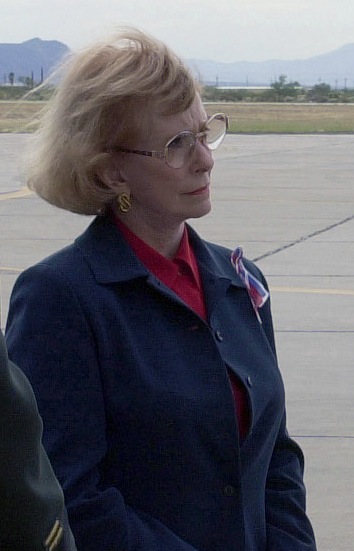
On September 2 Bush gave his first speech regarding his policy on education stating that his administration would require states to test disadvantaged students and proposed stripping federal funds from the worst-scoring schools and allowing private schools to get public money.
After campaigning in New Hampshire for months polling showed that Bush's numbers had risen eight percent since May from 37% to 45% while John McCain's fell two percent from 14% to 12% and was still behind Elizabeth Dole by three percent. Another poll at the time showed that Bush had increase his polling lead against Gore with 56% going to Bush and 39% going to Gore.
After Larry Gene Ashbrook committed a church shooting at Fort Worth, Texas Bush cut his campaign activities to return to Texas where he stated that "there seems to be a wave of evil passing through America now, and we as a society can pass laws and hold people accountable for the decisions they make, but our hopes and prayers have got to be that there is more love in society," and six days later Bush announced a gun crimes initiative.
On September 23 Bush was campaigning in South Carolina where he promised to renew a bond of trust between president and the military and attacked Bill Clinton for his endless and aimless deployments, which he promised to end.
Five days later Bush received a major endorsement when the Governor of Arizona, Jane Dee Hull, chose to endorse him instead of Arizona's own Senator McCain.
October
The Bush campaign enjoyed two major successes in the beginning of October where the mayor of New York City, Rudy Giuliani, endorsed Bush and a few days later a Quinnipiac Poll showed that Bush was matching Gore in New York, but was lagging behind Bill Bradley.
Despite his success in one New England state, Bush would refuse to participate in the New Hampshire forum, with his campaign stating that Bush will not participate in any debates before January.
By late October the Bush campaign had released its first television commercial in both Iowa and New Hampshire one week after Al Gore released one attacking the Senate Republicans for rejecting the Comprehensive Nuclear Test Ban Treaty. At the same time on the 20th the Bush campaign had announced that it was leading in the polls in every state primary and caucus.
November
After enjoying success after success in the previous months Bush was quizzed on his knowledge of foreign affairs on the fourth at WHDH-TV in Boston and he failed it with a score of 25%. Bush was asked to name the leaders of Chechnya, Taiwan, India and Pakistan, Bush was only able to name Lee Teng-hui of Taiwan.
More failures occurred as polls conducted by WNDS-TV and Franklin Pierce College showed that John McCain had risen in the polls with Bush falling from 45% for Bush and 12% for McCain in September to 38% for Bush and 30% for McCain.{{cite news|title=Polls indicate McCain gaining in New Hampshire; Bush holds firm in Iowa
Despite these setbacks Bush's war chest still made him untouchable by the rest of the Republican field except for multi-millionaire Steve Forbes.
December
Despite his campaign's previous statement that Bush would not appear in a debate before January, Bush participated in a New Hampshire forum on the second. Most of the Republican candidates attacked Bush except for John McCain who, despite being in a dead heat with Bush in New Hampshire, exchanged pleasantries.{{cite news|title=Bush endures slaps from GOP rivals in fully attended candidate forum At a debate in Phoenix Bush was considered the loser, helping not his opponents who had participated in the debate, but instead John McCain who had skipped the debate.
During the previous months McCain had been focused on campaigning in New Hampshire while Bush was running a national campaign and by the ninth McCain had overtaken Bush and was leading him by seven points with 37%.
After suffering from numerous failures during this month Bush was still able to receive the endorsement of Lamar Alexander, who had ended his presidential campaign on August 16 after placing sixth place in the Iowa GOP straw poll on August 14. Another high point happened late in the month when Bush added another $10 million to his campaign warchest, reaching $67 million by the end of the year.
Campaign developments 2000
January
In early January Orrin Hatch attacked Bush's service as governor of Texas as it is a "constitutionally weak governorship".
On January 24 Bush won both the Alaska and Iowa caucuses with 36.28% and 41.01% respectively and two days later Hatch ended his campaign and endorsed Bush, saying that I believe Governor Bush is the one who can unite the party and bring the White House back to us, months after his criticism that "Bush doesn't have the experience to be president and was born in privilege".
After this victory many pundits predicted that Bush would easily take the nomination as he had received 40% of the vote in Iowa to McCain's, his main opponent, 5%. However, despite his success in Iowa, some pundits were speculating that Bush could lose the primaries and made reference to the fact that his father had won the Iowa caucus against Ronald Reagan, but had lost the nomination.
February
As the New Hampshire primary results were reported Bush was very pleased when he won the first precinct counted in Dixville Notch. However, when the primary ended McCain had an eighteen-point lead over Bush and he agreed that Tuesday's results were more of a beginning than an end.
Despite this defeat Bush was still certain that South Carolina was Bush country. As the South Carolinian primary approached McCain overtook Bush in the polls by five points. McCain was focusing his efforts on South Carolina while Bush was divided between Delaware and South Carolina. Another poll taken from the fourth to fifth in South Carolina showed that McCain had a lead of four points with 44%, up from 32% in January, against Bush's 40%, down from 52% in January.
Bush criticized McCain's campaign strategy stating that "if somebody runs for president of the United States, they need to run in all the states".
On the eighth Bush won the Delaware primary with 50.73%, he hoped that this victory could be used to make him surge in the South Carolina polls which was to happen in eleven days. Two days later Steve Forbes announced that he was ending his campaign, but refused to endorse any of the candidates at that moment.
Shortly before the primary a debate was held where both Bush and McCain attacked each other for negative campaigning, giving a small victory to minor candidate Alan Keyes. Since the New Hampshire primary Bush had been spending millions in South Carolina, with $2.8 million alone being used to buy television ads, and it was working, Bush had risen in the polls to 58% against McCain's 31%.
On the nineteenth Bush won the South Carolinaian primary with 53.39% against McCain's 41.87%, however McCain wasn't defeated yet as his campaign still looked forward to the Michigan primary. On the 22nd McCain defeated Bush in both his home state of Arizona and Michigan with over 50%, allowing him to continue his campaign and gave him confidence while going into the March 7 primaries. Bush tried to salvage a victory from this defeat saying that "among Republicans and independents, there is no question who the winner is in Michigan tonight, and you're looking at him". At the end of the month Bush defeated McCain in three primaries, in Puerto Rico he took 94.21% of the vote, in Virginia he took 52.79% of the vote, in Washington he took a narrow victory with 48.26% of the vote against McCain's 47.98% and in the North Dakota caucus he took 75.72% of the vote. |access-date=May 20, 2018 |archive-url=https://web.archive.org/web/20180521021847/http://www.cnn.com/2000/ALLPOLITICS/stories/02/29/primaries.advance/index.html |archive-date=May 21, 2018 |url-status=live
March
Following his victory in Virginia TIME political correspondent John Dickerson stated that "This is a big win for Bush, if for no other reason than it helps him psychologically" however Jeff Greenfield stated that neither Bush nor McCain had the momentum to have a landslide victory. At a rally in Georgia, Bush attacked McCain for his claims of Bush's anti-Catholic bigotry stating that "I try not to take things personally in politics, but calling somebody an anti-Catholic bigot is beyond the reach," and that he had "a record of being inclusive in the state of Texas." On March 6 Bush said in a San Francisco Chronicle interview said that he welcomed support from gays and was willing to meet with members of LCR. Previously, during a November Meet the Press interview, Bush said he would probably not meet with them. Later on the 24th Ari Fleischer said that Bush wouldn't meet with the Log Cabin Republicans as they had supported McCain, but would meet with gay Republicans that had supported Bush.
Shortly before Super Tuesday the McCain campaign attacked Bush for a series of negative ads attacking McCain's environmental record with McCain stating "We've got 48 hours and the message is do not let the Bush campaign and their cronies hijack this election with negative ads and $2.5 million in dirty money" at a rally in Buffalo and filed a complaint to the FEC demanding that the ads be halted until a disclaimer was attached. On Super Tuesday Bush won every primary and caucus except in Vermont, Connecticut, Rhode Island and Massachusetts and following his victory stated "I understand politics, this campaign hasn't been any rougher than others I have seen. Now, we have to get ready to win the White House." John Dickinson said that "It's just a matter of time now before he [John McCain] leaves the race" following as it was now mathematically impossible for John McCain to win the nomination, McCain would later suspend his campaign on the 9th. A poll conducted from March 8–9 showed that Gore was leading Bush by two points with 48%, but another poll conducted from March 10–12 showed Bush leading with 49% against Gore's 43%.{{cite web|title=Poll: Bush, Gore virtually tied
April
The controversy over Elián González was a major issue throughout 2000 that mobilized the sentiments of Cuban voters in Florida. Despite Gore giving his support to a congressional bill that would give the 6-year-old Cuban boy and his Cuban family permanent residency in the United States, it was Bill Clinton's refusal to support the bill that angered Cuban voters with both the president and Gore. At the same time Bush visited the rust belt to describe his proposals to clean up the long-polluted industrial sites with Bush stating that "Brownfields are a great environmental challenge that face this nation,". A poll conducted from March 30 to April 2 showed that despite the recent controversy that Gore was gaining on Bush. Bush was polling at 46 percent of likely voters with Gore behind him by one percent with 45 percent of likely voters. Due to the close national polling between Gore and Bush there was speculation about who Bush should pick as his vice president to guarantee some swing states. Tom Ridge, the governor of Pennsylvania, was put forward as a possible vice presidential candidate due to his high approval rating and the influx of jobs into Pennsylvania.
Bush easily took the Pennsylvania and Wisconsin primaries due to the lack of a major competitors following McCain ending his campaign. Following his primary victories Bush campaigned in California, which despite polling showing that it would go to Gore, spending multiple days in Sacramento alone and stating that "We now have, in the case of the independents and crossovers, 1.2 million voters who voted for our combined Republican presidential candidates that are in play – many of which have not been in the past".
Bush once more flipped on the issue of meeting with the Log Cabin Republicans and stated that he would meet with gay Republicans and in California he attacked Pete Wilson, the former Republican governor, for his harsh stance on immigration and commented that we must be more inclusive. At the same time Gore was campaigning in Florida, but refused to answer any questions relating to Elián González and instead chose to focus on Social Security reform.
A month after McCain had suspended his campaign McCain indicated on CNN's "Late Edition" that he would be meeting with Bush to discuss campaigning for him and the next week both announced that they would be meeting next month. During this time Bush's stance in the polls improved as he increased his lead over Gore from one percent to nine percent at 50 percent to 41 percent due to negative reception over Gore's stance on Elián González.{{cite news|title=Poll: Bush remains ahead of Gore among likely voters
May
Both Bush and Gore had already received enough delegates to win their respective party's nomination, most of their opponents had already dropped out and on May 2 both easily won the Indiana, North Carolina, and Washington, D.C. primaries and caucus and would easily win the Nebraska and West Virginia primaries the following week.{{cite news|title=After an early spring lull, primary activity heats up in May
Virginia Iowa Connecticut
Near the end of May while the Reform Party fell into disarray between Buchanan and Hagelin another third-party candidate was gaining national attention; Ralph Nader of the Green Party was doing well in the polls with him taking over 5% in some and in some important battleground states was taking enough to affect Gore's chances of winning in Oregon, Wisconsin, and New Jersey.
June
On the subject of the national security Bush once again supported "pursu[ing] the lowest possible [budget] number consistent with our national security," and denuclearization. Despite Bush's success in the past months in both fundraising and polling former president Gerald Ford believed that Bush wouldn't easily win the White House and stated that he "think[s] in this case, who is the vice presidential nominee will make a difference where it's very close," and praised Bush for selecting Dick Cheney, who served as Ford's Chief of Staff, to lead the vice presidential selection committee. Soon after Ford's statement the Democratic National Committee announced a 10-week, $25 million television campaign focused on healthcare to improve Gore's standing in polling. In response the Bush campaign created a 60-second commercial based around Bush's plan to let workers invest some of their Social Security taxes in personal accounts that was to be run in the same 15 states as the Democratic ads.
After a federal court ruled in an anti-trust suit that Microsoft should be separated into two entities speculation arouse over the possibility of billionaire Bill Gates would change both his and his company's campaign contributions due to the court ruling. At the time Microsoft had given $1.1 million in campaign contributions, with $70,000 more given to Republicans, and months earlier in April Gates appeared in a closed-door meeting of the House Republican Conference and stated that the company believed a different administration would likely have treated Microsoft more favorably than did the Clinton-Gore Administration.
A poll conducted from June 14 to the 15th of 1,218 adult Americans, which included 589 likely voters, showed that the public was more likely to view Bush as a strong and decisive leader and that 55 percent would be proud to have him as president opposed to 46 who said the same about Gore. During mid-2000 a new campaign issue arose over how the government should spend the current budget surplus that had been present since 1998 and was the first since 1969; Bush proposed to partially privatize Social Security using the money while Gore offered spending initiatives on health care and education. In late June Bush held more meetings with his vice presidential selection committee and even though he had not narrowed his list down there was speculation that he would pick either Governor Tom Ridge of Pennsylvania or Governor John Engler of Michigan due to recent dinners with both men.
Near the end of June, Ross Perot, the man whose 1992 campaign had been attacked for spoiling the election in favor of his father's opponent Bill Clinton, announced that he would not run for president under the Reform Party and asked the nominating committee to put the term no endorsement in lieu of his name.
July
On the Fourth of July Bush was present for a parade attended by 2,000 people in Belton, Texas and Bush continued meeting with Cheney to discuss possible running mates and publicly mentioned Frank Keating, Tom Ridge, John Engler, Connie Mack III, John Kasich, and Christine Todd Whitman. Later Bush attended the NAACP convention in Baltimore, which Bob Dole had refused to do in 1996, and was given a standing ovation by the 3,000 attendees, but polling afterwards showed no impact on Bush's polling with African Americans. A poll conducted in mid-July showed Gore closing the gap between him and Bush with it showing Bush taking 48% and Gore 46% which was an improvement for Gore from a poll released the previous week showing Bush taking 51% and Gore 44% and took the lead over Bush with women voters. Later in July speculation over Bush's running mate choice revolved around Dick Cheney, former Wyoming Representative and Secretary of Defense, and John Danforth, former Senator from Missouri, but both had stated in the past that they were not interested in the vice presidency. On July 25 Bush officially announced that Cheney would be his running mate with him changing his state of residence from Texas to Wyoming to be constitutionally qualified. However, a New York Times article which was published on July 28, 2000 acknowledged that the decision to select Cheney as Bush's Vice Presidential nominee was in fact secretly made "weeks" before it was formally announced. Cheney was soon attacked for his conservative voting record in the House and in a poll conducted from July 26 to the 27th over 60% stated that Bush choosing Cheney had no effect on their vote.{{cite news|title=Cheney defends voting record in Congress
August
During the convention speculation around who would join a Bush cabinet arose after Bush stated that "I hope [Colin Powell's] greatest service still lies ahead." and after Condoleezza Rice's speech. On August 2 Cheney was approved by acclamation and in his acceptance speech stated that the Clinton administration was marked by "little purpose" and proclaiming that Texas Gov. George W. Bush would "repair what has been damaged." The following day Bush was also approved by acclamation and accepted the nomination and in his acceptance speech attacked the Clinton administration for squandering the past eight years. Later Bush's nephew, George P. Bush gave a bilingual speech about the message of compassionate conservatism. Over the past months Bush had made more appeals to black voters and at the convention multiple African Americans were given the podium, but had only increased his polling among black voters by five percent to fifteen percent for him and the remaining seventy-seven percent for Gore.
Following the Reform primaries a split formed between the Pat Buchanan and John Hagelin factions over who would receive the $12.5 million federal matching funds that the party gained Perot's 1996 campaign and multiple polls showed the Reform party taking far less than they had in 1996 or Perot had in 1992 at less than 1%. By late July the Republican National Committee was coming close to its goal to spend $100 million in support of Bush at $78 million having already been spent, which was double the $35 million spent by the Democratic National Committee. However, despite the large sums being spent by and in favor of the Bush campaign Gore was able to match and overtake Bush in multiple polls following his boost due to the Democratic convention. Due to Gore's rise in the polls the RNC and the Bush campaign each prepared $5 million in advertisements in swing states to match the $30 million the DNC and Gore campaign had spent in the past two months.
September
Al Gore rejected Bush's offer to debate in three presidential debates, with two being on television shows and one conducted by the Commission on Presidential Debates, and told him that he must first accept the debates proposed by the Commission on Presidential Debates. Bush started September with visits to nine cities in Illinois, Michigan, Pennsylvania, Wisconsin, Indiana and Ohio. After giving a speech in one of the few Republican friendly areas in Chicago controversy arouse due to an open microphone catching Bush and Cheney using swear words to describe Adam Clymer, a New York Times reporter who wrote articles he felt were unfair to him. The New York Times initially was going to ignore the story, but changed its decision after further statements made from the Bush campaign accusing Clymer of bias.
Despite having led Gore during the majority of the race by September more polls were showing Gore narrowly leading Bush nationally and close margins in essential swing states such as Missouri and Florida due to Bush's mishandling of the debates and questions about military readiness and recent controversies. However, multiple polls showed Nader taking 3% in many key battleground Midwestern states that could have decided the election. To counter his decreased polling Bush started to take a more aggressive stance against Gore, reorganized his media interviews, and to improve his military readiness stances. Bush also created another slogan, "Real Plans for Real People", and relented on his debate demands and instead accept the Commission on Presidential Debates' terms. Bob Dole's 1996 campaign manager stated that "I don't think they've handled [the debate issue] very well, but there's time to clear it," with Republican operatives stating that Bush had endangered himself by attempting to restructure the traditional format.
Another controversy was created when Democrats accused Bush of using subliminal messaging in an attack ad against Gore's prescription drug proposal where they accused him of flashing the word "RATS". Later Senators John Breaux and Ron Wyden asked the FCC to review Bush's ad although Bush had stated that there was no subliminal message in the ad.
By mid September the Bush and Gore campaigns agreed to three 90-minute debates although the debate moderators and debate formats were initially left undecided. Days later both campaigns agreed to a format of traditional two-podium, table debate, and then a town-hall debate for the three debates.
The Bush campaign was forced to shift resources to the South as the Gore campaign was embolden by its higher polling enough to target multiple Southern states despite those states having been earlier written off due to their disdain for Gore's environmental stances and lower polling causing the initial Gore strategy to focus on the Northeast, Pacific coast, and Midwestern states.
Near the end of September polling for Bush worsen as Gore passed 50% for the first time after a CNN/USA Today/Gallup poll showed Gore leading Bush 51% to 41%. More polling by CNN/USA Today/Gallup showed Bush tied with Gore at 46%.
October
At the first presidential debate Bush attacked Gore for his criticism of his $1.3 trillion tax cut proposal and described Gore's attack as "fuzzy math" and also attacked Gore for his involvement in a campaign finance controversy during the 1996 presidential election. Bush's performance at the debate was described as adequate enough, but lead to no significant change in polling and most polls continued showing Gore winning with a narrow lead.
Polling conducted shortly before the second presidential debate showed Gore and Bush tied at 45% and after the second debate Bush's performance was described as adequate again and lead to no serious change in polling although some polls showed him leading Gore by a few percentage points. Bush performed worse at the third presidential debate and Gore was considered the winner.
After the debates John McCain warned that many independent voters might choose to not vote and believed that a large number were still undecided. In the final weeks of the campaign Bush targeted the Midwest and Northeast through increased advertisement spending in Minnesota, campaign rallies in New York, New Hampshire and Ohio, and campaigning with governors in Missouri, Iowa, and Wisconsin.
November
Early in October polling in California showed Gore leading Bush by a large margin of 14%, but by November that margin had decreased to 7% and with other national polls showing neither candidate with 50% leading to speculation that neither candidate would achieve a majority in the popular vote and would have a close electoral college vote. On November 7 Bush won the popular vote in thirty states and took 271 electoral votes while Gore won both the national popular vote and the popular vote in twenty states and Washington, D.C. and took 267 electoral votes. Neither candidate received over 50% as predicted. However, controversy was created due to close results in multiple states as in New Hampshire, Oregon, New Mexico, Iowa. Wisconsin, and Florida the margin of victory were within 1% and in Florida, New Mexico and Oregon the results were too close to call on election night and would result in a lengthy recount battle.
Post Election Developments 2000
November
Due to the closeness of the results in multiple states a vast majority of Americans were prepared to accept Bush or Gore as president according to a CNN/USA Today/Gallup poll.
Representative Robert Wexler claimed that over 19,000 in Palm Beach County have been disqualified because of a faulty ballot that would double-punch the ballot which would invalidate it as voting twice.
In New Mexico, Gore initially held a lead of 9,575 votes in unofficial results, however after a partial recount of absentee and early voting ballots his lead shrunk to 162 votes. In Oregon Republicans were setting the ground work for a recount effort while the Bush campaign itself was looking into possible recounts in New Mexico, Iowa, Oregon and Wisconsin. In Florida Gore offered to accept the results of manual recounts in a select number of Florida counties.
December
As the controversy in Florida heated up the recounts in counties throughout the United States brought it to many other swing states. In New Mexico amended results from Roosevelt County gave Al Gore a 368-vote lead, but as Gore had only won the state with 483 votes there were plans to review 570 disputed ballots in the county that were not counted. At the Supreme Court a new question was brought up over whether the Florida Legislature had the power to appoint electors, but Bush's lawyers urged the high court to hold that "the Constitution specifically assigns the power to determine the manner of appointing presidential electors to the state legislature," as opposed to the "state" in general.{{cite news|title=latimes.com: Both sides clash over power to name electors
As Florida's Legislature was planning to hold a special session to appoint electors Bush's brother, governor of Florida Jeb Bush, was facing a dilemma over whether to be involved in the case or to allow the bill to pass automatically by not signing it for seven days as the Republican majority legislature would choose a Republican majority electorate to give the state's electoral votes to Bush which would bring up talk of the brother's working together.{{cite news|title=Jeb Bush walks political tightrope over electors
During this time Bush and Cheney were starting the transition process, spoke positively of Senator Trent Lott and Speaker Dennis Hastert, created a website, and Cheney hoped that the legal battle over Florida's electors would be over by December 12. The Democratic party launched a campaign to discredit the special legislation session as Florida's legislative rules do not permit the minority party to filibuster to prevent a vote during a special session and statements made by John Ahmann, one of the engineers for ballot devices, made in support of Bush were used in attacks as he acknowledged that a re-inspection or recount of ballots may be required in cases of extremely close elections. The Supreme Court overturned the decision of the Florida Supreme Court that allowed manual vote recounts to proceed after a November 14 ballot-certification deadline set by that state's legislature stating that "after reviewing the opinion of the Florida Supreme Court, we find 'that there is considerable uncertainty as to the precise grounds for the decision,'" and more appeals made by the Gore campaign were rejected by the state court.

In New Mexico the Republicans were planning to send volunteers inspect the state's impounded presidential ballots to find uncounted ballots. Events in Florida turned against Bush as a Federal Appeals Court ruled that a manual recount did not cause any harm to him or his supporters and a legislative special session was announced to appoint electors.
Later the Supreme Court of Florida ordered a statewide recount, but news in favor of Bush also happened as a Democratic court challenge against the counting of 15,000 absentee votes in Seminole and Leon counties, two counties in which Bush won absentee voters, failed. At the same time the Bush campaign chose to not push for a recount in New Mexico as its five electoral votes would not decide the national race.
The recount was in progress on December 9 when the United States Supreme Court, by a 5 to 4 vote (Justices Stevens, Souter, Ginsburg and Breyer dissenting), granted Bush's emergency plea for a stay of the Florida Supreme Court recount ruling, stopping the incomplete recount. About 10 pm. EST on December 12, the United States Supreme Court handed down its ruling. Seven of the nine justices saw constitutional problems with the Equal Protection Clause of the United States Constitution in the Florida Supreme Court's plan for recounting ballots, citing differing vote-counting standards from county to county and the lack of a single judicial officer to oversee the recount. By a 5–4 vote the justices reversed and remanded the case to the Florida Supreme Court "for further proceedings not inconsistent with this opinion", prior to the optional "safe harbor" deadline which the Florida court had said the state intended to meet. With only two hours remaining until the December 12 deadline, the Supreme Court's order effectively ended the recount.
The decision was extremely controversial due to its partisan split and the majority's unusual instruction that its judgment in Bush v. Gore should not set precedent but should be "limited to the present circumstances". Gore said he disagreed with the Court's decision, but conceded the election. Florida Secretary of State Katherine Harris's certification of the election results was thus upheld, allowing Florida's electoral votes to be cast for Bush, making him president-elect.
On January 20, 2001, George W. Bush was inaugurated as the 43rd president of the United States.
Dick Cheney home state
Earlier in 2000 Cheney had changed his state of residency from Texas to Wyoming to comply with the 12th Amendment qualification as presidential electors are barred from casting votes for a president and vice president that reside in the same state. However, Cheney's residency was questioned and brought to court by three voters from Texas who argued that as Cheney was still a resident of Texas that the 32 electors would be voided which would throw the presidential election into the House and Senate for the first time since 1824. However, the court ruled that Cheney was a resident of Wyoming and did not void the Texan electors' votes.
Polling
Primary
| Poll source | Sample size | Date(s) | Bush | Dole | McCain | Forbes | Buchanan | Keyes | Quayle | Bauer | Hatch | Others | |
|---|---|---|---|---|---|---|---|---|---|---|---|---|---|
| CNN | 377 Republican New Hampshire Primary Voters | N/A | 45%''''' | 15% | 12% | 10% | 5% | 4% | 3% | 1% | 1% | 4% |
General
| Poll source | Sample size | Date(s) | Margin of Error | Bush | Gore | Buchanan | Nader | Others | |||||
|---|---|---|---|---|---|---|---|---|---|---|---|---|---|
| CNN | 1,698 Adults | September 10–14, 1999 | ± 2.5% | 56%''''' | 39% | - | - | - | |||||
| CNN{{cite web | url=http://articles.cnn.com/2000-04-03/politics/poll.cnn_1_poll-gore-sampling-error-voters?_s=PM:ALLPOLITICS | archive-url=https://web.archive.org/web/20101029075236/http://articles.cnn.com/2000-04-03/politics/poll.cnn_1_poll-gore-sampling-error-voters?_s=PM:ALLPOLITICS | archive-date=October 29, 2010 | title=Poll Gore gaining on Bush | publisher=CNN}} | 998 Adults and 498 Likely Voters | March 30 – April 2, 2000 | ± 5% | 46%''''' | 45% | - | - | |
| CNN{{cite web | url=http://archives.cnn.com/2000/ALLPOLITICS/stories/04/10/poll.cnn/index.html | archive-url=https://web.archive.org/web/20081211103221/http://archives.cnn.com/2000/ALLPOLITICS/stories/04/10/poll.cnn/index.html | archive-date=December 11, 2008 | title=Poll: Bush remains ahead of Gore among likely voters | publisher=CNN}} | 1,006 Adults and 502 Likely Voters | April 7–9, 2000 | ± 5% | 48%''''' | 42% | 4% | - | |
| CNN/USA Today/Gallup Poll{{cite web | url=http://archives.cnn.com/2000/ALLPOLITICS/stories/05/26/campaign.wrap/index.html | archive-url=https://web.archive.org/web/20071213074848/http://archives.cnn.com/2000/ALLPOLITICS/stories/05/26/campaign.wrap/index.html | archive-date=December 13, 2007 | title=Bush courts Catholic vote, Gore spends day at school | publisher=CNN}} | 515 likely voters | May 23–24, 2000 | N/A | 49%''''' | 47% | - | - | |
| CNN/USA Today/Gallup Poll | 1,259 respondents | September 4–6, 2000 | ±4% pts | 44% | 47%''''' | 1% | 3% | - | |||||
| CNN/USA Today/Gallup Poll | 657 likely voters | September 18–20, 2000 | ±4% pts | 41% | 51%''''' | 1% | 3% | - | |||||
| CNN/USA Today/Gallup Poll | 640 likely voters | September 25–27, 2000 | N/A | 46%''''' | 46%''''' | 1% | 3% | - |
Results
Primary campaign results
General election results
Total popular votes in United States presidential election, 2000:
Campaign finance
| Candidate | Campaign committee | Raised | Total contrib. | Ind. contrib. | Pres. pub. funds | Spent | COH | Owed By | Owed To |
|---|---|---|---|---|---|---|---|---|---|
| $196,844,696.87 | $104,050,089.67 | $101,789,902.58 | $67,560,000.00 | $192,996,128.06 | $3,849,567.07 | $0 | $1,085,182.10 |
| State/Territory | Campaign Fundraising and Spending By State/Territory | Ind. contrib. | Spent |
|---|---|---|---|
| $1,157,774.00 | $43,375.00 | ||
| $175,199.00 | $4,700.00 | ||
| $944,486.00 | $18,975.00 | ||
| $615,268.00 | $12,785.00 | ||
| $9,429,946.00 | $240,240.00 | ||
| $1,094,609.00 | $35,508.00 | ||
| $2,019,101.00 | $35,508.00 | ||
| $385,584.00 | $5,500.00 | ||
| $5,947,102.00 | $305,524.00 | ||
| $174,000.00 | $0.00 | ||
| $2,272,616.00 | $83,794.00 | ||
| $2,250.00 | $0.00 | ||
| $77,127.00 | $3,835.00 | ||
| $167,030.00 | $4,300.00 | ||
| $2,216,910.00 | $57,250.00 | ||
| $951,558.00 | $10,625.00 | ||
| $318,478.00 | $6,875.00 | ||
| $446,050.00 | $8,325.00 | ||
| $909,646.00 | $17,665.00 | ||
| $955,121.00 | $252,208.00 | ||
| $191,859.00 | $650.00 | ||
| $1,843,906.00 | $34,410.00 | ||
| $1,853,898.00 | $24,050.00 | ||
| $2,982,091.00 | $63,145.00 | ||
| $700,550.00 | $10,225 | ||
| $560,140.00 | $20,014 | ||
| $1,299,874.00 | $22,805 | ||
| $84,950.00 | $3,000 | ||
| $84,950.00 | $8,981 | ||
| $605,572.00 | $27,175 | ||
| $250,344.00 | $3,225 | ||
| $2,326,470.00 | $68,800 | ||
| $379,585.00 | $14,900 | ||
| $5,065,576.00 | $173,819 | ||
| $1,398,910.00 | $32,750 | ||
| $125,335.00 | $2,000 | ||
| $2,300,271.00 | $47,560 | ||
| $747,542.00 | $10,550 | ||
| $520,990.00 | $7,849 | ||
| $331,758.00 | $0.00 | ||
| $920,581.00 | $14,800.00 | ||
| $1,173,283.00 | $27,486.00 | ||
| $277,363.00 | $0.00 | ||
| $663,187.00 | $10,300.00 | ||
| $132,050.00 | $2,875.00 |
Platform
Bush's original platform, before the September 11, 2001 Terrorist Attacks and the war on terrorism:
- Compassionate Conservatism: The Bush campaign made extensive use of the "Compassionate conservatism" concept, based in large part on a book by Marvin Olasky of the same name, with a foreword by then-governor Bush.
| Income Group | |
|---|---|
| (thousands of dollars) | Average Savings |
| (dollars) | |
| 0–10 | 5 |
| 10–20 | 63 |
| 20–30 | 204 |
| 30–40 | 351 |
| 40–50 | 500 |
| 50–75 | 820 |
| 75–100 | 1,776 |
| 100–200 | 2,710 |
| 200–500 | 5,527 |
| 500–1,000 | 17,605 |
| 1,000+ | 88,873 |
- Foreign Affairs: Bush promised a humble foreign policy with no nation building. He had criticized the Clinton-Gore Administration for being too interventionist: "If we don't stop extending our troops all around the world in nation-building missions, then we're going to have a serious problem coming down the road. And I'm going to prevent that."
- Economy: Bush promised tax breaks for all, sometimes using the slogan "Whoever pays taxes gets a tax break." The rich pay the most taxes, and the current system weighs the income tax against the upper income brackets. Bush also supported raising the Earned Income Tax Credit, which would primarily benefit the lower brackets of income-tax-affected citizens. :His 2003 tax proposal offers a sweeping package of tax cuts and incentives that would eliminate all federal taxes on stock dividends, quick tax relief for married couples and a $400 per child increase in the tax credit for families with children. Economists are divided on the effectiveness of Bush's proposals for helping the economy. John Leonard, the chief of North American equities for UBS Global Asset Management, said eliminating the dividends tax would spur the economy by sending more money into the economy; on the other hand, other economists, including Allen Sinai of Decision Economics and Andrew F. Brimmer, a former Federal Reserve Board member who heads a consulting firm, argued that the dividends tax cut would be largely ineffective. The administration's proposal would also lower taxes for small business owners by expanding the amount of equipment spending they can write off as deductions from the current $25,000 to $75,000. Opponents argue that this tax proposal would primarily benefit the rich. According to a New York Times analysis published on January 21, 2003, $364 billion out of the $674 billion "economic stimulus" plan is devoted towards eliminating the tax on dividends; however, the poorest fifth of Americans have an average of $25 in dividend income, while the richest fifth have $1,188. The Urban Institute-Brookings Institution Tax Policy Center produced the following table describing the impact of Bush's plan on average taxpayers:
:: Debate : Will Bush's stimulus proposal work? – News Hour with Jim Lehrer (PBS)
-
Education: policy named No Child Left Behind, includes mandatory national testing and some support for school vouchers. :The No Child Left Behind Act provides increased funding for schools, while requiring greater accountability for results. It gives parents the option to transfer their children to another school, if the current school is failing. It requires teachers to have a degree specific to the subject they are teaching, which had not been federally required in the past. It also makes high school academic records available to military recruiters.
-
Energy: The Bush campaign supported a comprehensive energy reform bill which included initiatives for energy conserving technologies as well as decreasing the foreign dependence on oil through increased domestic production and the use of non-fossil fuel based energy production methods.
:Drilling in the Arctic National Wildlife Refuge (ANWR) and other domestic fields would decrease dependence on oil imports, particularly from the Middle East. However, many environmentalists hold that it will produce such small amounts of petroleum as to be effectively useless and will needlessly harm the environment.
:Opponents of such drilling recommended alternate courses of action such as to complete research on and implement as a matter of urgency alternative, safe and renewable sources of energy such as solar, wind and tidal power – but not nuclear. Although perhaps requiring greater initial investment, in the long run these are now accepted by many informed environmentalists and scientists as being the most viable alternative to what they see as the vigorously anti-environmental approaches of the Bush administration.
:Supporters of drilling in ANWR argued that the Administration has agreed to a number of measures to minimize the impact of drilling on the Arctic environment. For example, roadways would be constructed of ice that would melt in the spring, when activity on the roads would cease. Also, supporters say that the total surface disturbance due to drilling would be limited to not more than 2,000 acres (8 km²).
Because of the Bush Administration's close connections with numerous energy companies, many of Bush's Cabinet members came under immense scrutiny from environmental groups, in particular J. Steven Griles, the deputy secretary of the Department of the Interior. National Environmental Strategies (NES), the oil and gas lobbying firm which Griles worked for, was paying him $284,000 a year as part of a $1.1 million payout for his client base. As deputy secretary of the Interior, Griles was charged with overseeing and revamping environmental regulations that affect the profits of his former clients and NES's current clients.
- Redesign of military with emphasis on supermodern hardware, flexible tactics, speed, less international deployment, fewer troops. This includes developing a system to defend against ballistic missile attacks, despite strong objections both domestically and internationally. Many commentators were critical of Bush when, in his very first policy statement after the September 11, 2001, terrorist attacks, Bush reiterated his intent to place missile attack intervention highest on his list of priorities (despite the fact that no such system could have prevented the type of sneak attack the country had really, not theoretically, experienced). However, other commentators have endorsed Bush's position, noting, for example, the continuing development of long-range missile technology by North Korea, along with that country's threats to resume its nuclear weapons program.
Endorsements
Organizations
- National Right to Life Committee, largest national pro-life organization
U.S. Federal Government
- George H. W. Bush, former President of the United States (1989–1993) and former Vice President of the United States (1981–1989) (candidate's father)
- Dan Quayle, former Vice President of the United States (1989–1993){{cite web|title=Dan Quayle Endorses George W. Bush
- George Shultz, 60th United States Secretary of State (1982–1989)
- Elizabeth Dole, 20th United States Secretary of Labor (1989–1990), 8th United States Secretary of Transportation (1983–1987), and wife of Bob Dole{{cite web|title=USA: ELIZABETH DOLE ENDORSES GEORGE W BUSH
- Lamar Alexander, 5th United States Secretary of Education (1991–1993) and 45th Governor of Tennessee (1979–1987)
- John H. Sununu, 14th White House Chief of Staff (1989–1991) and 75th Governor of New Hampshire (1983–1989)
- Jack Kemp, 9th United States Secretary of Housing and Urban Development and 1996 Republican vice-presidential nominee
- Thomas Hinman Moorer, Chairman of the Joint Chiefs of Staff (1970–1974)
U.S. Congress
- Orrin Hatch, Senator from Utah (1977–2019)
- Strom Thurmond, Senator from South Carolina (1954–2003)
- John McCain, Senator from Arizona (1987–2018)
- Lincoln Chafee, Senator from Rhode Island (1999–2007)
- Rick Santorum, Senator from Pennsylvania (1995–2007)
- Jennifer Dunn, Representative from Washington's 8th congressional district (1993–2005)
- Julius Caesar Watts Jr., Representative from Oklahoma's 4th congressional district (1995–2003)
- Henry Bonilla, Representative from Texas's 23rd congressional district (1993–2007)
- Roy Blunt, Representative from Missouri's 7th congressional district (1997–2011)
- John Kasich, Representative from Ohio's 12th congressional district (1983–2001)
- Fred Upton, Representative from Michigan's 6th congressional district (1993–2023)
- Pat Toomey, Representative from Pennsylvania's 15th congressional district (1999–2005)
U.S. state officials
- George Pataki, 53rd Governor of New York (1995–2006){{cite web|title=Pataki endorses Bush for 2000
- Jane Dee Hull, 20th Governor of Arizona (1997–2003)
- Tommy Thompson, 42nd Governor of Wisconsin (1987–2001)
- John Engler, 46th Governor of Michigan (1991–2003)
- Marc Racicot, 21st Governor of Montana (1993–2001)
- Paul Cellucci, 69th Governor of Massachusetts (1997–2001)
- Tom Ridge, 43rd Governor of Pennsylvania (1995-2001)
- Robert Jubelirer, President pro tempore of the Pennsylvania Senate (1985–1992;1994–2006)
U.S. municipal officials
- Rudy Giuliani, 107th Mayor of New York City (1994–2001)
Notable individuals
- Ross Perot, former presidential candidate in 1992 and 1996 and founder of the Reform Party
- Steve Forbes, Editor-in-Chief of Forbes and presidential candidate in 1996 and 2000
- Van Cliburn, pianist{{cite news|title=Hooray for Hollywood, says Gore, as stars shun Bush
- Chuck Norris, actor
- Loretta Lynn, country music singer-songwriter
- Pat Boone, singer and actor
- Michael Retzer, chairman of the Mississippi Republican Party (1978–1982;1996–2001)
- Christine Toretti, Member of the Republican National Committee from Pennsylvania (1997–present)
- Robert B. Asher, Member of the Republican National Committee from Pennsylvania (1998–present)
- Alan Novak, chairman of the Republican State Committee of Pennsylvania (1996–2004)
Newspapers
- Rocky Mountain News, daily newspaper published in Denver, Colorado{{cite news|title=THE 2000 CAMPAIGN: THE ENDORSEMENTS; Some Newspapers Endorse Gore's Experience; Others Back Bush's Conciliatory Tone
- Orlando Sentinel, primary newspaper of Orlando, Florida
- The Providence Journal, daily newspaper serving the metropolitan area of Providence, Rhode Island
- Chicago Tribune, daily newspaper based in Chicago, Illinois
- Chicago Sun-Times, daily newspaper based in Chicago, Illinois
- The Detroit News, newspaper based in Detroit, Michigan
- The Dallas Morning News, daily newspaper serving the Dallas–Fort Worth metroplex
- The Columbus Dispatch, daily newspaper based in Columbus, Ohio
- The Seattle Times, daily newspaper based in Seattle, Washington
- The Plain Dealer, daily newspaper based in Cleveland, Ohio
- The Oregonian, daily newspaper based in Portland, Oregon
- Wisconsin State Journal, daily newspaper in Madison, Wisconsin
Notes
References
References
- "President George W. Bush-Campaign Organization".
- (January 1995). "BUSH, GEORGE W".
- "The Living Room Candidate – Commercials – 2000 – Successful Leader".
- (September 8, 2000). "Bush refocuses campaign on 'real people;' debate schedule may be settled soon". [[CNN]].
- (August 3, 2000). "BUSH: AMERICA IS READY FOR CHANGE – SAYS NATION IS TIRED OF BILL AS HE WIDENS LEAD TO 13 PTS.".
- "Bush Vice Presidential Announcement".
- "Context of '7:50 pm, November 7, 2000: AP, Networks Project Gore Winner of Florida, Making Him Projected Winner of Presidential Election'".
- "Gore retracts concession as Florida eyes recount in presidential race".
- (December 6, 1991). "Seven Who Will Manage Bush's 1992 Presidential Campaign". [[The New York Times]].
- (November 12, 2012). "Winning Elections with Political Marketing". Routledge.
- ""First in the Nation" special: George W. Bush transcript".
- "Texas Gov. Bush unveils exploratory committee for 2000 GOP bid".
- "Bush coronation is almost complete".
- "Poll: Majority of Americans would vote against Gore in 2000".
- "6/12/99".
- "2000 PRESIDENTIAL CAMPAIGN".
- "Bush has raised whopping $36.2 million".
- (July 16, 1999). "Bush Forgoes Federal Funds And Has No Spending Limit". The New York Times.
- "Bush's fund-raising prowess helps other presidential hopefuls".
- "Orrin Hatch enters White House race".
- "Kasich drops out of GOP race".
- "Smith: Leaving GOP 'on principle'".
- "Bush's Campaign Strategy Sets the Pace for 2000". [[The Washington Post]].
- "Des Moines Register: McCain resists joining Iowa fray".
- "John McCain's 2000 presidential run saw challenges, 'ugly' politics".
- (August 20, 1999). "Bush Implies He Has Used No Drugs in Last 25 Years". The New York Times.
- "Bush faces questions over funeral home dispute".
- "GOP candidates jump on Gore ties to Russia".
- "Bush lays out education reform plan".
- "Poll: Bush adds to New Hampshire lead".
- "Poll: Bush maintains lead over Gore, Bradley and fellow Republicans".
- "Bush returns to Texas after shootings".
- "Texas shooting draws broad reaction from presidential candidates".
- "Bush announces gun crimes initiative in Texas".
- "Bush promises to 'renew bond of trust' between president, military".
- "Arizona governor endorses Bush over McCain".
- "Bush adds Giuliani's endorsement to long list".
- "Bush confident he can garner support in traditionally Democratic New York".
- "Bush decides against participating in New Hampshire forum".
- "Bush poised to launch first TV commercial".
- "Bush Fails Quiz on Foreign Affairs". [[The Washington Post]].
- "Bush says national campaign strategy may account for lower New Hampshire poll numbers".
- "Alexander endorses Bush".
- "Bush adds another $10 million to his campaign warchest".
- (January 5, 2000). "Is George W. Bush a "Weak" Governor".
- (January 25, 2000). "GEORGE AND AL WIN BIG IN IOWA".
- (January 27, 2000). "THE 2000 CAMPAIGN; Crushed in Iowa, Hatch Abandons Campaign and Endorses Bush". The New York Times.
- (January 25, 2000). "HERE'S WHY GEORGE W. IS SMILING THIS MORNING".
- "Beware the Iowa surprise".
- "Voting under way in New Hampshire".
- "Gore, McCain tops in nation's first Election 2000 primary".
- "McCain's next target: South Carolina".
- "Surging McCain says he can win in South Carolina".
- "Candidates fan out for other races after New Hampshire".
- "Poll: McCain gains 12 points in South Carolina".
- "Presidential campaigns look to the media as race goes national".
- "Bush wins Delaware Republican primary".
- "Forbes pulls the plug after five years, bows out of GOP presidential race".
- "GOP rivals point fingers in South Carolina debate".
- "As South Carolina primary looms, new questions arise about Bush campaign spending".
- "Poll: Bush, McCain lose ground to Dems".
- "Bush's newfound head of steam propels him toward Michigan and Arizona".
- "McCain recovers from South Carolina disappointment, wins in Arizona, Michigan".
- "For McCain, it's California or bust".
- "Jeff Greenfield: Concept of momentum loses in Virginia primary".
- "Bush attacks McCain for anti-Catholic charges".
- "Crunch time for candidates as Super Tuesday looms".
- "McCain files FEC complaint over TV ad run by Bush supporters".
- "Bush, Gore win California, Super Tuesday's biggest prize".
- "GOP faithful carry Bush to easy victory".
- "McCain to halt campaign today".
- "Poll: Bush leads Gore in November matchup".
- . (April 1, 2000). ["Gore has history of bucking his boss"](http://archives.cnn.com:80/2000/ALLPOLITICS/stories/04/01/gore.vs.admin/index.html). *[[CNN]]*.
- (April 3, 2000). "Bush travels to 'rust belt' to highlight environmental initiatives". [[CNN]].
- (April 3, 2000). "Poll Gore gaining on Bush". [[CNN]].
- Morton, Bruce. (April 4, 2000). "Pennsylvania is considered a key state in presidential election". [[CNN]].
- (April 5, 2000). "Bush, Gore claim victory in Pennsylvania, Wisconsin primaries". [[CNN]].
- Crowley, Candy. (April 5, 2000). "Republicans say California still in play". [[CNN]].
- (April 6, 2000). "Bush looks to improve his California standing". [[CNN]].
- (April 8, 2000). "Immigration questions chase presidential candidates: Bush plans meeting with GOP gays; Gore still mum on Elian case". [[CNN]].
- (April 9, 2000). "McCain says he may campaign with Bush soon". [[CNN]].
- (April 13, 2000). "Bush, McCain move toward reconciliation with meeting next month". [[CNN]].
- (May 26, 2000). "Ralph Nader could pose a threat from the left to Gore". [[CNN]].
- (June 1, 2000). "Bush's missile defense plans may be indistinct from Clinton-Gore's". [[CNN]].
- (June 5, 2000). "Former President Ford says Bush won't easily win White House". [[CNN]].
- (June 7, 2000). "Democrats unveil first ad in anticipated general election blitz". [[CNN]].
- (June 12, 2000). "Gore set to begin 'progress and prosperity tour;' Bush makes long-range plans in Maine". [[CNN]].
- (June 7, 2000). "Will Microsoft ruling affect campaign contributions?". [[CNN]].
- (June 16, 2000). "Poll: Gore haunted by 'stature gap'". [[CNN]].
- (June 20, 2000). "latimes.com: Surplus causes bending of political party lines". [[CNN]].
- (June 29, 2000). "Bush considers choices for vice president; Gore continues to talk energy, environment". [[CNN]].
- (June 30, 2000). "Perot will not seek Reform Party presidential nomination". [[CNN]].
- (July 4, 2000). "Gore gets teachers' nod; Bush hails American ideals in Texas". [[CNN]].
- (July 11, 2000). "NAACP claps for Bush; Votes unlikely to follow". [[CNN]].
- (July 17, 2000). "Poll: Gore closes gap against Bush". [[CNN]].
- (July 21, 2000). "Speculation mounts that Cheney is Bush's choice for a running mate". [[CNN]].
- (July 22, 2000). "Cheney, Danforth emerge as Bush's top choices". [[CNN]].
- (September 8, 2000). "Bush running mate skipped 14 elections in five years". [[CNN]].
- (July 25, 2000). "Bush, Cheney officially debut the full 2000 Republican presidential ticket". [[CNN]].
- (July 28, 2000). "The 2000 Campaign: The Selection; Gatekeeper to Running Mate: Cheney's Road to Candidacy". New York Times.
- (July 28, 2000). "Poll: Cheney choice fails to catch fire with voters". [[CNN]].
- (August 1, 2000). "Secretary Powell? Bush hints at former general's role". [[CNN]].
- (August 2, 2000). "In Condie Rice, Republicans have a superstar". [[CNN]].
- (August 2, 2000). "Cheney accepts GOP vice presidential nomination". [[CNN]].
- (August 3, 2000). "Cheney blisters Clinton-Gore administration in acceptance speech". [[CNN]].
- (August 4, 2000). "'The night is passing,' Bush says". [[CNN]].
- (August 3, 2000). "Bush acceptance speech tonight". [[CNN]].
- (August 4, 2000). "At GOP convention, Bush nephew appeals to younger voters, Hispanics". [[CNN]].
- (August 7, 2000). "Poll: African Americans remain solidly behind Dems after GOP convention". [[CNN]].
- (August 10, 2000). "Reform split 'will not even slow us down,' Buchanan says". [[CNN]].
- (August 13, 2000). "Poll: Gore trails Bush, third-party support drops on eve of Democratic convention". [[CNN]].
- (August 21, 2000). "GOP making good on $100 million White House fund drive". [[CNN]].
- (August 21, 2000). "Poll: Convention 'bounce' pulls Gore even with Bush". [[CNN]].
- (August 25, 2000). "RNC set to bombard airwaves in key states". [[CNN]].
- (September 4, 2000). "Bush, Gore kick off fall campaign season with appeal to working families". [[CNN]].
- (September 4, 2000). "Bush uses expletive to describe Times reporter". [[CNN]].
- (September 6, 2000). "Where the race stands now: Gore by a nose". [[CNN]].
- (September 6, 2000). "Nader's numbers could tip balance in battleground states". [[CNN]].
- (September 7, 2000). "With eye on polls, Bush addresses military readiness". [[CNN]].
- (September 10, 2000). "Debate discussions set with Bush, Gore campaigns". [[CNN]].
- (September 12, 2000). "Bush says 'RATS' ad not meant as subliminal message". [[CNN]].
- (September 13, 2000). "Two Democrats ask FCC to review controversial 'RATS' ad". [[CNN]].
- (September 14, 2000). "Bush, Gore campaigns agree on debate schedule". [[CNN]].
- (September 16, 2000). "Bush, Gore reach agreement on debate formats". [[CNN]].
- (September 18, 2000). "Gore, Bush fight for Southern votes on home turf". [[CNN]].
- (September 20, 2000). "latimes.com: Bush, Gore are remapping their parties' traditional frontiers". [[CNN]].
- (September 21, 2000). "Tracking poll: Gore holds onto lead, crosses 50% for first time". [[CNN]].
- (September 21, 2000). "Tracking poll: Dead heat remains". [[CNN]].
- (October 4, 2000). "Bush, Gore hone post-debate strategy on the campaign trail". [[CNN]].
- (October 6, 2000). "Analysis: No change in presidential race after debate". [[CNN]].
- (October 11, 2000). "Tracking poll: Bush, Gore dead-even entering 2nd debate". [[CNN]].
- (October 12, 2000). "Robert Novak: No clear winners or losers in debate". [[CNN]].
- (October 15, 2000). "Tracking poll: Bush pulls away from Gore". [[CNN]].
- (October 18, 2000). "CNN's post debate 'town hall' gives points to Gore – with reservations". [[CNN]].
- (October 19, 2000). "McCain says many independents may sit out election". [[CNN]].
- (October 20, 2000). "With race tight, Bush pumps up ad spending in Minnesota". [[CNN]].
- (October 21, 2000). "Gore woos New Orleans; Bush goes to New Hampshire". [[CNN]].
- (October 22, 2000). "Final presidential push starts in Texas for Bush and Gore". [[CNN]].
- (October 25, 2000). "Bush, Gore intensify campaign for battleground states". [[CNN]].
- (November 4, 2000). "Poll: Gore lead in California cut in half in October". [[CNN]].
- (November 2, 2000). "latimes.com: Polls show victory could come without winning popular vote". [[CNN]].
- (November 13, 2000). "CNN/USA Today/Gallup Poll: Americans prepared to accept Bush or Gore as president". [[CNN]].
- (November 9, 2000). "Congressman says 19,000 Florida votes invalidated; 2 suits filed over irregularities". [[CNN]].
- (November 10, 2000). "Gore lead in New Mexico dwindles". [[CNN]].
- (November 14, 2000). "Recounts might spread to New Mexico, Oregon". [[CNN]].
- (November 15, 2000). "Gore offers to accept manual recounts as final, meet Bush". [[CNN]].
- (December 1, 2000). ["Dispute over amended returns may delay final New Mexico certification"](http://archives.cnn.com/2000/ALLPOLITICS/stories/12/01/}}{{dead link). [[CNN]].
- (December 2, 2000). "Florida GOP sources say special legislative session will be called". [[CNN]].
- (December 2, 2000). "Florida Senate leader won't call for electors session". [[CNN]].
- (December 2, 2000). "Bush, Cheney proceed with transition talks". [[CNN]].
- (December 3, 2000). "Cheney hopes to see end of legal battle by December 12". [[CNN]].
- (December 3, 2000). "Bush campaign creates Web site for presidential transition". [[CNN]].
- (December 4, 2000). "Florida Democrats launching campaign to discredit legislative session". [[CNN]].
- (December 4, 2000). "Voting-device designer takes stand for Bush, gives boost to Gore". [[CNN]].
- (December 4, 2000). "U.S. Supreme Court remands presidential election case to Florida's highest court". [[CNN]].
- (December 4, 2000). "Gore team appeals to restart recounts". [[CNN]].
- (December 4, 2000). "Republicans to inspect impounded New Mexico ballots". [[CNN]].
- (December 5, 2000). "Appeals court denies GOP request to throw out Florida hand recounts". [[CNN]].
- (December 6, 2000). "Florida Legislature calls special session to name presidential electors". [[CNN]].
- (December 6, 2000). "Florida high court to hear Gore, Bush arguments Thursday". [[CNN]].
- (December 8, 2000). "Florida Supreme Court shrinks Bush's lead, orders statewide recount of undercount". [[CNN]].
- (December 8, 2000). "Democrats lose bid to throw out 25,000 absentee ballots in Florida election". [[CNN]].
- (December 8, 2000). "Bush decides against recount in New Mexico". [[CNN]].
- (October 2, 2000). "THIS ELECTION MAY HINGE ON CHANGE-OF-ADDRESS CARD". Hartford Courant.
- (December 7, 2000). "Cheney's State Residency Qualified". [[Associated Press]].
- (September 15, 1999). "Poll: Bush maintains lead over Gore, Bradley and fellow Republicans". [[CNN]].
- (September 7, 2000). "Tracking poll: Bush, Gore neck-and-neck out of the gate". [[CNN]].
- (August 15, 2007). "US President – R Primaries 2000". Our Campaigns.
- "2000 Presidential Electoral and Popular Vote". Federal Election Commission.
- "Being Counted, Baltimore SUN, Today Section, 2/5/01, re: Barbara Lett-Simmons vote as a D. C. Elector, MSA SC 2221-31-".
- Dizikes, Peter. (January 6, 2006). "Electoral College Puts Bush Over the Top - ABC News".
- "Alabama Fundraising".
- "Alabama Spending".
- "Alaska Fundraising".
- "Alaska Spending".
- "Arizona Fundraising".
- "Arizona Spending".
- "Arkansas Fundraising".
- "Arkansas Spending".
- "California Fundraising".
- "California Spending".
- "Colorado Fundraising".
- "Colorado Spending".
- "Connecticut Fundraising".
- "Connecticut Spending".
- "Delaware Fundraising".
- "Delaware Spending".
- "Florida Fundraising".
- "Florida Spending".
- "Foreign Fundraising".
- "Georgia Fundraising".
- "Georgia Spending".
- "Guam Fundraising".
- "Hawaii Fundraising".
- "Hawaii Spending".
- "Idaho Fundraising".
- "Idaho Spending".
- "Illinois Fundraising".
- "Illinois Spending".
- "Indiana Fundraising".
- "Indiana Spending".
- "Iowa Fundraising".
- "Iowa Spending".
- "Kansas Fundraising".
- "Kansas Spending".
- "Kentucky Fundraising".
- "Kentucky Spending".
- "Louisiana Fundraising".
- "Louisiana Spending".
- "Maine Fundraising".
- "Maine Spending".
- "Maryland Fundraising".
- "Maryland Spending".
- "Massachusetts Fundraising".
- "Massachusetts Spending".
- "Michigan Fundraising".
- "Michigan Spending".
- "Minnesota Fundraising".
- "Minnesota Spending".
- "Mississippi Fundraising".
- "Mississippi Spending".
- "Missouri Fundraising".
- "Missouri Spending".
- "Montana Fundraising".
- "Montana Spending".
- "Nebraska Fundraising".
- "Nebraska Spending".
- "Nevada Fundraising".
- "Nevada Spending".
- "New Hampshire Fundraising".
- "New Hampshire Spending".
- "New Jersey Fundraising".
- "New Jersey Spending".
- "New Mexico Fundraising".
- "New Mexico Spending".
- "New York Fundraising".
- "New York Spending".
- "North Carolina Fundraising".
- "North Carolina Spending".
- "North Dakota Fundraising".
- "North Dakota Spending".
- "Ohio Fundraising".
- "Ohio Spending".
- "Oklahoma Fundraising".
- "Oklahoma Spending".
- "Oregon Fundraising".
- "Oregon Spending".
- "Washington Fundraising".
- "Washington Fundraising".
- "Washington, D.C. Fundraising".
- "Washington, D.C. Spending".
- "West Virginia Fundraising".
- "Wisconsin Fundraising".
- "Wisconsin Spending".
- "Wyoming Fundraising".
- "Wyoming Spending".
- [http://www.cbsnews.com/stories/2004/01/09/60minutes/main592330.shtml Bush Sought ‘Way’ To Invade Iraq?, O'Neill Tells '60 Minutes' Iraq Was 'Topic A' 8 Months Before 9–11] {{Webarchive. link. (October 8, 2013 , CBS News)
- "Governor George W".
- "MSNBC – Breaking News, Top Stories, & Show Clips".
- "National Right to Life Political Action Committee Candidate Endorsements".
- "Sununu endorses Bush in New Hampshire".
- (January 28, 2000). "Bush raps McCain tax plan". Kenosha News.
- (February 3, 2000). "Bush, McCain vie for South Carolina". The San Francisco Examiner.
- (November 30, 1999). "Santorum, Chafee back Bush". The Philadelphia Inquirer.
- (February 24, 1999). "Governors upbeat at D.C. conference". North County Times.
- Starr, Alexandra. (July–August 1999). "Running Mates: Who will be on the ticket in 2000?". [[Washington Monthly]].
- (June 6, 1999). "Candidate Bush Is Hotter Than Texas Asphalt in July".
- (November 3, 2000). "THE 2000 CAMPAIGN: THE ENDORSEMENT; Perot Supports Bush, Citing Character and Texas Record". The New York Times.
- "Bush Campaign Endorsement".
- "Pa. GOP notables backing Bush in 2000".
- (October 29, 2000). "For president: George W. Bush". Wisconsin State Journal.
This article was imported from Wikipedia and is available under the Creative Commons Attribution-ShareAlike 4.0 License. Content has been adapted to SurfDoc format. Original contributors can be found on the article history page.
Ask Mako anything about George W. Bush 2000 presidential campaign — get instant answers, deeper analysis, and related topics.
Research with MakoFree with your Surf account
Create a free account to save articles, ask Mako questions, and organize your research.
Sign up freeThis content may have been generated or modified by AI. CloudSurf Software LLC is not responsible for the accuracy, completeness, or reliability of AI-generated content. Always verify important information from primary sources.
Report