From Surf Wiki (app.surf) — the open knowledge base
Gagik I of Armenia
King of Armenia from 989 to 1020
King of Armenia from 989 to 1020
| Field | Value |
|---|---|
| name | Gagik I |
| Գագիկ Ա | |
| title | Shahanshah of Armenians, Georgians and Albanians |
| King of Armenia | |
| King of Ani | |
| image | Gagik I Bagratuni Armenian.jpg |
| succession | King of Armenia |
| reign | 989–1017/20 |
| predecessor | Smbat II |
| successor | Hovhannes-Smbat |
| spouse | Katranide |
| issue | Hovhannes-Smbat III |
| Ashot IV | |
| Khushush | |
| house | Bagratuni |
| house-type | Dynasty |
| full name | Gagik I Bagratuni |
| father | Ashot III |
| mother | Khosrovanuysh |
| place of burial | Ani or Horomos |
| religion | Armenian Apostolic |
Գագիկ Ա King of Armenia King of Ani Ashot IV Khushush | house-type = Dynasty
Gagik I () was a Bagratid king of Armenia who reigned between 989 and 1020, under whom Bagratid Armenia reached its height and enjoyed a period of uninterrupted peace and prosperity.
Rule
It is unknown when Gagik I was born. He succeeded his brother Smbat II in 989. He followed the footsteps of his predecessors in building churches and religious buildings in the capital Ani. Using the favorable economic conditions of Armenia, Gagik increased the size of the army up to 100,000 soldiers. He subsequently united various Armenian provinces to Bagratid Armenia, including Vayots Dzor, Khachen, Nakhichevan and the city of Dvin. He made alliances with Gurgen of Iberia and Bagrat III of Georgia, whose armies defeated Mamlan, the emir of Khorasan, in 998 in the village of Tsumb, northeast of Lake Van. Under Gagik I, the Kingdom of Armenia extended from Shamkor to Vagharshakert and Kura River to Apahunik near Lake Van. The country's economy, culture and foreign trade developed; Ani, Dvin, and Kars flourished. He has joined to his territory Vanadzor, the most part of Artsakh (Khachen) and two main provinces of Vaspurakan: Kogovit and Ttsaghkotn.
After his death, his elder son, Hovhannes-Smbat, was crowned king while his younger son, Ashot, rebelled against Smbat and proclaimed his independence in the Kingdom of Lori-Dzoraget.
Archaeological finds
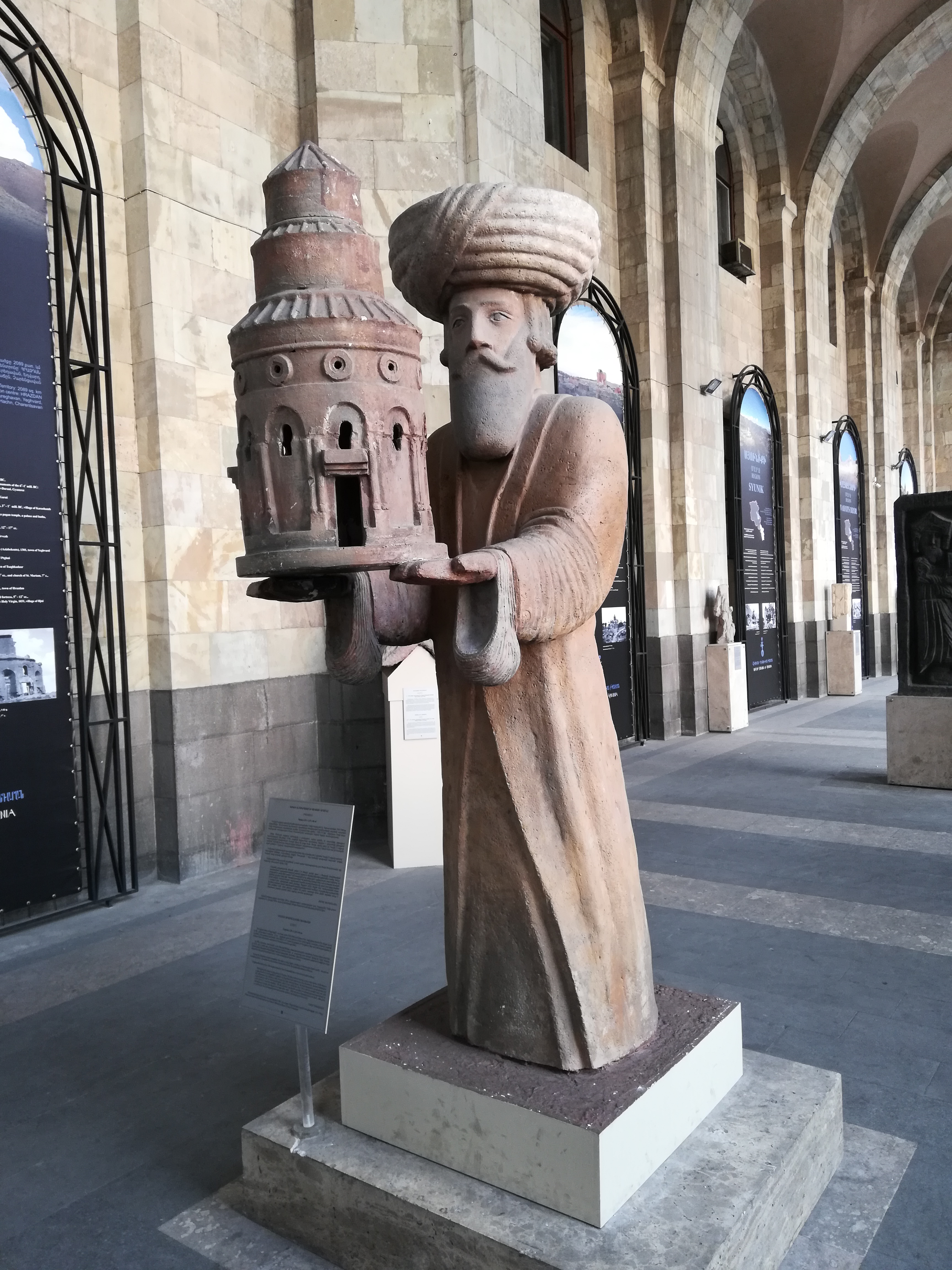
One of Gagik's principal projects was the Church of St. Gregory in Ani (1001–10), loosely modeled on Zvartnots. During Nicholas Marr's excavation of the city's ruins in 1906, a 2.26-meter high statue of King Gagik holding a model of his church was found in fragments. It shows Gagik wearing a turban on his head and a khalat, which indicates that he was recognized by the Abbasid Caliphate. The statue was originally located in a niche high up in the north facade of the church. It was lost in uncertain circumstances at the end of the First World War. Only a few photographs record its appearance. A surviving fragment of the statue is now in the Erzurum archaeological museum. Exactly how, and when, it got there is unknown. According to the museum staff, it was found somewhere in the vicinity of Erzurum and the finder brought it to the museum by car.
A replica sculpted by Hrach Galstyan in 1993 is displayed at the entrance of the History Museum of Armenia in Yerevan.
Notes
References
References
- Հ. Օրբելի. (1966). "Դիվան հայ վիմագրության".
- Manuk-Khaloyan, Armen. (2013). "In the Cemetery of their Ancestors: The Royal Burial Tombs of the Bagratuni Kings of Greater Armenia (890-1073/79)". [[Revue des Études Arméniennes]].
- Karen. Yuzbashyan. link. Antichnaya Drevnost I Srednii Veka. (1973)
- Garsoïan, Nina G.. (1991). "The Oxford Dictionary of Byzantium". [[Oxford University Press]].
- Chahin, M.. (2001). "The Kingdom of Armenia: A History". Curzon.
- Arakelyan. Babken. "". Armenian SSR Academy of Sciences. (1976)
- Madelung, Wilfred. (1975). "The Cambridge History of Iran". Cambridge University Press.
- Arakelyan. Babken. (1976)
- "The Statue of King Gagik".
- (17 October 2025). "Որոշում է կայացվել Գագիկ Առաջին արքայի գիպսե արձանն ուղարկել վերականգնման. պարզաբանում [A decision has been made to send the plaster statue of King Gagik I for restoration: clarification]". [[Aravot]].
- (17 October 2025). "Հայաստանի պատմության թանգարանի կամարաշարի ներքո տեղադրված Գագիկ 1-ին արքայի գիպսե արձան [the plaster statue of King Gagik I installed under the archway of the History Museum of Armenia]". History Museum of Armenia.
This article was imported from Wikipedia and is available under the Creative Commons Attribution-ShareAlike 4.0 License. Content has been adapted to SurfDoc format. Original contributors can be found on the article history page.
Ask Mako anything about Gagik I of Armenia — get instant answers, deeper analysis, and related topics.
Research with MakoFree with your Surf account
Create a free account to save articles, ask Mako questions, and organize your research.
Sign up freeThis content may have been generated or modified by AI. CloudSurf Software LLC is not responsible for the accuracy, completeness, or reliability of AI-generated content. Always verify important information from primary sources.
Report