From Surf Wiki (app.surf) — the open knowledge base
Fruit tree
Tree which bears fruit
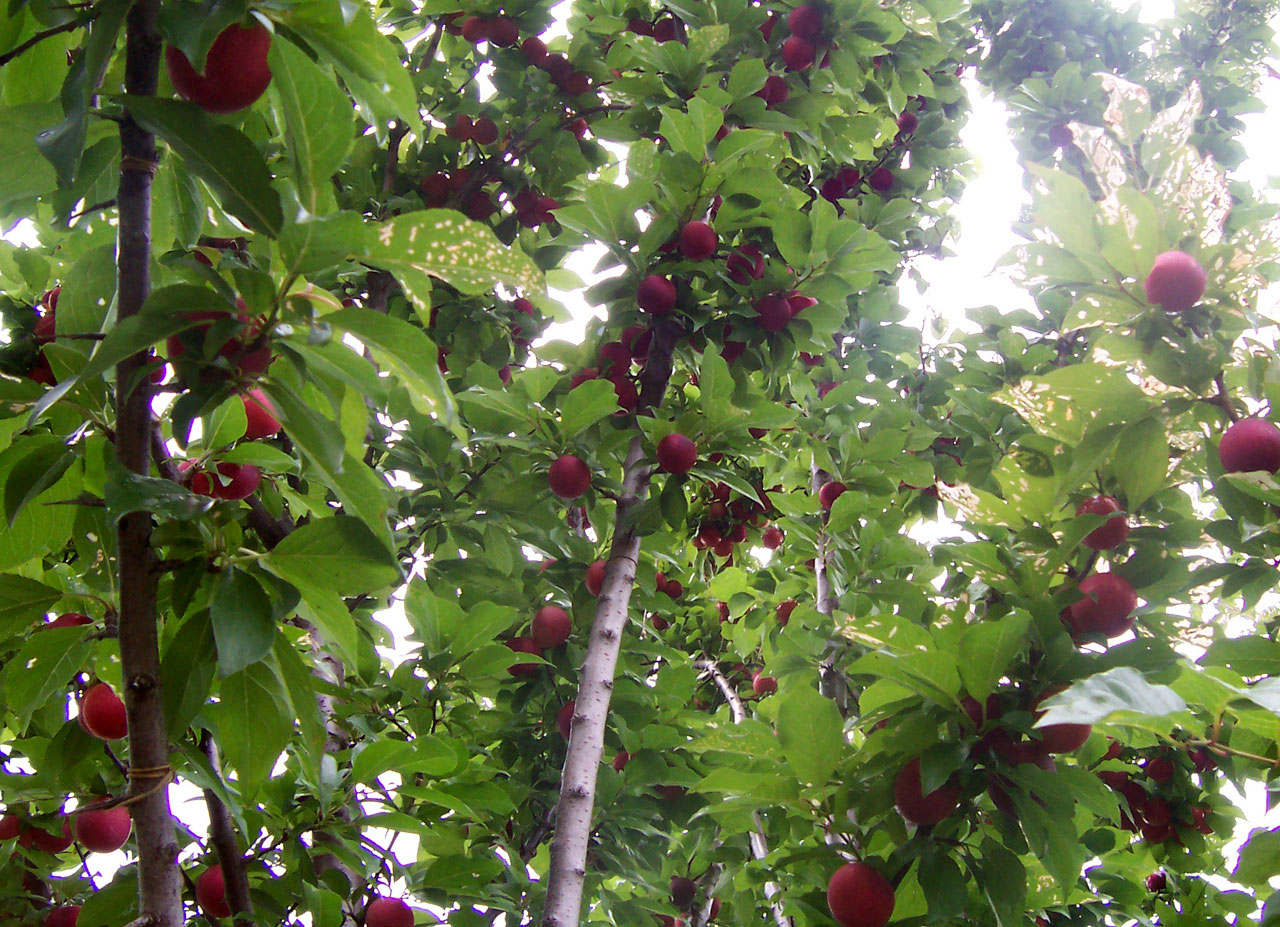
Tree which bears fruit


A fruit tree is a tree which bears fruit that is consumed or used by animals and humans. All trees that are flowering plants produce fruit, which are the ripened ovaries of flowers containing one or more seeds. In horticultural usage, the term "fruit tree" is limited to those that provide fruit for human food. Types of fruits are described and defined elsewhere (see Fruit), but would include "fruit" in a culinary sense, as well as some nut-bearing trees, such as walnuts.
The scientific study and the cultivation of fruits is called pomology, which divides fruits into groups based on plant morphology and anatomy. Some of those groups are pome fruits, which include apples and pears, and stone fruits, which include peaches/nectarines, almonds, apricots, plums and cherries.
Examples
- Abiu
- Almond
- Amla (Indian gooseberry)
- Apple
- Apricot
- Avocado
- Bael
- Ber (Indian plum)
- Carambola (starfruit)
- Cashew
- Cherry
- Citrus (orange, lemon, lime, etc.)
- Coconut
- Crab apple
- Damson
- Durian
- dragon fruit
- Elderberry
- Fig
- Grapefruit
- Guava
- Jackfruit
- Jujube
- Lemon
- Lime
- Loquat
- Lychee
- Mango
- Medlar
- Morello cherry
- Mulberry
- Olive
- Pawpaw, both the tropical Carica papaya and the North American Asimina triloba
- Peach and nectarine
- Pear
- Pecan
- Persimmon
- Pistachio
- Plum
- Pomelo
- Quince
- Pomegranate
- Rambutan
- Sapodilla
- Soursop
- Sugar-apple
- Sweet chestnut
- Tamarillo
- Ugli fruit
- Walnut
- Water Apple
Climate effects on fruit trees
Advantages
Fruit trees can withstand the variability of rainfall better than annual crops due to the deep root systems and the perennial growth habit.
Disadvantages
Climate change is significantly impacting fruit trees, with effects varying depending on the geographical region and type of fruit tree. The annual temperature in Japan, for example, has risen at a rate of 0.124 °C per decade from 1898 to 2019, influencing fruit tree flowering times and potentially leading to a physiological disorder known as "flowering disorder" in Japanese pear, which may result from abnormal flowering or dormancy or both. In Australia, climate change is predicted to prompt a major shift in the fruit farming industry by 2030, affecting the winter chill period necessary for fruit production.
In addition, climate change has caused challenges like early spring and late frosts, flooding, drought, and extreme heat, all of which effect fruit trees. Severe droughts and flooding affect the trees' growth, making them more susceptible to pests and diseases. Extreme heat can damage growing fruit directly on the tree.
This situation is exacerbated by global trends towards reduced organic matter in soil, necessitating innovative water conservation and management strategies to ensure crop yield and quality.
References
References
- (2023-06-05). "Growing Fruit Trees in the Piedmont Region of North Carolina: A Guide for Abundant Harvests".
- Singha, Suman. (2003). "Concise encyclopedia of temperate tree fruit". Food Products Press.
- (2024-12-06). "Precise application of water and fertilizer to crops: challenges and opportunities". Frontiers in Plant Science.
- (2022). "How Is Global Warming Affecting Fruit Tree Blooming? "Flowering (Dormancy) Disorder" in Japanese Pear (Pyrus pyrifolia) as a Case Study". Frontiers in Plant Science.
- Melbourne, Lauren Hull, University of. (2016-06-21). "Climate change: What it means for fruits".
- Susan. (2022-06-21). "How Climate Change Will Affect Fruit Tree Management".
- (2017-09-04). "The effects of climate change on fruit growing {{!}} ADAMA".
This article was imported from Wikipedia and is available under the Creative Commons Attribution-ShareAlike 4.0 License. Content has been adapted to SurfDoc format. Original contributors can be found on the article history page.
Ask Mako anything about Fruit tree — get instant answers, deeper analysis, and related topics.
Research with MakoFree with your Surf account
Create a free account to save articles, ask Mako questions, and organize your research.
Sign up freeThis content may have been generated or modified by AI. CloudSurf Software LLC is not responsible for the accuracy, completeness, or reliability of AI-generated content. Always verify important information from primary sources.
Report